Are you tired of diet tips handed out by someone with apparently unlimited income and time?
For some of us, it may just not be practical to spend half of our Sunday preparing carefully portioned meals for the rest of the week, or financially feasible to buy all our meals prepackaged in just the right portions.
 And there are those of us who cringe at the thought of weighing food to achieve ‘optimal portion sizes’. Here are ten real life diet tips for the rest of us.
1. Eating out? Restaurant portions tend to be enormous, and if it’s on the plate, we tend to eat it. If it’s possible, order from the kid’s menu, where portions are more reasonably sized.
2. Keep healthy snacks around and easily accessible. A bowl of fruit on the kitchen table, a container of celery or carrot sticks in the refrigerator, or a couple of pop-open cans of fruit salad in your desk at work will help you grab for something healthy when those first hunger pains begin. In other words, you’ll be more likely to grab something low-calorie and good for you if it’s easy to eat.
3. Substitute frozen vegetables for canned. Canned veggies tend to be high in sodium, which you don’t need, and low in real nutrition, which you do. Buy economy size bags with zip closures to make it easy to pour out a single serving for a meal.
4. Buy a vegetable steamer. Steaming is one of the healthiest ways to cook vegetables. The food retains nearly all of its natural nutrients instead of leaching it out into the cooking water. Even better, it makes your veggies taste great – which means you’ll be more likely to eat them instead of filling up on fatty foods that pack on weight.
5. Never eat standing up. One of the easiest ways to sabotage your diet is to ‘eat without thinking’. Treat eating with the respect that it deserves. Fix yourself a plate. Sit down and eat properly. You’ll be less likely to just pop food into your mouth without paying attention.
6. Spread your meals out. When you eat three meals a day, your body tends to store whatever it doesn’t need right that moment. By adopting a ‘grazing’ habit, you’ll keep your metabolism working throughout the day. Have a small breakfast, a piece of fruit with crackers or toast at mid-morning, a light lunch and an ‘after school snack’ mid-afternoon. Just remember that you’re breaking up the same amount of food into smaller meals, not ADDING more food into your daily diet.
7. Grab a fruit juice or flavored water instead of soda. Soda is nothing but empty calories. No nutrients, lots of sugar. Instead, grab a bottle of 100% fruit juice, or water flavored with a spritz of fruit.
8. Drink water. Even the FDA recommends at least 8 full 8 ounce glasses of water a day to keep your body working right. When you’re dieting, you should drink even more. It’s not just that full feeling – water helps your body digest foods properly and cleans out your system.
9. Can’t afford a gym membership? Make a pact with friends to exercise together. Make a date at least three times a week to play volleyball, take a walk or spend half an hour doing something active.
10. Skip the potato chips. Fatty snacks fried in hydrogenated oil like potato chips contribute fat and calories and not much else. Instead, grab a handful of dried fruit or a cup of yogurt for the same amount of calories and a lot more nutritional benefit.
To find low prices on weight loss supplements, follow the link here…
Weight Loss and Appetite Suppression Products
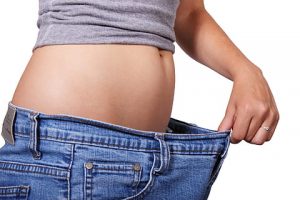 One of the best weight loss secrets is to ditch the sodas and stick to water! Experts say you should drink approximately eight glasses of water a day to stay hydrated and healthy. Instead of turning to calorie-laden or sugar-rich drinks, grab a refreshing glass of water. In addition to flushing toxins out of your system, drinking water encourages you to build muscle.
 Weight-loss supplements touting names like “fat burner” and “thermo max” can be enticing. But do they work? And even more important, in the wake of the Food and Drug Administration’s recent ban on ephedra, are they safe?
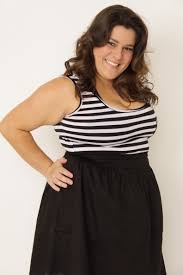 It’s possible to be overweight and still be relatively fit. However, it largely depends if the extra weight you carry is muscle or fat. If the extra pounds are muscle, your risk of disease is lower than if this weight was fat. If your extra weight is fat, you are at increased risk of diabetes, cancer and stroke — even if you exercise.
 Holiday season is just round the corner. There will be parties, celebrations, food and champagne. Ahhhh….that irresistible succulent Christmas turkey and sumptious pudding. That mouth watering New Year’s buffet table and the countdown champagne are so tempting. Your spirit is willing but your flesh is weak. You binge.
 Why is our society so focused on