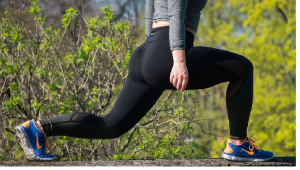
Getting in shape at home doesn’t require expensive gym memberships, fancy machines, or complicated programs.
In fact, some of the most effective fitness routines rely on simple bodyweight movements that have been used for decades.
With consistency and the right approach, exercises like pushups, deep knee bends, jumping jacks, and yoga can help you build strength, improve flexibility, boost cardiovascular health, and feel better overall.
If you’re looking for a realistic, no-nonsense way to improve your fitness without leaving the house, this approach is hard to beat.
Why Getting in Shape at Home Works
One of the biggest advantages of getting in shape at home is convenience. There’s no commute, no waiting for equipment, and no pressure to perform in front of others. This makes it easier to stay consistent, which matters far more than intensity alone.
Home workouts also encourage functional fitness. Instead of isolating muscles, bodyweight exercises train your body to move as a unit. This improves balance, coordination, and real-world strength you can actually use.
Best of all, these workouts are adaptable. You can scale them up or down based on your current fitness level, making them suitable for beginners and experienced exercisers alike.
Pushups: The Upper-Body Foundation
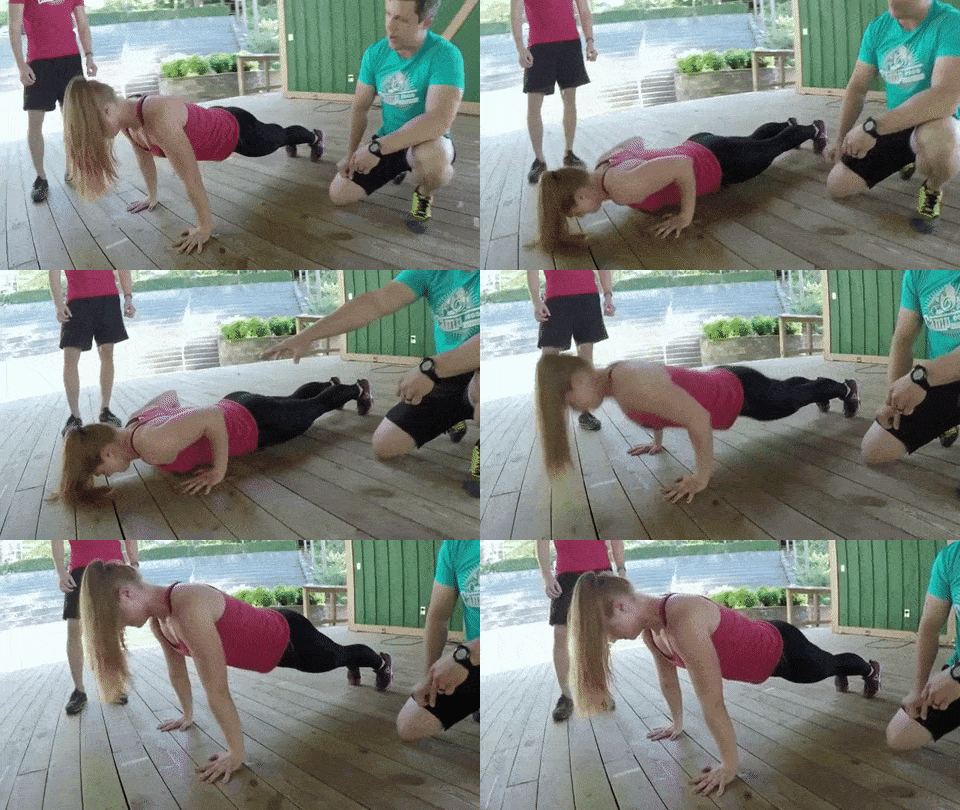
Pushups are one of the most effective exercises for getting in shape at home. They work the chest, shoulders, triceps, core, and even the legs when performed correctly.
To get the most benefit:
Keep your body in a straight line from head to heels
Engage your core throughout the movement
Lower yourself under control and push back up with intention
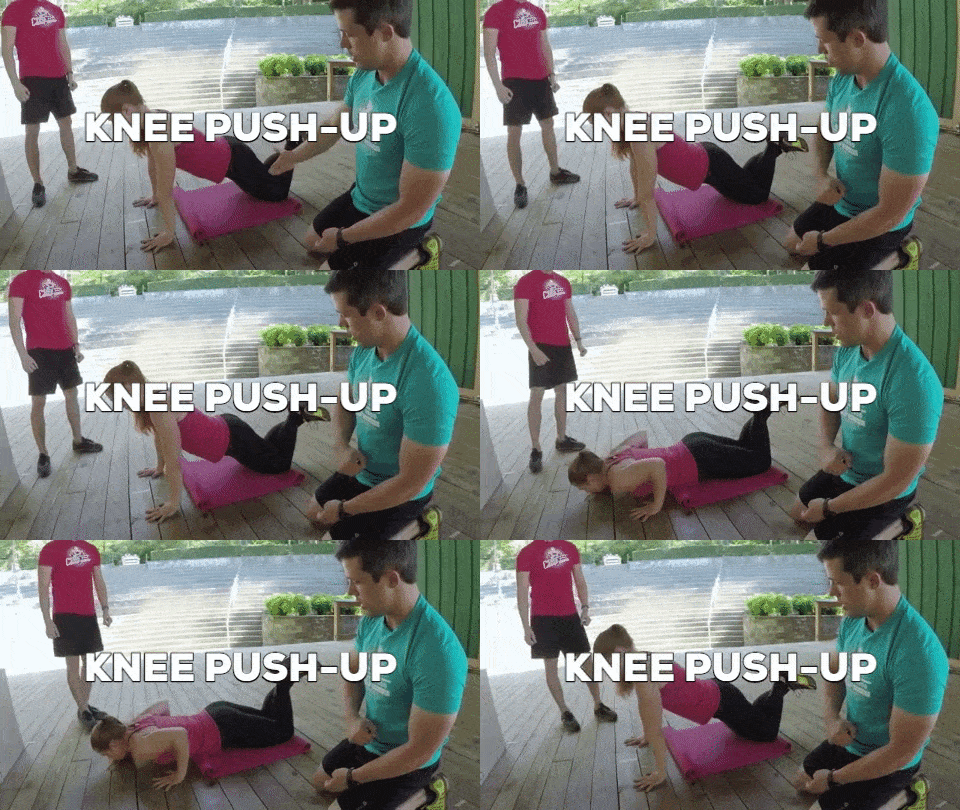
If standard pushups feel too challenging at first, knee pushups or incline pushups using a sturdy surface can help you build strength safely. As you progress, increasing repetitions or slowing the tempo can keep the exercise effective without adding equipment.
Deep Knee Bends: Total Lower-Body Strength
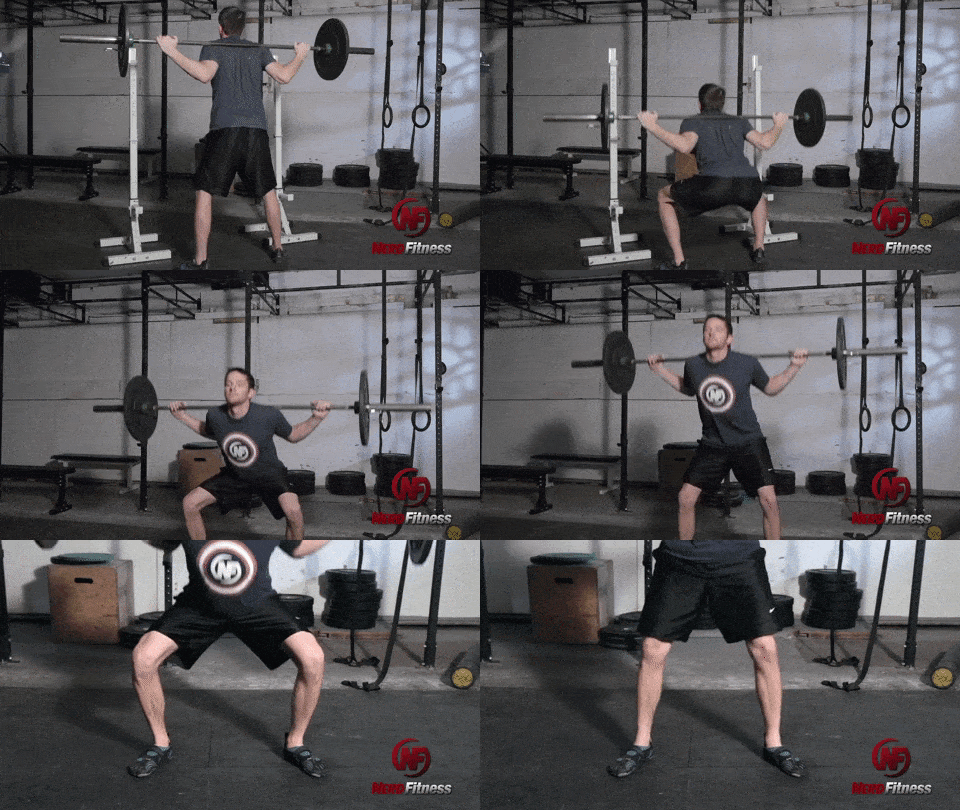
Deep knee bends, often called squats, are essential for building lower-body strength at home. They target the quadriceps, hamstrings, glutes, and core, all while improving mobility and balance.
Proper form is key:
Keep your chest upright
Push your hips back as you lower
Aim for depth that feels challenging but controlled
Deep knee bends are especially valuable because they strengthen muscles used in daily activities like standing, walking, and climbing stairs. This makes them a cornerstone exercise for anyone focused on long-term health and independence.
Jumping Jacks: Cardio Without Machines
Jumping jacks are a simple but powerful way to raise your heart rate and improve cardiovascular fitness while getting in shape at home. They also engage the arms, legs, and core, making them a full-body movement.
Including jumping jacks in your routine helps:
Improve endurance
Burn calories efficiently
Increase circulation and energy levels
They’re easy to modify too. You can reduce impact by stepping side to side instead of jumping, or increase intensity by speeding up or extending workout intervals.
Yoga: Flexibility, Strength, and Recovery
Yoga adds a crucial dimension to getting in shape at home that many people overlook. Beyond flexibility, yoga improves muscular endurance, posture, breathing, and mental focus.
Regular yoga practice can:
Reduce stress and tension
Improve joint mobility
Enhance recovery between workouts
Simple poses like downward dog, plank, warrior poses, and gentle stretches help balance the more dynamic movements like pushups and jumping jacks. Yoga also encourages mindfulness, making workouts feel more sustainable rather than exhausting.
How to Combine These Exercises at Home
A balanced home workout doesn’t need to be complicated. Here’s a simple structure you can repeat several times per week:
Pushups: 2–4 sets
Deep knee bends: 2–4 sets
Jumping jacks: 30–60 seconds per set
Yoga: 10–20 minutes to finish
This approach allows you to build strength, improve endurance, and maintain flexibility all in one session. Over time, small increases in repetitions, duration, or control will lead to noticeable results.
Consistency Is the Real Secret
The most important factor in getting in shape at home isn’t perfection. It’s consistency. Short, regular workouts performed week after week are far more effective than occasional intense sessions.
By sticking with simple movements like pushups, deep knee bends, jumping jacks, and yoga, you remove barriers and excuses. Your body responds to what you do repeatedly, not what you do occasionally.
Final Thoughts
Getting in shape at home is not only possible, it’s practical and sustainable. With nothing more than your own body and a small space, you can build strength, boost endurance, and improve flexibility at your own pace.
If you stay patient, focus on proper form, and keep showing up, these simple exercises can deliver results that rival far more complicated fitness plans. Your living room can become your gym, and your consistency becomes your greatest piece of equipment.
When people think about building muscle, they often picture lifting heavy weights for low reps. But what if there was another way? Science and experience suggest that lifting lighter weights for higher reps—30 to 50 per set until failure—can be just as effective for muscle growth while significantly reducing the risk of injury.
This method, often called high-rep, low-load training, is gaining traction among athletes, bodybuilders, and fitness enthusiasts. Whether you’re looking to build lean muscle, avoid joint pain, or recover from previous injuries, lifting lighter weights can be a powerful approach.
Why Lifting Lighter Weights Can Build Muscle
1. Muscle Growth Happens with Fatigue, Not Just Heavy Weights
Many assume that only heavy weights lead to muscle growth. However, research shows that muscle hypertrophy (growth) happens when a muscle is worked to failure, regardless of the weight used. When you perform 30 to 50 reps with a light weight until failure, your muscle fibers still experience high levels of tension, which triggers growth.
A 2016 study published in the Journal of Applied Physiology found that lifting lighter weights to failure resulted in similar muscle growth as lifting heavy weights for lower reps. The key factor was reaching muscle fatigue, not just the weight itself.
2. Lighter Weights Recruit More Slow-Twitch Muscle Fibers
Muscle fibers are generally categorized into two types:
Fast-twitch fibers (activated with heavy weights and explosive movements)
Slow-twitch fibers (used for endurance and sustained contractions)
Lifting light weights for high reps stimulates slow-twitch muscle fibers, which are often neglected in traditional weightlifting programs. These fibers are essential for endurance, improved muscle tone, and long-term muscular development.
3. Maximizes the Pump and Muscle Endurance
If you’ve ever done a high-rep set, you’ve likely felt an intense “pump”—that tight, swollen sensation in your muscles. This happens due to increased blood flow and metabolic stress, both of which contribute to hypertrophy.
Additionally, training with higher reps improves muscular endurance, which benefits both strength athletes and those looking to maintain functional fitness.
Avoiding Injuries with Light Weights
1. Less Strain on Joints and Connective Tissue
One of the biggest drawbacks of heavy lifting is the strain it places on joints, tendons, and ligaments. Over time, lifting heavy weights can lead to issues like:
Shoulder impingements
Knee pain
Lower back strain
Tendonitis
Lifting lighter weights allows you to stress the muscles while sparing the joints, making it a safer option for long-term training.
2. Better Control and Form
Heavy weights can sometimes force lifters to use poor form, leading to increased injury risk. Lighter weights allow you to:
Maintain strict control over the movement
Use full range of motion
Focus on muscle activation rather than just moving the weight
This makes high-rep training especially useful for beginners or those recovering from injuries.
3. Reduces Spinal Compression
Heavy squats, deadlifts, and overhead presses put significant pressure on the spine. While these movements are valuable, constant heavy loading can increase the risk of disc herniation, nerve compression, and chronic back pain.
Switching to lighter weights with high reps reduces spinal compression while still stimulating the muscles effectively.
How to Implement High-Rep Training
If you want to incorporate 30-50 rep sets to failure into your routine, here’s how to do it:
1. Choose the Right Weight
Pick a weight that allows you to complete at least 30 reps but no more than 50 before hitting failure.
The last 5-10 reps should feel challenging, but your form should remain solid.
2. Control Your Reps
Avoid rushing through reps. Use slow, controlled movements to maximize time under tension.
Focus on mind-muscle connection, ensuring that the target muscle does the work.
3. Train to Failure
The effectiveness of high-rep training depends on reaching muscular failure—the point where you can’t complete another rep with proper form.
Don’t stop just because you hit a certain number. Go until you physically can’t lift anymore.
4. Incorporate into Your Routine
You can replace some heavy lifting days with high-rep training or use it for specific body parts prone to injury (e.g., shoulders, knees).
A sample hybrid plan could look like this:
Day 1 (Heavy) – Squats, deadlifts, bench press (5-8 reps)
Day 2 (High Rep) – Leg press, dumbbell presses, lateral raises (30-50 reps)
Day 3 (Heavy) – Rows, overhead presses, lunges (5-8 reps)
Day 4 (High Rep) – Curls, triceps extensions, band exercises (30-50 reps)
5. Combine with Drop Sets and Supersets
If 50 reps isn’t enough to reach failure, use drop sets (reduce weight mid-set) or supersets (combine exercises back-to-back).
Who Should Use High-Rep Training?
Older adults – Reduces joint stress while maintaining strength and muscle mass.
Beginners – Helps build a foundation of endurance and control before moving to heavy weights.
Athletes recovering from injuries – Strengthens muscles without excessive strain.
Anyone looking for muscular endurance – Great for sports performance and overall fitness.
Final Thoughts
Lifting lighter weights for 30-50 reps until failure is an effective, joint-friendly way to build muscle. It recruits slow-twitch fibers, maximizes metabolic stress, and avoids the injuries often caused by heavy weights.
If you’ve been stuck in a heavy-lifting mindset, consider adding high-rep training into your routine. You may be surprised by the gains in muscle endurance, size, and longevity.
Please share this post on X, Facebook or Pinterest.
High-Intensity Interval Training (HIIT) with bodyweight exercises like jumping jacks, stair stepping, and similar movements can be an effective way to burn calories and boost cardiovascular fitness without needing additional weights or equipment.
HIIT involves alternating between short bursts of high-intensity activity and brief periods of rest or low-intensity exercise. When structured properly, a 20 to 30-minute HIIT session can be enough to burn around 300 calories, depending on individual factors like weight, fitness level, and workout intensity.
Here’s how you can incorporate exercises like jumping jacks, stair stepping, mountain climbers, burpees, and high knees to maximize calorie burn:
1. Jumping Jacks
How to Perform: Stand with feet together and arms at your sides. Jump, spreading your legs shoulder-width apart while raising your arms overhead. Return to the starting position and repeat.
Interval: 30 seconds on, 15 seconds rest.
2. Stair Stepping
How to Perform: Find a step or sturdy surface. Step up with your right foot, bringing your left knee up as if stepping onto a higher level, then return to the starting position and switch legs.
Interval: 1 minute on, 15 seconds rest.
Alternative: If you don’t have stairs, try a knee-high step or step stool.
3. Mountain Climbers
How to Perform: Start in a plank position, bringing one knee up to your chest while keeping your body in a straight line. Quickly alternate legs, mimicking a running motion.
Interval: 30 seconds on, 10 seconds rest.
4. High Knees
How to Perform: Stand with feet hip-width apart. Jog in place while lifting each knee as high as possible with each step, aiming to reach hip level.
Interval: 30 seconds on, 15 seconds rest.
5. Burpees
How to Perform: Start standing, then drop into a squat, place your hands on the ground, and jump your feet back to a plank position. Perform a push-up, then jump your feet back to your hands, and explode into a jump before repeating.
Interval: 30 seconds on, 20 seconds rest.
6. Squat Jumps
How to Perform: Begin in a squat position with feet shoulder-width apart. Jump as high as possible, landing softly and immediately lowering back into the squat position.
Interval: 20 seconds on, 10 seconds rest.
Sample 20-Minute HIIT Routine
Using the above exercises in a HIIT format, try this 20-minute routine to aim for a 300-calorie burn:
Exercise
Duration
Warm-up (march in place)
2 minutes
Jumping Jacks
30 seconds
Rest
15 seconds
Stair Stepping
1 minute
Rest
15 seconds
Mountain Climbers
30 seconds
Rest
10 seconds
High Knees
30 seconds
Rest
15 seconds
Burpees
30 seconds
Rest
20 seconds
Squat Jumps
20 seconds
Rest
10 seconds
Repeat the circuit 3x
15 minutes
Cool Down (stretching)
2-3 minutes
Total Time: ~20 minutes
Tips for Maximizing Calorie Burn
Intensity Matters: Push to your maximum capacity during each high-intensity interval to achieve the best results.
Consistency and Progression: Repeating HIIT workouts regularly will improve your cardiovascular fitness, allowing you to maintain or increase intensity over time.
Warm-Up and Cool-Down: Start with a 2-minute warm-up, like marching in place or light jogging, and end with a cool-down stretch to prevent injury and support recovery.
This bodyweight HIIT session is a quick and effective way to burn 300 calories, increase endurance, and enhance muscle tone without any equipment. Adjust the intensity or duration based on your fitness level, and with regular sessions, you’ll see noticeable improvements in both fitness and calorie burn
You’ve come to the right place, because this is what we do!
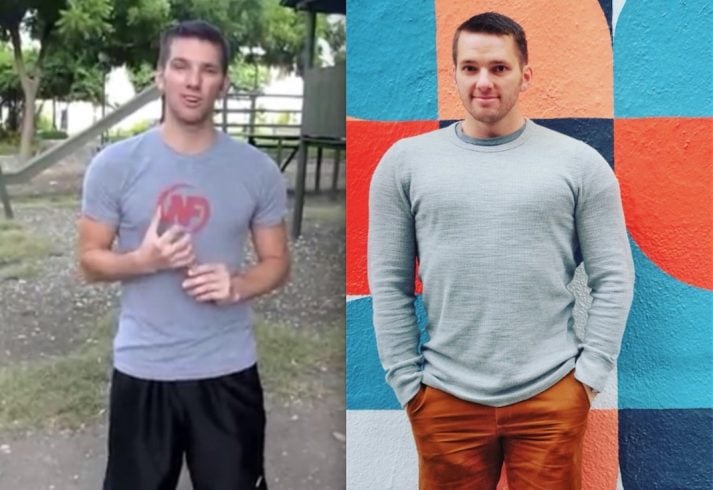
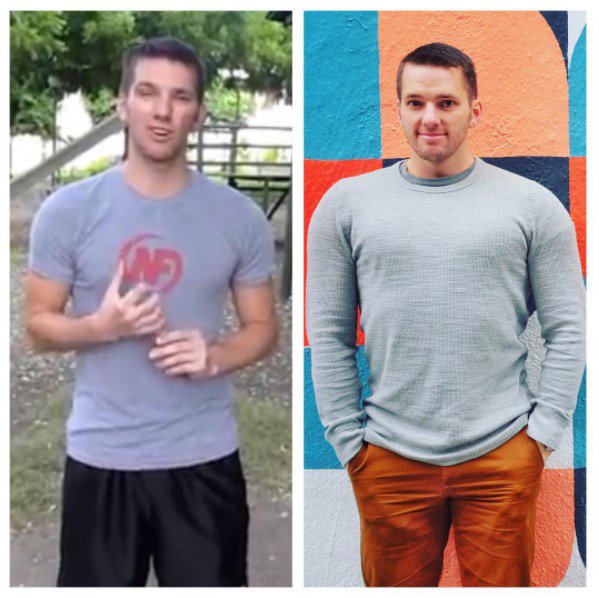
This guide covers the exact weight gain strategies I’ve used to go from my “before” (on the left above) to reach my “after” (on the right above). Believe it or not, that “before” photo is me after a DECADE of strength training and trying to get bigger.
It’s the stuff in this guide that finally allowed me to actually get results (the after).
It’s also exactly how we help our online coaching clients: nutritional guidance and workout plans that line up with their goals.
Oh, and if you sign up in any of the yellow email boxes throughout, you can download our “gain weight and build muscle” shopping list and cheat sheet to hang on your fridge!
Download our free skinny guy’s guide to putting on muscle!
Enter your email below to download now
The Nerd Fitness “Get Bigger” Shopping List
Bulk like the Hulk with our rules for getting bigger
Let’s start putting on weight right NOW.
These are the 12 lessons I wish I knew when I started trying to get bigger (click to jump right to that lesson):
“If you’re not gaining weight, you’re not eating enough food.”
It’s science and thermodynamics.
Allow me to explain: depending on your current size and level of activity, your body burns 1200-2500+ calories every day just doing all of its daily processes:
Breathing.
Keeping your heart beating.
Powering your liver, kidneys, and brain.
Powering your movement.
Rebuilding muscle.
And dozens of other things.
Here’s the problem: because your body efficiently uses up all of the calories you consume every day, there are no calories left over to build muscle (or get stored as fat).
Note: we have used The Mifflin-St Jeor Equation to create this calculator![1]
Hooray! You now know estimates of your Basal Metabolic Rate (calories you burn existing) and TDEE (calories you burn while moving throughout the day)![2]
So, in order to get bigger, you need to eat ABOVE this TDEE number consistently.
Although there is SOME variation with regards to metabolism variability, it’s insignificant when compared to the effect of the more important part of the equation:
We overestimate how many calories we’re eating each day, we don’t account for the calories we burn through movement or exercise, and there aren’t enough calories left over to create a “caloric surplus.”
And without that surplus, we’ll never gain weight or get bigger.
MY STORY: I had been training in a gym for 6 years without gaining size.
It comes down to your personal preference. You might struggle to eat 3000 calories in 3 meals, so having 6 500-calorie meals throughout the day might make you feel less bloated and full.
Your value may vary!
See the next section for tips and tricks on WHAT foods you should eat to gain weight.
If you want somebody to help keep you accountable and help you actually bulk up safely and quickly, we have a pretty great online coaching program that has helped people reach their weight gain goals safely and quickly.
Rule #2) What foods should I eat to gain weight?
If you want to build muscle, target whole foods that come from high quality, high-calorie sources whenever possible.
Sure, you could obtain 3500 calories eating Taco Bell, Twinkies, candy, and Mountain Dew. However, this isn’t a good long term solution to gaining weight and building a good physique (goodbye health).
Trust me, I know. I put on 18 pounds in 30 days by eating meatball subs from Subway, drinking whole milk, eating McDonald’s, and drinking weight gainer shakes.
I certainly wasn’t healthy, and today I’m much more intelligent and knowledgeable about how to bulk up safely.
Consume at least 1-1.5g per pound (2.2-3.3g per kg) of body weight in protein daily.
Consume .25-.4g per pound (.5-.8g per kg) of body weight in fat daily.
Consume the rest of your calorie goals from healthy carbs.
Eat vegetables so that your body can process all the extra food.
If you are not gaining weight, add more carbs and/or fats to your meal.
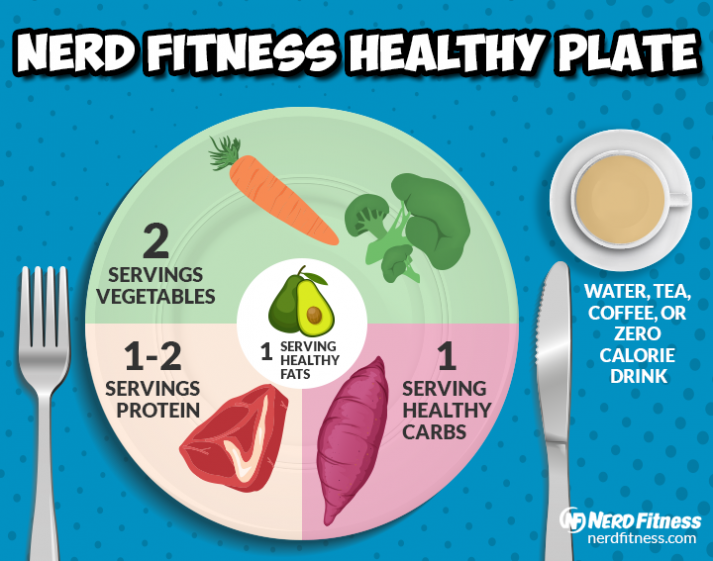
We’re going to start building a plate, like so:
The most important macro we’re going to focus on is protein.[6]. Studies show you’re more likely to put on the right kind of weight with a high protein diet compared to a low protein diet.
So that’s where we’ll start.
FOOD PRIORITY #1: PROTEIN
Protein can come from any number of sources, including:
As you can see, you can eat an extra 500 calories of “healthy fats” by eating lots of “heart-healthy” fats like nuts or adding more olive oil to your meals.
PRIORITY #4: VEGETABLES!
Last but not least, you need vegetables in your diet.
If you start to eat a lot more food, your “indoor plumbing” is going to really benefit from eating some high-fiber veggies with each meal:
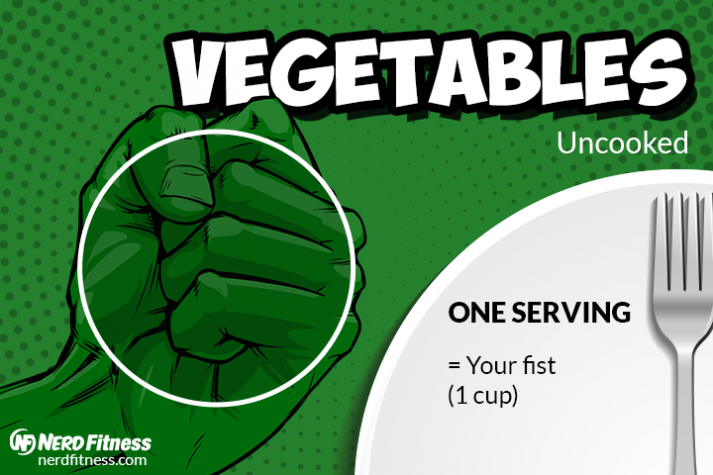
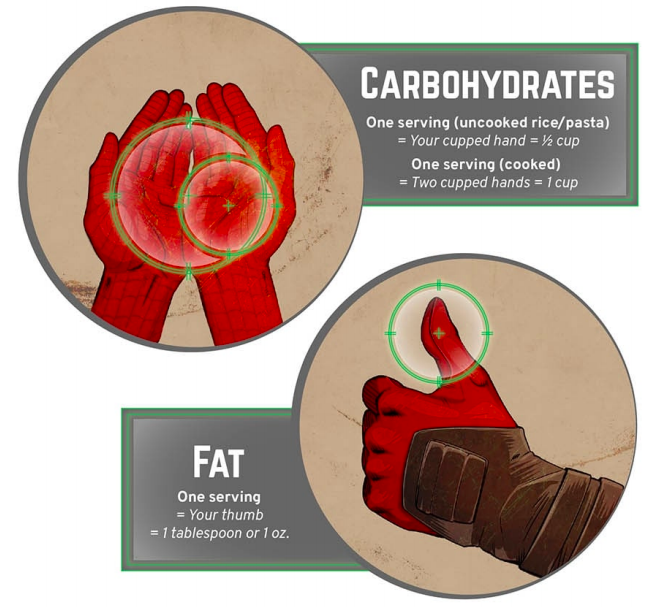
A serving of veggies is about the size of your fist:
Here’s a quick, non-complete list of veggies that you can choose:
Broccoli
Broccolini
Cauliflower
Spinach
Kale
Spaghetti squash
Brussels sprouts
Zucchini
Cucumber
Carrots
Onion
Asparagus
“BUT STEVE, I REALLY STRUGGLE TO EAT ENOUGH CALORIES FROM WHOLE FOODS EVERY DAY!“
I do as well. It’s why I consume a good portion of liquid calories every day too.
It’s a surefire way to make sure you hit your calorie goals.
As I lay out in our massive Protein Shake Guide, creating high-calorie protein shakes to eat between meals can be the game changer (make sure you check the recipe in that article for my “Powerbomb Shake!”).
Also, download our Skinny Guy Guide which has both lessons and a shopping list you can use to prioritize eating the right high calorie, high-quality foods!
Download our free skinny guy’s guide to putting on muscle!
Enter your email below to download now
The Nerd Fitness “Get Bigger” Shopping List
Bulk like the Hulk with our rules for getting bigger
If you’re of healthy weight, active, and wish to build muscle, aim for 1 g/lb (2.2 g/kg).
If you’re going to be strength training while getting bigger, intakes up to 1.50 g/lb (3.3 g/kg) may help you minimize fat gain.[13]
Let me simplify it for you:target at least 1 gram of protein per pound of body weight (2.2 grams per kg).
Provided you’re a healthy individual with a healthy liver, you don’t need to worry about eating too much protein[14] – you should be more concerned with eating too little protein.
Long story short: studies suggest you will not put on the right kind of weight without consuming enough protein!
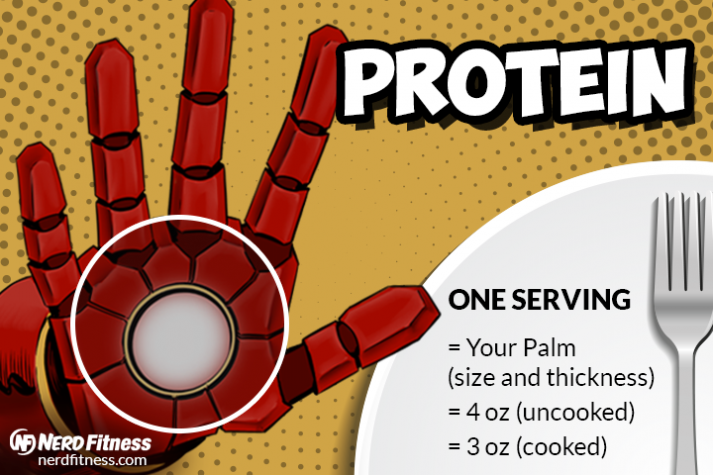
Okay, so let’s talk portions. Here’s how much protein is in a palm-sized serving of food:
4 oz (113 g) of chicken has around 30 g of protein.
4 oz (113 g) of salmon has 23 g of protein
4 oz (113 g) of steak has 28 g of protein.
EXAMPLE TIME!
Let’s say you weigh 150 pounds (68 kg).
That would mean a day of eating could be:
1 serving of protein with breakfast: protein shake (30g).
2 servings of protein with lunch: 2 chicken breasts (60g).
2 servings of protein with dinner: 2 portions of steak (56g).
Creating a high-calorie protein shake with foods like frozen fruit, oats, milk, and a scoop of protein can be huge.
It’s how I hit my goals every day!
MY STORY: I am currently bulking up, and according to my online coach, I need to eat 3200 calories with 240g of protein on workout days (I weigh 172 pounds).
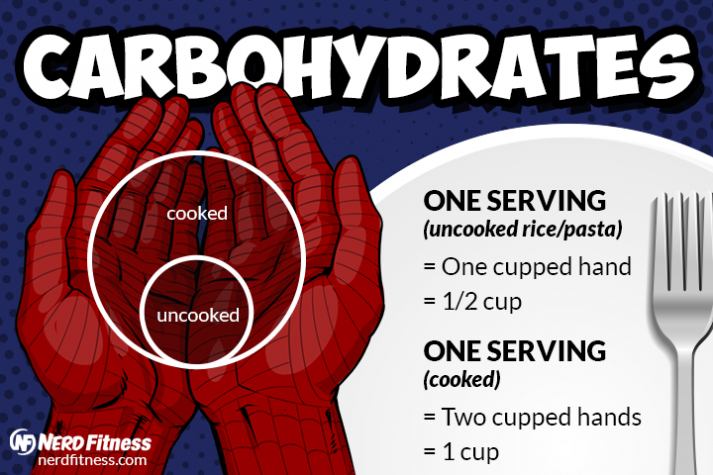
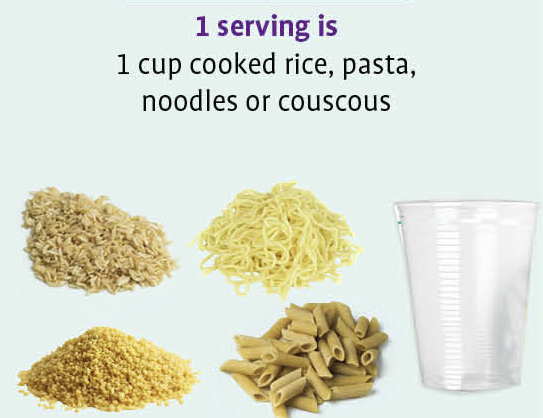
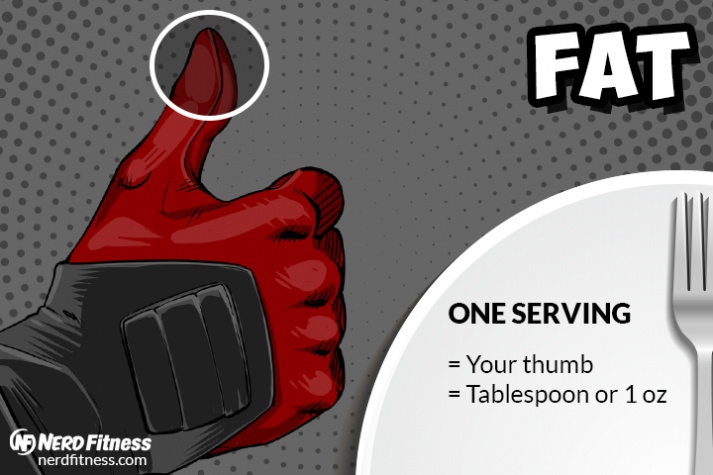
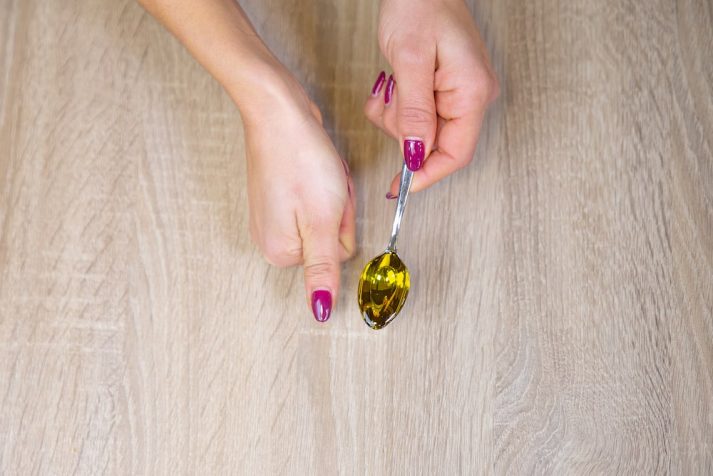
Target 2 portions of carbs, and 2 portions of fat in your meals.
Remember, our portions look like so:
If you’re not gaining weight, increase those numbers even more.
This is all about math! Not getting bigger = need MOAR food.
What about other foods like pizza, pasta, candy soda? Sure, you can get away with consuming less healthy things ON OCCASION (pizza, subs, etc.) but avoid fueling yourself with ONLY junk food.
If you’re not sure specifically what you should be eating for protein, carbs, and fats, download our “Get Bigger” Shopping List by putting your email in the box below:
Download our free skinny guy’s guide to putting on muscle!
Enter your email below to download now
The Nerd Fitness “Get Bigger” Shopping List
Bulk like the Hulk with our rules for getting bigger
My advice: Rather than chasing massive weight gain over a month, you’d be much better off gaining .5-1.5 lbs. (.25-.75 kg) a week, every week, for six months…and keeping the weight on!
So, how do you know if your efforts are working? Simple.
If the scale is moving UP, keep doing what you’re doing.
If the scale is NOT moving: EAT MORE.
If you’re ever unsure if you’ve eaten enough that day, eat more.
Once you start to get a good feel for how many calories you eat each day, try to eat the same meals to keep it easy.
Still convinced you can’t gain weight even after tracking things? Let us help. I too was convinced that it was my “fast metabolism,” until I learned from my personal trainer that I simply wasn’t eating enough.
Rule #6) What Are the 10 Best Exercises For Weight Gain?
Up until this point, we’ve only talked about the weight gain portion.
Do Steps 1-5 above, and you’ll put on plenty of weight.
HOWEVER, if you’re not also training correctly, you’ll just be getting fat, and not building muscle!
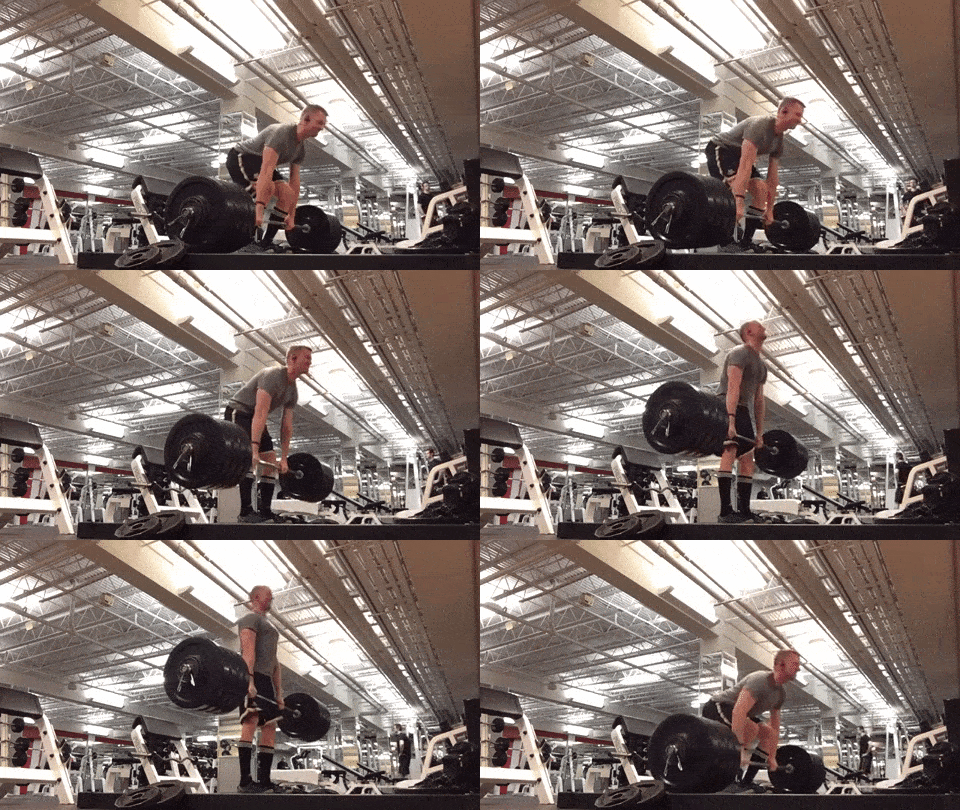
Get as strong as possible with these exercises while eating enough calories and protein, and you will gain the right kind of weight! It’s how I bulked up correctly:)
Important point: don’t worry about isolation exercises like triceps extensions, shoulder shrugs, bicep curls, or crunches.
You can certainly do them, but only AFTER you’ve done your heavy lifts for the day!
All of the compound exercises listed here use every muscle in your body, and when you overload your body with calories and protein, those muscles will grow.
Want more workouts to follow? Read through our Strength Training 101 series that will answer all your questions!
Terrified to even step foot into a gym? We understand! Check out our Beginner’s Guide to the Gym article for some basic strategies and workouts.
Want somebody to tell you EXACTLY how to exercise and how to eat? Check out our 1-on-1 Coaching Program.
Rule #7) How to Strength Train to Gain Weight
If you are going to get bigger, you need to consistently increase the difficulty with every workout.
Every time you train, your muscles break down and have to rebuild themselves.
You are teaching them to say “I must get bigger and stronger in case I have to do that again!”[16]
So how do you progressively overload your muscles?
Lift more weight than last time.
Do more sets or reps than last time.
Wait less time between sets than last time.
Do a more difficult movement or variation.
If you did 3 sets of 5 reps of squats at 95 pounds last week, go for 3 sets of 5 reps at 100 pounds this week!
Did knee push-ups last month?
Great, try to do regular push-ups this month.
Always increase the challenge, and the best way to do that is by tracking your workouts!
Write down how you train, so that way you know exactly how to get stronger next time. I use Evernote on my phone, but you can use an old school notebook or whatever floats your boat.
In addition to the protein shakes mentioned back in Rule #3, consider a creatine supplement – it allows your muscles to store more water – which will both help you potentially lift heavier and improve your performance in the gym!
If you don’t want to build your own workout routine, or you’re not sure how and when to scale up your workouts for the best results, let us build a routine for you!
Our coaches will build a workout program for your goals, and every day you can check your coaching app and know exactly what to do:
Rule #8) How Many Days Per Week Should I Exercise to Gain Weight And Get Bigger?
Muscles are made in the kitchen and while sleeping, NOT in the gym.
When you train, you are essentially ripping apart and breaking down your muscles.
Then, during the next 48 hours, as you are eating a caloric surplus and recovering, your muscles get rebuilt bigger and stronger.
For this reason, never exercise the same muscle before it’s ready.
In other words, try not to exercise the same muscle on two consecutive days.
Here are the best common practices for weight gain: Do a gym workout 3-4 days a week with a day off in between each (while consuming plenty of calories). This is plenty of training to promote muscle growth and weight gain.
Long story short: pick up a heavy weight in the gym 3-4 days a week for an hour.
“Inadequate sleep impairs maximal muscle strength in compound movements when performed without specific interventions designed to increase motivation.”
Think of it this way:
Building muscle is hard work, your body can use all the help (and calories) it can get. Your body is doing nothing but lying there and building muscle while you’re sleeping. [19]
If you are only getting 6 hours or less, you’re not going to get all the benefits of your exercising and diet, and not giving yourself the best chance to gain weight and grow bigger.
We often spend quite a bit of time with our coaching clients working with them on their sleep and environmental habits! From turning off the TV an hour earlier to even becoming a morning person, we build fun missions and challenges for our clients around stuff like this to get results.
Rule #10: Should You Do Cardio While Trying to Gain Weight?
Depending on how you currently feel about running, this next sentence will either make you happy or miserable:
“Running might work against your efforts to gain weight and build muscle.”
When you run, your body uses up calories to fuel your runs. This leaves fewer calories left over to build muscle.
Now, nobody will refute the benefits of improved cardiovascular health, nor would I EVER tell you to not do an exercise that you find fun.
In addition, a 2016 study[20] showed that doing endurance training AND strength training actually created larger muscle hypertrophy in untrained subjects than just resistance training alone.
What this means:
If you’re somebody that runs and enjoys it, great!
If you’re trying to get bigger, here’s what I would recommend:
Find a way to increase your food intake, and still know that you might be building muscle slightly slower than if you ONLY did strength training.
Cut back on running until you reach your goal weight/size, and then introduce it back into your routine.
Is your SOLE focus on getting bigger? Do 3 things:
Eat (a lot).
Lift (heavier).
Sleep (a lot).
Interested in giving your heart a workout without steady cardio?:
Do higher volume strength workouts. Sets of 20 barbell squats is QUITE the cardio workout.
Want to incorporate cardio the RIGHT way into your life, along with strength training, to start gaining weight?
Our coaching program builds custom programs to help people just like you reach your goals.
Rule #11: Realize you will put on some fat, and that’s okay.
With all of this eating, you will probably put on some fat along with your muscle.
That’s okay!
You might even be skinny enough that a bit of extra “cushion” on you is a good thing!
If you are trying to put on MOSTLY muscle and minimal fat gain:
Target at least 1.5g of protein per pound of body weight (3.3g per kg).
Eat a caloric surplus that is 250cal over your current TDEE.
And then fine-tune it from there:
You’re trying to thread the needle of “only build muscle, don’t add fat” which is fairly advanced and challenging.
As this 2017 study points out[21], “Protein overfeeding or the consumption of a high protein diet may not result in a gain in body weight or fat mass despite consuming calories that exceed one’s normal or habitual intake.”
This is incredibly challenging, and you do run the risk of not eating enough to build muscle. In addition, you might build less muscle than had you consumed a larger surplus of calories.
It’s important to build a system that sets you up for weight gain success.
It comes down to two things:
Don’t miss workouts.
Don’t miss meals.
So do whatever you need to do to make those things happen!
Here’s my final piece of advice: If you want permanent success, stop thinking in terms of “How fast can I gain weight?” and instead think:
“What can I do today that feels sustainable enough that I can stick with it for a year?”
This is how I get results, and how you can use the tools and tips in this article to get results too. Build small habits that become permanent parts of your life, and the results you’ll get will be permanent too.
Now, if you’re somebody that wants even MORE guidance, and specific instructions to follow, I got you:
1) Our 1-on-1 online coaching program, work with a member of Team Nerd Fitness that gets to know you and your situation. We’ll provide expert guidance and accountability, a custom workout, and regular ongoing support:
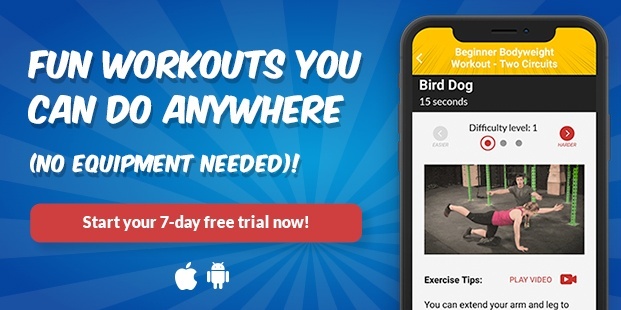
2) Exercising at home and need a plan to follow? Check out Nerd Fitness Journey!
Our fun habit-building app helps you exercise more frequently, eat healthier, and level up your life (literally).
Try your free trial right here:
3) Sign up for our free email list, the Nerd Fitness Rebellion! Join a few hundred thousand rebels just like you and I’ll send you a bunch of free guides too. I’m nice like that.
Download our free skinny guy’s guide to putting on muscle!
Enter your email below to download now
The Nerd Fitness “Get Bigger” Shopping List
Bulk like the Hulk with our rules for getting bigger
To recap our full article, here are the “12 Rules To Gain Weight Quickly”:
A high protein diet (3.4 g/kg/d) combined with a heavy resistance training program improves body composition in healthy trained men and women–a follow-up investigation.
“Examine: can eating too much protein be bad for you?”
 Getting in shape at home doesn’t require expensive gym memberships, fancy machines, or complicated programs.