 Free radicals sound like the name of a rebellious garage band from 1972, but inside the human body they are far less charming.
These unstable molecules are created naturally through metabolism, exercise, pollution exposure, cigarette smoke, stress, ultraviolet rays, and even ordinary digestion.
In small amounts, free radicals are normal. The trouble begins when they accumulate faster than the body can control them.
That imbalance is known as oxidative stress, and researchers believe it may contribute to aging and a variety of chronic health problems. Fortunately, nature packed many foods with antioxidant compounds that help neutralize free radicals before they can do too much cellular vandalism.
Here are seven powerful foods that can help your body fight back.
1. Blueberries: Tiny Shields with a Big Reputation
Blueberries may be small, but nutritionally they punch like a heavyweight boxer in velvet gloves. These deep-blue berries are loaded with antioxidants called anthocyanins, which help protect cells from oxidative stress.
Studies have linked blueberries to:
- Better brain health
- Improved memory
- Reduced inflammation
- Cardiovascular support
Blueberries also contain vitamin C and fiber, making them one of the easiest “anti-free radical” foods to add to your routine.
Easy ways to eat them:
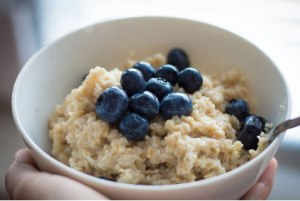
- Toss them into oatmeal
- Blend them into smoothies
- Add them to yogurt
- Eat them frozen as a snack
Nature practically painted them electric blue as a warning label for free radicals.
2. Spinach: The Quiet Nutritional Giant
Spinach often gets overshadowed by trendier greens, but it remains one of the most nutrient-dense vegetables on Earth.
It contains:
- Vitamin C
- Vitamin E
- Beta-carotene
- Lutein
- Zeaxanthin
These antioxidants help protect cells, particularly in the eyes and cardiovascular system. Spinach also provides magnesium and iron, nutrients that support energy production at the cellular level.
The best part is how versatile it is:
- Add it to omelets
- Blend it into smoothies
- Toss it into soups
- Use it as a salad base
Spinach is like the dependable character actor of healthy eating. It rarely gets top billing, but it quietly improves every scene.
3. Salmon: Omega-3 Armor for Your Cells
Fatty fish like salmon are rich in omega-3 fatty acids, which help combat inflammation and support cell membrane health.
Salmon also provides:
- Selenium
- Astaxanthin
- High-quality protein
- B vitamins
Astaxanthin, the pigment that gives salmon its pink color, is a particularly potent antioxidant. Some researchers consider it one of the strongest naturally occurring antioxidants known.
Regular consumption of salmon may support:
- Heart health
- Brain function
- Joint comfort
- Skin appearance
Grilled salmon with vegetables is basically a standing ovation for your mitochondria.
4. Walnuts: Brain-Shaped and Brilliant
Walnuts look oddly similar to miniature human brains, which feels like one of nature’s more playful design choices. Conveniently, they are excellent for both brain health and overall antioxidant defense.
Walnuts contain:
- Vitamin E
- Polyphenols
- Omega-3 fats
- Copper
- Manganese
These nutrients help reduce oxidative stress and inflammation throughout the body.
Because walnuts are calorie-dense, moderation matters. A small handful can provide substantial nutritional benefits without turning snack time into a lumberjack competition.
Try them:
- Sprinkled on oatmeal
- Mixed into salads
- Added to yogurt
- Eaten plain
Crunchy little helmets against cellular chaos.
5. Tomatoes: Red Defenders Loaded with Lycopene
Tomatoes are famous for lycopene, a powerful antioxidant associated with heart health and cellular protection.
Interestingly, cooked tomatoes often provide more bioavailable lycopene than raw tomatoes. That means tomato sauce, soup, and paste can be nutritional heavy hitters.
Tomatoes also supply:
- Vitamin C
- Potassium
- Folate
Research suggests lycopene may help protect skin from sun-related oxidative stress and support prostate health.
Whether sliced fresh or simmered into sauce, tomatoes bring a bright red rescue squad to the dinner table.
6. Green Tea: Ancient Leaves with Modern Science Behind Them
Green tea has been consumed for centuries, and modern research continues uncovering its impressive antioxidant properties.
Its star compounds are catechins, especially EGCG (epigallocatechin gallate), which has been widely studied for its potential protective effects.
Green tea may help support:
- Brain function
- Metabolism
- Cardiovascular health
- Cellular protection
Unlike sugary energy drinks that hit the nervous system like a marching band with fireworks, green tea delivers a gentler lift.
For maximum benefits:
- Avoid drowning it in sugar
- Brew it properly without boiling the leaves too harshly
- Drink it regularly rather than occasionally
A warm cup of green tea can feel like sending your cells to a quiet mountain retreat.
7. Dark Chocolate: Dessert with Defensive Capabilities
Finally, the delicious surprise.
Dark chocolate, especially varieties with high cocoa content, contains flavonoids that help combat oxidative stress.
Potential benefits include:
- Improved blood flow
- Cardiovascular support
- Reduced inflammation
- Mood enhancement
The key is moderation and quality. Milk chocolate loaded with sugar is a very different creature than dark chocolate with 70% or higher cocoa content.
A square or two after dinner can satisfy cravings while delivering antioxidant compounds at the same time. Your cells may not throw a parade, but they might hum approvingly.
Final Thoughts
You cannot avoid free radicals completely. They are part of living in the modern world and even part of normal biology. But you can help your body maintain balance by consistently eating antioxidant-rich foods that support cellular repair and defense.
The real magic is not in one “superfood.” It is in variety, consistency, and building meals filled with colorful, nutrient-dense ingredients.
Think of antioxidants as your body’s cleanup crew, moving through the microscopic streets of your cells with tiny brooms and repair kits, keeping the machinery running smoothly day after day.
And fortunately, many of the best defenders against free radicals are not exotic powders harvested from a volcano at midnight. They are simple foods sitting quietly in grocery stores, waiting to help your body fight the invisible static of everyday life.
Boost Your Metabolism Naturally
Looking for the best metabolism boosters that actually work? Check out my recommended picks on Amazon: Best Metabolism Boosters