Many people choose the month of November to reflect on all that they are thankful for, but practicing gratitude doesn’t have to be limited to one month per year.
In this episode, you’ll hear how evidence shows that a regular gratitude practice has an impact on your brain, health, and well-being. And make sure to listen until the end to hear easy ways to develop a daily gratitude practice.
You will want to hear this episode if you are interested in…
What happened when I decided to focus on gratitude every day for 30 days [2:12]
What studies on gratitude reveal [3:25]
Joining me for 30 days of intentional gratitude [7:35]
30 days of gratitude changed my life
As I approached a milestone birthday, I was feeling the weight of the world on my shoulders. Deep in the trenches of postpartum feelings, I struggled to find ways to celebrate myself. That’s when I decided to flip the narrative by finding something each day to be grateful for for the entire month leading up to my birthday.
Every day over the course of that month I posted something that I was grateful for in my life. At first, practicing gratitude felt a bit forced and unnatural, but over time it became easier. I discovered that the more I focused on what I was grateful for the more good I noticed in my life. Even on the hardest days, I could always find something I was thankful for.
This simple act created a tangible shift in my thought patterns and my outlook, but what’s more, it changed my brain.
Research shows that regular gratitude practice changes the brain
Research shows that practicing gratitude calms the deep limbic areas of the brain and enhances other judgment centers of the brain.
When we think about something frequently we create stronger neural pathways in our brains.
Brain scans have shown a radical difference in the cerebellum and temporal lobes of those who focus on negative emotions as opposed to those who focus on gratitude.
Other studies show that people who express gratitude regularly are healthier, more optimistic, make better progress toward their goals, have a greater sense of well-being, and are more helpful to others.
Cultivating gratitude is an easy way to improve your wellbeing
Practicing gratitude is one of the easiest ways to improve your well-being–it certainly beats running miles on the treadmill!
I used to fixate on the challenges in my life, but after training my brain for 30 days I literally rewired the way I was thinking. My neural connections on gratitude became stronger than those built on negativity or fears. I rewired my brain and with some practice, you can too.
Cultivating a gratitude practice doesn’t mean that you’ll become overly optimistic or lose touch with reality, rather, it means that you take time to focus on what is going well in your life. And practicing gratitude simply means pausing for a moment to focus on what is going well in your life in the midst of the hard things.
Oprah sums this up beautifully by stating, “being grateful all the time isn’t easy, but it’s when you least feel thankful that you are most in need of what gratitude can give you–perspective.”
The more you choose to focus on the good, the more your brain will strengthen that neural pathway and you will spend less time ruminating on your worries and fears. You may discover that your anxiety decreases and that you create a more positive outlook on your life.
Create your own regular gratitude practice
I encourage you to join me for 30 days of gratitude. Over the next 30 days, take a few minutes each day to pause and focus on the positive things in your life among all the challenges.
Download this free gratitude worksheet that you can print out to help you create your own gratitude practice over the next 30 days. If you are a Lindywell member, your 30 day gratitude practice will be even easier since we are infusing a gratitude practice into your new monthly Pilates workout. And if you aren’t a member yet, now is a fantastic time to join. Click this link to give Lindwell a try!
Disclaimer: We’re going to be discussing some issues that may be difficult for some going through a tough time. If you (or someone you know) aren’t coping so well, PLEASE see the links at the bottom of this article with some resources from all around the world. Obviously, we recommend discussing this information with your health professional – none of this is a diagnosis, but rather a starting point for discussion.
BUT, armed with the right weapons, we can ward off the winter monster, or even keep it in full hibernation.
From here, mental health wizard and resident NF Family Rebel Correspondent, Dan Schmidt, will take it away:
What is Seasonal Affective Disorder?
As Coach Jim mentions in the video above, Seasonal Affective Disorder (SAD) is a mood disorder that, spoiler alert, has a seasonal pattern.
(Plus, it’s a really clever acronym.)
It’s also known as:
Winter depression
Winter blues
Seasonal depression.
In a nutshell, SAD makes people with ‘normal’ mental health experience depressive symptoms at a specific time each year – most often winter.
SAD can be a cruel, powerful, and damaging arctic foe.
But armed with the right weapons, we can ward off the winter monster, or even keep it in full hibernation.
How Do I Know if I have SAD?
Most of us feel a little glum in winter…it’s natural to feel a little down.
Cold mornings, less time outside, and often it’s not as easy to get out and do our favorite things:
So for a lot of us, winter just sucks a little.
We’ve known something was up since the 6th century, but SAD remained a mythical creature until the 1980s in the West when it became officially recognized as a mood disorder. While we’re still not 100% sure of how it works; it’s pretty clear to see that SAD especially thrives in cooler, darker climates.
For example, studies show[1] SAD’s prevalence in the U.S. ranges from around 1% in Florida to 9% in Alaska. Looking around the world, in Oslo, Norway, around 14% of the population will be impacted by SAD,[2] while us lucky buggers Down Under are barely impacted at all, with estimates that only around 1 in 300 Aussies (0.33%)[3] will experience SAD during the “winter.”
Yes, SAD can occur for some people during summer and other seasons, but this is particularly rare compared to winter prevalence.
Common SAD symptoms include:
low mood for most of the day.
loss of interest in your usual activities.
drowsiness and low energy (lethargy).
fatigue, irritability, and severe mood swings.
Irregular sleep patterns (too much and/or too little)
eating more than usual, especially craving sugar and carbohydrates, leading to weight gain.
loss of interest in things you normally enjoy doing.
intrusive or disturbing thoughts.
Depression is not just a fancy word for feeling “bummed out”, and SAD is just as serious as any other depression and needs to be dealt with promptly and effectively. (See the end of the article for a list of mental health services links.)
“But how do I know the difference between general winter glumness, or if I’m being mauled by the SAD beast like Leo in the Revenant?”
Ask yourself these questions:
“Do you feel like you can’t get yourself out of this rut?”
“Have you lost an interest in things that you usually enjoy?”
“Have you felt this way for more than two weeks?”
If so, then it could be time to have a chat with a professional and perhaps seek treatment. Once again, SAD is just as real and can be just as devastating as Major Depressive Disorder; the only difference is the yearly regular onset.
This bitter beast can take over someone’s entire well-being, and if left untreated, the consequences can be devastating.
So let’s learn how we can slay the SAD, or even better, keep it in hibernation this year, so we nerds can continue to conquer all year round.
What is the best treatment for Seasonal Affective Disorder? (Slaying the SAD Beast)
As with any injury or illness boss battle, you need to use the right medicine weapon to save the day. And there are many weapons you can equip yourself with to slay SAD.
Here is how to treat Seasonal Affective Disorder:
#1) GET SOME LIGHT
Light helps the body produce serotonin (hormone that affects mood) and reduces the production of melatonin (hormone that makes you sleepy).[4]
Starting with natural light is best, even though it’s not always easy.If the sun happens to be peeking out from the clouds, try and get outside for a nice walk. Even on cold or cloudy days, outdoor light can help, particularly in the morning. Just make sure you bundle up properly. The Norwegians have a saying “There is no bad weather, only bad clothing!”
Also, making your work and home environments as light and airy as possible and sitting near windows can help too.
If you feel you’re just simply not able to get enough natural light, ‘Light Therapy’is generally one of the first weapons picked up to slay SAD.[5] It can start alleviating symptoms in just a few days. It’s incredibly simple, and sitting under bright fluorescent globes or in front of a therapy lamp (again, particularly in the morning) has shown to be effective against SAD[6] (Anecdotal, but I once met a young woman who started to feel better just by increasing the wattage of her bedroom light globes).
Be forewarned that Light Therapy is not appropriate for everyone, including people with bipolar disorder – talk to a professional if this is a route you want to take.
#2) EXERCISE AND DIET
Surprise, surprise, our old friends come to the rescue once again. It’s clear[7] that exercise is key in keeping the blues at bay, so rug up and take a long walk, and be sure to work out when possible.
Exercise and other types of physical activity help relieve stress and anxiety, both of which can increase SAD symptoms.
If you’re really keen to take on winter, try the Winter Is Coming Workout, and start building that summer body early. For those who don’t like the freezing weather, that’s cool (get it?), you can always do Steve’s 20-minute hotel room workout (pro tip: you don’t actually need to be staying in a hotel room to do the workout… that was $250 I’ll never get back).
As for nutrition – while there is no well-established link between healthy nutritional practices and a reduction in SAD symptoms. BUT, studies HAVE shown links between healthy eating – like the Mediterranean diet – and a decrease in general depression.[8]
So anything we can do to eat healthy this time of year may certainly help.
Plus, Steve has already highlighted that if you’re going to eat unhealthy foods during winter, let’s at least be smart about it and negate the impact the holidays have on our waistlines. Try your best to provide a counterbalance to those comfort foods, and keep your diet as close as you can to what it is the rest of the year.
#3) GET SOME VITAMIN D
When exposure to sunlight is low, your body makes less Vitamin D.[9] According to this study,[10] Vitamin D deficiency affects nearly HALF of the world population. It is important for overall health. Our friends over at Examine say that if your diet is decent and there’s only one supplement you’re taking, it should probably be Vitamin D during these upcoming months.
The research is a little mixed when it comes to Vitamin D’s effectiveness in battling SAD,[11] but some studies[12] do show an improvement to everyone’s depression scale scores (those with or without SAD). Overall, if you aren’t getting enough sunlight in the winter, consider picking up some Vitamin D!
Recommendations differ for the amount of Vitamin D needed – or if you even need it – so further blood work and a talk with your doctor is a good choice here.
Meditation has been shown to help alleviate symptoms of depression.[13] Now, you don’t have to shed all your worldly possessions and go live in the mountains:
But if you’re suffering from the winter blues, a simple mindfulness practice may help. Even just a few minutes a day can go a long way.
If you want, Nerd Fitness Journey has a meditation adventure to help you build up the habit.
It’s free to try, right here:
#5) EMBRACE THE SEASON
Going back to foreign sayings – there’s a Danish concept of “hygge.”
While there’s no direct English translation, it essentially means coziness and comfort
Things like:
Wrapping yourself up in a blanket.
Enjoying a good book.
Or sitting by a warm fire.
So instead of lamenting the change of seasons – EMBRACE these other experiences that we get to enjoy.
#6) THERAPY
Talk Therapy (Psychotherapy) and cognitive behavioral therapy sound scary but really aren’t.
Psychotherapy focuses on helping you to build skills to deal with the stresses in your life, along with identifying and changing negative thinking patterns.
Therapies such as these assist with relearning some of the patterns and thoughts in your life that aren’t doing you any good.
It can feel daunting and really weird ‘opening up’ to a stranger at first.
But having a coach to talk through your negative thoughts and feelings, someone who can teach you to manage those better, is generally quite effective.
Most people will notice an improvement in as little as two weeks. Really, the “weird” stigma is usually the biggest barrier to even doing the thing in the first place!
#7) MEDICATION
Finally, some people with SAD benefit from antidepressant treatment, especially if symptoms are severe. We’re not here to offer any medical advice, so please see your doctor if you think medication may assist you.
Moving forward with SAD (This too shall pass)
It’s normal to have some days when you feel down, and the holiday season can be especially hard for some.
When short days and miserable weather are piled on top of this, it’s easy to see why ‘winter blues’ is so common. But if you feel down for days at a time and you can’t get motivated to do activities you normally enjoy, please speak to someone and see your doctor. This is especially important if your sleep patterns and appetite have changed, you feel a sense of hopelessness, you have intrusive thoughts, or you turn to alcohol/substances for comfort or relaxation.
Above all, take care of yourself this winter:
Be sure to get enough rest, and take the time to relax.
Reach out to a trusted friend, family member, or health professional if you feel you’re having a tough time.
And if someone reaches out to you, remember: We are Rebels, we fight conventional wisdom and smash stigmas. Never leave a fellow nerd behind.
If you feel the bitter, arctic beast starting to rise from its summer slumber, remember that you are not alone, and there are ways to slay the frosty fiend. You are strong enough to beat this, and the entire Rebellion has your back.
Want a little more from us?
If you want to continue your journey with Nerd Fitness, we have three great ways for you to do so:
#1) Our Online Coaching Program: a coaching program for busy people to help them make better food choices, stay accountable, and get healthier, permanently.
You can schedule a free call with our team so we can get to know you and see if our coaching program is right for you. Just click on the button below for more details:
#2) If you want an exact roadmap for getting fit, check out NF Journey. Our fun habit-building app helps you exercise more frequently, eat healthier, and level up your life (literally).
Plus, we have Missions specifically designed to help you stay active, no matter what the weather is like outside.
Try your free trial right here:
#3) Join the Rebellion! We need good people like you in our community, the Nerd Fitness Rebellion.
Sign up in the box below to enlist and get our Rebel Starter Kit, which includes all of our “work out at home” guides, the Nerd Fitness Diet Cheat Sheet, and much more!
Get your Nerd Fitness Starter Kit
The 15 mistakes you don’t want to make.
Full guide to the most effective diet and why it works.
Complete and track your first workout today, no gym required.
Alright, that does it for me. Rebels, take care of yourself and each other.
Do you have your own secret weapon to slay the SAD? We’d love to hear from all you Rebels about how you keep your mind healthy during winter; the more ideas we all have, the better! Let us know in the comments!
– Dan
PS – If you, or someone you know, would like further support, here are some excellent links and services that will get you started in the right direction:
Today I’m going to teach how you to appear more confident.
Why? Because confidence is one of the most important skills in life that you can acquire (other than learning to use the Force, obviously).
I know how important even a little bit of confidence can be in everyday situations, whether it’s negotiating with your boss for a raise, buying a car, giving a presentation, or meeting your fiance’s parents.
We’re naturally attracted to and will have our opinions swayed by those who have (or appear to have) a lot of confidence.
Nerds usually get the short end of the stick in the “naturally confident” department, but that doesn’t mean we can’t acquire it like a new skill, Matrix-style!
So today we’ll discuss five steps that you can take to start seeing a difference in self-confidence immediately.
Wanna know something interesting? Many of our coaching clients report “increased confidence” as a consequence of our program. It’s because once you’ve changed your nutrition strategy, lost some weight, and learned to pick up a barbell, you start to understand what you’re truly capable of. That’s a huge confidence boost!
If you’d like to learn if our 1-on-1 Online Coaching Program would be a good fit for you, you can click on the image below for more info:
#1) Stop slouching
If you can develop good posture (a trait that can bypass us nerds), you’ll appear approximately 145% more confident within seconds.
I definitely made up that stat, by the way.
I used to have awful posture throughout most of my life (which caused lots of lower back pain). It wasn’t until I made a conscious effort to focus on standing up straight and strengthening my lower back that the pain went away.
In order to stay on target, I actually hung a “POSTURE!” post-it on my bedroom door so I wouldn’t forget each morning.
Here’s how you can improve your posture:
Stand up as TALL as you can, like you’re a puppet and somebody just pulled the string that’s attached to the top of your noggin.
Pull your shoulder blades down and back as far as possible – This will feel really weird if you spend a lot of time hunched over a desk.
Pick your chin up and look straight ahead – stop looking down while walking around, there’s a whole world out there for you to see.
So not this:
If you have trouble pulling your shoulder blades back, a couple of back exercises might help.
#1) Lat Pull-Downs:
#2) Dumbbell Rows:
This will build up the muscles in your upper back and allow you to actually pull those shoulder blades back together.
Want something easier?
Try standing with your heels, butt, and head against a wall, and then pull your shoulder blades back until they’re touching the wall too. Do this daily and increase the length of the stretch each time.
If you spend all day in a chair, try this: sit down in your chair, and then stand back up WITHOUT having to rock forward. If you have to lean forward even slightly, you’re doing it wrong.
Sit straight up like you’re always ready to stand without having to lean forward. Your lower back will probably get tired as hell sitting like this because it’s not used to the new position – work on it.
Do planks every other day (working your way up to two minutes), and you’ll have a rock-solid core and incredibly strong lower back.
This is probably the hardest step of all, as many of us have spent years and years developing poor posture without even thinking about it. But if we spend a month making a concerted effort to have better posture, we’ll be well on our way to a more confident appearance. Pretty soon we won’t even have to think about it!
I mentioned earlier that back exercises like pull-ups and inverted rows can help a lot with posture. If you have no clue where to start on your strength training journey, make sure you download our guide: Strength Training 101: Everything You Need to Know.
It walks you through every aspect of starting a strength training practice, from equipment, and specific workouts, and how to know when you should progress to lifting more weight. You can grab it for free when you join the Rebellion below!
Download our comprehensive guideSTRENGTH TRAINING 101!
Everything you need to know about getting strong.
Workout routines for bodyweight AND weight training.
How to find the right gym and train properly in one.
#2) Slow down
I am terrified of public speaking. Seriously, I hate being in front of even a small crowd. However, you would never know this, given all the speeches I’ve presented over the years.
You know how I did it?
By taking a deep breath, slowing down, and practicing. I still get nervous, but I’ve learned to manage it so well that nobody notices.
What’s the importance of slowing down? When you get nervous, your voice tends to go up a few notes and you’ll talk faster than you realize. These are two dead ringers for “scaredy cat.”
It’s a lesson I learned in wayyy back in college while presenting my senior business proposal.
It’s now time for a flashback…
About thirty seconds into my college presentation – which I thought was going well – I noticed my friend Deepa in the back of the room frantically waving her arms at me, mouthing “SLOOOWWW DOWNNNN.”
I quickly readjusted my speech, talked WAY slower than I thought I needed to, and took long breaths between sentences. She later told me that she couldn’t understand the beginning at all but the rest of it came out perfectly.
The rest of that class was molded by that presentation, so thanks Deepa for saving me!
If you get nervous in front of people no matter how big or small the group, talk slower than you think you need to, and don’t forget to breathe. In your head, it might seem way too slow, but out loud it’s just right.
#3) Smile
People don’t smile enough these days, so we’re bringing it back.
When dealing with any situation or scenario where we’re uncomfortable, it’s easy to get caught up in our heads. We might be frowning without even realizing it.
The solution: smile.
Not a fake smile, not a creepy smile, but a genuine smile.
We’ll work on it.
Don’t know how to smile correctly? Stand in front of a mirror, close your eyes, and look down. Look up, smile, and open your eyes at the same time.
See that smile right there?
THAT’S a genuine smile.
#4) Win the staring contest
Many of us now work from home, hanging out in our underwear and only interacting with our dogs (or maybe this is just me).
But we’ll still come across people like:
The person behind the counter at CVS.
Your waitress at lunch.
Random strangers that you pass on the street.
When was the last time you looked somebody in the eye until THEY looked away first? If you’re like me, you’ve probably always been the first to “flinch.”
I’m not very good at staring contests:
I say no more!
Starting right now, we’re going to be the person that doesn’t look away.
Think of each interaction as a mini-battle – our eyes against theirs.
As long as we’re smiling and blinking, it’ll come across as friendly and warming.
If we’ve always been shy, the first few times doing this will be absolutely nerve-wracking. Try and power through it.
When practicing, you’ll find that lots of folks will ignore your welcoming glance. They’re probably just nervous too.
#5) Get out of your head
If you feel out of place in a situation, remember this: everybody around you probably does too. We all have our own insecurities; just some of us can exist outside of our brains and project confidence.
As a fellow nerd and chronic over-thinker, I know this is tough to do: stop thinking so dang much and just go for it.
Here are some tips for getting out of your head in a social setting:
Once you spot somebody you’re interested in, don’t give yourself more than three seconds before approaching them. Anything beyond that will cause you to over-analyze the situation in your head and probably end up doing nothing. You’ll quickly learn that “if you don’t ask, the answer is always no,” so you have nothing to lose.
Introduce yourself immediately to strangers at a party – get the awkwardness out of the way immediately, and you’ll come across as cool and collected.
Once you have your speech or presentation prepared, don’t give yourself hours to get nervous – concentrate on something else to occupy your mind until it’s time to present. Don’t overthink, just follow the plan and talk slowly.
Ralph Waldo Emerson once said:
He who is not everyday conquering some fear has not learned the secret of life.
I bet those three things listed above seem scary to 95% of the population (they all scare the bejeezus out of me, which is precisely why I force myself to do them).
Part of building confidence is taking risks and having the ability (and the guts) to do stuff that scares you. Around here we call it “20 Seconds of Courage.”
Your mission: Build Confidence Today
As you follow these five steps, you’ll start to appear more confident. That can make some of your encounters more successful…which will instill more confidence in you. Then this will make even MORE of your encounters successful. And so on.
Think of your confidence like a giant snowball with lots of inertia – tough to get started, but once it’s rolling the momentum will take over.
Your homework – while walking down the street with your head held high, shoulders back, and a big smile on your face, make direct eye contact with at least five strangers that walk by and give them a simple “hi.” Remember, they have to be the ones to look away first, not you.
The first few times will feel really awkward, but who cares – you’ll probably never see them again. As you get more “missions” under your belt, you can progress to other more challenging objectives, like striking up a conversation with a stranger, giving a speech, robbing a bank, etc.
One last thing: with great power comes great responsibility.
There is a fine line between having confidence and being cocky – nobody likes the cocky person who is full of themselves. Remember to be humble.
If you’re trying to figure out how to develop true confidence and apply it to your life, I’d check out Mark Manson’s The Confidence Conundrum:
Confidence is not necessarily linked to any external marker. Rather, our confidence is rooted in our perception of ourselves regardless of any tangible external reality.
The obvious and most common answer to the confidence conundrum is to simply believe that you lack nothing. That you already have, or at least deserve, whatever you feel you would need to make you confident.
In other words: Don’t change what you are, just learn to be more confident in who you are.
So, what tips did I miss or mess up? Any other words of wisdom to pass along? Us nerds need all the help we can get!
-Steve
PS: If you’re looking to boost your confidence, I’ll again remind you of our 1-on-1 Online Coaching Program. We work with busy nerds just like you to complete life overhauls, from adjusting nutrition strategies for weight loss to learning how to strength train.
I get multiple emails and messages per day asking:
“Steve, what should I do for a workout?”
Well, partner, today is your lucky day.
I’m gonna help build you a custom workout program, step-by-step!
After all, a workout should be developed around a person’s age, goals, nutritional strategy, free time, etc.
Not only that, but it’s easy to overcomplicate this process – there are an infinite number of exercises, sets, reps, and programs to choose from.
Now, if you’re somebody that wants to skip all of that, and JUST want to be told what exactly to do:
We build customized workouts for our Online Coaching Clientsand would love to have you. We get to know your story and struggles, your goals, and your lifestyle, and develop a workout plan that fits your schedule.
Now, if you’re more of a “figure this stuff out on my own” kind of person – we’re going to dig into how to build your own workout plan today!
We’ve also created a free resource for folks who want to build their own workout but would love some more specific direction and instruction.
You can download our free guide, Strength Training 101: Everything You Need to Know, which covers all of this stuff in a single guide:
Download our comprehensive guideSTRENGTH TRAINING 101!
Everything you need to know about getting strong.
Workout routines for bodyweight AND weight training.
How to find the right gym and train properly in one.
OKAY! Are you ready to start building your own routine and want to know how it’s done?
Whatever your goals are, it’s good to write them down and be aware of what you’re trying to accomplish.
These goals will shape HOW you build your workout.
An effective way to create goals is by using the SMART method, which stands for specific, measurable, attainable, relevant, and timely.[1]
Specific – Your goals must specifically state what is to be accomplished. They must be clear and easy to understand.
Measurable – Your goals must be measurable so you can tell if you’re making progress or not. For example, I want to gain 5 pounds of muscle. To track your progress you will need body composition equipment that is designed to assess your fat and muscle mass.
Attainable – Your goals should be realistically attainable. Remember, a realistic amount of muscle mass to gain per week is about 0.5 pounds. For example, gaining 5 pounds of muscle should realistically take about 10 weeks
Relevant – Your goals must be relevant to your particular interests, needs, likes/dislikes, and abilities. Another thing to remember is that your goals need to be generated by you and you alone!
Timely – Your goals must have a timeline for completion. If your goal is to gain 5 pounds of muscle then a reasonable end-point should be at minimum 10 weeks.
A SMART goal is a good goal.
QUESTION 2: How much time can you devote to exercise?
If you can do an hour a day, that’s fantastic.
But maybe you have a wife or husband, three kids, a dog, two jobs, and no robot butler…
…then maybe you only have thirty minutes, twice a week.
That’s fine too!
Also, break up your workout! According to the American College of Sports Medicine (ACSM), if you accumulate three 10-minute bouts of exercise throughout the day to total 30-minutes of exercise, then that is as effective as someone who does one 30-minute bout of exercise.[2]
Now, no matter how much time you have, developing the most efficient workout is crucial.
Why spend two hours in a gym when you can get just as much accomplished in 30 minutes, right?
So whether you are building muscle or looking to lose weight, a strength training workout will get you the results you’re after (when combined with the right eating strategy!)
While we’re talking about time, let me quickly mention something important:
As we mention in that guide, here are some realistic timeframes for weight loss or muscle gain:[3]
If you are trying to lose weight it is recommended that you seek a calorie deficit by consuming 250-500 fewer calories per day below your typical calorie intake. This will result in a realistic weight loss goal of 1-2 pounds per week
If you’re trying to gain muscle mass, then it is recommended that you seek a calorie surplus by consuming 250-500 additional calories above your typical calorie intake. This will result in a realistic gain in lean muscle mass of about 0.5 pounds per week.
Unless you’ve been strength training for years and know what you’re doing, we recommend that you pick a full-body routine that you can do 2-3 times a week.
You want a workout routine that has at least one exercise for your:
Quads (front of your legs).
Butt and hamstrings (back of your legs).
Chest, shoulders, and triceps: (“push” muscles).
Back, biceps, and grip ( “pull” muscles).
Core (abdominals and lower back).
I have a trick for you: by targeting compound movements that recruit multiple muscles at the same time, you can build a full-body routine that uses only four or five exercises.
How’s THAT for efficiency!?!
A compound exercise would be the yin to the yang of the isolation exercise.
Think of a push-up (compound):
Compared to bicep curls through a machine (isolation):
Compound exercises have been found to result in improvements in aerobic endurance, muscular fitness, and flexibility, since you’re recruiting all sorts of muscle groups at once.[5]
Where an isolation exercise would be a single-joint movement involving only one single muscle group, like the biceps, in our example above.
I will say, there is a time and place for implementing compound and isolation exercises.
You don’t need to make things more complicated than this!
(Not that we humans have a tendency to overcomplicate things to the point of paralysis and inaction…)
Ahem.
If you’re not sure how to do any of the movements above, click on their links for thorough write-ups and video demonstrations.
Pick one exercise from EACH category above, specifically ones that scare you the least, and that will be your workout every other day for the next week.
Get really good at these basic movements and focus on getting stronger each week (I’ll cover how below).
If you get really strong at squats, deadlifts, pull-ups, and push-ups, you will build an incredible physique to be proud of.
Plus, building strength with these exercises will also help in other areas such as improving your performance in sports, decreasing your risk of chronic diseases (e.g., CVD) and premature mortality (an early death).[6]
*mic drop*
**picks up mic**
Then, once you get confident in those movements, feel free to add some variety.
Why?
If you do the same exact routine, three days a week, for months and months, you might get bored, and start slacking…
Do deadlifts every Wednesday, but change up the sets and reps you pick!
If you hit a plateau or find yourself getting bored, pick a different exercise to improve so you’ll stay challenged, and you’ll actually DO the workout!
I know it’s really easy to overcomplicate this process as there’s an infinite number of exercises, sets, reps, and programs to choose from.
And yes, we have a solution for people that JUST want to be told what exactly to do: our uber-popular 1-on-1 coaching program pairs you with your own Nerd Fitness Coach who will get to know you, your goals, and your lifestyle, and develop a workout plan that’s specific to not only your body, but also to your schedule and life:
Step #3: How Many Sets And Reps Should I Do?
SIMPLE ANSWER: Not including a warm-up set or two, I recommend:
If you can do more than 15 reps without much of a challenge, consider increasing the weight or the difficulty of the movement. This is true for things like lunges, bodyweight squats, push-ups, pull-ups, etc.
There are some other generally accepted ‘rules’ – as pointed out in Starting Strength – about how to determine how many reps you should target per set, based on your goals:
Reps in the 1-5 range build super dense muscle and strength (called myofibrillar hypertrophy).
Reps in the 6-12 range build a somewhat equal amount of muscular strength and muscular size (this is called sarcoplasmic hypertrophy).
Reps in the 12+ range build muscular endurance.
A 2015 study [10] called into question the best rep strategy for building muscle or size:
It appears that high-intensity resistance (sets of 3-5 reps) training stimulates greater improvements in some measures of strength and hypertrophy in resistance-trained men during a short-term training period [compared to sets of 8-10 reps].
What this means: Do not freak yourself out by worrying if you should do 4 sets or 5 sets of 8 reps or 10 reps.
Our advice would be to START with lighter weight and more reps as you learn the movement, and then decide if you want to stay at higher reps and lower weight or vice versa.
You do you, because either way will get you results!
The only thing you need to worry about: get stronger the next time you do that movement.
Either pick up a heavier weight, or do 1 more repetition than last time.
“JUST GIVE ME THE ANSWER!”
Keep your TOTAL (all exercises combined) workout number of sets for all exercises in the 15-25 set range, with 8-10 reps per set:
5 exercises total, each with 4 “work sets” is a good start.
Remember, the most important part is to get started – you’ll learn how your body responds and you can adapt as you go.
What you DON’T need to do: multiple exercises for each body part with 10 sets.
This will result in significant fatigue during your workout increasing your risk for sustaining an injury. It can also result in overtraining, in which you will experience a decrease in performance and plateauing (will not see muscular improvements).[11]
So calm down you eager beaver.
A BIG CAVEAT:How you eat will determine if you get bigger or stronger. Nutrition is 80-90% of the equation. So pick a range that feels good, and then focus on nutrition.
And if you don’t want to figure any of this out and just want to be told exactly how what exercises, sets, and reps to do, our online coaches can take care of that for you.
Step #4: How Long Should I Wait Between Sets?
Keep it simple, you “smart, good-looking, funny, modest person” you.
Below is a basic formula for you to determine how long you should wait between sets, but this can be adjusted based on your level of health.
The goal is to wait the least amount of time you need, but still rest enough that you can perform all reps of the next set safely and properly!
Adequate rest in-between sets will allow your body to regenerate energy, so you can execute the next set of reps with good form and technique, therefore, decreasing your risk of injury.
I’ll provide some guidelines for how long to rest based on how heavy you’re lifting (not rules set in stone!):
1-3 Reps (lifting heavy for strength/power): Rest for 3 to 5 minutes between sets.
4-7 Reps (lifting for strength): Rest for 2 to 3 minutes between sets.
8-12 Reps (lifting for size/strength): Rest for 1 to 2 minutes between sets.
13 Reps+ (lifting for endurance): Rest long enough to recover to allow you to do the next long-ass set!
If you need more or less rest than the above recommendations, that’s fine.[13]
Do the best you can, record how long it takes you to rest between sets, and try to rest for shorter periods in the future.
Your body will adjust as you get stronger and healthier!
If you want more information on how much you should lift, how many reps, and when to scale certain movements or adjust your workout, check out our Strength 101: Everything You Need to Know.
It’s free when you join the Rebellion with your email in the box below:
Download our comprehensive guideSTRENGTH TRAINING 101!
Everything you need to know about getting strong.
Workout routines for bodyweight AND weight training.
How to find the right gym and train properly in one.
The simple-to-learn but tough-to-implement answer:
Lift enough so that you can get through the set, but not too much that you have NO fuel left in the tank at the end.
How do you determine how much that is?
Trial and error.
ALWAYS err on the side of “too light” versus “too heavy” when starting out.
It’s better to say “I bet I could have done more!” instead of “that was too much, and now I need to go to the hospital!”
Plus, when you start working out, you’re actually programming your neuromuscular systems to do the movement correctly.[14] You can’t rush this, so it’s best not to start off too heavy.[15]
If a person can do two reps (or more) over their set goal, then they should increase the load.
How much should you increase weight by?
For less trained people (i.e., beginners), it is recommended that for upper body exercises you increase the load by 2 – 5 pounds and by 5 – 10 pounds for lower body exercises.
For more trained people (i.e., advanced), it is recommended that for upper body exercises you increase the load by 5 – 10 pounds or more and by 10 – 15 pounds or more for lower body exercises
I will say, if you’re doing exercises with just your body weight, you need to make each exercise more difficult as you get in shape – once you get past 20 reps for a particular exercise and you’re not gassed, it’s time to mix things up.
20 bodyweight squats too easy? Hold some weights high above your head as you do the next set. Eventually, you can scale up to do exercises like the pistol squat:
And if you’re not sure how to scale bodyweight movements, or you are interested in mixing things up and want guidance…
Step #6: How Long Should I Exercise For? How Long Should My Workout Be?
Easy answer: 45 minutes to an hour.
Longer answer: If you’re doing 15-25 sets of total exercise (3-5 sets for your 5 exercises), you should be able to get everything done within that 45-minute block.[17]
Now, factor in a five or ten-minute warm-up, and then some stretching afterward, and the workout can go a little bit longer.[18]
If you can go for over an hour and you’re not completely worn out, try increasing the intensity.
You’re getting a cardiovascular workout by consistently moving from exercise to exercise.
You’re exercising different muscles back to back, giving each muscle group a chance to recover, but in a condensed amount of time. Efficiency for the win!
If you’re familiar with CrossFit, many of the workouts are built on circuit principles.
This is also the most effective way to make you involuntarily swear at inanimate objects because you’re so tired and beat up.
And lastly, we love building circuit training routines for our Coaching Clients – and we’d love to build them for you too:
Step #8: How Many Days per Week Should I Train?
We get this question quite a bit, usually from overeager beavers who decide they are going to go from “sitting on the couch watching The Office on repeat” to “exercising 7 days per week.”
I would advise something different.
I mean you can still watch The Office…
…but you don’t need to be training 7 days a week!
We don’t want you burning out quickly and falling back to square one, a concern we mention in our guide “How Often Should I Work Out?“
Just pick “exercise” that’s fun for you and that won’t exhaust your muscles.[26][[26]]However, don’t forget that recovery is key to preventing injuries and allowing the body to rebuild itself after the stress of exercise. If you are looking to exercise on your off days we suggest that you cross-train. Cross-training involves engaging in a training routine or exercises that are different from what you normally would do. For example, if you always run for cardio, we would suggest that you change things up and go on the elliptical or bike. This allows you to stay active on your off days while also allowing the muscles that are always stressed from running to rest and recuperate. (Haff G, Triplett NT. (2016). Essentials of strength training and conditioning. Fourth edition. Champaign, IL: Human Kinetics).[[25]]
Also, here’s a lifehack: Program your workouts INTO your Google calendar (or Outlook).
You’re much more likely to do a workout that has been planned for in your work week!
Alternatively, you can hire a coach to program your workouts for you, so every day you know exactly what you need to do!
Step #9: Keep Track Of Everything!
Last but not least, keep a workout journal!
As they say, that which gets measured gets improved.
You should be getting stronger, faster, or more fit with each day of exercise.
Around these parts, we say “Level up your life, every single day.”
If you want to build from scratch, great! Let’s break it down into easy chunks with this recap:
ALWAYS warm up – 5-10 minutes on a bike, rowing machine, jumping jacks, run up and down your stairs, etc. Get the blood flowing and your muscles warm.[29]
Pick one exercise for each big muscle group – quads, butt and hamstrings, push, pull, and core.[30]
Do 3-5 sets for each exercise.
Do 5-10 reps per set for each exercise.
Determine how many reps and how long you’ll wait between sets for each exercise. Keep it simple. 60 seconds.[31]
Increase your efficiency and work your heart by doing supersets or circuits. This results in a higher EPOC meaning greater caloric expenditure and weight loss!
Give yourself permission to mess up, learn a little, and keep improving as you train more regularly!
More often than not, when I email people back and tell them how to build their own workout, they generally respond with:
“Steve, can’t you just TELL me what to do? I’m afraid of building a crappy workout.”
Why we built THREE options for people like that:
1) If you are somebody that wants to know they are following a program that is tailor-made for their life and situation and goals, check out our Online Coaching Program.
You’ll work with our certified NF instructors who will get to know you better than you know yourself and program your workouts and nutrition for you.
2) Exercising at home and need a plan to follow? Check out Nerd Fitness Journey!
Our fun habit-building app helps you exercise more frequently, eat healthier, and level up your life (literally). Plus, NF Journey will build a workout for you!
Try your free trial right here:
3) Join the Rebellion (our free community) and I’ll send you free guides, workouts, and worksheets that you can read at your leisure.
We need good people like you!
Download our comprehensive guideSTRENGTH TRAINING 101!
Everything you need to know about getting strong.
Workout routines for bodyweight AND weight training.
How to find the right gym and train properly in one.
I certainly encourage you to try and build your own workout routine.
It can really help you develop a sense of excitement and pride when you start to get in shape based on your workout!
If you have more questions, or have a workout program you’re really proud of, share it in the comments below!
-Steve
PS: Check out the rest of our beginner content. I promise, it kicks ass 🙂
American College of Sports Medicine. ACSM’s Guidelines for Exercise Testing and Prescription. Philadelphia: Lippincott Williams & Wilkins, 2000
Read, “Effect of short moderate intensity exercise bouts on cardiovascular function and maximal oxygen consumption in sedentary older adults.” Souce, BMJ Journals
(Spano MA, Kruskall LJ, Thomas DT. (2018). Nutrition for Sport, Exercise, and Health).
American College of Sports Medicine. ACSM’s Guidelines for Exercise Testing and Prescription. Philadelphia: Lippincott Williams & Wilkins, 2000
Haff G, Triplett NT. (2016). Essentials of strength training and conditioning. Fourth edition. Champaign, IL: Human Kinetics
Remember, it all comes down to a caloric deficit or surplus. if you are trying to lose weight it is recommended that you seek a calorie deficit by consuming 250-500 less calories per day below your typical calorie intake. This will result in a realistic weight loss goal of 1-2 pounds per week. If you’re trying to gain muscle mass, then it is recommended that you seek a calorie surplus by consuming 250-500 additional calories above your typical calorie intake. This will result in a realistic gain in lean muscle mass of about 0.5 pounds per week. Source: Spano MA, Kruskall LJ, Thomas DT. (2018). Nutrition for Sport, Exercise, and Health
American College of Sports Medicine. ACSM’s Guidelines for Exercise Testing and Prescription. Philadelphia: Lippincott Williams & Wilkins, 2000)
This goes back to the progressive overload principle. Remember, in order to achieve your training goals or to see improvements, your training must gradually and constantly increase Source: Haff G, Triplett NT. (2016). Essentials of strength training and conditioning. Fourth edition. Champaign, IL: Human Kinetics.
If you do not progress your workout, then you will reach a plateau because your body has met the demands of your exercise or stress that you have placed upon it. If you progress your workout (e.g., do more reps, lift heavier weights, do different exercises, etc.), then those microscopic tears (that don’t hurt) will happen and your muscles will go through hypertrophy and grow bigger and stronger. Source: Powers SK, Howley ET. (2011). Exercise physiology: Theory and application to fitness and performance. New York: McGraw-Hill Humanities/Social Sciences/Languages).
You’ll see a few different recommendations around this. The National Strength and Conditioning Association (NSCA) recommends 6-12 reps for 3-6 sets for muscle hypertrophy and more than 12 reps for 2-3 sets for muscular endurance (Source: Haff G, Triplett NT. (2016). Essentials of strength training and conditioning. Fourth edition. Champaign, IL: Human Kinetics). While the American College of Sports Medicine (ACSM) simply recommends 8-12 reps for 2-4 sets for healthy individuals (Read, American College of Sports Medicine position stand. Progression models in resistance training for healthy adults. Source, PubMed.
Read, “Musculoskeletal adaptations and injuries due to overtraining.” Soucre, PubMed.
Excessive muscle fatigue, often resulting by engaging in higher intensity exercise or engaging in exercise with short rest intervals has been found to increase one’s risk for muscle strains due to fatigue eliciting poor exercise technique. For more, read “Muscle strain injury: diagnosis and treatment.” Source, PubMed.
The NSCA also has guidelines in-place to help you determine your rest intervals in-between sets: 2 to 5 minutes for strength and power, 30 seconds to 1.5 minutes for hypertrophy, and 30 seconds or less for muscular endurance (Haff G, Triplett NT. (2016). Essentials of strength training and conditioning. Fourth edition. Champaign, IL: Human Kinetics).
Plus, ACSM has a basic recommendation of 2 to 3 minutes (American College of Sports Medicine. ACSM’s Guidelines for Exercise Testing and Prescription. Philadelphia: Lippincott Williams & Wilkins, 2000). So we don’t have to get overly dogmatic here.
More efficient communication between your neuromuscular systems results in proper motor unit recruitment. A motor unit is a single motor neuron and the muscle fibers it innervates. We have small motor units, meaning that a single motor neuron innervates relatively few muscle fibers, and these smaller motor units are good for precise and detailed movements (e.g., moving your fingers). On the other hand, we have large motor units, meaning that a single motor neuron innervates hundreds of muscle fibers, and these larger motor units are good for generating a lot of force (e.g., getting larger muscle groups like the quads to generate a lot of force to help in running) (Powers SK, Howley ET. (2011). Exercise physiology: Theory and application to fitness and performance. New York: McGraw-Hill Humanities/Social Sciences/Languages; Heckman CJ, Enoka RM. Motor unit. Compr Physiol. 2012 Oct;2(4):2629-82. doi: 10.1002/cphy.c100087. PMID: 23720261).
When you first start strength training, your motor units don’t fire as quickly and smaller motor units that don’t generate a lot of force are recruited. As you continue working out and become more trained, your motor units fire more rapidly and your brain recruits larger motor units that can generate more force allowing you to lift heavier weights. This is why the progressive overload principle is important! As your neuromuscular system communicates more efficiently, you will see improvements in your exercise technique and muscle adaptations (e.g., hypertrophy) taking place.
Haff G, Triplett NT. (2016). Essentials of strength training and conditioning. Fourth edition. Champaign, IL: Human Kinetics.
According to ACSM and the CDC, all healthy adults aged 18-65 years should participate in moderate-intensity aerobic physical activity for a minimum of 30-minutes on five days per week, or vigorous-intensity aerobic activity for a minimum of 20-minutes on three days per week. Additionally, every adult should perform activities that maintain or increase muscular strength and endurance for a minimum of two days per week. Performing exercise at a moderate-to-vigorous intensity will result in greater caloric expenditure and weight loss. (American College of Sports Medicine. ACSM’s Guidelines for Exercise Testing and Prescription. Philadelphia: Lippincott Williams & Wilkins, 2000).
The NSCA recommends a 5-10 minute warm-up to prepare the body for the exercise session, and the exercise session should be followed by a 5-10 minute cool-down to bring the body back down to rest (Haff G, Triplett NT. (2016). Essentials of strength training and conditioning. Fourth edition. Champaign, IL: Human Kinetics).
The ACSM and other researchers have found that if you ACCUMULATE 10-minute bouts of exercise throughout the day that can be as effective as one who does one 30-minute bout of exercise. Read, “The Effects of Continuous Compared to Accumulated Exercise on Health: A Meta-Analytic Review.” Source, PubMed.
Circuit training results in a higher excess post-exercise oxygen consumption (EPOC) resulting in great caloric expenditure when compared to traditional strength training with longer rest intervals in-between sets and exercises. Read, “Circuit weight training and its effects on excess postexercise oxygen consumption.” Souce, PubMed.
Haff G, Triplett NT. (2016). Essentials of strength training and conditioning. Fourth edition. Champaign, IL: Human Kinetics
Oh, and even if you aren’t doing a ciruict, don’t use your cell phone for other purposes besides using it to listen to music! Other cell phone functions such as texting and talking have been found to lower the intensity of exercise resulting in lower caloric expenditure, and disrupt balance leading to a greater risk of musculoskeletal injuries. Read, “The Impact of Cell Phone Use on the Intensity and Liking of a Bout of Treadmill Exercise.” Source, PubMed. Read, “The impact of different cell phone functions and their effects on postural stability.” Source, ScienceDirect.
The NSCA recommends 2-3 training sessions for novice or beginners, 3 sessions if using total body training or 4 sessions if using a split routine for intermediates, and 4-6 sessions for advanced lifters (Haff G, Triplett NT. (2016). Essentials of strength training and conditioning. Fourth edition. Champaign, IL: Human Kinetics).
Strength training results in microscopic muscle tears in the muscles. This causes a cascade of events eventually leading to muscle repair and growth (i.e., hypertrophy). Our muscles adapt to the overload stress of strength training immediately after each bout of exercise, but it takes roughly eight weeks to see physical improvements (Powers SK, Howley ET. (2011). Exercise physiology: Theory and application to fitness and performance. New York: McGraw-Hill Humanities/Social Sciences/Languages).
Adequate recovery is essential to prevent overtraining. When we become overtrained, our injury risk increases and we reach a plateau and no longer see any improvements from our training. For more, read “The effects of resistance training, overtraining, and early specialization on youth athlete injury and development.” Source, PubMed.
This applies to all healthcare professionals who are working with clients, athletes, military personnel, special populations (e.g., cardiac rehab). These healthcare professionals are tracking everything so they can see if you are improving or not. And if you’re not improving, that is okay. At least you know and then you can start making changes to your exercise routine: change your exercises from bodyweight to free weights; change the number of sets and rep; shorten or lengthen your rest intervals, etc.
And if you’re not improving, that is okay. At least you know and then you can start making changes to your exercise routine: change your exercises from body weight to free weights; change the number of sets and rep; shorten or lengthen your rest intervals, etc.
A traditional warm-up usually consists of two components. The first is a general warm-up of 5-10 minutes of low- to moderate-intensity aerobic exercise, such as jogging or stationary cycling. The second is a specific warm-up that involves less intense movements similar to the sport or activity about to be performed. This second part involves performing dynamic stretches such as high knees, butt-kicks, skipping, shuffling, carioca, etc. The purpose of this type of warm-up is to allow the body to gradually adjust to the demands of exercise by allowing for increases in heart rate, blood flow, muscle temperature, and core body temperature (Haff G, Triplett NT. (2016). Essentials of strength training and conditioning. Fourth edition. Champaign, IL: Human Kinetics).
These big muscle groups allow for everyday activities to be performed with more ease and for you to maintain a more independent lifestyle for a longer period of time. For more, read “American College of Sports Medicine position stand. Progression models in resistance training for healthy adults. Source, PubMed.
But remember, the sets, reps, and rest intervals will change as your training goals change.
The longer your workout the more fatigue you will experience, therefore, increasing your risk of injury. Keep your cell phone in the locker room if you’re having a difficult time keeping your workout to less than an hour!
The same rules apply as for the warm-up. After you are done with your exercise session perform 5-10 minutes of low- to moderate-intensity aerobic exercise. The second part of the cool-down will consist of static stretching instead of dynamic stretching. Static stretching involves slowly moving a muscle to the end of its range of motion and then holding that position for a period of time (10-30 seconds or 30-60 seconds for its greatest benefits). You should stretch the muscle enough to feel a slight discomfort, but don’t go too far where you start to feel pain. For more, read “American College of Sports Medicine position stand. Quantity and quality of exercise for developing and maintaining cardiorespiratory, musculoskeletal, and neuromotor fitness in apparently healthy adults: guidance for prescribing exercise.” Source, PubMed.
Remember, the only way you’re going to know if you’re improving and if your program works is if you’re recording the data. If it’s not working, at least you can catch it early and make the necessary adjustments.
Want to get strong like these LEGO lifters but don’t how to start?
In this Beginner’s Guide to Strength Training (part of our Strength 101 series), you’ll have both the confidence to start getting strong with resistance training AND a plan to follow.
These are the exact strategies we use with our Online Coaching Clients to help them start strength training, and I’m excited to cover everything you need.
By the way, we’ve combined this article along with the rest of our strength articles into a “Strength Training 101: Everything You Need to Know” guide.
Grab it free when you join the Rebellion by putting your email in the box below.
Download our comprehensive guideSTRENGTH TRAINING 101!
Everything you need to know about getting strong.
Workout routines for bodyweight AND weight training.
How to find the right gym and train properly in one.
How Do I Start Strength Training?
Welcome to the first day of the rest of your life.
You’ll look back years from now and thank “Past You” for starting strength training today.
And I promise, you WILL strength train today.
After all, strength training or resistance training doesn’t need to be scary or overcomplicated!
Strength training really comes down to two things:
#1) Movement of any weight against “resistance”(including your body weight) – Doing ANY exercise that pushes your muscles outside of their comfort zone, forcing them to rebuild stronger to prepare for the next challenge.
#2) Progressive overload: doing slightly more than last time (lift heavier weight or do 1 more rep) consistently. Your muscles will constantly have to adapt and rebuild themselves. These microscopic tears (that don’t hurt) force your muscles to go through hypertrophy, meaning they grow bigger and stronger so they can meet the demands of the exercise.[1]
Coach Jim explains the ins and outs of progressive overload in this video:
That’s all there is to it:do some resistance training and attempt to make it more and more challenging, and you’ll grow stronger.[2]
This means if you drop down and do ONE knee push-up right now, technically you’ve done a strength training workout.
It also means if you then do TWO knee push-ups tomorrow, then you are officially following a strength training routine.
In other words…
Now, there are many different “strength training” and “resistance training” paths.
Like a “skill tree” in a video game (with branching paths and progressions), you can progress up one path, and mix and match movements from others depending on the situation.
These paths depend on your goals and what equipment you have available to you.
What Are Some Examples of Strength Training?
Let’s chat about a few different types of strength training.
#1) BODYWEIGHT TRAINING
Bodyweight training is simply doing an exercise in which your own body is the “weight” you are “lifting.”
Duh.
This is the BEST place for anybody – regardless of weight or age – to start their strength training journey.
Why is this the best place to start? Two big reasons:
A) You always have your body with you (unless you are a ghost, in which case, this is awkward). This means you can work out ANYWHERE with bodyweight training:
B) Using your body for resistance training is the most “human” thing ever! By learning to push and pull and hang and squat and lunge, you are doing what your body is literally designed to do.
By getting strong with bodyweight movements, you’re making yourself antifragile and less injury-prone.
Now, it’s SCIENCE TIME!
While learning the movements with bodyweight exercises, you are allowing for proper communication to develop between your neuromuscular systems.
More efficient communication between your neuromuscular systems will result in something known as “proper motor unit recruitment.”
You may be asking yourself: what is a motor unit?
That’s okay because I was asking myself this same question.
A motor unit is a single motor neuron and the muscle fibers it innervates.
You can think of two different types of motor units:[3]
We all have small motor units, meaning that a single motor neuron innervates relatively few muscle fibers, and these smaller motor units are good for precise and detailed movements (e.g., moving your fingers).
We all also have large motor units, meaning that a single motor neuron innervates hundreds of muscle fibers, and these larger motor units are good for generating a lot of force (e.g., getting larger muscle groups like the quads to generate a lot of force to help in sprinting).
When you start strength training, you really are helping your muscles communicate bettertogether.[4] This is why we recommend starting with bodyweight exercises, to help start this process.
However, bodyweight training isn’t as easy to ‘scale’ the difficulty as some of the other strength training methods (“put more weight on barbell”), but you can get REALLY strong with just bodyweight training.
For example, you can start with knee push-ups, then go to regular push-ups, then elevated push-ups, then even up to things like handstands and handstand push-ups.
You just have to know HOW and WHEN to scale up (we can help there too).
#2) DUMBBELL TRAINING
Dumbbells are a great first step into the world of weight training and strength training:
Most gyms will have dumbbells, even if it’s a basic gym in your apartment complex.
A set of dumbbells doesn’t take up a lot of room, which means you can have a pair at home without a large footprint.
Dumbbells make it easy to add difficulty to a bodyweight movement: holding dumbbells while doing lunges, for example.
Dumbbell exercises can be less intimidating than barbell training for some, and are a step towards barbell training.
Dumbbells have an added stabilization challenge,[4] and will point out muscle imbalances pretty easily (“oh my right arm is stronger than my left arm.”).
Dumbbells allow for single-arm and single-leg exercises to be performed. This can allow you to strengthen any muscle imbalances and can come in handy especially after an injury.
You can scale easily. Once the 10-pound weights become too easy, pick up the 15-pound ones!
#3) KETTLEBELL TRAINING
A kettlebell is essentially a cannonball with a handle on it. They come in any weight imaginable, don’t take up a lot of room, and can be used in dozens of ways for a great compact workout.
Our 20-minute kettlebell workout has 8 simple exercises you can do with just one weight.
Although there are “adjustable kettlebells,” you’ll most likely be working with a single kettlebell, and then adjusting your movements for “progressive overload” (making the workout slightly more difficult each time).
If you are a member of a gym, they’ll probably have multiple kettlebells that you can use to level up.
#4) BARBELL TRAINING
Regardless of sex or gender age, if your goal is to get strong quickly, use 20 seconds of courage and get comfortable training with a barbell (I’ll help you, I promise):
“Progressive overload” is easy – you simply add weights to either side of the bar, allowing you to progressively lift more and more weight each week.
It’s much easier to go heavy safely – especially for lower body movements like the squat and the deadlift.
The biggest downside to barbell training is that in order to train at home, you need to have purchased a squat rack, a barbell, a bench, and enough weights for your house or garage (which can be an expensive investment, especially when starting out!).
Not sure which path to pick? You’re not alone – this stuff can be overwhelming. Check out our 1-on-1 Coaching Program. We get to know you and your goals, will check your form via video, and make adjustments based on your progress!
Which Strength Training Program is Right for Me?
So, what’s the best workout program to start as a beginner?
Realistically, it’s the one that you will ACTUALLY do.
Barbell training might be optimal in terms of building pure strength quickly, but if you don’t see yourself getting to the gym regularly – or you’re too self-conscious to enter the free weight section (for now) – no problem!
Conversely, bodyweight training might seem convenient and easy to start now, but if you can’t motivate yourself to work out at home, you might be better off joining a gym.[6]
So let’s get you a workout program!
As we cover in our “How to Find the Perfect Workout Plan (for you)”: MOST beginners will be best served by following a “full-body” or “total body” routine, 2 to 3 times per week, with a day of rest in between each workout.[7]
This full-body workout will have 4-5 big compound movements.
A compound movement is an exercise that recruits LOTS of muscles simultaneously and forces your body to work in unison. These compound exercises are considered multi-joint exercises meaning that they involve more than a single muscle group.[8]
An example would be the barbell squat, which recruits every muscle in your core, butt, and legs to work together to lift the weight.
This is WAY more efficient – and effective at building pure strength – than doing 5 different isolated leg exercises.[9]
Why do 5 exercises when 1 exercise will get you better results in 20% of the time?
To answer your next question, let me tell you about how many sets and reps you should do as a beginner!
Reps in the 1-5 range build super dense muscle and strength.
Reps in the 6-12 range build equal amounts of muscular power, strength, and size.
Reps in the 12+ range primarily build muscular endurance and size and also cardiovascular health.[10]
If you want more, Coach Jim breaks down different set and rep ranges in this video:
Many beginner strength programs will encourage you to keep things simple, doing just 5 sets of 5 reps for each exercise.
Personally, I encourage people to aim for a weight that they can lift for 8-10 reps. This gives you a chance to really work on your form and lift safely!
The max lifts will come later, my friend. You gotta learn to walk before you can run!
If your main goal is to get stronger and/or put on muscle, following a more traditional, pure-strength-style gym workout is going to get you there faster.
TRUTH BOMB: ANY strength training workout will help you reach nearly any goal provided you do two things:
Increase the difficulty of your workouts. This is that “progressive overload” stuff we were talking about earlier. Doing 1 more bodyweight squat, lifting 5 more pounds, or completing your circuit 10 seconds faster than last workout. By forcing your body to constantly adapt, your muscles will never get complacent and have to keep burning extra calories and rebuilding themselves stronger.
Depending on your current situation, and how quickly you’re looking to cut through the “trial and error” and get expert guidance, I might have an interesting solution for you.
We have a pretty killer 1-on-1 Online Coaching Program here at Nerd Fitness. You’ll work with a coach that will build a workout program for your body type and goals, check your form to make sure you’re doing them safety, and even help plan out your nutrition too.
The 5 Best Beginner Strength Training Programs
“Alright Staci, are there any ‘out of the box’ beginner workout programs I can start following now?”
Yup! Let me share with you some of our suggestions:
Here are 5 resistance training workouts you can follow TODAY. Pick the level that you feel most comfortable with, and then level up when you feel ready:
#1) BEGINNER BODYWEIGHT WORKOUT:
Our Beginner Bodyweight Workout has a variety of rep ranges to promote endurance, strength, and cardiovascular health.
Complete one set of each exercise and then moving directly to the next exercise:
Otherwise, you can move onto weight training when you feel comfortable!
#2A) BEGINNER NERD FITNESS DUMBBELL WORKOUT
If you are just getting started with dumbbells and you’re looking for a beginner workout program to follow, this is our Level 3 Gym Workout, “Dumbbell Division”:
10 goblet squats
10 push-ups
10 dumbbell rows per side
I knew you’d ask, so here is a Goblet Squat video explanation (from Nerd Fitness Prime):
So, probably not in a phone booth or a closet or a bathroom stall. But other than that, pretty much anywhere else.
Complete 3 Kettlebell Workout Circuits:
8 Halos (each side)
10 Goblet Squats
8 Overhead Presses (each side)
15 Kettlebell Swings
8 Bent Over Rows (each side)
6 Front Rack Reverse Lunge (per side)
#3) BARBELL TRAINING: 2 DAY WORKOUT SPLIT
As we cover in our “How to Train in a Gym” guide (where we take you from “lost sheep” to “barbell badass”), this routine is a much more focused weight training, strength-building workout that gets your feet wet with barbell training. Click on ANY exercise to learn how to do it properly.
WHAT ARE SOME OTHER POPULAR STRENGTH TRAINING PROGRAMS?
#1) “Starting Strength” is considered the gold standard beginner barbell weight training program by many. We highly recommend you pick up the actual book if you are serious about barbell training – it’s one of the most important training books you can ever read.
#2) Strong Lifts 5X5:A solid workout program that starts you out very slow, with just the barbell, and helps you master form before you get too heavy. It also keeps things VERY easy with “do 5×5.” Strong Lifts has been around for a long time and is a solid program.
#3) Jim Wendler’s 5/3/1: This program allows you a little more freedom to do exercises that you enjoy, or work on personal weaknesses, because you choose some of the assistance work.
Note: You can modify any of the barbell training programs to be done with dumbbells, if that’s what you have at home!
Lastly, you can always write your own workout plan! I wrote my own workouts for a decade and it taught me a LOT about training and health.
We do have our own 1-on-1 Online Coaching Program where you’ll work with a coach that will build a strength training workout program for your body type and goals, check your form on each exercise via video, and even help you plan out your nutrition too.
The simple-to-learn but tough-to-implement answer: lift enough so that you can get through the set, but not too much that you have NO fuel left in the tank at the end.
And then, try to lift sliiiightly more than last time.
Here are two common questions on strength training:
#1) How much weight should I start with?
If you are using dumbbells or a kettlebell, always err on the side of “too light” versus “too heavy.” You want to learn the movement correctly and build correct form.
If you are training with a barbell, ALWAYS start with JUST the bar, no matter the exercise (By the way, a standard barbell weighs 45 pounds).
#2) How fast should I add weight to the bar?
Here’s what we teach all of our coaching clients: add the minimum amount of weight each week you can, even if you THINK you can lift more. It’s better to finish a workout full of momentum and say “I can do more!” than defeated and saying “that was too much, crapola.”
Think of it this way, even if you are adding just 5 pounds per week to the bar, within a year you would be lifting 300+ pounds!
The National Strength and Conditioning Association (NSCA) recommends a similar approach:[14]
For less trained people (i.e., beginners), it is recommended that for upper body exercises you increase the load by 2 – 5 pounds and by 5 – 10 pounds for lower body exercises.
For more trained people (i.e., advanced), it is recommended that for upper body exercises you increase the load by 5 – 10 pounds or more and by 10 – 15 pounds or more for lower body exercises.
So go SLOW. Even slower than the NSCA recommends if needed.
Team NF’s Steve even bought little half-pound weights and increases many of his lifts by just 1 pound per week. It’s a big part of how he transformed (jokingly) from Steve Rogers to Captain America.
And if you are looking for this content in easily digestible form, make sure you download our free Strength 101 Guide when you join the Rebellion below:
Download our comprehensive guideSTRENGTH TRAINING 101!
Everything you need to know about getting strong.
Workout routines for bodyweight AND weight training.
How to find the right gym and train properly in one.
The 9 Best Strength Training Exercises to Learn
If you’re new to all this “strength training” stuff, hopping into a program and going from zero to sixty might be a recipe for failure.
Instead, be patient, and take the time to learn these movements first.
I’m going to share with you the 9 best strength training exercises that every beginner should master (scroll down for full video and explanations!):
1. Push-up: uses every push muscle in your body (chest, shoulders, triceps)
2. Bodyweight squat: uses every muscle in the lower body (quads, hamstrings, glutes, core)
3. Bodyweight row: works every “pull” muscle and helps prepare you for a pull-up!
4. Pull-up or chin-up: the best “pull” exercise in history! Everybody should have a goal to get their first pull-up.
5. Bodyweight dip: advanced “push” movement that targets your push muscles (chest, shoulders, triceps) in a different way than push-ups.
6. Barbell squat: the best bang for your buck on muscle building. recruits nearly every push muscle in your whole body, and great core workout.
7. Barbell deadlift: the favorite exercise of every coach at Nerd Fitness. Uses every “pull,” leg, and core muscle in your body.
8. Barbell benchpress: as basic and powerful as they come. Uses every “push” movement in your upper body and can get you strong as heck!
9. Barbell press: press the bar above your head! Targets shoulders and triceps more than the chest.
All of the exercises listed above are considered functional (closed-chain) exercises. That means they relate to our everyday movements and can be used to predict our success in sports, recreational and occupational activities, and activities of daily living.[15]
When attempting all of these above-listed exercises, aim to master the movement and perform the exercise through its entire range of motion (ROM).
Why?
Because it will decrease your risk for injury, activate all of the appropriate muscle groups, and result in greater muscle hypertrophy.[16]
Let’s go over these now.
Click on any of these exercises to get a FULL explanation of the movement, step-by-step:
1) The Push-Up: The best exercise you could ever do for yourself when it comes to using your bodyweight for push muscles (your chest, shoulders, and triceps):
2) The Bodyweight Squat: This exercise serves a dual purpose: it is the foundation for building strength AND helps build proper mobility. If you are going to ever do barbell squats, you need to work on hitting proper depth with a bodyweight squat first!
3) The Inverted Bodyweight Row: Until you can get your first pull-up or chin-up, these exercises are GREAT to start building your pull-muscle strength: your back, biceps, and forearms.
4) The Pull-Up and Chin-Up: Once you can support your bodyweight above the bar, the world becomes your playground. No strength training routine should be without pull-up or chin-up work! (Click here if you can’t do a pull-up or chin-up yet?)
5) The Bodyweight Dip: As you start to get stronger with push-ups and need to find a way to increase the challenge, consider doing dips – warning: these are very advanced, but incredible strength building exercises.
And now we’re into the best weight training exercises:
6) The Barbell Squat: Probably the best exercise when it comes to building strength and muscle throughout your whole body. It also burns crazy calories and makes life better. This is a MUST:
7) The Barbell Deadlift: Maybe the best exercise of all time. Actually no, it IS the best exercise of all time. It’s certainly the most primal: “pick the weight up off the ground. Done.”
This is a very technical lift, so make sure you read our article on how to do it with proper form:
8) The Barbell Press: Press a barbell above your head. This recruits all of the muscles in your chest, shoulders, and arms in order for you to lift the weight over your head.
As a bonus, you need to really flex and brace your core, which gets those muscles working too.
9) The Barbell Bench Press. Lie on a bench, and lower a barbell until it almost touches your chest. Pause, and press it back up towards the sky. Repeat! And get strong.
NOTE: All exercises were explained according to the guidelines that have been established by the NSCA.[17]
Your mission, should you choose to accept it: commit to trying ONE of these movements in the next week. Use 20 seconds of courage, recruit a friend who has lifted or trained before, and try your best.
And if you want somebody to help you put these into a workout program, teach you HOW to do these movements properly, and have the confidence to know you’re training correctly for your goals…
How to Know You’re Doing a Strength Training Movement Properly (Form Checks)
Always start out with just your body’s weight and make sure your movement is correct!
If it’s a barbell movement, use a broomstick (or PVC Pipe).
If it’s a dumbbell movement, use two sections of PVC or something else that is light and small to simulate a dumbbell.
When it comes to movements like squats, deadlifts, pull-ups, bench press, your form is crucial. Develop good habits with lightweight and you will save yourself months of frustration later and will protect you from injury.[18]
If you’re struggling with certain elements of a movement, don’t get frustrated! Remember, proper communication between your neuromuscular systems needs to develop.
Do regular video form checks! Record yourself and watch the video.
Alternatively, an expert reviewing your specific movement can be invaluable.
If you’re looking for someone who can do video form checks, provide feedback, and adjust your workouts based on your progress, you can check out our 1-on-1 Online Personal Training!
I’ve had an online coach for 4 years and it’s changed my life.
You could also get expert guidance in person: Look around at your local strength and conditioning gyms and see if you could hire a coach (here’s how to find a good personal trainer) for one or two sessions just to go over the basic movements.
If you can’t do either of those two options, no big deal! Videotape yourself and compare it to the videos here in the articles. You can also post your video to the form check section of the Nerd Fitness Forums.
When I started, I really liked practicing all of the movements at home because I could watch a video online at the same time as I was watching myself do it in a mirror. Studies have found this can actually help![20]
Not only that, but you can find study after study after study that shows you the benefits of strength training for weight management when combined with “calorie restriction.”[22]
As we cover in our “Why Can’t I Lose Weight?” article, here’s why eating a caloric deficit and strength training is SO magical when combined:
When you strength train – by picking up something heavy – your muscles are “broken down” during the exercise itself, and then they rebuild themselves stronger over the next 24-48 hours.
Guess what happens during those 24-48 hours?
Your body will divert as many calories consumed as necessary to “Rebuild Muscle!”[23]
It also diverts additional calories to “Burn as Fuel” to handle this increased “muscle rebuilding” activity.
This means two amazing things:
Your metabolism is revved up for this time period, burning more calories than normal.
Rebuilding muscle is a calorie-taxing activity!
Not only that, but when you eat a caloric deficit, your body doesn’t have enough calories to fuel all the day’s activities. In these instances, your body will pull from your stored fat to make sure all the work still gets done.
This is the trifecta of physical transformation victory:
You get stronger and keep the muscle you have.
You burn through the fat you’re trying to get rid of.
You’re decreasing your body fat percent and keeping your muscle = look good naked.
In other words, strength training + eating right is the BEST path for weight loss out there! And yes, in certain situations, you can actually lose weight AND build muscle at the same time.
Coach Matt explains how to gain muscle WHILE losing fat in this video:
So how do you put this into practice? Pick one of the strength workouts in this article. Calculate your daily caloric needs. Learn about healthy eating. And start.
These are the types of things we work on with our 1-on-1 Coaching Clients: helping them lift weights confidently and eat correctly for their goals! Let us help you:
“Just Tell Me What Strength Training Program to Follow!”
Okay! Unless you are collecting underpants, you should now have a workout program you want to try out!
“Staci, this is a lot, can you just TELL me what to do?”
Okay fine.
Here are the steps again for you:
STEP #1: PICK YOUR WORKOUT PATH:
A) If YOU ARE TRAINING AT HOME. Pick one of these 3 based on what equipment you have:
STEP #2: TRY A NEW EXERCISE: In addition to following a workout program, I’m gonna push outside of your comfort zone – that’s where real growth happens.
STEP #3) HIRE A YODA: If you are somebody that just wants to be told exactly what to, how to train for your goals, and are good at following directions, consider hiring a coach.
I’ve been working with an online coach since 2014 and it has changed my life – and I do this stuff for a living!
STEP #4) JOIN THE REBELLION! If you like how we do things around here at Nerd Fitness, we’d love to have you in our community of misfits, mutants, and rebels!
Sign up in the box below and I’ll send you our free Strength 101 guide:
Download our comprehensive guideSTRENGTH TRAINING 101!
Everything you need to know about getting strong.
Workout routines for bodyweight AND weight training.
How to find the right gym and train properly in one.
No matter what you do today:
Don’t be afraid of doing anything wrong – truth be told, the majority of the people in the gym don’t have any idea what they are doing, and are just as nervous as you are!
Muster up your 20 seconds of courage if you need to, and let me know in the comments how it goes!
What questions do you have about getting started?
So, what’s the biggest thing holding you back from starting strength training?
-Staci
PS – Check out the rest of the articles in our Strength Training 101 series:
Powers SK, Howley ET. (2011). Exercise physiology: Theory and application to fitness and performance. New York: McGraw-Hill Humanities/Social Sciences/Languages.
in order to achieve your training goals or to see improvements, your training must gradually and constantly increase. (Haff G, Triplett NT. (2016). Essentials of strength training and conditioning. Fourth edition. Champaign, IL: Human Kinetics.)
When you first start strength training, your motor units don’t fire as quickly and smaller motor units that don’t generate a lot of force are recruited. This results in poor technique, you not being able to lift a lot of weight, and an increased risk for injury. However, as you continue working out and become more trained, your motor units fire more rapidly and your brain recruits larger motor units that results in improved technique, greater force generation allowing you to lift heavier weights, and a decreased risk for injury.
This study found that when the chest press exercise required higher stability requirements (dumbbells), it resulted in similar pectoralis major and anterior deltoid activation, lower triceps brachii activation, and higher biceps brachii muscle activity. These findings show that different modes of strength training will result in different patterns of muscle activation, with free weight modes (barbell and dumbbells) having more muscle activation than machine (Smith machine)
As you may recall, this will initially allow you to learn the movements and also allow for proper communication to develop between your neuromuscular systems.
Or maybe grab a friend. Research has shown that exercising with a partner has the potential to increase exercise motivation, adherence, intensity, and/or duration.
The American College of Sports Medicine (ACSM) simply recommends that a strength training program should be performed a minimum of two non-consecutive days each week, with 2 to 4 sets of 8 to 12 repetitions for healthy adults or 10 to 15 repetitions for older and frail individuals. Eight to 10 exercises should be performed that target the major muscle groups.
Haff G, Triplett NT. (2016). Essentials of strength training and conditioning. Fourth edition. Champaign, IL: Human Kinetics.
To be fair, both compound (closed-kinetic chain) and isolation (open-kinetic chain) exercises all have their time and place. Isolation exercises are better served to target muscle imbalances and to reverse the effects of muscle atrophy after sustaining an injury or having a surgical procedure.
For reference, the National Strength and Conditioning Association (NSCA) recommends 6-12 reps for 3-6 sets for muscle hypertrophy and more than 12 reps for 2-3 sets for muscular endurance.
Circuit training results in a higher excess post-exercise oxygen consumption (EPOC) resulting in great caloric expenditure when compared to traditional strength training with longer rest intervals in-between sets and exercises.
As we touch on in other articles, the two main drivers of muscle protein synthesis (i.e., muscle hypertrophy) are strength training and ingestion of protein.
We also recommend trying to minimize the rest interval in-between each exercise as much as possible. Why? As mentioned earlier in this article, circuit training results in a higher excess post-exercise oxygen consumption (EPOC) resulting in great caloric expenditure (decrease fat mass and increase fat-free mass) when compared to traditional strength training with longer rest intervals in-between sets and exercise.
Haff G, Triplett NT. (2016). Essentials of strength training and conditioning. Fourth edition. Champaign, IL: Human Kinetics.
Haff G, Triplett NT. (2016). Essentials of strength training and conditioning. Fourth edition. Champaign, IL: Human Kinetics.
Performing an exercise through its full ROM relates to the length-tension relationship, which states that muscles should be stretched to 100-130% of its resting length. The importance of stretching a muscle to 100-130% of its resting length is to ensure maximal cross-bridge interaction between actin and myosin. When one has maximal cross-bridge interaction that will result in more force being produced by the muscle and eventually greater improvements in muscle hypertrophy. Some examples of stretching muscles to 100-130% of its resting length include when the barbell touches the chest during the bench press exercise or when your thighs are parallel to the floor during the descent phase of the squat. Additionally, it is also recommended to perform the appropriate sequence of exercises to decrease your risk for injury (e.g., large before small muscle group exercises, multiple-joint exercises before single-joint exercises, and higher-intensity before lower-intensity exercises). Performing exercises in this sequence will ensure that the higher-intensity exercises will be performed with minimal muscle fatigue.
Haff G, Triplett NT. (2016). Essentials of strength training and conditioning. Fourth edition. Champaign, IL: Human Kinetics.
Both research investigations and clinical experiences have indicated that strength training is safe for healthy adults and older adults, frail older adults, and individuals with disorders and/or diseases. Cases of injuries associated with strength training have been found to be related to heavy and repetitive workload, unfavorable positioning or incorrect technique, and exercise selection.
Also keep in mind how you are practicing and learning the exercise. You can learn exercises by utilizing the whole method of practice, in which the whole technique is practiced intact. Or you can utilize the part method (AKA the whole-part-whole method). With this method, you practice the exercise in parts, and then recombine the parts back into the whole technique. The whole method is best used for simple movements (e.g., biceps curl), while the part method is best used for more complex lifts (e.g., power clean).
Observing the performance of another who is successful at performing a certain exercise is known as a vicarious experience. It has been found that vicarious experiences can enhance self-efficacy (i.e., belief in your own abilities) when observing successful performances.
More specifically, you want to seek a calorie deficit (hypocaloric diet) and this can best be established by subtracting 250-500 less kcal/day from what you normally consume. Additionally, you want to make sure you are still consuming adequate amounts of protein (1.2-1.6 g/kg bodyweight spread evenly throughout the day) to be protective of lean mass loss. Finally, carbohydrates and fat may be reduced from your normal intake to satisfy the needed caloric deficit at the expense of protein. However, make sure you are still consuming enough carbohydrate to maintain exercise performance and not cause a hypoglycemic response.
Like this study and this study and this one. Another research investigation found that during a 40% calorie deficit diet, consumption of a diet containing 2.4 g/kg/day of protein was more effective than consumption of a diet containing 1.2 g/kg/day of protein in promoting increases in muscle mass and losses of fat mass when combined with a high volume of resistance and anaerobic exercise (exercise 6 times per week [2 sessions of resistance training, 1 session of plyometric training, and 3 sessions of HIIT cycling]).
ATP is needed to power the synthesis of proteins that are used for muscle hypertrophy and a higher amount of oxygen is needed post-exercise to produce ATP. This results in two things: muscle hypertrophy happening and additional caloric expenditure. Additionally, without sufficient oxygen, our bodies have the potential to activate proteins that increase muscle fiber degradation and limit hypertrophy.
Have you ever felt hangry? Do you notice when your moods fluctuate throughout the day? Food might have something to do with it. There is often a connection between food and our moods and this episode of The Balanced Life podcast will help you improve that connection.
Registered dietician (RD), Micah Siva, joins me today to discuss how food can help you boost your mood. Micah is one of the primary dieticians who works to create the RD approved recipes found in the Lindywell membership. Micah helps us nourish our bodies in realistic, practical, delicious ways.
In this episode we’ll discuss what led her to start her career in nutrition, how foods affect our moods, the best foods for brain health, and which foods can improve inflammation. Make sure to stick around until the end to hear which kitchen tools Micah thinks are the best to have for the at home cook.
You will want to hear this episode if you are interested in…
What led Micah to become a registered dietician and chef [2:42]
How her experience impacted the way she sees food [10:31]
Micah’s process for creating nutritious and delicious recipes [15:25]
The necessities of a healthy meal [21:02]
Tips to have food support your mood and mental health [24:14]
Reducing inflammation [36:35]
Foods for brain health [49:12]
The top 3 tools that Micah uses in her kitchen [56:10]
How Micah became a registered dietitian
Micah has always had a love for food. She grew up cooking with her family and even relished creating lavish meals for her friends as a teen. Even though she loved cooking, she didn’t decide to become a registered dietitian until she had a negative experience with food.
After a trip abroad, Micah came back with an undiagnosed parasite and suffered for a year before a registered dietitian really listened to her and was able to diagnose and solve her problem. This positive experience taught her that dietitians do much more than create diets. Registered dietitians have a holistic approach to health that involves food and communication.
How Micah creates delicious and nutritious recipes that everyone enjoys
Many of us grew up in the 1990s and early 2000s and experienced the yo-yo diet culture of that time. At Lindywell, we aim to redefine the relationships with our body, image, and with food.
Food is the fuel we use to power our bodies and our minds. Micah helps us do this by providing simple, delicious, and nutritious recipes. She tries to ensure there will be something for everyone in the family to enjoy and that her recipes can be created in under an hour with accessible ingredients.
Micah creates recipes based on the seasons that use fresh ingredients flavored with herbs and spices. To maximize daily nutrition, she incorporates plenty of leafy greens, nuts, seeds, and healthy fats.
Tips to use food to support mental health
Moods are affected by so many different factors: stress, sleep (or lack thereof), environment, genetics, and food. What and when you choose to fuel your body has a large impact on your mental state.
It is important to eat regularly to maintain a consistent blood sugar level. People often say that breakfast is the most important meal of the day, but actually, all meals are important. Spacing out your meals and incorporating regular snacks can help you balance your blood sugar which in turn stabilizes your mood. Skipping meals can lead to overeating during the next meal and then a crash as your body tries to process the extra fuel. To prevent this, nourish your body regularly.
Another way to improve your mood is to be mindful of what you are eating. Understand how certain foods impact your body and pay attention to what you eat. If some foods will give you a short burst of energy, make sure that you do some activity afterward.
Listen in to hear how you can use food to reduce inflammation and improve brain health.
During the first weekend of October, I went up to Inverness (as a guest of Loch Ness Marathon) to run the River Ness 10km and soak up the Festival of Running atmosphere. Massive Thanks to Loch Ness Marathon and Planit…
We believe proper sleep is so critical for health, we discuss it with each one of our coaching clients. Today, we’ll share our tips for sleeping like a log with you too.
Here’s what we’ll cover in our Ultimate Guide to Getting Better Sleep:
Sleep is freaking important, and you should get more of it!
Article over, I’m going on break!
Kidding.
Before we cover why sleep is important, let’s talk about what happens when you don’t get enough.
For example: If you manage to only get four hours of sleep, a sleep-deprived body can actually act similarly to an intoxicated body. [1]
Getting less sleep than average regularly? This is correlated with increased body fat percentage, more issues with insulin sensitivity, and even a disproportionate decrease in lean muscle mass when eating a caloric deficit.[2]
We all know missing sleep can make us grouchy, miserable, unfocused, and unproductive.
I know I’m going to have a crappy day in the gym when I don’t get enough sleep the night before. I know not sleeping enough AFTER a workout day can further hinder the muscle-building process. So, what else happens when you don’t get enough sleep?
Here are some potential consequences of forgoing sleep:
Brain shrinkage. Studies have found a correlation between sleep deprivation and brain atrophy.[3] While correlation doesn’t prove causation, it’s believed that disrupting sleep impacts our ability to restore and heal our organs, including our brains.
Raised blood pressure.Insufficient sleep might increase your blood pressure.[4] A lack of sleep can impact your central nervous system and your body’s ability to regulate blood pressure.
Increased risk of obesity and diabetes. Certain metabolic diseases, like diabetes, are associated with sleep deprivation. This study found that disrupted sleep might influence our hormones, perhaps increasing our chance of insulin resistance.[5]
Shortened lifespan. When you add up the increased risk of disease from too little sleep, it’s no wonder that a meta-analysis found a lack of sleep is associated with an increase in all-cause mortality.[6]
Not good.
Conversely, let’s talk about the awesomeness that is sleep. Here are the benefits associated with getting enough shut-eye:
Sleep will enhance your memory performance and creative problem-solving skills. You know, those things that make you smart.[7]
Sleep can boost your athletic performance. And we all know appearance is a consequence of fitness.[8]
Sleep triggers the release of human growth hormone (HGH), which plays a huge role in muscle and cellular regeneration.[9]
Sleep cuts your risk for the common cold and other basic illnesses. Less sick days at work = more productivity, more awesome, more leveling up.[10]
Sleep makes you more resilient to daily stress..aka more willpower!
Moral of the story: Sleep is awesome.
This is going to lead to a natural question…
How Much Sleep Do I Need?
There’s some debate on exactly how much sleep a person needs.[11]
But there are some best practices.
7 to 9 hours is widely accepted as the ideal target for a good night’s rest. The National Sleep Foundation promotes this range, and researchers in the UK did a study that corroborated the recommendation.[12]
We’ll roll with 7 to 9 hours as an ideal target for a good night’s sleep.
I should note, that there is a small percentage of people who have a “rare” gene that allows them to get by on 6 hours of sleep or less.
“Steve, I’m sure I’m one of those mutants who only needs 6 hours of sleep. Sounds like I’m good to go, right?”
As much as we all want to be part of the X-Men…
I used the word rare there intentionally because only about 4 in 100,000 people have this specific mutation.[13]
Realistically, you probably don’t have the special gene that makes you need less sleep. Sorry.
This is why the American Academy of Sleep Medicine and the Sleep Research Society both recommend “healthy adults” get at least 7 hours of sleep.[14]
Knowing you need to get 7 hours of sleep is one thing. But knowing is only half the battle…
So let’s get to the root of the problem for most:
“I know I need to sleep more, but my day is too busy and I just can’t get to bed sooner or wake up earlier.”
First and foremost, you’re not alone. According to a recent report from the Centers for Disease Control and Prevention, nearly a third of all working Americans get six hours or fewer of sleep a night.[15]
Does any of this sound like you?
I am always freaking tired, and I need five cups of coffee to get through the day.
Even on days when I get enough sleep, I wake up groggy.
I get to ‘bed’ but I toss and turn and it takes me forever to fall asleep.
I hit snooze half a dozen times before miserably crawling out of bed.
Let’s see if we can fix these issues.
What Does Good Sleep Look Like? (The Perfect Night)
Let’s imagine a perfect night:
You go to bed at a time that you’re happy with. You’re not stressed out because you didn’t just watch The Walking Dead, you’re reading a good fiction book in bed that’s putting you closer to sleep rather than checking your smartphone or screwing around on the internet (damn you Twitch.tv).
You sleep uninterrupted through the night. You have kickass dreams.
When you wake up, whether naturally or with an alarm…you immediately get out of bed, without a single snooze, and you feel damn good. You then crush your morning routine and dominate your day.
If you’re looking at your screen and laughing right now, you’re not alone. I’d guess this is a pipe dream for a huge majority of our society because they’re not sure how sleep actually works, and thus have NOT made sleep a priority.
It’s time to start looking at sleep as one of your most important tasks. Like I said,we value it so much here, that we bring up sleep duration and quality with every single member of our 1-on-1 Online Coaching Program.
What Are the Stages of Sleep?
Like the Indiana Jones movies, sleep can vary in quality.
Let’s take a quick look at the different stages of sleep first.
We have Rapid Eye Movement (REM) Sleep, and Non-Rapid Eye Movement Sleep:[16]
Non-REM Sleep Stage 1: Where you’re kind of asleep…but not really…but working on it. This lasts about 5-10 minutes.
Non-REM Sleep Stage 2: Your heart rate slows, your body temperature decreases, and you start to drop further into slumber…this can last about 20 minutes or so.
Non-REM Sleep Stage 3 and 4: also called “slow-wave sleep,” and each can last up to 30 minutes. These stages are where you get “deep sleep.”
REM Sleep:This is the point of the night where your eyeballs flail around your eye socket. It’s also when dreaming occurs, and one of the most important stages for mental functioning the next day.
Your body goes through these stages in order, but as you repeat sleep cycles (which are 90 minutes), the duration can shift dramatically.
Sleep Junkies provides a pretty good graph of different sleep cycles (in their article on sleep and alcohol), which we’ll borrow below:
In this example of “Cycle 5” the sleeper barely spends any time in “deep sleep,” but much more time in REM sleep.
Our bodies are cray like that.
What’s with the different stages of sleep?
During the deep stages of NREM sleep (3 and 4), our bodies build bone and muscle (like after you strength train), repairs tissue, and boosts our immune system.[17]
When your body kicks into REM sleep, this is when your brain has increased activity and leads to dreaming, while your body is the most ‘paralyzed’ and knocked out. Some studies say that REM is most important for restoring brain functions. [18]
What’s crazy is that your entire morning can be dictated by what stage of sleep you were in before waking up. If you’ve ever only slept a few hours and woke up feeling great, or conversely slept plenty of hours but woke up groggy, this could explain it!
How to Get Better Sleep (The Single Best Advice on Better Shuteye)
We have a circadian rhythm (a daily biological clock) that ebbs and flows throughout the day.
Our body uses outside stimuli and our own activity to produce certain hormones at certain times to make our body more prepared for the required functions at that time (alertness vs restfulness).
Look at it from an evolutionary perspective – way back in the day (which was a Wednesday):
When the sun rose, our bodies are signaled “the day has begun! get cracking!” We reduce the hormones that make us sleepy, and produce more hormones that allow us to do the things that need to get done.
As the sun went down, our body starts to produce more melatonin, which produces that sleepy feeling and encourages us to rest/recover. Our only option for light back then was a candle or campfire. If that went out, we’d have moonlight and nothing else.
While sleeping, our bodies knew to cut back on urine production, decrease body temperature, decrease heart rate, and muscle activity. Our brains are still highly active during our sleeping.
Unfortunately, these days, our bodies aren’t tied to the rise and fall of that giant ball of gas above us.
Instead, we can use electricity, alarm clocks, computer screens, smartphone screens, and all other sorts of outside stimuli to adjust our natural sleeping schedule.
This means that our bodies often have no effin’ clue what time it is!
Outside of our circadian rhythm, we have another biological system that tells us when to go to bed: the chemical adenosine.[19]
Think of it as “sleep pressure.” As soon as you wake up, your body starts to produce adenosine. When it hits a certain threshold, you get tired and start thinking about your pillow.
You really want your circadian rhythm and adenosine buildup in sync. When they’re not, it’s terrible.
You may have experienced it: jetlag comes about when you’re in a different part of the world than your home, so the change in daylight throws off your circadian rhythm.
For example, let’s say it was daylight when I left London and it’s daylight when I arrive in New York 10 hours later.
But your sleep pressure system doesn’t know this, so it’s trying to send you to bed, despite it being high noon.
Here’s when things can really go haywire: you finally get to bed in New York, but your circadian rhythm is still linked to London (which is now morning), so it starts making you more alert despite being nighttime in Manhattan.
And insomnia ensures…
This brings us to the single best advice on getting better sleep: do what you can to go to bed and wake up at the same time every day.[20]
Even on weekends whenever possible.
This helps your circadian rhythm and adenosine buildup stay in line with each other. Things get awful when these two systems are out of whack.
This isn’t our only piece of advice on getting better sleep!
Here are 10 more tips on engineering a perfect night’s rest:
#1) Avoid screens as you get closer to bedtime. Why avoid screen time? A couple of things to consider:
There is some evidence that the light emitted from electronic devices interferes with our circadian rhythm.[21] Artificial light, specifically blue light, is thought to confuse our body’s internal block. To capitalize on this concern, companies are now selling blue light-blocking glasses, which are advertised as sleep aids. Studies done on the effectiveness of these blue light blockers are mixed.[22]
What else can be going on? Our devices are designed to monopolize our attention, which means we spend more time on our phones instead of sleeping. We’ve all been there. This is why there’s an association between social media use and sleep deprivation.[23]
#2) Consider purchasing red lightbulbs to use in your bedroom lamps, so your bedroom is a place of soft light rather than bright/harsh light.[24]
#3) Keep your bedroom cool (but not too cold). Outside of light, our bodies use temperature as a signal to go to bed.[25] It gets colder at night, so this shift in temperature tells our body it’s time to go to sleep. Personally, I’ve found that keeping my bedroom cool helps me fall asleep. It’s been a real game-changer. What’s the sweet spot? Experiment a little here, but shoot for somewhere between 60-67 degrees Fahrenheit (15-19 Celsius). Just don’t go too cold, which can also disrupt your rest.
#4) Consider getting black-out curtains for your bedroom windows, especially if you live in a city. Living in a city, there’s always something bright and shiny happening outside my window – it wasn’t until I purchased super dark curtains to cover up my windows that I noticed an improvement in my ‘fall-asleep time.’
#5) Earplugs or a white noise machine might be a good idea. Sounds and other forms of ear pollution can be a distraction when you’re trying to sleep. White noise machines might drown some of this out, and studies show they do help, but some good ole fashioned earplugs could do the trick too.[26]
#6) No TV in bed. This might be incredibly difficult for you if you’ve been falling asleep to TV for years. Instead of falling asleep with the blue glow of a TV at the foot of your bed, read a book – trust me, it will put you right to sleep.[27]
#7) Get in the habit of reading fiction. Reading puts me to sleep within a few minutes most night, though only if I’m reading fiction. When reading non-fiction, my mind starts to race with all of the new ideas and things I could be working on. Either read real books or read on a Kindle, no iPads!
#8) Buy the right TYPE of Mattress for you: I slept on a soft mattress with two mattress pads for a few months years ago and wondered why I woke up with lower back pain every day. Turns out, my back was jacked up, and the soft mattress made things even worse. Since switching to a firm mattress, I wake up without back pain. Lesson learned here: I’m not smart.
#9) A lot of this can depend on HOW you sleep! Are you a side sleeper? Back sleeper? Stomach sleeper? Turns out there are some evolutionary reasons why some styles work better than others! Personally, I use the “half-military crawl position” outlined by Tim Ferriss (scroll down to tip 11 for the position).
#10) Have allergies? Try a hypoallergenic pillowcase! Your allergies could be affecting you while you sleep, and having the proper pillowcase can make a world of a difference.
How to Get More Sleep
So we’ve covered how to get BETTER sleep, what if you also need to get more of it?
In order to start getting more sleep, sleep must become more of a priority. If you constantly stay up too late because things need to get done, evaluate how your time is spent after work. Seriously, think about it!
Are you doing the important tasks first? Or are you messing around on the internet and not starting your tasks until late in the evening.
Are you watching late-night shows long after they’ve become enjoyable, simply because your DVR records them?
Are you checking your smartphone while in bed, watching Twitch, or using your laptop to watch more shows you don’t really care about on Netflix?
Yes, I understand we have parents who read Nerd Fitness and have to stay awake and function on minimal sleep (I commend you, and wish you luck!).
However, for many of us, less sleep is often a result of disorganized priorities and poor use of our time.
Here are the best practical tips for giving you the greatest chance at getting into bed earlier:
Don’t drink caffeine after lunch if possible. Caffeine can have an effect up to 6 hours after consumption. We love caffeine for many reasons (in moderation); however, you want to make sure it’s not consumed too late or your body will revolt.
Turn off the electronics sooner. I have to enforce a “laptops closed by 8PM” or a “TV off after 10PM” rule on many nights or I never get to bed. I get lost in Internetland far too easily. Putting in actual barriers really helps. If you find yourself checking Facebook and Twitter and other sites incessantly, BLOCK YOURSELF from those sites after a certain time.
Stop watching crap TV shows!Just because it exists doesn’t mean you need to watch it. Pick a FEW shows you watch on Netflix, but be wary of the “auto-play” next episode! Netflix is counting on you to be lazy to watch another episode accidentally instead of getting sleep.
Shift things by 15 minutes every week. If you want to get to bed sooner, don’t just try to get to bed an hour earlier than normal. You’ll probably lie in bed for that whole hour wondering why you can’t fall asleep, stressing yourself out and making things worse (remember our lesson on circadian rhythm). I shifted my pattern by waking up 15 minutes earlier and getting to bed 15 minutes sooner. Then I repeated that process over a series of weeks. Eventually, you can shift your bedtime by an hour or two, but do it gradually!
How to Wake Up (The NF Sleep Calculator)
Is there any more annoying sound in the world than the “beep beep beep” of an alarm clock?
Well, maybe this.
But you get the point.
So here you are, dreaming about riding a dragon, doing improv with Liam Neeson, and playing poker with Iron Man and Spock…and that damn alarm clock wakes you up. You are now incredibly groggy and miserable.
Here’s what’s happening: Remember earlier how we talked about different sleep cycles? Depending on which cycle you were woken up during, your body can struggle to move from “asleep” to “wide awake.”
Wake up in the right phase and you can feel energized and ready to go.
Wake up in the wrong phase and you will feel lethargic and sleepy.
Because we’re often waking up at times when we’re not ready to wake up, timing can be everything when it comes to getting out of bed.
Have no fear! Let’s give you a timetable to base your sleep schedule on, so your alarm clock isn’t so jarring.
Here are some assumptions we’ll use:
You need about 15 minutes to fall asleep.
A sleep cycle is 90 minutes.
You want 5 or 6 sleep cycles (our 7-9 hours range).
THE NERD FITNESS SLEEP CALCULATOR
Wake up: 5am
Bedtime for 5 Sleep Cycles (7.5 hr): 9:15pm
Bedtime for 6 Sleep Cycles (9 hr): 7:45pm
Wake up: 6:30am
Bedtime for 5 Sleep Cycles (7.5 hr): 10:45pm
Bedtime for 6 Sleep Cycles (9 hr): 9:15pm
Wake up: 8am
Bedtime for 5 Sleep Cycles (7.5 hr): 12:15am
Bedtime for 6 Sleep Cycles (9 hr): 10:45pm
You get the gist. Try to time your alarm clock to a natural break between sleep cycles.
Technology might help here too!
Set a “go to bed” alarm, rather than a wake-up alarm! Remind yourself WHEN you should go to sleep. Bonus points if you can rig it to also shut off your wifi so that you actually have nothing exciting left to do in your house except read a book and go to sleep!
Try a dawn-simulator alarm clock. Rather than waking yourself up in pitch black with a disgusting beeping noise, why not gradually rise as if there was a natural sunrise in your room?
Feel free to sing the first line of “Circle of Life” at this point. I just did.
Also, DON’T SNOOZE!
Instead of snoozing, set your alarm for 30 minutes later and SKIP snoozing entirely. If this is an issue for you, put your alarm across the room so you need to physically get out of bed to turn it off!
Here are a couple more tips to help your alertness in the morning:
Still feeling groggy? Go for a walk first thing.A mile every morning, if you can. Heck, do it while walking to Mordor! Walking outside and seeing that blue sky can trigger your body to release the hormones that encourage you to feel more awake and alive.
Consider blue light therapy during the day. Productivity guruTim Ferriss swears by it, and the reviews are overwhelmingly positive, so I’ll be testing one out during the winter months to see if my mornings are marked by increased energy. If you’ve used one and had positive/negative experiences, I’d love to hear about it in the comments.
Am I a Night Owl or a Lark? (Why Am I Not a Morning Person?)
According to studies, about 1 in 10 people are true morning people (“larks”), while 2 in 10 are considered “night owls.” The rest fit somewhere in the middle as “hummingbirds.”
What this means: Some of us are more alert at certain times of the day and naturally want to rise earlier or stay up later. [28]
Now, the difference between the two extremes isn’t as DRASTIC as we’ve made it out to be. Humans can never be truly naturally nocturnal – we don’t have night vision (yet…).
We’re not programmed to operate during the middle of the night. But, we CAN use our natural tendencies to help us be more efficient and productive during certain parts of the day.
We can change and adapt. Just like those who successfully work a night shift job (tips on that here), many who consider themselves a night owl may find they can become a morning person if they set themselves up for success.
I used the excuse for years of being a “night owl” to screw around all day and work from midnight to 4 AM each night, when it really just required a shifting of my priorities and productivity hacks.
What this all means: Identify your biological clock and try to adjust around it if possible. However, if your job requires you to get up early or stay up later, most of us can make an adjustment. Don’t let your poor habits blame “being a night owl” like I used to.
Should I Take Naps? (How to Nap During the Day)
Although generally not part of a day here in the States, we’re actually programmed to desire a quick nap in the early afternoon.[29]
In other countries, naps are more socially acceptable (Siesta? Si, por favor!). If you feel bad that you get tired in the early afternoon, it’s not because you’re lazy. It’s because you’re naturally wired for naptime. Now, you might still be lazy, but it’s not related to your nap schedule.
So, behold the power of the power nap:
Didn’t get enough sleep last night? Only have 20-30 minutes for a quick break? Try the caffeine-fueled power nap.
Fun fact: If you’ve slept less than normal, taking a 90-minute nap the following day could lead to an increased amount of REM sleep in that nap.[30]
What Is Sleep Apnea? (What’s the Best Treatment for Sleep Apnea?)
Sleep apnea is a condition where someone periodically stops breathing while sleeping.
While there are a few different versions of sleep apnea, the most common is “Obstructive Sleep Apnea,” which occurs when throat muscles become overly relaxed.
A telltale sign of obstructive sleep apnea is loud snoring, although not everyone who snores has sleep apnea.
Sleep apnea can potentially be pretty serious, what with the whole not breathing thing going on. It depends on the severity of the condition.
If it’s serve, not breathing correctly could majorly disrupt sleep, to the point of increasing the risk of certain diseases.[32]
How do you know if your sleep apnea is mild or severe?
Unfortunately, the only way to really be sure is to head to the doctor. If you go to your primary care physician, they will likely refer you to a sleep specialist to find out.
If you feel tired in the morning despite getting plenty of sleep, and a partner or loved one complains that you snore, it might be worth looking into a sleep apnea diagnosis.
I will mention that being overweight can contribute to obstructive sleep apnea, so weight loss could be a possible treatment.
I’ve got a couple of resources to help you start your journey:
How to Lose Weight (Without Dieting): check out our guide on the 5 rules for sustainable weight loss. If you’re not sure where to start, start there.
Our 1-on-1 Online Coaching Program: if you want a trained professional to tell you exactly what to do, check out our coaching program. Many clients jumpstart their weight loss journey with the help of a NF Coach, and the results they’ve achieved can be incredible.
In the meantime, try a different sleeping position (like the aforementioned half-military crawl position to keep your passages open).
What Is Second Sleep? (Waking up in the Middle of the Night)
Biphasic Sleep is sleeping in two distinct periods.
We’re gonna go back in the day again: during winter months, nighttime could last 12-14 hours.
With our bodies’ production of melatonin (the “sleepy time” hormone) kicking into high gear when that sun drops, people had nothing else to do (no TV, PS4, or iPads) and would fall asleep early. Then they would wake up for an hour or two in the middle of the night to read, pray, or think, and then fall back asleep for another 4-5 hours before waking up for the day.
If you’ve ever gone to bed at a normal hour, and then woke up in the middle of the night without being able to fall back asleep for an hour or so, you know what I’m talking about.
Here’s the thing: this is actually quite natural![33]
Rather than freaking the heck out and lying in bed wondering why you can’t fall asleep…consider it something that is more common than our current sleep schedule.[34] Don’t be afraid to turn on the light (red light!) and read a book or use the time for meditation until you can fall back asleep.
This one ‘mental shift’ alone can keep your stress levels down and let you get back to sleep faster and provide you with BETTER sleep.
4 Tips and Tricks to Hack Sleep
#1) Macrodozing:
I stumbled across the BEST biohack for optimal human performance.
It’s tricky, but here’s what to do:
Lie in bed with your eyes closed, for like, 7-9 hours.
If you can actually pull this off, productivity for the next 16 hours will be INSANE.
I often spend my nights in bed thinking and worrying about all of the things I need to do the next day. Instead of stressing out about it, take a minute and write down the things you need to do the next day. Then set it aside.
A notebook, a post-it note, an Evernote file, whatever.
Do a brain-dump and clear your head so you can focus on reading A Game of Thrones without thinking about the next day’s tasks.
#3) Want to control your dreams? It’s called “Lucid Dreaming,” it’s possible, but requires work. I’ve only been able to do it once, but haven’t given up hope that it can become a more common occurrence! Ultimately, this allows you to live out a real-life version of Inception.
#4) Have way too much time on your hands and not constricted by societal norms? Try Polyphasic sleep and then tell me how it goes 🙂 It didn’t work for Kramer, but it might work for you!
(But it probably won’t).
Start Sleeping Better Tonight (Next Steps)
Like, anything, that which gets measured gets improved.
Now, if you’re somebody that isn’t really detail-oriented, just start by picking ONE or two changes above, and focus on building that Hard Hat Habit. However, if you like to nerd out about certain details, why not nerd out about your sleep?
Starting tomorrow morning, when you wake up, recap the previous day with a journal entry:
What time did you wake up, and what time did you actually get out of bed?
How many times did you hit snooze?
After work, how much television did you watch? After you finished watching, did you go right to bed? Did you fall asleep with the TV on?
How long did you lie in bed before actually falling asleep (obviously this will be tough to tell, but you can estimate).
A quick recap on what to do:
Change one or two things about your current strategy.
Turn off the computer 15 minutes earlier.
Stop watching TV in bed.
Read fiction.
Limit the amount of blue light and screen activities that amp you up at night.
No more snoozing.
Set the alarm clock across the room.
Go for a walk in the morning outside.
If you want to use technology:F.Lux for your computer, red bulbs in the bedroom, Sunrise alarm clock for waking up without disturbing deep sleep.
That should just about do it for today’s article.
If you’re looking for where to go from here, I’ve got some options for you. But I’m only gonna tell you, because you’ve been a good sport this whole article.
NEXT STEPS IF YOU WANT TO GO FARTHER!
#1) Our 1-on-1 Online Coaching Program: a coaching program for busy people to help them lose weight, get strong, and level up their lives!
We take sleep so seriously, we discuss it with each and every client.
#2) If you want an exact blueprint for getting in shape, check out Nerd Fitness Journey! Our fun habit-building app helps you exercise more frequently, eat healthier, and level up your life (literally).
If you follow our Sleep missions, you’ll learn to improve your night rituals while earning XP! Sah-weeeet.
Try your free trial right here:
#3) Join our amazing free community, the Nerd Fitness Rebellion! Not only is it free to join, but we’ll provide you with loads of free goodies when you sign-up:
Get your Nerd Fitness Starter Kit
The 15 mistakes you don’t want to make.
Full guide to the most effective diet and why it works.
Complete and track your first workout today, no gym required.
Now, I’d love to hear from you:
What questions do you have about sleeping?
How have you learned to be better at it?
What are you still struggling with?
Have you tried sunrise alarm clocks or blue-light devices?
Read, “Moderate sleep deprivation produces impairments in cognitive and motor performance equivalent to legally prescribed levels of alcohol intoxication.” Source, NCBI.
Read, “The effects of sleep extension on the athletic performance of collegiate basketball players.” Source, PubMed.
Read, “Growth hormone secretion during sleep.” Source, PubMed.
Read, “Sleep habits and susceptibility to the common cold.” Source, PubMed.
What kind of debate? Matthew Walker wrote a very popular book called “Why We Sleep,” where Walker recommends at least 7 hours of sleep, with 8 being ideal. In turn, here’s an interesting article ripping the studies of Walker’s popular book to shreds.
Read, “The Association between Social Media Use and Sleep Disturbance among Young Adults.” Source, PubMed. Although the study doesn’t address whether it’s the artificial light or engagement of social that keeps folks up at night.
This study found red light helped a basketball team fall asleep faster.
Read, “Effects of thermal environment on sleep and circadian rhythm.” Source, PubMed.
Here’s a study that found a relationship with a TV in the bedroom and sleep deprivation in children. And while it’s not a rigorous study, Sleep Junkies took a survey and found reading fiction before bed acted as a sleep aid amongst those questioned.
Whether we acknowledge it or not, routines hold power over many aspects of our life. If you are not a fan of routines you may feel tempted to skip this episode, but I encourage you to listen. If you enjoy creating and optimizing your routines, then you’re probably already listening.
This episode is designed to help you take a closer look at your routines, both intentional and unintentional. By the end, you’ll understand why what you do each day matters. Your routines affect how you feel, your relationships, your health, and even how successful you are. Press play now to hear how routines can change your life.
You will want to hear this episode if you are interested in…
Building habits to support the life that you want to live [1:52]
Understanding how routines can change in the seasons of life [4:03]
My morning routine [8:40]
Routines from the Lindywell team [13:03]
Practical resources to get you started on a routine of your own [15:50]
My routines help make me the person I want to be
If you are not a big routine person, you may think that you don’t have a routine. But you do! Whatever you do every day is already your routine, setting a routine is just making it intentional.
My routines help me build the habits I need to support the kind of life I want to lead and help make me the type of person I want to be. Without the intentionality that comes with my routines, I wouldn’t do either of these things on my own. Bad habits and routines that don’t serve me have a way of creeping in if I don’t rely on the positive routines that I have built in my life.
Routines change with the seasons of life
Many transitions that we experience come with preconceived ideas on what the outcome or transition may look like. Rather than going into a transition with these preconceived notions, try to set them aside to make room for what may actually happen.
If you are wading through a difficult transition, take some time to create space to question your thoughts. How are you thinking about this transition? Are your thoughts holding you back? Can you reframe your thinking?
Consider the ways that you could change your thought pattern to bring about a more positive result. Journaling is a great way to work through this process and give yourself a sense of agency and empowerment.
Our thoughts affect our feelings which affect our behaviors, so if we can change our thoughts we can end up changing our behaviors and create different outcomes.
Lindywell can help you create routines to keep you grounded through life’s transitions
I haven’t always had the same routines in my life: they have changed with the seasons of life. It is important to pause and reflect periodically to see if your routines continue to serve you. If not, it may be time for an adjustment. Consider the routines that you have now. Which ones best serve the type of life you want to live and help you become the person that you want to be?
Morning and evening are ideal times to implement routines. Remember, routines don’t have to be etched in stone. Just like your Pilates workouts, your routines can be flexible and they may change a bit from day to day. Having a plan but keeping it flexible is the key to success with routines.
Lindywell can help you create routines to keep you grounded through life’s transitions
Routines help me instill habits and keep me on track with what matters most. My morning and evening routines give me the space that I need to focus on myself.
My morning routine allows me to start my morning with intention which means that I go into the day on a proactive note instead of a reactive note. In addition to boosting my energy, improving my focus, and entering a proactive state of mind, my routines have improved my relationships with my husband and kids and allowed me time for exercise, education, and reflection.
Are you ready to start your own routine? Listen in to hear what I do for my morning and evening routines, you’ll also get some ideas from more of the Lindywell team. Start your routine by joining the Lindywell 14-Day Mind-Body Reset!
If you find yourself responding by “stress eating,” know that you are not alone.
One of the top issues faced by clients in our 1-on-1 Online Coaching Program is emotional or stress eating. It actually seems to increase in occurrence year over year.
Today, we’re going to show you exactly how we address emotional eating with our clients, including when it’s – GASP – actually okay to stress eat.
Justin covers three important lessons I want to highlight, but before we do that, we should ask ourselves a question:
“What exactly is stress eating?”
Stress eating is consuming food in response to negative emotions like fear, anger, or sadness.
When we stress eat, food is being used to solve a problem. Now, unless we’re actually hungry, it’s likely a problem that food itself isn’t meant to solve.
That’s stress or emotional eating.
Here’s what compounds the whole problem:stress eating itself can make us feel guilty. We often feel terrible once our spoon hits the bottom of the pint of ice cream.
This can drive more negative emotions, which can trigger even MORE stress eating.
And the pattern continues.
We’ll talk about ways to break this cycle in a moment, but before we do, we need to create some tools to identify it in the first place.
What Causes Stress Eating? (Lesson #1: Playing Detective)
You may have been surprised in our video above when Coach Justin gives permission to stress eat.
Counterintuitive and seemingly counterproductive, I know. But this is going to be important for two reasons.
How to Approach Stress Eating:
Step #1: we need to curb the guilty feelings about stress or emotional eating.
I started this guide off by highlighting the frequency of stress eating amongst our Online Coaching clients.
You are not the only one struggling with this.
Most humans do.
And robots with human-like emotions and taste buds
We’ll come back to this idea again, because ending the shame of emotional eating will be critical for moving forward.
Step #2: allowing ourselves to stress eat will help us learn why we do it.
We’re going to be playing detective here, to see if we can piece apart your actions and routines.
At the end of the day, our lives are a cumulation of habits. Stress eating is one such habit.
So let’s learn about it!
To do so, we’re gonna record some Emotional Eating Notes.
During an episode of stress eating, it’s important to ask:
What am I doing?
What am I feeling? (Both physically and emotionally)
What am I thinking about?
What time is it?
Where am I?
Who am I with?
Also, gauging these at different times can be helpful too.
How is your stress looking:
An hour or two before the eating episode?
Right before it?
During it?
Right after it?
The purpose of theseEmotional Eating Notes?
Look for patterns!
Perhaps you’ll notice some of the following:
“After my recent Tuesday morning conference call, when I got grilled by my company’s leadership, I grabbed some chocolate chip cookies. This happened the week before too.”
“Around 2pm, when I get the ‘afternoon slumps,’ I normally grab a Coca-Cola. This little boost gets me through the end of the day. This is almost a daily practice.”
“Last Sunday evening, when thinking about the start of the work week, I had a couple of glasses of wine. When looking back at my notes, this takes place at the end of most weekends.”
We’re looking for patterns to help us understand what drives our stress eating.
The most important thing about this process: withholding judgment.
We’re looking at our notes for clues into our psyche. Whatever we captured is okay.
If you order pizza every Thursday after talking with your overbearing mom (of course, she means well), step one is to recognize it.
Oftentimes, this awareness step alone can help shift behavior. “Oh, I’m reaching for a beer like I normally do after ending my workday. Typical Me.”
After creating some notes on what spurs our emotional eating, it’s time to think about some alternatives for coping with stress.
How Do I Stop Mindless Eating? (Lesson #2: The Stress Response Menu)
After documenting what sets off our stress eating, we need to formulate a plan on what to do when our anxiety rises.
That means it’s time to build…a Stress Response Menu!
Our Stress Response Menu will be a list of actions or activities you can do to de-stress outside of eating.
Ideally, you’ll do them before an eating episode, but they can be done during or after the fact too.
In other words, if you only realized you were stress eating when your hand reaches the bottom of the Doritos bag, no problem, you can do your stress response activity right then.
The purpose of the Stress Response Menu is to reward yourself with a small moment of self-love, whenever your anxiety levels are too much.
Examples for a Stress Response Menu:
Close your eyes and take five deep breaths (Coach Justin’s go-to move)
Just make sure it’s something you won’t dread doing.
A combination of a “de-stressor” and a “reward.”
This is important, as Coach Justin mentions that many of his clients only reward themselves with food. The self-love they practice only takes place in the kitchen.
Our menu above will help us develop some more options, not solely based on food.
To make the most of your Stress Response Menu:
#1) Make the activities short and easy.
You should feel confident that you can do every item on your list. So avoid activities that will take longer than 10 minutes to complete.
If you’re going to journal when stressed, keep your diary open on your work desk.
If you’re going to drink water before any emotional eating, keep your full glass near you.
If you’re going to take a short walk, keep your kicks near the door.
Don’t set yourself up for failure by picking overly complicated or burdensome activities.
#2) Place your Stress Response Menu somewhere visible.
Once you make your list, print it out and place it in your kitchen or pantry (or wherever you typically stress eat).
You could also write out a couple of your favorite activities and attach them to your refrigerator.
If it’s right in front of you, it’ll be harder to ignore (however, it’s okay to ignore it from time to time, as we aren’t striving for perfection).
Just please don’t write it and then stick the list in the junk drawer that opens to another dimension.
You never can find anything in that drawer.
#3)Track your usage of the Stress Response Menu.
This will help us in two ways:
First, by tracking your usage, you’ll start to feel better about using the SRM. You’ll see an accumulation of all the times you successfully deployed a stress response, helping you visualize the momentum you’re building.
Second, the data will help you understand your patterns of emotional eating. Maybe five deep breaths steered you away from ice cream but the large glass of water did not. You can then use this information to update and revise your response plan.
For the first point, Coach Justin has his clients keep a “Jar of Awesome.”
Every time they have a small win in the day, like taking five deep breaths instead of chugging soda, they place a marble or small token in a jar. After a while, the jar will have a decent amount of marbles or “small wins” in it.
This will then stand as a visual reminder of all the progress being made, proof of their ongoing wins.
How Common Is Stress Eating? (Lesson #3: Learning Self-Compassion)
The American Psychological Association has found that about a third of Americans respond to stress with food.[1]
This research was done BEFORE the global pandemic.
If you find yourself binging in response to stress, know that you are not alone here.
Heck, both clients and NF Coaches turn to food and alcohol for comfort every now and again.
Personally, somewhat recently I mindlessly devoured an entire tub of Animal Crackers after a stressful week. It was only when the bag was gone did I understand what just happened.
So yep, many of us (even fitness “experts”) are prone to stress eating.
Now, don’t take this as a free pass to stress eat.
If the behavior goes against your goals, it’s something we want to work towards improving.
But there’s a reason they call it “comfort food.” Food can often be used to make us happier.
At the end of the day, we’re all emotional bags of meat on this floating hunk of space rock, and we’re doing the best we can.
Give yourself a bit of a break, my friend.
You’re here, you’re reading, and you’re trying. That’s great!
This will bring me to my last point with our handy guide:
Is It Okay to Stress Eat? (Next Steps)
There are times when food is the perfect response to stress.
It’s something Coach Justin mentions in his video.
“Stress eating” might be appropriate if:
After a long workday, a glass of wine with cheese helps you unwind.
To celebrate the coming of the weekend, you have an ice cream party on Friday night.
The week already seems long, and it just started, “Taco Tuesday” might help you survive until Friday.
The important thing here?
“We are making a choice.”
We are choosing to deal with stress or anxiety with food. By making it an intentional activity, we can remove the guilt around emotional eating.
Food can be fine as a reward, as long as it’s us controlling the behavior, and not the food itself.
In addition, if we can recognize the action (or plan for it), we can then adjust our calories before and after and not go off the rails.
If it seems like you aren’t quite there yet, start with your Emotional Eating Notes and your Stress Response Menu.
Even just the process of taking notes on specific episodes of stress eating may be enough to slow down the behavior.
Remember, no matter what happens:
You are not a bad person if you stress eat.
You are not a bad person if you forget to take notes.
You are not a bad person if you ignore your Stress Response Menu.
You are not a bad person (unless you’re a Death Eater, but come on, you know what side you’re on).
If you need any help along the way, we are here for you.
We have three specific paths to continue with Nerd Fitness:
#1) Our Online Coaching program: a coaching program for busy people to help them make better food choices, stay accountable, and get healthier, permanently.
As I said before, “stress eating” is the number one issue faced by our coaching clients, so we know exactly how to help recognize and address the habit.
You can schedule a free call with our team so we can get to know you and see if our coaching program is right for you:
#2) If you want an exact blueprint for leveling up your nutrition, check out Nerd Fitness Journey! Our fun habit-building app helps you exercise more frequently, eat healthier, and level up your life (literally).
If you follow our Mindset missions, you’ll learn to de-stress while earning XP! Sah-weeeet.
Try your free trial right here:
#3) Join the Rebellion! We need good people like you in our community, the Nerd Fitness Rebellion.
Sign up in the box below to enlist and get our Rebel Starter Kit, which includes all of our “work out at home” guides, the Nerd Fitness Diet Cheat Sheet, and much more!
Get your Nerd Fitness Starter Kit
The 15 mistakes you don’t want to make.
Full guide to the most effective diet and why it works.
Complete and track your first workout today, no gym required.
Alright, I want to hear from you:
Have you been stress eating more over the last year?
Do you have any tips or tricks to interrupt the pattern?

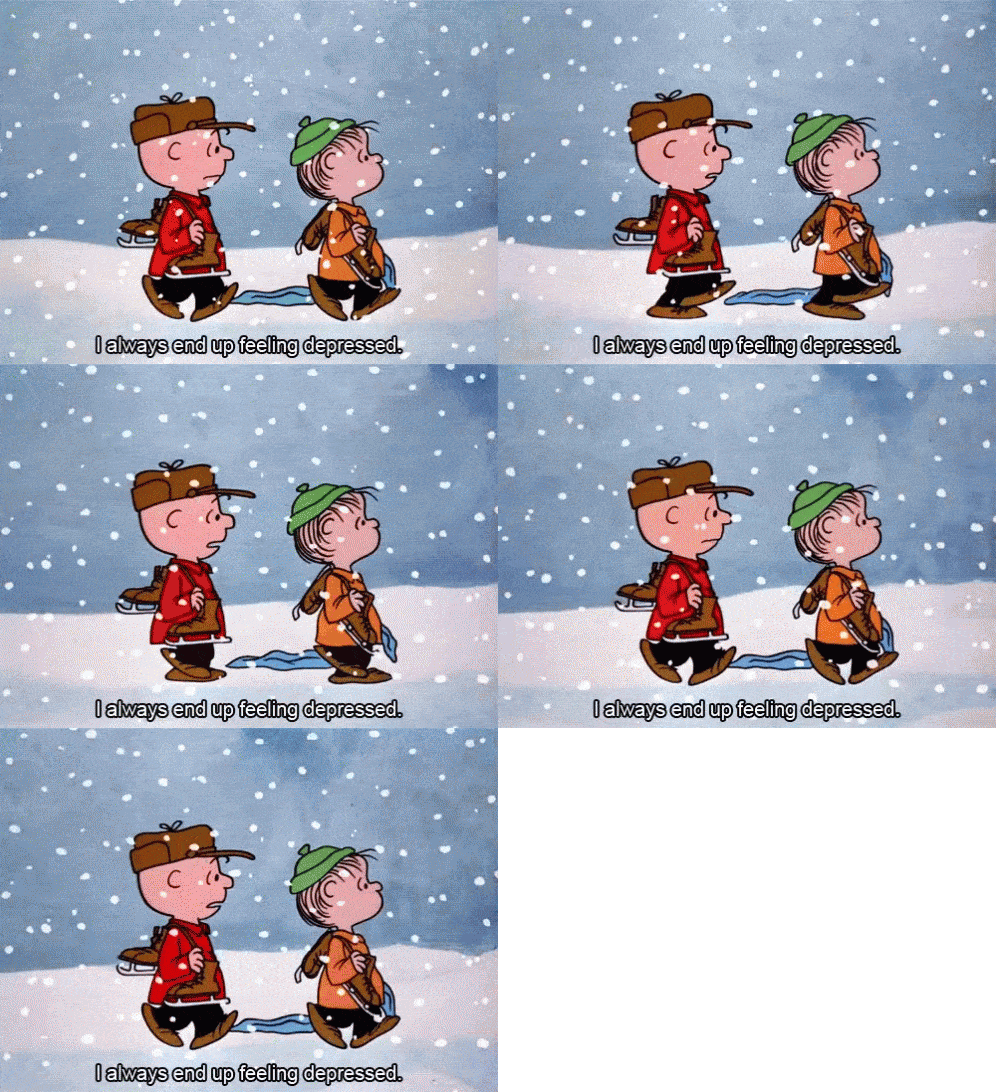

















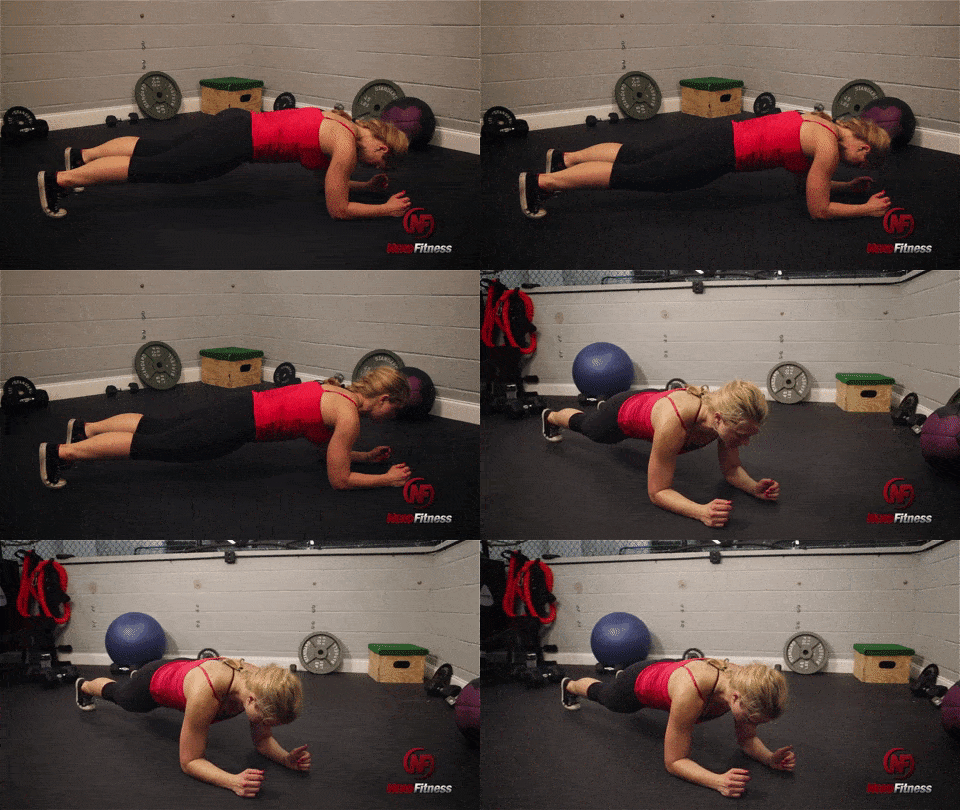








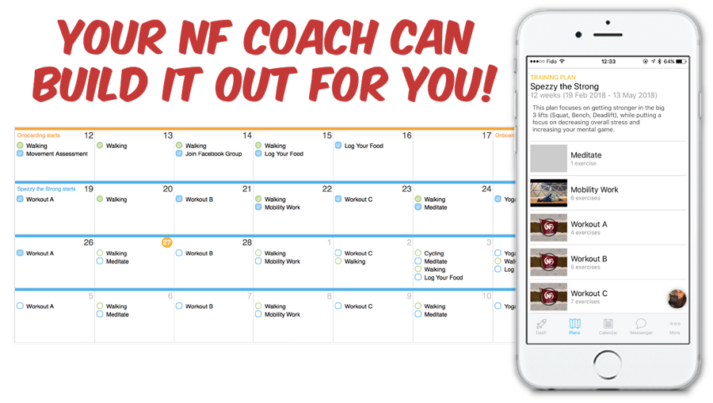
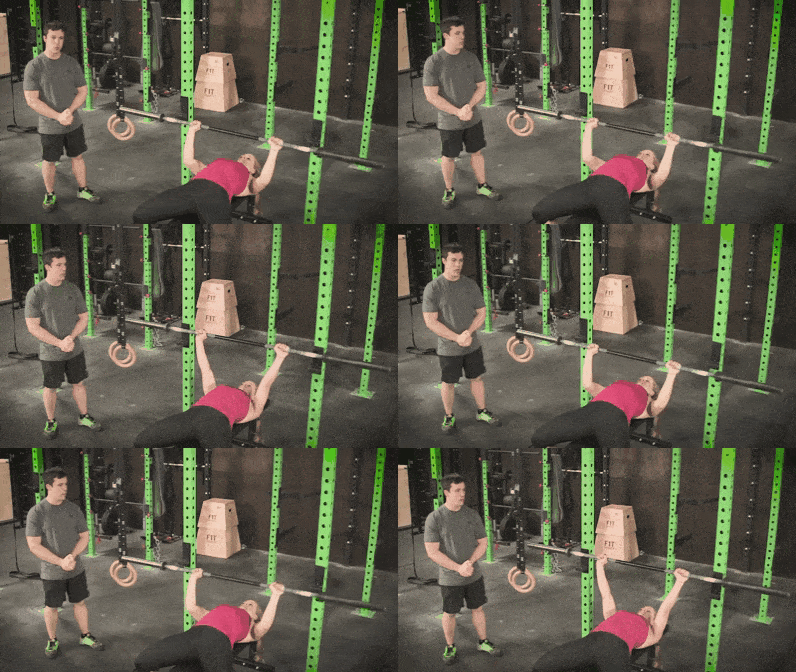

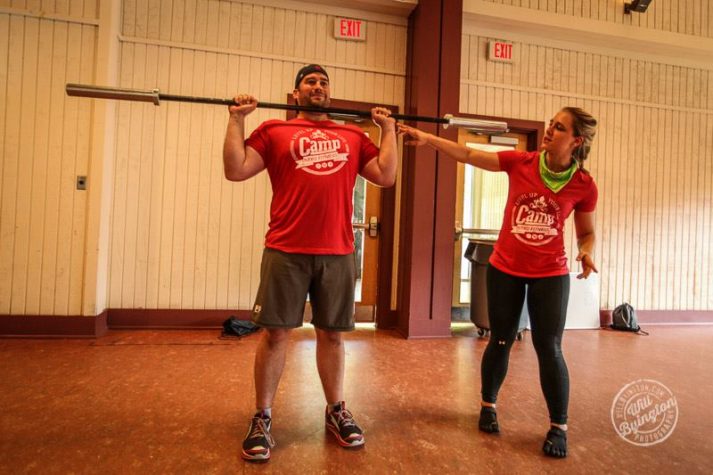

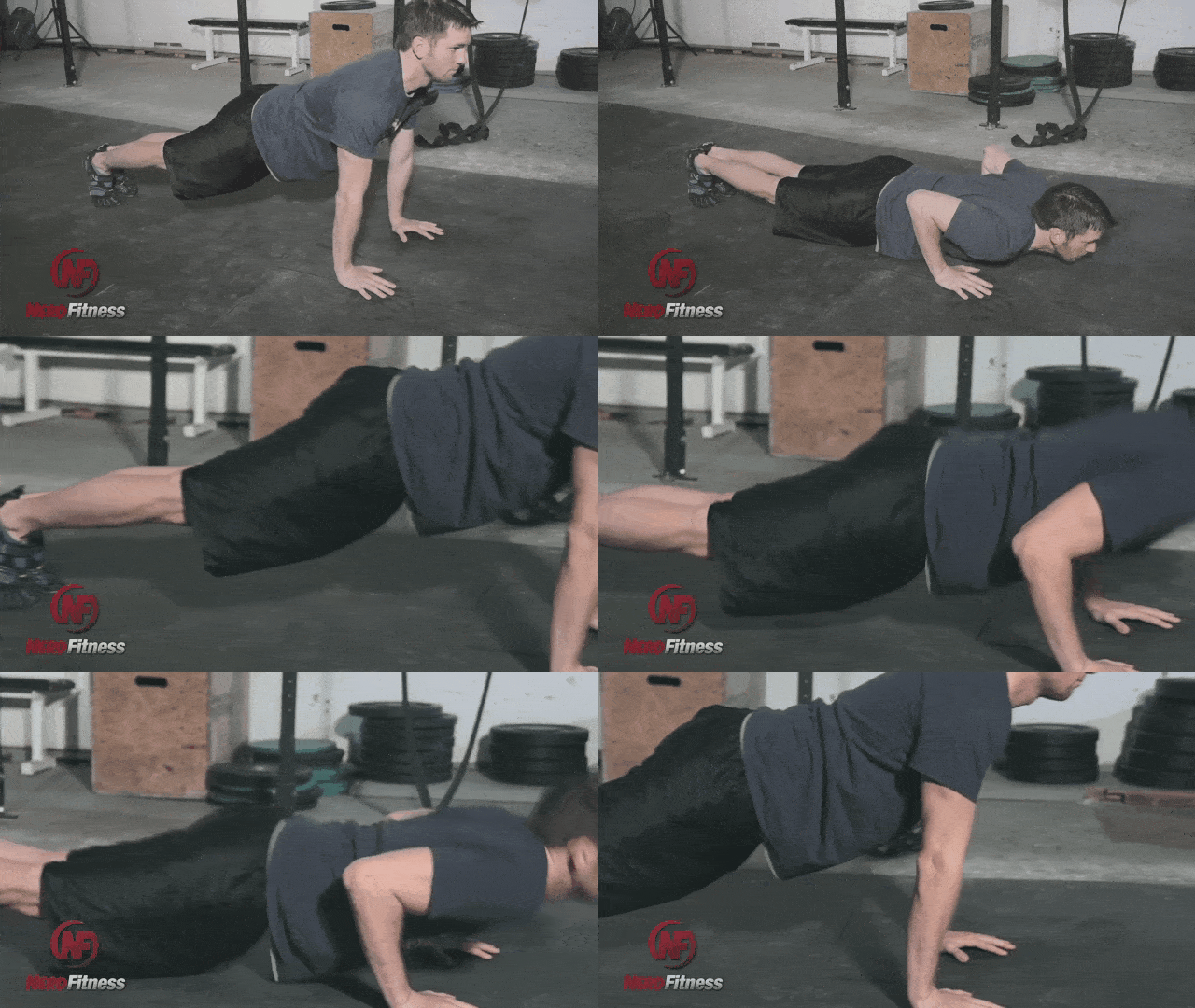
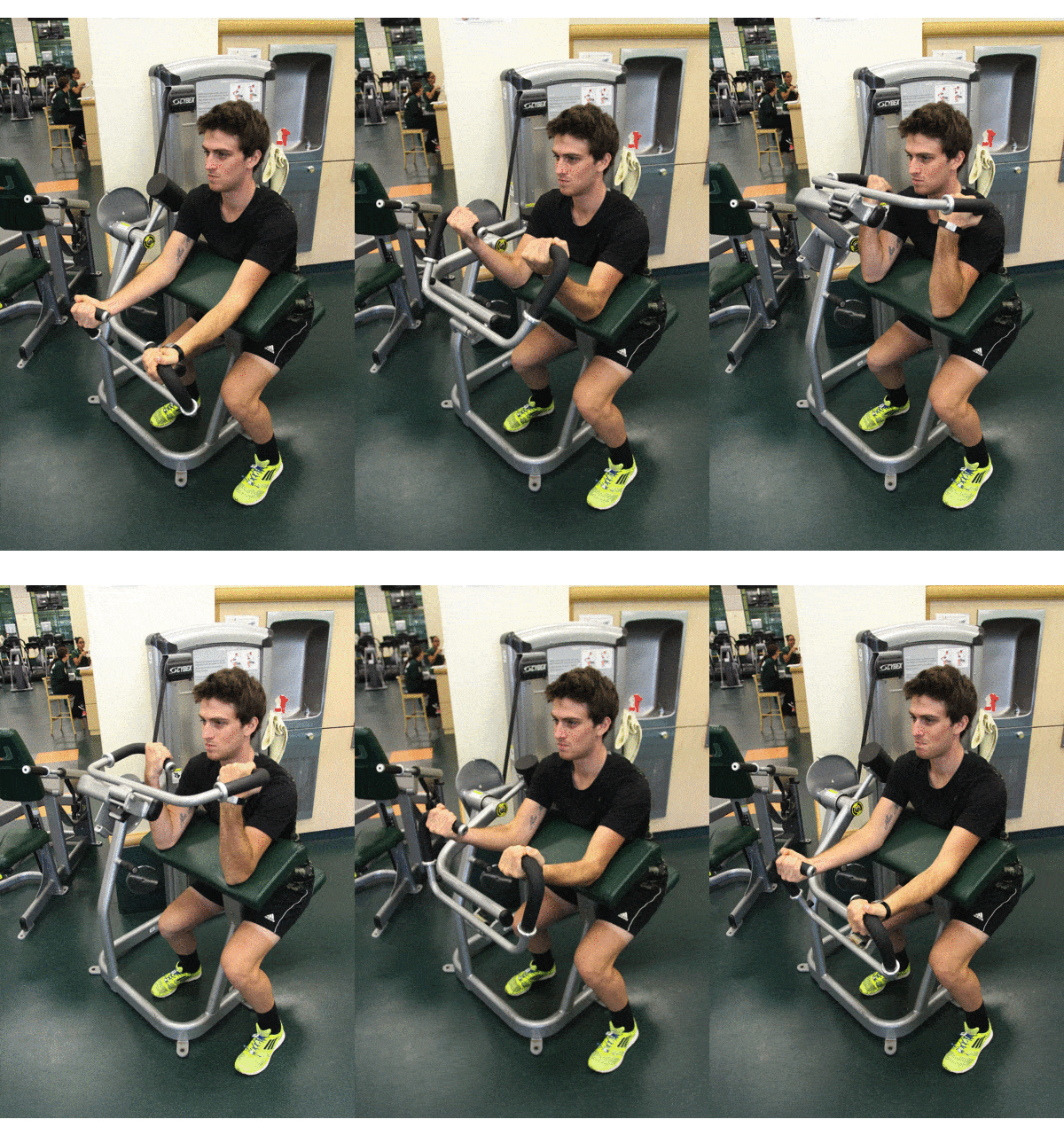
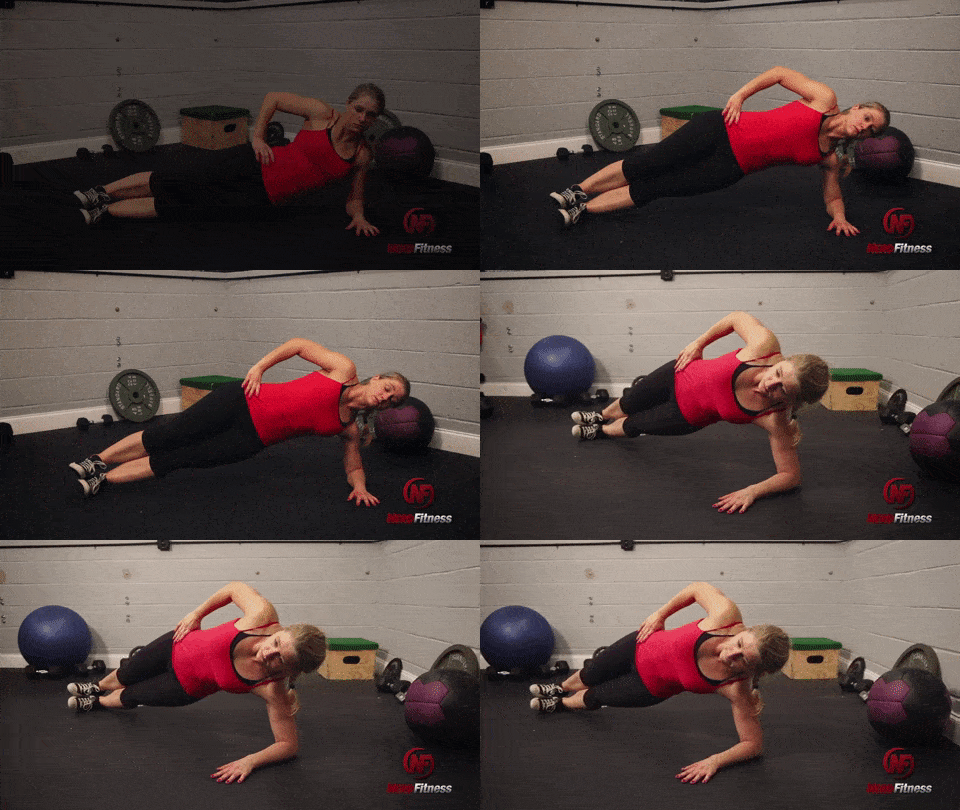

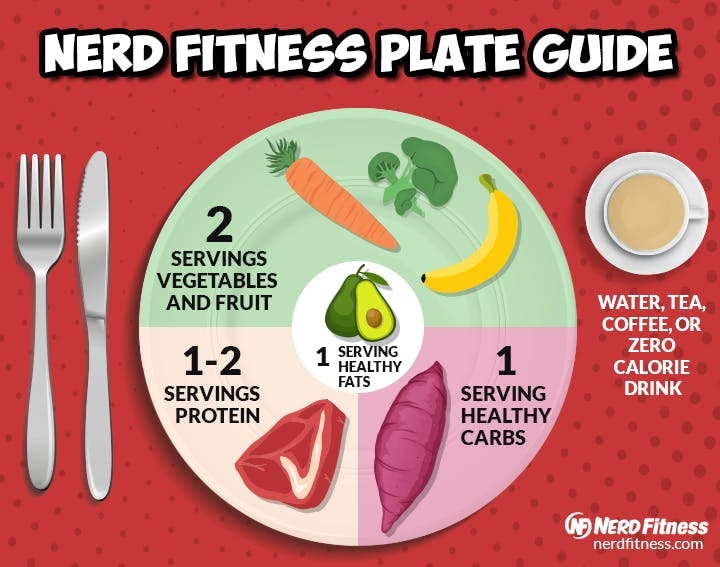






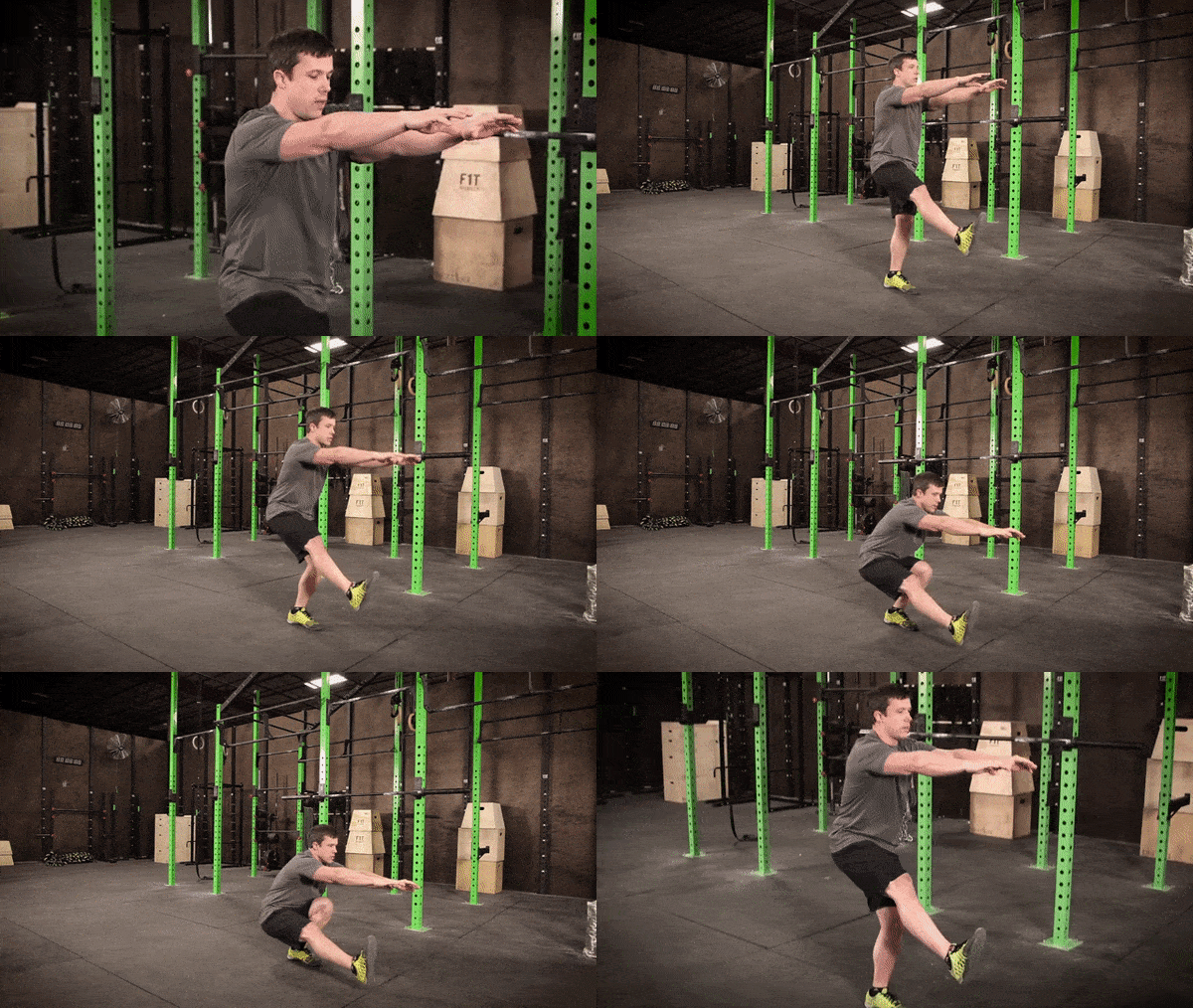

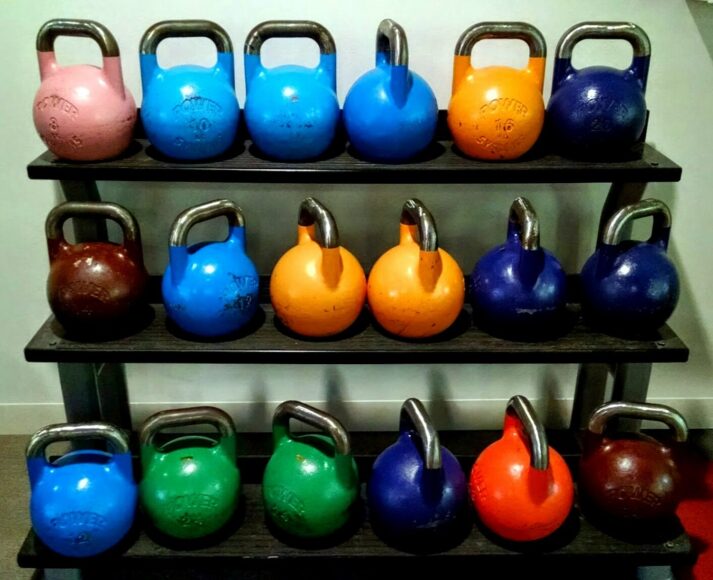

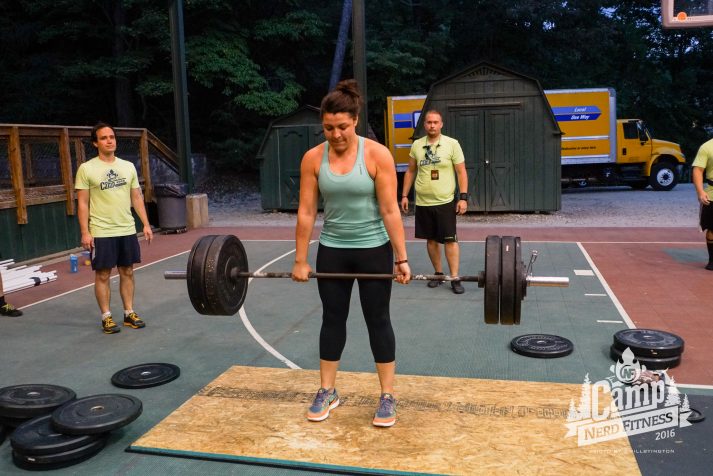



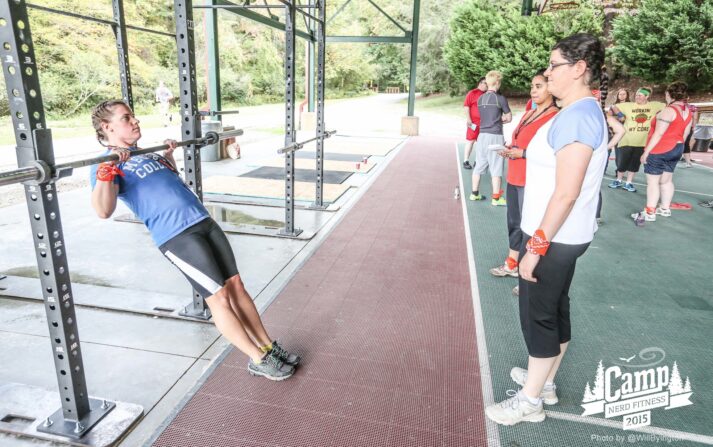



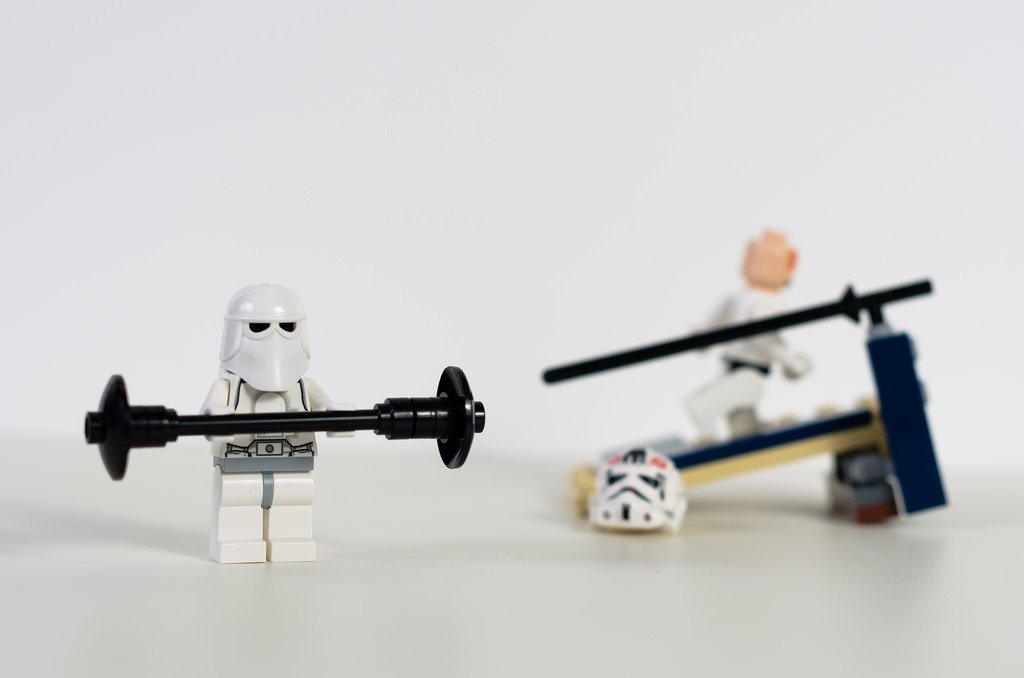

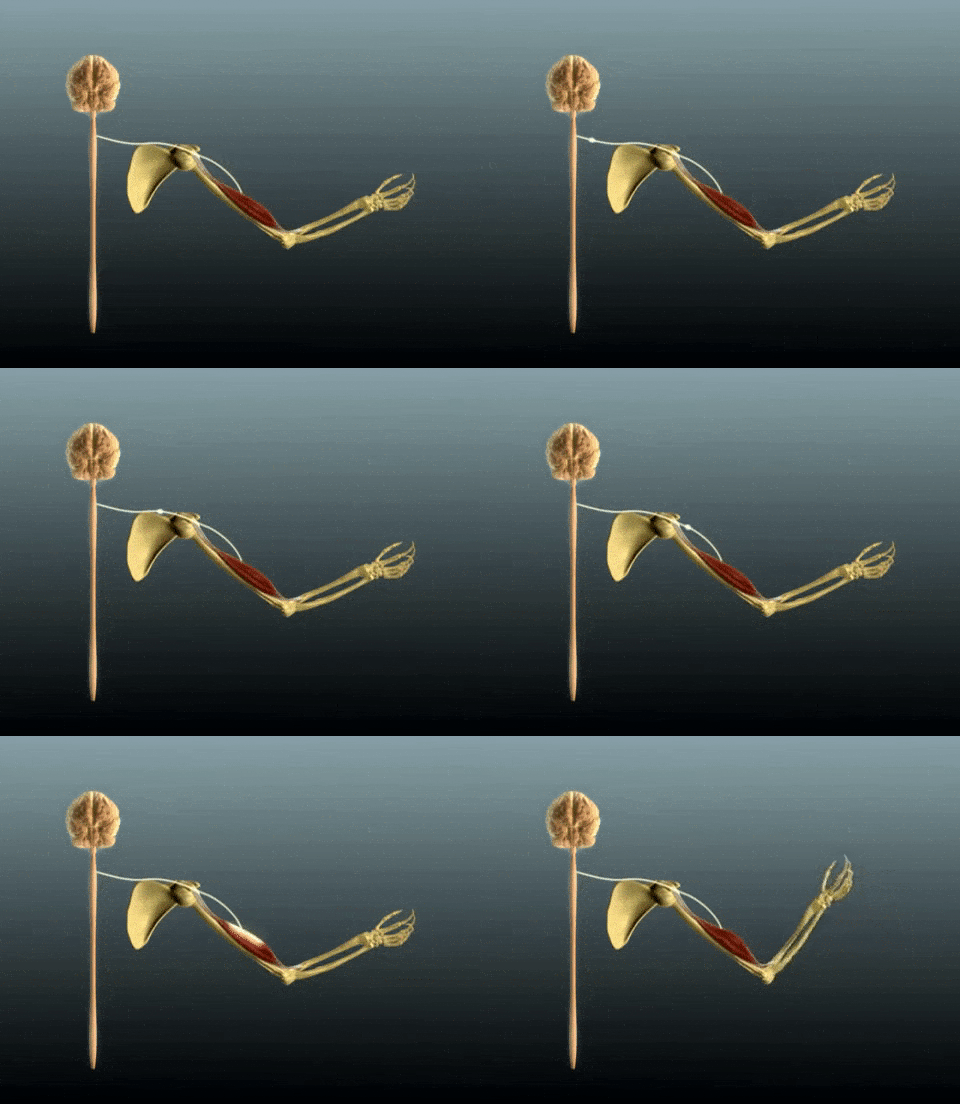




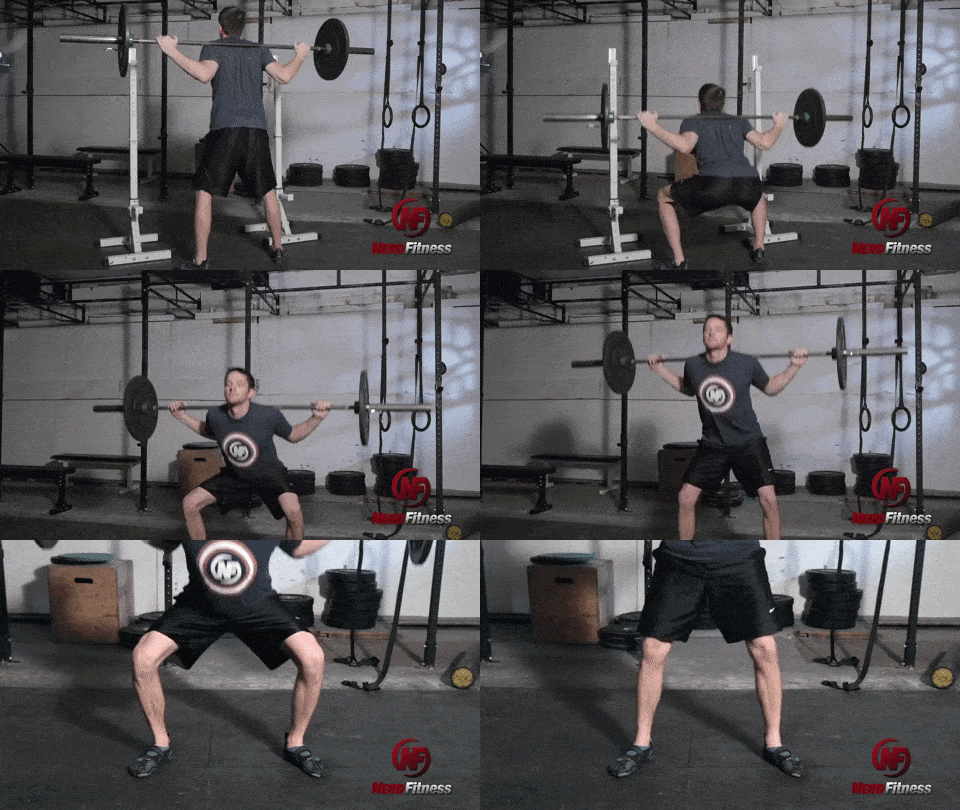
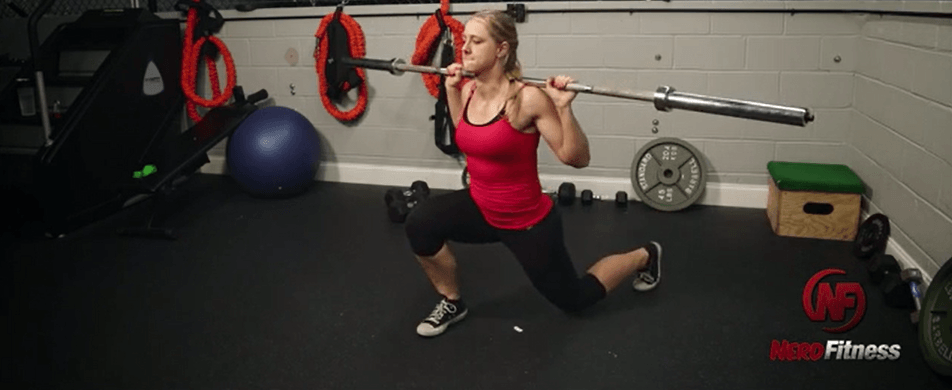


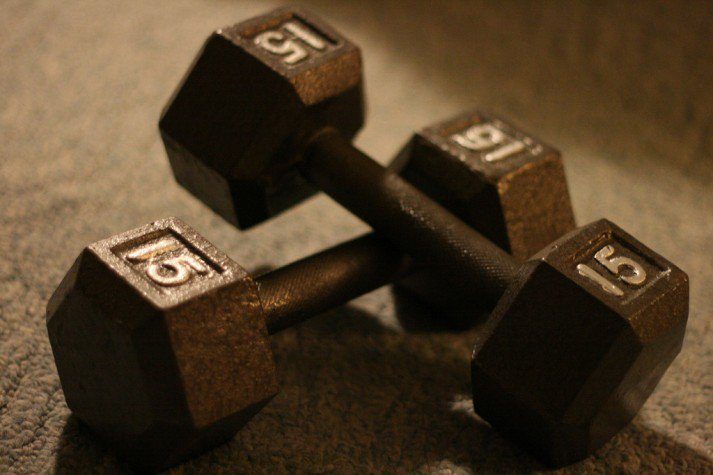













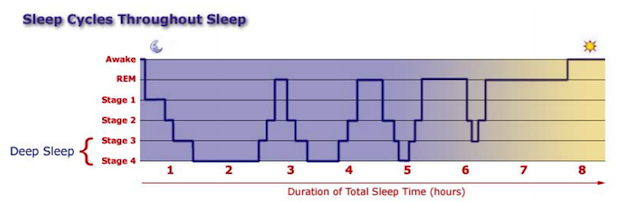




 #4) Consider getting black-out curtains for your bedroom windows, especially if you live in a city. Living in a city, there’s always something bright and shiny happening outside my window – it wasn’t until I purchased super dark curtains to cover up my windows that I noticed an improvement in my ‘fall-asleep time.’