My most recent Whole30 has started much like any other; a full on kitchen clear out of all non compliant foods to a) make space and b) remove temptation. Alongside that, we’ve made an epic plan and organised a big…
There is so much misinformation about abs, core, and the pelvic floor that people harbor many misconceptions about these areas. At the same time, the midsection is one of the most unloved parts of people’s bodies. People come to me all the time seeking ways to tone and slim down their midsection.
In today’s episode of The Balanced Life podcast, I’ll clear up common misconceptions about abs, core, and the pelvic floor, you’ll learn the muscle groups that make up your core, what to do to tone your midsection, and what you can do about pelvic floor issues like pain and incontinence.
So many people have been waiting for an episode on this subject, so don’t hesitate to click play and share with a friend.
You will want to hear this episode if you are interested in…
How to increase strength in the midsection [3:32]
Understanding abdominal separation [7:22]
How to flatten your belly [14:35]
The pelvic floor [22:33]
Understanding Abdominal Separation
Diastasis recti is a common issue that women face. This common abdominal separation happens in pregnancy to allow the abdominal muscles to spread apart to provide room for the expanding belly. While the beauty of the human body’s design accommodates the making of a new life, the after effect often displeases moms. Since the connective tissue of the linea alba often has trouble reconnecting, it can create a forward pooch that is difficult to slim down.
If you aren’t sure whether you have diastasis recti, check out my video on Instagram to see how you can check. It’s important to understand whether you have it or not since many common ab exercises like sit-ups can actually worsen the condition. Healing diastasis recti can be done on your own; however, some severe cases may require a physical therapist to help.
How to Increase Strength in the Midsection and Flatten Your Belly
One of the most common questions I get is how do I flatten my belly?
A strong core means working all of the muscles that connect to the pelvis. All core muscles are anchored by the pelvis, so to work the entire core it is important to not solely focus on the abdominal muscles.
If you are a member of Lindywell, you already know that in Pilates we don’t do sit-ups, yet we focus on core strength. Pilates work deepens your core muscle strength through slow, focused, precise movements. This deep, intentional work affects your entire body and even spills over into the rest of your life resulting in better posture and improved daily function.
It is important to remember that exercise alone won’t help to flatten your belly. Eating a healthy, balanced diet plays a major role. Check out our healthy, delicious, dietitian-created recipes in the app.
How to Work Through Pelvic Floor Issues
Many women suffer in silence about their pelvic floor issues. The pelvic floor is a group of muscles located within your pelvis that support your organs. Since a healthy muscle must be able to tighten and release it is important to steer clear of exercises that only focus on tightening the muscles. They must be able to release to function properly.
Pilates is one of the best-kept secrets to pelvic floor health. Lindywell is loaded with workouts that build your core and your pelvic floor strength. Build strength and movement with our pelvic floor exercises. If you aren’t a member yet you can even check out one of my pelvic floor exercises on YouTube.
Hopefully, you have learned a ton from this episode. If you have, please leave a 5-star review on your favorite podcast app.
This isn’t your usual 10 benefits-of-Pilates list. You may have heard about the physical benefits of Pilates like getting stronger or looking more toned, but the value of it goes so much deeper than that.
In this list, we’re digging into how Pilates impacts your whole self, including sex, sleep, aging and so much more—all backed by science.
Let’s get to the core of how this style of movement can impact you with the top 10 benefits of Pilates!
Since Pilates combines physical motion with mindful presence, it can have a calming, meditative effect. In fact, Pilates can alleviate chronic stress, anxiety, or depression. It also helps to stimulate the release of serotonin (a mood-enhancing hormone), so you often finish your workout feeling uplifted and refreshed.
Lindywell tip: Come to your mat if you’re feeling anxious or stressed. A short 10-minute session can be exactly what you need to shift your energy and feel rejuvenated.
Misalignment in your spine (vertebral misalignment) can result in muscular weakness and imbalance. If you’re experiencing chronic pain, this could be a reason why. Pilates, however, can improve spine health by restoring a natural, healthy curvature in the lumbar (lower back), thoracic (mid to upper back), and cervical (neck) regions.
This helps to improve your posture, which relieves pressure on the entire spinal column to ease pain and tightness in other areas of the body. As I always say (and what Joseph Pilates always taught): you’re as young as your spine is healthy.
Lindywell tip: Keep your spine healthy and happy with our Pilates Powerhouse Mat, which was made with just the right amount of thickness for stability and support.
Your core muscles are the foundation for movement on and off the mat. As you reach over to pick something up, you use your core muscles to twist. As you walk on the sand, you use your core to stay balanced.
Pilates centers on these core muscles and when the core is strong, you can move more freely without tension, strain, or discomfort. Plus, you’ll feel more mobile and flexible overall. This means you can do all the things you want in your everyday life and feel strong as you do it!
Lindywell tip: Remember to stay connected to listen to your body in every workout. You don’t need to increase the intensity to reap the strength benefits. In fact, moving slower and with greater intention is actually often more challenging and will help you build just as much strength, if not more.
The mind-body coordination of Pilates can reinforce your attention span, self-efficacy, emotional regulation, and cognitive function as a whole. This supports you in your Pilates workouts, in your work, and in your personal life. When your brain is sharp and alert, you can show up as your best self for you and everyone around you.
As the body ages (which can start as early as the age of 26!), it’s normal to lose some bone density over time. Women who have been through menopause, however, are often at a higher risk of bone deterioration, along with osteoporosis. Fortunately, Pilates can strengthen bone mineral density to improve functional movements and protect the musculoskeletal system from turning frail or brittle.
Lindywell tip: Consistency is key to building bone strength and resilience over time. Committing to just one short workout each day, even for just 5 to 10 minutes, will support bone strength and health.
Uninterrupted, restful sleep is crucial for both mental and physical well-being, and Pilates can help with this. In fact, women who participated in Pilates for at least three months saw an increase in overall sleep quality, as well as a decrease in fatigue and mental health issues that affect sleep.
Lindywell tip: You don’t have to do Pilates right before bed to sleep better at night. A Pilates workout at any time of day will improve your ability to sleep soundly at night.
Immune health and resilience are vital to staying healthy. Pilates has been found to reduce inflammation while boosting plasma and hemoglobin circulation. This means you’ll have less inflammation and more circulation, which can result in stronger immunity.
Lindywell tip: A strong immune system is important all year long—not just in the winter or during flu season. Maintaining a consistent practice, no matter the season, is the best way to keep your immune system healthy when you need it most.
Body awareness is a state of conscious connection to the form and function of your own body as it moves through space. Consistent Pilates practice correlates with higher levels of body awareness, which can improve overall body image and acceptance. This helps to combat body dissatisfaction and can even help you connect with a deeper level of self-compassion.
Lindywell tip: We start every Lindywell workout with a moment to connect with the body and then move with intention. This allows you to create a better connection with your body both on and off the mat.
Pilates helps you build dynamic strength, which makes it possible for you to exert force on the muscles and joints repeatedly without causing strain or injuries. In fact, soccer players who used Pilates as a conditioning exercise had more stability in their knees, hips, and other joints. This not only elevated their coordination and performance on the field, but it also lowered their risk of sports injuries.
Lindywell tip: You don’t have to play soccer to experience the benefits of dynamic strength. Practicing Pilates helps you feel stronger while doing the active things you love, like playing with your kids or taking a long walk.
Pilates may play a surprising role in your sexual health because it activates the core, and can help build pelvic floor strength. Your pelvic floor muscles—located in the base of your pelvis, between the hip flexors and tailbone—play an important role in sexual function. Since this area is home to the vagina and uterus, a healthy, properly functioning pelvic floor is essential for both pleasure and reproduction.
Lindywell tip: While Pilates can support this area of your health, if you’re experiencing chronic pelvic pain, dysfunction, or discomfort, it’s important to get care from a pelvic therapist.
The 10 Benefits of Pilates: Support Your Mind and Body
Pilates can improve every area of your life, mind, and body—and those benefits are also backed by science! The best part is, you don’t have to practice every day for hours on end to experience less stress, better sleep, stronger bones, or any of the other benefits. Just a few minutes each day, or a couple of times each week, can positively impact your life.
If you want to experience these 10 benefits of Pilates, sign up for your free trial of Lindywell today to get fit and feel good for a lifetime or log into the app if you’re already a member!
I’ve loved every minute of testing and writing this Nike React Pegasus Trail 4 GORE-TEX Review! These women’s trail running shoes came highly recommended and have not disappointed… So Nike just dropped the latest iteration of the Pegasus Trail running…
If you’re searching for the best Pilates mat, you’ve come to the right place. As a Certified Pilates instructor who’s been practicing and teaching Pilates for over a decade, I’ve used a lot of mats. This has helped me identify all the “must-haves” when it comes to finding the best mat for your practice.
Before you decide which mat to buy, I want to share a few tips for choosing the best option for your practice because your needs are as unique as your practice.
Because I believe everything shared here, from materials to function, is so important to a great Pilates mat, we brought them all together to create our own: the Lindywell Pilates Powerhouse Mat!
Check out why and how we created our mat and keep reading to learn about how these details support every element of your practice.
The Best Pilates Mat is: Non-Toxic and Eco-Friendly
You shouldn’t have to worry about the materials of your mat negatively affecting your body while you’re on it. That’s why it’s so important to find a mat that’s free of toxins like PVC, phthalates, and chloride. These toxins have been shown to disrupt your whole system, from hormones to digestion.
This was a non-negotiable for me when designing our new Pilates Powerhouse Mat. Everything within us is connected and when one system is affected all the others respond.
I will say, however, that it was nearly impossible for me to find a mat that met this particular part of the criteria, which is why I developed my own. Our Lindywell mat is very unique in this way.
The Best Pilates Mat is: Supportive and Stable
As you flow through the workout, you need a mat that can provide the perfect foundation for each movement, which is why thickness is so important. The best Pilates mat is supportive enough for rolling exercises, yet stable enough for balancing exercises.
A yoga mat is a great place to start if it’s what you already have. As you progress in your practice, however, a Pilates-specific mat will make your body feel so much better because of all the rolling you do on your spine.
The thickness of a Pilates mat ranges from 6mm up to 12mm. I found the sweet spot to be 10mm for the Lindywell mat, specifically because of the materials we use. This means, other 10mm mats might feel squishier, and less stable than ours.
In addition to thickness, both length and width make a big difference in how you experience your Pilates workout. That’s why the Lindywell mat is wide and long, giving you the space you need to move comfortably and feel fully supported.
The Best Pilates Mat is: Easy to Clean
We build strength on our mat. We heal on our mat. We sweat on our mat! Being able to quickly and easily clean it is a must so you can save time in your already-busy day. This is why finding a mat with moisture-wicking material is key.
I took this one step further and used bacteria-resistant material (that also wicks the moisture), so your sweat won’t soak into the mat. This also means you won’t have to worry about the mat holding onto any odors. All you need is a damp cloth to wipe it down after your workout.
This is one reason why our Lindwell mat can also take the place of your yoga mat, especially if you prefer hot yoga. The material will keep that mat from absorbing your sweat and building up with bacteria.
The Best Pilates Mat is: Lightweight
A light mat makes moving it around—or going into the Pilates studio—that much easier. If you’re juggling a water bottle, bag, and keys, in addition to your mat, you want it to be easy to tuck under your arm or throw over your shoulder.
This is why, at Lindywell, thick doesn’t mean heavy. Our mat is light as a feather and easy to carry. You can use the two matching elastic straps to hold it in your hands, or just toss it under your arms or in your bag.
The Best Pilates Mat is: Aesthetically Pleasing
You likely see your Pilates mat on a daily basis, whether it’s rolled up in the corner of your bedroom or next to the door. The best Pilates mat is not only useful but also beautiful. It’s something you want to look at and roll out for each workout. This is why you want to choose a mat that makes you feel good when you get on it.
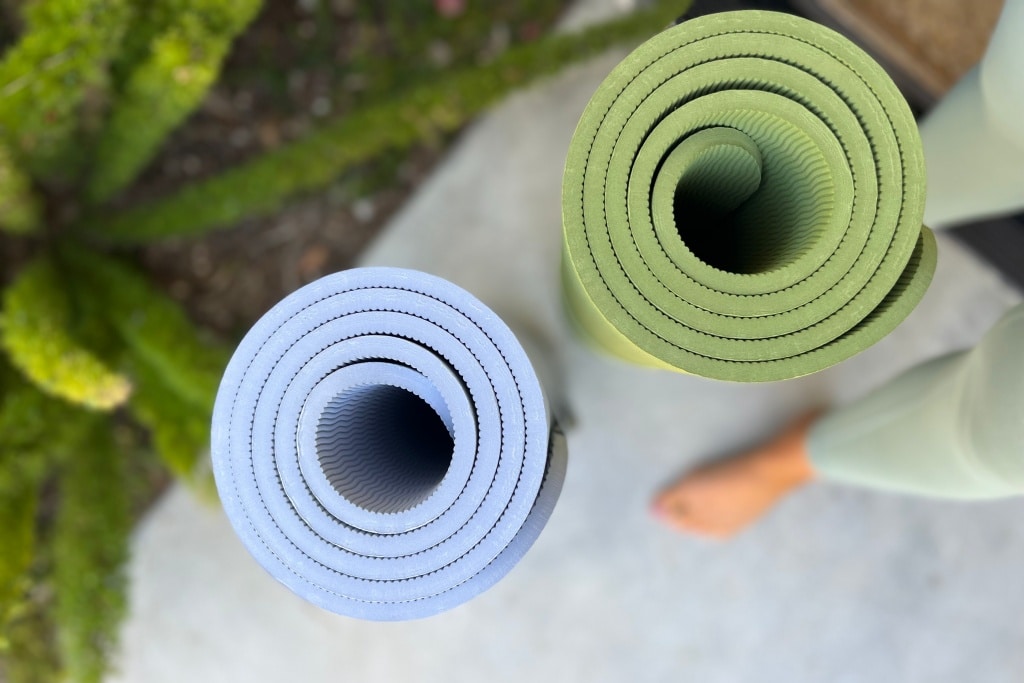
Our Lindywell mat comes in two calming colors, sky blue and aloe green, both of which help you connect to a sense of grounding and calm. We also added a simple reminder to each mat: Remember to breathe.
Choose The Best Pilates Mat for You
Don’t overlook the importance of having the right mat: it’s the foundation of your practice. Our Lindywell mat was designed to be exactly that, which is why we created it to be:
Thick enough to support you through your practice.
Easy to clean and non-toxic.
Lightweight for carrying and storage.
Calming with the colors sky blue and aloe green.
If you’re having trouble finding the best Pilates mat for you, purchase the Lindywell Powerhouse Pilates Mat. It was designed with your needs in mind and I know it will support every aspect of your practice.
One of the first steps towards ‘working with your menstrual cycle’ is to understand your menstrual cycle. Our menstrual cycle is a complex interplay of hormones which affect our physical, emotional, and psychological well-being. Whenever you read about a menstrual…
Living in a one bedroom flat with limited space and a love for ‘things’ especially bikes, comes with its challenges. I am always on the look out for bike storage ideas for small spaces and finally I think I found…
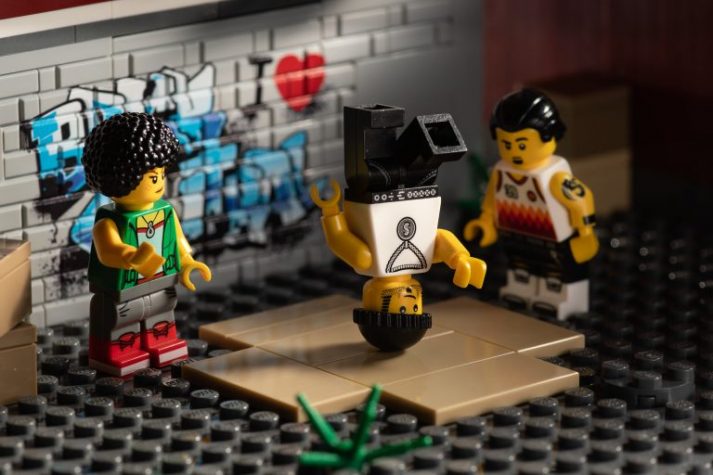
Just make sure you take it slow with your handstand and don’t be an “Overeager Beaver,” a label we define in our guide “15 Mistakes That Newbies Make When Trying to Get Healthy.”
Download it and the rest of our guides for free when you sign-up for our weekly newsletter!
Get your Nerd Fitness Starter Kit
The 15 mistakes you don’t want to make.
Full guide to the most effective diet and why it works.
Complete and track your first workout today, no gym required.
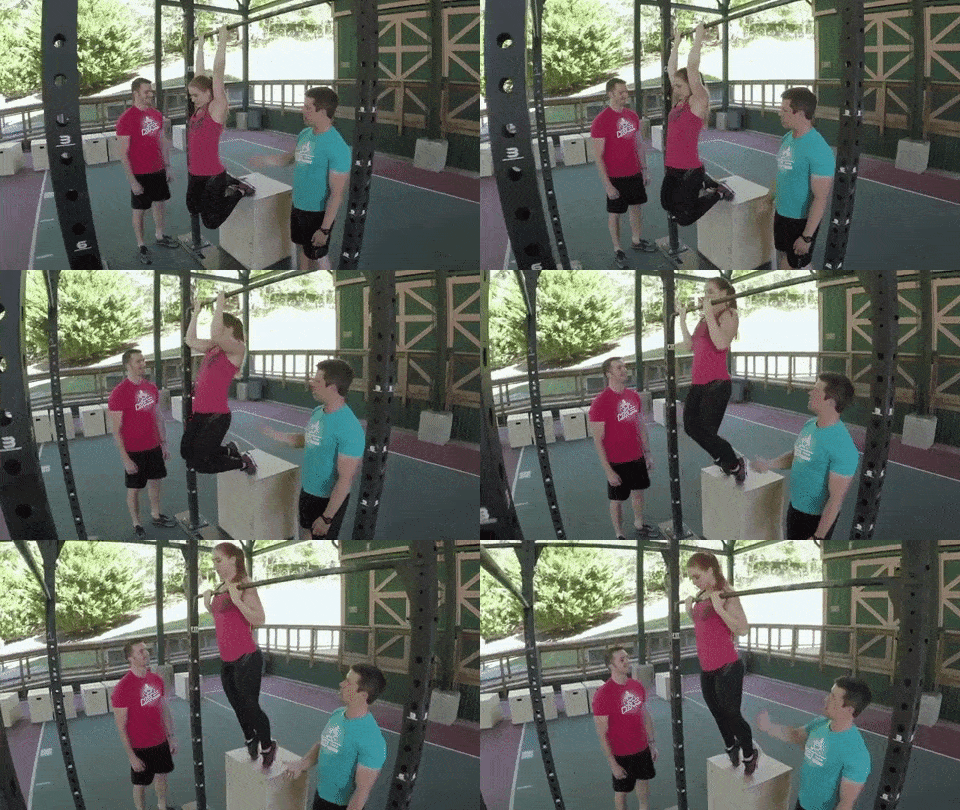
The 8 Best Pull Bodyweight Exercises
Don’t neglect your pull muscles when creating your bodyweight workout. Here are the top 7 to include:
#1) INVERTED BODYWEIGHT ROW (HIGH):
An inverted bodyweight row can be a great “pull” exercise if you can’t do a pull-up yet, or if you don’t have a proper pull-up bar nearby. Because a good sturdy table can be used for inverted rows:
Alternatively, you could do doorframe rows if your table seems sketchy:
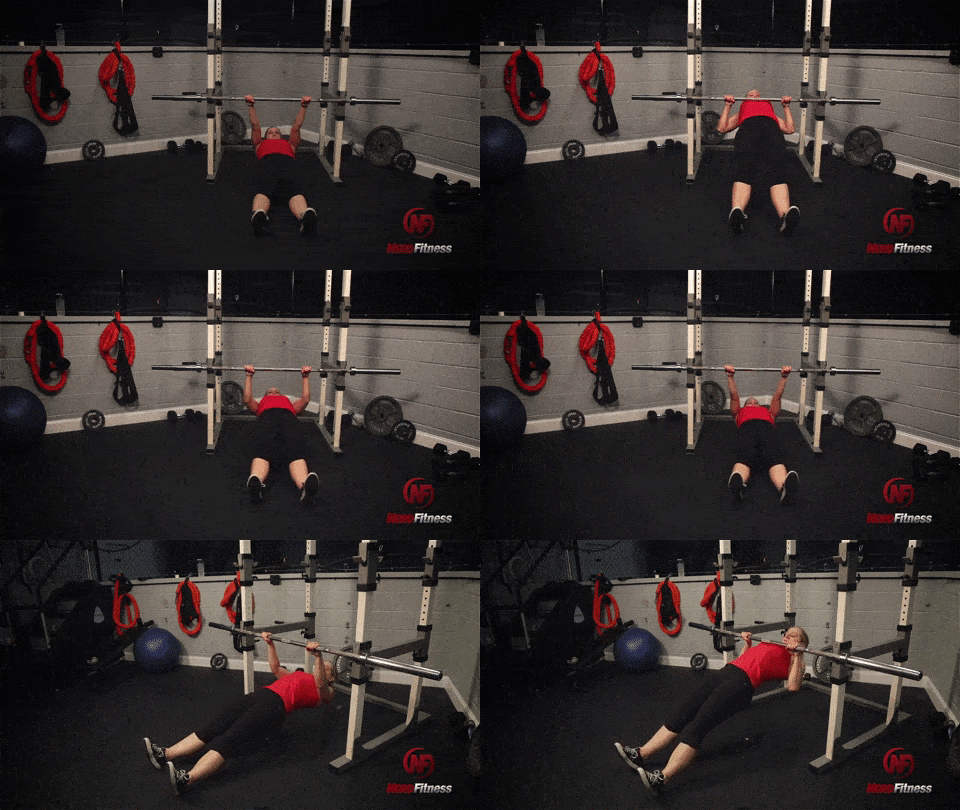
#2) INVERTED BODYWEIGHT ROW (LOW):
Once you get comfortable doing an inverted bodyweight row, try going lower to increase the difficulty.
You can check out The 5 Best Pull-up Alternatives for more ideas on how to perform rows, including how to build your own station:
We have a full guide on proper pull-up form so you can hone in your technique.
#8) CHIN-UPS:
Much like a pull-up, but with your palms facing toward you.
Here’s a video going over proper pull-up and chin-up form:
Don’t have enough strength yet to hoist yourself up? No problem.
Download our guide, Strength Training 101: Everything You Need to Know, for an exact plan of attack to start growing strong today:
Download our comprehensive guideSTRENGTH TRAINING 101!
Everything you need to know about getting strong.
Workout routines for bodyweight AND weight training.
How to find the right gym and train properly in one.
The 12 Best Core Bodyweight Exercises
Our next stop on building a bodyweight workout finds us at the core. Here are the 10 best exercises to include:
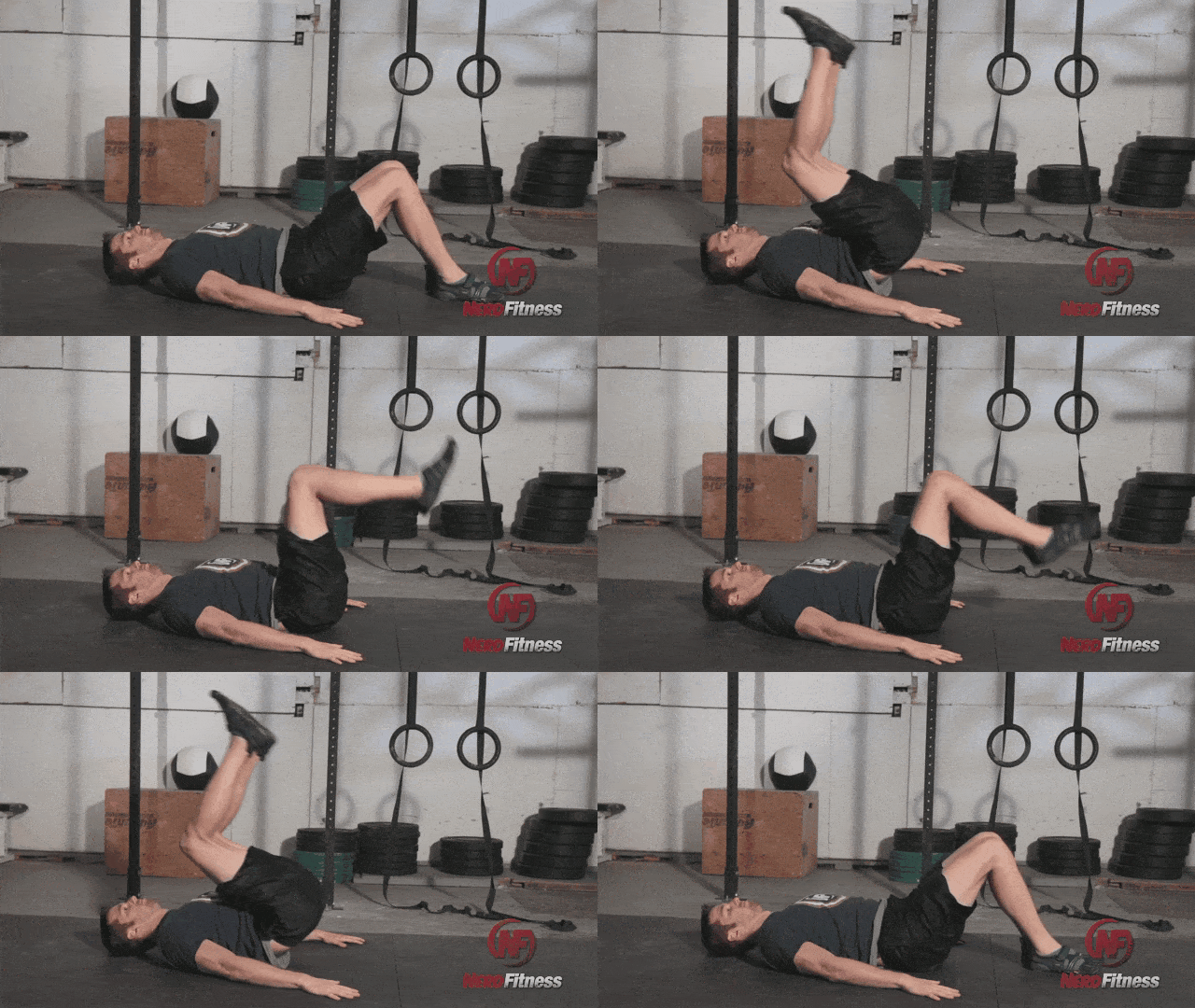
#1) REVERSE CRUNCH:
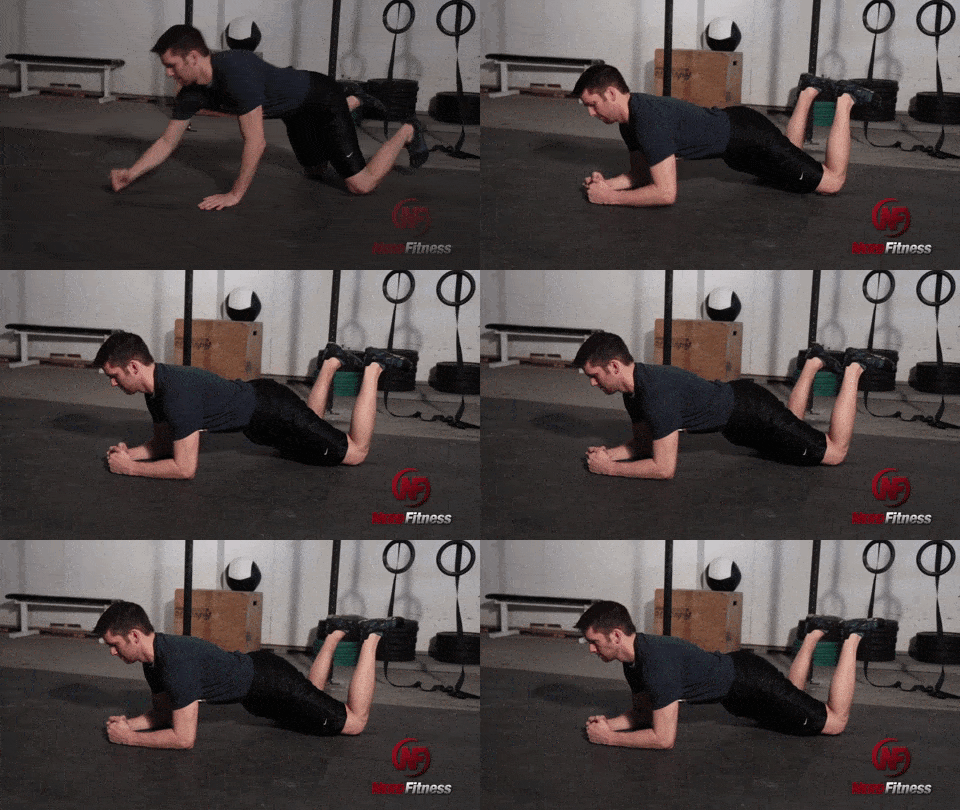
#2) KNEE-PLANK:
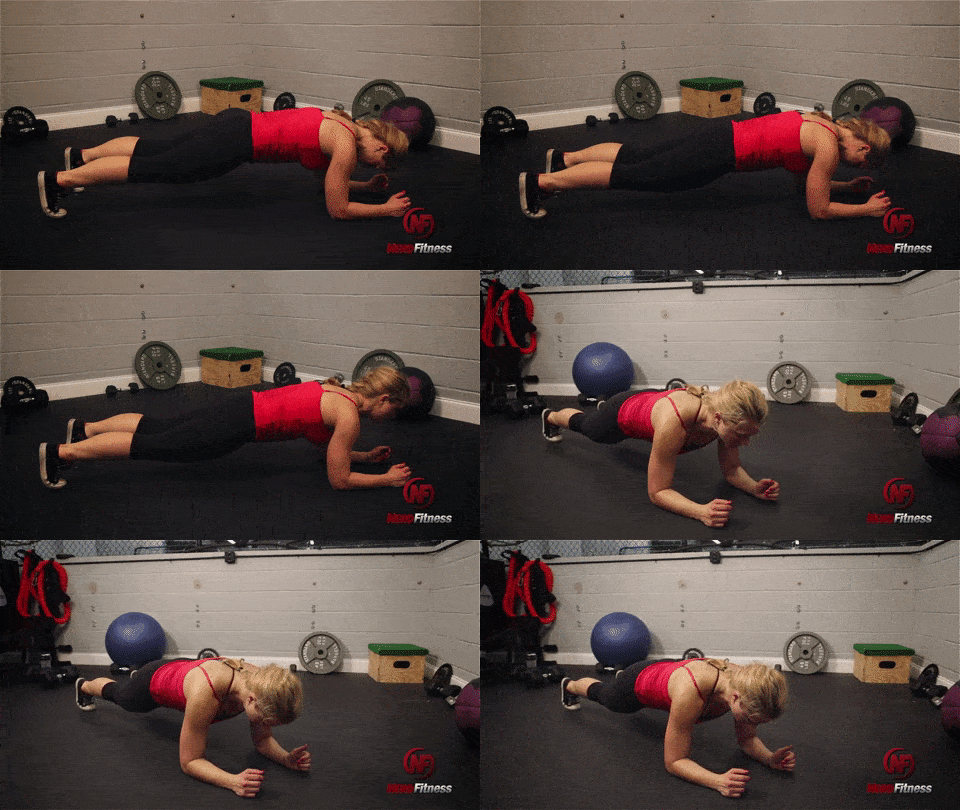
#3) PLANK:
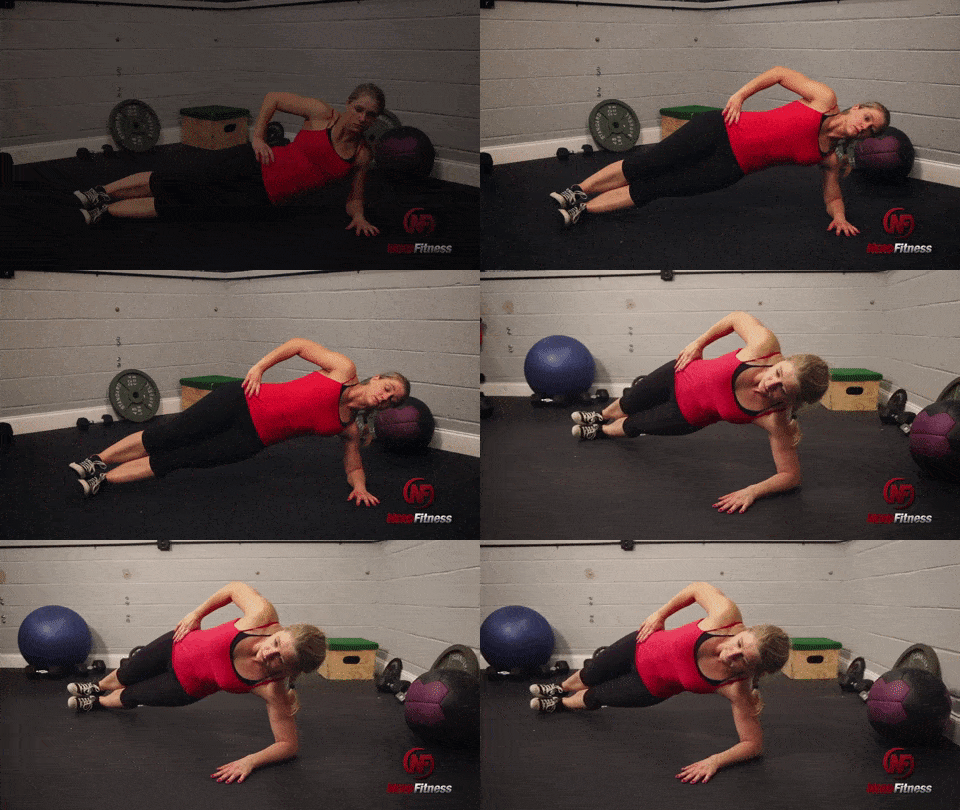
#4) SIDE PLANK:
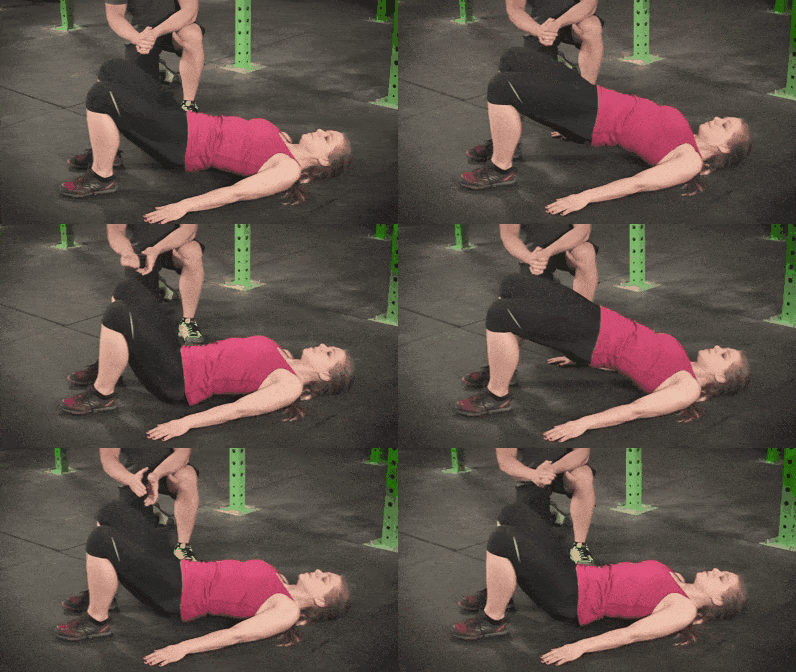
#5) HIP BRIDGE HOLD:
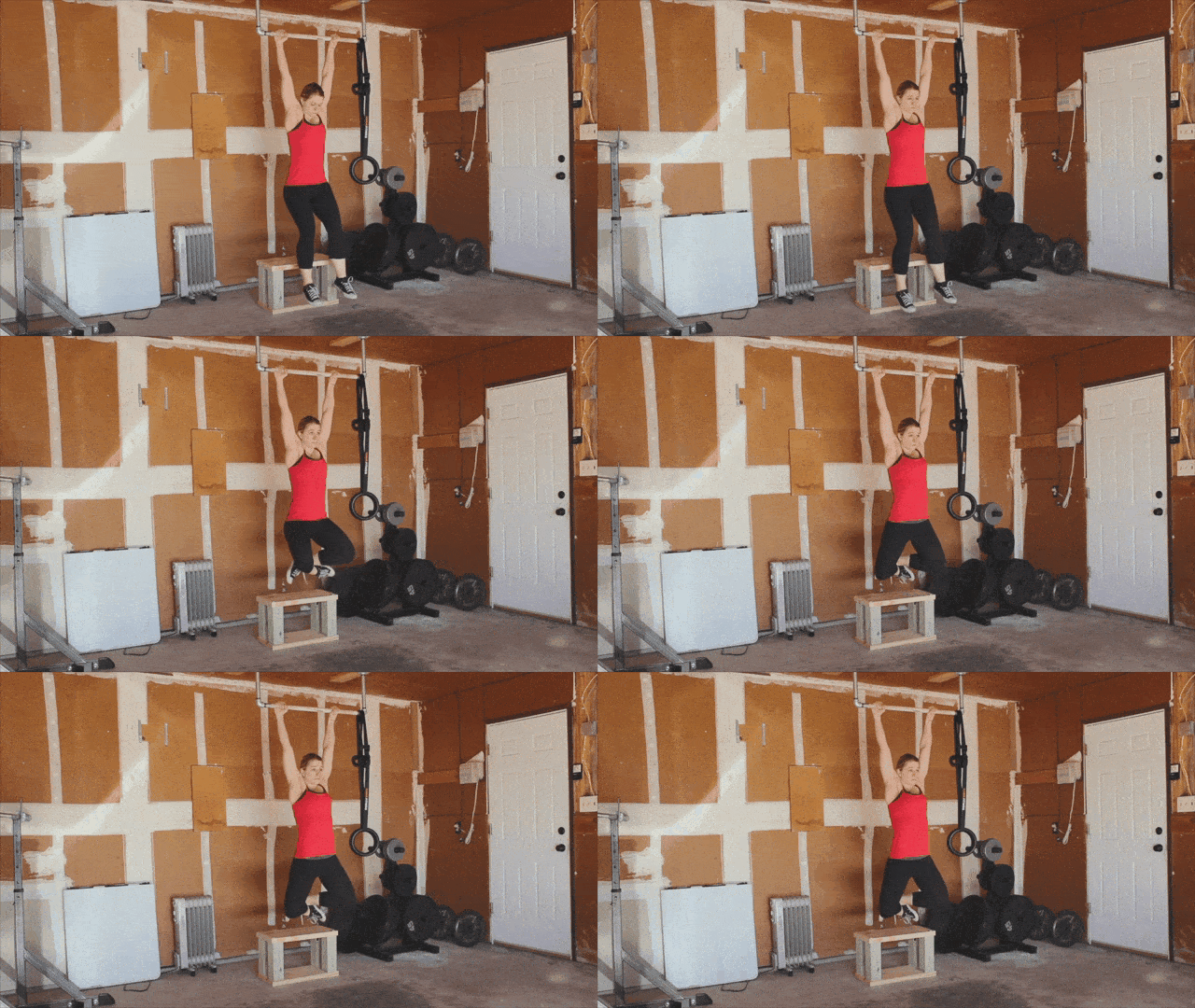
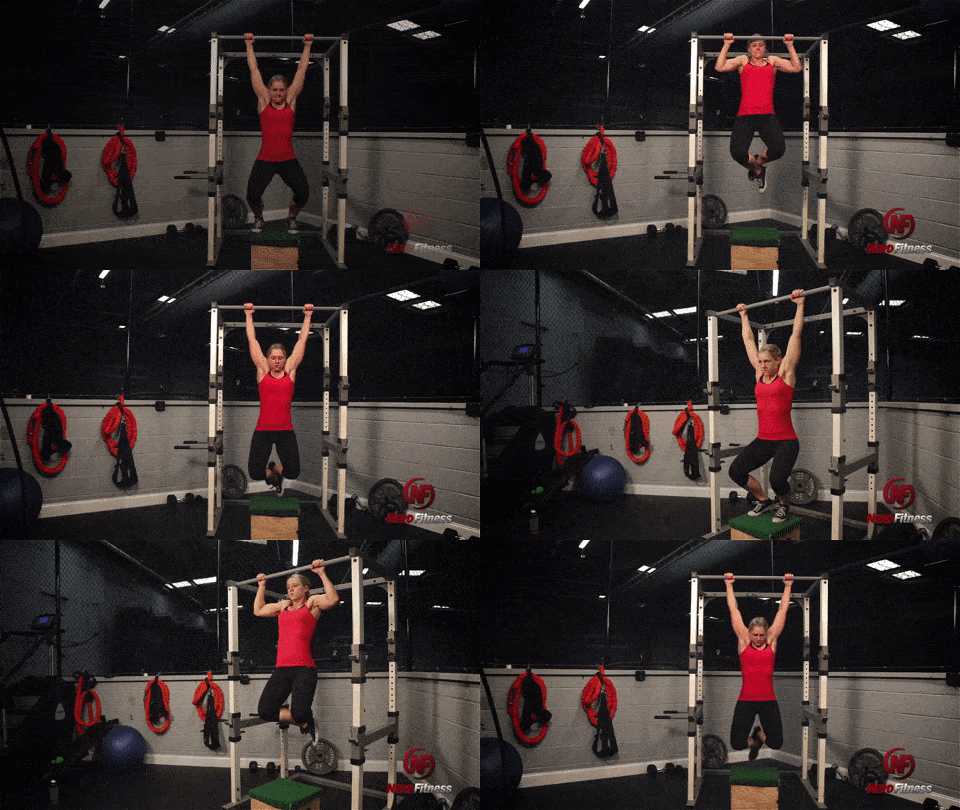
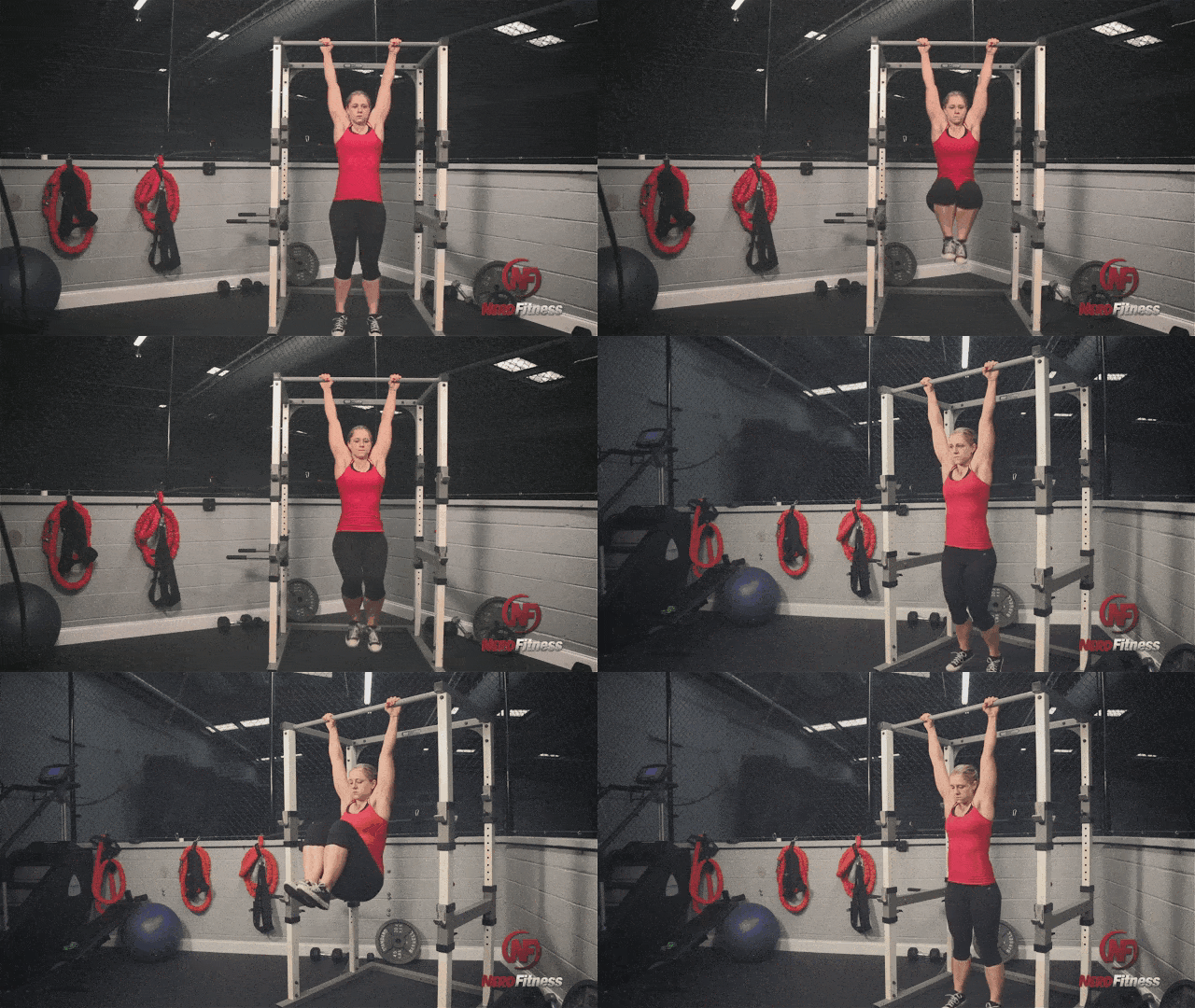
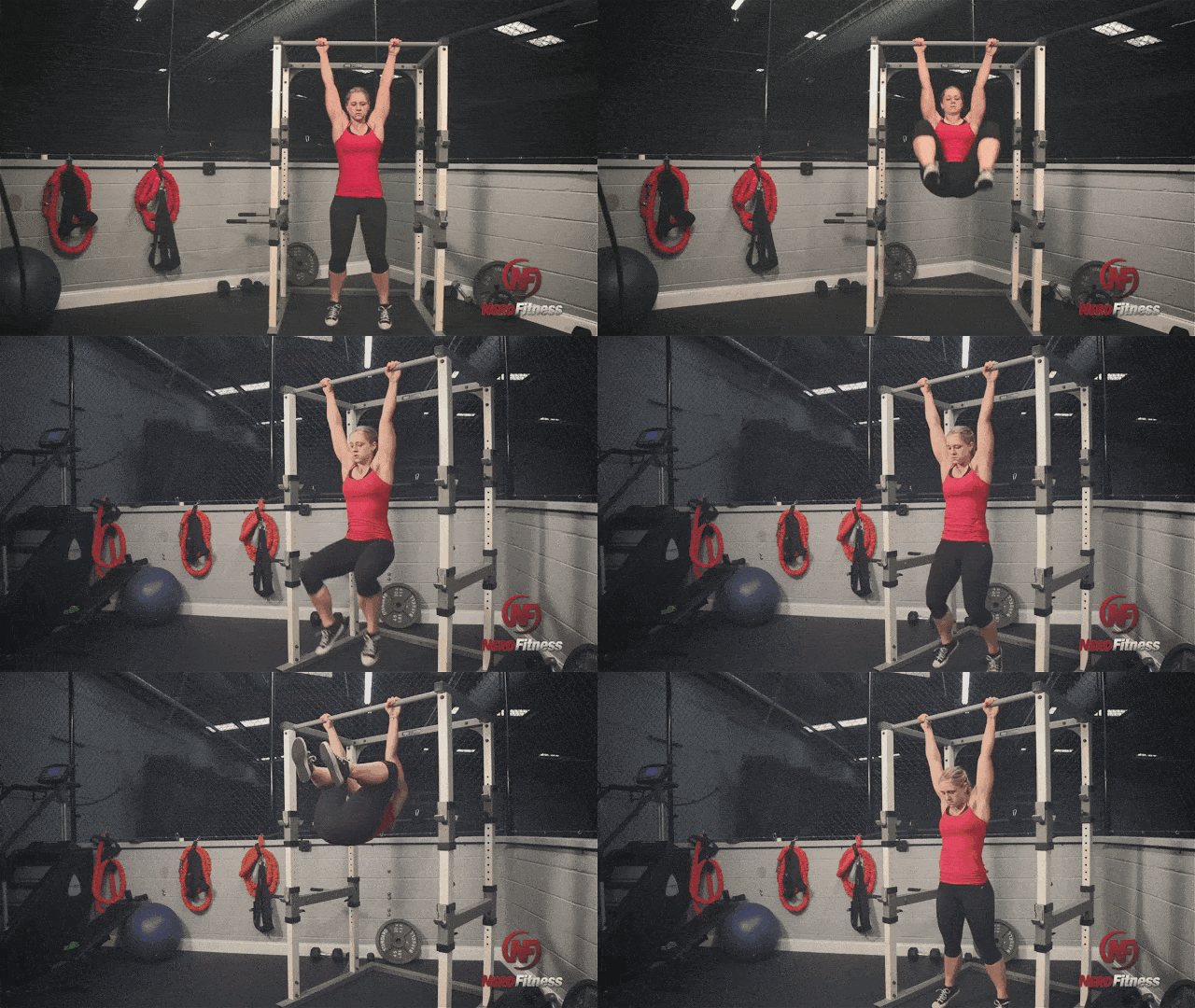
#6) HANGING KNEE TUCK:
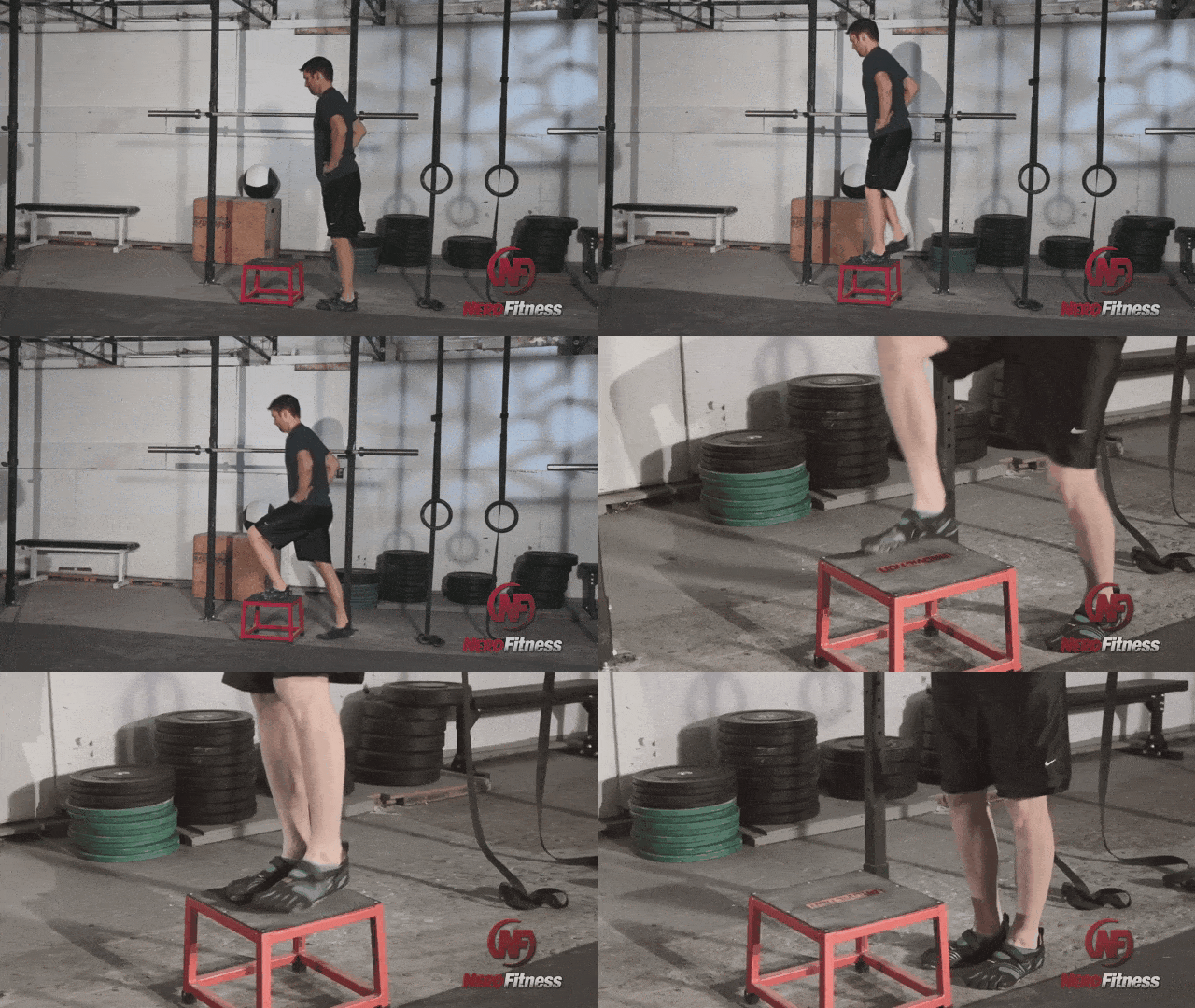
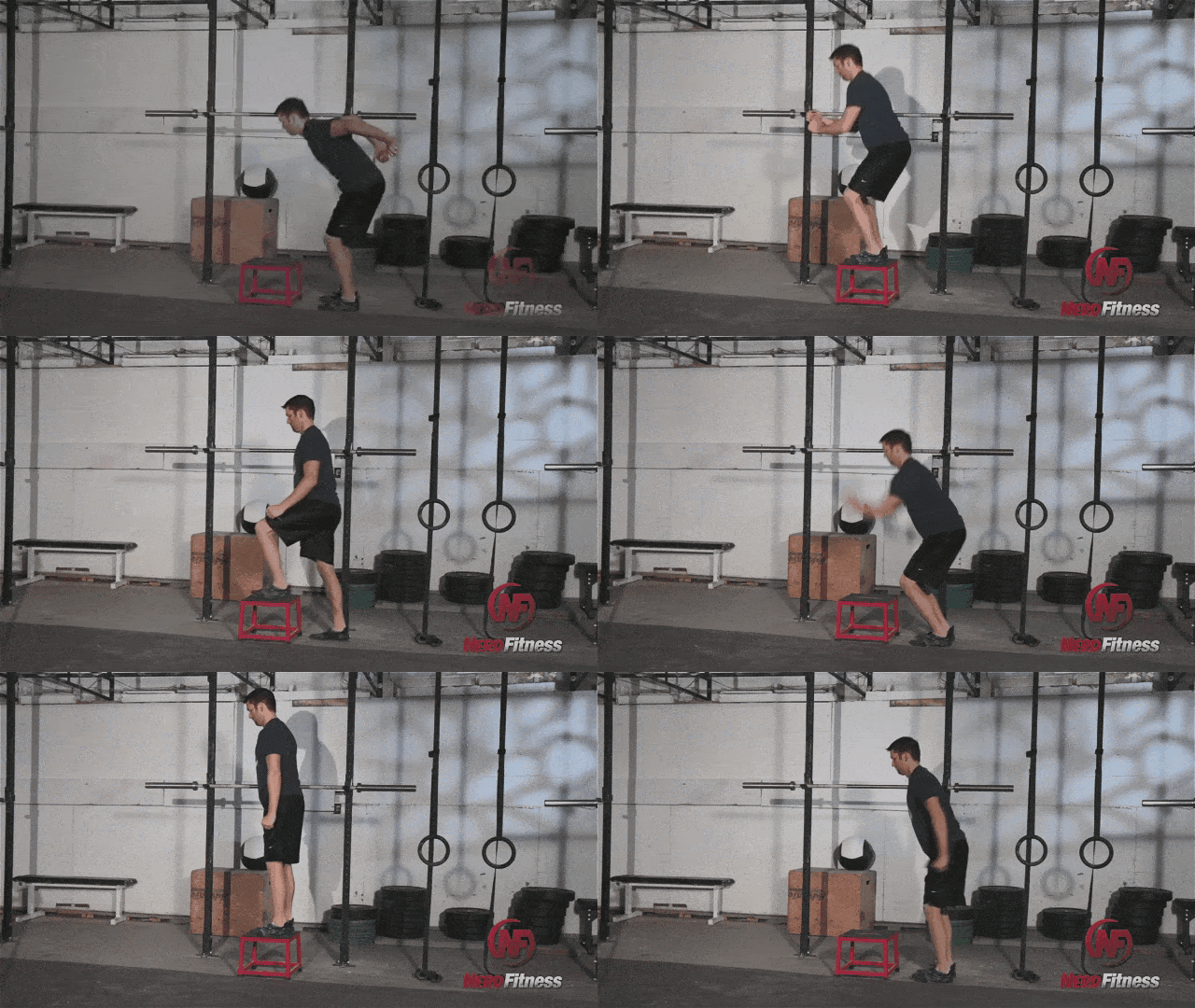
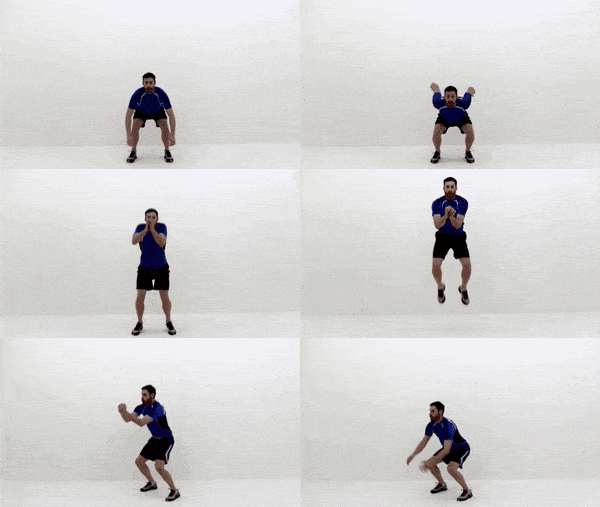
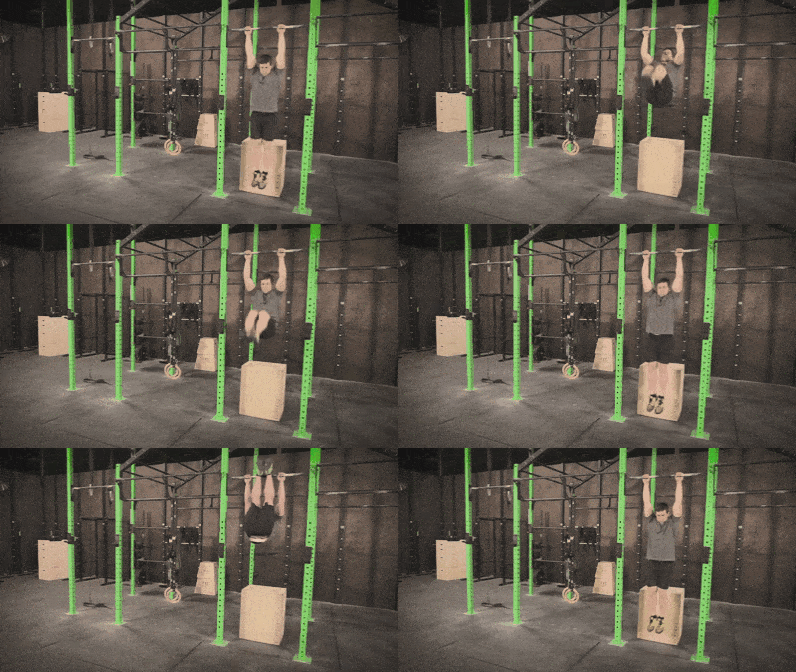
#7) JUMPING KNEE TUCK:
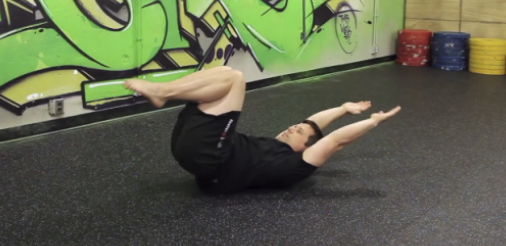
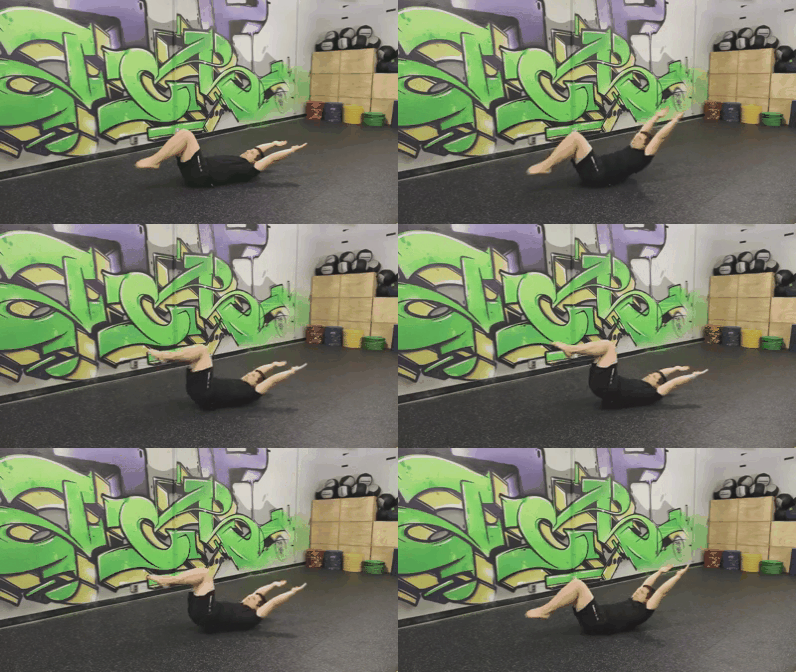
#8) HOLLOW BODY HOLD:
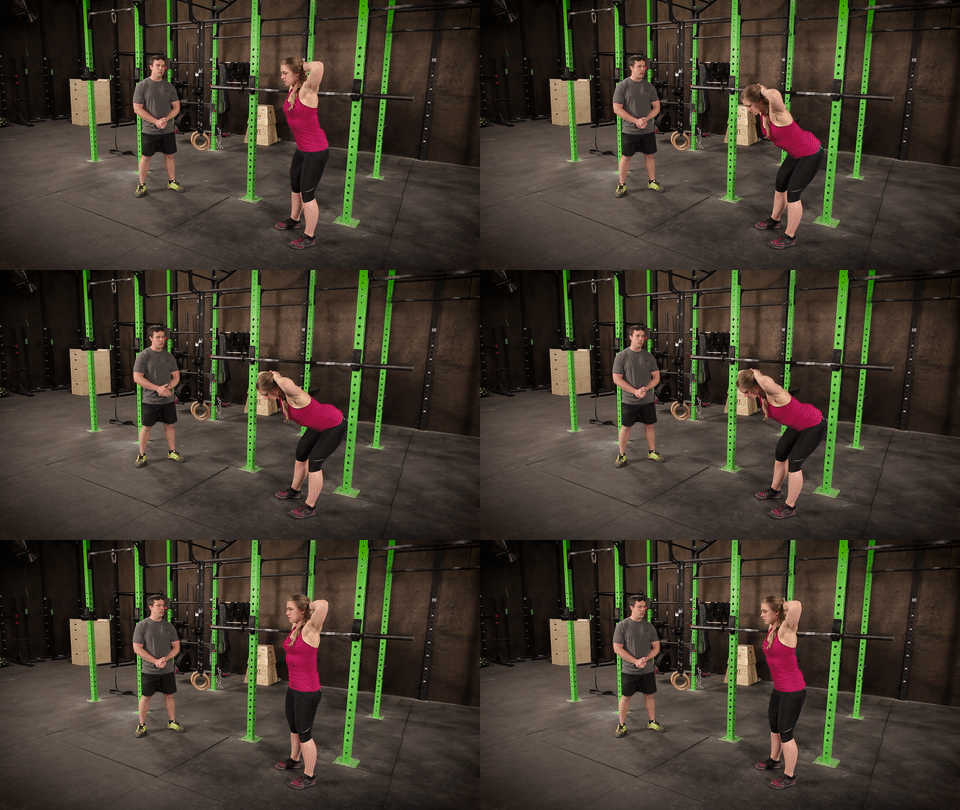
The hollow body is one of the best ways to engage the midsection and stabilize the body. We utilize the hollow body exercise as part of our strategy for getting your first handstand.
Once you get comfortable holding the position, try…
You now have a bodyweight workout you can do in your own home.
You can mix and match from each category or progress to more difficult moves as you get stronger.
Now, you don’t HAVE to do these exercises at home. You can even do them while exercising around the world, as I did!
If you want to learn all the fine details of building a workout, make sure you check out our extensive guide “How to Build Your Own Workout Routine.“ It’ll walk you through creating a program of bodyweight exercises – or using weights if you want to train in a gym.
Don’t want to bother creating your own bodyweight workout? No problem, I have two options for you:
Start at the Beginnerworkout and move onto the Advanced when it becomes easy.
This should help you get started with a bodyweight training routine. But we hear frequently that people want MORE instruction, MORE guidance, and MORE workouts.
If that’s you, we have MULTIPLE options to take the next step. Pick the option below that best aligns with your goals and timeline:
1) If you want step-by-step guidance, a custom bodyweight training program that levels up as you get stronger, and a coach to keep you accountable, check out our killer 1-on-1 coaching program:
2) If you want an exact blueprint for working out at home, check out NF Journey. Our fun habit-building app helps you exercise more frequently, eat healthier, and level up your life (literally).
Try your free trial right here:
3) Join the Rebellion! We need good people like you in our community, the Nerd Fitness Rebellion.
Sign up in the box below to enlist and get our guide, Strength Training 101: Everything You Need to Know. It’ll help you start incorporating these bodyweight moves into your training.
Download our comprehensive guideSTRENGTH TRAINING 101!
Everything you need to know about getting strong.
Workout routines for bodyweight AND weight training.
How to find the right gym and train properly in one.
Alright, your turn: I’d love to hear how your bodyweight training is going!
Did you make your own workout?
Try one of ours?
Include different moves we didn’t cover today?
Leave a comment below with your results or any questions you have on bodyweight training.
When it comes to what to wear cycling, one of the greatest debates is whether to wear bib shorts or non bib / regular shorts on the bike. When I first started cycling, I was 100% on team shorts but…
With today’s Advanced Bodyweight Routine, you can burn fat, build muscle, and get a great workout in! All with no gym membership required!
It’s the kind of workout we build through our online coaching program. If you’re in a hurry, sign-up for our free weekly newsletter and we’ll send you PDFs of our “Work Out at Home” guides!
If you’re ready, click the sections below to get right into the action:
Don’t forget to warm up. You can run in place, jump rope, do a few push-ups, pedal on a stationary bike, jog up and down your stairs, etc. Since we are doing advanced movements here, the warm-up becomes even more critical.
If you are following this bodyweight workout plan because you’re trying to get in great shape without needing a gym, download our free-guide: Strength Training 101: Everything You Need to Know. It’ll provide an exact plan to follow for growing strong.
Download our comprehensive guideSTRENGTH TRAINING 101!
Everything you need to know about getting strong.
Workout routines for bodyweight AND weight training.
How to find the right gym and train properly in one.
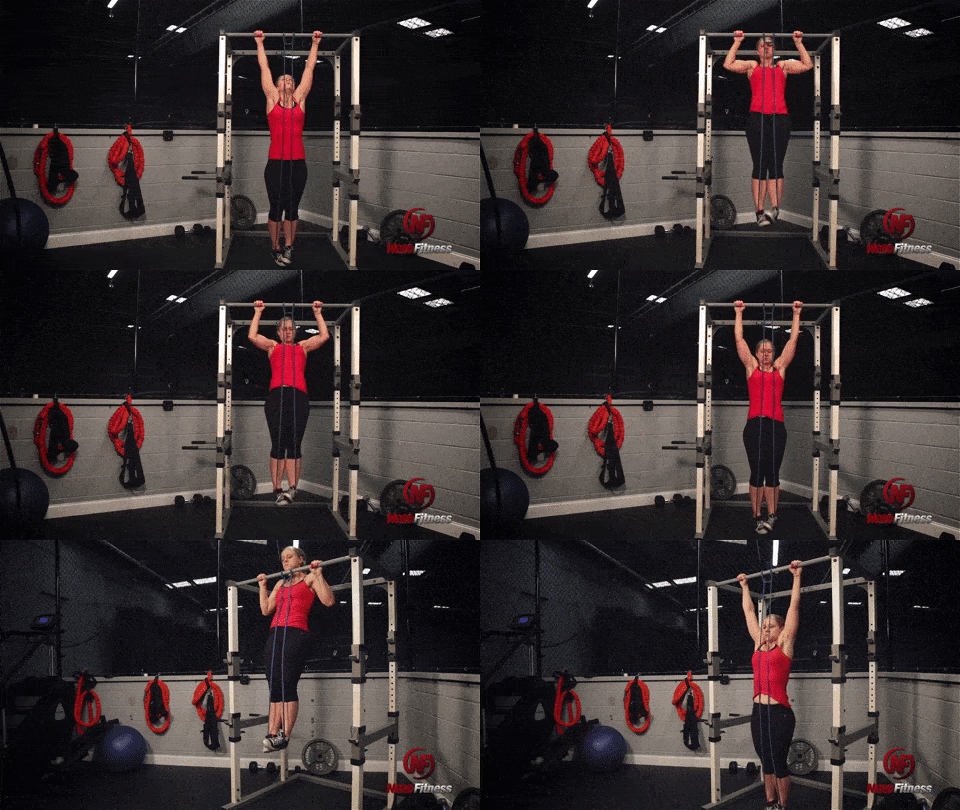
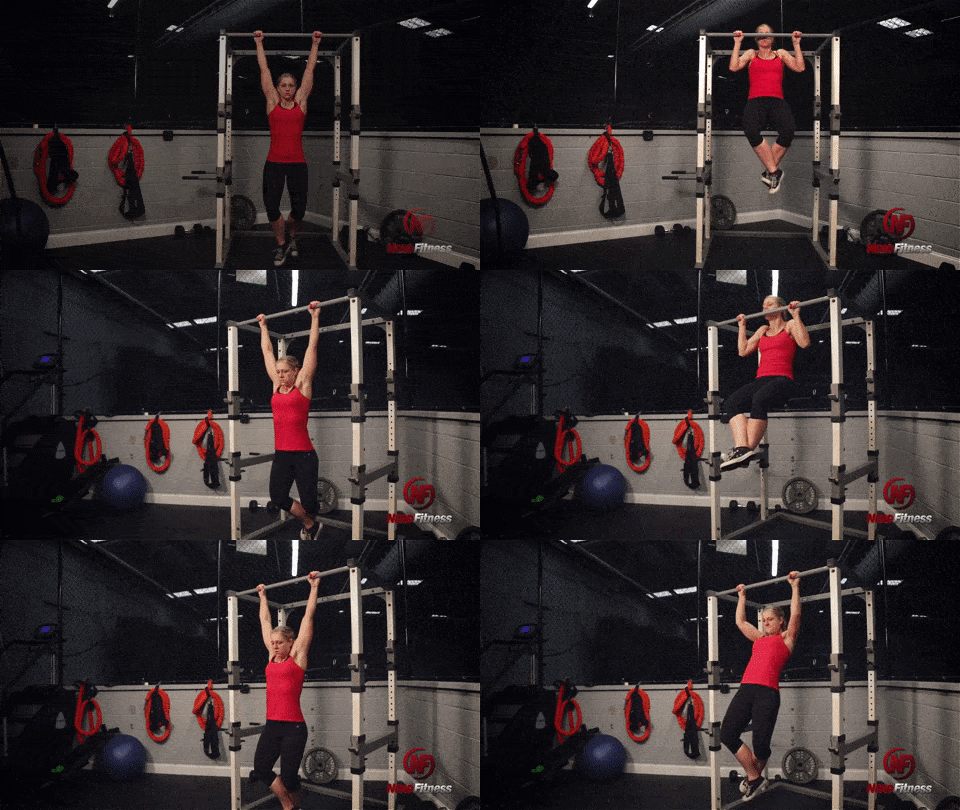
If you don’t have a resistance band, you can do negative pull-ups instead. Jump and hold yourself above the bar, and then slowly, under control, lower yourself to the ‘starting position’ of a pull-up. Then repeat!
This is a great way to build up enough strength to eventually get your first pull-up.
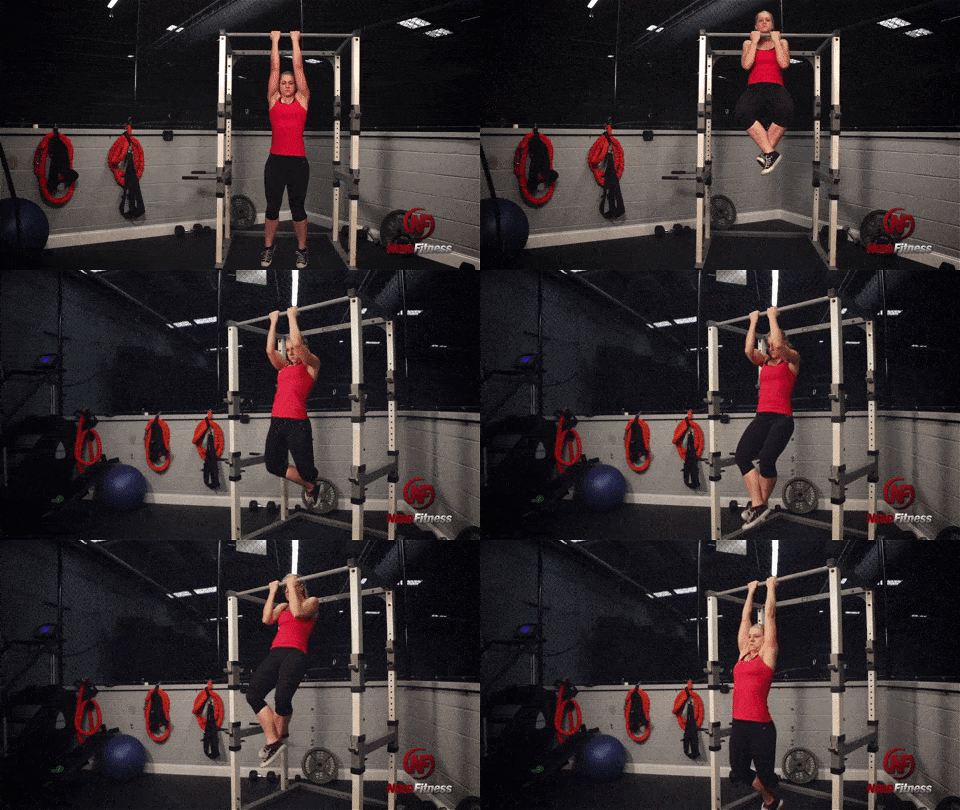
Much like a pull-up, but with your palms facing toward you.
Here’s a video going over proper pull-up and chin-up form:
If you can’t do pull-ups or chin-ups, you have another option…
10) INVERTED BODYWEIGHT ROW (OVERHAND)
An inverted bodyweight row can be a great “pull” exercise if you can’t do a pull-up yet, or if you don’t have a proper pull-up bar nearby. Because a good sturdy table can be used for inverted rows:
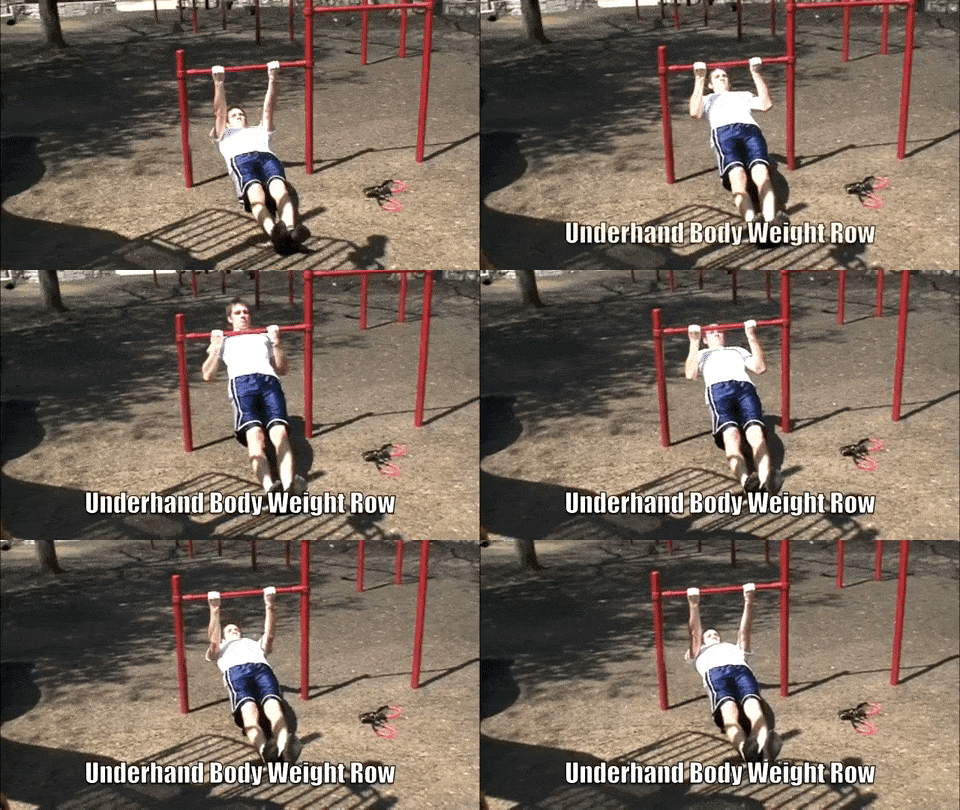
11) INVERTED BODYWEIGHT ROW (UNDERHAND)
12) ASSISTED BODYWEIGHT DIPS
With a resistance band, you can start performing assisted dips. A great exercise while you build up strength for normal dips.
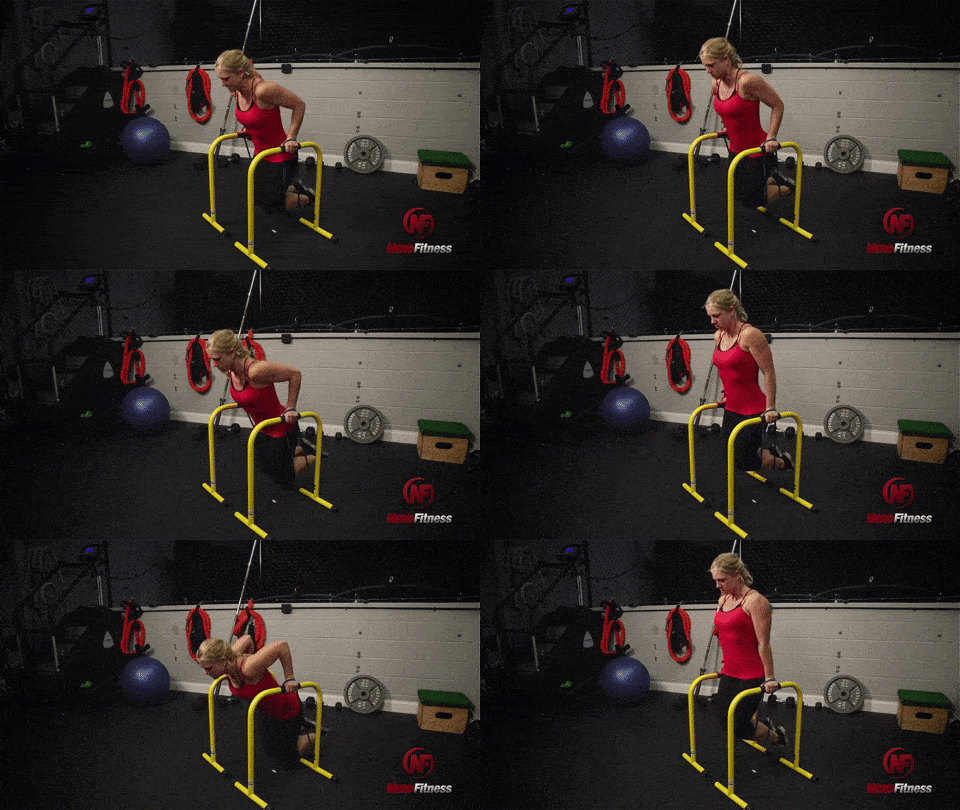
13) BODYWEIGHT DIPS
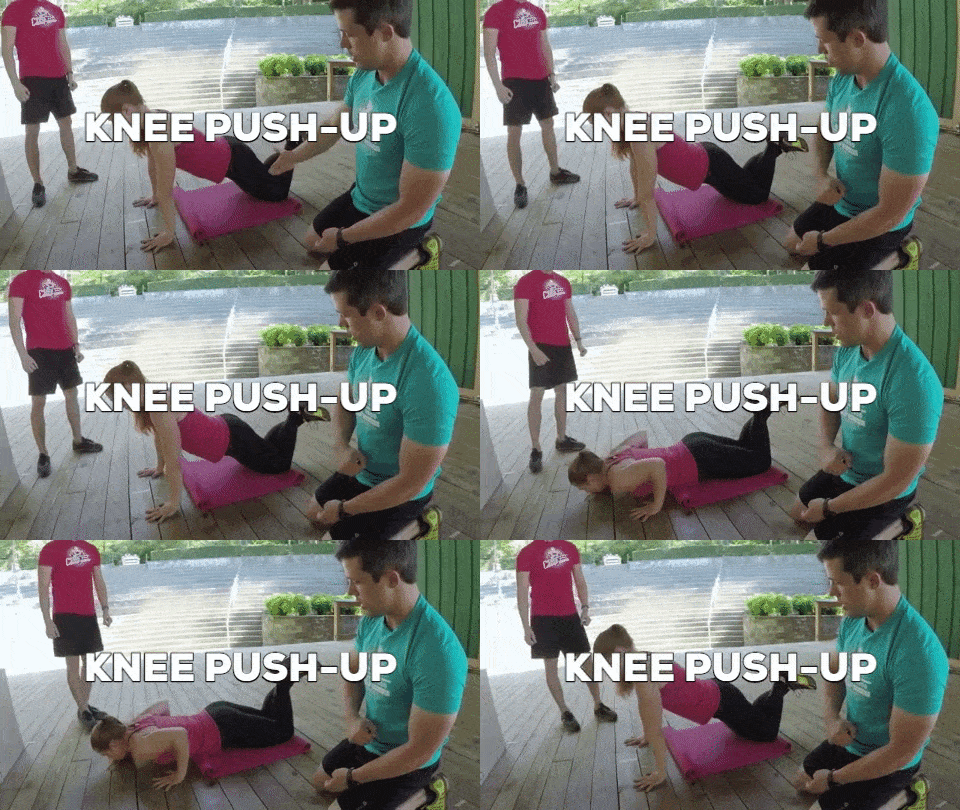
14) KNEE PUSH-UP
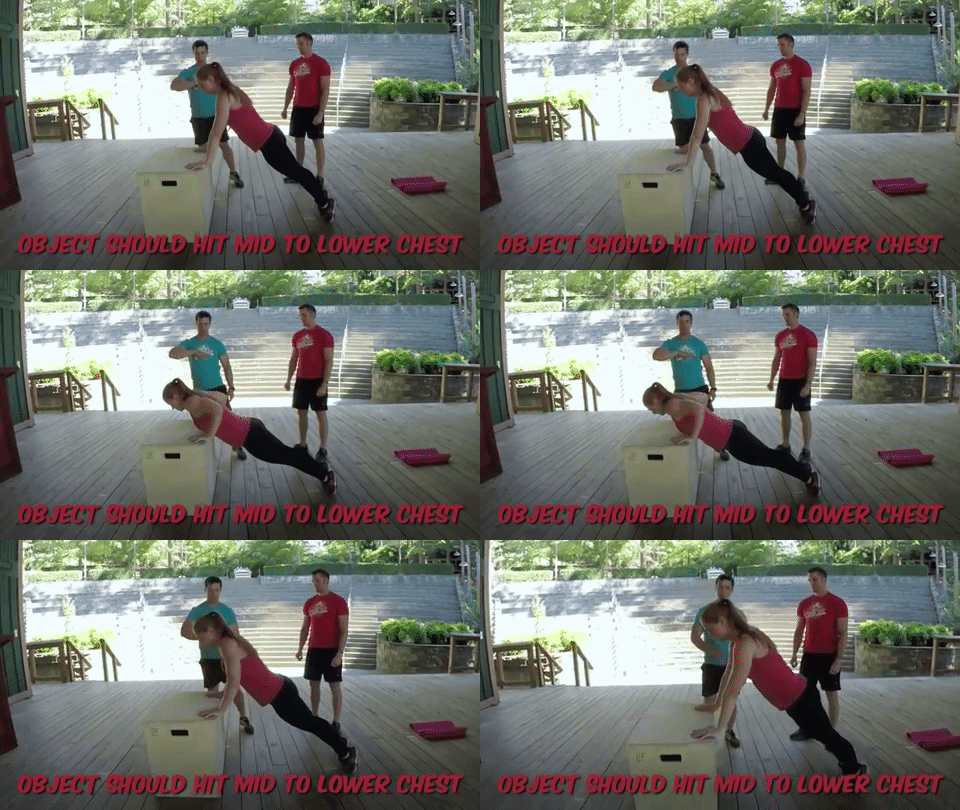
15) ELEVATED PUSH-UP
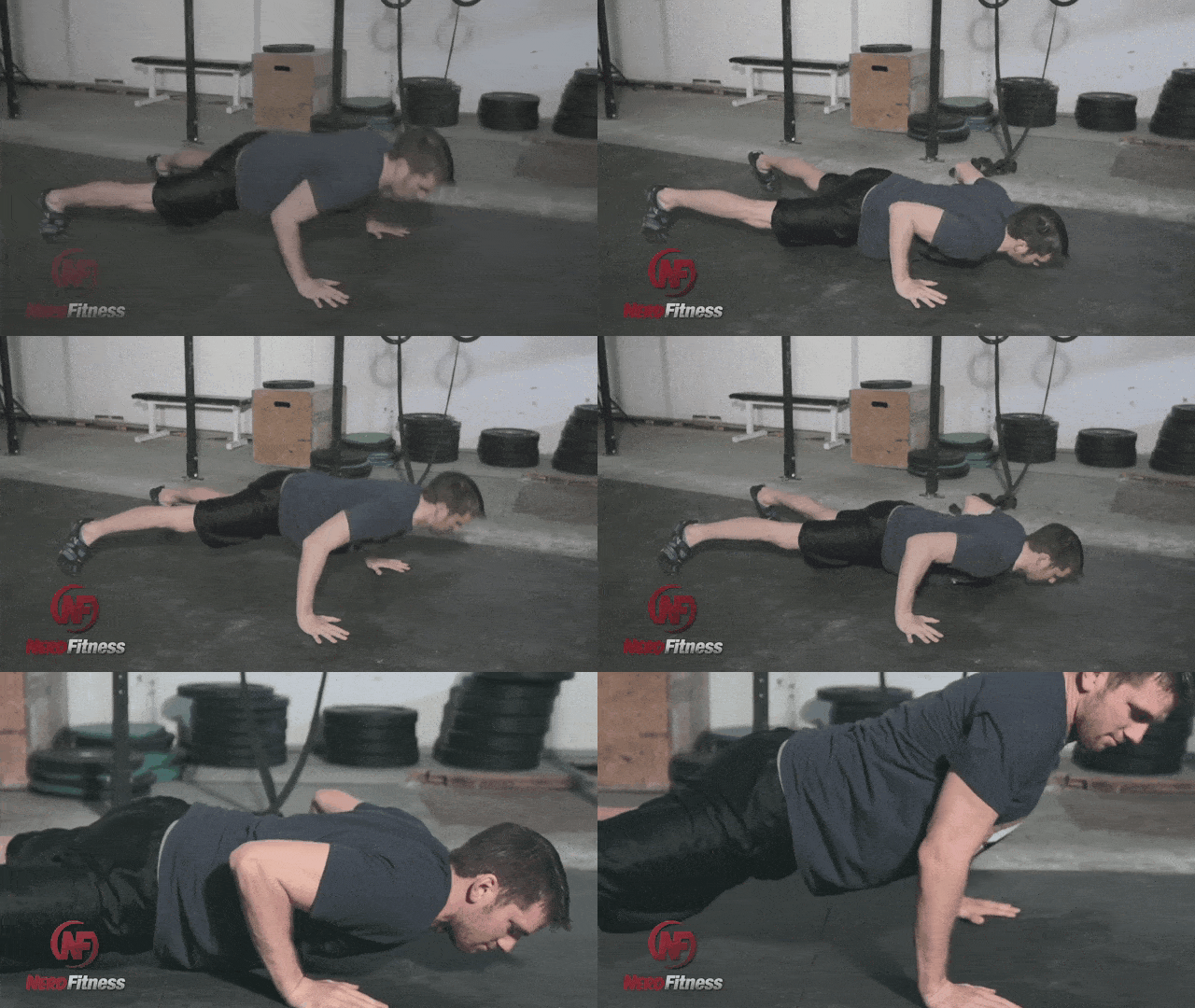
16) REGULAR PUSH-UP
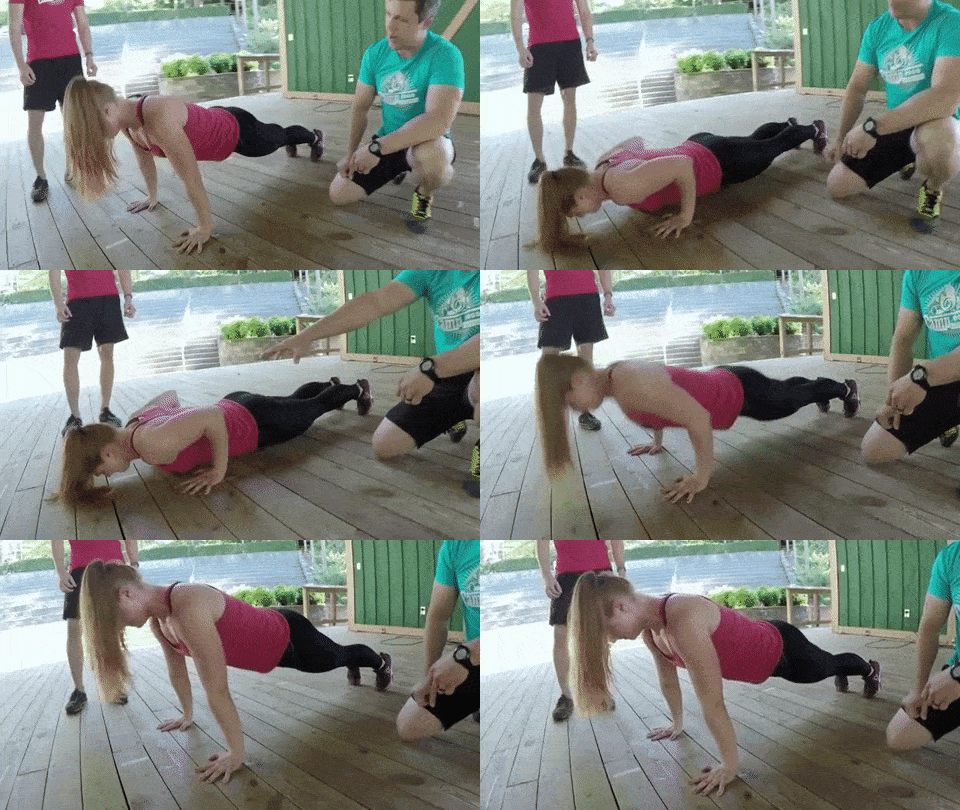
We have a whole article on how to do a proper push-up, but we also cover it extensively in this 5-minute video:
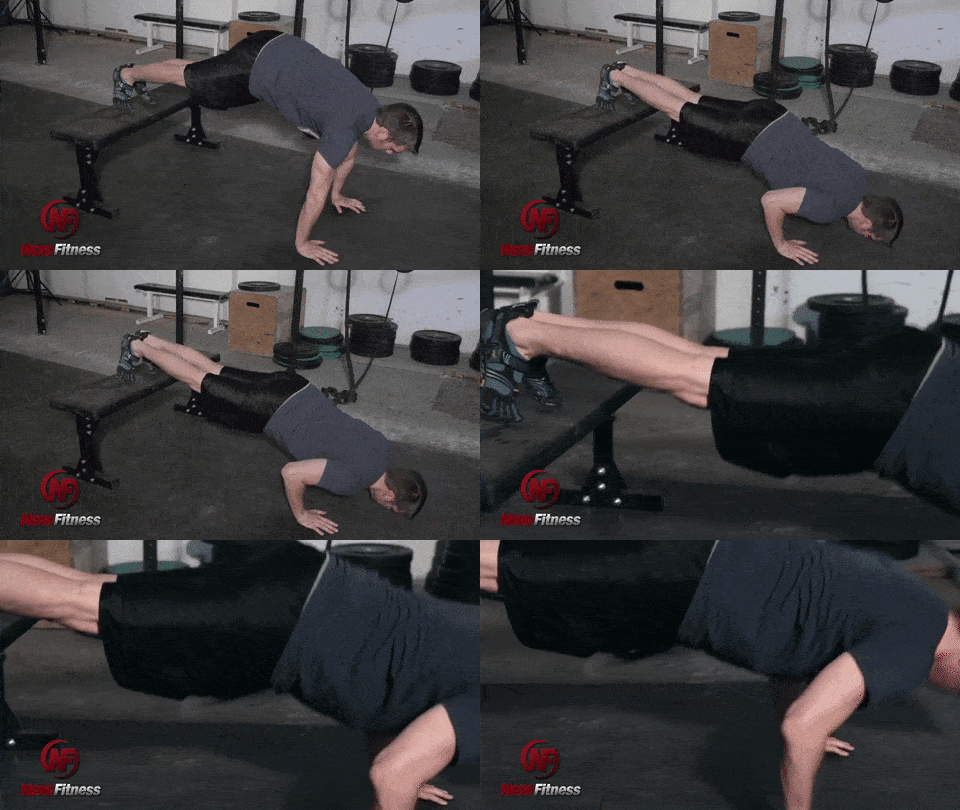
17) DECLINE PUSH-UPS
18) KNEE PLANK
19) PLANK
20) SIDE PLANK
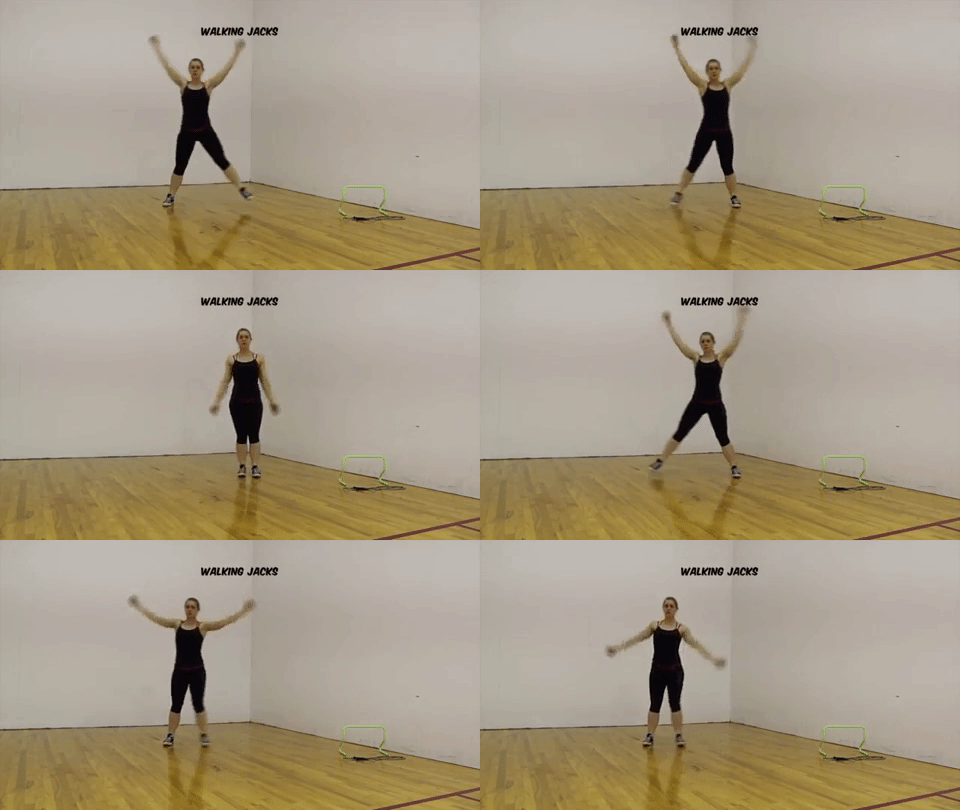
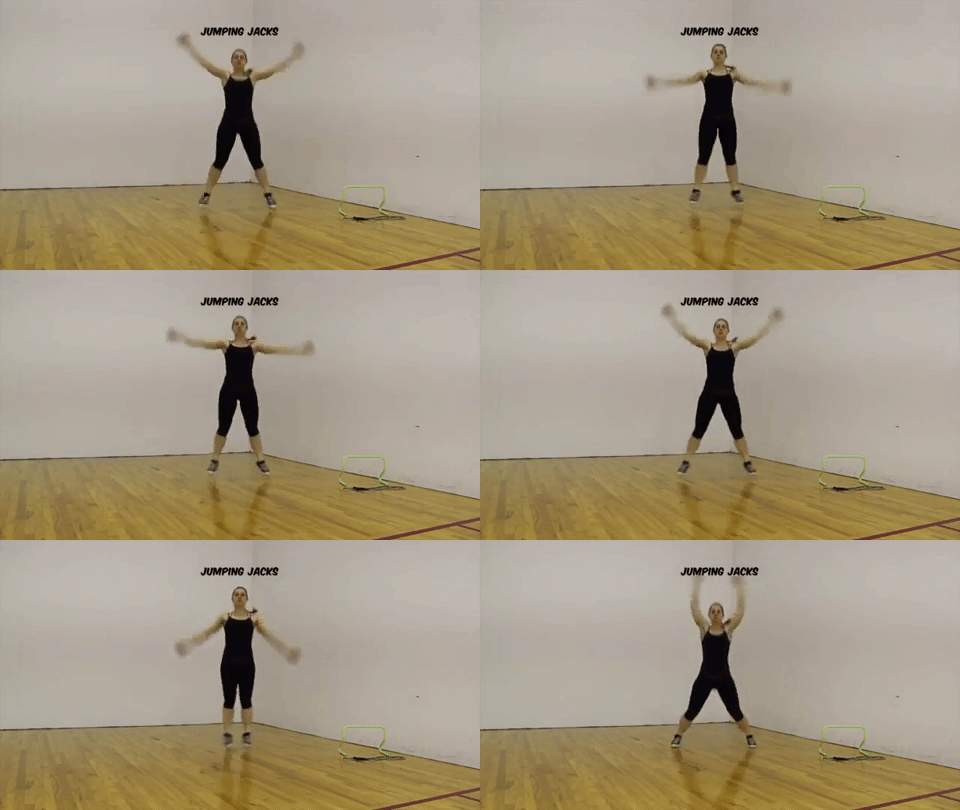
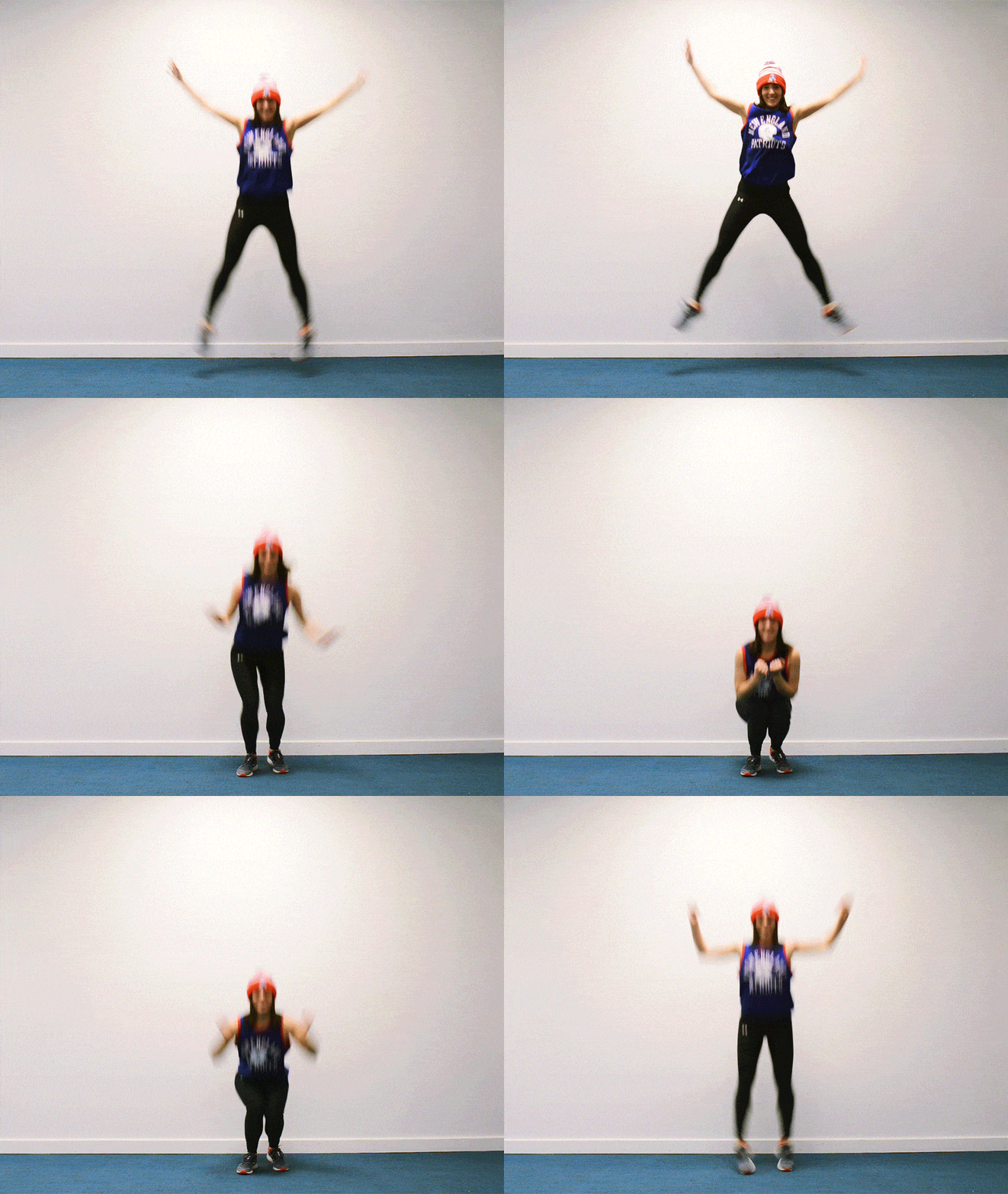
21) JUMPING JACKS
If you are looking for even MORE bodyweight exercises you can use in your workouts, make sure to check out our mega-resource:
Full guide to the most effective diet and why it works.
Complete and track your first workout today, no gym required.
How to Scale Your Bodyweight Routine
As I said earlier, this whole routine is scalable based on your ability. For example, here is a sample routine for somebody who has conquered the Beginner Bodyweight Workout but can’t do the full routine above:
“HOW OFTEN SHOULD I DO THE ADVANCED BODYWEIGHT WORKOUT?”
Do this routine 2-3 times a week, but never on consecutive days. It’s a message we really strike home in our guide, “How Often Should I Work Out?”
You don’t build muscle when you’re exercising, you build muscle when you’re resting, so try not to do a strength training routine (of the same muscle groups) two days in a row.
If you’re still uneasy about this advanced workout, start with our Beginner Bodyweight Workout instead. You can download a worksheet to get started when you sign-up for our free weekly newsletter:
Grab Your Beginner Bodyweight Routine Worksheet. No Gym Required!
Complete this workout at home, no equipment required
Avoid the common mistakes everybody makes when doing bodyweight exercises
Learn how to finally get your first pull-up
After the Advanced Bodyweight Workout: Next Steps!
This should help you get started with a really powerful bodyweight training routine. But we hear frequently that people want MORE instruction, MORE guidance, and MORE workouts.
If that’s you, we have MULTIPLE options to take the next step. Pick the option below that best aligns with your goals and timeline:
1) If you want step-by-step guidance, a custom bodyweight training program that levels up as you get stronger, and a coach to keep you accountable, check out our killer 1-on-1 coaching program:
2) If you want a daily prompt for doing workouts at home, check out NF Journey. Our fun habit-building app helps you exercise more frequently, eat healthier, and level up your life (literally).
Try your free trial right here:
3) Enlist in the Rebellion! We need good people like you in our community, the Nerd Fitness Rebellion.
Sign up in the box below to enlist and get our guide, Strength Training 101: Everything You Need to Know. It’ll help you start incorporating these advanced bodyweight moves into your training.
Download our comprehensive guideSTRENGTH TRAINING 101!
Everything you need to know about getting strong.
Workout routines for bodyweight AND weight training.
How to find the right gym and train properly in one.
4) Level Up Your Workout! If you’re looking for more workout routines to follow, I got you covered:
How to Do Your First Handstand: now we’re talking! Learn the different progressions that will eventually have you getting your first freestanding handstand!
6 Levels of Gym Workouts: never wonder what to do in the gym again! Follow these 6 levels of workouts to go from Newbie to Gym Hero!
I’d love to hear how this workout was for you.
Leave a comment below with your results or any questions you have on advanced bodyweight training and how else we can help.
For the Rebellion!
-Steve
PS: Where do you go after you’ve crushed the Advanced Bodyweight Workout? Well, have you ever heard of the PLP Progression? There’s really no limit on how challenging that can get.