So you’re interested in eating only plants, eh?
Well, you’ve come to the right place to learn all about it. I’ve seen many people over the years have success with a Plant-Based Diet.
Truth be told though, I’ve seen many people also struggle with it too.
(After all, donuts are “plant-based” and pizza just got declared “a vegetable”).
There is definitely a right way and a wrong way to embark on eliminating animal products from your diet.
Today, I’ll share with you how to safely and correctly follow a plant-based menu and still hit your goals.
Now, although I’ve been running this site for 10 years, I may be drawing a large target on my back by diving headfirst into a topic I’ve thus far avoided.
As a blogger, if you want to tenfold your hate mail, take a stance on a Plant-Based Diet.
And saying ANYTHING about veganism – for OR against – is an easy way to get virtual produce tossed at you.

Although most people discover Nerd Fitness through our guides on Paleo or Keto, we get SO many questions on how to eat a Plant-Based Diet that I figured I’d give my two cents.
With pop stars and famous directors advising folks to try veganism, these inquiries are only going to increase.[1]
So today, we are going to talk about how to eat a Plant-Based Diet safely.
The right way, and the wrong way, to go vegan or vegetarian.
BIG ASS CAVEAT: I’m not going to try to convince you to give up meat. If you’re reading this, I’ll assume you’re here because you’re interested in doing so, and want to know the best path through it.
The politics, controversy (yes, I’ve read the China Study[2]), and geopolitical impact of veganism are beyond the scope of this article. I’m just a nerd who studies the hell outta health and wellness and sometimes wears pants.[3]
So setting all the controversy aside, I want to explore the science and the “how to” for people who are heading down this path.
- If you are going to eat a plant-based or vegan diet, what’s the best way to do it?
- What are tips and tricks to make it sustainable?
- Is it as easy as “stop eating meat?”
- Is there any unsafe way to eat only plants?
Let’s goooooo!
WHAT EXACTLY IS A PLANT-BASED DIET?
There are quite a few different versions of a Plant-Based Diet.
It’ll be good to start with some definitions so we land on the same page.
According to the Vegetarian Society, a vegetarian is someone who “does not eat foods that consist of, or have been produced with the aid of products consisting of or created from, any part of the body of a living or dead animal.”[4]
So NO eating:
- Meat
- Poultry,
- Fish
- Shellfish
- Insects.
Instead, vegetarians DO eat:
- Grains
- Legumes
- Nuts
- Seeds
- Vegetables (duh)
- Fruits
- Fungi.
Plants, more or less.
“Vegetarian” can be a broader term for more specific examples of plant-based eating. Some examples would be:
Lacto-ovo-vegetarians is someone who doesn’t eat animal flesh but does eat dairy and eggs. This is the most common type of vegetarian.
Lacto vegetarians don’t eat eggs but do eat dairy.
Ovo vegetarians avoid all animals products, with the exception of eggs.
Vegans avoid all animal products, including dairy and eggs and even things like honey. If it came from an animal, it’s not a part of a vegan diet. Some even take it one step further and eat only a “raw vegan” diet, where the plants consumed are not cooked prior to consumption.
The above are the most common forms of Plant-Based Diets, but there are others!
A pescatarian is someone who consumes no animal products except fish and shellfish.
A flexitarian is someone who follows a vegetarian diet a majority of the time, but who will occasionally eat meat.
Now granted, neither pescatarians nor flexitarians are technically vegetarians because both contain animal products on the menu.
However, they are mostly plant-based, so worth mentioning – especially if somebody is doing this in an attempt to be healthier.
There are many more considerations and labels, which can tackle a lot of the ethical stances around being vegan: not wearing animal products, the treatment of animals, etc.
To be blunt, this is outside the scope of this article.
I’m only interested in “If you are going to eat only plants, how do you do it?” So we’ll politely ignore clothing, testing, and captivity for this article.
Which brings us to…
WHAT DO YOU EAT ON A PLANT-BASED DIET? WHAT’S ON A VEGAN MENU?
What you can or cannot eat on a Plant-Based Diet depends a lot on what kind of vegetarianism you follow.
Eggs and dairy, for example, may or may not be included. It really comes down to what path you are choosing.
There are some general food groups we can consider as universal no matter what form of vegetarianism you follow.
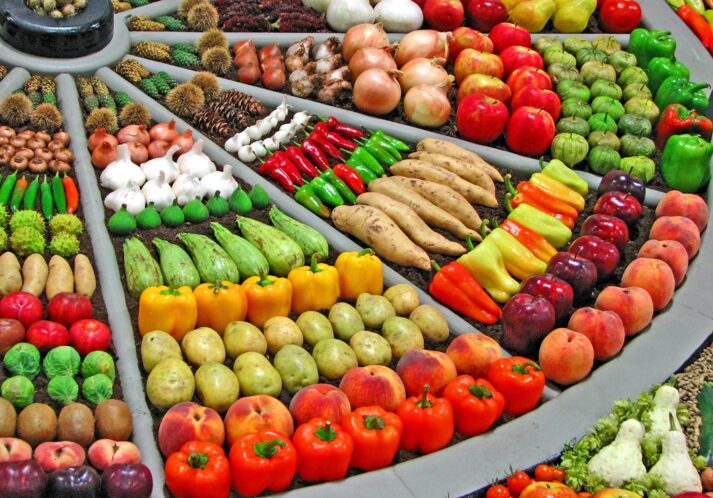
A Plant-Based Diet will include the following foods:
Whole grains. Rice, oats, barley, and buckwheat would all be examples of whole grains. Most vegetarian diets include a sizable amount of whole grains as their base.
Vegetables. Of course, a vegetarian diet is going to include vegetables! And it should because vegetables are great for you! They’re packed full of nutrients, fiber, and generally low in calories. Most people could stand to eat more veggies. If you find yourself not being able to stomach greens, I got you. Check out this post for tips on how to turn around any vegetable hater.
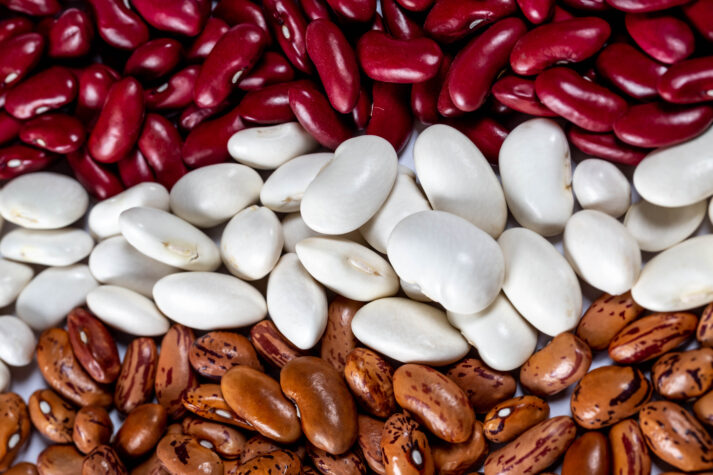
Legumes. Beans, lentils, and soy make up the legume family. If you’re following a plant-based or vegan diet, legumes would be a great way to get protein (more on this to follow).
Fruit. Bananas, apples, and oranges all come from plants, so all are vegetarian-friendly. While high in fructose (sugar), they are also nutrient dense. Our general stance on fruit around these parts is to eat “in moderation.”
Nuts and seeds. Again, they come from plants, so almonds, cashews, and pumpkin seeds are good to go on any vegetarian plan you pick. So is quinoa, which although is often thought of as a grain, is actually a seed. Mind=blown.
Nuts and seeds, although high in fat and calories, are another great way to get protein on a Plant-Based Diet.
No matter what type of vegetarian diet you pick, you’d be free to eat the above (provided they fit into your current nutrition goals – but I’ll get to that shortly).
The below will depend on what kind of vegetarianism you are trying. We may be stepping into controversial waters (remember, don’t shoot the messenger) with the following:
Eggs. Eggs are a great source of vitamin B12 and protein, which will become important in a section further down.
Dairy. Whether or not you consume dairy will be determined by your specific strain of plant-based nutrition. On the one hand, it’s from an animal (moo). On the other hand, dairy can be full of nutrients that might be harder to source from only plants, like omega-3s and calcium.
Fish. Look, I get it. Fish are animals, so technically not allowed on a vegetarian diet. However, if you eat a mostly-Plant-Based Diet that includes a little fish, it wouldn’t be too different from a Mediterranean Diet. There are a lot worse ways to eat than like the Mediterraneans. And as mentioned earlier, depending on who you talk to, being pescatarian could be a form of a Plant-Based Diet.
That’s a lot of the major food groups when it comes to plant-based eating.
So here’s all you need to remember:
Whatever form of vegetarianism you may pick, stick to REAL food whenever possible.
Pinto beans, asparagus, apples, and quinoa would all be examples of real food. These are nutrient-dense foods that will keep you full and energized throughout your day. Deep fried cheese balls, donuts and candy bars are examples of “plant based, but not real” food.
And I’ll give out a warning on processed vegan junk food in a moment.
For now, there may be a question you are thinking.
It’s one of the most common ones we get when it comes to eating a vegetarian or vegan diet.
WILL A VEGETARIAN OR VEGAN DIET HELP ME LOSE WEIGHT?
…MAYBE!
There are plenty of examples of people losing weight on a Plant-Based Diet.[5]
However, there are also stories of the opposite where people gained body fat when going vegan.[6]
However, anecdotal evidence isn’t science.
What does the research say?
If you look at studies on the subject, there’s nothing here that will surprise us: plant based calories count just as much as animal based calories.[7]
There are some studies which show the success of veganism compared to omnivore diets for weight loss.[8] Then there are others showing that a diet including meat outperforms vegan diets for trimming body fat.[9]
Depending on who you’re trying to impress, you can find six studies that say vegans will lose more weight than meat eaters, or half a dozen studies that show vegans will lose less weight.
It honestly doesn’t matter, because when it comes to weight loss, it comes down to calories, calories, calories.
Oh and calories. Did I mention calories?
Put blunty, if you’re not losing weight, you’re consuming too many calories.

It doesn’t matter if they’re vegan or vegetarian or Paleo or certified organic. Check out our “Why can’t I lose weight?” article to learn the science behind why!
Let’s get to the point: You’re here, you’re eating plants, and you want to lose weight. So here’s how to do it.
If you typically ate a standard American diet filled with burgers and french fries, and then moved to salads? Yeah, I’d imagine that you would lose weight – simply because you’re now eating fewer calories than you were eating in the past.
However, if you go from scarfing down normal burgers to scarfing down an Impossible Burger or a vegan burger? Maybe not.[10]
Let’s take a look:
- An Impossible Burger’s three-ounce patty has 220 calories.
- A three-ounce regular beef patty has about 205 calories.
The Impossible Burger is made with wheat protein, coconut oil, potato protein and heme (a molecule found in plants and animals). So it’s very calorically dense.
Moral of the story: don’t assume that food without any meat in it will have fewer calories in it.
While there are plenty of nuances, when it comes to weight loss, calories in and calories out plays a major role in whether or not you are successful.
Just because something is vegan doesn’t mean it’s necessarily healthy. As someone pointed out in our private Facebook Academy group, “Oreos are vegan.”
If you don’t plan properly, you could be deluding yourself into thinking veganism will be a weight loss strategy.
I know that adopting a new lifestyle can be challenging, especially if you’re really busy. Whether it’s veganism, a low-carb diet, or trying to build muscle, embarking on a new habit can be tough if you don’t know what to do.
Weight-loss, no matter which strategy you pick, can be a hard road to follow.
I want you to know that you’re not alone, we’re here to help. We offer a 1-on-1 Online Coaching Program to help busy people like you embark on complete life overhauls. We can help you with dietary changes, exercise, and accountability so you can create new healthy habits that fit into your chaotic day-to-day life!
If you’re thinking about a Plant-Based Diet for weight loss, we can help you switch to a less restrictive diet over time. Slow and steady is our preferred approach.
If you’d like to learn more, click on the big image below:
DO I HAVE TO WORRY ABOUT GETTING ENOUGH PROTEIN WHEN EATING A PLANT-BASED DIET?
Contrary to popular belief, you CAN get enough protein when following a Plant-Based Diet.
However, protein consumption SHOULD be something that’s prioritized if you’re trying to lose weight, build muscle, and be healthier. What we call “protein” is actually a combination of different amino acids. There are 20 or so amino acids that we use to build muscle and keep our organs functioning.
Nine of these amino acids our body can’t produce itself, so we need to get them through food.
Getting all nine is important, because these amino acids do everything from build and repair muscle tissue (which is HUGE for strength training), run our metabolism, and even help our genes function correctly.[11]
All nine are found together in all forms of meat. When you eat a piece of chicken, you are getting all nine.
When it comes to non-animal sources, most plants will generally be missing one or two of these nine essential amino acids.[12]
Soy might be the best way to get all nine together in one plant; however, soy doesn’t seem to provide the same biological functionality as dairy or eggs.[13]
You can overcome this small challenge easily by varying your dietary choices.
Let’s look at the most common example:
- Beans are low in the amino acid methionine, while high in the amino acid lysine.
- Conversely, rice is low in lysine but high in methionine.
Eat them together, and you’ve covered any amino acid deficiency![14]
To recap: if you eat some kind of unprocessed starch (rice, corn, potatoes, beans), combined with some fruits and vegetables during the day, you’ll be covered.[15] The Academy of Nutrition and Dietetics explains “Protein from a variety of plant foods, eaten during the course of a day, supplies enough of all indispensable (essential) amino acids when caloric requirements are met.[16]
Did you catch that caveat?
As long as you are meeting your calorie requirements from “plant foods,” you’ll get all your necessary amino acids. But this only works if your calories are coming from plants, not cookies.
I’ll say it again: EAT REAL FOOD.
Eating a variety of foods will help build up a diversified nutrient profile, including amino acids. Oats with one meal, lentils with the next, and rice with dinner, for example.
This would be a better strategy than just living off soy.
And DEFINITELY better off than living off of Soylent Green…
To recap this section: vegetarians can get plenty of protein. It just really depends on what they are eating.
So why are we focusing so much on protein?
Because, muscles.
CAN I BUILD MUSCLE ON A PLANT-BASED DIET?
Look in the right places and have the right conversations, and you’ll be able to find uber successful plant-based athletes that have built plenty of muscle.
For example, Danielle Sidell is a CrossFit athlete who follows a 100% Plant-Based Diet:
David Carter, a defensive lineman in the NFL, calls himself “The 300-Pound Vegan.”
Let’s not forget about Jeremy Reijnders, another CrossFit athlete and vegan proponent:
And one last example to round things out: Joe Venus, a vegan bodybuilder who gets anywhere from 80-180 grams of protein daily through big meals.[17]
Putting on muscle with a Plant-Based Diet is certainly not impossible.
If you analyze how these athletes eat, you’ll notice many similarities to other “omnivore” elite athletes, and a few places where they diverge:
Let’s look at a typical day for CrossFit athlete Danielle Sidell:[18]
“Typical breakfast is 2 slices of sprouted bread with vegan butter, half an avocado, mini fruit salad with strawberries, grapes and blackberries with peanut butter drizzled over the top and a cup of coffee.
My snack before lunch is some roasted chickpeas and plain popcorn – it’s a really filling snack.
For lunch I’ll do a serving of Beyond Meat’s chicken or beef crumbles with jasmine rice, a serving of veggies and another half of an avocado.
For afternoon snack I’m typically on my way to the gym so I’ll have a banana, spoonful of peanut butter and a glass of unsweetened soy milk. I like soy and pea milk the most because they have lots of protein.
After I workout I’ll do a shake with pea protein and dextrose. For dinner I’ll have a cup of some sort of beans, hummus for the extra fat, some sweet potato and another serving of something by Beyond Meat.
Then for a snack I’ll do a whole bell pepper with hummus or a serving of beet chips.”
Compare that to any other athlete, and you’ll find very similar strategies: get the correct amount calories for your goals, and eat plenty of plants. The only difference is protein sources! And protein is how you build muscle.[19]
Again, it’s not impossible to get enough protein strictly from plants to build muscle, it simply takes foresight, some understanding of your macros, and planning. So although there is an observed correlation between muscle size and animal protein intake, we all know that correlation doesn’t equal causation.[20]
Just because someone doesn’t eat meat, doesn’t mean they will have less muscle or smaller muscles. To put it another way: eating meat doesn’t necessarily lead to bigger muscles, either!
To recap: if you are looking to strength train and build muscle on a Plant-Based Diet, It comes down to protein consumption, total calorie count, and training regiment!
HOW MUCH PROTEIN DO I NEED TO EAT EACH DAY ON A PLANT-BASED DIET?
At this point, you may be asking, “Steve, how much protein do these plant-based athletes have to eat? How much protein does it take to build muscle?”
Great questions. There’s some debate on this.
There are estimates that you need .8 of a gram to 1 full gram of protein for every pound (or 1.6-2g for every kg) you weigh.[21] Another study found it might be as high as 1.4 grams of protein for every pound you weigh.[22]
I’d say 1 gram of protein for every pound of lean body mass is a good solid number to shoot for if you are trying to build muscle. If you don’t know how to calculate your lean body mass – just go with 0.8 grams per pound (1.6 grams per kg) and adjust up or down from there depending on your results.
Let me get to a more important point here: As with EVERY athlete pointed out above (Danielle Sidell, David Carter, Jeremy Reijnders, and Joe Venus):
They all supplement with isolated plant protein for increasing protein intake without dramatically increasing calories or carbohydrates.
Here’s why: Dr. John Berardi from Precision Nutrition points out, “You just can’t avoid carbs in a vegan plan.”[23]
As you’ll recall, plants have less protein but more carbohydrates and more calories than animal sources:
- 100 grams of black beans: 22 grams of protein in it. 339 calories, 63 grams of carbohydrates (16 grams of which are fiber).
- 100 grams of chicken breast: 30 grams of protein. 165 calories, 0 grams of carbohydrates.
The same size serving of black beans has less protein, twice as many calories, and more carbs compared to chicken. If your goal is weight loss, you need to be aware of your calorie intake.
If you try to get the same amount of protein from black beans as you would from chicken, you’re going to end up consuming 2-3x the number of calories and a tremendous number of carbohydrates.
That’s not necessarily a bad thing, especially if you’re an athlete or strength train! After all, carbs aren’t evil HOWEVER…you could struggle with CERTAIN body fat percentage goals if you are going plant-based.
That’s not judgment or a challenge or anything in between – it’s just reality.
Dr. Berardi highlights the biggest challenge of strength training on a Plant-Based Diet: It’s not that you can’t bulk up. It’s that due to the inherent nature of how plant-based protein-rich foods are structured, you are potentially more likely to increase your body fat through overconsumption of calories:
“I feel it’s actually going to be pretty easy to build muscle on a vegan plan – you just have to eat a lot of food. What’s probably difficult is getting super ripped.
These foods have a high percentage of carbs compared to proteins and fats. It’s not a problem getting lean on a vegan plan. But to actually preserve muscle mass and be bodybuilder-lean, that might be a challenge.”
The solution: if you consume more carbohydrates in order to hit your protein goals, then you’ll need to eat less fat to keep your calorie intake in balance.
One goes up, the other goes down.
This ensures total calories don’t increase to such a point that you start to put on fat.
Is there a preferred ratio of macros? Sure…though your results may vary! Some people do better on a low-fat diet, while others do better on a high-fat diet. This is true of a Plant-Based Diet or any other diet!
Hulda B. Waage, a vegan powerlifter, suggests those trying to strength train on a Plant-Based Diet aim for fat intake at around 15-20%, with protein at 20-30% and carbs at 55-60%.[24]
For comparison, the International Society of Sports Nutrition generally will recommend fat intake to be around 30%.[25]
The only consistent constant of successful athletes: Whether they’re high carb or low carb, high fat or low fat, they all prioritize adequate protein consumption. This can be aided by protein supplementation – covered in our next section!
Your results may vary, because you are a unique snowflake.
Our advice would be to track your macros and track your results – see how your body adapts and changes, and then adjust along the way!
Before we wrap up this section though, it should go without saying that not only will you have to eat right to build muscle, you’ll also have to actually work out and train.
We have a whole Strength Training 101 series on Nerd Fitness that can walk you through EVERY step of that process.
Want to take it with you? Download our free guide, Strength Training 101: Everything You Need to Know, which will give you an exact plan to follow to build muscle and gain strength.
Grab the guide free when you sign up in the box below and join the Rebellion!
WHAT ARE SOME GOOD PLANT PROTEIN SUPPLEMENTS?
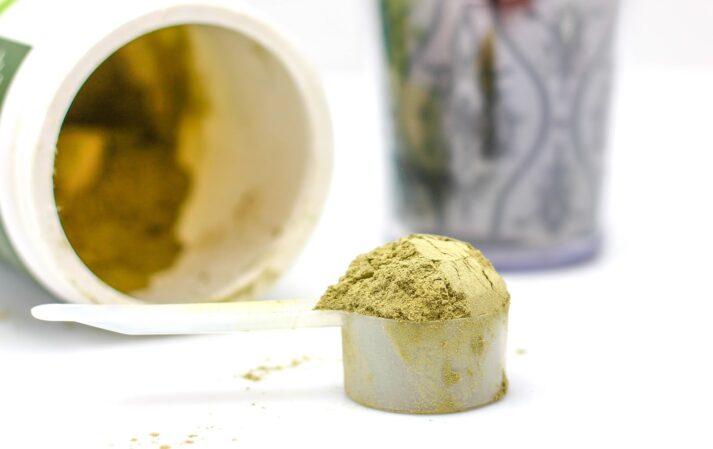
If you’re struggling to hit your protein intake goals for the day, it’s worth looking into a protein supplement.
My go-to protein powder is whey, easily the most popular and efficient protein supplements you can take.[26] When I can’t hit my protein goals with my regular meals, I drink a whey protein shake to fill the gaps.
Whey is a dairy product, so would fall into the menu of a vegetarian, but not a vegan. If you’re going 100% plant-based, these are not the powders you’re looking for.

You’ll have to forgo it.
Here are our recommendations and suggestions for plant protein powders:
-
- Pea protein. A solid choice for vegan protein powder comes from peas, specifically the high protein yellow split pea. A quarter cup (28 grams) will get you about 21 grams of protein, and run you about 100 calories. There’s some evidence it might be comparable to whey in building muscle.[27] NAKED Nutrition offers a great 100% pea protein powder you can check out.
- Rice protein. A quarter cup of rice protein will contain 22 grams of protein and run 107 calories. Not too shabby. Plus, when you combine it with pea protein, you’ll end up with a complete amino acid profile needed for human growth.[28] A good brand to look into would be Growing Naturals.
- Hemp protein. While it doesn’t have as much protein as pea or rice (one cup will have 12 grams of protein and 108 calories), what it lacks in this department it makes up for in its nutrient profile. Hemp protein is derived from the seeds of the cannabis plant, but it’s bred in such a way that it won’t have any THC. What it will provide you with though is a decent source of iron, zinc, and omega-3s, which are all things vegans tend to be deficient in (we’ll touch on all three later in our section on supplementation). Nutivia sells a good hemp protein if you are interested.
If you want all three in a mixture (my recommendation), you can do it yourself or find a company like Vega that makes a blend of pea, rice, and hemp protein.
You can mix any or all of these powders with almond milk, some berries, and oats for an awesome vegan smoothie. My friend Matt Frazier over at No Meat Athlete has some great vegan smoothie recipes for you to check out.
Want some more recipes on how to prioritize protein on a Plant-Based Diet?
Let’s do it!
WHAT’S A PLANT-BASED DAY OF EATING LOOK LIKE?
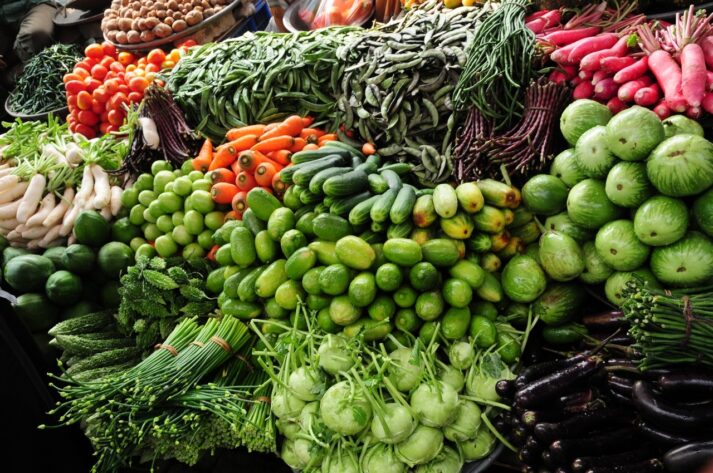
So we’ve laid out a few key foundational pieces of a healthy Plant Based Diet: :
- Plants contain plenty of protein if you know where to look.
- Plant based strength trainers need to plan their protein intake.
Let’s break this all down and look at what a day of eating vegan – with adequate protein intake – looks like.
We’ll keep it at .75 gram of protein for every pound of lean body mass because it makes the math easy, and can help manage hunger/satiety.[29]
Let’s calculate for a 200-pound male, who is 5 foot 9, and just started strength training frequently.
Let’s also pretend this person just turned 35.

If you’re keeping track at home, our newly created imaginary friend needs to eat 150 grams of protein per day.
How can we get to 150 grams of protein, using only plants? With the help of some recipes from Fit Men Cook and Minimalist Baker, I’ll show you how:
Breakfast:
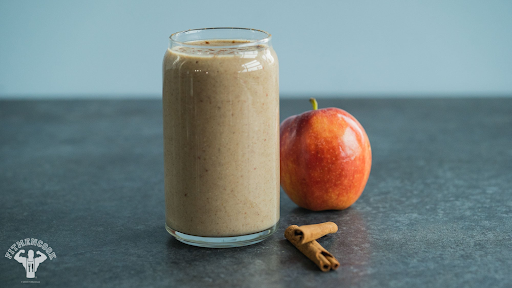
- Apple Pie Smoothie
- Calorie: 485
- Protein: 36g
- Fat: 14g
- Carbohydrates: 54g
Lunch:
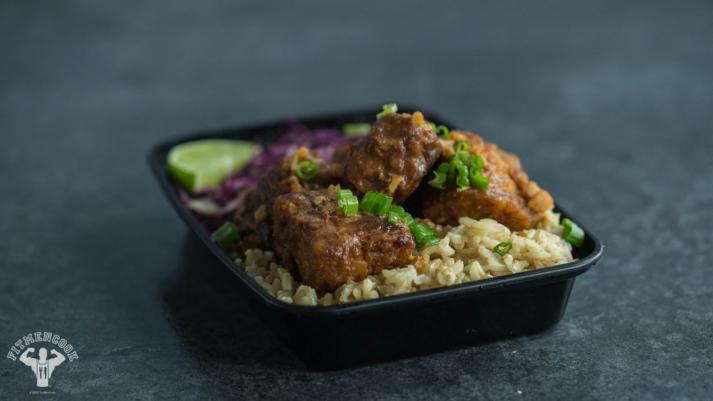
- Spicy Peanut Butter Tempeh
- Calorie: 608
- Protein: 43g
- Fat: 24g
- Carbohydrates: 42g
Afternoon Snack
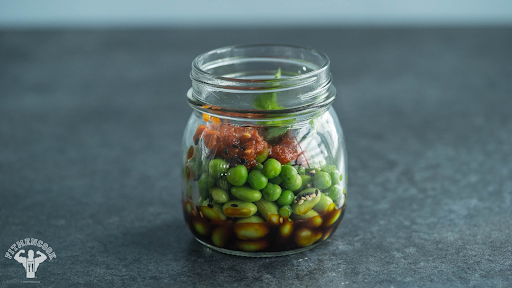
- Green Protein Snack Pack
- Calorie: 117
- Protein: 11g
- Fat: 8g
- Carbohydrates: 16g
Dinner
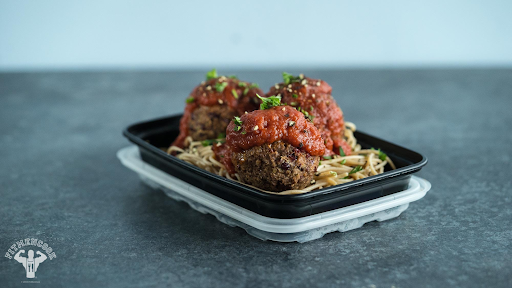
- Italian Veggie “Meatballs” & Spaghetti
- Calorie: 498
- Protein: 36g
- Fat: 12g
- Carbohydrates: 61g
Late Night Snack
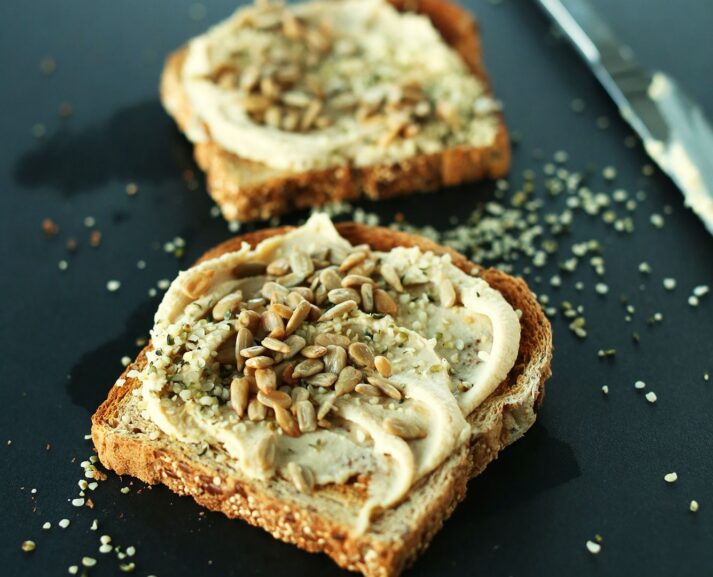
BOOM! 150 grams of protein, with no animal products whatsoever.
Total calories?
2,024.
If we calculate the needs of our imaginary 35-year-old male (who weighs 200 pounds and is “lightly active”), using our Total Daily Energy Expenditure Calculator, we know this comes in under the 2,522 calories recommended for weight maintenance:
Nerd Fitness Total Daily Energy Expenditure Calculator
Basal Metabolic Rate (BMR)
0
Your BMR is an estimate of the total calories burned a day, while in a state of rest.
TDEE
0
Your TDEE is an estimate of the total calories burned during a single day, when exercise is factored in.
Which means if this person eats like the above, he’ll build muscle and lose weight like a champ.
Now, if this person was 145 pounds and wanted to bulk up, they would simply increase their calorie intake by following similar strategies as above. Not eating enough is an uber common mistake I see people make who are trying to bulk up.
This example daily menu was chosen to show you, that with a little bit of thought and preparation, eating adequate protein is possible when following a Plant-Based Diet.
You just have to plan carefully (that theme again).
Did you notice something about all the foods we recommended? Not a whole lot of junk food to be seen.
This was not an accident.
COMMON MISTAKES WHEN FOLLOWING A VEGETARIAN DIET
Throughout this article, I’ve been using the terms “vegan diet” or “veggie diet” and “Plant-Based Diet” interchangeably.
At this point though, we need to differentiate.
Pizza, fettuccine alfredo, bowls of sugary cereal, grilled cheese sandwiches, and calorie-bomb burritos can be vegetarian.
Donuts, pasta, and bread can be vegan.
Plant-based? Technically, sure.
Healthy? Wrong!
If your goal is weight loss and a healthy check-up at the doctor, eat plants. Full stop.
You know the drill: vegetables, fruits, tubers, etc.
Things that you can pluck from a tree or pull from the ground, clean, and then eat. Those are whole foods that will have a lot of the fiber and nutrients intact.
Michael Pollan, the author of The Omnivore’s Dilemma, sums it up well: “If it came from a plant, eat it; if it was made in a plant, don’t.”
Now, I’m personally not saying to never eat pizza or donuts. Pizza and donuts are amazing. Just know that these processed, calorie-heavy foods are easy to overeat and are part of the reason for expanded waistlines.
In other words, if you treat them as a treat, and know your calorie goals, you can make it work
I’ll say it again: if you’re gonna be a vegetarian, please eat vegetables. Some of the unhealthiest people I know are vegetarian, and I don’t think I’ve ever seen them eat a veggie.
This highlights one of the greatest mistakes people make when going vegetarian or vegan. They only think about what they are cutting out (meat), without actively considering what they are replacing those foods with.
Remember our example about protein in plants vs. animal products:
- If you’re gonna cut out chicken, make sure you start eating black beans as a replacement.
- Also, remember that your plant-based replacement will likely have less protein and more calories than meat.
If you are going to follow a Plant-Based Diet, you won’t have as much leeway as your omnivore friends. They can gobble down a serving of steak and receive 62 grams of protein from that piece of meat alone.
62 grams of protein is almost half of the requirements of our imaginary friend from earlier.
We had to figure out breakfast, lunch, dinner and two snacks to get us to 150 grams of plant-based protein. Compare this to an omnivore who could eat some eggs, steak, and a chicken salad and be pretty much at 150 grams of protein (and a lower calorie count too).
That’s why the American Dietetic Association’s states “vegetarian or vegan diets” need to be “well planned.”[30]
- In our sample day above, we ate 2,024 calories of plant-based food to get to our goal of 150 grams.
- We calculated that our imaginary friend needed 2,522 calories per day to maintain his current weight. If he wanted to gain muscle and lose some body fat at the same time, he’d need to be in a caloric deficit to do so. Meaning less than 2,522 calories per day.
When you do the math, because a pound of body fat equals around 3,500 calories, a 500-calorie per day deficit would result in 1 pound of weight loss per week for this person.
Unless of course, he overeats on donuts and OREOs and vegan burgers and pizza.
So, minimize the vegan junk food and prioritize foods that will help you meet your goals.
Another mistake I see vegetarians specifically make is simply replacing meat with buckets of cheese.
Let’s go with another comparison:
- 100 grams of cheddar cheese: 25 grams of protein and 416 calories.
- 100 grams of chicken breast: 30 grams of protein and 165 calories.
So be careful of just swapping out meat for cheese, because you’ll end up with less protein intake and more calories overall.
Another common mistake we see over and over again is people just switching to “fake meat” when they start a Plant-Based Diet.
Let’s dive into this with its own section.
BE CAREFUL WITH “FAKE MEAT”

Throughout this article, we’ve encouraged the consumption of REAL food.
Vegetables, fruits, legumes, etc. As we mentioned, these are nutrient dense, low-calorie foods that can help with a healthy life.
However, something we see time and time again over here at Nerd Fitness is rebels just switching “real meat” to “fake meat” when starting a Plant-Based Diet.
This switch can be a big concern because some of these products are highly processed and full of additives and refined oils you want nothing to do with.
Sometimes you’ll find a veggie burger whose patty is just mashed up black beans with a little onion. That would be fine!
Most other times, you’ll find processed foods like tofurky, facon, and mock chicken nuggets that are quite unhealthy.
Not all imitation meat is created equal.
Here’s what you should be on the lookout for:
TONS of ingredients. This would be a good rule of thumb for most food: be wary of foods that have a long list of ingredients. Things like “modified corn starch” or “hydrolyzed wheat gluten” should raise some red flags. It means the foods have been processed and then processed again. This can strip a lot of the nutrient content out of the food.[31]
If they have to add “hydrolyzed wheat protein” to make a veggie sausage look and taste somewhere in the ballpark of a real sausage… eh, maybe skip it and just eat some lentils instead.
They might not be “vegan.” Many veggie meats will include things like egg whites and casein (a milk protein) as binding agents and to increase the protein content.
In my opinion, if you’re okay with this, perhaps you can just eat plain eggs without all the other added ingredients and preservatives.
Watch out for sodium (salt) content. Sodium is often used as an preservative, so lots of processed food will include a decent amount of salt. We should note, this is also true of processed meats too.
If you eat a lot of meat substitutes, you’ll likely be taking in a lot of salt too. Be aware of this and perhaps minimize salt intake with other foods to compensate.
I asked one of our NF coaches, Kerry (a pescatarian), about some trusted brands to source meat substitutes. Kerry is a brilliant coach and only occasionally eats fish, so I knew she’d be a great source of knowledge on the subject.
Here are some brands to consider when looking into a meat substitute:
Beyond Meat. Both Kerry and CrossFit athlete Danielle Sidell mention Beyond Meat as a good source of meat alternatives. Their burger substitute is made out of pea protein and not too much else. You can find their products at many grocery stores.
Hilary’s. Another brand with minimal ingredients in their products is Hilary’s. For example, one of their veggie burgers is beans, sweet potato, coconut oil, chillies, and a few other things. Not bad.
Again, you can find their products in grocery stores.
No Evil Foods. I’ve got to hand it to No Evil Foods. Their Comrade Cluck “No Chicken” only has seven ingredients, one of which is water.
It should be noted, that most of their foods rely on wheat and gluten for protein. If you can process both find, No Evil Foods is a good option.
That should get you started on some meat substitutes to experiment with.
Also, we should discuss tofu and tempeh. They are both meat substitutes that are made from soy. These are generally minimally processed as well, so they’ll contain few ingredients outside of soy.
They are also time tested.
Folks in Asian cultures have been eating tofu and tempeh for centuries, providing them a good source of protein.[32]
If you’re looking for meat substitutes, tofu and tempeh would be worth looking into.
If you’re male and worried about soy disrupting your hormones and causing “moobs,” we dive into the science of that in our article “How to Get Rid of Man Boobs.”
Okay, that about does it for our warning on fake meat.
Let’s shift gears and start chatting about vitamins and minerals.
WHAT SUPPLEMENTS TO TAKE IF YOU GO VEGAN
If you are moving forward with a plant-based or vegan diet, based on our research we would recommend supplementing your diet with a few key things.
I won’t get into it too much in detail here on whether people evolved to eat meat or not.[33] Again, trying to keep the inevitable amount of hate email to a minimum.
In addition to the massive protein supplement section above, these are the supplements I would recommend:
In my research, vitamins like B12 consistently comes up as a deficiency amongst vegans.[34] This is logical, because plants don’t need B12, so they don’t store it.[35]
Vitamin B12 is critical for protein metabolization, meaning if you want your body running correctly, you really don’t want to be deficient in this essential nutrient.[36]
I would hedge my bets and take a B12 supplement. It would be my number one recommendation (outside of eating REAL food) if you’re going vegetarian or vegan. Taking B12 came up multiple times as a recommendation for a Plant-Based Diet from our vegan rebels in the private Academy group.
This B12 supplement is a good option.
It’s not the only supplement worth considering.
You could also consider taking an algae supplement, which is high in omega-3 fatty acids.
Why omega-3s?
- Omega-3s have been shown to help fight depression.[37]
- The consumption of omega-3s has been linked to greater heart health.[38]
- Metabolic syndrome, which is tied to insulin resistance and obesity, is improved with the consumption of omega-3s.[39]
Vegetarian folks generally have lower levels of these types of acids, because meat (fish specifically) is a great source for omega-3s – a food that isn’t consumed on a Plant-Based Diet. However, animals are not the only source for omega-3s. Again, I’d look into an algae supplement, like this one.
Another supplement worth discussing: Vitamin D. We get it from the sun, and also by eating certain animal products. While some plants like algae do contain some Vitamin D, it’s most abundant in fish and dairy products.[40]
Vitamin D helps us absorb calcium and also plays a critical role in our immune system.[41]
However, because many of us spend time indoors, we can be deficient – though this is true of vegans and omnivores alike.[42]
Simple solution: go out in the sun more frequently, and consider a vitamin D supplement in the winter months.
Two other minerals worth discussing would be zinc and iron, because vegetarians are often low in both.[43]
Here’s why:
- Most people get their source of zinc and iron through animal products.
- Phytates found in whole grains and legumes can block the absorption of minerals, including zinc and iron.[44] If you are cutting out meat, you are probably eating a lot of grains and legumes for your protein. So yeah…
A supplement of both zinc and iron would be smart.
It should be noted, that all supplementation becomes more important the more strict you are about avoiding animal products. If you eat eggs and dairy, you’ll get most of the nutrients you need, outside of those found in plants.
Eggs contain omega-3s, B12, and small amounts of vitamin D. And while this is for sure debatable, there might be some ethical ways to purchase eggs.[45]
That about does it for supplementation recommendations. If you want to do even more research, let’s turn you in the right direction.
WHERE CAN I GET EVEN MORE INFORMATION ON EATING A PLANT-BASED DIET?

There’s all sort of information for going vegan online.
However, you need to be careful about who you trust. Some of it is garbage (no, broccoli doesn’t have as much protein as steak).[46] Although some of it is well researched and backed by science.
Let’s point you to some respected advisors.
BLOGGERS:
- No Meat Athlete – I mentioned my friend Matt Frazier earlier, but I would point him out as an authority on fueling an active lifestyle with plants. Check out his blog.
- Rich Roll – Rich’s story on going from a stressed out, addicted businessman to an endurance athlete is incredible. Rich also fueled his entire transformation with nothing but plants. His posts and advice are interesting, popular, and inspiring.
- Vegan Health – If you’re looking for well-researched articles, Vegan Health offers a lot of science-based advice on switching over to a Plant-Based Diet. I relied on their writing when researching this post.
RECIPES:
- Minimalist Baker – The blog Minimalist Baker offers great vegan recipes, using whole foods, with minimal ingredients. I included one of their recipes above.
- Thug Kitchen – The site Thug Kitchen has a lot going for it. It’s funny. The recipes they offer are delicious. Plus, all ingredients found in their meals are plant-based. I will warn you, the language on the site is crude, but also adds to its charm.
- Vegan Richa – If you’re on the hunt for some vegan recipes, head to Vegan Richa. They are Indian inspired and very flavorful. Forgoing meat does not have to mean forgoing flavor.
That should help get you started with moving to a Plant-Based Diet.
IN DEFENSE OF A PLANT-BASED DIET
So you’re gonna adopt a Plant-Based Diet!
Great. Good luck, soldier! Alright, let’s do this. I would encourage you to follow our recommendations here:
#1 Eat Real Food
If you’re going to be a vegetarian, eat actual vegetables. Don’t make it about what you are not eating (meat). Make it about what you are actually eating (plants).
That’s why I’ve been using the term Plant-Based Diet. I want you to actually eat plants. Don’t let the fact that an Oreo is technically vegan make you lose sight of the fact that it’s highly processed and full of sugar.
Eat a Plant-Based Diet.
#2 Calories and Macronutrients Still Count
Cutting out an entire major food group does not guarantee you will lose weight or be healthier. An Impossible Burger has more calories but less protein than a regular beef patty.
Vegan does not equal “less calories.”
Calculate how many calories you will need to make your goals (you can do so right here), and then make a plan on how to follow through.
#3 Prioritize Protein
Animal products are calorie for calorie the best sources of protein. You will have to put in extra effort to think about how you are getting your protein from plants.
Also, you will end up eating a lot more calories trying to match the same amount of protein as found in meat (remember there are more calories in beans but less protein than chicken).
Every meal you eat should have a solid source of protein: beans, lentils, oats, tempeh, etc. If you are strength training (which you should do), this is even more critical.
Consider a protein powder like pea, rice, or hemp to add protein with minimal calories attached.
#4 Meal Planning For the Win!
Everyone should meal plan. If you’re trying to lose weight or just be healthy in general, knowing where your next meal is coming from is really important.
If you are going to cut out a major food group, this is hyper-OMG-please-be-careful- critical.
I will again mention that the American Dietetic Association’s states that Plant-Based Diets can be healthy if they are “well planned.”
#5 Add Variation
I mentioned earlier, that if you allow eggs and dairy, eating a Plant-Based Diet becomes much easier. You simply have more options to choose from when it comes to what to eat.
Perhaps allowing small concessions with a Plant-Based Diet – like eating eggs – will make your diet more manageable and sustainable. This could be better than going vegan for 30 days and then giving up.
#6 Supplement
Make sure you are getting all the nutrients you need. There are things like B12 that just don’t find their way into plants.
That’s why the Mayo Clinic advises those following a Plant-Based Diet to get checked for “vitamin B-12, iron, ferritin, calcium and vitamin D.”[46] Statistically, vegans come up often as deficient in these vitamins and minerals.
I believe that all of us should eat plants (sorry, Carnivores, you won’t get me endorsing you fully). Fruits and vegetables are packed full of nutrients your body needs to thrive. So no matter which way of life you pick, eat plants!
Do some push-ups.
And, ah, be nice to each other?
Debates on how we should eat can often get heated. Which can be understandable, because of the passion and ethical considerations driving people’s dietary choices.
However, I’d recommend acting curious towards the other side. I wouldn’t recommend tying your identity to a style of food, but rather tying your identity to “I’m a curious person that learns new stuff and tries new stuff all the time.”
No matter how someone else eats, don’t turn your nose up against them.
Be nice, and let them do their thing. This can be true for veganism, Paleo, Keto, or an Intermittent Fasting protocol. If someone is trying something new, don’t immediately put them down for it. You may legitimately learn something from someone else’s way of life.
Which hey, is a pillar of our philosophy here at Nerd Fitness: “Question everything.” Including the way you eat compared to others.
I think that about does it for my advice on eating a Plant-Based Diet. In summary, stick to REAL food and think about a supplement or two.
Now, I really want to hear from you! I know there are many vegan and vegetarian folks in the Rebellion.
Can you share with us your experiences? Tips and tricks you follow to make it work? I’d love for the comments here to be a place where we can share honestly and openly.
For the Rebellion!
-Steve
PS: Seriously, be nice. The internet has enough people being mad at other people they’ve never met.
PPS: If embarking on a complete life overhaul stresses you out, we can help!
I’ll again remind you of the Nerd Fitness Coaching Program! We work with busy people just like you level up their lives. Whether it’s through dietary advice (Plant-Based or not), creating workouts, or providing accountability, we are here to help you create a healthier version of you. Click right here to learn if we are a good fit for each other.
###
All photo citations can be found right here.[47]
The post How to Eat a Plant-Based Diet: A Scientific Look at Going Vegan Safely (1) first appeared on Nerd Fitness.
from Nerd Fitness: Helping You Lose Weight, Get Stronger, Live Better. https://ift.tt/or7A4hR
via IFTTT

 1. Don’t push through pain
 2. Re-evaluate your warm-up
 3. Check your technique
 4. Try these quick adjustments
 Decrease the weight – Does that reduce the discomfort?
 5. Swap movements strategically
 6. Reassess the next day
 A Real-Life Example: Meet Vaughn
 Final Thought


 The Bottom Line
 This email is your reminder to
 A Real-Life Example
 The Pitfall
 Where do I start?

 Machines vs. Free Weights: Both Are Awesome