I’ve loved every minute of testing and writing this Nike React Pegasus Trail 4 GORE-TEX Review! These women’s trail running shoes came highly recommended and have not disappointed… So Nike just dropped the latest iteration of the Pegasus Trail running…
If you’re searching for the best Pilates mat, you’ve come to the right place. As a Certified Pilates instructor who’s been practicing and teaching Pilates for over a decade, I’ve used a lot of mats. This has helped me identify all the “must-haves” when it comes to finding the best mat for your practice.
Before you decide which mat to buy, I want to share a few tips for choosing the best option for your practice because your needs are as unique as your practice.
Because I believe everything shared here, from materials to function, is so important to a great Pilates mat, we brought them all together to create our own: the Lindywell Pilates Powerhouse Mat!
Check out why and how we created our mat and keep reading to learn about how these details support every element of your practice.
The Best Pilates Mat is: Non-Toxic and Eco-Friendly
You shouldn’t have to worry about the materials of your mat negatively affecting your body while you’re on it. That’s why it’s so important to find a mat that’s free of toxins like PVC, phthalates, and chloride. These toxins have been shown to disrupt your whole system, from hormones to digestion.
This was a non-negotiable for me when designing our new Pilates Powerhouse Mat. Everything within us is connected and when one system is affected all the others respond.
I will say, however, that it was nearly impossible for me to find a mat that met this particular part of the criteria, which is why I developed my own. Our Lindywell mat is very unique in this way.
The Best Pilates Mat is: Supportive and Stable
As you flow through the workout, you need a mat that can provide the perfect foundation for each movement, which is why thickness is so important. The best Pilates mat is supportive enough for rolling exercises, yet stable enough for balancing exercises.
A yoga mat is a great place to start if it’s what you already have. As you progress in your practice, however, a Pilates-specific mat will make your body feel so much better because of all the rolling you do on your spine.
The thickness of a Pilates mat ranges from 6mm up to 12mm. I found the sweet spot to be 10mm for the Lindywell mat, specifically because of the materials we use. This means, other 10mm mats might feel squishier, and less stable than ours.
In addition to thickness, both length and width make a big difference in how you experience your Pilates workout. That’s why the Lindywell mat is wide and long, giving you the space you need to move comfortably and feel fully supported.
The Best Pilates Mat is: Easy to Clean
We build strength on our mat. We heal on our mat. We sweat on our mat! Being able to quickly and easily clean it is a must so you can save time in your already-busy day. This is why finding a mat with moisture-wicking material is key.
I took this one step further and used bacteria-resistant material (that also wicks the moisture), so your sweat won’t soak into the mat. This also means you won’t have to worry about the mat holding onto any odors. All you need is a damp cloth to wipe it down after your workout.
This is one reason why our Lindwell mat can also take the place of your yoga mat, especially if you prefer hot yoga. The material will keep that mat from absorbing your sweat and building up with bacteria.
The Best Pilates Mat is: Lightweight
A light mat makes moving it around—or going into the Pilates studio—that much easier. If you’re juggling a water bottle, bag, and keys, in addition to your mat, you want it to be easy to tuck under your arm or throw over your shoulder.
This is why, at Lindywell, thick doesn’t mean heavy. Our mat is light as a feather and easy to carry. You can use the two matching elastic straps to hold it in your hands, or just toss it under your arms or in your bag.
The Best Pilates Mat is: Aesthetically Pleasing
You likely see your Pilates mat on a daily basis, whether it’s rolled up in the corner of your bedroom or next to the door. The best Pilates mat is not only useful but also beautiful. It’s something you want to look at and roll out for each workout. This is why you want to choose a mat that makes you feel good when you get on it.
Our Lindywell mat comes in two calming colors, sky blue and aloe green, both of which help you connect to a sense of grounding and calm. We also added a simple reminder to each mat: Remember to breathe.
Choose The Best Pilates Mat for You
Don’t overlook the importance of having the right mat: it’s the foundation of your practice. Our Lindywell mat was designed to be exactly that, which is why we created it to be:
Thick enough to support you through your practice.
Easy to clean and non-toxic.
Lightweight for carrying and storage.
Calming with the colors sky blue and aloe green.
If you’re having trouble finding the best Pilates mat for you, purchase the Lindywell Powerhouse Pilates Mat. It was designed with your needs in mind and I know it will support every aspect of your practice.
One of the first steps towards ‘working with your menstrual cycle’ is to understand your menstrual cycle. Our menstrual cycle is a complex interplay of hormones which affect our physical, emotional, and psychological well-being. Whenever you read about a menstrual…
Living in a one bedroom flat with limited space and a love for ‘things’ especially bikes, comes with its challenges. I am always on the look out for bike storage ideas for small spaces and finally I think I found…
Just make sure you take it slow with your handstand and don’t be an “Overeager Beaver,” a label we define in our guide “15 Mistakes That Newbies Make When Trying to Get Healthy.”
Download it and the rest of our guides for free when you sign-up for our weekly newsletter!
Get your Nerd Fitness Starter Kit
The 15 mistakes you don’t want to make.
Full guide to the most effective diet and why it works.
Complete and track your first workout today, no gym required.
The 8 Best Pull Bodyweight Exercises
Don’t neglect your pull muscles when creating your bodyweight workout. Here are the top 7 to include:
#1) INVERTED BODYWEIGHT ROW (HIGH):
An inverted bodyweight row can be a great “pull” exercise if you can’t do a pull-up yet, or if you don’t have a proper pull-up bar nearby. Because a good sturdy table can be used for inverted rows:
Alternatively, you could do doorframe rows if your table seems sketchy:
#2) INVERTED BODYWEIGHT ROW (LOW):
Once you get comfortable doing an inverted bodyweight row, try going lower to increase the difficulty.
You can check out The 5 Best Pull-up Alternatives for more ideas on how to perform rows, including how to build your own station:
We have a full guide on proper pull-up form so you can hone in your technique.
#8) CHIN-UPS:
Much like a pull-up, but with your palms facing toward you.
Here’s a video going over proper pull-up and chin-up form:
Don’t have enough strength yet to hoist yourself up? No problem.
Download our guide, Strength Training 101: Everything You Need to Know, for an exact plan of attack to start growing strong today:
Download our comprehensive guideSTRENGTH TRAINING 101!
Everything you need to know about getting strong.
Workout routines for bodyweight AND weight training.
How to find the right gym and train properly in one.
The 12 Best Core Bodyweight Exercises
Our next stop on building a bodyweight workout finds us at the core. Here are the 10 best exercises to include:
#1) REVERSE CRUNCH:
#2) KNEE-PLANK:
#3) PLANK:
#4) SIDE PLANK:
#5) HIP BRIDGE HOLD:
#6) HANGING KNEE TUCK:
#7) JUMPING KNEE TUCK:
#8) HOLLOW BODY HOLD:
The hollow body is one of the best ways to engage the midsection and stabilize the body. We utilize the hollow body exercise as part of our strategy for getting your first handstand.
Once you get comfortable holding the position, try…
You now have a bodyweight workout you can do in your own home.
You can mix and match from each category or progress to more difficult moves as you get stronger.
Now, you don’t HAVE to do these exercises at home. You can even do them while exercising around the world, as I did!
If you want to learn all the fine details of building a workout, make sure you check out our extensive guide “How to Build Your Own Workout Routine.“ It’ll walk you through creating a program of bodyweight exercises – or using weights if you want to train in a gym.
Don’t want to bother creating your own bodyweight workout? No problem, I have two options for you:
Start at the Beginnerworkout and move onto the Advanced when it becomes easy.
This should help you get started with a bodyweight training routine. But we hear frequently that people want MORE instruction, MORE guidance, and MORE workouts.
If that’s you, we have MULTIPLE options to take the next step. Pick the option below that best aligns with your goals and timeline:
1) If you want step-by-step guidance, a custom bodyweight training program that levels up as you get stronger, and a coach to keep you accountable, check out our killer 1-on-1 coaching program:
2) If you want an exact blueprint for working out at home, check out NF Journey. Our fun habit-building app helps you exercise more frequently, eat healthier, and level up your life (literally).
Try your free trial right here:
3) Join the Rebellion! We need good people like you in our community, the Nerd Fitness Rebellion.
Sign up in the box below to enlist and get our guide, Strength Training 101: Everything You Need to Know. It’ll help you start incorporating these bodyweight moves into your training.
Download our comprehensive guideSTRENGTH TRAINING 101!
Everything you need to know about getting strong.
Workout routines for bodyweight AND weight training.
How to find the right gym and train properly in one.
Alright, your turn: I’d love to hear how your bodyweight training is going!
Did you make your own workout?
Try one of ours?
Include different moves we didn’t cover today?
Leave a comment below with your results or any questions you have on bodyweight training.
When it comes to what to wear cycling, one of the greatest debates is whether to wear bib shorts or non bib / regular shorts on the bike. When I first started cycling, I was 100% on team shorts but…
With today’s Advanced Bodyweight Routine, you can burn fat, build muscle, and get a great workout in! All with no gym membership required!
It’s the kind of workout we build through our online coaching program. If you’re in a hurry, sign-up for our free weekly newsletter and we’ll send you PDFs of our “Work Out at Home” guides!
If you’re ready, click the sections below to get right into the action:
Don’t forget to warm up. You can run in place, jump rope, do a few push-ups, pedal on a stationary bike, jog up and down your stairs, etc. Since we are doing advanced movements here, the warm-up becomes even more critical.
If you are following this bodyweight workout plan because you’re trying to get in great shape without needing a gym, download our free-guide: Strength Training 101: Everything You Need to Know. It’ll provide an exact plan to follow for growing strong.
Download our comprehensive guideSTRENGTH TRAINING 101!
Everything you need to know about getting strong.
Workout routines for bodyweight AND weight training.
How to find the right gym and train properly in one.
If you don’t have a resistance band, you can do negative pull-ups instead. Jump and hold yourself above the bar, and then slowly, under control, lower yourself to the ‘starting position’ of a pull-up. Then repeat!
This is a great way to build up enough strength to eventually get your first pull-up.
Much like a pull-up, but with your palms facing toward you.
Here’s a video going over proper pull-up and chin-up form:
If you can’t do pull-ups or chin-ups, you have another option…
10) INVERTED BODYWEIGHT ROW (OVERHAND)
An inverted bodyweight row can be a great “pull” exercise if you can’t do a pull-up yet, or if you don’t have a proper pull-up bar nearby. Because a good sturdy table can be used for inverted rows:
11) INVERTED BODYWEIGHT ROW (UNDERHAND)
12) ASSISTED BODYWEIGHT DIPS
With a resistance band, you can start performing assisted dips. A great exercise while you build up strength for normal dips.
13) BODYWEIGHT DIPS
14) KNEE PUSH-UP
15) ELEVATED PUSH-UP
16) REGULAR PUSH-UP
We have a whole article on how to do a proper push-up, but we also cover it extensively in this 5-minute video:
17) DECLINE PUSH-UPS
18) KNEE PLANK
19) PLANK
20) SIDE PLANK
21) JUMPING JACKS
If you are looking for even MORE bodyweight exercises you can use in your workouts, make sure to check out our mega-resource:
Full guide to the most effective diet and why it works.
Complete and track your first workout today, no gym required.
How to Scale Your Bodyweight Routine
As I said earlier, this whole routine is scalable based on your ability. For example, here is a sample routine for somebody who has conquered the Beginner Bodyweight Workout but can’t do the full routine above:
“HOW OFTEN SHOULD I DO THE ADVANCED BODYWEIGHT WORKOUT?”
Do this routine 2-3 times a week, but never on consecutive days. It’s a message we really strike home in our guide, “How Often Should I Work Out?”
You don’t build muscle when you’re exercising, you build muscle when you’re resting, so try not to do a strength training routine (of the same muscle groups) two days in a row.
If you’re still uneasy about this advanced workout, start with our Beginner Bodyweight Workout instead. You can download a worksheet to get started when you sign-up for our free weekly newsletter:
Grab Your Beginner Bodyweight Routine Worksheet. No Gym Required!
Complete this workout at home, no equipment required
Avoid the common mistakes everybody makes when doing bodyweight exercises
Learn how to finally get your first pull-up
After the Advanced Bodyweight Workout: Next Steps!
This should help you get started with a really powerful bodyweight training routine. But we hear frequently that people want MORE instruction, MORE guidance, and MORE workouts.
If that’s you, we have MULTIPLE options to take the next step. Pick the option below that best aligns with your goals and timeline:
1) If you want step-by-step guidance, a custom bodyweight training program that levels up as you get stronger, and a coach to keep you accountable, check out our killer 1-on-1 coaching program:
2) If you want a daily prompt for doing workouts at home, check out NF Journey. Our fun habit-building app helps you exercise more frequently, eat healthier, and level up your life (literally).
Try your free trial right here:
3) Enlist in the Rebellion! We need good people like you in our community, the Nerd Fitness Rebellion.
Sign up in the box below to enlist and get our guide, Strength Training 101: Everything You Need to Know. It’ll help you start incorporating these advanced bodyweight moves into your training.
Download our comprehensive guideSTRENGTH TRAINING 101!
Everything you need to know about getting strong.
Workout routines for bodyweight AND weight training.
How to find the right gym and train properly in one.
4) Level Up Your Workout! If you’re looking for more workout routines to follow, I got you covered:
How to Do Your First Handstand: now we’re talking! Learn the different progressions that will eventually have you getting your first freestanding handstand!
6 Levels of Gym Workouts: never wonder what to do in the gym again! Follow these 6 levels of workouts to go from Newbie to Gym Hero!
I’d love to hear how this workout was for you.
Leave a comment below with your results or any questions you have on advanced bodyweight training and how else we can help.
For the Rebellion!
-Steve
PS: Where do you go after you’ve crushed the Advanced Bodyweight Workout? Well, have you ever heard of the PLP Progression? There’s really no limit on how challenging that can get.
“Steve, how many calories should I eat every day? I have goals!”
Great question.
Knowledge is power. So today, we are going to make you more powerful by calculating your Total Daily Energy Expenditure (TDEE).
Of course, “knowing is half the battle.”The other half is using your newfound knowledge to achieve your goals!
Fortunately for you, we’ve helped thousands of Online Coaching Clients lose weight and get healthy, and TDEE is just one of many factors we consider when building a specific strategy for somebody’s goals.
Okay FINE, I’ll share the other factors and strategies below too.
Simply click on the section below for quick reading, though I’d recommend you read the whole enchilada to properly apply TDEE to your life:
Although you can adjust it, I want you to set your “Activity Level” as “Sedentary,” (I’ll explain why in a minute):
Nerd Fitness Total Daily Energy Expenditure Calculator
(Note: we have used The Mifflin-St Jeor Equation to create this calculator! [1])
Hooray! You now know estimates of your BMR and TDEE![2]
You may be thinking, “Ah, Steve, what do either of these mean?”
I got you boo.
Make sure you write down your two numbers, and then move on to the next section.
If you’re already starting to get overwhelmed, have no fear! We help hundreds of men and women calculate their calorie goals, and we’d love to help you too!
WHAT IS BASAL METABOLIC RATE (BMR)?
Basal Metabolic Rate (BMR) is the total amount of calories needed to keep your body functioning.
Body processes like breathing, cell production, pumping blood, and maintaining body temperature all burn calories.
This means that even when you sit perfectly still, you still use plenty of calories keeping your body in good working order.
To define BMR:
“Basal” more or less means “basic,” so you can think of BMR as the number of calories needed for basic daily functions.
Your sex, age, weight, and height will all affect the number of calories you need, which is why they are variables in our equation above.
The taller you are, or the more you weigh, the higher your BMR will be.
There is simply more of you to fuel: more blood to pump, more cells to produce, more body mass to transport and manage.
Your age will also factor in: the older you get the lower your BMR will be.
Roughly two-thirds of the calories you need each day go into keeping your body running.
The other third?
That goes into powering your motion.
You know, because going from one place to another requires energy. So does lifting stuff.
So let’s talk about Total Daily Energy Expenditure (TDEE) next.
WHAT IS TOTAL DAILY ENERGY EXPENDITURE (TDEE)?
Total Daily Energy Expenditure (TDEE) is an estimate of how many total calories you burn in a day.
Since your BMR includes the calories you need while resting, we’ll also need to factor in movement and exercise.
To do this, we’ll take your BMR and multiply it by an “Activity Factor.”
ACTIVITY LEVELS CAN BE THOUGHT OF AS THE FOLLOWING:
Sedentary (BMR x 1.2): You regularly have to tell Netflix you are still watching. You don’t intentionally exercise at all.
Lightly Active (BMR x 1.375): You casually stroll through your neighborhood a few times a week. On average, you walk for exercise about 30 minutes a day. Another way to think about this would be 15 minutes per day of vigorous exercise like running or lifting weights.
Moderately Active (BMR x 1.55): If we called the gym on a weeknight looking for you, they’d find you. This averages out to about one hour and 45 minutes of walking (for exercise, not going around your house) a day, or 50 minutes of vigorous exercise a day.
Very Active (BMR x 1.725): You work in construction during the day and you’re on the company softball team. This averages out to about four hours and 15 minutes of walking (again, for intentional exercise) a day, or two hours of vigorous exercise.
If you’re following along at home, you may notice that different Activity Factors can make a big difference in the calories burned.
Let’s use some numbers.
Suppose you’re:
Male
35 years old
Weigh 200 pounds
Six foot even (72 inches)
You’re also wearing a recently ironed collared shirt and it looks great on you. It really brings out your eyes.
Awesome shirt or no awesome shirt, we know your BMR comes in at 1,882 calories given the variables we identified. Meaning you’ll need roughly 1,900 calories for basic bodily functions.
This is where things get interesting.
If you’re sedentary, we’ll multiply 1,882 (BMR) by 1.2 to get a TDEE of 2,258, which means you’ll need 2,258 calories to maintain your current weight, support bodily functions, and to walk around your house, to go from your car to your office, from your office back home, etc.
Let’s imagine a scenario where you are not sedentary. Let’s say you’re lightly active – you walk around your neighborhood a few times per week.
We take your BMR of 1,882 and multiply it by 1.375 to get a TDEE of 2,588.
”The difference between these two activity factors, in this case, is 230 calories. That’s equivalent to a single glazed donut.
These results suggest that normal weight individuals overestimate energy expenditure (EE) during exercise by 3-4 folds. Further, when asked to precisely compensate for exercise EE with food intake, the resulting energy intake is still 2 to 3 folds greater than the measured EE of exercise.
Not only that, but our fitness trackers overestimate how many calories we expend through exercise too…some by as much as 90%![5]
This infographic shows how big of a difference those calorie discrepancies can be:
We think we’re working out “intensely” for 60 minutes, so we overeat, assuming we have lots of extra calories in our “daily budget” to spare.
However, when researchers look at stuff like heart rate, VO2 max, and calories burned, they determine that we actually only exercised “moderately.”
So yeah, don’t always trust your Fitbit:
Oh, and this is only one side of the equation. As I said, folks also UNDERESTIMATE how much they ate.
Regarding calories and food intake, folks consistently believe they eat less than they actually do.
Oh, and this is even true of dietitians, who are specifically trained on calories contained in different meals.
As we mention in our “Lose Fat and Build Muscle” article, strength training requires A LOT of energy, not only for the exercise itself, but also for rebuilding muscle in the days following the activity.
That’s why Coach Matt highlights the importance of strength training in our video on body recomposition:
So when determining our activity level for our calorie calculator, we consider strength training to be “vigorous exercise” (as we highlighted above).
Another way to think of this: if it takes 30 mins of walking a day to be “Lightly Active,” 15 minutes of daily strength training would roughly be equivalent.
NOTE: if estimating your Activity Factor and TDEE is starting to freak you out:
Trying to pick and calculate the right amount of calories to consume can be stressful.
Especially if you’ve had trouble losing weight in the past. And that’s just the math part – we haven’t even got to the psychological part about how delicious pizza and ice cream are.
It’s actually the reason we created our uber-popular 1-on-1 Coaching Program. We sought to take all the guesswork out of getting in shape, by creating a program to tell you exactly what to do.
HOW DO I USE BMR AND TDEE FOR WEIGHT LOSS?
If you’ve read this far into the article, I imagine you are interested in learning your Total Daily Energy Expenditure for weight loss.
I also imagine you support my belief that The Shawshank Redemption is the greatest movie ever made:
The TDEE we calculated above provides a decent estimate of the calories you require each day.
If the scale is staying constant – congrats! You’ve found your “calorie equilibrium.”
Your body is burning just as many calories as you’re consuming each day.
However, I’m going to guess you’re here because your goal is to see the scale go down!
In order for you to lose weight, you need to start reducing your total calorie intake, which then forces your body to start burning the stored fat you have for energy.
You’ve already calculated roughly how many calories you burn (your TDEE) on a daily basis, let’s see roughly how many calories you’re consuming each day too!
(If your weight is staying steady, then these numbers should be relatively close – provided your tracking is accurate!)
It’s this nerd’s humble opinion that the easiest way to track calories consumed is with an app.
We live in the future.
Use a smartphone and download one of the following to track your food intake:
My Fitness Pal. The gold standard of calorie counting apps. It’s also the most popular, supporting the largest food database in the game. Plus, it can download recipes from the internet and provide a calorie and macronutrient estimate.
FatSecret.Basic, simple, and free, FatSecret is a great calorie tracker. It’ll allow you to connect with other users, plus it’s got a barcode scanner for caloric content from labels. Super nifty.
Lose it!Another free calorie-counting app, focusing more on goal setting. Additionally, the Snap It™ feature lets you use pictures for data input. Double nifty.
You certainly don’t have to track your food forever.
But a solid week’s worth of data will help you get a sense of the food you are consuming, especially if you eat roughly the same food each day.
Not sure if you’re getting your portion sizes correct? Most people don’t. Consider a cheap food scale to educate yourself on actual portion sizes!
You can also check out our guide How to Portion Control, which will teach you how to use your hand to estimate calories:
The important thing is to compare your daily calories consumed to your TDEE.
To lose weight, your calorie consumption should be less than your TDEE.
(If you’re currently thinking, “But Steve according to my stats I burn way more calories than I consume, but I’m not losing weight!” I would read this.)
Some numbers to keep in mind:
3,500 calories equals roughly one pound of fat.
There are seven days in a week.
Basic math suggests if you want to lose one pound of body fat in a week (a sustainable goal for some), you need to create a caloric deficit of 500 calories a day. We can get there by:
Consuming 500 fewer calories
Burning 500 more calories
Or a combination of both
When you consistently consume fewer calories than you burn, your body will have to start pulling from your stored fat for its energy needs.
Aka weight loss.
Let’s imagine that your TDEE is 2,500. This means you’d want to consume around 2,000 calories a day to lose around a pound per week.
As we discuss in great detail in “Why Can’t I Lose Weight,” sustained weight loss is largely a result of consistently managing the first half of the equation: “calories in.”
Said another way: it’s much more difficult to sustainably increase your Activity Level than it is to reduce the calories you consume.
After all, what’s more likely to become a lifelong habit? Changing your food choices, or going from being a couch potato to vigorously exercising 90 minutes per day?
Many of our coaching clients found weight loss previously unattainable until one of our trained professionals objectively reviewed their life and provided actionable feedback.
They all follow the same premise: they reduce or eliminate certain foods or macronutrients, making it easier to eat in a calorie deficit.
While all sensible diets will prioritize protein, some might limit carbs while others might limit fats. These differences come down to what works best for the individual.
So yes, any diet can help you lose weight in the short term – just remember that you need to stick with the changes permanently to make the results stick permanently!
After all, temporary changes create temporary results.
I personally follow a mental model diet, that focuses on real food most of the time, and occasionally includes some junk food. I plan my week of eating ahead of time:
#1) Limit your intake of processed food – it’s designed to be overconsumed.
Do you really think you’d be able to eat half of a snickers bar to limit yourself to 200 calories? Of course not. This argument is essentially the rationale for following a paleo diet.
#2) Eat veggies. Vegetables are nutrient-dense and light on calories. Because of all the fiber, they are also tough to overeat.
Imagine eating a plateful of broccoli.
Are you going for seconds? Probably not. So eat your veggies to help keep you full.
#3) Be wary of liquid calories. Cut back on soda, juices, smoothies, and any beverage with calories.
Even most coffee orders (with sugar, cream, etc.) will have a ton of hidden calories.
All these drinks are sugar bombs since there is no fiber to balance out all the carbs you are consuming. Stick to water and unsweetened tea or coffee. Here are our thoughts on diet soda.
#4) Prioritize protein. Your body needs to use protein to heal and rebuild muscle after exercise.
Outside of repairing your body, protein will also work to keep you full and satiated: 400 calories of chicken will leave you wayyy more full than 400 calories worth of Gatorade.[9]
If you prioritize protein on your plate, you’ll be doing a lot of the heavy lifting on proper nutrition.
As we lay out in our epic “How Much Protein Should I Eat?” guide, some great sources of protein include chicken, eggs, beef, pork, fish, nuts, legumes, quinoa, and most dairy products.
These four points will help you on your journey to create a caloric deficit.
Disclaimer: this is all easier said than done. After all, 70% of the country is overweight. Don’t worry though, because most of them don’t read Nerd Fitness.
You do. This is like a strategy guide for life.
We’ve helped thousands of people like you here at NF, and we really focus on nutrition.
As we said, it’s 90% of the battle!
It’s why we created our own free, fun 10-level nutritional system. Each level gets a bit more challenging, but you can progress at your own speed to make your changes stick.
You can download our 10-Level Nutrition Guide when you sign up in the box right here:
Download our free weight loss guide
THE NERD FITNESS DIET: 10 Levels to Change Your Life
Follow our 10-level nutrition system at your own pace
What you need to know about weight loss and healthy eating
3 Simple rules we follow every day to stay on target
HERE’S WHAT TO DO TO LOSE WEIGHT WITH YOUR TDEE
Let’s recap this whole guide for you, with some actionable steps:
#1)Determine your BMR and TDEE. This will be critical for computing your caloric deficit. They’re good numbers to keep in mind during the whole experiment. Calculate your TDEE here.
#2) Track everything, as is, for one week.Log everything you eat. No judgment. If you eat five slices of pizza in a night, count every slice.
This step alone has helped many Rebels turn their lives around. Consider a food tracking app or online tracker to educate yourself!
#3) Compare numbers.Where is your current caloric intake at? How does this compare against your TDEE? If your intake is higher than your TDEE, you’re likely gaining body fat. We want to flip the equation.
#4) Create a consistent caloric deficit.The easiest and most sustainable way to do this is to eat REAL food. Mixing in strength training and fun cardio can help too.
#5) Track progress. Continue to track your calorie intake, to ensure you consistently expend more calories than you consume.
That’s it.
You can do this. I know you can because many of our readers have done it themselves.
Want help taking your next step after calculating your TDEE? I have MULTIPLE options for you. Pick the path below that best aligns with your goals and timeline:
1) If you want step-by-step guidance on how to lose weight, eat better, and get stronger, check out our killer 1-on-1 Coaching Program:
2) If you want an exact blueprint for how to eat better and get in shape, check out NF Journey. Our fun habit-building app helps you exercise more frequently, eat healthier, and level up your life (literally).
Try your free trial right here:
3) Enlist in the Rebellion! We need good people like you in our community, the Nerd Fitness Rebellion.
Sign up in the box below when you download our free weight loss guide!
Download our free weight loss guide
THE NERD FITNESS DIET: 10 Levels to Change Your Life
Follow our 10-level nutrition system at your own pace
What you need to know about weight loss and healthy eating
3 Simple rules we follow every day to stay on target
You can do this, and we got your back!
-Steve
PS:Seriously, how great is The Shawshank Redemption? I could quote that movie all day long.
To practice radical self-love is to live life in a way that honors your worth, enoughness, and inherent right to happiness, here and now, just as you are.
This can be easier said than done in a world that’s bursting at the seams with diets, quick fixes, and perfectly filtered faces. It can feel like there’s always something you can do better or somewhere you’re falling short in life.
Food is an especially challenging area when it comes to practicing radical self-love. It’s often fraught with expectations around what’s “healthy” or what your food choices say about you. On the other hand, it’s also a perfect way to actually fuel your radical self-love.
On my journey to embody a healthier relationship with food, the grace over guilt mindset, which helps create more self-love, changed everything for me. I used to get caught in the cycle of feeling bad for what I ate and then making sure to exercise more in order to burn it off (punishment, disguised as a workout). Or I’d beat myself up for making choices that didn’t align with the “perfect” diet I was trying to follow.
Once I started embracing grace over guilt, I began to understand that one meal or one night of “over-indulgence” didn’t define me as a person, or define my health! I was able to break free of the patterns that were keeping me trapped in an unhealthy relationship with food and myself.
Guilt does not work as a motivator—it leads to feelings of shame that keep us stuck and hold us back from freedom and self-love.
So, if you’re ready to break free and love yourself more completely too, let’s flip the script, re-write the narrative, and talk about how you can create more self-compassion with food.
Eat Mindfully
Eating can be a pleasurable experience—if you’re mindful as you do it. Funny enough, it’s often the case that you’re not actually paying attention to your food as you eat it. I often inhale my lunch while working on my computer or standing at the kitchen counter trying to get my kids ready for school. I forget to pause and actually enjoy the food!
Mindful eating is the opposite of this. It’s the practice of being present with yourself, your food, and the experience at each meal. It’s about taking pleasure in each bite, no matter what the food is.
How to Eat Mindfully
Because radical self-love is all about claiming the joy that is yours, choosing to eat mindfully. Consciously enjoying your meal and appreciating the way the food is nourishing your body can be the perfect way to bring more self-compassion into your world. Bring this concept to your mealtimes with these three simple steps:
Stop and eat. This is the most important step. It’s hard to eat mindfully if you’re focused on driving or doing work. I’ve made it a practice to pause every night before eating my dinner to take a few slow, deep breaths. I’m usually rushing to get food on the table and negotiating with four kids to do their family contributions (setting the table, filling water, etc.) so when I get to my meal, if I don’t intentionally pause and breathe to reset my nervous system, I will eat in that rushed and over-stimulated state.
Tune into your sensations. What is the texture of the food like? Can you describe the taste? As you continue to eat, tune into your satiation and fullness so you can stop when your hunger has subsided.
Express gratitude. Align with the feeling of gratitude as you chew each bite. What about this meal are you grateful for? Hold that gratitude in your heart as you enjoy the meal from start to finish.
When practiced regularly, this mindfulness can spill over into other areas of your life, making it easier to be more mindful when spending time with loved ones or moving your body. Being in the present is just one more way to experience radical self-love in every area of your life.
Let Go of “Good” and “Bad”
This is another lingering habit from living in a world consumed by diet culture. You may have been taught, or simply learned by hearing and watching others, that some foods are “good” while others are “bad.” I don’t even have to say which foods are which because you probably already have your own lists.
One way to fuel radical self-love with food is to let go of this rating system. Instead, let all foods have a place in your life. Everything from a bowl of cereal to a cookie or a veggie stir fry can be pleasurable, nurturing, and supportive in different ways.
One day you might choose chicken noodle soup because it’s nurturing to your soul in the winter. The next day you might choose to eat a cupcake because it tastes good. And later in the week, you may have a salad because you’re craving fresh produce.
Food is a great tool to practice and fuel radical self-love. Learning how to create more self-love around food has been an important part of my journey too, which is how I know that bringing these shifts in your life can be so helpful. Use these ideas to tune more deeply into your intuitive desires, learn to trust yourself, and finally see all food for what it is: an opportunity to nurture, love, and care for yourself, no matter what you’re craving.
If you have questions about the Keto Diet, well my friend, you’ve come to the right place!
We help our coaching clients completely overhaul their nutrition, including going low-carb, and today we’ll give you everything you need to start a Ketogenic Diet.
We’ve learned a lot by helping people begin the Keto Diet: there’s plenty of good, there’s plenty of bad, and there’s plenty of ugly.
Today, we share with you what we’ve discovered.
Here’s what we’ll cover in our GINORMOUS Guide to the Keto Diet (click to skip to that section):
Whew. It’s a lot to cover. Even just typing out the Table of Contents was exhausting.
But hang in there!
You’ll learn how to do Keto right, plus I’ll share cute animal gifs to make sure you’re still paying attention, like this one:
If you don’t have a lot of time, but do want an exact plan to follow, I got you. Since this is a MASSIVE article (the longest published on Nerd Fitness!), if you’d rather read it in a snazzy digital guide form, you can download our Beginner’s Guide to the Keto Dietfree when you sign up in the box below:
Download Our Beginner’s Guide to the Keto Diet
55-page Keto Diet guide: how to start today!
Learn the benefits and pitfalls of going Keto.
Keto recipes, snacks, resources, and more!
And yes, that is an egg wearing a cape of bacon.
Okay, let’s get into KETOOOOOOOO…
What is the keto diet or KetoGenic Diet?
The Ketogenic diet, or Keto diet, is a food strategy in which you drastically reduce your carbohydrate intake and replace it with fat in order to get your metabolism to a state called ketosis.
In ketosis, your body converts fat to fuel to burn for energy like Tony Stark burns Captain America for being uptight.
Don’t worry, the jokes will only get worse from here.
When you’re in ketosis, your body is burning fat for fuel, and this can help create a series of big wins for you in the “get healthy, lose weight, look good naked” department.
In order for ketosis to happen, the body needs to be absent its preferred fuel source: glucose (sugar!).
This can happen in one of TWO ways:
Fasting: by not eating at all, your body will burn through your glucose stores and be forced to start converting fat to ketones for fuel.
Eating in a “Keto” way: essentially, only fueling your body with fat and avoiding consumption of foods that can be readily converted to sugar.
Where does that sugar usually come from? Generally speaking, carbs.[2]
And boy do we love carbs.
A typical American diet is more than 50% carbs. And more than 60% of our country is overweight. Is one causing the other? Or are they just correlated?
I’d argue both.
And I’m the nerd writing this.
So, there.
Eat carbs, burn carbs, store sugars, lather, rinse, repeat. Very little fat-burning is taking place – and you’re adding to your body’s sugar storehouse, and that’s what eventually winds up packing the fat onto your body!
This is an overly simplified video explaining the process:
So what happens if you get rid of those carbs and replace them with another fuel source? That’s when you start burning fat.
Compare a typical carb-heavy American diet to somebody who is “Keto” – they eat a diet very high in fat, with moderate amounts of protein and minimal amounts of carbohydrates.
Still with me?
Great.
So if you do an extended fasted period, or only eat foods that line up with the Keto Diet, your body is going to be forced to burn fat for fuel.
Another thing to note: when you eat carbs, your body produces insulin to deal with the increase in sugar/glucose in your bloodstream. When you minimize carbohydrate consumption, this can result in less insulin production, and your body can become more insulin sensitive, which has a host of health benefits.
Depending on how strict you are choosing to be with Keto, you’ll probably pick one of the following strategies:
Less than 50g of carbs
Less than 20g of net carbs
5% of your total calorie intake
Which one is for you? We’ll get to that. Just know that everybody is a unique snowflake, and everybody will be different when it comes to entering ketosis and staying in ketosis.
There’s no hard and fast rule to which “Keto Diet” strategy you need to follow, but it helps to start with one to get the ball rolling.
In short, you’ll need to pick the one that puts you into ketosis, which requires you to pay attention, track your results, and act like a scientist.
When you’re in ketosis, this can lead to ramped-up weight loss for some, and increased physical potential, lower insulin levels, increased brain function, and other awesomeness for others.
Allow me to answer your next question.
What are ketones?
If you don’t care what ketones are and are just here for the weight-loss stuff, skip to the next section. If you do care about ketones, strap in and let’s get weird.
When your body doesn’t have carbs/glucose to burn for energy, you’ll need to dig into your body’s fat storehouse to get fuel.
Enter the hero of this story: your liver.
Yes, the same liver you abuse during dollar draft night at O’Houlihans.
In the absence of glucose, your liver takes your stored fat and breaks it down into usable compounds called ketone bodies, or ketones.
These ketones can be used by your body and your brain for fuel! In addition, “increased blood ketone levels may directly suppress appetite.”[3]
The reason many feel differently on a Keto Diet is that their brains are being fueled by a completely different source than at any point in the past.
There are three types of ketones, which is important to know if you want to sound pretentious at parties:
Acetoacetate
Beta-hydroxybutyrate
Acetone
It’s also important to note that ketones are different from a keytar, which is what Michelangelo used to defeat Shredder in the cinematic masterpiece, Ninja Turtles:
If you are wondering, “Steve did you write this entire section just so you could make a keytar joke?” you wouldn’t be wrong.
But let’s get back on track: There are two ways for your body to fuel itself off of ketones:
It can make the ketones itself during periods of fasting or due to the consumption of fat and the absence of glucose. Woot for home-cookin’.
Consume actual ketones – these are called “exogenous ketones,” which I’ll cover later in the article.
This concludes our boring sciencey section about ketones and allows us to get back to the real reason you’re here.
Will I lose Weight on the Keto Diet? What are the Other Benefits of Keto?
Great question.
The answer: Probably.
One of the tenets of the Nerd Fitness Rebellion is “You can’t outrun your fork,” which means we believe nutrition is 80-90% of the “lose weight” battle.
So let’s dig into how the Keto Diet factors in here.
When your body is consistently in the process of breaking down fat into ketones, you enter ketosis.
Imagine you have a pile of coal (stored fat) for the winter – when you shovel some of the pile into the furnace for heat (energy), your pile of coal gets smaller. In ketosis, YOU are getting smaller.
You can find study[4] after study [5] after study [6]in which people on a Keto Diet lost weight and improved tons of health markers.
There’s also another reason most people lose weight on the Keto Diet.
Thermodynamics.
I discuss this in great detail in my “The Perfect Diet” article, but I’ll give you the summary here:
When somebody eats a Keto Diet, they are nearly eliminating an entire macronutrient: carbohydrates.
And what foods are primarily made up of carbohydrates? Bread. Pasta. Candy. Soda. Chips. Bagels. Fruit smoothies. These are calorically dense, nutritionally deficient foods that people tend to overeat.
When you eliminate all of these bad foods in a restrictive diet like Keto, you’re going to consume fewer calories overall.
And when you burn more calories than you consume, day in day out, for weeks or months at a time, you’re likely to lose weight.
This is why most calorie-restricted diets result in weight loss regardless of the composition of the food consumed.
Note this ignores the concept of quality of food, muscle synthesis, body composition, etc. and JUST focuses on a smaller number on the scale.
Anecdotally, once some people become keto-adapted, they feel satiated on fewer calories – which results in easier weight loss.
And yes, the opposite is true: one can ALSO overeat on Keto in order to GAIN weight. So don’t expect to eat 6000 calories of butter, avocados, and bacon and lose weight.
In addition to helping with weight loss, the Keto Diet has been used to treat epilepsy[7], help with Type II diabetes[8], polycystic ovary syndrome [9], acne [10], potential improvement in neurological diseases (Parkinson’s[11] and multiple sclerosis[12]), certain types of cancer[13], and reduces the risk factors in both respiratory and cardiovascular diseases[14]. Emerging studies are digging into its effects on Alzheimer’s [15]and other conditions as well.
Here’s a video specifically related to Keto and cancer:
NOTE: I’m not a doctor. I don’t play one on TV. I did not stay at a Holiday Inn Express last night.
I am not advocating Keto as a panacea for all of your ailments.
I simply point out the above studies as STARTING points for you to conduct your own research and discuss with your doctor if switching to a Keto Diet is an experiment you should attempt.
What’s the Difference Between Keto, Atkins, and Paleo?
I’ll cover this quickly!
Keto, Paleo, and Atkins are all considered “low carb” diets, though “low carb” means different things to different people, different groups, and different studies.
They each have different things that are important as well:
Keto targets low carb (less than 5% of your total), and focuses on a very high-fat content – 70% of your diet. It eliminates grains, tubers, and most fruits due to the carb content. You need to be diligent in your tracking and can measure if you’re in ketosis.
Paleo targets low carb through focusing on protein and fats, eliminates dairy, but doesn’t limit fruit or sweet potato intake. In this diet, you don’t track but rather eat until you’re full.
Atkins has different tiers of adherence, focuses on low carb, high protein, high fat. You eventually add more nuts, low carb vegetables, and low carb fruits back into your diet.
I’ve written a monster guide on the Paleo Diet, which I recommend you read in addition to this article if you’re trying to decide which option works best for you. You can also check out our post specifically comparing Keto and Paleo.
Like every diet, you can absolutely do any of these diets and still gain weight and get unhealthier – so they each come with caveats, and require you to understand the food you’re putting in your body.
Deal? Deal. Here’s an otter with a baby otter, you’ve earned it:
How Do I Do the Keto Diet?
“Steve, I want all the potential benefits and potential good-looking side effects of going Keto. I also want a million dollars. But for now, I’ll settle for the benefits of Keto. How do I do it?“
In my opinion, there are two reasons why somebody wants to go Keto, and that should dictate your level of dedication to the Keto cause:
If you are just trying to lose weight, it doesn’t really matter whether or not you’re actually in ketosis – provided you are consuming fewer calories on average compared to how you were eating before. This can be aided by minimizing carbs and upping your fat intake.
If you are treating this as an experiment and are tracking your ketosis compliance, then you need to be more diligent in your tracking and actually make sure you’re in ketosis.
I imagine most people fall into Group A, but we’ll cover both Group A and Group B moving forward – and tracking your results is the best way to make progress.
So let’s say you’re “going Keto.” This can be a few different things depending on your situation:
Tracking net carbs: 20 net grams per day or less
Tracking regular carbs: 50 grams per day or less
As a percentage: 5% of daily calories
Although people adjust their ratio of protein and fats, the hard and fast rule tends to be around the severely restricted consumption of carbohydrates.
Ruled.Me has a fantastic Ketogenic Macro Calculator that simplifies the heck out of this process, but I’ll also show you the math if you want to nerd out:
#1: Determine your total calorie intake goal. Calculate your “basal metabolic rate” (how many calories you burn per day). I am 6’0″, 185 lbs, and my BMR is roughly 1814 calories. I am active, so I’m multiplying this number by 1.375 to get to my active daily calorie burn: 2814 – let’s make this an even 2800.
#2: Take 5% of that number for your total amount of carbs. Divide by 4 (there are 4 calories per gram of carbohydrate). Some people stick to a rule of “Less than 50 grams total” or “20 net carbs total.”
I have 140 calories for carbs, divided by 4, equals 35 grams of carbs. That’s a nice round number so we’ll stick to that.
#3: Next, calculate your protein requirements. If you are active, Target 0.8-1.2 g of protein per pound of weight. This is a simplified version of a complex calculation you can do, which is dependent on your lean body mass, how active you are, etc. If you have a lot of weight to lose, you’ll want to adjust this number down to more like 0.5-.6g per pound (consult the above calculator) You can multiply this by 4 to see how many calories total that would be.
I’ll again keep it simple and make it 180g for me. 180 x 4 = 720 cal. Which means so far I have used up roughly 860 calories of my 2800 calories, so I have 1940 calories remaining.
#4: What’s leftover? Fat! There are 9 calories per gram of fat. So divide your remaining calorie count by 9 to see how many grams of fat you should eat per day.
In my example, I have 1940 calories remaining, divided by 9, which means I need to consume 215g of fats per day. Yup. This is a lot of fat.
#5: Put it all together, write it down, start tracking your food, sucka! I’m sorry for calling you a sucka, I didn’t mean it. In my example, I’m looking at 215g of fat, 180g of protein, and 35g of carbs.
This should be a good STARTING point. You’ll need to adjust along the way based on how your body responds, but it can get you going.
Next, you’ll create a meal strategy of sorts – examples later in the article – that pick the foods in the previous section and combine them in a way that fits your particular strategy to enter ketosis.
And that means you gotta know your food!
For everything you eat, you want to know the following:
Number of calories
Grams of fat
Grams of protein
Grams of carbs
Grams of fiber
With carb intake requirements being very low, many ‘healthy’ foods would still be enough to knock you out of ketosis depending on how many of them you eat. Which means you need to be hyper-aware of your carb count.
Let’s quickly talk about the concept of “net carbs,” and why this is so important:
A vegetable that is 5 grams of carbs and has 3 grams of fiber will have a “net carb” total (subtract the fiber number from the carb number) would be 2.
Here are a few examples showing the ‘net carb’ effect:
Asparagus: 7g carbs, 4g fiber = 3g net carbs
Kale: 7.3g carbs, 2.6g fiber = 4.7g net carbs
Broccoli: 11g carbs, 5g fiber = 6g net carbs
WHY THIS IS IMPORTANT: Fiber is really good for your body, and oftentimes when somebody goes from eating hundreds of grams of carbs per day to less than 50g, they are eliminating a lot of high fiber foods they used to eat (bread, whole grains, etc.).
By consuming leafy greens like kale or veggies like broccoli, one can still get enough fiber and remain in ketosis.
Of course, no good healthy eating strategy goes unmarketed, why you’ll see plenty of “Keto-friendly” snacks that advertise “zero-net carbs” even though they have many grams of carbs in their nutritional breakdown – it’s countered by the fiber.
In addition, a lot of “high fiber” protein bars or “low carb snacks” often contain sugar or artificial sweeteners that could knock you out of ketosis.
Which means two things:
Consuming a pile of “Keto-friendly” processed snacks all day long could absolutely knock your body out of ketosis. Check the ingredients, and try to focus on eating REAL food.
If the occasional Keto snack keeps you from getting hangry (hungry plus angry) between meals, and keeps you from overeating during your regular meals – knocking you out of ketosis – then snacks are fine.
What Can I eat on the keto diet?
“Steve, I appreciate you talking to me like I’m 5 years old and walking me through this process step by step. I don’t care what everybody on the internet says about you, you’re an okay guy.
I now have my macros. What the heck do I get to eat on a Keto Diet?”
As I explained above, in order to be in Ketosis you need to eat a diet that has minimal carbs, high fat, and adequate amounts of protein.
Following this type of nutritional strategy can result in ketone body production and increased fat-burning. We talked about this in our Beginner’s Guide to the Paleo Diet. Although fat gets a bad rap, fat is an essential nutrient and it’s not actually the fat that’s making us fat.
Here’s a look at the things you should primarily be eating on Keto:
Meat. This includes red meat (like steak) as well as pork products (sausage and bacon and ham) and white meat (like chicken and turkey). Fatty meats can be helpful in a Keto Diet.
Fish. Look for high-fat fish, like tuna and salmon.
Eggs and dairy. If you think there’s nothing better than butter and cheese, you’re in luck! Eggs, butter, and cheese are all a big part of eating Keto. You’ll want to make sure your items are as unprocessed as possible, so stick to cheeses like cheddar, mozzarella, and blue, and look for butter and egg products that are organic or come from free-range animals.
Healthy fats. Nuts, seeds, and avocados are your keys here. Almonds, macadamia nuts, Brazil nuts, and nut butters.
Dressings and oils. Greek dressing, caesar dressing (though check the ingredients), ranch, aioli. When you need an oil, stick to extra-virgin olive oil, avocado oil, coconut oil.
Veggies. Cruciferous greens like spinach, kale, broccoli, cauliflower, that sort of thing.[16]
Meatless proteins. Tempeh, tofu, and seitan can take the place of meats in a vegetarian or vegan Keto Diet. Not as optimal in this nerd’s opinion, but you do you, boo.
This is an overly simplified breakdown of what you can eat, but it will serve as the foundation for the rest of the article. And yes, I’ll get into specific meals soon.
Still here? I’m proud of you.
What foods Can’t I Eat on the Keto Diet?
We covered what you CAN eat.
Now let’s cover all of the foods you should avoid while eating Keto:
Sugars. This can include desserts like cake and ice cream and cookies. And don’t forget to watch out for hidden sugars in things like ketchup! Your body LOVES to burn sugars, and if it has those, it’s not going to create ketones out of fat to burn.
Liquid calories. Soda, juices, smoothies, and any beverages that contain carbs and sugar.
Starches. This means pasta, potatoes, sweet potatoes, rice, bread, cereals, and anything made with wheat or cornflour. They’re big sources of carbs, and once again, they’ll stop your body from entering ketosis. It also means corn, which is a grain, not a vegetable.
Diet foods. We told you to avoid sugars, but “diet” foods are big red flags on Keto as well (and on most healthy eating plans!) They’re heavily processed and high in sugar and tend to wreak havoc on your body.
Fruits. What, no fruit? Fruits tend to be high in fructose (a sugar). High sugar = no ketosis. (I feel like maybe I’ve said that already). A few berries can be OK, but only if you’ve planned for their net-carb intake into your daily total.
Beans.Wait, what? Steve, I thought beans and legumes were healthy! You even eat them as part of your Paleo-ish diet! They can be, but they’re also higher in carbs and can potentially cause inflammation that works against weight loss.
Unhealthy fats. Healthy fats, like those in olive oil and nuts, are great. But that big glob of mayonnaise in your tuna, or the canola oil you’re frying in? Stay away from them on Keto.
Does this sound like a lot to eliminate all at once? It’s because it is. This is where most people fall off the wagon.
They see that list and say “I could never give up (insert your favorite non-Keto food here).”
If you’re already overwhelmed and worried you can’t stick with this diet, I got ya. I made a free 10-level Diet Blueprint (think like leveling up in a video game) that walks you through eliminating many of these foods through a series of small changes you can make that won’t freak you out, and isn’t nearly as restrictive as the Keto Diet.
For a lot of members of the Rebellion, these incremental changes are a great place to start while you get your feet wet and start to learn about the food you’re cramming down your piehole. I’ll send it to you free when you sign up in the box below:
Download our free weight loss guide
THE NERD FITNESS DIET: 10 Levels to Change Your Life
Follow our 10-level nutrition system at your own pace
What you need to know about weight loss and healthy eating
3 Simple rules we follow every day to stay on target
How do I KNOW I’m in Ketosis?
If you’re going to follow a Keto Diet, you probably want to learn how to determine if you’re actually in ketosis, right?
I believe there is something more important here to consider:
Are you getting results?
Does it matter?
If you are aiming for a “look pretty good, feel pretty good” strategy – as laid out here – an 80% solution that results in a decent physique when combined with strength training and exercise.
So if you “go Keto” and you are losing weight and feeling better, does it REALLY matter if you’re in ketosis or not? I don’t want your success derailed because you panic about the exact amount of ketones in your bloodstream!
“Steve, I hear you. But I’m doing this Keto thing as an experiment, or I want to see if I get other benefits too. Tell me how I can measure my ketone levels!”
Okay okay okay, fine! We’ll do all the things that YOU wanna do.
There are three ways to determine whether or not you’re in Ketosis:
Test your breath
Test your urine
Test your blood
In my research, I found that testing one’s breath is the least popular of the options – I only found poorly reviewed expensive testers. So if you happen to LOVE this method and have an inexpensive testing option you want me to link here – put it in the comments!
Blood testing options are accurate but do require a blood sample (duh) and thus are less convenient than the next option…
I bought these Ketone Testing Strips and they seem to be getting the job done for testing the level of ketones my body is producing. I simply pee on the strip and then match the color at the end to the side of the bottle to determine the level of ketones in my urine.
For the first week or two of becoming keto-adapted, testing your ketone levels daily (or once in the morning and at night) is reasonable. Don’t test your levels multiple times throughout the day, especially after just eating, and then freak out if the number isn’t what you wanted it to be.
NOTE: Once your body becomes fat-adapted, it might use ketones more effectively which means fewer ketones are excreted through your urine/breath. For this reason, your tests could show lower ranges of ketone levels than the actual amount your body is producing. This is normal, expected, and not a problem.
“WHAT ARE THE DIFFERENT RANGES FOR KETONES!?”
Ketones are measured in terms of millimoles per liter in your blood:
0-0.4 mmol/L = regular American diet (50%+ carbs)
0.5-7 mmol/L = prolonged fasting / ketogenic diet
15-25 mmol/L = Diabetic ketoacidosis = danger, Will Robinson!
When you’re in ketosis, you’ll hang out in the second range. Depending on what you’re eating, if you’re supplementing with exogenous ketones, if you fasted, and how long you’ve been in ketosis, where in that range might vary for you – but that’s okay!
My research also showed that there’s no particular benefit to having a higher ketone amount as long as you are in ketosis.[17]
Let’s quickly talk about ketoacidosis – it’s a condition in which the body produces too many ketones that can’t be used, rendering the bloodstream too acidic – it’s a concern, but for a small percentage of people.
Diabetics in particular are at risk for diabetic ketoacidosis, and they should work with their doctor before adjusting their medication or adopting a Keto Diet strategy.
If you are STILL panicked, speak with your doctor. And relax. Look at these sleeping puppies, calm yourself down, and then we can get back to work:
The Killer Combo: Fasting + Keto Diet
As previously stated (like, 5 minutes ago), there are two ways to ensure you get into ketosis:
Fasting
Eating in a way that induces ketosis (low carb).
As many will tell you in the Reddit’s /r/Keto – and even members of our own Team Nerd Fitness:
Eating Keto + Intermittent Fasting = a great combo for simple weight loss.
We actually have an amazing success story here on Nerd Fitness, Larry, who followed our strategies, decided to go Keto and start intermittent fasting. He ended up losing weight, getting stronger, AND overcoming the challenges of rheumatoid arthritis (click on the image for his story)!
Only eat during a certain window of the day. The most popular version (and the one I follow) is ‘skip breakfast’, and only consume calories between Noon and 8PM.
Occasionally do a 24 hour fast: eat dinner one night, and then don’t consume more calories until the following dinner. Some people actually do this every day, they call it OMAD (one meal per day).
Men and women are affected differently by intermittent fasting, and your results may vary.
As your body enters a fast period when there are no sources of glucose energy readily available, the liver begins the process of breaking down fat into ketones. Fasting itself can trigger ketosis.
Fasting for a period of time before kicking off a Keto-friendly eating plan COULD speed your transition into the metabolic state of ketosis, and fasting intermittently while in ketosis could help you maintain that state.
I personally love fasting for the simplicity: I skip breakfast every day and train in a fasted state. It’s one less decision I have to make, it’s one less opportunity to make a bad food choice, and it helps me reach my goals.
WHY KETO + IF WORKS = eating Keto can be really challenging. And every time you eat, it’s an opportunity to do it wrong and accidentally eat foods that knock you out of ketosis. You’re also tempted to overeat. So, by skipping a meal, you’re eliminating one meal, one decision, one chance to screw up.
Note: if you’re thinking “Steve, am I losing weight because I’m skipping 1/3rd of my meals for the day, AND eliminating an entire macronutrient?” – Yes. Now, both Keto and IF have secondary effects that could also be factoring in.
Your value may vary!
You need to decide what works for you: If going 24 hours without eating would make it hard for you to be successful on Keto, similar results have been seen when starting the diet without a fast, so don’t worry if that’s not doable right now!
Some people find success in eating ONE big meal a day, others do 16/8 fasting, and other people eat throughout the day.
It comes down to total calories consumed, total carbs consumed, and your level of misery while adjusting!
Keto needs to work for you, not the other way around. And if you want to try Intermittent Fasting, you can download our free IF Worksheet to track exactly when to eat and not to eat!
Download a free intermittent fasting guide and worksheet!
Complete outline of the Intermittent Fasting Protocol
Worksheets for tracking when you eat and how long you fasted
How to Avoid the “Keto Flu” and other negative side effects
So here’s the bad news: While ketosis is a great state for your body eventually, it can feel crappy at first.
Keto-induction, or the period where your body is entering ketosis, is a pretty big shock to the system, especially if you’ve been eating a lot of carbs. It can come with side effects that feel like the flu (fatigue, upset stomach, aching, insomnia and more), but it’s not caused by the ketosis itself.
Keto flu actually comes from carbohydrate withdrawal. That’s right; your body can basically be addicted to carbs, and have trouble dealing with a reduction in them!
It takes time for your body to become “Keto-adapted.”
Think of it this way: your body is a spoiled toddler who has been happily fueled by candy and soda for the past 3 years.
You suddenly tell the toddler: “no more soda, no more candy. You’re going to eat broccoli and grilled chicken like a big boy.”
How do you think this kid is going to respond?
Poorly.
Temper tantrums, mood swings, crying, and rage at the lack of delightful sugar. Eventually, this kid will be better off in the long term as a result…but it’s gonna take some time.
This ‘carb withdrawal’ can be so dramatic for some people that it ruins them for days or weeks, and they give up.
In these instances, the love affair with Keto ends prematurely, and the person goes crawling back to the comforting, delicious, but ultimately unfulfilling carb-heavy comfort foods.
Remember that list of ‘worst’ diets with Keto at the top? It’s for reasons like this: people give up on the diet quickly, and it’s tough to stick with long term.
“STEVE, HOW CAN I AVOID THE KETO FLU?”
For MOST people, the Keto flu and getting headaches comes down to the body adjusting to becoming fat-adapted, dehydration, and electrolyte imbalances. When you eliminate carbohydrates from your diet, you might also be removing the consumption of certain electrolytes:
Sodium
Magnesium
Potassium
When you specifically try to add these electrolytes back into your diet, you’ll be able to offset some of the chemical changes in your body and compensate for the lack of those electrolytes that you used to consume as part of your old diet.
How does one do that? For sodium, you can simply add salt to your food (heyyyy sodium!), and for potassium and magnesium, you can eat kale, other leafy greens, avocado, nuts.
And in BOTH instances, you can add electrolyte supplements to a bottle of water!
I have many friends who struggled through the first few weeks of Keto and found that electrolyte supplementation made the process significantly more bearable.
Which brings us to another important topic:
This momma dog and her puppies:
And THIS important topic…
Can I strength Train and Do Keto? Cardio and Keto? Crossfit and Keto?
“Steve, I’m down to try Keto. But I don’t just want to lose weight, I want to build a physique I’m proud of. Meaning I wanna look good nekked.”
We’re going to approach this section with three caveats:
I don’t care what the “optimal” way to eat or train is. Unless you are an elite-level athlete or trying to build a specific physique, being “good enough” will suffice. This is true for your nutrition, for your training. The OPTIMAL way for you to train and eat is whatever method you will actually stick with long enough to build the habit!
We’ll look at what happens to your body on both cardio and strength training. You’ll be covered no matter what kind of exercise you follow.
You might suck at everything for the first few weeks of Keto. As pointed out in The Ketogenic Bible: “Significant declines in physical performance after one week of following a Ketogenic Diet; however, performance levels are restored after about six weeks, although it sometimes takes longer.”
The jury is still out on all of this –studies have suggested that reducing carb consumption dramatically could impact performance negatively depending on the activity, and below I’ll show you studies that present the exact opposite conclusion.
#1) “Steve, I like Strength Training. What does Keto look like for me?”
Great. I do too. In fact, I train in a fasted state four days per week. When you strength train or train intensely, your body starts to use up the glycogen stored in your muscles.
And you’re probably wondering “Steve if I don’t consume carbs, which becomes sugar, which my muscles store as glycogen…am I gonna run out of glycogen and my strength training might suffer?” Good question. Maybe.
“Does eating in a Keto way alter your body’s reliance on glycogen stores in the muscles? Does it change how much glycogen your muscles use or how quickly these stores are replenished?” Maybe. We’re still learning.
I did find multiple studies in which strength training was either not impacted or positively impacted by a Keto Diet:
A 2012 study put 8 male gymnasts on a 30 day Keto Diet – they lost more fat mass and increased lean body mass while. Suggesting Keto can help with body composition, which is probably why you are strength training to begin with.
A 2016 study looking at CrossFit programming showed no significant difference in muscle mass or performance between a Keto group and a control group.
A 2017 study worked with 25 strength training men – both groups gained muscle mass, while the Keto group lost more fat.
Now, this isn’t law, more studies are being done as we speak, and your results may vary. What this simply means is that there have been studies done that show one can do resistance training or CrossFit while eating Keto and not lose gains or muscle mass. Other studies show the opposite. Which means…
Your results MAY vary. Make sure you give it enough time to push through the Keto flu, performance-suckage phase to get a true answer for your situation.
Also: unless you’re a competitive athlete or compete in powerlifting competitions, this might not matter as much! Athletic performance is often negatively impacted once somebody gets to a low enough body fat percentage, but it doesn’t stop people chasing that “ripped” six-pack abs look!
#2) “Steve, I’m a runner/biker/etc. and I always carb-load. Sounds like Keto isn’t for me, right?”
Maybe not. Your body can only store 1600-2000 calories worth of glucose at any time – but might have 40,000+ calories worth of fat stored in the body. So instead of having to consistently eat gels and goos and snacks to keep the glucose levels high, what happens if you switch to “Keto-adapted” and fuel yourself with fat?
Let’s go to the science:
Earlier studies had suggested that a moderate-carb diet provides better endurance by increasing the concentration of glycogen in your muscles, but newer research seems to be swinging more in the direction of Keto.
As it turns out, the Keto Diet has been tested in ultramarathoners, Iron Man trainees, and endurance athletes in multiple studies, and in all cases, ketosis resulted in enhanced body composition and some of the highest rates of fat-burning ever recorded!
A 2016 study looked at 20 ultra-marathoners and Ironman distance triathletes – half of which were instructed to be on a fat-adapted diet for at least 6 months and the other 10 were on a traditional carb-focused nutritional strategy. The results:
Both groups had the same perceived level of exertion during a 3-hour trial run.
The Keto group had a fat oxidation rate of 2.3 times higher than the carb group, at an average of 1.5 grams per minute.
There were no significant differences in pre- or post-exercise glycogen concentrations.
Just like with strength training, this MIGHT work for you – or you might better off as a carb-adapted runner and athlete. You have to do what works for you.
My above caveat still stands: unless you are an elite athlete, this should be less of a concern for you – follow the diet that makes you look and feel good, and then base your training progress off your previous day’s results!
#3) “Steve, I’m not a competition-level ANYTHING, but I like exercising and want to look good.”
While dietary changes make up at least 80% of your weight-loss efforts, exercise will help you stay healthy and build a body you’re proud to look at in the mirror.
So track your workouts, track your nutrition, and work on getting better with it – running one second faster, doing one more rep, lifting 5 more pounds, etc. Compare yourself to your past self.
#4) “Steve I read this study that says Keto + Athlete = good/bad/ugly.”
Fair. Do what works best for you! In my research, and in learning from people that I trust and admire in this space:
Studies are often focused on short term ketosis (a few days or weeks), which could result in adverse performance in athletes who have not become fully Keto-adapted yet.
We are all unique snowflakes and your mileage may vary depending on your physiology. So who cares if you lift 5 pounds less! If Keto works for you and makes you look better, keep doing that.
If you are going to try Keto + Strenuous Exercise, consider the following advice: Keto might work for you! It might not!
Eat enough protein to ensure your muscles are getting the tools they need to rebuild themselves.
See how your body responds – course-correct as necessary.
Elite performance chaser? Consider “targeted ketogenic dieting” – which we discuss in our guide on the Keto Diet and Exercise.
Supplements and Keto – Exogenous Ketones!
You’ve read this far, learning about how our body has to work hard to create Ketones for energy.
And you’re probably thinking what I’m thinking: “What’s the airspeed velocity of an unladen swallow?” “Can’t I just ingest ketones directly?”
They refer to these as “exogenous ketones,” if you were wondering.
You weren’t, but that’s okay.
Caveat: I have not consumed exogenous ketones, though I have heard they can taste like jet fuel. And they can be pricey – though coming down in price thanks to Keto’s popularity.
So, if you LOVE to drink expensive jet fuel for some potentially better results or higher athletic performance, best of luck to ya.
This 2017 study showed “exogenous ketone drinks are a practical, efficacious way to achieve ketosis.”
In addition, A 2018 study showed that consuming Ketones lowered ghrelin [18] and thus our appetite.
I would put exogenous ketones in the “only if are aiming for strict ketosis” category, if you’re an elite athlete, or seeking a specific outcome of a medical condition under professional supervision.
If you really want to nerd out about exogenous ketones, consider this article from somebody I respect and trust, Dr. Peter Attia, on his experiences with them.
I won’t delve too much deeper into the topic until I can experiment with them myself and report back!
“What about other supplements Steve? I can’t get enough fat in my diet!”
In the previous section we discussed electrolyte supplementation, and for somebody that’s an athlete or unable to get enough protein in their system, a high-quality protein powder can help – just note the carb content!
Many people struggle to get enough fat in their nutrition, and have found success fat supplementation with MCT (medium-chain triglyceride) oils and powders.
MCT oil can cause digestive challenges and make you immediately run to the bathroom, while the powder version might not cause as much of an issue. This was my experience.
Your mileage (to the bathroom) might vary! Start with small amounts of MCT before increasing the quantity.
Outside of these suggested supplements, the best “supplement” is a healthy eating plan. I know I know, a cop-out answer. If you need more sodium, first try adding a little salt to your meals. If you need more potassium, eat some spinach before you head to the supplement aisle at the grocery store.
Not only will these methods help you feel better, but you’ll be setting yourself up for better long-term eating habits.
Our overall stance on supplementation here at Nerd Fitness: supplements cannot replace the effects of a healthy diet and regular exercise. But for some people, these might be the right fit.
Homestretch! Now we just have delicious food and fun stuff to discuss. Yayyyyy!
Keto Meal Plans and Keto Recipes For the Wins!
“Steve I know I can eat things like meat, cheese, and vegetables, but I’m gonna go ahead and need you to do the heavy lifting for me. Give me a sample day on Keto and links to recipes.”
I considered saying “Let me google that for you” when it comes to “Keto recipes”, but I’m too nice of a guy.
CONDIMENTS: Ruled.Me has some great resources on what Keto condiments you can use to spice up your dishes without losing ketosis.
Here’s a quick list:
Coconut Oil
Olive Oil
Heavy whipping creme
Full fat cream cheese
Full-fat sour cream
Mayonnaise
Mustard
Full fat Ranch, Caesar, Bleu, Cheese, Italian
Depending on your macros, you might be adding butter, ghee, fatty dressings or oils, or supplementing with MCT/Coconut oil to hit your macros for the day.
This should at least get you started in thinking that you can still eat AMAZING food while eating Keto.
Everybody loves snacks. Unfortunately, most of the snacks you’ll encounter anywhere are definitely not Keto-friendly.
I’m firmly on Team No Snack, as I do practice intermittent fasting and try to eat BIG meals instead of lots of small ones – as I point out in the Intermittent Fasting article, the number of times you eat throughout the day won’t impact your waistline as much as the total quantity of calories.
That’s right, your metabolism isn’t “stoked” by eating small meals or grazing throughout the day. You can get in trouble if you eat big meals and then eat snacks between those big meals.
What matters is overall compliance – if snacking in between meals allows you to NOT overeat during your big meals, and ALSO you stay under your caloric intake goal for the day, then snacking is more than okay.
As far as dessert goes, the same holds true: if you save room in your macros and calories for a low calorie, Keto-compliant dessert, go crazy. Just don’t delude yourself into thinking that eating 5,000 calories of “Keto cookies” and “Keto ice cream” is going to make you healthier.
Got it? These snacks and desserts need to fit into your macros/calorie goals in order for this whole “I went Keto” thing to actually work for you.
EASY KETO SNACK IDEAS. If you want a bunch of Keto Snack ideas, check out our MASSIVE 60-snack guide on the subject. However, go ahead and think about these for now:
You’re gonna need to be super diligent with your carb counting when it comes to your adult beverage choices.
A Sam Adams has almost 20g of carbs, enough to knock somebody out of ketosis after just one. As a Bostonian, this makes me sad.
This is even worse for mixed drinks! No more rum and Cokes. No more margaritas. No more old fashioneds with simple syrup. No more daiquiris or mai tais or piña coladas.
Instead, you need to do your research into the carb content and calorie count of your favorite alcoholic drinks:
If you’re drinking spirits, mix with club soda (NOT tonic, which is loaded with sugar) or learn to drink neat.
If you’re drinking beers, opt for the low-carb variety! Just Google the beer brand you’re considering and go from there.
Just like with desserts and snacks, you need to make alcohol work for your macros and your calorie counts for the day.
Other things to note about alcohol: you might get drunk much faster as a result of being in Ketosis, you might have a worse hangover, and you might wake up in a chicken costume covered in sriracha on the other side of town if you drink too many “Keto-friendly” whiskeys.
Not that I would know. Shut up.
Where can I Learn More About the Keto Diet?
Phew. This article was focused on telling you everything you need to know so that you can confidently get started with Keto.
I want to give a HUGE shout out to the book, The Ketogenic Bible, by Dr. Jacob Wilson and Ryan Lowery, which was my first stop in my Keto research.
If you’re a super nerd and want to learn about all of the science behind this stuff, or if you’re intrigued by the research into Keto + certain health conditions or improvements, it’s absolutely worth a read.
If you’re interested in going further with your Keto adventure, consider all of the following below!
OUR COACHING AND COURSES:
Pardon my shameless self-promotion, but we have helped a few hundred thousand people through Nerd Fitness over the past decade, and we have some key resources that can help people adapt or adopt a more Keto-friendly lifestyle:
1-on-1 Coaching with Nerd Fitness: partner with one of our trained coaches who will build you a custom workout program, and help you make better nutritional choices. We’ll have you take photos of each meal you consume, guide your decisions, and help you hit longer-term goals. Our average client stays 9-10 months!
The Nerd Fitness Prime: Learn the right mindset, be surrounded by a supportive online community, follow the workout programs, complete boss battles and quests, and level up your character as you level up your life. Although our courses, like the NF Academy, aren’t Keto-focused, we have a TON of NF Prime members doing Keto who would love to support you.
KETO RECIPE AND OTHER RESOURCES – In addition to simply googling “Keto recipes” which I know you can do because you’re a big boy or big girl, here are three of my favorite resources:
PODCASTS ABOUT KETO: If you love to listen instead of reading, I’m doubly proud of you for making it all this way. Here are three of my favorite podcast episodes on the subject, in order of complexity. The science versus is the most approachable:
Your First Week on the Keto Diet – Start With This
Okay, you’re here because you’ve committed to going Keto, and now there’s just one final step: actually doing it.
So how do you get started? What’s next for you between reading this article and 30 days of Keto success? A plan!
Fear not, for I have built a step-by-step plan for you right here:
#1) Take before photos and measurements.
Take front and profile photos of yourself. You don’t need to look at them or share them anywhere, but I PROMISE you’re going to want those.
Record your weight and take any measurements you want.
Write this stuff down and keep it secret, keep it safe.
#2) Calculate your calories and macros. You can do the math as I explained above, or simply use the calculator over on Ruled.Me. Know your number of goal:
Calories
Carbs
Fat
Protein
#3) Go shopping for your Keto foods, and order your Keto snacks on Amazon. Look at the recipes above and pick the ones that don’t scare you to make. Keep snacks readily available in case of “holy crap I am so hungry and I just want to eat a damn pizza and spaghetti and snort Pixy Stix.”
#4) Consider picking up an electrolyte supplement to help you through the first few days/weeks of grogginess/lethargy as you move through the Keto flu stage. You can also look into the urine test strips or blood testers – I find that knowing I’m in ketosis, it helps keep me accountable and motivated that all these changes are actually working!
#6) Tell somebody. The biggest problem with Keto is simply sticking with it. If you have roommates or a significant other or friends you can speak to and get them on your team to support you. In fact, send them this article and recruit them to try it with you! That way they’re not enabling you to slip up, they’re keeping you accountable!
Don’t have anybody to tell? NF Prime has the most supportive community on the internet.
7) Consider kickstarting your week with a fast. This is going to be a mental and physiological challenge. Consider skipping breakfast tomorrow – it’s one less meal you have to prepare, one less chance to knock yourself out of ketosis, and can help kickstart the Keto-adapted phase!
8) Throughout the week: Focus on big wins, allow yourself to be miserable – Keto flu is REAL, giving up carbs is hard, and your body is going to hate you:
Lean on your support group. Talk to others who have been where you are, ask questions, share your struggles!
Eat snacks when you are miserable. I’d rather you eat some snacks and slightly overeat on your calories than be so miserable that you give up.
Track your adherence. Use MyFitnessPal (though not their recommended macronutrient breakdown!) to track every meal you eat – this is very important in the first week as you’re educating yourself dramatically.
Do your best – you might slip up with one meal or realize you accidentally ate carbs. This is not the end of the world. Forgive yourself, learn the lesson, and get right back at it with the next meal.
9) Keep going, or adjust. Depending on your body, your environment, the way you used to eat, and your physiology, this first week will either be “hey, not too bad” or “Never again.”
Either way, you’ll learn something. I do hope you push through this for a full 30 days and see how your body responds once it’s out of the Keto Flu stage!
10) At the end of the month, take more photos and measurements and compare them to your starting “before” stats. Do you feel better? Do you look better? Did you enjoy the process? great! Keep going. Hated it? Great! You found a method that doesn’t work for you. Adjust and create your own strategy.
Other Frequently Asked Questions about The Keto Diet.
1) Who should NOT attempt the Keto Diet?
Very important question. We all know this article is NOT medical advice, and regardless of your health you should discuss your nutritional strategies with your doctor or dietitian.
As pointed out in The Ketogenic Bible, going into Ketosis is not recommended for:
Carnitine deficiency
CPT I/II deficiency
Beta oxidation defects
Impaired gastrointestinal motility
Pregnancy
Kidney failure
Type 1 Diabetes
Pancreatitis
Gallbladder disease
Impaired liver function
Impaired fat digestion
Gastric bypass surgery
Abdominal tumors
If you’re concerned about your health with regards to Keto, speak with your doctor and consider a Keto Diet under supervision.
2) Do I have to count calories on Keto?
Not necessarily, but it certainly helps when starting out. That is true whether you’re doing Keto or just trying to eat healthier. In fact, I would almost make it a requirement until you learn the basics about everything you eat.
The most important thing you’ll need to track is your carb and fiber intake. You’re trying to eat less than 20-50 grams of net carbs each day, and making your diet 70% fat. Not all calories are created equal when it comes to healthy eating and weight loss, so they’re not a focus on Keto.
3) Eating all of this fat and cholesterol is going to make me fat and block my arteries, right?
Wrong! Dietary cholesterol has been shown to not increase blood cholesterol – check this article here. And fat is healthy when consumed as part of a nutritious meal. As pointed out in this study, a Low Carbohydrate Diet resulted in decreased bodyweight, abdominal circumference, diastolic blood pressure, triglycerides, insulin, and an increase in high-density lipoprotein cholesterol (the good stuff).
It’s when fat is combined with carbohydrates in diabolical combinations that we start to get into trouble.
4) I’ve heard my breath and my urine might smell funny on Keto. Is that true? What do I do about it?
Look, we don’t want you to be self-conscious about how your pee smells. But it’s true; as part of the byproducts produced through the creation of ketone bodies, you may notice a fruity smell in your urine and on your breath.
This is totally normal, and it comes from the acetone that’s produced through ketosis. Acetone isn’t used for energy, so it’s excreted in urine and breath.
Not only is this not bad, but it’s a sign that you are fully in a ketogenic state.
But you probably don’t want your breath to smell like a slightly weird fruit salad, right? The easiest answer is to brush your teeth often, and to wait it out. This effect usually goes away once you’re on the diet for a while as your body learns to use more ketones.
5) Can I eat Keto if I’m a vegetarian/vegan?
Yes. We mentioned above in our list of foods to eat that you can substitute meatless proteins for meat in a vegetarian Keto Diet.
If you also want to remove the dairy and eggs to make a vegan Keto plan, in addition to the vegan meat options, consider adding mushrooms and “vegan dairy,” such as full-fat vegan cheeses, as well as a larger quantity of healthy fats like coconut oil.
You can follow the low-carb principles of keto along with your vegetarian or vegan eating plan. Also, if you’re interested in following a Plant-Based Diet in general, make sure you check out our massive guide on the subject.
6) Does this mean no carbs forever and ever? How long am I supposed to go Keto for?
You will get results from Keto for as long as you stay Keto. If you go Keto and lose a bunch of weight, but then go back to how you were eating before…you’ll end up right back where you started.
So, our advice would be to give this a true attempt: stick with Keto for 30 days as an experiment. You might find that you LOVE how it makes you feel and want to stick with it.
Also, as your body learns to become keto-adapted, you can start to mix in sliiiightly higher carb days here and there with minimal adverse effects.
If you go Keto and decide that this is not the best strategy for you, that’s cool too. Pick the parts of it that work for you, take what you’ve learned, and start to experiment and build your own diet.
Should You Do the Keto Diet?
If you’ve read this far, congratulations! You get the Medal of Heroes, and you definitely know enough to get started on the Keto Diet.
You’ve unlocked this gif of a turtle eating a raspberry:
The Keto Diet COULD work for you…if you can stick with it. And even if you stick with it, it might not be the right diet for you. It isn’t for me.
I do think learning about the Keto Diet, learning your macros, and getting a better understanding of how you fuel your body is a good thing in the long term.
So here’s what I would recommend: Be less concerned about “staying in ketosis” and instead concern yourself with how to find a nutritional strategy that fits YOUR life.
If you’re adamant about going Keto, try it out for 30 days. If you have health concerns, discuss this with your doctor first. Take measurements and before and after photos, and then determine after 30 days if it works for you. And if it does or doesn’t, adjust and course correct.
The worst thing to do would be to go Keto for 30 days to try to lose weight quickly, just to go back to how you were eating before.
Instead, we want you to make permanent progress. So find a path that allows you to be pretty damn good, nearly all of the time.
Whether or not Keto is for you, keep looking around here at Nerd Fitness. Maybe Paleo or Intermittent Fasting is a better fit for you, or you’d prefer to work with a coach to help combine all of the above into a system that fits your exact lifestyle.
Whatever it is, I’m glad you’re here. And I’m glad you’re trying.
WHAT OTHER QUESTIONS DO YOU HAVE?
What other questions do you have about Keto?
Have you had a great experience with Keto?
Have you had a BAD experience with Keto?
Favorite snacks or resources?
Leave your experiences in the comments below!
-Steve
PS: If you liked this guide to Keto but need more guidance, check out our 1-on-1 coaching program and schedule a free consultation to see if we’re a good fit for each other!
PPS: I guarantee I probably pissed off half the internet for some reason with this article.
Whether it was a typo, the fact that I referenced a particular study that didn’t line up with your already deeply-held view on Keto, or because you don’t like my jokes. I hope we’re still cool.
If you want to rage and call me an idiot for whatever reason, email me at thatsnotnice@jkdontemailme.biz
PPPS: Feel free to download this article in good-lookin Digital Guide form. It’s free when you sign up in the box below, Cheers!
Download Our Beginner’s Guide to the Keto Diet
55-page Keto Diet guide: how to start today!
Learn the benefits and pitfalls of going Keto.
Keto recipes, snacks, resources, and more!
###
ALL Photos Sources can be found in this footnote here[19]. Special shout outs to Clement127 and Black Zack who have two amazing streams you should check out!
Footnotes ( returns to text)
He’s also my hero, so BACK OFF
Yes, eating too much protein can knock you out of ketosis too, but I’ll address this later.
A Ketone Ester Drink Lowers Human Ghrelin and Appetite – a Study.
Long-term effects of a ketogenic diet in obese patients study
Metabolic impact of a ketogenic diet compared to a hypocaloric diet in obese children and adolescents: study
A low-carbohydrate as compared with a low-fat diet in severe obesity: study.
Ketogenic diet and other dietary treatments for epilepsy: study
Low-carbohydrate, ketogenic diet to treat type 2 diabetes: study
The effects of a low-carbohydrate, ketogenic diet on the polycystic ovary syndrome:study
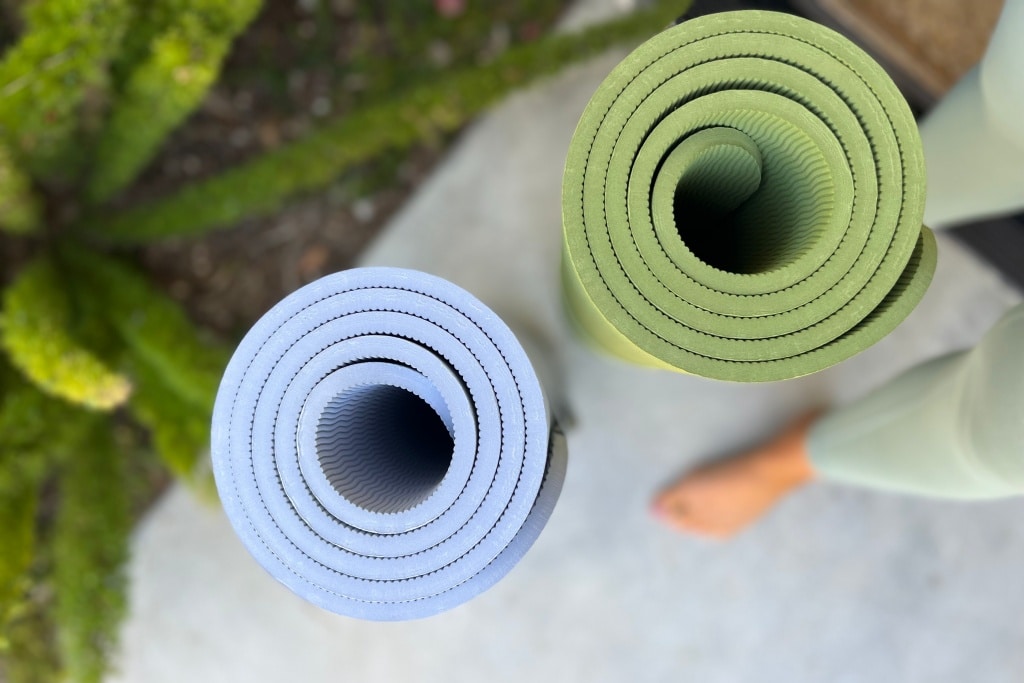










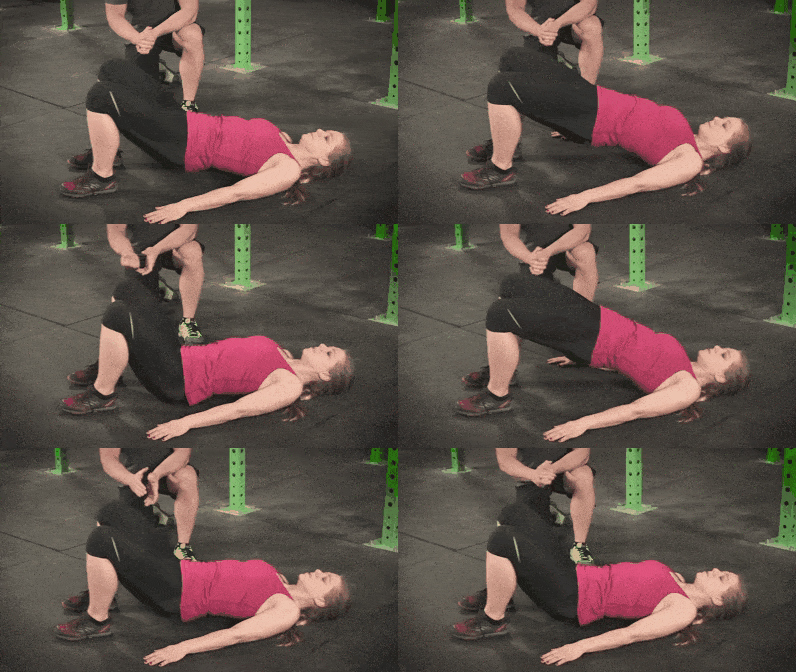




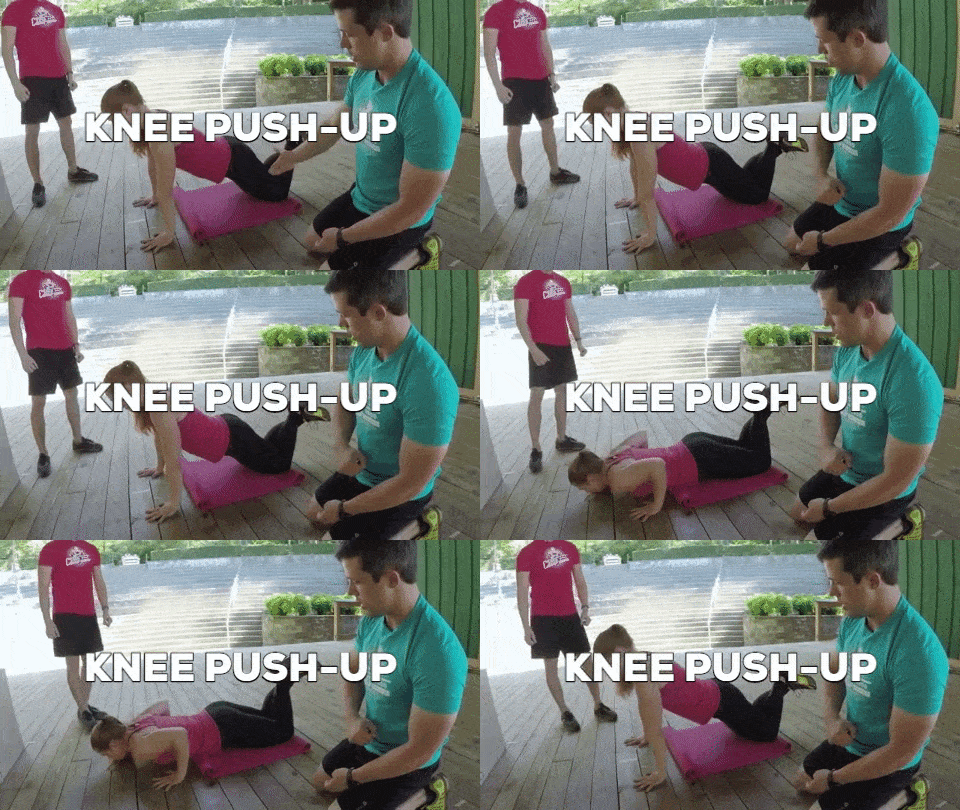




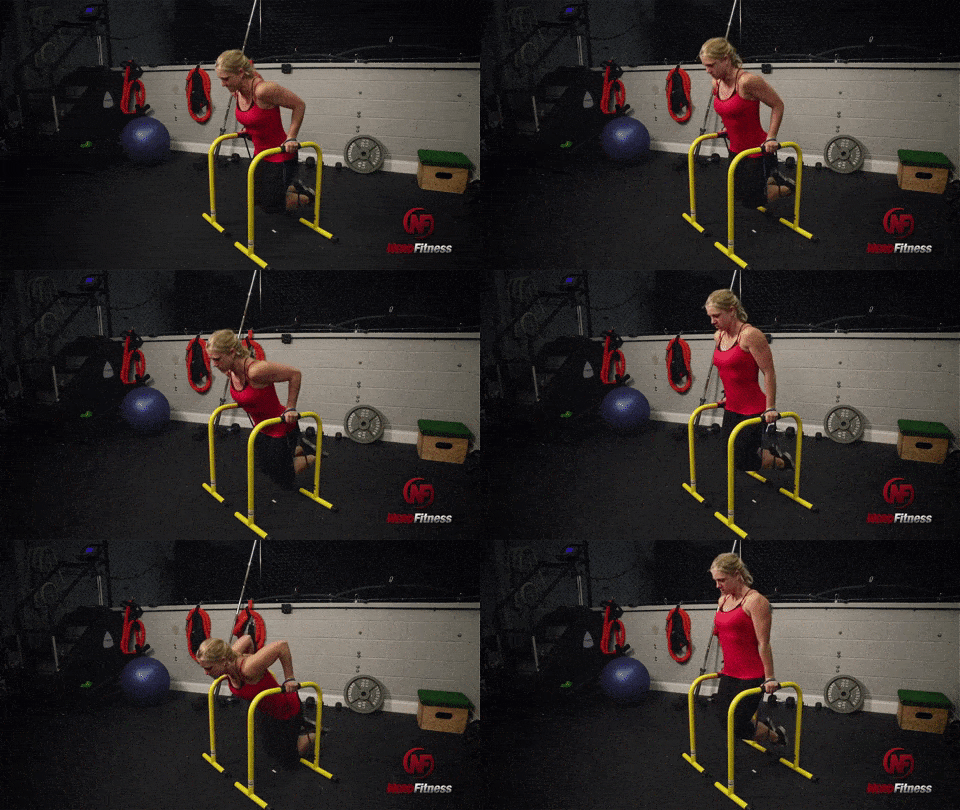




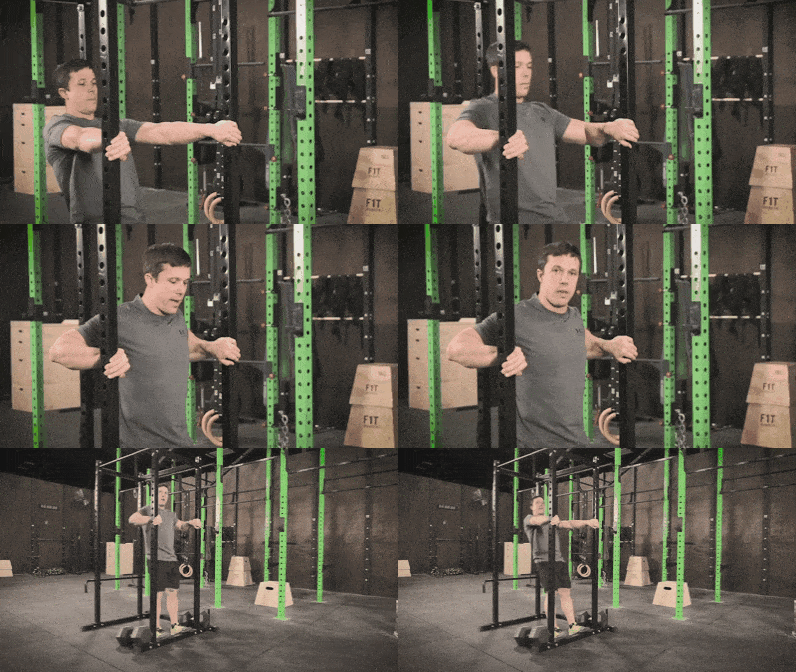


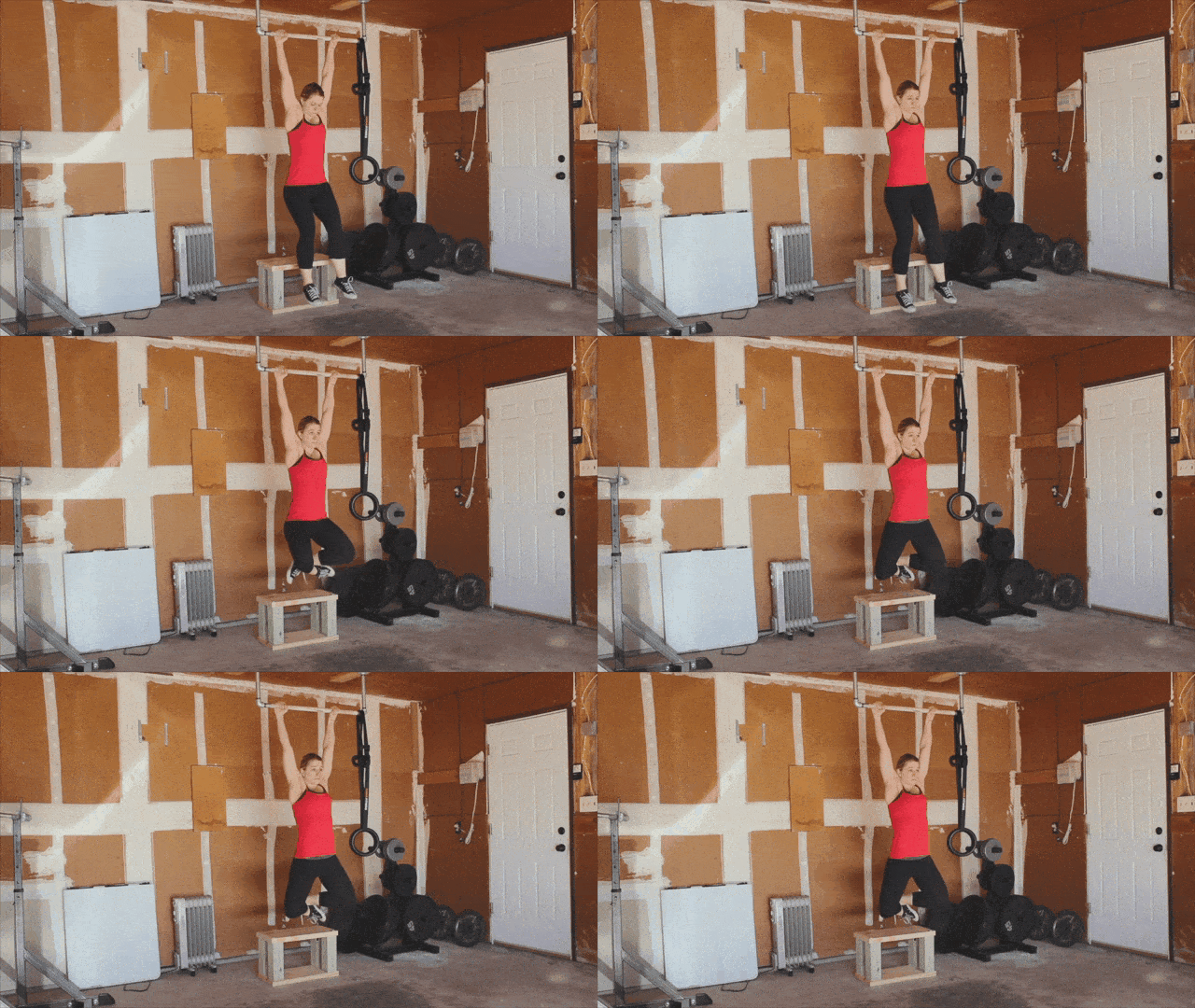








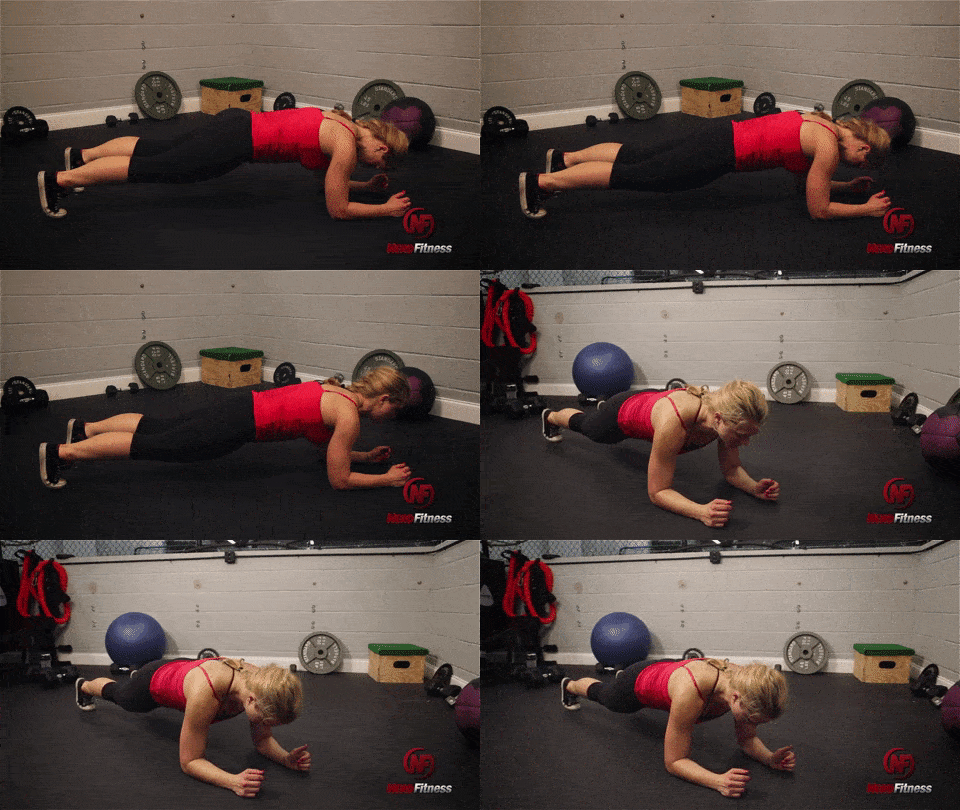



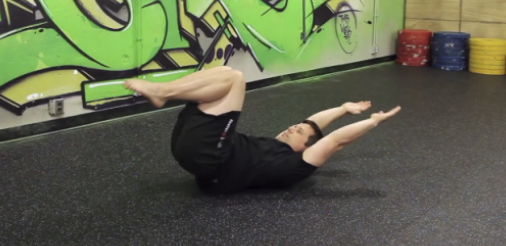



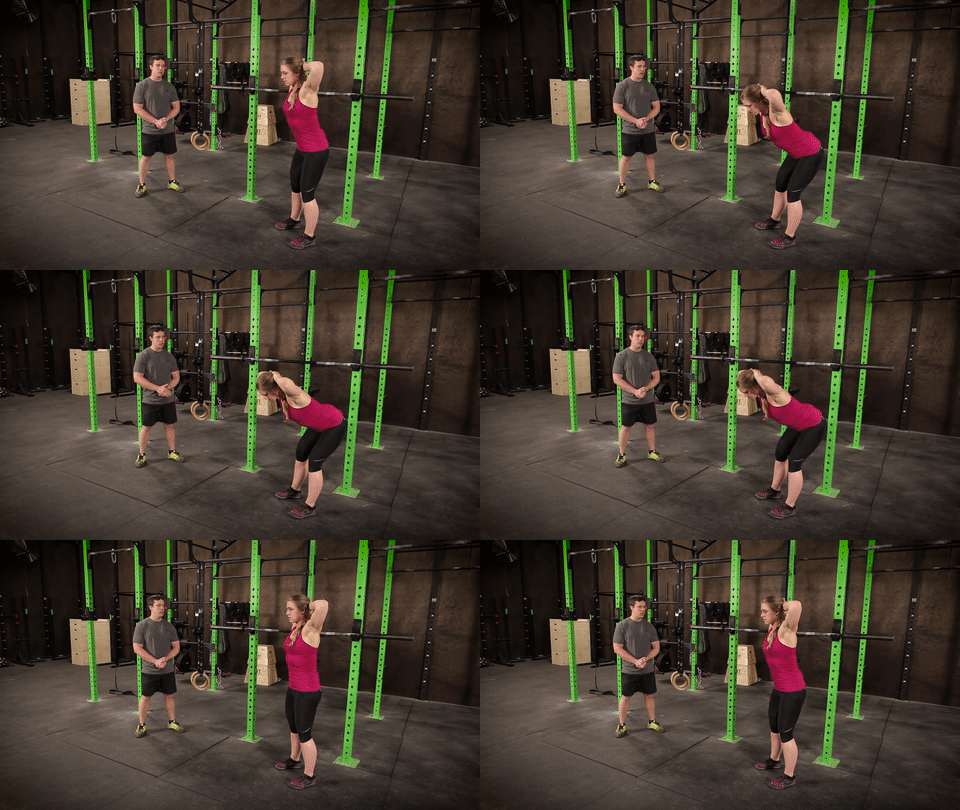












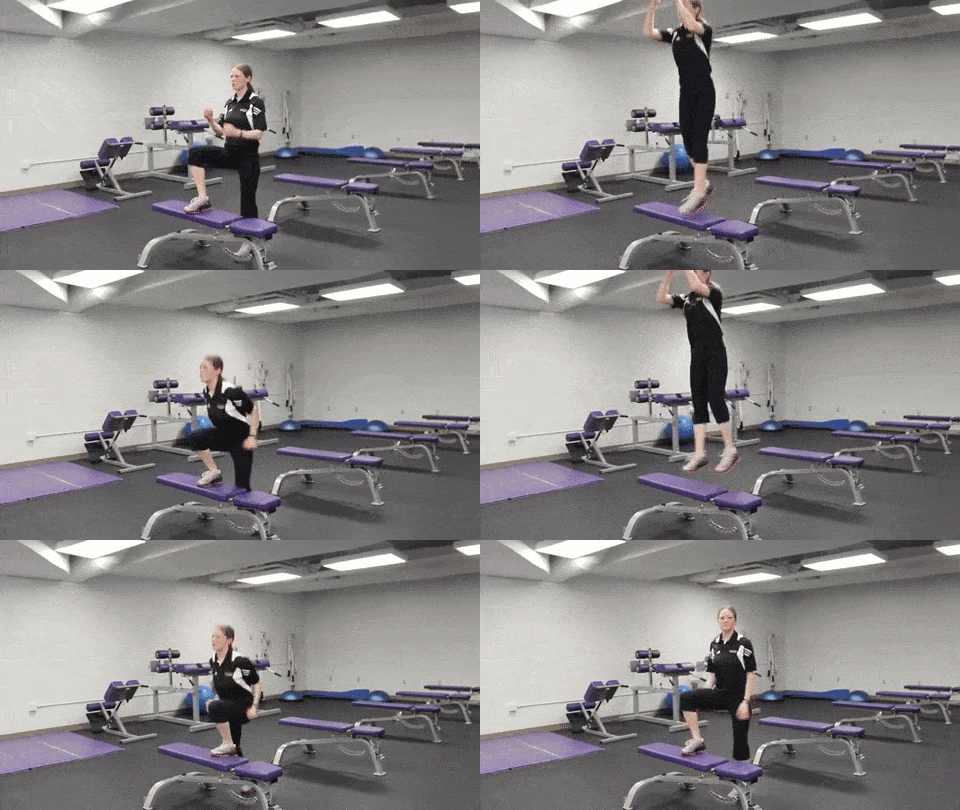

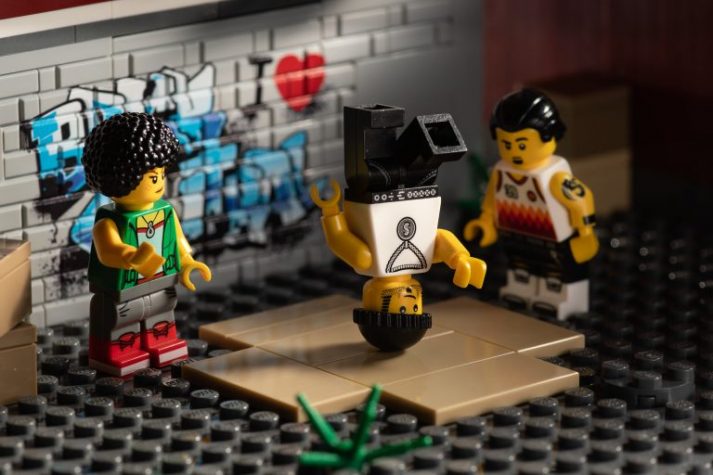





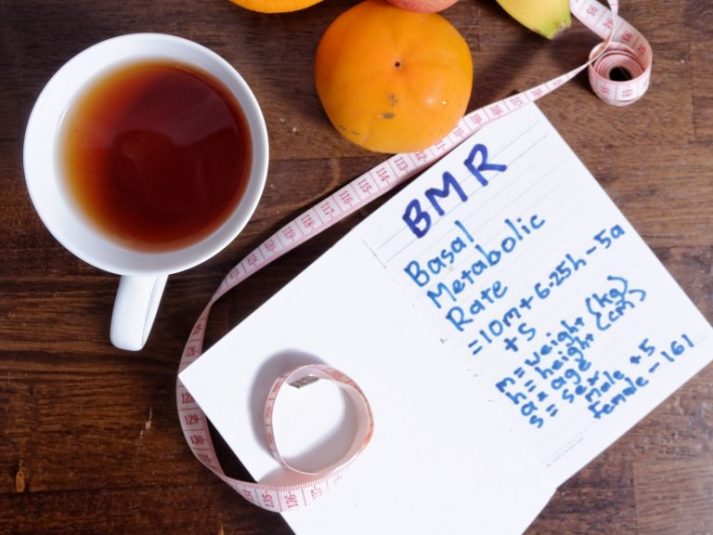
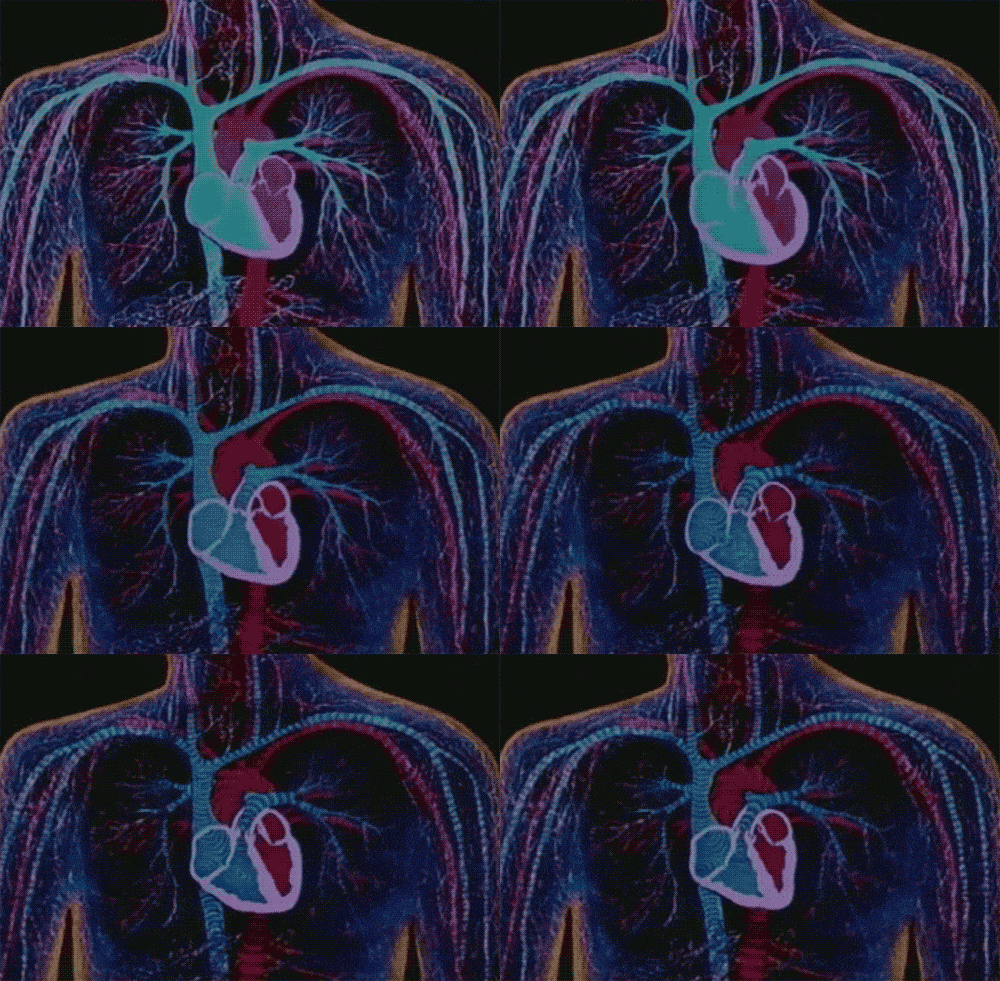







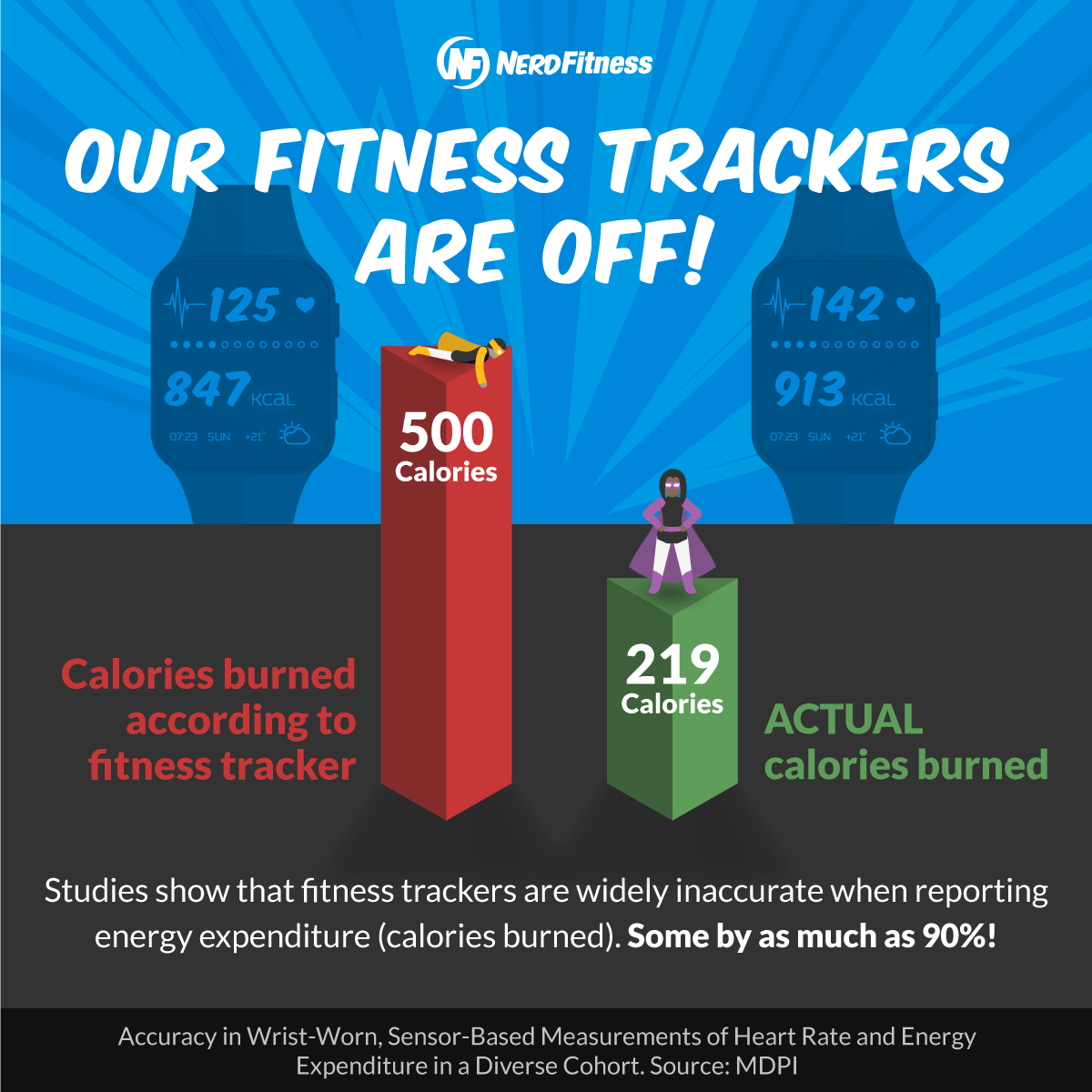






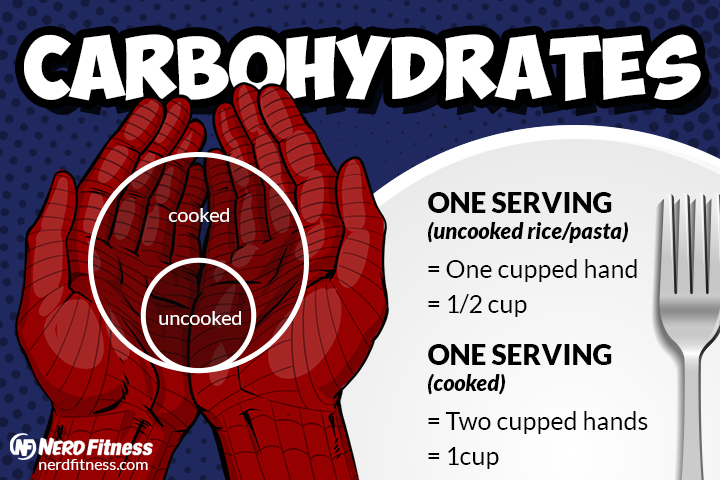

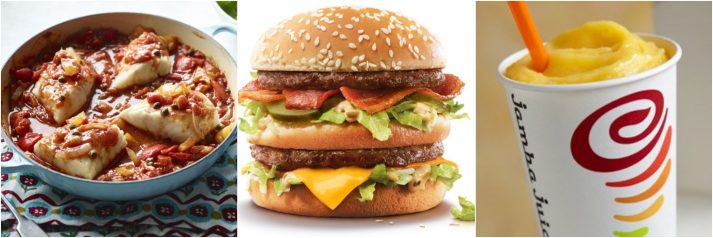
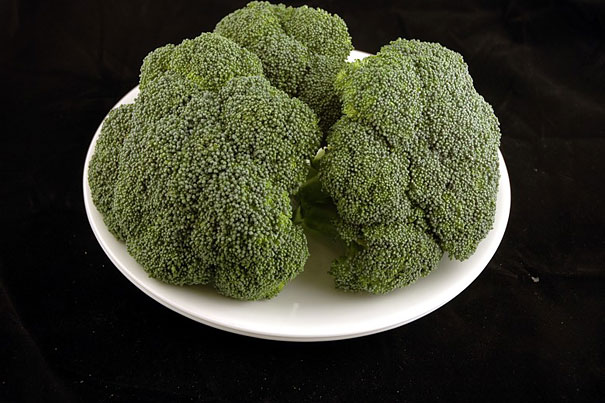
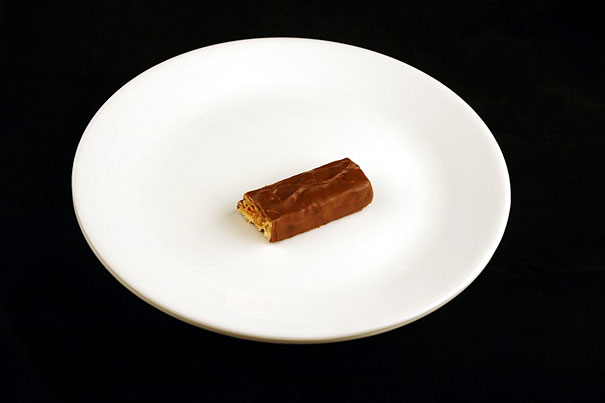












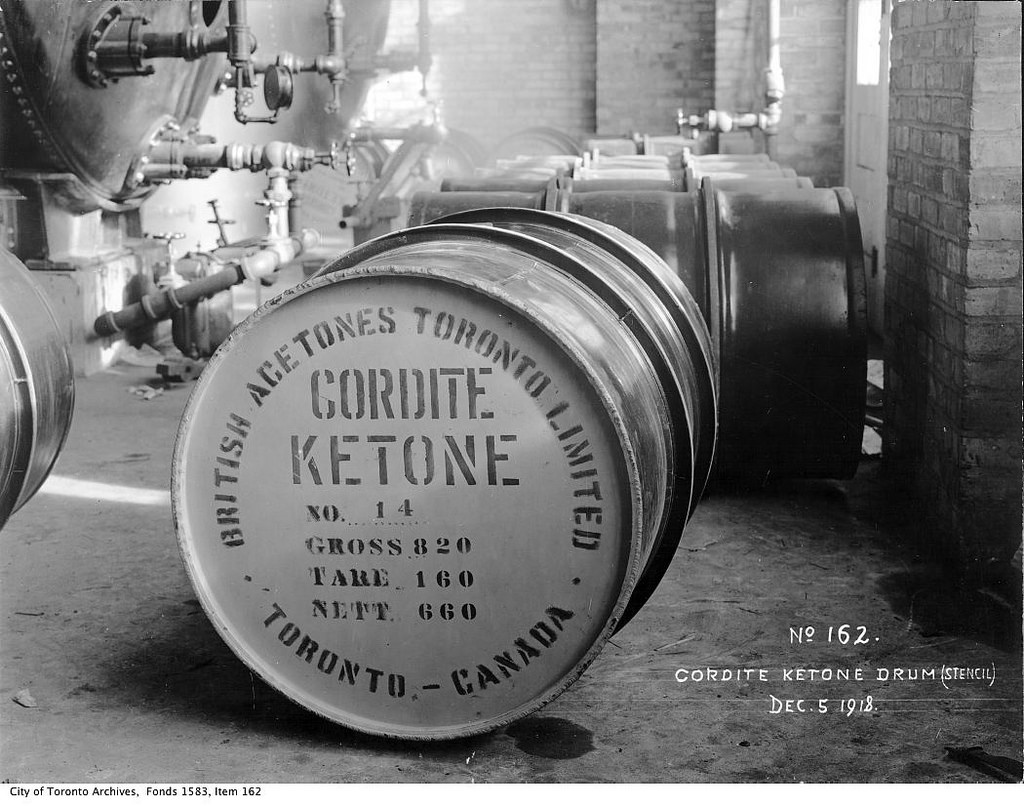 If you don’t care what ketones are and are just here for the weight-loss stuff,