Categories
nutrition

Healthy Foods To Take On A Trip

When you hit the road for a cross-town drive or weekend jaunt, chances are you’ll forget to pack one of the most important things of all: your lunch!

That’s why stopping for food along the way often means loading up on sodas, sugary snacks and high-fat meals. On your next road trip, don’t let nutrition fly out the window. You can eat well while on the go; just think before you eat.

quick weight loss

When selecting snacks at the convenience store, forgo the bag of chips, candy bar or sweetened soda and look for healthier choices. Grab some pretzels or whole-wheat crackers. At home, pack a baggie of cereal along with small amounts of nuts and dried fruits. Wash it down with water, 100 percent juice, or nonfat or low-fat milk.

To limit the times you stop for meals, plan ahead. Pack a small cooler with foods that are easy to eat in the car. You also can stop at a roadside park and enjoy them picnic-style. Here are some ideas:

* Peanut butter or almond butter and jelly sandwiches made with whole-wheat bread.

* Sliced apples, peaches, baby carrots and cucumbers.

* Raisins.

* Fat-free or reduced fat yogurts.

* Reduced fat string cheese.

* Hummus-filled pita bread.

* Peeled hard-boiled eggs.

* Turkey and tomato sandwiches.

Can’t resist stopping at those roadside diners or fast food restaurants? Follow these tips for ordering food that is quick and good for you, too:

* Skip “value-sized meals.” Opt for a grilled chicken sandwich or a plain, small burger and order the smallest size offered.

* Use mustard, ketchup or hot sauce instead of mayonnaise.

* Avoid fried foods or remove breading from fried chicken, which can cut half the fat.

* Order garden or grilled chicken salads with light or reduced calorie dressings.

* Choose water, nonfat or low-fat milk, or a small glass of 100 percent juice instead of soda.

Categories
nutrition

Simple Guide to the Food Pyramid

The recommended food pyramid provides some basic guidelines to establishing healthy eating habits.

The food pyramid was originally established in the 1960s in response to the increase in heart disease, and to help people understand what it takes to stay healthy. There are several facets of the food pyramid, which help you to analyze what you are eating and what you need to change in order to maintain your healthy eating habits.

The base of the pyramid is the bread & grains group. There are a variety of different types of foods that fall into this category. According to this pyramid, a healthy diet contains six to eleven servings of a breads & grains per day. An example of a single serving would be half of a cup of rice, cereal or pasta or one slice of bread. Another thing to consider is the type of grain. The pyramid recommends at least half of the bread & grains you consume are whole grain, such as whole wheat bread, brown rice, whole-wheat pasta, or oatmeal.

From here, various versions of the pyramid split. Some versions pyramids include fruit and vegetables in a single group, others split them into two groups. For the vegetable category, it is important to add two to three servings of vegetables to your daily diet. A serving generally consists of a cup of vegetables or vegetable juice. It is also key to eat a variety of different types of vegetables over the course of a week. The typical food pyramid groups vegetables into five groups:

* Dark green: such as broccoli and spinach.

* Orange: pumpkin and sweet potatoes

* Dry beans and peas: navy beans, kidney beans, lentils, tofu

* Starchy vegetables: corn, potatoes, green peas

* Other vegetables: cabbage, cucumbers, eggplant, tomatoes

(Note: While we have given examples of the members of each group, it is certainly not an exhaustive list)

With fruits, a cup of fruit or fruit juice, or a half-cup of dried fruit counts as a serving. Recommendations are one to two servings of fruit each day.

The next part of the food pyramid is the milk and dairy section. This group includes milk (including lactose-free), yogurt, cheese and other variations of this type of product. About three servings per day is the recommended amount. A typical serving of dairy would be a cup of milk or yogurt, 1½ ounces of natural cheese or two ounces of processed cheese.

Next to last is the meat and beans group. This group contains meat, poultry, fish, eggs, nuts and dried beans. Choosing low-fat cuts of meat and poultry are key to a healthy diet. Five to six ounces of mean and beans each day is the recommended daily intake for this group.

The highest level of the food pyramid is the oils and fats level. While there are different types of oils and fats, this food group should be the smallest portion of a healthy diet. General recommendations are five to seven teaspoons of fats or oils per day; not very much. An ounce of nuts, such as peanuts or almonds, contains three teaspoons of oil. A tablespoon of mayonnaise contains about two and a half teaspoons.

The food pyramid can provide excellent guidlines to ensure that your meals will be more balanced and nutritious. Though the number of servings in each group will vary based on your age, body type, activity level and other individual needs, the food pyramid can help you on your way to developing a pattern of healthy eating.

Categories
nutrition

Improve the Function of Every Cell in Your Body

weight loss tips

Everyone wants to live a long healthy life, but few of us know how to go about doing so. Most people think that as they age, getting some type of health problem or disease is inevitable.

This is simply not true! All of the major causes of death–cancer, heart disease, stroke, lung disease and injury–can be prevented by the things you do. The major change that you need to make is in your eating habits. The problem is that no matter how health conscience of an eater you are, your body will still lack most of the daily nutrients you need to live a long healthy life.

Everywhere you look you will find evidence supporting the fact that it is impractical and virtually impossible to obtain the amounts of nutrients needed for optimal health from food alone. People that take dietary supplements know and understand this.

They know that the most needed dietary supplement to take is a multivitamin so that their body can receive a variety of much needed vitamins and minerals. What they don’t know is the differences between multivitamins and which ones have the highest potency, balances of nutrients, and the best absorption.

Many cheap, low quality grocery-store brands (and many brands available through supplement stores) fail at obtaining high quality ingredients for absorption and potency. With most of these brands, there is a high probability that the vitamin simply passes through your system undigested, or with a low percentage of the nutrients absorbed.

First let’s get one thing straight: If you are taking vitamins in pill form, then you definitely have not found the most beneficial supplement on the market.

Don’t get me wrong, I’m not against pill form supplements, it’s just that I know that your body will not get all of the nutrients contained in that supplement. Even If you were to buy the highest quality vitamin on the market, the fact remains that your body has to break down that pill to liquid form before it can be digested properly.

When your body breaks the pill down, the pill loses its potency and if the pill is of low quality, your body might not break it down at all (in other words the pill goes right through your system without being digested). Even If your body is able to break down the pill you are still only going to receive 10%-20% of the nutrients.

That means for every $100 you are spending on nutrients, you are literally flushing about 90% of it down the toilet. Why take your system through the extra step of breaking down a pill when you can purchase a vitamin that is already in liquid form that will bypass the digestive process and go directly into the bloodstream and into the cells within a matter of minutes?

I have tried several dietary supplements in liquid form and the Himalayan Goji Juice  is the only all natural liquid vitamin that I can drink without having to chew some gum to get the nasty taste out of my mouth. This Goji Juice has a delicious taste and comes from goji berries with the highest nutrient density.

Himalayan Goji Juice is the only liquid on earth that contains all the nutrients you need to increase your energy and strength naturally while treating high blood pressure, cancer, diabetes, heart disease kidney disease, and a long list of other health problems. This juice contains four active polysaccharides (phytonutrient compounds) unique to the goji berry that come together to control many of of the body’s most important biochemical defense systems, and are of great importance to the smooth functioning of every cell in your entire body.

The juice also contains 19 amino acids (including all of the essential ones); More protein than whole wheat; 21 trace minerals including germanium (an anti-cancer trace mineral rarely found in foods); Vitamin C at higher levels than even those found oranges; Vitamin E (rarely found in fruits, only in grains and seeds); B-complex vitamins, necessary for converting food into energy; Essential fatty acids (EFA’s), which are required for the body’s production of hormones and for the smooth functioning of the brain and nervous system; Beta-Sitosterol, an anti-inflammatory agent (Beta-Sitosterol also lowers cholesterol and has been used to treat sexual impotence and prostate enlargement); and a complete spectrum of antioxidant carotenoids, including beta-carotene (a better source then even carrots) and zeaxanthin (protects the eyes). Goji berries are the richest source of carotenoids of all known foods.

If you care about your health and well being, then you want to consume food and nutritional supplements with the highest level of nutrients. Himalayan Goji Juice will give you the nutrients you need to stay healthy and disease free.

Categories
nutrition

Optimising Nutrition on a Vegetarian Diet

vegetarian diet
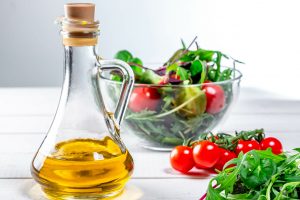
Olive oil with ingredients for diet salad

While a vegetarian diet is among the healthiest ways to eat, certain nutrients can be lacking on a diet that contains no animal products at all.

In particular, many people are concerned that vegans may not get enough protein, calcium and iron from plant-based foods. This is because most people think of eating dairy products for calcium and meats for iron and protein. But it is possible to consume adequate amounts of these nutrients on vegetarian diet. It just takes bit of effort and knowledge about plant-based sources the nutrients.

Iron is an important mineral because it plays a vital role in transporting oxygen through the bloodstream. People who do not have adequate iron intake can suffer from iron deficiency anemia, a condition characterized by extreme fatigue and weakness. Adult men and post-menopausal women need about 10 mg of iron per day, while women of child-bearing age need about 15 mg per day. There are two types of iron – heme iron (from meat) and non-heme iron (from plant sources). Though non-heme iron is generally not as easily absorbed as heme iron, the incidence of iron deficiency anemia is no higher in vegans than in the general population. Dried beans and dark leafy green vegetables can provide adequate amounts of dietary iron if consumed on a regular basis. To boost absorption of iron, iron-rich plant foods should be consumed with vitamin C supplements or foods rich in vitamin C. Since vegans diets tend to be high in vitamin C naturally, iron consumption is really not as much of a problem for most vegans as might be expected. In fact, some foods, like broccoli and bok choy, are high in both iron and vitamin C. These foods are often eaten with other iron and vitamin C-rich foods, such as beans and tomato sauce.

Another important nutrient for vegetarians to consider is calcium. Adults need about 1000 mg of calcium per day. Most people think of dairy products when they think of calcium, which important for strong bones and teeth. But vegans can get plenty of calcium from dark greens, tofu processed with calcium sulfate, and other foods or from calcium supplements. Soymilk and rice milk are often fortified with calcium as well. Other good sources of calcium for vegans include blackstrap molasses, fortified orange juice, tahini and almonds. It is important to note that a compound known as oxalic acid, found in vegetables like spinach, rhubarb, chard, and beet greens, can bind with calcium and prevent it from being well absorbed. Therefore, greens like broccoli and collards are better sources of calcium for vegans.

Though there is much concern about vegetarians getting enough protein, the need for protein is often overrated. The average diet contains far more protein needed for health. In fact, excess protein can damage the kidneys and contribute to the development of osteoporosis. The recommended daily allowance of protein is 8/10ths of a gram for every kilogram of body weight or about 10-15% of total calories. Foods like soy, rice and beans, and nuts and nut butters can provide adequate amounts of protein for vegans. In contrast, animal foods are so high in protein that non-vegetarians can easily exceed the upper limit recommended for protein intake, which is 4.5 grams of protein per 100 calories of food.

Protein is comprised of amino acids, which are often called protein building blocks. The body needs nine different amino acids from foods. Because the body cannot make these nine amino acids, they are known as essential amino acids. Foods that contain all nine essential amino acids are considered “complete protein” foods. Non-vegan vegetarians can easily get all nine amino acids from eggs and dairy products. For vegans, soy protein, which is a complete protein, is often considered the best source. The nine essential amino acids can also be obtained by combining whole grain rice and beans. Other vegan sources of high quality protein include the grain quinoa and spinach. Eating a variety of legumes, grains, nuts, and seeds daily ensures that vegans consume all of the protein they need.

More tips on how vegetarians can maximize consumption of key nutrients as well as more detailed information about the amounts of calcium, iron and protein found in a variety of vegetarian foods can be found in the ebook Vegetarian Cooking at www.d-vegetarian.com.

Copied with permission from: http://plrplr.com/62332/optimising-nutrition-on-a-vegetarian-diet/