Categories
nutrition

Natural Strategies to Lower Cholesterol

vegetarian diet
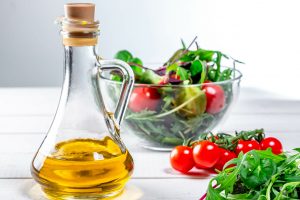
Olive oil with ingredients for diet salad

High cholesterol is one of the most common concerns raised during routine checkups, and for good reason.

Elevated LDL levels—combined with low HDL—are strongly associated with heart disease, the world’s leading cause of death.

Although cholesterol-lowering medications such as statins are widely prescribed and highly effective for many, they can sometimes cause side effects including muscle pain, fatigue, digestive upset, and mental fog.

Because of this, many people look for diet-based and lifestyle-based alternatives that support heart health naturally.

While medications are sometimes necessary, a growing body of research shows that targeted dietary changes can have a powerful effect on cholesterol levels—often enough to help people avoid medication or reduce the dose needed.

This article explores updated, evidence-based ways to naturally lower LDL (“bad”) cholesterol, boost HDL (“good”) cholesterol, and improve long-term cardiovascular health.

————————————————————-

Find the lowest prices on the

Best Metabolism Boosters – Right Here


Understanding Cholesterol: What It Is and Why It Matters

Cholesterol is a waxy substance essential for life. Your body uses it to:

  • Build and repair cell membranes

  • Produce hormones (including estrogen, testosterone, and cortisol)

  • Make bile acids that help digest fats

  • Support neurological function

Your liver produces most of the cholesterol you need—but diet, genetics, inflammation, and lifestyle also influence your cholesterol levels.

The two major categories are:

LDL (Low-Density Lipoprotein)

Often called “bad cholesterol,” LDL contributes to plaque buildup inside arteries. Over time, this can cause the arteries to narrow and stiffen—a condition known as atherosclerosis. This increases the risk of heart attack and stroke.

HDL (High-Density Lipoprotein)

Known as “good cholesterol,” HDL acts like a cleanup crew. It transports excess cholesterol back to the liver for disposal.

A healthy heart depends on low LDL, higher HDL, and low triglycerides. Unfortunately, about 1 in 4 adults worldwide has elevated LDL levels.


Modern Research: How Diet Improves Cholesterol

Studies published between 2019 and 2024 have confirmed several nutritional habits that consistently lower LDL, raise HDL, and improve overall cardiovascular markers:

  • Increased soluble fiber

  • Increased omega-3 fatty acids

  • Reduced saturated fat (especially from processed meat)

  • Elimination of trans fats

  • Higher intake of plant sterols, antioxidants, and polyphenols

  • Reduction of ultra-processed foods, refined sugars, and fried foods

The foods below are among the most effective natural tools for improving your cholesterol profile.


Foods Proven to Lower LDL Cholesterol

1. High-Fiber Foods (especially soluble fiber)

Soluble fiber binds to cholesterol in the digestive tract, helping the body flush it out before it enters the bloodstream.

Excellent sources include:

  • Oat bran and rolled oats

  • Barley

  • Wheat bran

  • Apples, pears, and citrus fruits

  • Prunes

  • Sweet potatoes

Aim for 10–15 grams of soluble fiber per day. Eating oatmeal for breakfast or adding barley to soups is a simple start.


2. Beans, Lentils, and Pulses

Beans are one of the most powerful cholesterol-lowering foods on Earth.

They are:

  • High in soluble fiber

  • Packed with plant protein

  • Naturally low in fat

Try adding kidney beans, black beans, lentils, chickpeas, or fava beans to soups, salads, and stews.

Studies show that eating one cup per day can lower LDL by up to 10%.


3. Avocados

Avocados contain heart-healthy monounsaturated fats that help lower LDL and increase HDL. New research from 2020–2024 shows that even half an avocado per day improves cholesterol markers in adults with mild hypercholesterolemia.


4. Raw Carrots and Pectin-Rich Fruits

Carrots are rich in pectin, a type of soluble fiber also found in:

  • Apples

  • Strawberries

  • Raspberries

  • Blackberries

Pectin helps block cholesterol absorption.


5. Shiitake Mushrooms

Shiitake mushrooms contain lentinan, a compound with immune-boosting and cholesterol-lowering properties. They also offer beta-glucans, similar to those found in oats.


6. Garlic

Garlic’s active compound allicin has been shown to modestly lower LDL levels (5–10%) when consumed regularly. It also supports circulation and reduces inflammation.

Try one clove per day—raw or lightly cooked.


7. Ginger

Ginger is widely used in Eastern medicine and modern studies confirm that it may reduce LDL and improve triglycerides. Add it to stir-fries, smoothies, or hot tea.


8. Nuts and Seeds

Nuts are rich in omega-3 fatty acids, plant sterols, and unsaturated fats.

The most beneficial include:

  • Walnuts

  • Almonds

  • Pecans

  • Hazelnuts

Seeds with strong benefits:

  • Sesame seeds (rich in phytosterols)

  • Chia seeds

  • Flaxseed

A handful a day lowers LDL by 5–8% on average.


9. Healthy Oils

Replace butter, lard, or shortening with heart-healthy oils such as:

  • Olive oil

  • Canola oil

  • Safflower oil

  • Soybean oil

These oils contain unsaturated fats that reduce LDL and decrease inflammation.


10. Fatty Fish (Omega-3 Powerhouses)

Fish rich in omega-3 fatty acids support heart health, lower triglycerides, and protect blood vessels.

Top choices include:

  • Salmon

  • Sardines

  • Tuna

  • Mackerel

2–3 servings per week is optimal.


11. Prunes

Prunes reduce oxidative stress and provide fiber that helps lower LDL. Studies show daily prune consumption improves cholesterol in postmenopausal women and adults over 40.


12. Alfalfa Sprouts

Alfalfa sprouts contain saponins, which help block cholesterol absorption and may prevent plaque formation.


Foods and Habits to Avoid

To keep LDL low and protect your arteries, limit or avoid:

  • Processed meats

  • Fried foods

  • Fast food

  • High-fat dairy

  • Margarine and shortening

  • Ultra-processed foods

  • Sugar-sweetened beverages

  • Foods containing trans fats

Even small amounts of trans fats significantly increase the risk of heart disease.


Lifestyle Upgrades That Boost Results

1. Exercise

Just 150 minutes per week of brisk walking or cycling:

  • Raises HDL

  • Lowers LDL

  • Improves insulin sensitivity

  • Reduces inflammation

2. Weight Management

Losing even 5–10% of body weight can significantly reduce LDL levels.

3. Quit Smoking

Smoking lowers HDL and damages blood vessels. Quitting produces immediate improvements.

4. Manage Stress

Chronic stress increases inflammation and disrupts lipid balance.
Try:

  • Deep breathing

  • Yoga

  • Meditation

  • Regular sleep habits


Final Thoughts

Cholesterol management doesn’t have to rely solely on medication. Many people successfully lower LDL and improve HDL using dietary changes, lifestyle improvements, and consistent habits. A diet rich in soluble fiber, healthy fats, omega-3s, plant sterols, and antioxidants—combined with regular exercise—can dramatically improve cholesterol levels while supporting overall wellness.

For individuals with genetic high cholesterol or very elevated levels, medications may still be necessary, but these natural strategies can enhance results and sometimes reduce the dose required.

Heart health begins in the kitchen—but every step counts.

————————————————————-

Find the lowest prices on the

Best Metabolism Boosters – Right Here


Please share this post on X  or Facebook … Thanks !

Categories
nutrition

How Industrial Eating Has Reshaped Our Health

According to Webster’s New World College Dictionary, food is any substance taken into the body that nourishes, stimulates, and supports life—helping us grow, repair tissue, and maintain energy. But a question now hangs over our modern diet: Do today’s foods still nourish, restore, and strengthen us the way they once did?

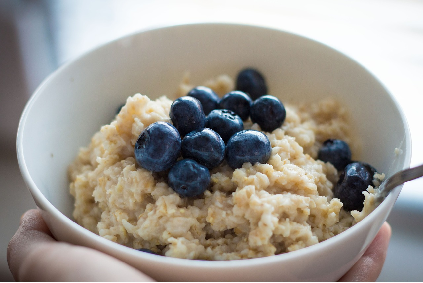
best breakfast for weight loss

There was a time when this question could be answered with a confident yes. Today, however, that answer is far from clear. In fact, the opposite may be true.


A Century of Change: Rising Disease in a Changing Food Environment

In 1880, diabetes was extremely rare—about 2.8 cases per 100,000 people. By 1949, that number had jumped to 29.7 per 100,000, an astonishing rise in less than a lifetime. Yet in that same year, statistical definitions were revised, lowering the reported rate to 16.4 cases per 100,000. This change blurred the reality of what had been a dramatic and alarming increase.

At the time, there was no distinction between Type I and Type II diabetes; it was simply called “diabetes.” Today we know that Type II diabetes, strongly influenced by diet and lifestyle, affects 10–20% of the population—an explosion from the tiny fraction recorded in the late 1800s.

What happened?

Many researchers point toward the industrial reengineering of the food supply. As shelf-life became more important than nutrition, foods were altered, refined, stripped, and chemically modified. Key nutrients disappeared. Artificial ingredients and synthetic fats appeared. Over time, the shift in our diet paralleled a shift in our national health—and not for the better.

————————————————————-

Find the lowest prices on the

Best Metabolism Boosters – Right Here


The Artificial Food Revolution: When Science Met Profit

Food didn’t become artificial by accident—it happened because it was profitable.

The pursuit of synthetic food alternatives dates back at least to Napoleon’s era. In the mid-19th century, French chemist Hippolyte Mège-Mouriès created what we now call margarine, winning a contest set by Napoleon III to produce a cheap butter substitute. Early margarine was hardly edible, containing mixtures such as hog fat, gelatin, bleached fats, mashed potatoes, gypsum, and casein.

By 1874, margarine reached America, and by the early 20th century, more engineered fats followed. In 1899, David Wesson developed a high-heat, vacuum-deodorized cottonseed oil, leading to the birth of “Wesson Oil.” Soon after, the hydrogenation process was patented, allowing liquid oils to be chemically hardened into solid fats that resisted spoilage. This was the foundation of Crisco, launched in 1911 and embraced—even by communities with strict dietary rules—because it was marketed as “clean, pure, and Kosher.”

The introduction of these oils was revolutionary. Unlike natural animal fats or traditional cold-pressed oils, these new industrial fats did not spoil. To manufacturers, that meant longer shelf life and higher profits. But little attention was paid to the long-term consequences for human health.


The Industrial Diet Becomes the American Diet

By World War II, margarine consumption skyrocketed. Earlier legal restrictions were removed, and margarine became a staple in American households. Hydrogenated oils, refined cooking oils, and synthetic shortenings flooded the food market. Housewives embraced them because they were marketed as modern, clean, and economical.

Interestingly, even insects refused to eat some of these refined oils—a warning sign that went largely ignored.

As industrial food science advanced, marketing outpaced nutrition. Consumers were encouraged to abandon the natural fats and unprocessed oils that had sustained humans for generations. Saturated fats were demonized—not only by food companies but also by scientists financially tied to the industry.

A food revolution was underway, and the American public was its test subject.


A Case Study in Dietary Change: The American Eskimo

For generations, the traditional Eskimo diet was extremely high in natural animal fats—around 60% of total calories—with no diabetes, heart disease, or obesity. Their health remained stable and strong.

However, once oil money flowed into their communities, they adopted the typical American diet: refined flour, sugar, processed oils, packaged foods, and shelf-stable products. Within a single generation, their health deteriorated dramatically, mirroring the same chronic diseases seen across the U.S. population.

Diet changed—and disease followed.


The Trans Fat Era and Misleading Science

As the food industry grew more powerful, it funded studies that blurred the truth about the new fats being introduced into the food chain. Companies touted the benefits of “polyunsaturated” and “monounsaturated” oils without disclosing that many of these processed products were, in fact, trans fats—a harmful byproduct of hydrogenation.

A natural polyunsaturated fat (in its cis form) is essential for life.
A polyunsaturated trans fat, however, is a chemical distortion of a real food molecule—and the human body struggles to metabolize it.

For decades, consumers were left in the dark.


A Nation’s Health in Decline

The past century has seen a steady march toward more refined foods, more artificial fats, more chemical additives, and more processed ingredients. This shift has coincided with rising rates of:

– Type II diabetes
– Obesity
– Heart disease
– Chronic inflammation
– Autoimmune disorders
– Metabolic syndrome

Today’s food supply is a far cry from what nourished earlier generations. Without a meaningful shift back toward whole, living, minimally processed foods, the health crisis is likely to intensify.


In Conclusion

The question “Are the foods we eat safe?” can no longer be answered with a simple yes.

Much of our food has been engineered for profit, not nutrition. In stripping foods of their natural integrity, we have paid the price in our national health.

Reclaiming wellness requires returning to foods that are as close to their natural state as possible—foods that truly nourish, restore, and support life. Only then can we reverse the chronic disease trends that began over a century ago.


Find the lowest prices on the

Best Metabolism Boosters – Right Here


Please share this post on Facebook or X

Categories
nutrition

#f4f #getfit 10 Easy Ways To Feed Healthy Kids

Creating a Healthy Home can be easier than you think.

Creating a nutritionally healthy home is one of the most important steps you can take to ensure the health of your children.

To start, make smart food choices, and help your child develop a positive relationship with healthy food. Your children will learn their food smarts from your example.

Here are the top 10 tips for getting children to eat healthy food:

1. Do not restrict food. Restricting food increases the risk your child may develop eating disorders such as anorexia or bulimia later in life. It can also have a negative effect on growth and development. Also by restricting food you will actually increase the risk of overeating later in the day which will cause weight gain.

2. Keep healthy food at hand. Children will eat what’s readily available. Keep fruit in a bowl on the counter, not buried in the crisper section of your fridge. Remember, your child can only choose foods that you stock in the house, by limiting ‘junk food’ you will, by default, teach your child how to choose healthier foods.

3. Don’t label foods as “good” or “bad.” Instead, tie foods to the things your child cares about, such as sports, academics and hobbies. Let your child know that lean protein such as turkey and calcium in dairy products give strength to their sports and academic performance, the antioxidants in fruits and vegetables add luster to skin and hair and the carbs in whole grains will give them energy to play.

4. Praise healthy choices. Give your children a proud smile and tell them how smart they are when they choose healthy foods. Kids thrive on positive reinforcement!

5. Don’t nag about unhealthy choices. If your child chooses unhealthy foods infrequently, ignore it. However, if your child always wants fatty, fried food, redirect the choice. You might try roasting potato sticks in the oven (tossed in just a bit of oil) instead of buying french fries. Or, if your child wants candy, you might make fresh strawberries dipped in a little chocolate sauce. Too busy? Then keep naturally sweet dried fruit at home for quick snacks. With consistent effort taste buds change and soon your child will be craving healthy foods.

6. Never use food as a reward. This could create weight problems in later life. Instead, reward your children with something physical and fun — perhaps a trip to the park or a quick game of catch.

7. Sit down to family dinners at night. If this isn’t a tradition in your home, it should be. Research shows that children who eat dinners at the table with their parents have better nutrition and are less likely to get in serious trouble as teenagers. Start with one night a week, and then work up to three or four, to gradually build the habit.

8. Prepare plates in the kitchen. There you can put healthy portions of each item on everyone’s dinner plate. Your children will learn to recognize correct portion sizes. Too often people go for seconds and even thirds just because the food is right there. You might notice that you need less food to feel full!

9. Give the kids some control. Ask your children to take three bites of all the foods on their plate and give it a grade, such as A, B, C, D, or F. When healthy foods – especially certain vegetables — get high marks, serve them more often. Offer the items your children don’t like less frequently. This lets your children participate in decision making. After all, dining is a family affair!

10. Consult your pediatrician. Always talk with your child’s doctor before putting your child on a diet, trying to help your child gain weight, or making any significant changes in the type of foods your child eats. Never diagnose your child as too heavy, or too thin, by yourself. If weight change is recommended seek the help of a Dietitian.

Find the lowest prices on the

Best Metabolism Boosters – Right Here


Categories
nutrition

#getfit All About Spirulina Health Benefits

Spirulina is a blue-green alga which is believed to be the first kind of plant life on earth (nearly 3.5 billion years old).

Since its rediscovery in the 1960’s, Spirulina has been altogether and extensively tested by scientists around the globe. And has proved to be the most potent and well-balanced source of nutrition on the planet.

Upon testing it, NASA discovered it to be a brilliant, compact space food for astronauts (1 kg. of Spirulina is equivalent to 1000 kgs. of assorted vegetables). International health organisations have hailed Spirulina as one of the “Greatest Superfoods on Earth”.

An ideal food supplement, Sunova Spirulina brings the body with all the vital nutrients required every day, leaving you fresh, active and energetic by means of out the day.

100 times more Vitamin A than carrots !
Spirulina is the world’s richest natural source of Beta-Carotene (Pro Vitamin A), which contributes to improve eye sight.

6 times more protein than eggs !
Spirulina has a extremely high natural protein content (upto 70%). This protein is a called complete since it has 18 of the 22 amino acids that the body requires and being organic in form, has extremely high digestibility ( upto 97% ). This ensures proper utilisation & assimilation of the food any person eats.

50 times more Iron than Spinach !
Anaemia or iron deficiency is one of the most common health issues of our country. Spirulina’s wealthy content of natural Iron & folic acid helps not only to vastly improve haemoglobin levels in the blood, but being organic, is 60 times more absorbable than synthetic iron present on many of the haematinics.

7 times more Calcium than milk !
Spirulina is one of the World’s richest known sources of natural Calcium which helps build potent bones.

ten times more Potassium than veggies ! Its Potassium content (upto ten times more than usual vegetables) helps prevent hypertension.

One stop shop for ‘Anti Oxidants’ !
Unstable molecules called “Free Radicals” are made in every human body as a result of usual metabolic phases. These can conduct to ailments like cancer, arthritis, cataracts, strokes, heart attacks, diabetes and untimely ageing. To fight these free radicals you require ‘Anti-Oxidants’ like supplements A,C & E, Zinc, Selenium, Super Oxide Dismutase. Spirulina is the world’s richest and only natural source of all these ‘Anti-Oxidants’.

Fat deposits in blood vessels called cholesterol are the factor behind a majority of heart troubles. Spirulina has Gamma Linolenic Acid (GLA), which dissolves these fat deposits, thus preventing heart troubles.

Spirulina is the only known vegetarian source of Vitamin B12 which helps combat stress and calm your nerves.

Unique ‘Biliproteins’ & ‘Carotenoids’ in Spirulina strengthen the body’s immune system against probable infections.

Research suggests when Spirulina is taken with anti-cancer drugs, antibiotics and pain killing drugs, toxic side effects to the kidney might be significantly came down and shorter recovery times may be probable.

Extensive analysis studies have been carried out around the globe. a couple of of the related findings listed here are based on scientific findings:
A one year feeding program with 5000 pre-school children showing a manifestation of Vit.A deficiency, Bitot’s spot, diminished from 80% to 10% after intake of 1 gm Spirulina a day for at least 150 days.
Another study with 400 school children suggests Spirulina as an alternate to pure Vitamin A therapy.
In a 1991 study in Belarus, 11 49 undernourished and radiation poisoned children were fed with Spirulina. Within 45 days, physicians found T-cell suppressors and favourable hormones rising, and in 83% of the children radioactivity of the urine diminished.
In 1989, the National Cancer Institute (NCA-USA) announced that chemicals called glycolipids or sulfolipids from blue-green algae were “remarkably active” contrary the AIDS virus. Recent Japanese analysis revealed a high level of sulfolipids in Spirulina, 1.12%

Food Safety analysis

No harmful effects because of the usage of Spiurlina powder have been reported. The alga is consumed as a food and it seems absolutely secure for long-term utilization, even in the course of pregnancy and lactation. In studies carried out on rats in Japan, no negative effects were discovered for acute or chronic toxicity or reproduction. furthermore in a comprehensive animal study by the UNIDO in 1980. Rarely have there been any reports of allergies or sensitivities. Toxicology analysis through the 80s and 90s showed Spirulina has no pre and post natal toxicity in rats, no harmful effects on reproduction, this includes male and female fertility and duration of gestation, and no boost in number of abnormal offspring.

References
Sassby, A. 1988 : In Algae & Human romances, Ed. Lembi & Waaland, Cambridge Univ. Press, UK
Tokai et at. 1987 : Chiba Hygience Coll, Bull. V.5 (2)
Johnson & Shubert 1986 : Nutrit. Res. USA V.6
Takeuchi et al. 1978: Clinical Experiences of administration of Spirulina, Tokyo Med. & Dent. Univ.
Galvan, R.R. 1973: Clinical Experimentation with Spirulina, National Institute of Nutrition, Maxico.
Fox R.D. 1986 : Algoculture, Aix-en-Provence France
Fica et al. 1984: Clinica II Medicala, Spitalui Clinic, Bucuresti, Med. Intern. 36 (3) Romania
Miao Jian Ren 1987 : Soc. Appl Algal., Lille, France
Bucallie, P. 1990: Univ. Paul Sabatier Tolouse Oct.90
Annapurna, V. et al. 1991: Ind. J. Bioch. Nutrit. ten
Henrikson R. 1990: Health World Sep/Oct 1990
Sheshadri C.V. 1993: AICPS, MCRC Chennai
Belookaya T. 1991: Children of Chernobyl, Corres.
Custafsan et. Al. 1989: J. Nat. Cancer. Int. Aug16
Altman L.K.: Anti AIDS Chemicals in Algae
Kataoka et. al. 1983 Algric. Biol. Chem. 47 (10)
Chamorro-Cevallos, G. 1980: UNIDO, 24, Oct. 80

Categories
nutrition

#getfit Combat Free Radical Damage With Antioxidants

Antioxidants are a class of nutrients that safeguard the body from hurt caused by different circumstances, most importantly oxidative damage a cause of substances called free radicals.

Free radicals are referred as “reactive oxygen species”, or ROS. They are generated when your body uses oxygen for energy. Just as fire emits smoke as a by-product, ROS are emitted from the conversion of oxygen to energy in the human body, eventually provoking oxidative hurt to body systems.

Free radicals are in addition created when the body is exposed to pollution, cigarette smoke, automobile exhaust and other dangerous environmental toxins.

There are different sorts of antioxidants, and most work better when paired with other antioxidants. This is called synergism. Vitamins could be antioxidants, such as supplements C and E.

The tripeptide glutathione, loosely classified as an amino acid, acts as an antioxidant, together with other true amino acids such as methionine. The raw herbs and veggies we eat contain natural antioxidants called bioflavonoids and carotenoids, which are efficient antioxidants on their own, but are more efficient when synergistically combined with other antioxidants.

Together these nutrients safeguard your cells from electron robbery at the hands of larcenous free radicals, defending the body from disease and slowing the inevitable signs of aging.

Antioxidants are important vitamins for everyone, but specifically for those who exercise on a regular basis. The rational is that exercise is a notably oxidative process and, as a end result, makes free radicals from aerobic metabolism. Antioxidant compounds help alleviate this process.

Benefits
• minimizes the hurt from free radicals
• protects contrary cell damage
• may assist with prevention of debilitating diseases

Categories
nutrition

#getfit Eating The Australian Way

Australians are often divided into the haves, and the have-nots.

But they’re not continually talking about cash.

These days, it’s often the haves (too much body fat), versus the have-nots (not overweight).

australian diet

We cannot seem to make up our minds whether to consume at McDonald’s, KFC, Pizza Hut, Krispy Kreme, Starbucks, and All-You-Can-Eat rapid food restaurants, or whether to grab a protein snack, a freshly-squeezed fruit juice with wheatgrass and go straight to the gym.

Women’s Magazines have the same trouble. A sample magazine from this month featured diet and exercise behaviors from 3 TV celebrities and movie personalities. Yet the back section of the magazine featured recipes such as luscious mocha fudge cake.

The incidence of obesity in Australia rose dramatically in the 90s – 80% for women. And through 20% of children and adolescents are overweight or obese. Our eating behaviors are often unbalanced.

Yet a trip to the local beach shows a large number of exceedingly fit bodies, often accompanied by personal trainers. maybe the rebellion has begun.

Australian authors are now liable for several internationally-known health and fitness books, such as the Sandra Cabot’s Liver Cleansing Diet, the CSIRO WellBeing Diet, and Jennie Brand-Miller’s New Glucose Revolution.

So let’s assume you’ve resolved to improve your health and fitness, upped your intake of raw fruit and vegies (for Liver Cleansing), are monitoring your intake of white breads and potatoes (for Glucose Revolution), and preparing a BBQ based around lean meat for dinner tonight (CSIRO diet).

A November 2005 announcement from Jennie Brand-Miller is good news for the traditional Ocker picture of throwing a shrimp on the barbie, while drinking a cold beer.

Apparently moderate alcohol intake has been relevant to a diminished risk of type 2 diabetes and coronary heart disease. The new study looked at the affect of beer, white wine and gin on a carbohydrate-based meal. The result was that the alcoholic drinks, in special the white wine, assisted to reduce the glucose and insulin response after the meal.

So if somebody criticises you for that pre-dinner drink this summer, just tell that you’re making an effort to stay away from diabetes. They may just pay for you another drink for being so thoughtful.

Cheers.

Categories
nutrition

#getfit #f4f Food Companies and the Obesity Crisis

It is said that the bigger you are the better you are – well maybe not in this case.

The world’s 25 biggest food companies are failing to take the global crisis in obesity seriously and often only change their practices when faced with adverse publicity that could damage their sales, a new study claims.

From Wal-Mart to McDonald’s to Coca-Cola to Cadbury, the world leaders of the food industry are accused of a “pathetic” performance on meeting targets set by the World Health Organisation (WHO) in 2004 to take basic action to improve diet that will in turn tackle obesity, heart disease, cancer and diabetes.

The study judged each company on responsible marketing, in particular to children; reductions in fat, sugar and salt; portion size; and developing healthier new products. Just four of 25 said they were taking action to reduce the total fat content of their products. Only five said they were cutting sugar and 10 said they were reducing salt.

The comprehensive review of the policies and practices of the companies, including four British conglomerates, found that their global reach meant they were largely unaccountable for how they addressed the epidemic of diet-related disease. Researchers at City University in London said the only factor which seemed to produce action on issues such as salt and fat content was public discontent.

If the best way to get companies to take health seriously is to have critics give them a wake up call, do these companies care? Many don’t even have the correct policies in place to deal with the crisis.

This lack of commitment to health paints a poor overall picture. Diseases such as cancer, heart disease and obesity currently account for 60 per cent of global deaths- that figure is predicted to rise to 73 per cent by 2020.

Does this epidemic have to rise to this level before these corporations accept some kind of accountability?

Please share this post on Facebook, Pinterest or X

Categories
nutrition

#getfit About Nutrition And BMI

One of the first steps to realizing if you are leading a healthy lifestyle or not is determining if you are overweight.

Calculating your Body Mass Index or BMI is an excellent first step. Once you’ve determined what your BMI you can use a combination of exercise and nutrition to help you reach your desire weight goal.

If you are trying to lose weight or just maintain a healthy weight, you should understand the connection between the energy your body takes in and the energy your body uses. Energy is taken in through food you eat and beverages you drink. Energy is used by activities performed. To lose weight you have to use more calories than you take in. To maintain, you have to match the calories you take in with those that you use. Eating a healthy diet and being physically active can help you reach either goal.

The number of calories you need each day depends on your age, activity level and whether you are trying to lose, gain or maintain your weight. Your diet should include the most nutritious foods including fruits, vegetables, whole grains and fat free or low fat milk and dairy products. Foods should be rich in vitamins, minerals, fiber and other nutrients.

You also must be physically active. Regular physical activity is important to your overall health and fitness. It can help you control your body weight. Aim to be physically active at a moderate intensity for at least 30 minutes a day. Increase the intensity or amount of time you exercise to have greater health benefits. Children and teenagers should be physically active for at least 60 minutes every day.

To see if you are at a healthy weight you can measure your BMI (Body Mass index). To calculate your BMI, multiply your weight in pounds by 704, and then divide by the square of your height in inches. For example: if you weigh 162 pounds and are 69 inches tall, your BMI is (162 x 704) divided by (69 x 69)= 23.9 which is normal.

Categories
nutrition

Does Your Diet Contain Enough Fiber

Fiber is one of the simplest ways to improve your health, yet most people do not get enough. It supports regular digestion, helps control cholesterol and blood sugar, and can make it easier to manage your weight by increasing fullness.

Many traditional meal patterns are heavy on refined grains and light on fiber rich foods. White bread, white rice, most pastries, and many snack foods contribute calories but very little fiber. Swapping even a few of these for whole grain or plant based options can significantly boost your intake.

To get more fiber, try:

  • Choosing whole grain bread, pasta, and cereals
  • Adding beans or lentils to soups, salads, and stews
  • Snacking on fruits, nuts, and seeds instead of candy or chips
  • Including vegetables at lunch and dinner most days

Remember to increase fiber slowly and drink plenty of water. This gives your digestive system time to adapt and reduces the chance of discomfort. If you have a digestive condition or have been advised to follow a special diet, ask your healthcare provider for personalized guidance.

Over the long term, a fiber rich diet is like daily maintenance for your gut and cardiovascular system, helping keep things running smoothly in the background while you get on with your life.

Boost Your Metabolism Naturally
Looking for the best metabolism boosters that actually work? Check out my recommended picks on Amazon: Best Metabolism Boosters

Categories
nutrition

Healthy Eating for Life

Healthy eating doesn’t require perfection — it simply asks for consistency. Many of us grew up around fast food, quick snacks, and meals that were more about convenience than nourishment. While changing long-held habits can feel overwhelming, the bigger truth is this: every small shift you make toward whole foods pays you back for years to come.

What if we helped the next generation begin life with healthier default habits instead of repairing damage later? Kids mirror what they see. When fresh fruit replaces sugary snacks at home, and balanced meals become normal, they naturally grow up with a different relationship to food. These small, everyday choices shape long-term health far more than any “quick fix” diet ever could.

One of the biggest barriers for parents is time — or at least, the feeling that healthy meals require too much of it. While you may not be able to prepare elaborate dinners every night, you can prioritize simple, nutrient-dense swaps. A change as small as choosing whole-grain bread, low-fat dairy, or cereals without added sugar makes a real difference.

Healthy eating isn’t about cutting out everything you enjoy. It’s about making thoughtful choices more often than not. When your kids ask for fast food, look for better menu options such as grilled chicken or salads rather than fried picks. At home, stock snacks that boost energy rather than spike it — whole fruit, yogurt, nuts, whole-grain crackers, and simple homemade meals go a long way.

Ultimately, the responsibility sits with us as adults to model the habits we hope our children will have. There’s no perfect time to start — the best moment is now. The benefits stack up quickly, and one day, your kids will thank you for helping them build a relationship with food that supports them for life.

**Boost Your Metabolism Naturally**
Looking for the best metabolism boosters that actually work? Check out my recommended picks on Amazon: Best Metabolism Boosters