Most of us already know that fruits, vegetables, nuts, whole grains, and other whole foods supply essential vitamins and minerals.
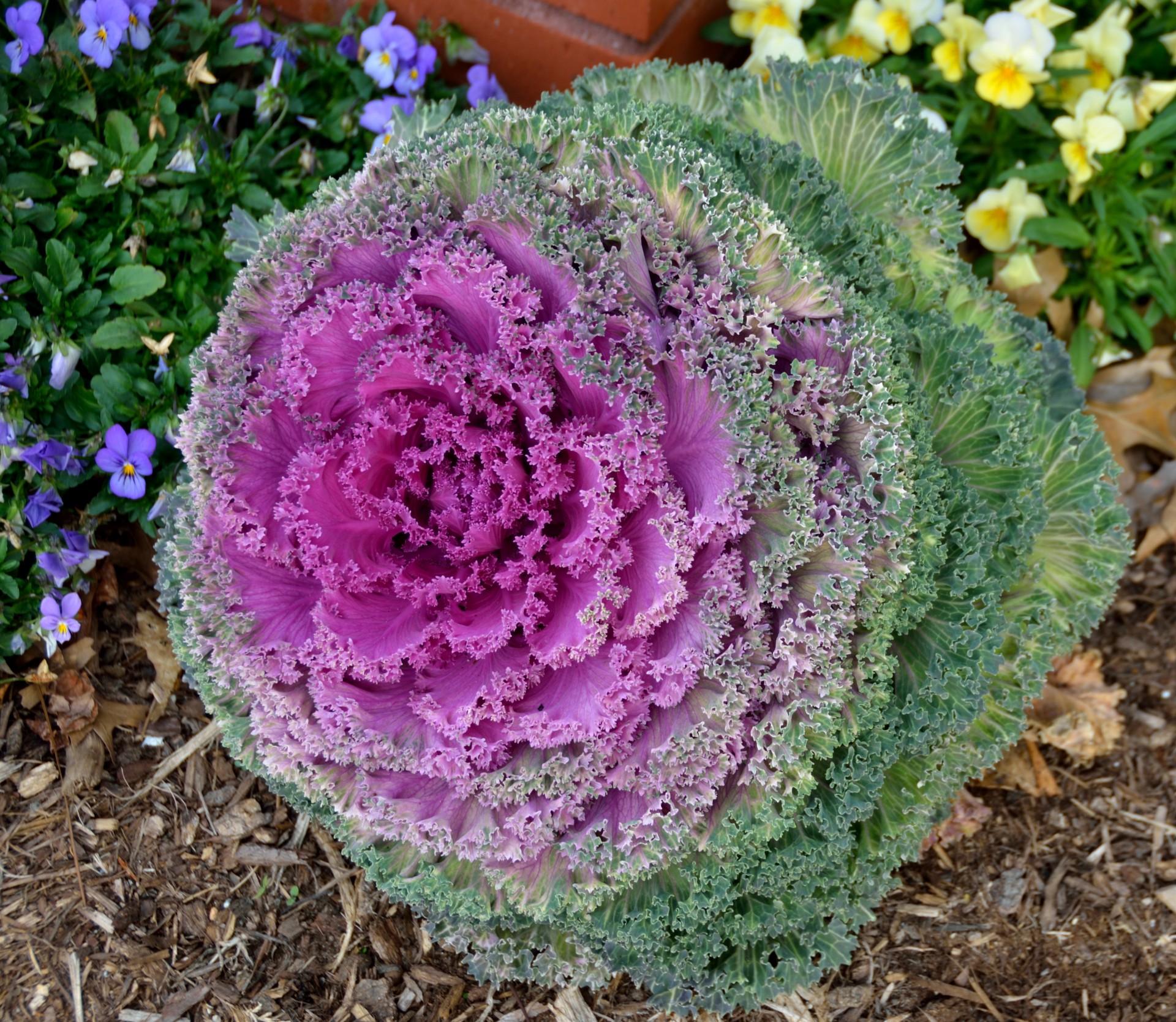 But in the last two decades, scientists have uncovered something even more remarkable: foods contain hundreds of naturally occurring compounds that help protect the body, reduce inflammation, and lower disease risk.
These compounds don’t act like magic bullets — they’re part of a long-term nutritional pattern. Yet their impact on health is far greater than most people realize.
Why We Don’t Hear Enough About Food as Medicine
Modern life has conditioned us to look for quick fixes. We’ve become a culture that wants fast food and fast cures. If we get sick, we want a pill. If we feel tired, we want a supplement. Pharmaceutical commercials repeat all day long, convincing us that the solution is always inside a bottle.
But many medications come with long lists of side effects — often worse than the problem they’re meant to address.
This creates a strange paradox:
We’re surrounded by natural foods with profound healing properties, yet we reach for manufactured solutions first.
Foods That Support Eye Health, Heart Health & More
If your mother told you to eat your carrots because they were good for your eyes, she wasn’t repeating an old myth — she was ahead of her time. Research now confirms that certain foods help reduce the risk of:
-
Age-related vision decline
-
Heart disease
-
Arthritis and chronic inflammation
-
Cognitive decline
-
Immune dysfunction
Whole foods carry protective compounds that work synergistically — something no single supplement can replicate.
A Quick Look at the Science
Researchers have discovered that foods are packed with phytochemicals, naturally occurring plant compounds that support the body in hundreds of ways. These are not the same as vitamins or minerals. They’re additional substances that the body uses to:
-
Reduce inflammation
-
Neutralize toxins
-
Support detoxification pathways
-
Strengthen immune cells
-
Protect DNA from damage
-
Slow aging at the cellular level
Some foods contain well over 100 different phytochemicals in a single serving.
The Power of Antioxidants
Among phytochemicals, antioxidants are the most widely studied. They protect your cells from everyday damage caused by free radicals — unstable molecules formed as your body converts oxygen into energy.
Free radicals are a natural byproduct of life, but when they accumulate faster than your body can neutralize them, they contribute to conditions such as:
-
Heart disease
-
Diabetes
-
Cancer
-
Arthritis
-
Premature aging
Antioxidant-rich foods like berries, leafy greens, carrots, citrus fruits, tomatoes, nuts, seeds, and herbs help keep this oxidative stress under control.
Food First, Pills Second – and Only When Needed
While supplements can support nutrient gaps, they should never replace whole foods. That’s because foods contain thousands of compounds that work together in ways science still doesn’t fully understand. No vitamin pill can duplicate the complexity of a carrot, a blueberry, or a handful of spinach.
By making whole foods the foundation of your diet, you give your body the natural tools it needs to repair, protect, and thrive.
Boost Your Metabolism Naturally: Looking for the best metabolism boosters that actually work? Check out my recommended picks on Amazon:
👉 Best Metabolism Boosters