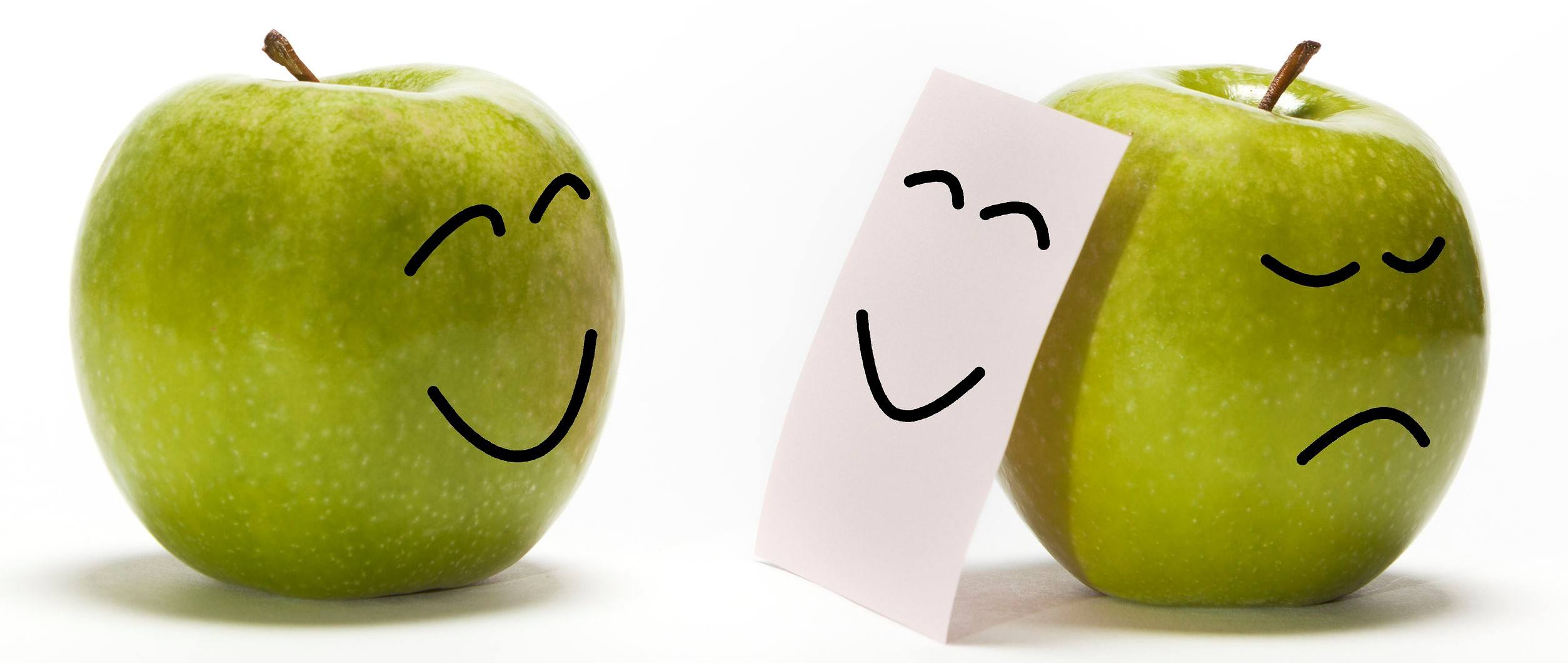
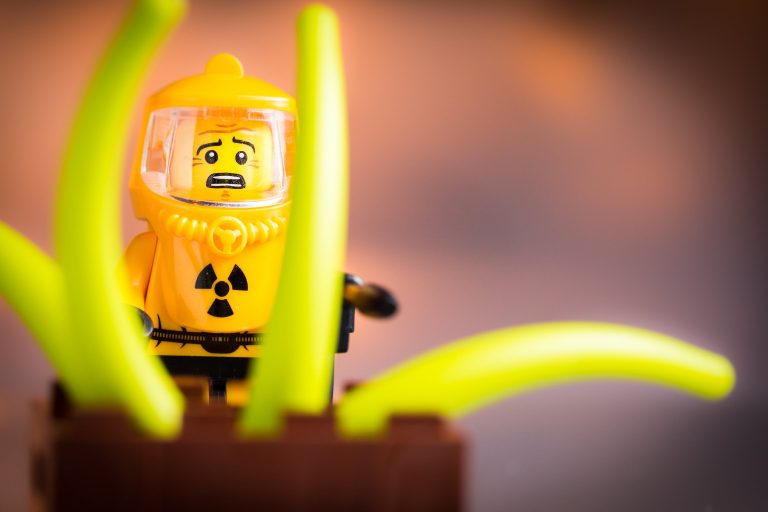
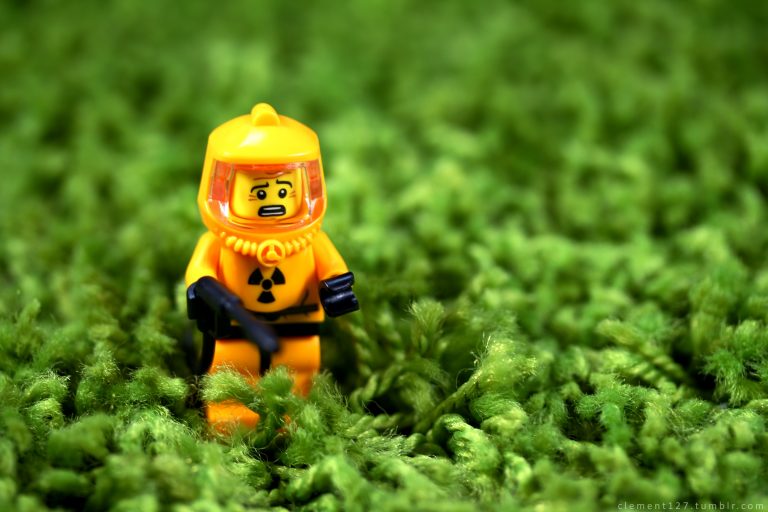
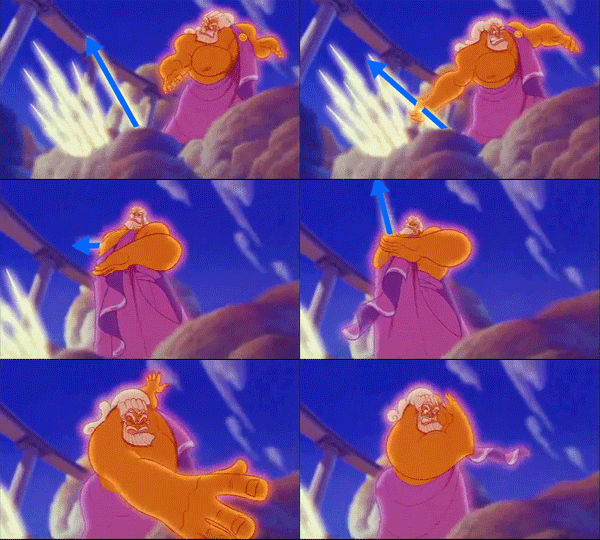
Maybe you’ve felt this way: it’s only a matter of time before someone bursts through the door shouting “fake!”
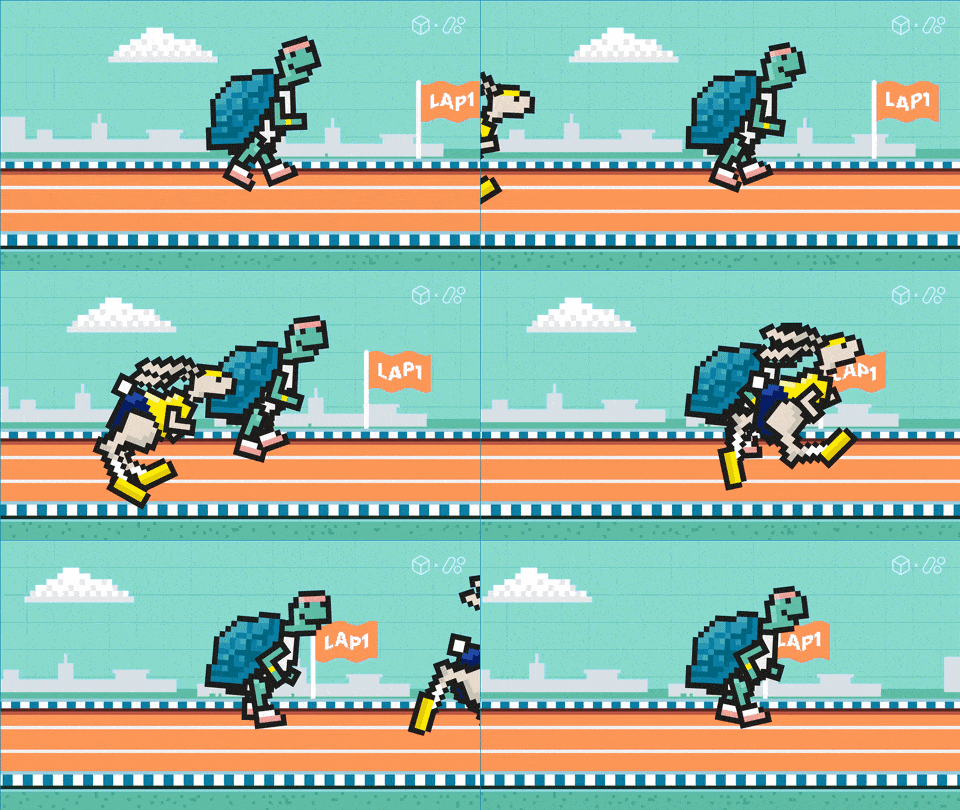
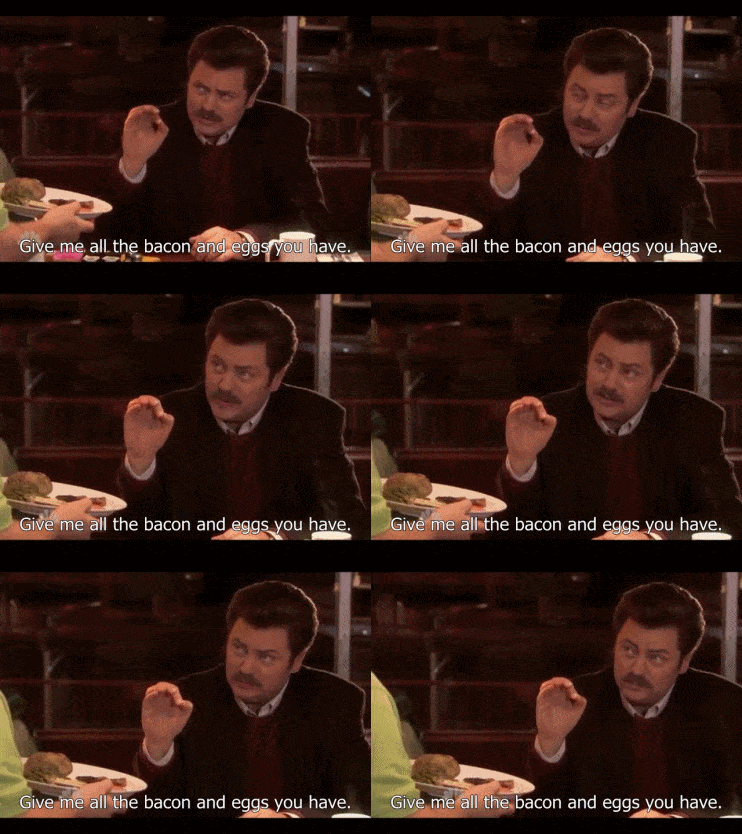
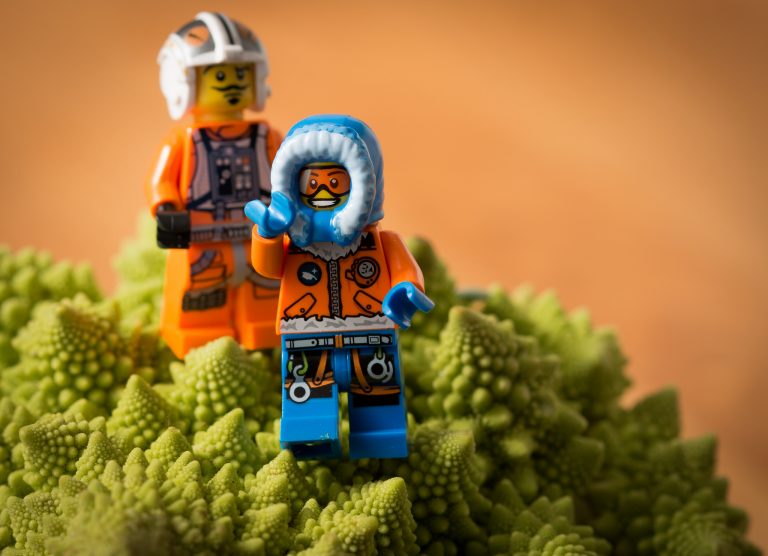
Then, they’ll have you hauled off to jail as a fraud…or ejected into space as an imposter:
Well, feeling like a phony is a real thing and we’ve found it to be fairly common amongst our coaching clients.
Luckily, we’ve learned a few strategies for overcoming “imposter syndrome,” especially on how it relates to fitness. Today, we’ll share our tips and tricks with you too.
Imposter syndrome exists when a person doubts their skills, talents, or accomplishments, despite external evidence of their competence.
Those who suffer from imposter syndrome feel as though they do not deserve all that they have achieved, and instead incorrectly attribute their success to a combination of luck and deceit.
There is also generally a persistent fear of being seen as a “fraud,” that someone, somewhere, will uncover them for what they truly are.
That’s imposter syndrome.
If you’ve ever felt like you don’t deserve your job or accomplishments, you’re not alone. It’s been estimated that 70% of the general population (evenly split between men and women) have felt the effects of imposter syndrome at some point.[1]
Dr. Valerie Young, an expert on imposter syndrome, states:[2]
Impostor syndrome goes beyond a mere lack of confidence. People who feel like impostors hold themselves to an unrealistic and unsustainable standard of competence. Falling short of this standard then evokes shame.
Yeah, not good.
How do we get like this?
Well, it differs depending on the person, but there are some similarities to be found.
Dr. Young identifies five common characteristics of people who generally feel like a phony, despite the evidence to the contrary.
The five types of imposters are:
The Perfectionist
The Expert
The Soloist
The Natural Genius
The Superwoman/Superman
It’ll be important for us to understand each of these, so we can determine some tools and strategies for overcoming them.
So let’s tackle each of these five types of self-diagnosed “imposters” and how it can relate to your fitness journey.
How to Overcome Imposter Syndrome Part 1: The Perfectionist
What’s going on with the Perfectionist?
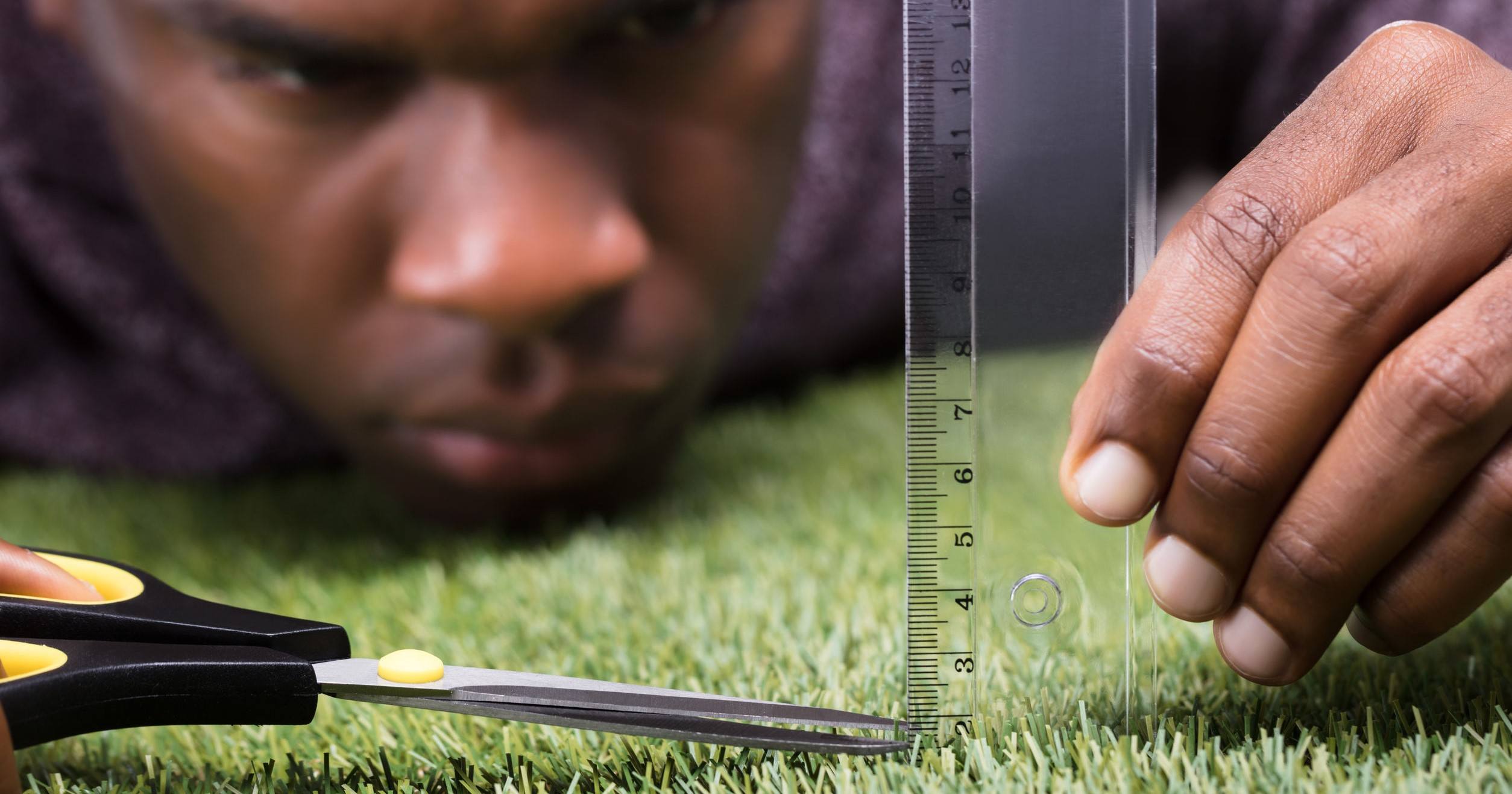
The Perfectionist feels like the work they do must be 100% perfect, 100% of the time.
They set insanely high goals for themselves, which often prove unattainable.
Even when the Perfectionist HAS clearly succeeded at a task, they often feel that they should have done better. Then self-doubt creeps in.
There are some pros and cons here:
On the one hand, it’s good to have high goals. This shows a lot of internal motivation.
On the other hand, if the goals are so high that they mentally cripple you, then they’re not serving you well.
How’s this related to fitness?
The Perfectionist will often have an “all or nothing” approach. If they can’t get an hour workout in, then they’re not going to even bother with it.
This isn’t good, because the “perfect” time to workout rarely happens.
What to do instead?
Change your expectations around fitness.
Yeah, an hour workout would be great. But even just a five-minute workout is better than “no workout.”
As Theodore Roosevelt put it:
Do what you can, with what you have, where you are.
With that in mind, here’s a simple 5-minute routine you can do:
Minute #1: 20 seconds of push-ups, 10 seconds of rest, 20 seconds of push-ups, 10 seconds of rest.
Minute #2: 20 seconds of squats, 10 seconds of rest, 20 seconds of squats, 10 seconds of rest.
Minute #3: Plank for as long as you can, then rest until the end of the minute.
Minute #4: 20 seconds of lunges, 10 seconds of rest, 20 seconds of lunges, 10 seconds of rest.
Minute #5: 20 seconds of push-ups, 10 seconds of rest, 20 seconds of push-ups, 10 seconds of rest. (unless you have access to pull-up bar or alternative, then do pull-ups)
The important thing here is to embrace “good enough.”
How to Overcome Imposter Syndrome Part 2: The Superwoman/Superman
What’s going on with the Superwoman/Superman?
The Superwoman/Superman feels like they should excel in every role they take.
Great spouse? Check.
Mother/Father of the year? You bet!
Amazing colleague? Guess who’s clocking in overtime!
The Superwoman/Superman is addicted to this validation, thus they are externally motivated.
Again, we have some pros and cons:
On the one hand, it’s great they want to contribute to the team.
On the other hand, if there’s no one around to praise them, things might not get done.
How’s this related to fitness?
The Superwoman/Superman often needs an outside event to prepare for, like a 5K. Or maybe they want to get in shape for a wedding or a reunion.
Without such an event, they might not feel validated enough to get to work.
What to do instead?
External motivation is a great kickstart, but look to build internal motivation by doing something even if no one else knows about it. Do the task for its own sake.
To build internal motivation, ask yourself: how do you feel before, during, and after a workout?
By constantly reminding yourself of the positive feelings, you can help build internal motivation. This strategy can help wean you away from exclusively being driven by external forces.
How to Overcome Imposter Syndrome Part 3: The Natural Genius
What’s going on with the Natural Genius?
The Natural Genius feels that everything in life should come easy to them. They judge their competence based on the ease and speed of their efforts.
If it takes them a long time to master a task, they just assume they suck. Then they start to feel shame.
Some pros and cons of the Natural Genius:
On the one hand, it’s awesome to have a lot of success in various aspects of life. There’s nothing to feel guilty about!
On the other hand, this feeling of shame might stop you from growing in new areas.
How’s this related to fitness?
If the Natural Genius isn’t instantly good at something, they push it aside:
I can’t bend like that, so I’m throwing away the yoga mat.
I never catch anything, so I’m quitting Ultimate Frisbee.
Everyone is faster than me, so I’m not showing up to the 5K.
What to do instead?
Remember, being bad at something is the first step to being ok at something.
Or…
To help here, look for evidence of something else in your life that was hard – but you pushed through and accomplished it anyway.
It could be something big, like graduating from college, or small, like building a birdhouse.
The important thing to ask: How did you feel after that?
Also, understand that the work is necessary. You’re never going to be good at EVERYTHING. Instead, enjoy the process and the learning curve ahead!
How to Overcome Imposter Syndrome Part 4: The Soloist
What’s going on with the Soloist?
The Soloist believes they have to do everything themselves.
If anyone ever gives them any assistance, it’s a fail, because now they can’t take any credit for the success.
Even if the Soloist finds themselves in trouble, they won’t reach out, preferring to struggle alone.
You’ll often hear the Soloist say things like “I don’t need anyone’s help.”
Like all our “imposters,” there are some pros and cons here:
On the one hand, it’s great to want to be self-sufficient
On the other hand, this may cause unnecessary stress.
How’s this related to fitness?
If the Soloist runs into any health or fitness struggle, they often shut down communication around the topic.
Ironically, we see this from time to time in our 1-on-1 Online Coaching Program. A client will be doing great, kicking-ass with their workouts and nutrition, and they’ll communicate daily with their coach. But the second they run into any snags, they disappear, almost as if…
What to do instead?
Recognize when you feel like going into “hermit mode” and proactively reach out to others!
Truth be told, the best time to do this is actually before you run into trouble.
Look, things will come up:
Work will turn insane.
A tire will go flat.
Your kid will get sick.
One of the best things you can do when struggling (in fitness or anywhere) is to reach out to someone.
One, they might have some advice.
Two, even just an open ear can be helpful when things aren’t so good.
That’s why we actually encourage everyone who joins Nerd Fitness Prime to reach out to our private Facebook or Discord group. Everyone in there is on a similar journey, so when things go bad, the community can relate.
Someone there might even know what to do.
Whether through the Nerd Fitness Rebellion, work, or some other group, finding an “accountabuddy” can be really helpful when trying to get in shape.
Look around and if you see somebody who’s also on a similar path, say “Hey, let’s do this together!!!”
How to Overcome Imposter Syndrome Part 5: The Expert
What’s going on with the Expert?
The Expert defines themselves by what or how much they know.
Believing they’ll look foolish if they don’t know something, they’ll seek out more information. And more. The Expert endlessly researches a topic, always needing to absorb more.
Also, somewhat ironically, the Expert does not view themselves as an “expert,” instead they choose to remind themselves of their ignorance.
Again, there are strengths and weaknesses here:
On the one hand, being curious is awesome.
On the other hand, constantly searching for more information can be a form of procrastination.
It’s tough, but if you can suck it up and pull the trigger to act, the momentum from that initial decision will propel you forward.
Yes, it’s scary to act and less scary to read more. But acting is what will truly make you an expert.
Getting Rid of Imposter Syndrome (Next Steps)
Perhaps you’ve seen yourself in one of these “imposter” subgroups.
It could be in your fitness and non-fitness related words and actions.
As we covered, each “imposter” comes with certain strengths. But there are also weaknesses.
If you find yourself feeling like a fraud, try one of the strategies we covered today:
Reevaluate your expectations around “perfect.”
Search for internal motivation around the work you need to do.
Remember that it’s okay to “suck” at things now and then.
If you run into trouble, it’s okay to reach out for help.
Ask yourself if you really need to read another internet article, or is it time to act.
If you need help acting, I have three next steps for you.
Next Step #1) Our Online Coaching Program: if you find yourself struggling as the Soloist, maybe it’s time to ask for help.
You can schedule a free call with our team so we can get to know you and see if our coaching program is right for you. Just click on the image below for more details:
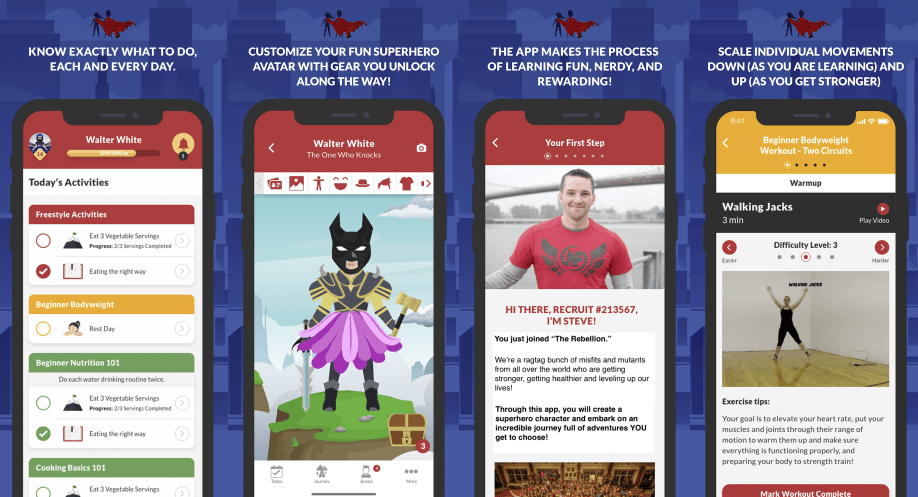
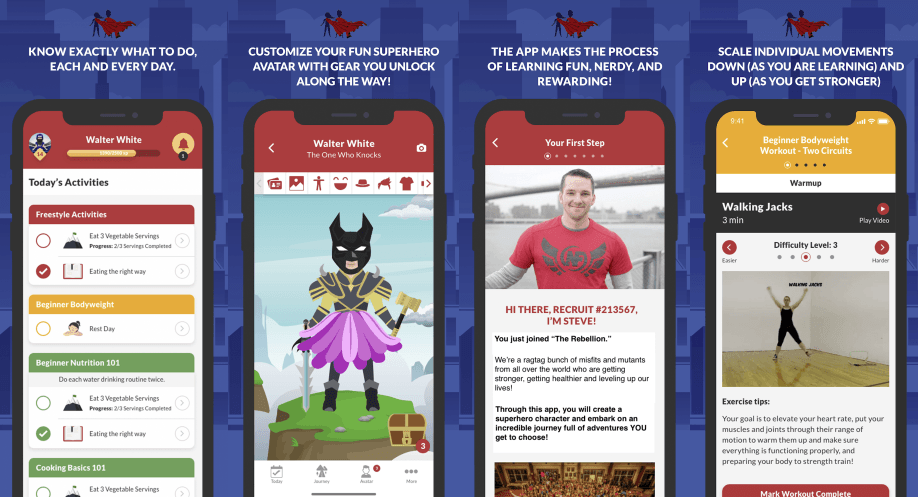
Next Step Number #2) If you need a trigger to get you to “act,” check out NF Journey. Our fun habit-building app helps you exercise more frequently, eat healthier, and level up your life (literally).
Next Step Number #3) Join the Rebellion! We need good people like you in our community, the Nerd Fitness Rebellion. It’s the best place to find an accountabuddy.
Sign up in the box below to enlist and get our Rebel Starter Kit, which includes all of our “work out at home” guides, the Nerd Fitness Diet Cheat Sheet, and much more!
Get your Nerd Fitness Starter Kit
The 15 mistakes you don’t want to make.
Full guide to the most effective diet and why it works.
Complete and track your first workout today, no gym required.
Alright, I want to hear from you:
Do you occasionally see yourself as an imposter or fraud?
Which one of the subgroups do you recognize in yourself?
Any tips or tricks for overcoming imposter syndrome?
Let me know in the comments!
-Jim
PS: Props to Dr. Valerie Young for helping people overcome imposter syndrome. Young is doing good things in the world.
Disclaimer: We’re going to be discussing some issues that may be difficult for some going through a tough time. If you (or someone you know) aren’t coping so well, PLEASE see the links at the bottom of this article with some resources from all around the world. Obviously, we recommend discussing this information with your health professional – none of this is a diagnosis, but rather a starting point for discussion.
From here, mental health wizard and resident NF Family Rebel Correspondent, Dan Schmidt, will take it away:
What is Seasonal Affective Disorder?
Aside from being a really clever acronym, Seasonal Affective Disorder (SAD) is a mood disorder that, spoiler alert, has a seasonal pattern.
It’s also known as:
Winter depression
Winter blues
Seasonal depression.
In a nutshell, SAD makes people with ‘normal’ mental health experience depressive symptoms at a specific time each year – most often winter.
SAD can be a cruel, powerful, and damaging arctic foe.
But armed with the right weapons, we can ward off the winter monster, or even keep it in full hibernation.
How Do I Know if I have SAD?
Most of us feel a little glum in winter… it’s natural to feel a little down.
Cold mornings, less time outside, and often it’s not as easy to get out and do our favorite things:
So for a lot of us, winter just sucks a little.
We’ve known something was up since the 6th century, but SAD remained a mythical creature until the 1980s in the West when it became officially recognized as a mood disorder. While we’re still not 100% sure of how it works; it’s pretty clear to see that SAD especially thrives in the cooler, darker climates.
For example, studies show[1] SAD’s prevalence in the U.S. ranges from around 1% in Florida to 9% in Alaska. Looking around the world, in Oslo, Norway, around 14% of the population will be impacted by SAD,[2] while us lucky buggers Down Under are barely impacted at all, with estimates that only around 1 in 300 Aussies (0.33%)[3] will experience SAD during the “winter.”
Yes, SAD can occur for some people during summer and other seasons, but this is particularly rare compared to winter prevalence.
Common SAD symptoms include:
low mood for most of the day.
loss of interest in your usual activities.
drowsiness and low energy (lethargy).
fatigue, irritability, and severe mood swings.
Irregular sleep patterns (too much and/or too little)
eating more than usual, especially craving sugar and carbohydrates, leading to weight gain.
loss of interest in things you normally enjoy doing.
intrusive or disturbing thoughts.
Depression is not just a fancy word for feeling “bummed out”, and SAD is just as serious as any other depression and needs to be dealt with promptly and effectively. (See the end of the article for a list of mental health services links.)
“But how do I know the difference between general winter glumness, or if I’m being mauled by the SAD beast like Leo in the Revenant?”
Ask yourself these questions:
“Do you feel like you can’t get yourself out of this rut?”
“Have you lost an interest in things that you usually enjoy?”
“Have you felt this way for more than two weeks?”
If so, then it could be time to have a chat with a professional and perhaps seek treatment. Once again, SAD is just as real and can be just as devastating as Major Depressive Disorder; the only difference is the yearly regular onset.
This bitter beast can take over someone’s entire wellbeing, and left untreated, the consequences can be devastating.
So let’s learn how we can slay the SAD, or even better, keep it in hibernation this year, so we nerds can continue to conquer all year round.
What is the best treatment for Seasonal Affective Disorder? (Slaying the SAD Beast)
As with any injury or illness boss battle, you need to use the right medicine weapon to save the day. And there are many weapons you can equip yourself with to slay SAD.
Here is how to treat Seasonal Affective Disorder:
#1) GET SOME LIGHT:
Light helps the body produce serotonin (hormone that affects mood) and reduces the production of melatonin (hormone that makes you sleepy).[4]
Starting with natural light is best, even though it’s not easy. If the sun happens to be peeking out from the clouds, try and get outside for a nice walk. Even on cold or cloudy days, outdoor light can help, particularly in the morning. Making your work and home environments as light and airy as possible and sitting near windows can help too.
If you feel you’re just simply not able to get enough natural light, ‘Light Therapy’is generally one of the first weapons picked up to slay SAD.[5] It can start alleviating symptoms in just a few days and rarely causes any side effects. It’s incredibly simple, and sitting under bright fluorescent globes or in front of a therapy lamp (again, particularly in the morning) has shown to be effective against SAD[6] (anecdotal, but I once met a young woman who started to feel better just by increasing the wattage of her bedroom lightglobes).
#2) EXERCISE AND DIET
Surprise, surprise, our old friends come to the rescue once again. It’s clear[7] that exercise and eating well are key in keeping the blues at bay, so rug up and take a long walk, and be sure to exercise regularly.
Exercise and other types of physical activity help relieve stress and anxiety, both of which can increase SAD symptoms.
If you’re really keen to take on winter, try the Winter Is Coming Workout, and start building that summer body early. For those who don’t like the freezing weather, that’s cool (get it?), you can always do Steve’s 20-minute hotel room workout (pro tip: you don’t actually need to be staying in a hotel room to do the workout… that was $250 I’ll never get back).
As for diet, Steve has already highlighted, if you’re going to eat unhealthy foods during winter, let’s at least be smart about it and negate the impact the holidays have on our waistlines. Try your best to provide a counterbalance to those comfort foods, and keep your diet as close as you can to what it is the rest of the year.
#3) THERAPY
Talk Therapy (Psychotherapy) and cognitive behavioral therapy sound scary but really aren’t.
Psychotherapy focuses on helping you to build skills to deal with the stresses in your life, along with identifying and changing negative thinking patterns. Therapies such as these assist with relearning some of the patterns and thoughts in your life that aren’t doing you any good.
It can feel daunting and really weird ‘opening up’ to a stranger at first. But having a coach to talk through your negative thoughts and feelings, someone who can teach you to manage those better, is generally quite effective. Most people will notice an improvement in as little as two weeks. Really, the “weird” stigma is usually the biggest barrier to even doing the thing in the first place!
#4) GET SOME VITAMIN D
When exposure to sunlight is low, your body makes less Vitamin D.[8] According to this study,[9] Vitamin D deficiency affects nearly HALF of the world population. It is important for overall health. Our friends over at Examine say that if your diet is decent and there’s only one supplement you’re taking, it should probably be Vitamin D during these upcoming months.
The research is a little mixed when it comes to Vitamin D’s effectiveness in battling SAD,[10] but some studies[11] do show an improvement to everyone’s depression scale scores (those with or without SAD). Overall, if you aren’t getting enough sunlight in the winter, consider picking up some Vitamin D!
#5) GET AWAY
If you’re lucky enough to have the opportunity (and can do so safely), take a winter holiday in a sunny, warm location if you feel the SAD is lurking too close to home. If you’re looking to save some cash, I’m happy to have any Rebels crash on my fold-out couch during the Aussie summer (a love of cricket, barbeques, and beer is a must [BYOBB]).
Finally, some people with SAD benefit from antidepressant treatment, especially if symptoms are severe. We’re not here to offer any medical advice, so please see your doctor if you think medication may assist you.
Moving forward with SAD (This too shall pass)
It’s normal to have some days when you feel down, and the holiday season can be especially hard for some.
When short days and miserable weather are piled on top of this, it’s easy to see why ‘winter blues’ is so common. But if you feel down for days at a time and you can’t get motivated to do activities you normally enjoy, please speak to someone and see your doctor. This is especially important if your sleep patterns and appetite have changed, you feel a sense of hopelessness, you have intrusive thoughts, or you turn to alcohol/substances for comfort or relaxation.
Above all, take care of yourself this winter:
Be sure to get enough rest, and take the time to relax.
Reach out to a trusted friend, family member, or health professional if you feel you’re having a tough time.
And if someone reaches out to you, remember: We are Rebels, we fight conventional wisdom and smash stigmas. Never leave a fellow nerd behind.
If you feel the bitter, arctic beast starting to rise from its summer slumber, remember that you are not alone, and there are ways to slay the frosty fiend. You are strong enough to beat this, and the entire Rebellion has your back.
Want a little more from us?
If you want to continue your journey with Nerd Fitness, we have three great ways for you to do so:
#1) Our Online Coaching Program: a coaching program for busy people to help them make better food choices, stay accountable, and get healthier, permanently.
You can schedule a free call with our team so we can get to know you and see if our coaching program is right for you. Just click on the button below for more details:
#2) Check out NF Journey, our fun habit-building app that helps you exercise more frequently, eat healthier, and level up your life (literally).
#3) Join the Rebellion! We need good people like you in our community, the Nerd Fitness Rebellion.
Sign up in the box below to enlist and get our Rebel Starter Kit, which includes all of our “work out at home” guides, the Nerd Fitness Diet Cheat Sheet, and much more!
Get your Nerd Fitness Starter Kit
The 15 mistakes you don’t want to make.
Full guide to the most effective diet and why it works.
Complete and track your first workout today, no gym required.
Alright, that does it for me. Rebels, take care of yourself and each other.
Do you have your own secret weapon to slay the SAD? We’d love to hear from all you Rebels about how you keep your mind healthy during winter; the more ideas we all have, the better! Let us know in the comments!
– Dan
PS – If you, or someone you know, would like further support, here are some excellent links and services that will get you started in the right direction:
The problem is that pesky things like “reality” and “genetics” and “human behavior” keep getting in the way.
It’s why everybody goes on diet after diet after diet, gaining and losing the same 10-50 lbs.
Most people can only stick with a diet for a few weeks before they’re so miserable that they can’t wait to go back to how they were eating before.
They count calories and allow themselves to eat “health food” like low-fat ice cream and low-fat chips and just two Oreos. These people are so nutritionally deficient—eating calorie-heavy, unfulfilling foods—that they struggle to stay under their allotment of calories for the day. D’oh.
To make matters worse, even if they’re counting calories, they’re probably misreporting their food and overeating without realizing it.[2]
This is why people get so dang frustrated when they go on a calorie-restricted diet, track their food, and still don’t lose weight. The only explanation must be that their bodies must have slow metabolisms.
Yes, some people can do well with calorie counting long term – and I do believe EVERYBODY should count calories for at least a week to educate themselves about the food they are eating – but I think it’s only part of a solution that has plenty of room for error.
Watch this quick video of a person who believes she has a slow metabolism[3].
It turns out the exact opposite is true. Crap.
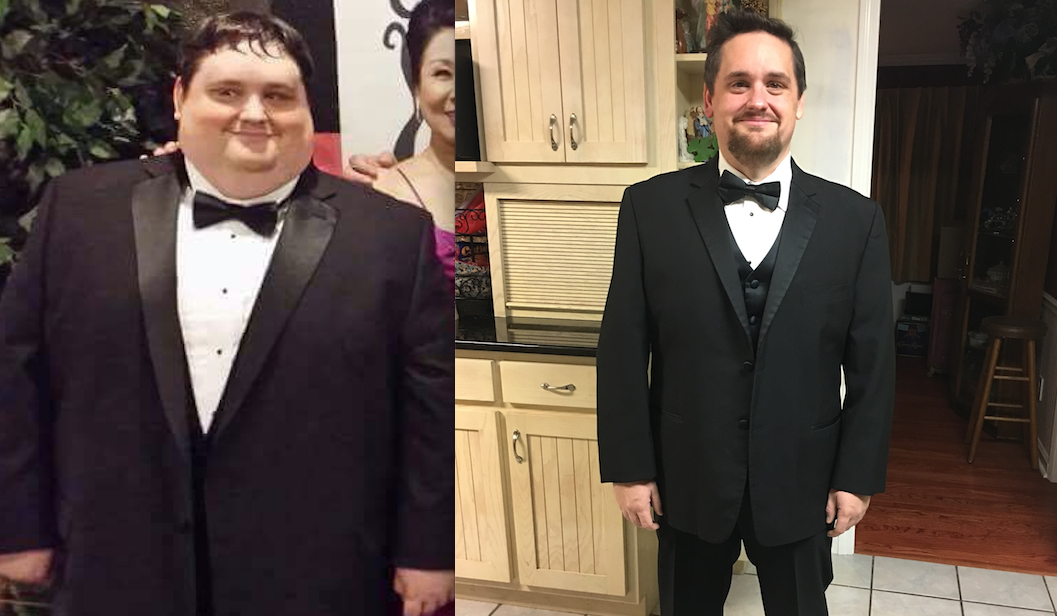
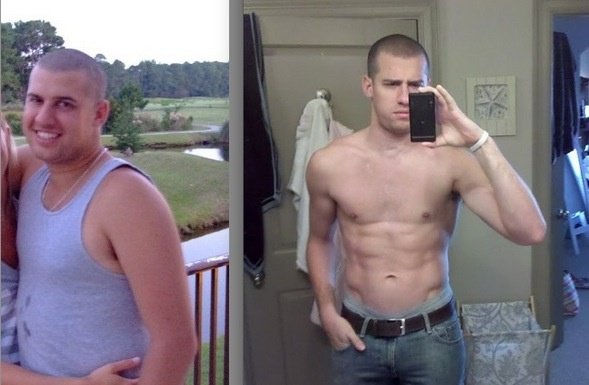
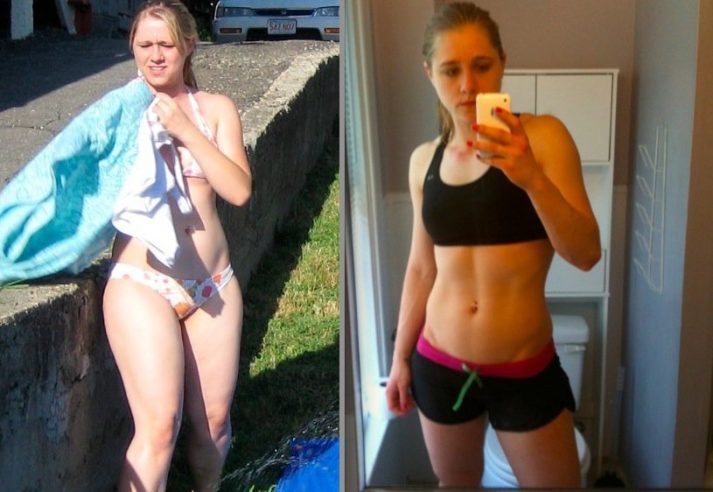
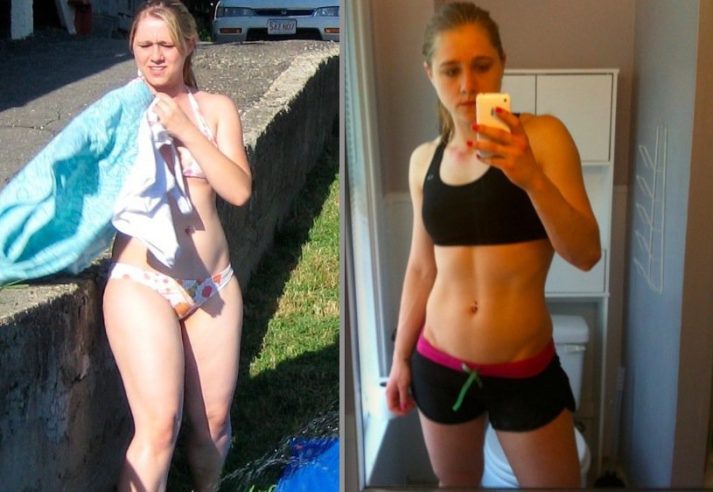
Despite everything stacked against us, Nerd Fitness is FULL of success stories of people who have lost 100s of pounds and kept the weight off. Here are a few dramatic ones (click on the images to read their full stories):
What gives?
Nerd Fitness doesn’t just tell you what to eat. Any Google search can tell you that.
At Nerd Fitness, we’re helping you learn HOW to think about eating too.
And that’s the difference-maker.
Which Diet Will Help Me Lose Weight? (Mental Models for the Win)
The Nerd Fitness community is full of ridiculously smart people. Smart people that have tried in vain to lose weight for years or decades.
It’s because we’re fighting a brutal, uphill battle.
For many of us, food is way more than just fuel:
It’s a coping mechanism.
It’s how our moms showed us love.
It’s what we turn to when we’re happy or sad.
It can provide us with a small bit of happiness during an otherwise boring day.
Add in the fact that unhealthy food has been designed in a laboratory to be so delicious that it must be consumed in mass quantities, and trying to eat “just a few” of something is nearly impossible.
Next, add a dash of “I am obsessive and if I start to track calories I’m going to drive myself insane,” “even if I track my calories I’ll probably underreport how many calories I eat by at least 20%,” and “there is so much information that this all appears so overwhelming, so it’s a lost cause.”
This is why Mental Models are so useful (hat tip to my friend Shane over at Farnam Street Blog who taught me about Mental Models). I’m gonna borrow the concept here for nutrition.
Enter a MENTAL MODEL DIET:
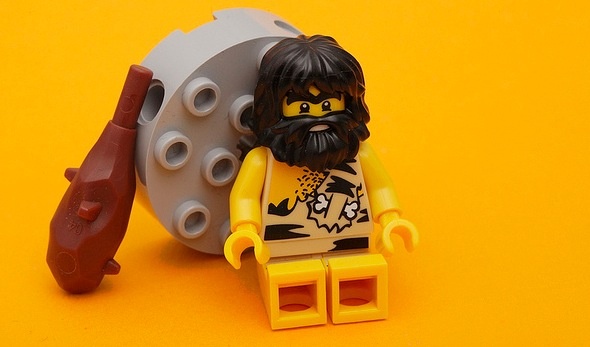
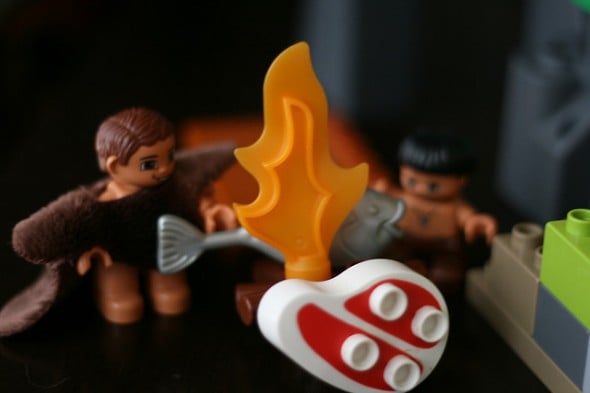
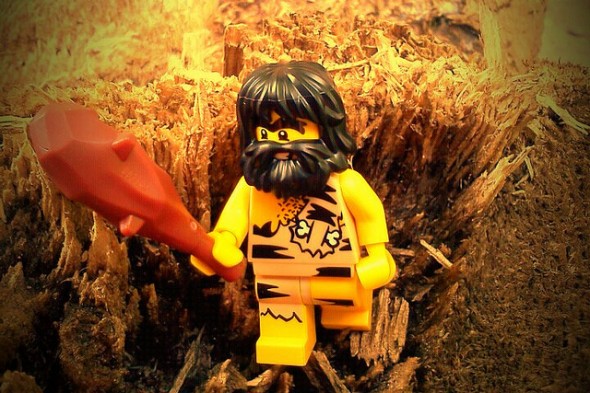
Paleo Diet: If a caveman didn’t eat it, neither should you. “Okay, what would a caveman eat? Probably things that grow in the ground, so vegetables and fruit, and also animals. They wouldn’t eat candy or bread or pasta or drink soda.”
Keto Diet: Keep your carb intake under 5% (or more extreme, 10 grams, for example) of your total calories so your body has to burn fat for fuel instead of carbs and sugar. “Time to learn how many carbs are in everything I eat, and start tracking.”
Slow Carb Diet: Eat legumes, protein, veggies. “Time to learn how to make food that only fits the slow-carb model. At least until cheat day!”
Intermittent Fasting: Only eat between 12pm and 8pm. Occasionally do 24-hour fasts. “Okay, so I’ll just skip breakfast. That’s one less meal I have to think about.”
In each of the above options, there are a few similarities that make them such trendy/popular diet choices.
For the sake of simplicity, we’re going to hold off on digging into the health benefits that apply to a small percentage of the population on certain diets (Keto to treat epilepsy, Paleo/Keto for Hashimoto’s Disease, identifying a gluten intolerance, etc), we’re going to focus on the reasons MOST people pick these diets.
They’re simple to comprehend and will probably help you lose weight:
#1) They all will result in you eating fewer calories (usually).
If you follow the Paleo Diet, you are eliminating some of the most calorie-dense, nutritionally deficient, unhealthy foods out there. No more soda, no candy, no bread, no pasta, no sugar, no dairy.
If you follow the Keto Diet, you must track your carb intake, which means you’re going to also learn how many calories are in everything else you eat. You’re also essentially eliminating an entire macronutrient from your diet that’s notorious for keeping people overweight.
If you follow the Slow Carb Diet, you learn about which foods you can eat and which foods you can’t eat: yes to beans, no to dairy and grains. Like Paleo or Keto, you’re eliminating massively unhealthy foods from your diet, which will most likely result in weight loss.
If you do Intermittent Fasting, you’re eliminating 1/3rd of your meals for the day! Let’s say you normally ate an 800 calorie breakfast, 800 calorie lunch, and 800 calorie dinner. If you SKIP breakfast, that means you could eat larger lunches and dinners (1000 calories each) and still end up eating 400 calories less per day on average. That’s enough for 3-4 pounds of weight loss per month!
#2) You can answer “YES” or “NO” to adherence.
Sure, it would be great if you could weigh every element of food that you eat, and track each meal in a spreadsheet and KNOW you’re tracking each calorie and macronutrient correctly.
However, for the rest of us, working regular jobs, with kids, and lives, this shit is wayyyyy too much.
So these mental models are so damn helpful because they can simplify the overly complicated and allow us to get out of our own heads.
These Mental Model Diets require compliance and consistency. In each instance, there’s a very specific answer you can say every day, and a question you can ask yourself with each meal.
As our favorite green Jedi Master once said:
Paleo Diet: “Would a caveman eat this?” Yes or no.
Keto Diet: “Am I in ketosis?” Yes or no. You can even pee on strips to see if you are in ketosis.
Slow Carb Diet: “Did I only eat slow-carb foods today?” Yes or no.
Intermittent Fasting: “Did I skip breakfast today? Did I stop eating after my feeding window?” Yes or no.
In each of these examples above, it removes ALLLLLLLL of the fluff, simplifies the heck out of our complex physiology and a complex problem. And it allows us to stop fooling ourselves.
With the mental models above, we have rules and a framework within which we can operate. It starts with black and white YES or NO questions we can ask.
We know what (or when) we can and can’t eat.
It’s a lot easier to fool ourselves when we are sneaking bites of cookies, having an extra roll at dinner, drinking a larger soda during a long night at work, eating some of our kid’s Halloween candy, and overeating while absentmindedly watching television.
When the rules are black and white, yes or no, there’s no place to hide.
Which means we need to get our act together if we’re going to stick with something.
We start to understand the quality and quantity of things we are putting in our pie holes. We start to dig into our relationship with food.
And in MANY cases, we start to lose some weight (again, see #1 above); this starts to make us feel better about ourselves. And we chase that feeling.
We create a positive virtuous cycle where we lose weight, get complimented, wake up not feeling like crap, look forward to exercising, and over time we become permanently changed, healthier, happier people.
In a similar vein, The Whole 30 Diet works for many people (“I only eat Whole 30 foods for the next 30 days”), but it will not result in long term changes if somebody goes back to their original unhealthy diet after the 30 days are up.
Temporary changes = temporary results.
#3) They can be done incorrectly, are tough to stick with long term, and won’t work for everybody.
Depending on our genetics, upbringing, lifestyle choices, addiction to sugar, relationship with food, what foods satiate us, etc., some of these options might work better for us than others.
As mentioned above, if ANY of the above nutritional strategies are done temporarily, they will result in temporary changes. This is how the majority of people go through life: gaining and losing the same 15-30 (or 50, or 100) pounds as they go on a diet and off a diet.
It’s a rollercoaster.
And not the good kind of rollercoaster with flips and corkscrews and probably involving Batman. It’s more like one of those rickety old wooden coasters that ruins your back.
Those rollercoasters suck, and so does putting your body through crazy weight-loss extremes, up-down, yes-no, yo-yo.
Although these Mental Model diets can help people lose weight, they are often done for short time periods to get quick results.
And that’s only if people can actually stick with them long enough to get results!
Let me explain.
Why Can’t I Stick to a Diet?
There are two main reasons why these diets won’t work for you.
Some of them are more strict, have more rules, and require you to be more militant in your approach.
Even if you are strict in applying the rules, you can STILL do the diets incorrectly and gain weight because of this whole concept of thermodynamics.
MOST PEOPLE GROW FRUSTRATED BY POPULAR DIETS BECAUSE:
#1) You Can Do These Mental Model Diets Incorrectly:
Paleo: I know people who “go paleo” but eat just as many calories as they did in the past: they are eating paleo cookies, buckets of dried fruit (soooo much sugar and carbs), sweet potatoes, and so on. This person will be frustrated when they don’t lose weight.
Keto: If you go Keto but eat 5,000 calories per day, you’re gonna put on weight. Do this while sitting on your ass not doing heavy strength training, and that weight will be all fat.
Intermittent Fasting: If you do intermittent fasting but eat 2,000 calorie lunches and dinners, you’re gonna put on weight. Hell, I put on probably 30 pounds while doing IF, which was my plan.
Slow Carb: If you go slow-carb but eat 6,000 calories of beans and other slow-carb worthy foods, you’re gonna gain weight (and have extreme flatulence).
#2) Sticking with these Mental Model Diets for the long haul can be tough!
The Paleo Diet and the Keto diet often come up dead last when it comes to a “List of Best Diets.”[5]
Now, the people writing those lists certainly have agendas, are trying to deal with the general population, adherence, a number of other factors, and more. In addition, there just haven’t been enough long term studies on some of these newer diet strategies.
Oh, and factor in anybody that wants to get page views by taking shots and tearing down whatever becomes popular. We’ll call this the “hipster phenomenon.” I look forward to the vitriolic backlash to Keto Diets over the next 3 years.
And you never know who to trust. Coca-Cola famously used to bribe scientists to conduct studies claiming sugar was healthy.
So why the hate for diets that have changed millions of lives and will probably help you lose weight?
The reason these diets have poor compliance is that most people will abandon them within days/weeks after starting them:
If somebody is following Paleo or Keto, they’re gonna go through “carb flu” symptoms as their body has to learn to burn fat instead of carbs for fuel. Their body can revolt against this, making them miserable for days or weeks.
Many give up and go back to sweet, comforting carbs. I imagine this happens to the majority of people.
For others, they might make it past the physiological challenges but still give up on the date. They hate having to be the difficult one at barbecues, they hate weighing food or counting carbs, and find the diets too restrictive to fit into their lives.
Compliance and elimination of certain foods can be really challenging, especially for people with families, who travel for work, and aren’t in control of the lunch and dinner options.
In an EXTREME example of a Mental Model diet done for publicity, a professor went on the Twinkie Diet (he ONLY ate Twinkies) and lost 27 pounds.[6]
Disregarding the health implications of only eating Twinkies, I can’t imagine saying “this is a diet I can stick with for the next decade.”
#3) People think “All or Nothing” and quickly abandon the diet when compliance fails.
If you are somebody who is on a Keto Diet or Paleo, you have a very specific set of rules to follow. If you accidentally slip up:
Oh crap, that food had more carbs than I realized, I am now out of ketosis and my world has ended.
Oh crap, I didn’t realize this was dairy. I have now brought shame upon my paleo heritage and must atone for my sins.
Life happens. Shit happens. And with these diets, we dumb humans have this unique ability to take one tiny mistake and allow it to ruin the next decade:
“I ate a breakfast that wasn’t Paleo, today is ruined and so this month. I’ll try again next month (even though it’s only the 5th). Oh, look, a pile of carbs! NOM NOM NOM.”
“I got knocked out of Ketosis, which makes me a loser that can’t stick with anything and I hate myself. What’s the point? Who cares that I was in ketosis and lost 30 pounds. I’ll try again later. Now back to my regularly scheduled program of carbs and carbs and carbs topped with carbs!”
No wonder 60+% of America is overweight! We’re surrounded by calorie-dense, nutritionally-deficient foods designed to make us overeat.
We’re also surrounded by diet plans and products that promise fast results with no effort. We sabotage ourselves by thinking “99% complaint” is a failure and thus it’s a quick slide back to “0% compliant.”
It’s for these reasons I LOVE the IDEA of the Mental Model Diets above, but know that they’re not for everybody. They’re actually not for most people.
I think they can be a valuable starting point to help somebody simplify their decision-making process and educate themselves about the food they’re eating.
These Mental Model Diets can help people identify certain nutritional deficiencies or imbalances somebody might have, or unknown allergies.
They can help people identify sugar addictions, gluten intolerances, emotional triggers for food, and other valuable information to uncover.
And as previously mentioned, some of these diets even have serious health benefits for certain conditions (Keto has been used to treat epilepsy, for example).
But let’s stick with the general population and keep things simple.
For somebody that is very overweight, following one of the Mental Model Diets can be a huge boon and momentum builder. They can lose lots of weight early on, and build off this success to beget further success.
I also think long term compliance is really difficult for 95+% of the planet.
This is why the Paleo Diet isn’t for me. Nor is Keto. Or slow-carb. And although I have been Intermittent Fasting for close to 5 years, I still don’t mind eating breakfast or brunch occasionally because it fits for me.
I want the solution that is pretty good. That gets me results. That fits into my reality.
This is the rough philosophy behind our 10-Level system which you can download as a free PDF when you sign up in the box below, which allows you to be damn good most of the time! Simple rules you can follow, and increase the challenge as you build momentum.
Download our free weight loss guide
THE NERD FITNESS DIET: 10 Levels to Change Your Life
Follow our 10-level nutrition system at your own pace
What you need to know about weight loss and healthy eating
3 Simple rules we follow every day to stay on target
What Is the Most Effective Weight Loss Diet? (The 80% Solution)
You are a real person who lives in the real world and thus must deal with this thing called reality.
Sucks, I know.
We have to learn to make a Mental Model diet fit into our personal reality:
If you work in a candy store or a pastry shop, trying to go full Paleo 100% of the time is going to be impossible. You’re setting yourself up for failure, because you’re expecting your reality to be different than it is.
If you’re married to somebody who loves to cook Italian food, cutting out pasta is the first step towards divorce.
If you have kids, only keeping Keto foods will not win you any “Parent of the Year” awards. And you can kiss that “#1 Dad” mug goodbye.
If you can’t have “just one” of something, don’t fool yourself into trying to be disciplined enough to have “just one.” It’s actually why I pay extra money for small cartons of Goldfish Crackers and/or small cans of soda. It makes it easier for me to treat these things like…well, a treat and less like a staple of my diet.
You need to educate yourself about the food you eat. You need to identify the mental models that simplify your decision-making process when it comes to food.
And you need to pick the level of adherence that aligns with your goals:
It’s why I wrote about how I’m “Paleo-ish” in the past. For some people, they start Paleo and settle into a “good enough” mentality that still has guardrails.
It’s why thousands have joined Nerd Fitness Prime for our 10-level diet blueprint.
And it’s why our Online Coaching Program doesn’t promote a “one diet fits all” solution. Our coaches have our hundreds of clients track how they’re eating now and then educate them to introduce new rules and challenges from month to month!
We don’t want you to follow a diet for the next 30 days. We want you to follow a nutritional strategy that you can stick with for the next DECADE.
Which means you need a solution that accomplishes three things:
A strategy that you can follow consistently for 5+ years.
A strategy that you can track your compliance with.
If done long enough, a strategy that will help you reach your goal weight/physique.
Following a “pizza, pasta, and soda” diet might be something you can stick with for 5+ years, but it won’t make you reach your healthy weight.
If Keto will help you lose weight but you can’t stick with it for 5+ years, then “strict keto forever” probably isn’t the best strategy for you.
This is why we want rules we can follow, that help us reach our goals, that we can live with permanently.
Think of these rules like bumper lanes in bowling.
You can’t throw it in the gutter (0% compliance), but you have enough guardrails that allow you to still knock over the pins (weight loss).
THAT is the sweet spot.
What’s a “Good Enough” Diet? (Steve’s 80% Solution)
I’ve identified certain mental models and rules that help me make sense of my day without being overly neurotic, still have fun with friends, and ALSO allow me to reach my strength training and physique goals.
Here’s my personal “80% of the time, it works every time” strategy:
#1) Skip breakfast.I don’t eat breakfast. My first feed happens after my 11am workout. Yup, sometimes I’ll eat brunch on a weekend or have a bagel/donut, but that’s rare. I love Intermittent Fasting, it works for me, and I’ll probably do this for the rest of my life.
#3) Know my calories. I skip breakfast, and I eat the same lunch every day, and I know the basic quantities and calories of foods I normally eat. This means I generally know how many calories I’m eating every day with minimal effort. This is done more strictly if I am targeting certain goals.
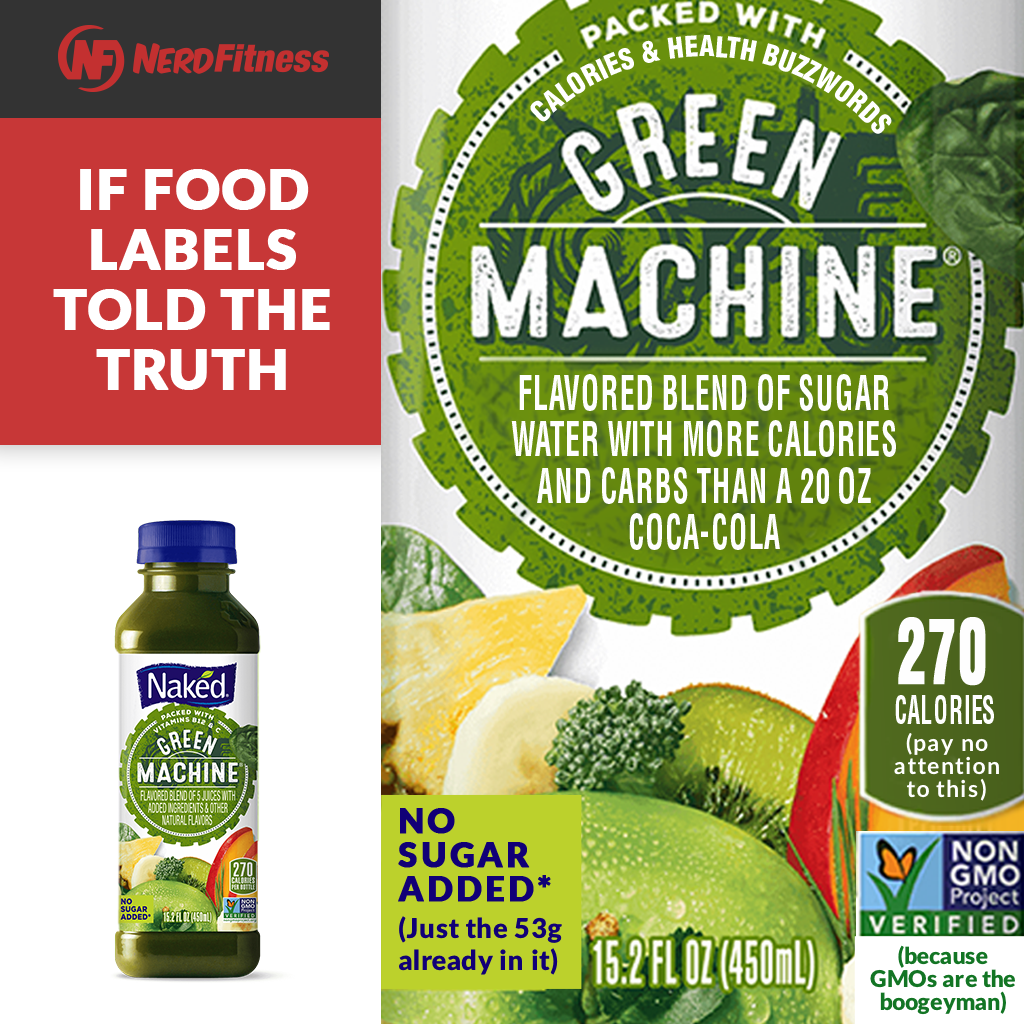
#4) No unnecessary liquid calories. I drink black coffee, unsweet black tea, or water. No soda. No juice (which is pretty much sugar water). I do put whole milk in my powerbomb smoothies, which I drink specifically to help me overeat on training days to build muscle. I still drink whiskey (neat) or good beer when the occasion calls for it!
#5) Never eat two unhealthy meals in a row. If I eat an unhealthy lunch (pizza and wings and beer), I either make my dinner healthy or skip dinner entirely. If I ate an unhealthy dinner, my lunch the next day is going to be healthy. I know myself, and when it comes to momentum-killing, 1 bad meal is a speed bump, 2 is a brick wall.
Before I help you come up with your own rules, I want to address the elephant in the room.
Hi, elephant!
Okay, now that I’ve addressed him, let’s talk about vegetarians and vegans!
Will Being a Vegetarian (Or Vegan) Help Me Lose Weight?
I actually considered including Vegetarian or Vegan mental models in the above sections, as I know we have plenty of plant-based folks in the Rebellion.
Here’s why I didn’t: neither option satisfies Rule #1 (“By following this strategy, you will most likely lose weight”). Allow me to explain.
Yes, as a vegan or vegetarian, you can ask yourself: “Is this Vegan/Vegetarian? Yes or No” (Rule #2), which does make it a mental model in that respect.
However, in order for you to lose weight and be healthier on either mental model, you need to be very aware of the foods you’re eating and how many calories they have—which introduces more complexity.
Pizza, fettuccine alfredo, bowls of sugary cereal, grilled cheese sandwiches, and calorie-bomb burritos can be vegetarian.[7]
Donuts, pasta, and bread can be vegan.
Plant-based? Technically, yes.
Healthy? Ehhhh.
Just like you can do Paleo or Keto incorrectly, you absolutely can be an unhealthy vegetarian or an unhealthy vegan. The same is true of going gluten-free.
Long story short: if you are thinking of going vegetarian or vegan for whatever reason (nutritional, moral, religion, this new person you’re dating is vegetarian, etc.), go for it!
It might work for you! It might not.
It might help you lose weight! It might not.
It all depends on what foods you are eating in addition to being vegan or vegetarian.
So, if going plant-based ALSO helps you educate yourself on what you’re putting in your body, if it helps you make better food decisions, and changes your relationship with food for the long term, and gets you the health/physique results you’re after, great!
KEEP DOING IT!
Just don’t fool yourself into blindly believing what you’re doing is healthy just because you cut out meat without actually analyzing what you’re replacing it with.
If you are vegan or vegetarian and planned on emailing me angry words for not including them as healthy options above, thus concludes my cover-my-ass explanation. We’re cool, right?
How to Pick the Diet That’s Right For You (next steps)
Those are the rules I’ve picked above that fit MY reality. I adjust based on my progress from month-to-month, whether or not I’m making progress in the gym (and in the mirror!).
Here’s how you can determine the best diet for you: Throw the concept of the “perfect diet” out the window and staple this to your forehead: “The perfect diet is the diet I can actually stick with.”
Actually, don’t staple that to your forehead. It’ll be backwards when you look in the mirror and that will defeat the purpose.
Instead, do this – Be a badass scientist:
#1 – Do some research, juuuuust enough to get started[9], and pick the diet or the rules you want to start with. Pick the rules that you can live with. Then, start. Now.
Here are some sample yes/no rules to get you started outside of the mental model diets. Note the difference in challenge/healthiness – pick the ones at YOUR level:
I can’t drink more than 5 sodas per week (instead of my normal 10). It’s up to me when I drink them.
I don’t drink alcohol on Sunday afternoon through Friday afternoon. Other than that, all bets are off.
#2 – Track your adherence to the diet or rules. It can be very simple (“Yes I was compliant today”/“No I wasn’t”). A spreadsheet, a calendar where you write X’s on the days where you were compliant, an app, a friend you check in with, etc. Your rules can be “Only drink 5 sodas this week,” “eat two vegetables per day,” or “eat under X amount of carbs.” Pick rules that line up with your life.
#3 – Track your progress, assess your strategy. Compare photos, measurements, and/or lifts in the gym at the end of the month. Are you better off than you were 30 days ago? Do you feel like you can stick with the rules for another few months? Were you able to stick to the plan more than 80-90% of the time?
#4) Stay the course, or course-correct:
Compliant with your rules and you lost weight? Great! Do it again for another month.
Couldn’t stick with your rules? Great! Adjust your rules to be less rigid so you’re more likely to stick with them.
Stuck with your rules but didn’t lose any weight? Great! You identified that your rules weren’t aligned with your goals. Adjust them.
#5) Repeat! Forgive yourself if you don’t succeed (each month is a new experiment). Even “failure” gives you information on what diets DON’T work for your situation.
You will need to follow these 5 steps every month for the rest of your life, so better get used it.
That’s what we call “life.”
Because life IS change and chaos.
Success comes from learning to navigate through the muck!
Your body will change in the coming years, and so will your rules. You might get pregnant or go through menopause. You might get an injury or change jobs or discover a food allergy. You might have kids or move cross country or go on vacation.
Each month, do a quick evaluation of where you are. Decide if you need to stay the course or make adjustments.
Do this consistently, and you’ll eventually arrive at the perfect diet FOR YOU. You are a unique snowflake in an environment and situation that is unique to you.
So again, I do not follow a paleo lifestyle. I don’t even recommend Paleo as the option that’s best for everybody.
What I recommend is treating life like an experiment, and using the resources and community here at Nerd Fitness to identify the rules and strategy that works for YOUR reality.
The Mental Models of Paleo, Keto, Slow Carb, Intermittent Fasting, Vegan, Vegetarian, or other eating models may be able to help you get started, and MIGHT even get you results!
But it’s gotta fit your life and ultimately be sustainable to have any real chance at long-term success.
So I recommend that YOU take control over finding the perfect diet for YOU.
Pick a mental model and incorporate it into your life. Lean on your friends or this community for support. Learn from people who have succeeded in the way you want to succeed. Track your compliance and progress. AND KEEP EVOLVING.
This is why I started Nerd Fitness: to help people cut through the crap and start to make progress that can stick even as the rest of their life goes through change.
If you’re somebody who is super overwhelmed or has struggled with yo-yo dieting for years, you’re not alone! This stuff is tough, and finding a way to navigate a constantly changing, chaotic life while following brutally strict rules ain’t easy.
This is why we created three different paths forward. The next step so you determine the “right diet for me.”
Pick the option that best aligns with your goals:
#1) Our 1-on-1 Online Coaching program: a coaching program for busy people to help them make better food choices, stay accountable, and get healthier, permanently.
You can schedule a free call with our team so we can get to know you and see if our coaching program is right for you. Just click on the image below for more details:
#2) Check out NF Journey, our fun habit-building app that helps you exercise more frequently, eat healthier, and level up your life (literally).
#3) Join The Rebellion! We have a free email newsletter that we send out twice per week, full of tips and tricks to help you get healthy, get strong, and have fun doing so.
I’ll also send you tons of free guides that you can use to start leveling up your life too:
Download our free weight loss guide
THE NERD FITNESS DIET: 10 Levels to Change Your Life
Follow our 10-level nutrition system at your own pace
What you need to know about weight loss and healthy eating
3 Simple rules we follow every day to stay on target
NOW IT’S YOUR TURN!
I want to hear from you with regards to these Mental Models and how they fit into your life:
What are your questions that I didn’t address above? I’ll do my best to respond to all comments!
Which Mental Model Diet worked for you?
Which one didn’t?
Let me know in the comments below!
-Steve
PS: Make sure you check out the rest of our Sustainable Weight Loss Content:
Now, this guide is SUPER long, so we took the liberty of converting it into a nicely designed guide for easy consumption (not literal consumption, unless you print it on bacon).
Grab your Beginner’s Guide to the Paleo Diet free when you sign up in the box below:
Get the FREE eBook! The Ultimate Beginner’s Guide to Paleo!
Discover if Paleo is for you
The one simple trick to know if your food is Paleo-friendly
Easy Paleo recipes for beginners to get you started
If you can actually apply the rules of the Paleo lifestyle, you can get some pretty solid results.
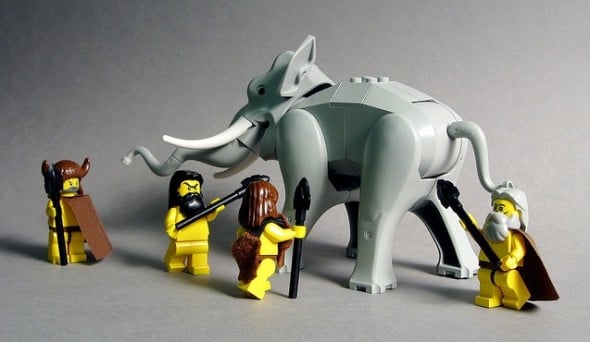
As the great Mr. Flintstone once said, “Yabadabadooooo!”
What is the Paleo Diet and How does it Work?
Oh lord, another “diet.”
I know, it sounds like a fad/marketing ploy, but The Paleo Diet isn’t really a “diet,” and it’s actually quite logical when you think about it.
It’s also the most time-tested diet ever.
Here’s the ENTIRE diet in a nutshell:
“If a cave person didn’t eat it, neither should you.”
As the theory goes, tens of thousands of years ago, before Nike, Cap’n Crunch, and Healthy Choice meals, our ancient ancestors thrived as hunter-gatherers.
Although it’s been a really long time, our genetics haven’t changed that much since then.
And yet…these days we’re overweight, out of shape, stressed out, unhappy, sleep-deprived, and dying from far too many preventable diseases due to lifestyle choices.
So what the hell happened?
Agriculture!
And then delivery and Netflix.
A few thousand years ago, humans discovered farming, the agricultural revolution took off, and we advanced from hunter-gatherers to farmers.
We settled down, formed societies, and the human race progressed to what we are today. Which is obviously great for a number of reasons:
Not getting eaten by wild animals
Electricity
Automobiles
Nintendo
The problem is that our bodies never adjusted properly to eating all the grains and sugar that we’re now consuming.
As paleo guru Robb Wolf puts it, think of a 100-yard football field:
The first 99.5 yards are how long Homo-Sapiens spent as hunter-gatherers. As they became REALLY good at hunting and gathering our bodies adapted to that lifestyle over thousands of years.
That last half-yard represents our species after the agricultural revolution, where our diet has shifted (but our genetics haven’t).
So, instead of loading up on meat, vegetables, and seasonal fruits, we’ve become a species “dependent” upon grains – bread, pasta, rice, corn, and so on.
66% of us are overweight, 33% are considered obese, and those numbers are only getting worse.[1]
Clearly, something’s not right, and we need to fix it.
The Paleo Diet is an effort to go back to our ancestral roots.
To start eating how we’re biologically designed to eat, allowing us to tap into our genetic potential and start living healthier immediately.
While this video is pretty hyperbolic, it does a pretty good job of explaining the Paleo Diet in a few minutes:
To recap the rules of the Paleo Diet:
Only eat foods a caveman would eat
See Rule #1
Note that it doesn’t mention calorie counting or meal timing or macro tracking. That’s part of the popularity of this diet: eat paleo-approved foods when you’re hungry, and that’s it.
Will I Lose Weight on the Paleo Diet?
This is the question we get above all else:
“Will the Paleo Diet help me lose weight?”
Probably. If you can actually apply the rules of the Paleo lifestyle, you can get some pretty solid results.
The Paleo Diet will work for you, if you do it right.
You need to have the right mindset, you need to focus on the right foods, and you need to structure your environment so that you’re not tempted to backslide and abandon the Paleo Diet after a few days.
However, it has nothing to do with what Fred Flintstone ate or didn’t eat.
Add #3: Do those two things consistently for a decade.
Here’s WHY you’ll lose weight on the Paleo Diet:
You’re only eating meat, fish, veggies, fruits, and nuts. These are foods that are full of nutrients, will make you feel full, but don’t have nearly as many calories as junk food.
You are completely eliminating calorie-dense, often nutritionally deficient, unhealthy foods. This means no grains (pasta, bread, rice), no dairy, no beans. It also means no soda, no candy, no sugar.
And yup. When you only eat real food and avoid all unhealthy food, you’re more likely than not going to run a caloric deficit – and thus lose weight.
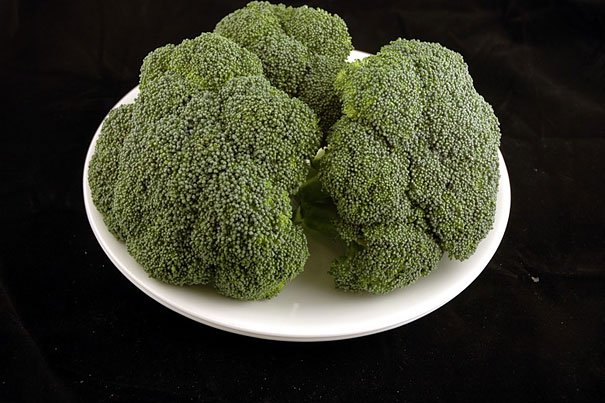
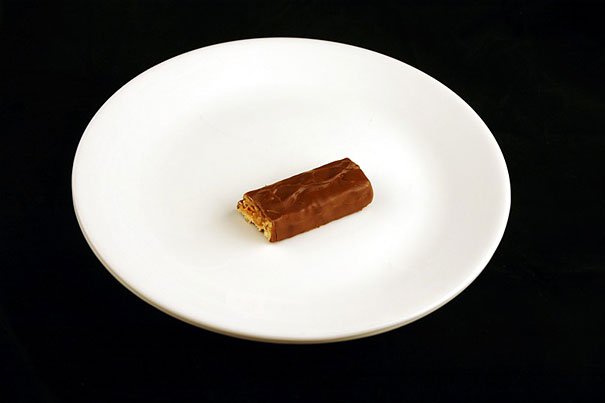
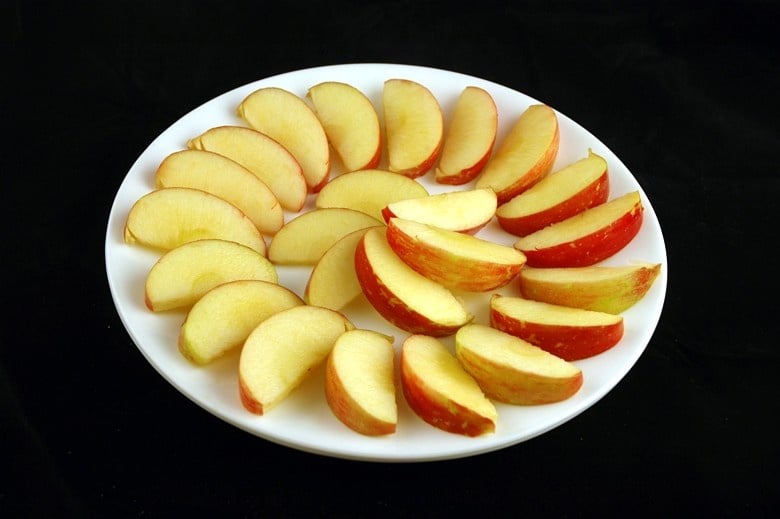
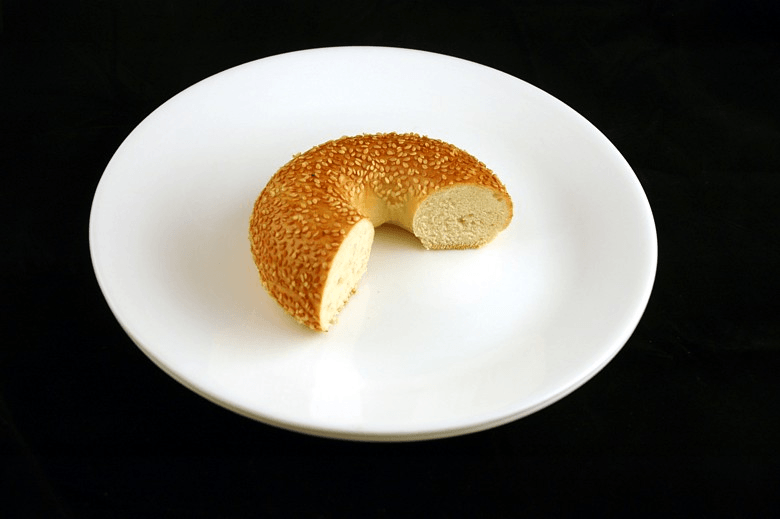
Or… 200 calories will get you exactly 1/2 a Snickers bar:
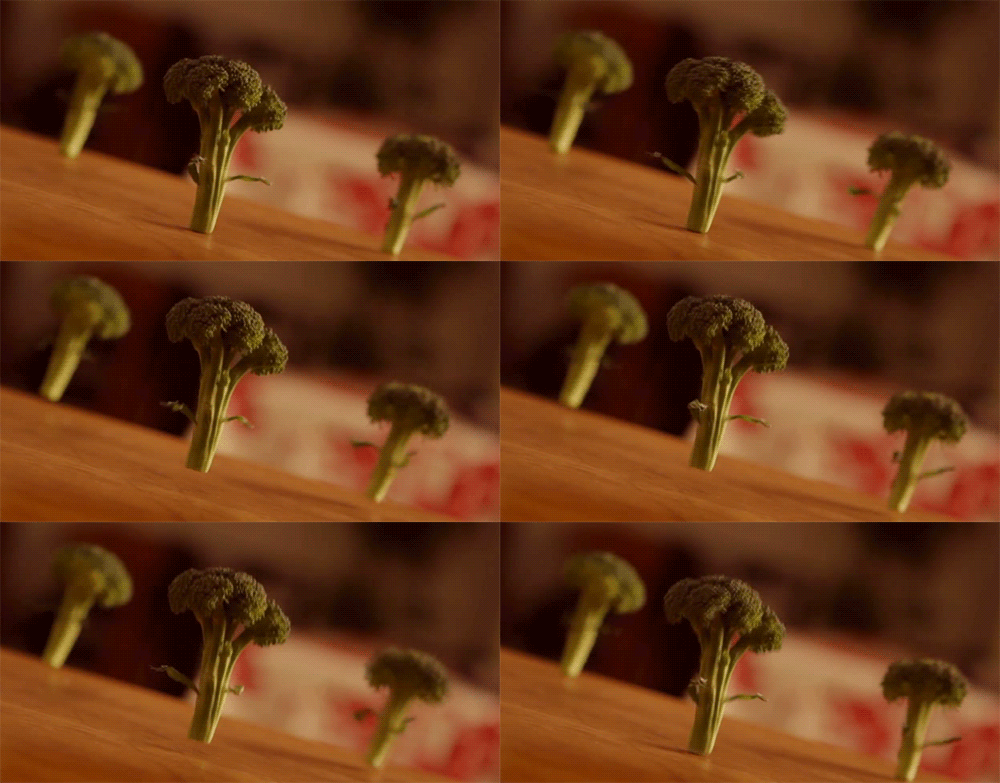
Look at that: nobody can eat that much broccoli, and nobody only eats half a candy bar!
My point is this: by eating Paleo-approved foods, you’re more likely than not to eat fewer calories than you did in the past automatically, which can lead to weight loss.
So YES, the Paleo Diet MIGHT help you lose weight.
You just need to eat fewer calories than you burn every day (Here’s how to calculate your Total Daily Energy Expenditure). And that is easier when you are eliminating foods that people tend to overeat:
Candy
Soda
Pasta
Bread
Dairy
But that’s all about what we’re eliminating. What are we keeping!?
what Can I eat on The Paleo diet?
In order to follow the Paleo Diet Lifestyle, here are the foods that are Paleo-approved:
Meat* – steak, ham, pork, bison, boar.
Organs – liver, kidneys, heart.
Marrows – seeing a theme here? Eat ALL parts of the animal!
Fowl – chicken, duck, hen, turkey…things with wings that (try to) fly.
Fish – cod, tuna, salmon, and so on.
Eggs – Look for omega-3 enriched cage-free eggs.
Vegetables –spinach, broccoli, kale, carrots, peppers, zucchini, onions, etc.
Nuts – almonds, walnuts, cashews, and their respective butters (almond butter is so good!)
Tubers – Sweet potatoes and yams.
*If you can, aim for grass-fed beef and organic fruits and vegetables. But don’t go break the bank with your food purchases. Just do the best you can.
As the Paleo Diet explains: Pick any of the foods from that list and eat as much as you want of them.
You might have noticed that a lot of the foods above are loaded with fat. And depending on what your mom told you growing up, you might think fat is the devil.
So let me address that right away…
Does Eating Fat Make You Fat?
If you’re cutting back on carbs, that means you’ll need to fill the void in your diet with the most controversial macronutrient:
Fat!
It’s gotten a bad rap over the past number of decades, so companies have been doing everything possible to make everything low fat and “healthy!” (while adding all sorts of preservatives, chemicals, and sugar).
Yup…cut out the fat, increase the carbs….and look where THAT has gotten us.
Why has fat been vilified? Rather than get into the politics of it myself, I’ll let Gary Taubes, author of the incredibly thorough and well-researched Good Calories, Bad Calories take over.
As he discusses in an article he wrote for the New York Times a decade ago:[2]
These researchers point out that there are plenty of reasons to suggest that the low-fat-is-good-health hypothesis has now effectively failed the test of time.
In particular, that we are in the midst of an obesity epidemic that started around the early 1980’s, and that this was coincident with the rise of the low-fat dogma. (Type 2 diabetes, the most common form of the disease, also rose significantly through this period.)
They say that low-fat weight-loss diets have proved in clinical trials and real life to be dismal failures, and that on top of it all, the percentage of fat in the American diet has been decreasing for two decades.
Our cholesterol levels have been declining, and we have been smoking less, and yet the incidence of heart disease has not declined as would be expected. ”That is very disconcerting,” Willett says. ”It suggests that something else bad is happening.”
“Low fat” foods were created to follow conventional wisdom that fat made you fat (which as stated in the above article doesn’t stand up to scrutiny).
When a company makes a low-fat food, they remove the fat and have to replace the flavor with something.
That “something” is usually sugar (and often more calories).
Crap.
So, according to Taubes and Paleo folks, fat has been vilified and the real focus should have been on sugar and carbs all along.
Because healthy fats are valuable additions to our diet.
Here are some examples of Paleo-Approved Healthy Fats:
Avocados
Almond (and almond butter)
Fatty cuts of meat
Walnuts
Coconut oil
Olive oil
In the Paleo Diet, fat makes up a large portion of one’s diet.
If you’re worried about consuming fat and how it will affect your cholesterol, read our Full Guide to Cholesterol.
WhAT Foods Can’t I eat On the Paleo Diet?
If you are looking to strictly follow the Paleo Diet, then you can’t eat foods that did not exist back in “Caveman times.”
Why?
Because – as advocates of the diet point out – cavemen couldn’t eat those foods because they didn’t exist. There was no way to create cereal and candy – you could only eat what you found or hunted.
So, that’s what the Paleo Diet advocates as the reason for avoiding these foods. And it serves as a good mental model to check with yourself: “Could a caveman have eaten this meal?”
And when you start to answer this question, you identify the foods that you’re not allowed to eat on the Paleo Diet:
Grains like pasta, cereal bread, and rice
Dairy like milk and cheese
Candy, cookies, ice cream, and other processed foods
The Paleo Diet also almost completely eliminates sugar outside of fruit. No candy. No soda. No powdered donuts. Yup, even the mini white ones from the grocery store where you can eat like 100 of them (accidentally, of course).
Many studies have shown that an incredible number of diseases and lifestyle issues can be reversed by cutting out sugar and processed foods.[3]
But I understand grains and dairy are a bit more complex.
Let me explain:
Can I Eat Grains on the Paleo Diet?
Unfortunately, nope.
The Caveman reason why: Grains require some amount of processing, and thus Cavemen would not have eaten them.
The science and psychological reason why: we have a tendency to overeat grains and the other “no-no” foods on the Paleo Diet. They are calorically dense, nutrient deficient, and they can wreak havoc on some people’s blood sugar levels.
This leads to a sugar rush followed by a crash, which can lead to more emotional or hungry overeating…and the process starts again.
Rather than me explain that part with thousands of words, just watch this three-minute video – “Why You Got Fat:”
Let’s get into some more reasons Paleo advocates suggest avoiding grains: most contain gluten and lectins.
What are they and what’s wrong with them? I’m so glad you asked:
Gluten is a protein found in things like rye, wheat, and barley. It’s now being said that much of our population may be gluten-intolerant (hence all the new “gluten-free!” items popping up everywhere). Over time, those who are gluten intolerant can develop a dismal array of medical conditions from consuming gluten: dermatitis, joint pain, reproductive problems, acid reflux, and more.[4]
Lectins are natural toxins that exist in grains to defend against consumption! Yup. Grains have evolved to keep themselves from being eaten by us. These lectins are not a fan of our gastrointestinal tract, and they prevent the tract from repairing itself from normal wear and tear. This can cause all kinds of damage.
Long story short: many people cannot process grains properly, and they are usually the food that causes people to eat too many calories. So by eliminating grains from your diet, you’re more likely than not going to eat fewer calories without counting calories.
That’s a Paleo win!
Do I Need to Avoid Carbs on the Paleo Diet?
Not necessarily.
That depends on your goals and your body – you are a special snowflake!
Some people function well on a high fat, low carb diet.
Others function better on a high-carb, low-fat diet.
I will say the Paleo Diet is USUALLY a Low Carb diet, and large quantities of carbs are not required for somebody to be healthy on a regular diet.[5]
After all, carbs aren’t evil – they’re just…carbs.
Here is the logic and psychology behind why the Paleo Diet is low carb:
On a typical Western diet, we consume plenty o’ carbs, and our bodies convert those carbs to a sugar called “glucose.” This is our body’s preferred method of fueling itself.
In the absence of carbs to create glucose to fuel our bodies, we have to do a few other things instead:
Transform stored fat into glycerol and fatty acids (this process is called lipolysis).
Burn fatty acids for energy or transform the fatty acids into glucose for energy (this is called gluconeogenesis)
In the absence of glucose (through fasting or following a Keto Diet), your body can create ketones for fuel (called “ketogenesis”).
We’re going to focus on the forms of weight loss NOT related to “ketogenesis.” Unless you are avoiding all carbohydrates while going Paleo, or you are doing long fasts, you most likely won’t be in ketosis while going Paleo.
Back to weight loss and Paleo: when you cut back on carbs, and thus most likely ALSO cut back on total calories consumed, you are creating a caloric deficit in your body.
And eat a consistent deficit over a long enough time period, BOOM caveman weight loss.
So, fewer carbs = less glucose in your system, less sugar crashes, less “hangry” moments, and smaller chance of overeating = fewer calories consumed on average.
If you’re worried about adherence to the diet, I understand – it’s the toughest part of Paleo – sticking with it!
Knowing what to eat is part of it, but following this fairly restrictive lifestyle in a modern environment surrounded by cookies and candy and bagels and pasta is really difficult!
If this whole “Paleo, Carbs, and Weight Loss” thing is stressing you out, you’re not alone!
We work with busy people like you to structure a complete life overhaul: handcrafted workout routines, accountability, mindset changes, and nutritional strategies.
Can I eat Dairy on the Paleo Diet? Can I eat Cheese On the Paleo Diet?
This also depends. Strict Paleo folks tend to stay away from it – a portion of the world is lactose intolerant, and those that aren’t usually have at least some type of an aversion to it.
Why? Because hunter-gatherers didn’t lug cows around with them while traveling – milk was consumed as a baby through breast milk from their mother, and that was it.
So as Paleo-stans will tell ya, our bodies weren’t designed for massive dairy consumption.
There is evidence that some adaptation to dairy has taken place throughout the years, specifically with people with ancestry in herding cultures, but this is not the majority of the population.[6]
Paleo purists will avoid dairy like the plague, while other paleo-ish people have found that consuming dairy in its various forms work for their genetics, goals, and lifestyle.
“What about Cheese? Can I eat cheese on the Paleo Diet?”
You do you, boo. But if you’re going Strict Paleo, then unfortunately cheese is OUT too.
If you’re just looking to lose some weight while following a “mostly Paleo” lifestyle, then adding some high-quality cheese into some of your meals can be okay.
Some cheeses will tend to have lower amounts of lactose or casein – the parts of dairy that can cause digestion challenges.
So, if you’re not sure your body is processing dairy properly, remove dairy from your diet and only introduce it back in when you’re ready to see how your body responds.
If you’re not losing weight while eating a “Paleo + Dairy” Diet, you’re still eating too many calories.
Consider cutting out dairy and see how your body responds.
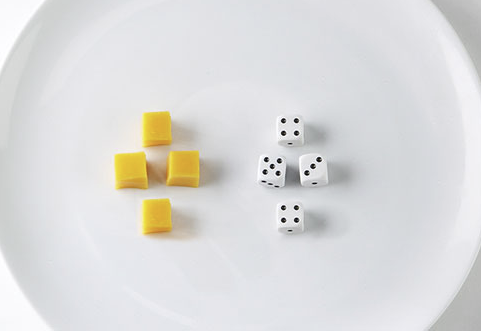
For reference, this is a portion of cheddar cheese (116 calories):
Paleo Diet Shopping Guide: List of Foods on the Paleo Diet
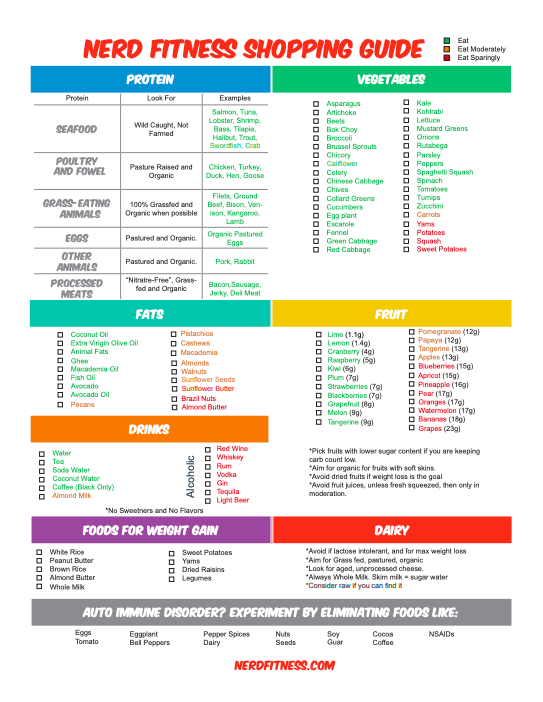
Because I like you as a person, I’ve created a printable Paleo Diet Shopping List PDF you can bring with you to the grocery store to help you decide what to buy and what to avoid.
Simply right-click on the image below and save as:
Feel free to print this out and bring it with you to the grocery store. If you happen to run into somebody else who has ALSO printed out this sheet, feel free to high five each other while singing Baltimora!
What is a Typical Day Like on the Paleo Diet?
Here is an example of a typical day on “The Paleo Diet”:
Breakfast: Omelet with spinach with fresh fruit.
Lunch: Grilled chicken, kale, and avocado salad with vinegar and olive oil.
Snack: Apple slices and almond butter.
Dinner: Steak with asparagus and sweet potato fries.
Dessert: Strawberries and a piece of 85% dark chocolate.
Start with a good protein source with each meal (eggs, steak, chicken, fish, pork), and then add a vegetable or fruit.
That’s it.
If you feel hungry constantly, understand that changing up a diet can cause a body a few weeks of adjustment.
Remember, your body is learning to operate on both fewer calories AND fewer carbs – depending on how low carb you go this could be a DRAMATIC change.
And this is often referred to as “carb flu,” and it can be miserable! Your body might take multiple weeks to adjust to these new habits.
Going from a processed, high sodium diet to a paleo diet you will very often end up eating too little sodium, which is an essential nutrient.
So if you’re feeling tired all the time, try adding some salt to your food or consider an electrolyte supplement – this is what we recommend with our Keto readers too.
Is the Paleo Diet Dangerous?
The dismissive criticisms of the Paleo Diet generally fall into one of three categories:
Cavemen had short lifespans. So there.
A recent article said that cavemen ate grains. So there.
Eating that much meat is unhealthy. So there.
As I said at the beginning of this article, it doesn’t matter what cavemen or cavewomen ACTUALLY ate.
The reason this diet works has nothing to do with what our bodies are designed to eat or what cavemen ate 1,000s of years ago.
The Paleo Diet CAN help you lose weight because it gets you to cut out junk food, focus on eating real food, and gives you a framework to evaluate quickly every food choice:
“Did a caveman eat this? Yes or no.”
That’s it!
By following this ONE rule, you’re likely to eat fewer calories than you used to, and thus you’re likely to end up healthier than before.
I personally don’t follow a Paleo Diet, but I do appreciate the fact that it’s easy to comprehend and gets people to take a more active approach in their food!
So, disregarding the fear-mongering, dogma, and anthropological criticisms of what cavemen actually ate, what are the ACTUAL critiques of the Paleo Diet?
#1) “Why is the Paleo Diet expensive?”
Admittedly, while I recommend eating organic fruits and veggies, free-range chicken, and grass-fed beef whenever possible, these products can be more expensive in conventional stores due to the processes needed to get them there.
However, farmers’ markets often have well-priced meats, eggs, fruits, and vegetables that are locally grown and incredibly healthy.
Even if you’re spending a little more money than before, when you factor in your overall health, spending a few extra bucks on healthier food now is a wiser investment than thousands later on costly medical expenses.
Also, if you’re really short on cash, eating the non-organic or grain-fed version of meat, vegetable, or eggs is still better than eating breads, pasta, fast food, and the like.
Most people simply compare the cost of a paleo meal with ramen noodles or pasta and bread and determine Paleo is prohibitively expensive.
Sure, it’s more expensive than those foods, but if you are smart with your money you can eat a much healthier meal and do so pretty inexpensively. Check out this guide on “How to Eat Healthy Without Breaking the Bank” for some tips and tricks.
(This doesn’t even factor in the whole “if you eat cheap unhealthy food now, you’ll pay thousands in medical bills and hospital visits and medications later” argument, which is valid too).
#2) “But cavemen had short lifespans! Of course they don’t have the diseases we do. We live way longer now.”
I agree with you here, but only because you don’t have to deal with the dangers of living back then.
Again we don’t really care to live like cave people!
This is SIMPLY a construct that can help many make more informed food choices.
#3) “Plenty of societies around the world consume grains and aren’t fat and unhealthy like us.”
Awesome – it seems like those people have found a solution that works for them. Have you read our big ass guide to eating a Plant-Based Diet?
The China Study is frequently cited when criticizing the Paleo Diet – focusing on a vegetarian diet and consuming rice is healthier than the Paleo Diet. I respectfully disagree with the conclusions drawn from that book but that’s awesome if you want to go plant-based! [7] I’ll leave you to make your own conclusions based on your own self-experimentation.
You’re here to learn about the Paleo Diet though, so let’s keep the focus there.
#4) “But this is just a meat diet, and eating all meat is bad!”
First of all, consider your sources and do your research before jumping to the conclusions.
Every meal in a true Paleo diet has a moderate amount of healthy (properly raised chicken, grass-fed beef, hormone free, etc.) meat combined with nutritious veggies or a moderate amount of fruit.
#5) “The Paleo Diet is too restrictive and I can’t live like this.”
This is the most valid criticism I personally have of the diet, as the best diet plan is the one you actually stick with and follow through on! The goal shouldn’t be to go “full paleo” for a few weeks only to go back to how you were eating before.
Instead, the goal here should be to rethink your relationship with food and develop a strategy that you can live with permanently.
There’s nothing worse than going on diets and gaining and losing the same 20 pounds over and over. The Paleo Diet, like other diets, WORKS ONLY IF YOU STICK WITH IT PERMANENTLY!
This makes sense after all: make temporary changes, get temporary results, right?
#6) “Steve, I hate vegetables. How do you make vegetables taste better? HALP.”
We know this all too well, and we have helped thousands of people slowwwwly transition their diet over a long period of time to make change less scary, more permanent, and thus make the weight loss permanent too!
If you’re overwhelmed or scared of changing too much, or maybe you’re just sick of dieting and want to find a solution that works for your busy lifestyle and situation, schedule a call with us to learn more about our 1-on-1 coaching program:
I’ve also compiled a list of my favorite sites and recipe books around the internet that can help you get started:
#1) Nom Nom Paleo – Michelle Tam and her husband Henry are amazing people, and their Paleo Blog is absolutely phenomenal. Great photos. Well written. Organized intelligently.
Their “Nom Nom Paleo” cookbook is a fun resource too, and a great place to get started with cooking for your Paleo lifestyle. Oh, what’s that? You have kids and a spouse and you’re all trying to eat healthier too? This book is perfect for that as well!
#2) Mark’s Daily Apple – Easily the most comprehensive resource on the internet for the Paleo Diet – Mark writes an article every weekday about everything Paleo, and it usually blows me away. Some of the posts can get overwhelming, so I suggest starting with his Primal Blueprint 101.
The Primal Blueprint – If you want to read about this stuff in a book rather than on a computer screen, Mark’s book The Primal Blueprint is a great place to get started on not only what to eat, but why you should be eating it.
It’s educational, funny, real-world applicable, and teaches you how to primalize (just made that up) the rest of your life too.
#3) Robb Wolf– Another great resource, and a guy I’ve already referenced in this article multiple times. Check out his site for a comprehensive FAQ on all things Paleo, a shopping list pdf (right-click and save), and plenty of humor.
The Paleo Solution – This article would have been finished 3 hours earlier, but before I wrote it, I read ALL of Robb’s new book. It seriously had me laughing out loud at certain points – not bad for a book on diet!
This book is a little less forgiving than Mark’s book above, but it’s still a great read.
#4) Loren Cordain – Loren is considered the leading expert on the Paleo Diet – Robb is actually one of his students/disciples/Padawans.
Dr. Cordain is probably the foremost authority on this type of eating, which is why I really enjoyed reading both of his books.
MORE RECIPE RESOURCES:
Ready or Not! 150 Make Now Recipes – The newer book from Michelle Tam of Nom Nom Paleo. It’s super fun. Plus she’s wearing a Nerd FItness t-shirt in some of her photos in the book, so I might be sliiiightly biased 🙂
Mark’s Daily Apple – Although he sells the cookbook on Amazon, Mark also lists over 100 free primal recipes on his site. Pick something on the list, go buy the ingredients, and follow the instructions! So easy even a caveman can do it.
Everyday Paleo – Great pictures, easy to follow recipes, and pretty interesting combinations. Click on FOOD in the Nav bar, and the meals are broken down into breakfast, lunch, and dinner.
If you’re curious about The Paleo Diet’s recent popularity and thus it’s criticisms, we’ve written two other pieces on Nerd Fitness that might be of interest:
“The Paleo Diet Debunked??” where I address a few of the more recent criticisms that have popped up.
“In Defense of a Paleo-Ish Diet” where I cover how to live a mostly Paleo lifestyle but still enjoy the modern benefits of society.
Who Should and Who Shouldn’t Do the Paleo Diet?
I’m a fan of the Paleo Diet for the RIGHT person:
I love mental models that help us make sense of the world, and I think for SOME people, the Paleo Diet will really help them cut down on overeating.
Do whatever makes you happy and fits in your schedule. I like this kind of stress-free eating.
Regardless of whether or not grains should be vilified, I love this diet because I know it WORKS. I know people that have lost incredible amounts of weight and changed their lives within a matter of months.
If you want to lose weight and keep it off, you need to make permanent adjustments to your nutrition.
If you don’t see yourself being able to permanently follow a Paleo Diet, I would advise a more ‘wade in from the shallow end‘ approach to dietary change!
How to Do the Paleo Diet Safely
Maybe you’re ready to try out this Paleo lifestyle, but you can’t commit fully. There are certain foods you refuse to give up, or you can’t afford to buy grass-fed beef at the moment.
That’s okay!
If you can even make a few small changes here and there (cut out liquid calories, switch out your rice for steamed vegetables, cut back on bread, etc.) you’ll start to see some changes.
Remember, 20% healthier is better than 0% healthier – as you get more comfortable with the changes you can increase that percentage.
After all, I know how tough it is to stay loyal to a strict diet, especially without a plan to follow. It’s why we created free resources that can help you reach your goals faster without you also going crazy.
Get rid of the temptation: if you’re gonna go at this thing with a full head of steam, remove all the junk food from your house.
It’s going to take a few weeks for your body to adjust to burning fat instead of glucose, and you might want to eat poorly here and there. If there’s no food in your house to tempt you, it will be much easier to stay on target.
Now, it’s your turn.
Have you tried the Paleo Diet yet?
What was your experience like?
Have a criticism of the diet that I didn’t cover before?
I hope this article gives you some food for thought (terrible pun, I know), and gives you permission to question conventional wisdom and start addressing the issues in your diet!
In addition to this Beginner Paleo Guide, I hope you consider checking our 1-on-1 Coaching Program as well.
We have designed this program from the ground up to help people like you change their lives and fix their nutrition in a way that doesn’t suck.
Now, go forth. And eat like a caveman.
-Steve
PS: If you want to continue your adventures with us, check out NF Journey, our fun habit-building app that helps you exercise more frequently, eat healthier, and level up your life (literally).
There’s an ABSURD amount of horrible advice out there for quick weight loss.
I’m looking at you “Weight Loss Tea” and “Fat Burner Cookies.”
Fortunately, us nerds at Nerd Fitness actually help people get healthy with things like “science” and “proven strategies that last.”
We have thousands of success stories from our community and 1 million+ people tune in each month for our advice on getting in shape.
Below, we’ll share with you our 9 strategies for safe, sustainable weight loss. We use these as part of our Online Coaching Program and today you’ll learn them too.
What Is the Fastest Way to Lose Weight? (4 Common Methods)
At some point in this guide, I’m going to try and talk you out of trying to lose weight as fast as possible.
But now is not that time.
If you are trying to lose weight quickly, there are 4 common ways of going about it. Each will have some pros and cons, so let’s discuss.
#1) Very Low-Calorie Dieting
This is probably the most common way to quickly lose weight: don’t eat much.
A very low-calorie diet (VLCD) is defined as any diet ranging from 450-800 calories a day.[1]
For reference, there are about 550 calories in a McDonald’s Big Mac.
So we’re talking about a hamburger and maybe an apple to eat for a day. That’s it.
Unsurprisingly, starving oneself by going on a VLCD will create fast weight loss.[2] However, these diets should only be done under medical supervision because you can run into some serious nutritional deficiencies and other health complications if you don’t know what you’re doing.[3] Additionally, as you’ll soon learn: “temporary changes create temporary solutions.” So, following a VLCD to lose a few pounds will only work for as long as you eat in this fashion.
Not great!
Verdict: Talk to a doctor before trying this.
#2) Protein-Sparing Modified Fasts
A protein-sparing modified fast (PSMF) is much like a VLCD, but the calories you eat more or less come from protein sources.[4]
With a PSMF, you eat:
About 0.68 grams of protein per pound you weigh (1.5g/kg). So if you weigh 250 pounds, you would target 170 grams of protein.
Typically a total of 12-17 oz in the form of lean meat, poultry, fish, seafood, eggs, low-fat cheese, or tofu.
Less than 20g of carbohydrates a day (about 2 servings of low-starch vegetables, with unlimited lettuce salad).
No fats outside of those in protein sources (no butter, oils, nuts, or seeds).
As we discuss in our Protein 101 guide, eating plenty of protein is critical when you’re losing weight, to ensure you’re losing the right kind of weight.
When you’re in a caloric deficit, your body needs to pull from current stores to function, which means it might pull from both body fat AND muscle.
Obviously, from a health and physique standpoint, that’s not good.
This explains why a PSMF prioritizes protein: it can help maintain muscle during a drastic calorie deficit.
I already know your next question: is this safe?
In the short term? Probably.
In the long term? Ehhhh.
A two-week study found the PSMF to result in safe and effective weight loss.[5]
However, a three-month study found nutritional deficiencies were developing in those following a PSMF, even with the added multivitamin and supplements.[6]
Verdict: In the short term (a week or two), this is fine. In the long term, I would check in with a doctor.
Your co-worker, their spouse, and their dog walker’s nephew have all (probably) tried a low-carb diet recently.
Out of all the low-carb variations out there, the Ketogenic or Keto Diet is one of the more strict versions, as you basically cut out all or most carbohydrates.
While the exact prescription of a Keto Diet will vary depending on who you talk to, generally a Keto Diet has you:
Keeping carbs to about less than 30-50 grams a day. For reference, a banana has about 27 grams of carbs.
Consuming protein at about 0.6 grams for every pound you weigh (about 1.35g per kilogram).
Eating the rest of your calories from fat.
If you’re interested in learning more, I recommend you check out our GIANT eBook, The Beginner’s Guide to the Keto Diet. Grab it for free when you sign up in the box below:
Weight loss can occur on a low-carb diet (as long as you can stick with it), since you’re cutting out an entire macronutrient and most likely reducing total calories consumed.[8]
Your results may vary.
Verdict: If you want, go ahead and try the Keto Diet. Lots of people have had success with it. Just know that it’s pretty tough to stick with, which we’ll come back to later.
#4) Weight Loss from Dehydration
If an athlete needs to drop weight quickly for a match or competition, they’ll often do so by dropping water weight.
Think of someone in MMA or bodybuilders, who need to reach a certain weight temporarily to stay in or make a certain weight class.
If today they’re 160 pounds, but in three days they need to be 150, they’ll often dehydrate themselves to get there.
Some tricks to lose water weight include:
Jogging around in full sweatsuits.
Sitting in hot saunas.
Removing all salt from the diet (since it helps you hold water).
Going super low-carb (carbs also help with retaining water).
Not drinking any water the day of the weigh-in.
While these tips might help someone qualify for a competition, we’re not talking about fat loss here, so avoid playing with dehydration to get in shape. Plus, many of these strategies could potentially impact your health if you’re not careful.[9]
Verdict: Don’t bother.
If you’re wondering if there’s a better strategy for fast weight loss than these 4 protocols, we can help! If you’re interested, we’ll set you up with your very own NF Coach who will create a weight loss plan that isn’t so drastic (or soul-crushing):
How Much Weight Can I Expect to Lose?
We’ve all seen advertisements that say:
Lose 5 pounds in a week.
Ditch the stubborn “belly fat.”
Get that bikini body by the summer!
Walk down any magazine aisle and you’ll see:
Flat abs in 28 days? 10 pounds lost easily? Wha…
It’s no wonder that many think weight loss can be done quickly .
Here’s the truth: no one can tell you exactly how much weight you’ll lose in any given time period.
However, we can talk about some realistic expectations as pointed out below by my friends at Precision Nutrition:
By “pace,” we mean consistency:
Extreme. You need to follow your program 100% of the time.
Reasonable.This is about 70-80% consistent with the program.
Comfortable.You’re consistent about 50-60% of the time.
More on this in our next section.
I should also say, your weight loss progress will not be linear.
You’ll lose fat faster when:
You first begin your weight loss journey.
You have more fat to lose.
Why?
Think of it this way: suppose you normally eat 3,000 calories per day and you maintain your current body weight.
Let’s imagine you bring this down to 2,000 calories, a deficit of 1,000 calories per day. With this new approach, you’ll start to lose weight.
But as you begin to lose weight, your calorie requirements will go down.
Simply put, there is less of you that needs “fuel.”
Yep, the bigger you are, the more calories you need. The smaller you are, the fewer calories you need.
In other words: your metabolism doesn’t have to work as hard to fuel all of your bodily functions, has less weight to carry, and thus it will burn fewer calories compared to when you were much bigger.
Here is the estimated daily resting calorie burn (“sit on your ass all day”) of a 35-year old male nerd at 3 very different weights – which you can learn from our Calorie Calculator:
300 lbs: 2,600 calories.
250 lbs: 2,300 calories.
200 lbs: 2,000 calories.
WHAT THIS MEANS: Unless you adjust your calorie intake as your weight decreases… your previous calorie intake amount becomes less and less effective at losing weight, until you hit an equilibrium.
Another piece of the equation: your body will become more efficient at the exercise you do.[9]
Here’s an example: if you burn 100 calories running a mile, if you continue to run this same distance at the same speed, eventually you’ll only burn 95 calories running that same mile. Then 90. And so on.
At this point, we need to talk about ALL the problems with “losing weight as fast as possible.”
How Do You Maintain Your Weight Loss? (Real Talk)
I’m going to make an assumption about you:
This probably isn’t your first rodeo, nor is it the first time you’ve looked into fast weight loss.
How’d that turn out the last time you tried it?
I’m not asking this to be a jerk, but rather to make a point:
I like you, your friends like you, and the world needs you to be the healthiest superhero version of yourself you can be.
The problem with the four strategies we talked about earlier (and the other diets that you’ve probably tried), is they generally aren’t sustainable.
Can you live off 500 calories for a few days?
Probably.
Can you do it for a whole year?
Nope.
As we mention in The 5 Rules of Weight Loss, any benefit you get from a diet is only going to last as long as you do the diet.
Said another way:
Temporary changes create temporary results.
Permanent changes create permanent results.
Sure, it’s great when people try the Keto Diet and lose 20 pounds. But as soon as they ditch low-carb, they generally regain the weight back.
We want sustainable changes and permanent weight loss.
It doesn’t really matter how much weight you lose in your first week or first month, but rather how much weight you have lost after 1 year, and how you feel after that year.
That’s why in our Online Coaching Program, we don’t focus on losing weight as fast as possible. We focus on slowly developing 9 skills that help our clients level up permanently.
Although we focus on long-term behavior change and permanent progress, many of our clients end up losing weight pretty quickly, like Sarah the supermom here, who lost 30 pounds in six months.
This might seem counterintuitive, but after years of running Nerd Fitness, I’ve learned it to be true:
Small changes, consistently taken, create the fastest path to lose weight.
Think of the classic story of the Tortoise and the Hare.
The fast-starting hare becomes bored and decides to take a quick nap, while the slow-but-consistent tortoise keeps its pace. When the hare wakes up, it’s too late. The race has been won by the tortoise.
The morale here: the race is not always won by the swiftest.
Make a small change. Once it becomes a normal part of your life, make another. Then another.
That’s how the tortoise would do it.
This is a message I really strike home in the video on “How to Get in Shape,” which is right here for you:
Now, let’s talk about what small changes you can make.
9 Habits for Successful Weight Loss
Here are 9 skills to help you achieve fast and sustainable weight loss:
#1) Plan and Take Action
If you’re going to embark on a weight loss journey, you’re gonna need to do some preparation.
You can’t just open your fridge and expect there to be healthy food ready to go.
That would be a magic fridge.
Our first step in helping someone get healthy, whether through our Coaching Program or in NF Prime, is by outlining a plan.
Then, we need to act on it.
There are two ways we go about this:
Make time on your calendar. This can be a reminder to buy food, prep dinner, or go for a walk. It doesn’t have to be a huge block of time, but we need to get you in the habit of making space for your goals, otherwise they won’t happen. Step number here one is to make time.
Have “Daily Wins” in the direction of your goal.What we do every day will end up defining us, so daily adherence is important. However, this can be a small action, even just 5-minutes. We call this our “Daily Win.” It could be to drink a glass of water or go do some jumping jacks. The point here is to be able to crush this goal, no matter what it is. It’ll help us build momentum.
When you start a weight loss journey, take some time to plan and prepare. Don’t just say “I’m gonna start tomorrow.” Think of when you’re going to make a change, what you’re going to change, and why.
Then create a path where you can take a step in that direction every single day, no matter how small it may seem.
This will add up quickly, I promise.
#2) Develop Healthier Eating Behavior
So many people ask us “what” to eat.
But we rarely get people asking us “how” to eat.
Both are super important for losing weight.
There are a few things we can work on to develop this “how” skill:
Eat mindfully and slowly. Your body takes a while to recognize it’s full, so slowing down and concentrating on your meal can help with overeating. Some of our Daily Wins here could include using a meal timer, putting your fork down between bites, and eating without the TV or your phone around (no distractions).
Recognize hunger and fullness cues.Sometimes, we eat just to eat. Maybe we’re actually more bored than hungry. To help fight this, a Daily Win could be to keep a “Hunger and Fullness Journal.” Here, you rate your hunger from 1 to 10 before you eat anything. If it’s less than 6 or 7, maybe pause for 30 minutes or so and check back in later. It’s the same idea for our fullness. Pause during the meal, and ask yourself “how hungry am I still?” If your hunger has subsided, maybe save the rest of your food for later. The goal here is to eat (and continue eating) only when you’re hungry.
Create a schedule for meals.Most people do best with eating on some type of routine. Breakfast, lunch, and dinner at roughly the same time. Your body will pick up on this and naturally get hungry at the times you normally eat. Predictable meals can help with weight loss.
#3) Balance Energy Intake to Your Goals.
You’ll hear us talk about “energy balance” throughout Nerd Fitness.
As we point out in The 5 Rules of Weight Loss, study[10] after study[11] after study[12] shows that our bodies obey the laws of thermodynamics and that to lose weight, we need to burn more calories than we consume regularly.
So it’s important to have a sense of how many calories you need to hit your goals.
Some actions we can take here:
Calculate your calorie requirements. We don’t need you to be exact, but we need a rough ballpark on how many calories you need given your body composition, activity level, and goals.
Determine the calories in the food you eat. Next, we need to figure out how many calories you’re actually eating. Apps can be helpful here, but you can also use the “Hand Portion” tool found in our ““How to Portion Control” Guide.
Track your progress. There’s a lot of educated guesswork in matching calories in to calories out, so the most important thing we can do is track the results. If you’re seeing progress, great! Keep going. Not seeing progress? No problem. We’ll take that information like a scientist would and adjust our experiment.
This is one of the more difficult steps in our 9 Skills to Lose Weight, so if you want a Nerd Fitness Coach to give you a hand, we got you:
You don’t have to completely give up the food you love like pizza, cheeseburgers, or ice cream. These can be eaten “SOMETIMES.”
Foods of “higher quality” should be prioritized and eaten more often. We place these in our “YES” category.
We find this “eat more of” and “eat less of” stance to be less overwhelming to our coaching clients than providing hard and stringent rules about food.
Less overwhelming = more sustainable = win.
I’m sure you now have some questions:
What foods should be “SOMETIMES”?
How often is this?
What foods should be “YES”?
The answer: it’s actually up to you to help figure that out!
That’s not meant to be a cop-out, so let me explain:
Our goal here is to move you to “higher-quality food” over time.
We can get there by working on the following:
Set criteria for “better” or “worse.” If we’re going to adjust your eating habits, we need to define our goals. For example, whole wheat bread will typically contain more nutrients than white bread, so it would be “better.” French fries often have more calories than a boiled potato, so it would be “worse.” I put these in quotes because if you want french fries right now, it’s “better,” even if it contains more calories. This goes back to our “SOMETIMES” discussion.
Eat more whole, minimally processed food.You know the drill here: we’re after fresh fruits and vegetables, whole grains, fresh meats, raw nuts, etc. These foods will generally have more nutrients intact. Plus, we want you to eat a variety of them (berries and oranges instead of only eating apples) so you get more nutrients that way. These foods are often “better” than their processed counterparts.
Eat less processed foods.While you can totally eat pizza and drink beer and still be healthy (I do and am), we want these to be “SOMETIMES” meals instead of “ALL THE TIME” meals. If you eat pizza twice a week, maybe we get it down to once a week.
If you’re interested in losing weight fast, a key skill will be to eat higher quality food more often.
#5) Obtain Proper Nutrients.
This one builds up from our last skill: choose higher-quality food more often.
That’s because higher-quality food will provide your body with more nutrients.
But we can get more specific than that.
Here are some actions to ensure you’re getting proper nutrients throughout your day.
Eat lean protein at most meals. This would include lean cuts of beef or chicken, greek yogurt, or beans and lentils. Protein is one of the most critical macronutrients for your health, so it’s critical to prioritize it at every meal.
Eat colorful fruits and vegetables.The color of produce generally signifies the nutrients it contains (green veggies will have vitamin K), so it’s important to eat the whole rainbow when it comes to your fruits and veggies.[13] Try to include some colorful produce at most meals.
Choose high-fiber carbohydrates.Think fruits, tubers, legumes (beans/lentils), and whole grains here. The fiber will help slow digestion and provide long-lasting energy.
Pick healthy fats.Foods like avocados, nuts, and olive oil. These will help you stay full and help regulate inflammation.[14]
Stay hydrated.You need to be properly hydrated for all the nutrients you consume to work well.[15] Plus, drinking plenty of water can help you stay full between meals.
#6) Move Your Body.
Our bodies evolved to move regularly. Yet for those of us in industrialized countries, we often only move to get from our homes to our car, to an office where we sit all day, then back home.
That’s why we often need to plan regular movement.
While we’re big fans of strength training around these parts, it doesn’t have to be that intense to get started. At first, it can literally be anything that gets your body moving. Even just taking the stairs instead of the elevator.
We want the things around us to promote our fitness goals.
This could include healthy snacks in the fridge or weights in the basement for our home gym.
However, it’s not just material things here, because we also need to look at the people we surround ourselves with or “our squad.” Having people who support your efforts, or are themselves working towards a similar goal, can be critical for weight loss.
Any way that you can adapt your environment to match your weight loss goals, the better.
#9) Balance Emotions without Food
It’s perfectly normal and okay to use food to match emotions.
Celebrating a promotion? A dinner out can be the perfect reaction.
Tough day at work? Maybe a glass of wine will help you relax.
As we point out in our Guide to Stress Eating, the problem arises when we are no longer in control of food because of our emotions.
Coach Justin does a great job of explaining why here:
Food can be fine as a reward or as a relief, as long as it’s us controlling the behavior and not the food itself. Developing this skill will be important for sustainable weight loss.
If you find yourself “stress eating,” know that you are not alone here.
One of the top issues faced by clients in our1-on-1 Online Coaching Program is emotional or stress eating. With the eruption of the pandemic, these episodes have only increased.
How to Lose Weight Fast (Next Steps)
I’m going to be real with you: developing and mastering all 9 weight-loss skills is going to take a while.
And that’s okay!
This is the fastest way to lose weight permanently.
Here’s the thing though: you don’t actually need to master all 9 skills to see progress.
As we discussed earlier, even if you just develop 4 or 5 of them, you’ll see results.
It’s something I discuss with Coach Matt in our video from Nerd Fitness Prime, on thinking of fitness as a “Dial,” not a “Light Switch.”
Because we’ve found that even if people are only consistent with their goals 50% of the time, it’s enough to make some progress and build momentum..
So here’s your new mission: work on ONE of these skills by taking ONE action.
That’s it. Don’t overwhelm yourself, but do take action today.
Which one should you pick?
Start with the first one, “Plan and Take Action.”
Make some time on your calendar for a 5-minute Daily Win tomorrow. Go for a walk, or prepare ONE healthy meal.
Make it something that doesn’t overwhelm you..
The win isn’t as important as following through, because that will help us build momentum in the right direction.
If you want some help getting going, I got you.
Here are three ways to continue your journey with Nerd Fitness.
#1) Our Online Coaching Program: a coaching program for busy people to help them make better food choices, stay accountable, and get healthier, permanently.
You can schedule a free call with our team so we can get to know you and see if our coaching program is right for you. Just click on the image below for more details:
#2) Check out NF Journey, our fun habit-building app that helps you exercise more frequently, eat healthier, and level up your life (literally).
Option #3) Join the Rebellion! We need good people like you in our community, the Nerd Fitness Rebellion.
Sign up in the box below to enlist and get our Rebel Starter Kit, which includes all of our “work out at home” guides, the Nerd Fitness Diet Cheat Sheet, and much more!
Get your Nerd Fitness Starter Kit
The 15 mistakes you don’t want to make.
Full guide to the most effective diet and why it works.
Complete and track your first workout today, no gym required.
Alright, I want to hear from you:
Any skills for weight loss that I’m missing?
What have you had success with?
What are you still having trouble doing?
You’re not the only one trying to lose weight, so share with us your journey in the comments so we can support each other!
-Steve
PS: If you’re just starting your weight loss journey, make sure you check out:
Alright, it’s time to fire up the grill. Let’s talk meat.
What Is The Carnivore Diet?
In simple terms, the Carnivore Diet is the following: Eat meat. Drink water. Consume nothing else.
If you like steak, and not much more, this could be the diet for you.
The Carnivore Diet—as the name implies—is eating only animal products. Meat, more meat, topped with meat.
An all-meat diet would avoid:
Vegetables
Fruits
Grains
Legumes
Nuts
Seeds
Again, you just eat meat.
Dairy MIGHT be included, depending on your interpretation of the diet. Yes, it’s from an animal. However, lactose is a sugar (carb), which might be frowned upon. It depends on who you talk to. We’ll touch on different versions of meat-eating later.
The big point of the Carnivore Diet is to eat no plant products.
If you thought the Paleo or Keto Diet were restrictive with regards to carbs, welcome to the next level. Eating only one food group, meat, is about as restrictive as you can get. Right up there with the Potato Diet or the “30 Bananas a Day” Diet, which are both real things, but for another day.
You might have also heard of the Carnivore Diet as the “Zero Carb Diet.” However, this is a little bit of a misnomer, because there are actually some carbs in meat. They come in the form of glycogen. Although this could be nitpicking because the total carb content is minimal, but it’s worth noting.
No matter what you call it, this diet of only animal products has grown in popularity in the recent past.
But its history actually goes even farther back…
THE HISTORY OF THE CARNIVORE DIET (SURVIVING ON AN ALL MEAT DIET)
If you’re going to have a debate on the merits of eating only meat, we should probably discuss the Inuit.
The Inuit are an indigenous tribe inhabiting the Arctic. What’s important about the Inuit, for this article, is that they have traditionally eaten a diet high in meat.
There’s not a whole lot of fresh plants in the icy Arctic. Especially in the winter months, when sunlight becomes scarce. So in order to survive, the Inuit traditionally had to subsist on a diet of animal products like fish, walrus, and seal.
There just wasn’t much to eat outside of what you could hunt.
The interesting thing: the Inuit have traditionally held low rates of heart disease coupled with no nutritional deficiencies.[1] That is until, sadly, they were introduced to a more Western diet: including pizza, chips, and soda. Then as you would predict, diabetes and obesity rates rose.
The health of the Inuit, despite their restricted nutritional choices, is often referred to as the “Inuit Paradox” of a high-meat, high-fat diet.
So let’s bring things into a more modern era and chat about Vilhjalmur Stefansson.
Stefansson was a Harvard-educated Arctic explorer born in 1879. If you’re imagining some type of wiley-Indiana-Jones-like character, you wouldn’t be wrong.
When exploring the Arctic, Stefansson lived off the land, by adopting the Inuit way of eating mostly meat. At first, Stefansson did it out of necessity. But then a Carnivore Diet became his preference. When he returned to his home, Stefansson commented on how an all-meat diet made him feel the leanest and healthiest.
Stefansson may be one of the first proponents of a “no-carb diet,” as he gave many interviews and reports on his experiences of eating like a carnivore.
He even wrote an article where he discussed his adventures in the Arctic, including why he adopted an all-meat diet.[2]
An important point on Stefansson: he prized the fattiest cuts of meat he could find, and ate unconventional parts of an animal, just like the Inuit. Stefansson explained that he varied between, “steaks, chops, brains fried in bacon fat, boiled short-ribs, chicken, fish, liver, and bacon.” So yeah, not just ribeyes…
Why is the Carnivore Diet becoming popular now?
Simply put, a man named Shawn Baker.
Baker literally wrote the book The Carnivore Diet.
Now, before you send me an email explaining that Baker’s license to practice medicine in New Mexico has been revoked, let me say that I’m aware. And it is noteworthy.
However, I don’t want this fact to prevent us from looking at the ideas and evidence of an all-meat diet, especially considering the fact that you’re reading this to get the real story!
Despite the controversy surrounding Baker, there does seem to be anecdotal evidence on the benefits of eating only meat. There’s an entire subreddit of people consuming only animal products, claiming it’s helped them in all sorts of ways.[3]
Folks report losing weight, curing autoimmune diseases, and raising testosterone. All by forgoing any kind of plant product.
Which is a good segway into our next section…
What Are The Benefits Of The Carnivore Diet?
The benefits of the Carnivore Diet rests on two points:
Potential for weight loss.
To identify food intolerances or allergies.
Let’s look at both of those:
To lose weight, you need to expend more calories than you consume. And if all you are consuming is meat, you’re cutting out most major food groups.
Like, all of them, except one.
And meat can be very satiating, meaning it’ll keep you feeling full and under your calorie intake goal for the day. So I imagine a lot of folks following the Carnivore Diet are just subconsciously eating fewer calories than they were in the past.
That’s why I believe a lot of the anecdotal evidence of people achieving weight loss success with this diet.
However, as I point out in the “Which Diet is Right For Me?” article, any diet that results in calorie restriction will likely work when it comes to weight loss – at least in the short term.
You can lose weight on the Twinkie Diet, but that doesn’t necessarily make it sustainable or healthy!
So, whether it’s the Carnivore Diet or Intermittent Fasting or Paleo, if you have a plan and can sustain it indefinitely, permanent results will probably follow.
We’ll touch on this again later.
Onto Point #2: How about eating only meat to fix food allergies or intolerances?
If you have a food intolerance, it means you have some sort of negative reaction to a specific type of food. Gluten or dairy or nightshades, for example. Eliminating these potential causes for illness or discomfort in an attempt to see how your body responds makes logical sense.
And in fact, many scientific studies rely on some sort of elimination or oligoantigenic diet (another term for an elimination diet), to identify potential allergy issues in patients.[4]
The big difference is, a lot of these elimination diets are designed to be temporary, with the goal being to reintroduce many safe food groups over time. Conversely, the Carnivore Diet aims to eliminate these permanently. In other words, there is no reintroduction stage. You just keep eating meat.
What’s so special about meat, and why eat only animals? The argument goes something like this:
#1) Meat protein is highly bioavailable. Animal protein has all the amino acids you need to live. And since you yourself are animal meat (weird to think about), the thought is your body doesn’t have to do many conversions for utilization.
Also, some nutrients like creatine, carnosine, and vitamin B12 are only found in meat. The argument goes, that eating meat is the easiest thing to support your own meaty body.
#2) Meat is a low allergen threat. Except for some seafood and shellfish, most people are not allergic to meat, especially red meat.[5] That’s often why elimination diets okay red meat, as long as it hasn’t been processed and pumped full of additives (potential allergens).
However, it is worth noting there is a tick whose bite has been linked to creating an allergic reaction to red meat specifically.[6] Nature can be cruel. However, for the most part, people are not very allergic to meat.
#3) Phytonutrients in plants can be pesticides. Since plants don’t have legs to run away from a hungry critter, they have to rely on other means to escape being eaten. Sometimes, it’s an outer barrier, like bark. However, it can also be chemical warfare, with plants producing toxins to poison, kill, or just bother whatever animal is eating them.[7]
The theory goes that people can be allergic to these chemicals. Now, we’ve evolved to handle these phytonutrients, and they actually provide health benefits for most.[8]
That’s why many health professionals encourage the consumption of vegetables, fruit, and grain. However, people can indeed be allergic to certain phytonutrients, so the argument from the pro-all-meat camp states to avoid them completely.
There’s a counterargument for each point above, which we will get to. However, the carnivore community does have some interesting objections to eating plants.
Okay, so we’ve discussed why people would eat only meat.
What’s this Carnivore Diet actually look like?
Is it as simple as it sounds? We’ll explore the ins and outs of an all-meat diet in just a moment.
First, if you are trying to lose weight and wondering if the Carnivore Diet is the solution, I’m proud of you for at least THINKING about different nutritional strategies that might align with your lifestyle and goals.
Lots of our coaching clients come to us with all sorts of different fitness questions, like what to eat and how to exercise, proving we all start from unique situations. The important thing is that you’re beginning to ask questions and looking for answers.
If you want help on your journey, we’re here for you. Our 1-on-1 Online Coaching Program partners busy people just like you with a coach who will get to know you better than you know yourself.
WHAT DO YOU EAT ON A CARNIVORE DIET? WHAT’S ALLOWED ON A ZERO CARB DIET PLAN?
I thought about answering this section’s question with one word, “meat,” and moving on. However, there are some specifics and alternatives worth discussing for the Carnivore Diet meal plan.
First, if it’s an animal, it’s allowed on the Carnivore Diet:
Beef. The primary meat of choice for those on the Carnivore Diet seems to be beef. Shawn Baker practically lives on ribeye steaks at home and ground beef patties when he’s out and about.
Lamb. Another red meat often consumed on an all-meat diet.
Pork.You have permission to eat bacon on the Carnivore Diet, or other pork products.
Fowl.Our feathered friends are acceptable on an all-meat diet. Chicken, turkey, duck, etc.
Fish.If it swam, go for it. Even if it didn’t (muscles, oysters), if it’s an animal from the sea it’s fair game.
A good rule of thumb: if a Tyrannosaurus rex that’s escaped from its pen would eat it, you can eat it too.
Just a little dino humor here. Though Triceratop Tri-Tip would also fit the menu.
I know your next question: “Steve, how about dairy? It’s an animal product. Yay or nay?”
Technically, dairy can be allowed, as it’s from a cow.
However, some advocates of the Carnivore Diet say skip it altogether, because of the possible concern of lactose intolerance.
It’s not the only gray area on an all-meat diet.
How about coffee or tea? Well, they aren’t from an animal, that’s for sure. But the calories they contain are practically zero.
Allowed? Eh, I’d say it depends on your goal.
If you’re experimenting with a Carnivore Diet for weight loss, yeah, why not? Because again, there are almost no calories there.
If you’re doing an all-meat diet to determine possible food intolerances, it should be noted that people can be allergic to coffee or tea. That’s why many elimination diets advise against them for a while.
The same argument could be made for spices or herbs to season your meat. No calories, but again, potential allergens. Outside of salt, any kind of seasoning allowance will depend on who’s advising you on the Carnivore Diet and why you’re doing it.
And you might want to think about proper advice when following an all-meat diet.
IS THE CARNIVORE DIET SAFE?
Most dietitians would advise against eating a Carnivore Diet. Because, you know, the whole no fruits or veggies thing. And while here at Nerd Fitness, we believe in questioning everything (Rule # 8), the medical community might have a point on this one.
Now, I personally don’t put tremendous stock in the sensationalized headlines that state red meat is the most dangerous thing you can eat.[9]
However, I don’t think this provides a giant green light to live on nothing but red meat either.
There are some things you really need plants and vegetables for. Some examples:
Betaine is a vital nutrient needed for liver function. The best source? Spinach.
Potassium is an electrolyte needed to help regulate blood pressure. Bananas, avocados, and leafy greens are great sources for potassium. While there is some potassium in meat, it’s debatable if it’s enough.
Magnesiumis a mineral that your body requires for literally hundreds of bodily functions. The best source? Greens, like spinach.
Fermentable fiberis critical for our stomach’s microbiome. And in recent years, our knowledge of how important gut health is for overall wellbeing has grown.[10] Eating an all-meat diet could have a big impact on gut health, because of the complete lack of fiber found in animal flesh.
Phytonutrients found in plants can provide hormetic stress. I mentioned earlier that plant phytochemicals can act as pesticides. Well, we’ve actually evolved to handle these pesticides, and our cells become stronger after eating them.[11] Sort of like how exercise stresses our body, but then we responded with more strength. Nature is clever like that.
And let’s circle back to both the Inuit and Harvard explorer examples from above. There are two things they did that most modern Carnivores probably aren’t doing:
They ate all sorts of different cuts and pieces of meat. The Inuit and Stefansson did not just eat lean pieces of caribou. They’d eat eyeballs, brains, and other organ meat, where a lot of extra nutrients can be hidden. They would also eat whale skin, which contains vitamin C.[12] These “unconventional” cuts of meat hide a lot of extra nutrients the Inuit needed to thrive.
The Inuit traditionally did eat some plants. While granted, there’s not a lot of fresh greens up in the Arctic. There are some though, which the Inuit would eat when available.[13] The Inuit would dine on berries, sea vegetables, and certain mosses when in season. While these plant products made up a small portion of their overall diet, it still provided them with additional vitamins and nutrients to complement their carnivore leaning ways. So it would be inaccurate to say they ate only meat.
So they’re not just eating lean chicken breast and grass-fed fillets. They’re eating the organs and other portions of animals that are LOADED with nutrients.
Who knows what a diet devoid of vegetables can do to the body? The scary thing about that question is the answer: no one knows. That’s because there are no clinical trials done on a long-term Carnivore Diet.
Some in the pro-all-meat camp will cite this as a defense. No one has studied eating only meat. Perhaps their potassium requirements are different?
While an interesting counterargument, I veer away from the extremes when it comes to diet, especially if you don’t plan on making the changes permanent. Double especially with diets as extreme as a Zero Carb Diet.
I try to keep things simple, and not vilify or deify certain foods.
Carbs are not inherently evil.
Fat is not a health food.
Butter is not a superfood just because you put it in your coffee.
Protein is just one piece of the equation.
Our stance: I would advise against the Carnivore Diet, especially in the long term. And no diet should be started if it’s only going to be done temporarily. This creates temporary results. And the idea of only eating meat seems incongruent with a healthy, long lifestyle.
Maybe one day, the anecdotal claims of the benefits of an all-meat diet will be verified. For now, I don’t think there’s enough evidence in support, but enough to be concerned about pinning one’s health future on it
You do you, but be careful.
Sigh, you’re gonna try it, aren’t you?
Welp, I’ll get to my advice in a moment.
But there’s no way we can’t talk about…
BOWEL MOVEMENTS ON AN ALL MEAT DIET
Eating only meat is going to impact how and when you go to the bathroom. There’s no way out of it. Every person who writes about their experiences on a Carnivore Diet addresses it.
For one, the lack of fiber means you are going to poop less frequently.
Poop is made out of mostly water (75%), but it’s also composed of bacteria, protein, and fiber.
If you eat no plants, you aren’t getting fiber, which means less poop.
Also, when you go #2, it will likely be mushier (gross). Again, the no fiber thing.
It should be noted, however, that followers of an all-meat diet claim that while they don’t go to the restroom as frequently, they do not feel constipated. They simply don’t have to go.
So, ah, yay, less bathroom time?
I’ll also add some confusion to this section, by addressing a study that demonstrated people actually eased constipation by reducing or eliminating dietary fiber.[14]
My thoughts on this study come back to balances and extremes. You need some fiber, but with anything, you can have too much as well.
Okay, I think we talked about poop enough today. We had to do it though. You know in your heart this is true.
HOW DO I START THE CARNIVORE DIET?
If you don’t heed my warning and decide to try the Carnivore Diet anyway, there are some things to consider.
Mark Sisson from Mark’s Daily Apple[15] has some great suggestions on ways to potentially make a Carnivore Diet more sustainable:
Take magnesium. As I said a little bit ago, it wouldn’t be a joke to say your body runs on magnesium. I would hedge my bets and take a supplement.
Consider a potassium supplement. If you start to experience light-headedness and cramps, you may be deficient in electrolytes. Outside of magnesium, potassium would be a likely culprit since there isn’t much in meat. Bone broth would be a good source, but you might have to make your own because it’s normally mixed with veggies.[16]
Eat eggs. It’s an animal product. Plus, it’s got all the ingredients (and nutrients) to make a bird. This could help with some of your potential nutritional deficiencies.
Eat liver.The liver is one of the most nutrient-dense organs found in the body. Mark Sisson calls it “nature’s most bioavailable multivitamin.”
So think about a supplement or two and don’t just live off ground beef. Animal organs are very nutritious. And maybe sneak in some occasional greens as the Inuit did.
Lost?
No worries, we got your back. Whether you’re following an all-meat diet or heading the opposite direction and eating only plants, we can provide the support and guidance you need to make it work!
EATING A HEALTHY DIET PERMANENTLY
I don’t advocate diets that are designed to be unsustainable or short term.
And don’t even get me started on cleanses.
In the fitness world, we call them “crash diets.” While they may indeed help followers lose weight, they are not designed for the long term. If you go back to your normal way of eating after your temporary change in diet, you’ll likely regain all the weight you lost. This can prove to be a frustrating step in the fitness journey.
That would be one of my main concerns on the Carnivore Diet. It just doesn’t seem sustainable to me, which means any benefits you derive from it would disappear as soon as you go back to how you formerly ate.
Now, if you are trying the diet to identify food intolerances or allergies, that’s one thing. However, if you’re after weight loss, I would STRONGLY advise a different path.
Try one small incremental change. Something you can stick with. Not eliminating most food groups.
Here are some small changes you can consider, as we cover in the 5 Rules of Weight Loss:
If it’s something you can imagine doing continuously, it’s a great start. We can then work on building you a second healthy habit.
If your change seems like an impossible lifestyle for years and years, likely to be abandoned, maybe try something else.
If you are experimenting with the Carnivore Diet as a potential temporary elimination diet: track everything!
Track what you ate and how you felt each day. Even note bathroom behavior. Track it all. Then, once you have some data, you can start to reintroduce foods to see if they create an impact.
That about does it for my thoughts on the Carnivore Diet.
Want some more help from here? The perfect next step for your fitness journey?
Okay, here are my top recommendations, but only because I like you:
#1) Our 1-on-1 Online Coaching Program: a coaching program for busy people to help them make better food choices, stay accountable, and get healthier, permanently.
You can schedule a free call with our team so we can get to know you and see if our coaching program is right for you. Just click on the image below for more details:
#2) Check out NF Journey, our fun habit-building app that helps you exercise more frequently, eat healthier, and level up your life (literally).
#3) Join The Rebellion! We have a free email newsletter that we send out twice per week, full of tips and tricks to help you get healthy, get strong, and have fun doing so.
I’ll also send you tons of free guides that you can use to start leveling up your life too:
Download our free weight loss guide
THE NERD FITNESS DIET: 10 Levels to Change Your Life
Follow our 10-level nutrition system at your own pace
What you need to know about weight loss and healthy eating
3 Simple rules we follow every day to stay on target
Now, your turn:
Am I way off on this one? Should we all be eating steak for every meal?
Is this diet even crazier than I am alluding to?
Have you tried it? Know someone who has?
Let me know in the comments!
-Steve
PS: Make sure to read the rest of our guides on maintaining a proper diet:
Alright buckeroo, let’s get ready to do this thing.
WHAT EXACTLY IS A PLANT-BASED DIET?
There are quite a few different versions of a Plant-Based Diet.
It’ll be good to start with some definitions so we land on the same page.
According to the Vegetarian Society, a vegetarian is someone who “does not eat foods that consist of, or have been produced with the aid of products consisting of or created from, any part of the body of a living or dead animal.”[4]
So NO eating:
Meat
Poultry
Fish
Shellfish
Insects
Instead, vegetarians DO eat:
Grains
Legumes
Nuts
Seeds
Vegetables (duh)
Fruits
Fungi
Plants, more or less.
“Vegetarian” can be a broader term for more specific examples of plant-based eating. Some examples would be:
Lacto-ovo-vegetarians is someone who doesn’t eat animal flesh but does eat dairy and eggs. This is the most common type of vegetarian.
Lacto vegetarians don’t eat eggs but do eat dairy.
Ovo vegetarians avoid all animal products, except eggs.
Vegans avoid all animal products, including dairy and eggs, and even things like honey. If it came from an animal, it’s not a part of a vegan diet. Some even take it one step further and eat only a “raw vegan” diet, where the plants consumed are not cooked before consumption.
The above are the most common forms of Plant-Based Diets, but there are others.
A pescatarian is someone who consumes no animal products except fish and shellfish.
A flexitarianis someone who follows a vegetarian diet a majority of the time, but who will occasionally eat meat.
Now granted, neither pescatarians nor flexitarians are technically vegetariansbecause both contain animal products on the menu.
However, they are mostly plant-based, so worth mentioning.
There are many more considerations and labels, which can tackle a lot of the ethical stances around being vegan: not wearing animal products, the treatment of animals, etc.
To be blunt, this is outside the scope of this guide.
I’m interested in “If you are going to avoid eating meat, and eat only plants, how do you do it?” So we’ll politely ignore clothing, testing, and captivity for this article.
Which brings us to…
WHAT DO YOU EAT ON A PLANT-BASED DIET? WHAT’S ON A VEGAN MENU?
What you can or cannot eat on a Plant-Based Diet depends a lot on what kind of vegetarianism you follow.
Eggs and dairy, for example, may or may not be included. It really comes down to what path you are choosing.
There are some general food groups we can consider as universal no matter what form of vegetarianism you follow.
A Plant-Based Diet will include the following foods:
Whole grains. Rice, oats, barley, and buckwheat would all be examples of whole grains. Most vegetarian diets include a sizable amount of whole grains as their base.
Vegetables. Of course, a vegetarian diet is going to include vegetables! And it should because vegetables are great for you! They’re packed full of nutrients, fiber, and generally low in calories. Most people could stand to eat more veggies. If you find yourself not being able to stomach greens, I got you. Check out this post for tips on how to turn around any vegetable hater.
Legumes. Beans, lentils, and soy make up the legume family. If you’re following a plant-based or vegan diet, legumes would be a great way to get protein (more on this to follow).
Fruit. Bananas, apples, and oranges all come from plants, so all are vegetarian-friendly. While high in fructose (sugar), they are also nutrient-dense. Our general stance on fruit around these parts is to eat “in moderation.”
Nuts and seeds. Again, they come from plants, so almonds, cashews, and pumpkin seeds are good to go on any vegetarian plan you pick. So is quinoa, which although is often thought of as a grain, is actually a seed. Mind=blown.
Nuts and seeds, although high in fat and calories, are another great way to get protein on a Plant-Based Diet.
No matter what type of vegetarian diet you pick, you’d be free to eat the above (provided they fit into your current nutrition goals – but I’ll get to that shortly).
The below will depend on what kind of vegetarianism you are trying. We may be stepping into controversial waters with the following:
Eggs. Eggs are a great source of vitamin B12 and protein, which will become important in a section further down.
Dairy. Whether or not you consume dairy will be determined by your specific strain of plant-based nutrition. On the one hand, it’s from an animal (moo). On the other hand, dairy can be full of nutrients that might be harder to source from only plants, like omega-3s and calcium.
Fish. Look, I get it. Fish are animals, so technically not allowed on a vegetarian diet. However, if you eat a mostly-Plant-Based Diet that includes a little fish, it wouldn’t be too different from a Mediterranean Diet. There are a lot of worse ways to eat than like the Mediterraneans. And as mentioned earlier, depending on who you talk to, being pescatarian could be a form of a Plant-Based Diet.
That’s a lot of the major food groups when it comes to plant-based eating.
So here’s all you need to remember:
Whatever form of vegetarianism you may pick, stick to REAL food whenever possible.
Pinto beans, asparagus, apples, and quinoa would all be examples of real food.
These are nutrient-dense foods that will keep you full and energized throughout your day. Deep-fried cheese balls, donuts, and candy bars are examples of “plant-based, but not real” food.
And I’ll give out a warning on processed vegan junk food in a moment.
For now, there may be a question you are thinking.
It’s one of the most common ones we get when it comes to eating a vegetarian or vegan diet.
WILL A plant-based DIET HELP ME LOSE WEIGHT?
…MAYBE!
There are plenty of examples of people losing weight on a Plant-Based Diet.[5]
However, there are also stories of the opposite where people gained body fat when going vegan.[6]
However, anecdotal evidence isn’t science.
What does the research say?
If you look at studies on the subject, there’s nothing here that will surprise us: plant-based calories count just as much as animal-based calories.[7]
There are some studies that show the success of veganism compared to omnivore diets for weight loss.[8] Then there are others showing that a diet including meat outperforms vegan diets for trimming body fat.[9]
Depending on who you’re trying to impress, you can find six studies that say vegans will lose more weight than meat-eaters, or half a dozen studies that show vegans will lose less weight.
It honestly doesn’t matter, because when it comes to weight loss, it comes down to calories, calories, calories.
Oh and calories. Did I mention calories?
Put bluntly, if you’re not losing weight, you’re consuming too many calories.
It doesn’t matter if they’re vegan or vegetarian or Paleo or certified organic. Check out our “Why can’t I lose weight?” article to learn the science behind why!
Let’s get to the point: You’re here, you’re eating plants, and you want to lose weight. So here’s how to do it.
If you typically ate a standard American diet filled with burgers and french fries, and then moved to salads? Yeah, I’d imagine that you would lose weight – simply because you’re now eating fewer calories than you were eating in the past.
However, if you go from scarfing down normal burgers to scarfing down an Impossible Burger or a vegan burger? Maybe not.[10]
Let’s take a look:
An Impossible Burger’s three-ounce patty has 220 calories.
A three-ounce regular beef patty has about 205 calories.
The Impossible Burger is made with wheat protein, coconut oil, potato protein, and heme (a molecule found in plants and animals). So it’s very calorically dense.
Moral of the story: don’t assume that food without any meat in it will have fewer calories in it.
While there are plenty of nuances, when it comes to weight loss, calories in and calories out plays a major role in whether or not you are successful.
Just because something is vegan doesn’t mean it’s necessarily healthy. As someone pointed out in our private NF Prime Facebook Group, “Oreos are vegan.”
If you don’t plan properly, you could be deluding yourself into thinking veganism will be a weight-loss strategy.
I know that adopting a new lifestyle can be challenging, especially if you’re really busy. Whether it’s veganism, a low-carb diet, or trying to build muscle, embarking on a new habit can be tough if you don’t know what to do.
Weight-loss, no matter which strategy you pick, can be a hard road to follow.
I want you to know that you’re not alone, we’re here to help. We offer a 1-on-1 Online Coaching Programto help busy people like you embark on complete life overhauls. We can help you with dietary changes, exercise, and accountability so you can create new healthy habits that fit into your chaotic day-to-day life!
If you’re thinking about a Plant-Based Diet for weight loss, we can help you switch to a less restrictive diet over time. Slow and steady is our preferred approach.
WILL I GET ENOUGH PROTEIN ON A PLANT–BASED DIET?
Contrary to popular belief, you CAN get enough protein when following a Plant-Based Diet.
However, protein consumption SHOULD be something that’s prioritized if you’re trying to lose weight, build muscle, and be healthier. What we call “protein” is actually a combination of different amino acids. There are 20 or so amino acids that we use to build muscle and keep our organs functioning.
Nine of these amino acids our body can’t produce itself, so we need to get them through food.
Getting all nine is important, because these amino acids do everything from build and repair muscle tissue (which is HUGE for strength training), run our metabolism, and even help our genes function correctly.[11]
All nine are found together in all forms of meat. When you eat a piece of chicken, you are getting all nine.
When it comes to non-animal sources, most plants will generally be missing one or two of these nine essential amino acids.[12]
Soy might be the best way to get all nine together in one plant; however, soy doesn’t seem to provide the same biological functionality as dairy or eggs.[13]
You can overcome this small challenge easily by varying your dietary choices.
Let’s look at the most common example:
Beans are low in the amino acid methionine, while high in the amino acid lysine.
Conversely, rice is low in lysine but high in methionine.
Eat them together, and you’ve covered any amino acid deficiency![14]
To recap: if you eat some kind of unprocessed starch (rice, corn, potatoes, beans), combined with some fruits and vegetables during the day, you’ll be covered.[15]The Academy of Nutrition and Dietetics explains “Protein from a variety of plant foods, eaten during the course of a day, supplies enough of all indispensable (essential) amino acids when caloric requirements are met.[16]
Did you catch that caveat?
As long as you are meeting your calorie requirements from “plant foods,” you’ll get all your necessary amino acids. But this only works if your calories are coming from plants, not cookies.
I’ll say it again: EAT REAL FOOD.
Eating a variety of foods will help build up a diversified nutrient profile, including amino acids. Oats with one meal, lentils with the next, and rice with dinner, for example.
This would be a better strategy than just living off soy.
And DEFINITELY better off than living off of Soylent Green…
To recap this section: vegetarians can get plenty of protein. It just really depends on what they are eating.
So why are we focusing so much on protein?
Because, muscles.
HOW TO BUILD MUSCLE ON A PLANT-BASED DIET
Look in the right places and have the right conversations, and you’ll be able to find uber-successful plant-based athletes that have built plenty of muscle.
For example, Danielle Sidell is a CrossFit athlete who follows a 100% Plant-Based Diet:
Putting on muscle with a Plant-Based Diet is certainly not impossible.
If you analyze how these athletes eat, you’ll notice many similarities to other “omnivore” elite athletes, and a few places where they diverge:
Let’s look at a typical day for CrossFit athlete Danielle Sidell:[18]
“Typical breakfast is 2 slices of sprouted bread with vegan butter, half an avocado, mini fruit salad with strawberries, grapes and blackberries with peanut butter drizzled over the top and a cup of coffee.
My snack before lunch is some roasted chickpeas and plain popcorn – it’s a really filling snack.
For lunch I’ll do a serving of Beyond Meat’s chicken or beef crumbles with jasmine rice, a serving of veggies and another half of an avocado.
For afternoon snack I’m typically on my way to the gym so I’ll have a banana, spoonful of peanut butter and a glass of unsweetened soy milk. I like soy and pea milk the most because they have lots of protein.
After I workout I’ll do a shake with pea protein and dextrose. For dinner I’ll have a cup of some sort of beans, hummus for the extra fat, some sweet potato and another serving of something by Beyond Meat.
Then for a snack I’ll do a whole bell pepper with hummus or a serving of beet chips.”
Compare that to any other athlete, and you’ll find very similar strategies: get the correct amount of calories for your goals, and eat plenty of plants. The only difference is protein sources! And protein is how you build muscle.[19]
Again, it’s not impossible to get enough protein strictly from plants to build muscle, it simply takes foresight, some understanding of your macros, and planning. So although there is an observed correlation between muscle size and animal protein intake, we all know that correlation doesn’t equal causation.[20]
Just because someone doesn’t eat meat, doesn’t mean they will have less muscle or smaller muscles. To put it another way: eating meat doesn’t necessarily lead to bigger muscles, either!
HOW MUCH PROTEIN DO I NEED TO EAT EACH DAY ON A PLANT-BASED DIET?
At this point, you may be asking, “Steve, how much protein do these plant-based athletes have to eat? How much protein does it take to build muscle?”
Great questions. There’s some debate on this.
As we point out in our Protein 101 Guide, there are estimates that you need .8 of a gram to 1 full gram of protein for every pound (or 1.6-2g for every kg) you weigh.[21] Another study found it might be as high as 1.4 grams of protein for every pound you weigh.[22]
I’d say 1 gram of protein for every pound of lean body mass, is a good solid number to shoot for if you are trying to build muscle.
You can also play with THE NERD FITNESS PROTEIN CALCULATOR right here:
Let me get to a more important point here: As with EVERY athlete pointed out above (Danielle Sidell, David Carter, Jeremy Reijnders, and Joe Venus):
They all supplement with isolated plant protein for increasing protein intake without dramatically increasing calories or carbohydrates.
Here’s why: Dr. John Berardi from Precision Nutrition points out, “You just can’t avoid carbs in a vegan plan.”[23]
As you’ll recall, plants have less protein but more carbohydrates and more calories than animal sources:
100 grams of black beans: 22 grams of protein in it. 339 calories, 63 grams of carbohydrates (16 grams of which are fiber).
100 grams of chicken breast: 30 grams of protein. 165 calories, 0 grams of carbohydrates.
The same size serving of black beans has less protein, twice as manycalories, and more carbs compared to chicken. If your goal is weight loss, you need to be aware of your calorie intake.
If you try to get the same amount of protein from black beans as you would from chicken, you’re going to end up consuming 2-3x the number of calories and a tremendous number of carbohydrates.
That’s not necessarily a bad thing, especially if you’re an athlete or strength train! After all, carbs aren’t evil HOWEVER…you could struggle with CERTAIN body fat percentage goals if you are going plant-based.
That’s not a judgment or a challenge or anything in between – it’s just reality.
Dr. Berardi highlights the biggest challenge of strength training on a Plant-Based Diet: It’s not that you can’t bulk up. It’s that due to the inherent nature of how plant-based protein-rich foods are structured, you are potentially more likely to increase your body fat through overconsumption of calories:
“I feel it’s actually going to be pretty easy to build muscle on a vegan plan – you just have to eat a lot of food. What’s probably difficult is getting super ripped.
These foods have a high percentage of carbs compared to proteins and fats. It’s not a problem getting lean on a vegan plan. But to actually preserve muscle mass and be bodybuilder-lean, that might be a challenge.”
The solution: if you consume more carbohydrates to hit your protein goals, then you’ll need to eat less fat to keep your calorie intake in balance.
One goes up, the other goes down.
This ensures total calories don’t increase to such a point that you start to put on fat.
Is there a preferred ratio of macros? Sure…though your results may vary! Some people do better on a low-fat diet, while others do better on a high-fat diet. This is true of a Plant-Based Diet or any other diet!
Hulda B. Waage, a vegan powerlifter, suggests those trying to strength train on a Plant-Based Diet aim for fat intake at around 15-20%, with protein at 20-30% and carbs at 55-60%.[24]
For comparison, the International Society of Sports Nutrition generally will recommend fat intake to be around 30%.[25]
The only consistent constant of successful athletes: Whether they’re high-carb or low-carb, high-fat or low-fat, they all prioritize adequate protein consumption. This can be aided by protein supplementation – covered in our next section!
Your results may vary, because you are a unique snowflake.
Our advice would be to track your macros and track your results – see how your body adapts and changes, and then adjust along the way!
Before we wrap up this section though, it should go without saying that not only will you have to eat right to build muscle, you’ll also have to actually work out and train.
We have a whole Strength Training 101 series on Nerd Fitness that can walk you through EVERY step of that process.
Want to take it with you? Download our free guide, Strength Training 101: Everything You Need to Know, which will give you an exact plan to follow to build muscle and gain strength.
Grab the guide free when you sign up in the box below and join the Rebellion!
Download our comprehensive guideSTRENGTH TRAINING 101!
Everything you need to know about getting strong.
Workout routines for bodyweight AND weight training.
How to find the right gym and train properly in one.
WHAT ARE SOME GOOD PLANT PROTEIN SUPPLEMENTS?
If you’re struggling to hit your protein intake goals for the day, it’s worth looking into a protein supplement.
My go-to protein powder is whey, easily the most popular and efficient protein supplements you can take.[26] When I can’t hit my protein goals with my regular meals, I drink a whey protein shake to fill the gaps.
Whey is a dairy product, so would fall into the menu of a vegetarian, but not a vegan. If you’re going 100% plant-based, these are not the powders you’re looking for.
You’ll have to forgo it.
Here are our recommendations and suggestions for plant protein powders:
Pea protein. A solid choice for vegan protein powder comes from peas, specifically the high protein yellow split pea. A quarter cup (28 grams) will get you about 21 grams of protein, and run you about 100 calories. There’s some evidence it might be comparable to whey in building muscle.[27] NAKED Nutrition offers a great 100% pea protein powder you can check out.
Rice protein. A quarter cup of rice protein will contain 22 grams of protein and run 107 calories. Not too shabby. Plus, when you combine it with pea protein, you’ll end up with a complete amino acid profile needed for human growth.[28] A good brand to look into would be Growing Naturals.
Hemp protein. While it doesn’t have as much protein as pea or rice (one cup will have 12 grams of protein and 108 calories), what it lacks in this department it makes up for in its nutrient profile. Hemp protein is derived from the seeds of the cannabis plant, but it’s bred in such a way that it won’t have any THC. What it will provide you with though is a decent source of iron, zinc, and omega-3s, which are all things vegans tend to be deficient in (we’ll touch on all three later in our section on supplementation). Nutivia sells a good hemp protein if you are interested.
If you want all three in a mixture (my recommendation), you can do it yourself or find a company like Vega that makes a blend of pea, rice, and hemp protein.
You can mix any or all of these powders with almond milk, some berries, and oats for an awesome vegan smoothie. My friend Matt Frazier over at No Meat Athlete has some great vegan smoothie recipes for you to check out.
Want some more recipes on how to prioritize protein on a Plant-Based Diet?
Let’s do it!
WHAT’S A PLANT-BASED DAY OF EATING LOOK LIKE? (A VEGAN MEAL PLAN)
So we’ve laid out a few key foundational pieces of a healthy Plant-Based Diet: :
Plants contain plenty of protein if you know where to look.
Plant-based strength trainers need to plan their protein intake.
Let’s break this all down and look at what a day of eating vegan – with adequate protein intake – looks like.
We’ll keep it at .75 gram of protein for every pound of lean body mass because it makes the math easy, and can help manage hunger/satiety.[29]
Let’s calculate for a 200-pound male, who is 5 foot 9, and just started strength training.
Let’s also pretend this person just turned 35.
If you’re keeping track at home, our newly created imaginary friend needs to eat 150 grams of protein per day.
How can we get to 150 grams of protein, using only plants? With the help of some recipes from Fit Men Cook and Minimalist Baker, I’ll show you how:
BOOM! 150 grams of protein, with no animal products whatsoever.
Total calories?
2,024.
If we calculate the needs of our imaginary 35-year-old male (who weighs 200 pounds and is “lightly active”), using our Total Daily Energy Expenditure Calculator, we know this comes in under the 2,522 calories recommended for weight maintenance:
Now, if this person was 145 pounds and wanted to bulk up, they would simply increase their calorie intake by following similar strategies as above. Not eating enough is an uber common mistake I see people make who are trying to bulk up.
This example daily menu was chosen to show you, that with a little bit of thought and preparation, eating adequate protein is possible when following a Plant-Based Diet.
You just have to plan carefully (that theme again).
Did you notice something about all the foods we recommended? Not a whole lot of junk food to be seen.
This was not an accident.
COMMON MISTAKES WHEN FOLLOWING A PLANT-BASED DIET
Throughout this article, I’ve been using the terms “vegan diet” or “veggie diet” and “Plant-Based Diet” interchangeably.
At this point though, we need to differentiate.
Pizza, fettuccine alfredo, bowls of sugary cereal, grilled cheese sandwiches, and calorie-bomb burritos can be vegetarian.
Donuts, pasta, and bread can be vegan.
Plant-based? Technically, sure.
Healthy? Wrong!
If your goal is weight loss and a healthy check-up at the doctor, eat plants. Full stop.
You know the drill: vegetables, fruits, tubers, etc.
Things that you can pluck from a tree or pull from the ground, clean, and then eat. Those are whole foods that will have a lot of fiber and nutrients intact.
Michael Pollan, the author of The Omnivore’s Dilemma, sums it up well: “If it came from a plant, eat it; if it was made in a plant, don’t.”
Now, I’m personally not saying to never eat pizza or donuts. Pizza and donuts are amazing. Just know that these processed, calorie-heavy foods are easy to overeat and are part of the reason for expanded waistlines.
In other words, if you treat them as a treat, and know your calorie goals, you can make it work.
I’ll say it again: if you’re gonna be a vegetarian, please eat vegetables. Some of the unhealthiest people I know are vegetarian, and I don’t think I’ve ever seen them eat a veggie.
This highlights one of the greatest mistakes people make when going vegetarian or vegan. They only think about what they are cutting out (meat), without actively considering what they are replacing those foods with.
Remember our example of protein in plants vs. animal products:
If you’re gonna cut out chicken, make sure you start eating black beans as a replacement.
Also, remember that your plant-based replacement will likely have less protein and more calories than meat.
If you are going to follow a Plant-Based Diet, you won’t have as much leeway as your omnivore friends. They can gobble down a serving of steak and receive 62 grams of protein from that piece of meat alone.
62 grams of protein is almost half of the requirements of our imaginary friend from earlier.
We had to figure out breakfast, lunch, dinner, and two snacks to get us to 150 grams of plant-based protein. Compare this to an omnivore who could eat some eggs, steak, and a chicken salad and be pretty much at 150 grams of protein (and a lower calorie count too).
That’s why the American Dietetic Association’s states “vegetarian or vegan diets” need to be “well planned.”[30]
In our sample day above, we ate 2,024 calories of plant-based food to get to our goal of 150 grams.
We calculated that our imaginary friend needed 2,522 calories per day to maintain his current weight. If he wanted to gain muscle and lose some body fat at the same time, he’d need to be in a caloric deficit to do so. Meaning less than 2,522 calories per day.
When you do the math, because a pound of body fat equals around 3,500 calories, a 500-calorie per day deficit would result in 1 pound of weight loss per week for this person.
Unless of course, he overeats on donuts and Oreos and vegan burgers and pizza.
So, minimize the vegan junk food and prioritize foods that will help you meet your goals.
Another mistake I see vegetarians specifically make is simply replacing meat with buckets of cheese.
Let’s go with another comparison:
100 grams of cheddar cheese: 25 grams of protein and 416 calories.
100 grams of chicken breast: 30 grams of protein and 165 calories.
So be careful of just swapping out meat for cheese, because you’ll end up with less protein intake and more calories overall.
Another common mistake we see over and over again is people just switching to “fake meat” when they start a Plant-Based Diet.
Let’s dive into this with its own section.
BE CAREFUL WITH “FAKE MEAT”
Throughout this article, we’ve encouraged the consumption of REAL food.
Vegetables, fruits, legumes, etc. As we mentioned, these are nutrient-dense, low-calorie foods that can help with a healthy life.
However, something we see time and time again over here at Nerd Fitness is Rebels just switching “real meat” to “fake meat” when starting a Plant-Based Diet.
This switch can be a big concern because some of these products are highly processed and full of additives and refined oils you want nothing to do with.
Sometimes you’ll find a veggie burger whose patty is just mashed up black beans with a little onion. That would be fine!
Most other times, you’ll find processed foods like tofurky, facon, and mock chicken nuggets that are quite unhealthy.
Not all imitation meat is created equal.
Here’s what you should be on the lookout for:
TONS of ingredients. This would be a good rule of thumb for most food: be wary of foods that have a long list of ingredients. Things like “modified corn starch” or “hydrolyzed wheat gluten” should raise some red flags. It means the foods have been processed and then processed again. This can strip a lot of the nutrient content out of the food.[31]
If they have to add “hydrolyzed wheat protein” to make a veggie sausage look and taste somewhere in the ballpark of a real sausage… eh, maybe skip it and just eat some lentils instead.
They might not be “vegan.” Many veggie meats will include things like egg whites and casein (a milk protein) as binding agents and to increase the protein content.
In my opinion, if you’re okay with this, perhaps you can just eat plain eggs without all the other added ingredients and preservatives.
Watch out for sodium (salt) content. Sodium is often used as a preservative, so lots of processed food will include a decent amount of salt. We should note, this is also true of processed meats too.
If you eat a lot of meat substitutes, you’ll likely be taking in a lot of salt too. Be aware of this and perhaps minimize salt intake with other foods to compensate.
I asked one of our NF coaches, Kerry (a pescatarian), about some trusted brands to source meat substitutes. Kerry is a brilliant coach and only occasionally eats fish, so I knew she’d be a great source of knowledge on the subject.
Here are some brands to consider when looking into a meat substitute:
Beyond Meat. Both Kerry and CrossFit athlete Danielle Sidell mention Beyond Meat as a good source of meat alternatives. Their burger substitute is made out of pea protein and not too much else. You can find their products at many grocery stores.
Hilary’s. Another brand with minimal ingredients in their products is Hilary’s. For example, one of their veggie burgers is beans, sweet potato, coconut oil, chilies, and a few other things. Not bad.
Again, you can find their products in grocery stores.
No Evil Foods. I’ve got to hand it to No Evil Foods. Their Comrade Cluck “No Chicken” only has seven ingredients, one of which is water.
It should be noted, that most of their foods rely on wheat and gluten for protein. If you can process both okay, No Evil Foods is a good option.
That should get you started on some meat substitutes to experiment with.
Also, we should discuss tofu and tempeh. They are both meat substitutes that are made from soy. These are generally minimally processed as well, so they’ll contain few ingredients outside of soy.
They are also time tested.
Folks in Asian cultures have been eating tofu and tempeh for centuries, providing them a good source of protein.[32]
If you’re looking for meat substitutes, tofu and tempeh would be worth looking into.
If you’re male and worried about soy disrupting your hormones and causing “moobs,” we dive into the science of that in our article “How to Get Rid of Man Boobs.”
Okay, that about does it for our warning on fake meat.
Let’s shift gears and start chatting about vitamins and minerals.
WHAT SUPPLEMENTS SHOULD A VEGAN TAKE
If you are moving forward with a plant-based or vegan diet, based on our research we would recommend supplementing your diet with a few key things.
I won’t get into it too much in detail here on whether people evolved to eat meat or not.[33] Trying to keep the inevitable amount of hate email to a minimum.
In my research, vitamins like B12 consistently comes up as a deficiency amongst vegans.[34] This is logical because plants don’t need B12, so they don’t store it.[35]
Vitamin B12 is critical for protein metabolization, meaning if you want your body running correctly, you really don’t want to be deficient in this essential nutrient.[36]
I would hedge my bets and take a B12 supplement. It would be my number one recommendation (outside of eating REAL food) if you’re going vegetarian or vegan. Taking B12 came up multiple times as a recommendation for a Plant-Based Diet from our vegan rebels in the private Academy group.
You could also consider taking an algae supplement, which is high in omega-3 fatty acids.
Why omega-3s?
Omega-3s have been shown to help fight depression.[37]
The consumption of omega-3s has been linked to greater heart health.[38]
Metabolic syndrome, which is tied to insulin resistance and obesity, is improved with the consumption of omega-3s.[39]
Vegetarian folks generally have lower levels of these types of acids, because meat (fish specifically) is a great source for omega-3s – a food that isn’t consumed on a Plant-Based Diet. However, animals are not the only source for omega-3s. Again, I’d look into an algae supplement, like this one.
Another supplement worth discussing: Vitamin D. We get it from the sun, and also by eating certain animal products. While some plants like algae do contain some Vitamin D, it’s most abundant in fish and dairy products.[40]
Vitamin D helps us absorb calcium and also plays a critical role in our immune system.[41]
However, because many of us spend time indoors, we can be deficient – though this is true of vegans and omnivores alike.[42]
Simple solution: go out in the sun more frequently, and consider a vitamin D supplement in the winter months.
Two other minerals worth discussing would be zinc and iron, because vegetarians are often low in both.[43]
Here’s why:
Most people get their source of zinc and iron through animal products.
Phytates found in whole grains and legumes can block the absorption of minerals, including zinc and iron.[44] If you are cutting out meat, you are probably eating a lot of grains and legumes for your protein. So yeah…
A supplement of both zinc and iron would be smart.
It should be noted, that all supplementation becomes more important the more strict you are about avoiding animal products. If you eat eggs and dairy, you’ll get most of the nutrients you need outside of those found in plants.
Eggs contain omega-3s, B12, and small amounts of vitamin D. And while this is for sure debatable, there might be some ethical ways to purchase eggs.[45]
That about does it for supplementation recommendations. If you want to do even more research, let’s turn you in the right direction.
WHERE CAN I GET EVEN MORE INFORMATION ON EATING A PLANT-BASED DIET?
There are all sorts of information for going vegan online.
However, you need to be careful about who you trust. Some of it is garbage (no, broccoli doesn’t have as much protein as steak).[46] Although some of it is well researched and backed by science.
Let’s point you to some respected advisors.
BLOGGERS:
No Meat Athlete – I mentioned my friend Matt Frazier earlier, but I would point him out as an authority on fueling an active lifestyle with plants. Check out his blog.
Rich Roll – Rich’s story on going from a stressed out, addicted businessman to an endurance athlete is incredible. Rich also fueled his entire transformation with nothing but plants. His posts and advice are interesting, popular, and inspiring.
Vegan Health – If you’re looking for well-researched articles, Vegan Health offers a lot of science-based advice on switching over to a Plant-Based Diet. I relied on their writing when researching this post.
RECIPES:
Minimalist Baker– The blog Minimalist Baker offers great vegan recipes, using whole foods, with minimal ingredients. I included one of their recipes above.
Thug Kitchen– The site Thug Kitchen has a lot going for it. It’s funny. The recipes they offer are delicious. Plus, all ingredients found in their meals are plant-based. I will warn you, the language on the site is crude, but also adds to its charm.
Vegan Richa– If you’re on the hunt for some vegan recipes, head to Vegan Richa. They are Indian inspired and very flavorful. Forgoing meat does not have to mean forgoing flavor.
That should help get you started with moving to a Plant-Based Diet.
GETTING STARTED WITH A PLANT–BASED DIET (NEXT STEPS)
So you’re gonna adopt a Plant-Based Diet!
Great. Good luck, soldier! Alright, let’s do this. I would encourage you to follow our recommendations here:
#1 Eat Real Food
If you’re going to be a vegetarian, eat actual vegetables. Don’t make it about what you are not eating (meat). Make it about what you are actually eating (plants).
That’s why I’ve been using the term Plant-Based Diet. I want you to actually eat plants. Don’t let the fact that an Oreo is technically vegan make you lose sight of the fact that it’s highly processed and full of sugar.
Eat a Plant-Based Diet.
#2 Calories and Macronutrients Still Count
Cutting out an entire major food group does not guarantee you will lose weight or be healthier. An Impossible Burger has more calories but less protein than a regular beef patty.
Vegan does not equal “fewer calories.”
Calculate how many calories you will need to make your goals (you can do so right here), and then make a plan on how to follow through.
Animal products are calorie for calorie the best sources of protein. You will have to put in extra effort to think about how you are getting your protein from plants.
Also, you will end up eating a lot more calories trying to match the same amount of protein as found in meat (remember there are more calories in beans but less protein than chicken).
Every meal you eat should have a solid source of protein: beans, lentils, oats, tempeh, etc. If you are strength training (which you should do), this is even more critical.
Consider a protein powder like pea, rice, or hemp to add protein with minimal calories attached.
If you’re trying to lose weight or just be healthy in general, knowing where your next meal is coming from is really important.
If you are going to cut out a major food group, this is hyper-OMG-please-be-careful-critical.
I will again mention that the American Dietetic Association states that Plant-Based Diets can be healthy if they are “well planned.”
#5 Add Variation
I mentioned earlier, that if you allow eggs and dairy, eating a Plant-Based Diet becomes much easier. You simply have more options to choose from when it comes to what to eat.
Perhaps allowing small concessions with a Plant-Based Diet – like eating eggs – will make your diet more manageable and sustainable. This could be better than going vegan for 30 days and then giving up.
#6 Supplement
Make sure you are getting all the nutrients you need. There are things like B12 that just don’t find their way into plants.
That’s why the Mayo Clinic advises those following a Plant-Based Diet to get checked for “vitamin B-12, iron, ferritin, calcium and vitamin D.”[46] Statistically, vegans come up often as deficient in these vitamins and minerals.
I believe that all of us should eat plants (sorry, Carnivores, you won’t get me endorsing you fully). Fruits and vegetables are packed full of nutrients your body needs to thrive. So no matter which way of life you pick, eat plants!
Debates on how we should eat can often get heated.
This can be understandable, because of the passion and ethical considerations driving people’s dietary choices.
However, I’d recommend acting curious towards the other side. I wouldn’t recommend tying your identity to a style of food, but rather tying your identity to “I’m a curious person that learns new stuff and tries new stuff all the time.”
No matter how someone else eats, don’t turn your nose up against them.
Be nice, and let them do their thing. This can be true for veganism, Paleo, Keto, or an Intermittent Fasting protocol. If someone is trying something new, don’t immediately put them down for it. You may legitimately learn something from someone else’s way of life.
Which hey, is a pillar of our philosophy here at Nerd Fitness: “Question everything.” Including the way you eat compared to others.
I think that about does it for my advice on eating a Plant-Based Diet. In summary, stick to REAL food and think about a supplement or two.
Want some help going forward from here? Well, since you’ve been nice this whole time, I’ll give you my top three recommendations for next steps:
#1) Our 1-on-1 Online Coaching program: we have many clients who consider themselves vegetarian/vegan and we’ve helped them make better food choices, stay accountable, and get healthier.
You can schedule a free call with our team so we can get to know you and see if our coaching program is right for you. Just click on the image below for more details:
#2) Check out NF Journey, our fun habit-building app that helps you exercise more frequently, eat healthier, and level up your life (literally).
#3) Join The Rebellion! We have a free email newsletter that we send out twice per week, full of tips and tricks to help you get healthy, get strong, and have fun doing so.
I’ll also send you tons of free guides that you can use to start leveling up your life too:
Download our free weight loss guide
THE NERD FITNESS DIET: 10 Levels to Change Your Life
Follow our 10-level nutrition system at your own pace
What you need to know about weight loss and healthy eating
3 Simple rules we follow every day to stay on target
Now, I really want to hear from you! I know there are many vegan and vegetarian folks in the Rebellion.
Can you share with us your experiences?
Tips and tricks you follow to make it work?
Any go-to plant-based recipes?
I’d love for the comments here to be a place where we can share honestly and openly.
For the Rebellion!
-Steve
PS: Seriously, be nice. The internet has enough people being mad at other people they’ve never met.
Check out this study done by the University of South Carolina.
Check out this study comparing an Atkins style diet to a vegan one.
Check out the nutrition info on an Impossible Burger right here.
Check out an interesting article on amino acids and gene expression right here.
Check out this article from Harvard on the subject.
Check out this study on soy containing all nine amino acids. And this one comparing the protein in soy to dairy and eggs.
Traditional cultures that subsisted on plants for protein may have figured this out, which is why they would often serve rice and beans together. Check out this article on the subject from Today’s Dietitian.
Check out a report on deficiencies in a Plant-Based Diet here.
Check out that write up from The Academy of Nutrition and Dietetics here.
Check out an interview with Joe, where he walks you through a typical day of eating right here.
If you’re curious about where fruits and other foods such as potatoes fall on the “healthy eating” spectrum, you should check out the Nerd Fitness Diet guide and cheat sheet. It’s a level up system designed for you to adopt new healthy habits that will stick, by slowly progressing you from a newbie to an expert.
You can check it out for free when you join the Rebellion!
Download our free weight loss guide
THE NERD FITNESS DIET: 10 Levels to Change Your Life
Follow our 10-level nutrition system at your own pace
What you need to know about weight loss and healthy eating
3 Simple rules we follow every day to stay on target
Is Fruit Good for you?
As we lay out in our “Healthy Eating” guide, fruit is absolutely healthy and can help you reach your goals – in the right quantities.[1]
There is A LOT of evidence that the excessive intake of added sugar is indeed harmful to human health. Study[5] after study[6] after study[7] shows the adverse effects of added sugar into the diet. Fruit contains fructose, which is a sugar.
Sugar is a carbohydrate. If you’re following the Keto Diet, the Paleo Diet, or any other low-carb plan, you need to limit the number of carbs you eat – which includes sugar.
If you’re not doing Keto, you don’t need to worry about that second point, because you aren’t eliminating carbs.
But how about the first one? Is the sugar in fruit harmful for us?
In one word: no.
Fruits are loaded with fiber and water, so it’s not strictly composed of fructose.
It also takes a decent amount of effort to chew an actual piece of fruit.
All of this slows down the absorption of fructose from the fruit.
According to Dr. Ludwig of Harvard Medical School, if you eat a whole fruit, it’s difficult to consume enough fructose to be harmful.[8]
Notice that caveat “whole fruit.” This is critical and deserves its own section.
But first…
Is Eating Fruit Good for Weight Loss?
We’ve established that fruit is good for you.
That news shocks exactly no one.
But is fruit good for weight loss?
To answer that question, let’s consider two points:
#1) Fruit can be generally low in calories.
Here is 200 calories worth of an apple (thanks to WiseGEEK):
Compare that to 200 calories worth of a bagel:
#2) Fruit can be satiating.
Fruit can help kill hunger or scratch that “I WANT SUGAR” itch. When you eat 200 calories worth of an apple, it can help make you feel fairly full.
When you eat 200 calories worth of bread, you haven’t even finished a single bagel yet.
Studies done on the satiating power of different foods have shown fruit to be some of the most satisfying food studied. People feel more full from eating an apple or an orange than from eating beef or eggs.[9]
In summary: Fruit can be high in nutrients, low in calories, and can help us feel full.
As we discuss in our Guide to Healthy Eating, this is a great recipe for successful weight loss.
So yes, fruit can indeed be part of a meal plan to lose weight.
We need to stop and make a point here: fruit, like every other food, obeys the laws of thermodynamics. Meaning the calories in fruit will still contribute to your total daily calorie goal.
Why does this matter?
Weight loss comes down to eating fewer calories than you burn.
Yes, there’s nuance, hormones messing with our hunger signals, and so on. But successful weight loss depends on consuming fewer calories than you expend consistently.
If you’re trying to lose weight, you need to establish calorie goals. Fruit can factor into those goals and the calories should be accounted for.
This means that even with all the nutrients and fiber, eating all of your meals along with 30 bananas a day will result in you wondering “Why can’t I lose weight?”
Save that for Donkey Kong:
Where fruit can really get you into trouble is if you start to move in the direction of “fruit-like.” We’ll jump to that with our next section.
First, if you are trying to lose weight and wondering where fruit fits into the equation, I want you to know you’re on the right track.
Lots of our coaching clients come to us with all sorts of different fitness questions, like what to eat and how to exercise, proving we all start from unique situations. The important thing is that you’re beginning to ask questions and looking for answers.
If you want help on your journey, we’re here for you. Our 1-on-1 Online Coaching Program partners busy people just like you with a coach who will get to know you better than you know yourself.
Is Fruit Juice Healthy?
While fruit can 100% be part of a healthy diet, “fruit like things” don’t get our stamp of approval.
Without the fiber, water, and intact cell walls of the fruit, your body will absorb the fructose very quickly.[10]
Not good.
Let’s chat specifically about “drinkable” fruit first:
#1) Fruit juices (cranberry juice, orange juice, grape juice): these are high calorie, sugar-filled beverages.
For example, here are the calories in one 8 oz serving of:
Apple Juice: 103 calories, 22 g of sugar
Orange Juice: 103 calories, 18 g of sugar
Grape Juice: 136 calories, 32 g of sugar
For reference, an 8 ounce glass of Coca-Cola would have about 26 grams of sugar.
2) Fruit Smoothies: Just because it’s a fruit smoothie doesn’t mean it won’t make you fat! Have you seen the calorie count and sugar content of smoothies and ‘green drinks’? Yikes.
Green Machine Naked Juice (15.2 oz or 450 ml bottle): 270 calories, 53 g of sugar.
Smoothie King Banana Boat (20 oz or 591 ml smoothie): 450 calories, 70 g of sugar.
Another “fruit like thing” we need to talk about is dried fruit.
Dried fruits are notoriously easy to overeat because they are so small. Since the water has been taken out, all that’s left is the sugar and fiber.
Here’s 1 serving of raisins, which is 108 calories and 21 g of sugar:
If you are saying “oh man, I eat 5x that many raisins when I eat them…” then multiply those calorie and sugar numbers by 5!
Per weight, all dried fruit will be higher in calories and sugar than its “whole fruit” counterpart.
The other thing to consider is that sugar is often ADDED to dried fruit to make it even sweeter.
Consider these banana chips:
Second ingredient after dried banana? “Organic sugar.”
An ounce of these banana chips is going to run you about 147 calories and 10 grams of sugar (17g for total carbs).
For comparison, an ounce of a regular banana is about 25 calories.
You really have to be careful with dried fruit because it’s so easy to overeat.
However, this isn’t the only place where sugar is added to fruit.
Is Canned Fruit Healthy?
The big concern with canned fruit is the syrup that is often included with it.
What’s in the syrup? Sugar. Of course it’s sugar.
Let’s take a look at Del Monte’s canned peaches:
The syrup here is composed of “high fructose corn syrup, corn syrup, and sugar.”
Let’s compare the canned fruit to a normal peach you’d pick from a tree:
Del Monte’s Canned Peaches (in heavy syrup):
Serving size: 256g
Calories: 200
Total Sugar: 42g
Total Carbohydrates: 50g
Extra Large Peach
Serving size: 224g
Calories: 88
Total Sugar: 19g
Total Carbohydrates: 21g
When you package peaches this way you DOUBLE the calories and the sugar content.
This is why you should always read the nutrition label when purchasing canned fruit (although it’s a good habit in general).
To summarize the last few sections: fruit is healthy, provided you stick to fresh or frozen and not fruit-like food, dried fruit, or canned fruit packed in syrup.
If you enjoy a small glass of orange juice occasionally, or you pack a serving of raisins in your lunch and it makes life worth living, by all means!
Just don’t chug OJ by the gallon, drink a 64 oz “real fruit smoothie,” and eat raisins by the handful and then wonder why you’re not losing weight.
AVERAGE CALORIE AND SUGAR CONTENT of popular FRUIT
The best way to paint a picture of sugar and calorie content of fruit is with some actual serving sizes.
If you’re targeting 2,500 calories a day, and your meals are bringing you up to about 2,300 calories, you know you can fit in a couple of bananas for a snack.
If you’re following a low-carb diet, and you have about 10 net carbs left in your daily allowance, you know you can eat a handful of raspberries and still meet your goals.
Building a Healthy Plate (Next Steps)
Like anything else, Nerd Fitness recommends fresh fruit in moderation.
Except for awesomeness.
You can have as much of that as you want.
Back to fruit! We recommend eating a healthy combination of vegetables, protein, and healthy fats.
Your “healthy carb” could 100% be a serving of fruit.
Of any type of fruit!
The different colors of fruit will correspond to different nutrients, so go wild![11] Try different fruits and experiment with new kinds. Keep rotating to ensure you give lots of different vitamins and minerals.
If you’re trying to lose weight, just remember to watch your overall calorie intake (fruit included).
You got this!
Still here? Want some more help starting your fitness journey?
Alright, I’ll give you my favorite next steps. But only caused you asked nicely.
#1) Our 1-on-1 Online Coaching program: a coaching program for busy people to help them make better food choices, stay accountable, and get healthier, permanently.
You can schedule a free call with our team so we can get to know you and see if our coaching program is right for you. Just click on the image below for more details:
Nerd Fitness Prime is our premium membership program that contains live-streamed workouts with NF Coaches, a supportive online community group challenges, and much more!
#3) Enlist in the Rebellion! We have a free email newsletter that we send out twice per week, full of tips and tricks to help you get healthy, get strong, and have fun doing so.
I’ll also send you tons of free guides that you can use to start leveling up your life too:
Download our free weight loss guide
THE NERD FITNESS DIET: 10 Levels to Change Your Life
Follow our 10-level nutrition system at your own pace
What you need to know about weight loss and healthy eating
3 Simple rules we follow every day to stay on target
Okay enough about me, let’s talk about you:
Do you LOVE fruit?
How do you compose a healthy plate?
Any great snack or recipe ideas?
For the Rebellion!
-Steve
PS: Make sure you read our Full Guide on Healthy Eating if you are just starting to level up your nutrition game.
Read “Health-Promoting Components of Fruits and Vegetables in the Diet.” Source, PubMed.
Read “Whole Fruits and Fruit Fiber Emerging Health Effects.” Source, PubMed.
Read “Health Benefits of Fruits and Vegetables.” Source, PubMed.
Read, “Adverse metabolic effects of dietary fructose: results from the recent epidemiological, clinical, and mechanistic studies.” Source, PubMed.
Read, “Consuming fructose-sweetened, not glucose-sweetened, beverages increases visceral adiposity and lipids and decreases insulin sensitivity in overweight/obese humans.” Source, PubMed.
Read, “Potential role of sugar (fructose) in the epidemic of hypertension, obesity and the metabolic syndrome, diabetes, kidney disease, and cardiovascular disease.” Source, PubMed.
Read, “Examining the Health Effects of Fructose.” Source, JAMA.
Read, “A satiety index of common foods.” Source, PubMed.
Read, “Examining the Health Effects of Fructose.” Source, JAMA.
This article has a great explanation of different colors and the nutrients they contain.
from Blog – Nerd Fitness https://ift.tt/2m41AEB
via IFTTT
Depending on how you want to feel about rice, you can point to either of the following studies:
People that live in Okinawa (home to Mr. Miyagi!), with the highest life expectancy on the planet, eat a lot of rice.[1] Rice HAS to be good for you then. Team Rice!
People of the Marshall Islands, home to one of the highest rates of Type 2 diabetes on the planet, eat a lot of rice.[2] Rice is the devil! Team No Rice!
Feel free to pick one of the above studies to show that you’re right and superior compared to the other team. It’s like opposing political parties (rice vs no rice) that staunchly follow party lines.
Now, if you haven’t made up your mind on rice (you’re an independent!), or you’ve been avoiding it because you’ve gone Paleo, keep reading. Or maybe you’re up for, gasp, changing parties!
Let’s dig into this election! Feel free to listen to “Hail to the Chief (but just the part you know)” while reading the rest of this.
What exactly is rice?
Rice is technically a seed of the grass species. It comes in many varieties, it’s a grain that doesn’t contain gluten (unlike some other grains), and its macronutrient breakdown is generally something like (in 1 cup of cooked rice):
200ish calories
0-1 gram of fat
45ish g of carbohydrates
4-5 grams of protein
Now, depending on how you currently view your diet, you might have a few key thoughts looking at that list above. “45 grams of carbs! That’s bad! Carbs are bad because I read it somewhere! Rice? Ah!”
The reality is this: carbs are neither inherently good nor bad. Kind of like The Force in Star Wars; the Force can be used for good or evil purposes, but it’s inherently neutral:
Meaning quantity and quality matter.
Rice can be part of a bad (unhealthy) or good (healthy) diet completely dependent upon your goals and lifestyle:
Are you in the process of building muscle and getting bigger? Rice is a cheap source of high calorie, high-carbohydrate food, easily digestible, and helpful in running a caloric surplus.
Trying to lose weight? You might be trying to lose weight and find that eating a lot of rice is putting you over your calorie and carb goals for the day, so you may choose to eat less or avoid the food entirely.
Let’s chat about that last point a little bit more.
Is Rice Fattening?
At the end of the day, consuming more calories than you burn will add weight to your frame in the long term, and vice versa.
This is Food Science 101, and it will be on your midterm exam.
Here’s the thing: there’s nothing special about rice that will make you fat. It will contribute to your total daily calories just like any other food.
However, we should address this: rice is easy to overeat if you don’t understand portion sizes.
Carbohydrates like potatoes, bread, and rice are often overconsumed, which can lead to extra calories without realizing it.
It’s a point we strike hard in our Guide to Healthy Eating. That’s why understanding portion size is everything when it comes to carbohydrates like rice.
Here are some images to help you learn proper portion sizes (thanks to SafeFood):
Again, that cup of rice would be about 200 calories.
Another good indicator of portion size would be your hands, as demonstrated by our friendly neighborhood web-slinger:
The morale of this section: whether or not eating rice is fattening depends on how much you eat.
In fact, this is true with just about any food you consume, unless you’re hanging out in Neverland:
If you’ve been having trouble losing weight, analyze your servings of carbs. With our coaching clients, it’s often the case that those who are having trouble losing weight are eating more than they realize.
What’s the Difference Between Brown Rice and White Rice?
“Does getting white rice at Chipotle instead of brown rice make me a bad person? Everybody tells me brown rice is better!”
There’s a prevailing thought in society that eating the brown option of a certain food is better than the white option:
Wheat bread instead of white bread
Whole wheat pasta instead of regular pasta
Brown rice instead of white rice
Like many things, this sentiment has been oversimplified to the point of being unhelpful. What you really want to know is this:
If this was a rice presidential election – a Rice-idential election, if you will, who should I vote for?
Let’s start here: what makes white rice white and brown rice brown, other than color? It all depends on the milling process. You can see here highlighted by Riceland, which is less fun than Disneyland but probably safer than Zombieland:
In milling, brown rice loses only a bit of the top layer above; the non-edible hull goes, but the bran, and germ remain. White rice removes it all; the hull, awn, bran and berm are all gone, leaving behind the endosperm.
So let’s take a look at our two candidates for the Rice-idency: On one side of the ballot, we have 1 cup of Enriched White Rice:
On the other side, we have 1 cup of Brown Rice.
They both are running on the platform of “Make carbs great again!” but they have some distinguishing characteristics that make their campaigns slightly different.
Here’s how cooked white rice and brown rice compare:
Brown rice has 43 more calories per cup than white rice.
Brown rice has 7g more carbohydrates per cup than white rice.
Brown rice has more micronutrients: magnesium (79mg vs 19mg), more phosphorus (208mg vs 68gm), and more potassium (174mg vs 55). It also has a lot of manganese, selenium, and copper.
Brown rice has a lower glycemic index than white rice, meaning it is broken down by your body slower – and causes a lower insulin response.
Now, you’re looking at those things above and probably thinking:
“Okay so brown rice has more calories and carbs, that’s bad and I don’t want to vote for that candidate!
Wait, it has more micronutrients and a lower glycemic index. I think that’s good and I should vote for that candidate.”
And then your head explodes.
Like any election, there are positives and negatives to either candidate, and as you’ll see soon enough – neither one is an angel. In this election, the differences in nutritional terms are negligible from the highest macro-level (aka the big policy points). So from a purely caloric and macro-nutrition standpoint, we recommend simply letting your tastebuds decide if you choose to vote:
If you like the taste of brown rice more than white rice, eat that.
If you like the taste of white rice more than brown rice, eat that.
That’s the simplified way of looking at it. If one digs into the nitty-gritty of both campaigns, we’ll discover that there’s more than meets the eye.
Like Transformers.
Speaking of rice and all of this good stuff, we’ve built a 10-level Nutritional System that you can follow along with for free – it’ll help you level up your nutrition slowly over time so you can lose weight permanently without driving yourself crazy! You can get our free guide along with a bunch of others when you sign up in the box below!
Download our free weight loss guide
THE NERD FITNESS DIET: 10 Levels to Change Your Life
Follow our 10-level nutrition system at your own pace
What you need to know about weight loss and healthy eating
3 Simple rules we follow every day to stay on target
White vs Brown Rice: Our Recommendation
For those wanting to nerd out, welcome to the full coverage of the upcoming Rice-idential elections!
Our candidate Brown Rice is running on a platform of more micronutrients for every citizen, something White Rice can’t claim.
However, like any campaign, the whole truth isn’t being represented.
In fact, my research led me to believe that there are two key problems with Brown Rice that keep me from casting my vote for Brown.
You see, brown rice contains something called Phytate, an anti-nutrient that minimizes our body’s ability to absorb the beneficial nutrients.[3]Phytate (phytic acid) is found in most seeds, legumes, nuts, and grains…including rice.
Phytic acid is contained in the part that’s removed from white rice. So brown rice has it, and white rice doesn’t.
This is when White Rice comes in to say “I don’t have any of this stuff, vote for me!”
On top of that, because White Rice is enriched, it closes a lot of the gap between micronutrients, and because there are no phytates around, these nutrients can be fully absorbed by the body. [4]In the end, White Rice has a pretty good argument that it’s stronger on the “micronutrient issue.”
As this study over in PubMed explains, results show that “despite higher nutrients contents of brown rice compared to white rice, experimental data does not provide evidence that the brown rice diet is better than the diet based on white rice.” [5]
“White rice actually has an equal or better nutritional yield & also has a better nitrogen-retentive effect than brown rice. This is because the fiber & phytate content of brown rice act as antinutrients, reducing the bioavailability of the micronutrients it contains.”
So, does this mean we should proudly cast our ballot for White Rice?
In our hours and hours of research, chats, hangouts, and debates that went into creating this article, we stumbled across some troubling news for both candidates’ campaigns for the Rice-idency: a history of arsenic and a possible diabetes scandal!
(Feel free to audibly gasp at this point; we encourage it.)
Should I Worry About Arsenic in Rice? Does Eating Rice Cause Diabetes?
We head out to the debate in which the candidates are fielding questions from regular folks (with totally not staged questions).
Mike, a retired teacher and single parent from Vermont asks, “I heard about rice and arsenic – should I be concerned?”
Arsenic is a metalloid, and extremely small qualities of “organic arsenic” is essential as a dietary element. However, inorganic arsenic (from rocks and soil) is a different thing – and this is the stuff that causes poisoning in large enough quantities. Typically we’re only concerned with this if the exposure is a lot over a short term, or a little over a long term. [6] So with rice, it starts to become more and more relevant if you are eating rice “every day for years and years.”
The catch is, for millions around the globe, this situation is a reality.
In the long term, taking in too much (inorganic) arsenic has been linked to all sorts of problems: cancer, [7] vascular disease,[8]high blood pressure,[9]heart disease,[10] and diabetes.[11] In short, over time (if we’re consuming moderate amounts regularly), arsenic can act like a slow poison to our bodies.
AND here comes White Rice to respond with a vicious attack:
“Consumer Reports found that Brown Rice has 80% more arsenic on average than white rice of the same type!”[12]
Our moderators are telling us this is a crucial turning point towards a White Rice victory.
Suzy, a happily-married steel-worker from Ohio asks, “What about diabetes, I heard that is an issue with rice!”
It’s here that Brown Rice steps up and starts slinging some mud as well. The candidate proudly proclaims, “ignore that negative nonsense about my arsenic count, White Rice gives you diabetes! ISN’T THAT RIGHT WHITE RICE!?”
A meta-analysis found that “higher white rice intake is associated with a significantly elevated risk of type 2 diabetes, especially among Asian populations… In addition, the dose-response relations indicate that even for Western populations with typically low intake levels, relatively high white rice consumption may still modestly increase risk of diabetes.”[13]
Now if you’re watching this debate at home, you’re probably asking,” I’m in the ‘at risk for type-2 diabetes’ group, would swapping out white rice for brown rice improve my future?”
Researchers found in an observational study that people who consumed five or more servings of white rice per week had a 17% increased risk of diabetes, compared to people who ate less than one serving per month.[14]But eating two or more servings of brown rice per week was associated with an 11% reduced risk of developing type 2 diabetes, compared to eating less than one serving of brown rice per month. Fitness Skeptics, be sure to look closely at this one.
Either way, in true election fashion, we now have two imperfect candidates.
So, who the heck do you vote for!?
When to Eat Rice (Next Steps)
This is Steve Kamb, reporting live from Nerd Fitness News, and we feel confident enough to make our endorsement in the Race for the Rice-idency.
This campaign has been ugly as hell; both candidates are running on a very similar “Rice is great” platform, which we have no problem with (in moderation).
Let’s break it down for voters out there:
Again, our official recommendation is to vote for whatever candidate you think tastes better (okay, our metaphor might be breaking down at this point). But for those of you at home who want to make the most informed decision as possible or are concerned about a specific health issue, here’s our detailed recap:
Here’s our official recommendation:
Rice can be a healthy part of a diet, but it’s the rest of it that will determine if you’re healthy or not. Plus, rice is great if you’re really hungry and want to eat two thousand of something. Boom. Hat-trick! (Thanks Steven!)
Not eating rice is fine too, provided you’re eating some sort of healthy starch/carb source (we love veggies!).
We feel that for most people, you should pick what you like best and eat it. Done! If we had to pick one generalization in our nerdy, non-doctor opinion, we would guestimate that white rice is (only slightly) a better option for most people, due to the phytate and arsenic levels in brown rice.
If you are eating lots of rice or other arsenic-containing foods regularly over a long period of time, consider white rice, looking at specific brands, and preparation methods to mitigate these risks.
If you are struggling with weight and or a sedentary lifestyle and thus concerned with diabetes, consider brown rice in moderation over other unhealthy foods. Don’t delude yourself into thinking you’re being healthy by eating buckets of brown rice though. Clyde Wilson, Ph.D, a nutrition professor in the Stanford University and University of California, San Francisco schools of medicine, puts it succinctly: “The reality is that eating too much of any carbohydrate, including brown rice, can lead to diabetes.” [15]
No matter what candidate you vote for, we urge you not to get WHITE RICE or BROWN RICE tattooed on your forehead, giving yourself a green light to eat 1,000s of calories of it (rice, fruit, anything!). Moderation, as always, is a boring lesson that we urge voters to be mindful of.
TL;DR #50 – Eat rice in moderation if you choose to eat it. If you are bulking up intentionally, rice can be a great part of your diet. Trying to lose weight? Consider minimizing rice consumption. If you’re gonna eat rice regularly, white rice is probably healthy for you in the long run. If you are a type-2 diabetic (or at risk), minimize consumption of grains and carbs, but IF you do eat rice, go for brown rice.
Tune in after this commercial break where we’ll answer the question: is the monster under your bed trying to kill you?
The answer may shock you!
Still tuned in?
Amazing!
If you’re looking to take it further, I have three great options for you!
#1) Check out our 1-on-1 Online Coaching program: a coaching program for busy people to help them make better food choices, stay accountable, and get healthier, permanently.
You can schedule a free call with our team so we can get to know you and see if our coaching program is right for you. Just click on the image below for more details:
Nerd Fitness Prime is our premium membership program that contains live-streamed workouts with NF Coaches, a supportive online community (with many like-minded people embarking on new diets), group challenges, and much more!
#3) Enlist in the Rebellion! We have a free email newsletter that we send out twice per week, full of tips and tricks to help you get healthy, get strong, and have fun doing so.
I’ll also send you tons of free guides that you can use to start leveling up your life too:
Download our free weight loss guide
THE NERD FITNESS DIET: 10 Levels to Change Your Life
Follow our 10-level nutrition system at your own pace
What you need to know about weight loss and healthy eating
3 Simple rules we follow every day to stay on target
Now, I want to hear from you!
Do you regularly eat rice?
Did you vote for White Rice or Brown Rice?
Any awesome tips or recipes you can share?
Let me know in the comments!
Now if you’ll excuse me, I’m off to Chipotle!
-Steve
PS: If you want to get the lowdown on other types of food (potatoes, fruit, dairy), then make sure you check out The Beginner’s Guide to Healthy Eating.
Read, “Elevated risk of hypertension induced by arsenic exposure in Taiwanese rural residents: possible effects of manganese superoxide dismutase (MnSOD) and 8-oxoguanine DNA glycosylase (OGG1) genes.” Source, PubMed.
Read, “Arsenic exposure and cardiovascular disorders: an overview.” Source, PubMed.
Read, “Arsenic and diabetes and hypertension in human populations: a review.” Source, PubMed.
The Mediterranean Diet is a way of life that involves eating real food: vegetables, fruits, whole grains, legumes (beans), some fish, and a whole lotta “healthy” fat.
Plus a little red wine.
It gets its name from a few key countries on the coast of the Mediterranean Sea, and studying the dietary patterns of the people who live long lives in that area.
When experts discuss the Mediterranean Diet, the words “heart-healthy” will almost certainly be attached.[1]It’s the reason the Mediterranean Diet shines like a crazy diamond, because who DOESN’T want a healthy heart?
So why does this diet make your heart healthy, and why do people tend to lose weight on it?
Simple: Every item listed above falls into the REAL food category. When I say real food, I mean stuff that came from the ground, grew on a tree, grazed on a field, flew through the air, or swam in the water.
Here’s another way to put it: If your great-grandma from the old country wouldn’t recognize it as food, it probably doesn’t fit into the Mediterranean Diet.
Sorry Pop-Tarts, Big Macs, and Coca-Cola.
Logically, the reason this diet gets good grades makes sense. Of COURSE a diet composed of REAL food like the Mediterranean Diet would have REAL health benefits.
And those benefits are awesome!
The diet has been linked to a plethora of benefits, including a reduced risk of heart attack,[2] and even the retention of cognitive abilities to help stave off dementia.[3]
At this point you might be wondering:
“Steve, I like the cut of your jib, and this diet sounds pretty good. So, just eat real food, got it. But what about all these benefits I hear about olive oil? And I thought pasta was unhealthy. That’s a crucial part of the Mediterranean Diet too, right? Tell me more.”
I got you, boo.
Where did the Mediterranean Diet Come From? (The Mediterranean Diet Pyramid)
Believe it or not, this diet wasn’t created by a goat herder in the Greek countryside.
It was actually theorized by an American scientist back in the 50s, and started gaining popularity in the 90s.
Have you heard the name, Ancel Keys?
He’s a doctor from back in the day (think 1950s) often credited with popularizing the idea that saturated fat leads to deadly heart attacks, a la high cholesterol levels in the bloodstream. We went in-depth on this very controversial subject in “A Beginner’s Guide to Cholesterol,” so I won’t rehash it here.
The reason I bring Keys up is that he was one of the early founders of the Mediterranean Diet.
Keys formulated this diet after poring over data and research and identified that people in Greece and Italy statistically lived longer than other populations he studied. Farmers working until the age of 100 wasn’t uncommon on the Greek island of Crete.
So what was the big secret?
Are the people of Crete actual descendants of Atlantis with special DNA and olive oil running through their veins?
Not really.
Keys noted these Mediterraneans had a low saturated fat intake, getting their fat from olives and fresh fish. He also noted low instances of heart disease, and thus declared something like, “low saturated fat consumption causes fewer instances of heart disease and leads to a longer life.”
Now, if you’re a nerd like me, you are hopefully aware that “correlation does not prove causation,” that even though two variables are correlated, it doesn’t mean that one causes the other.
But it was a great story, backed up by logically sounding data from an accomplished researcher, and the hypothesis became “fact.” Thus, the hypothesis of the “Mediterranean Diet equals long life” continued to gain steam, and Keys work went on to define a huge portion of America’s nutritional guidance over the past 60 years.
Fast forward to the 1990s, and the Mediterranean Diet story reached the mainstream media with the help of a group of researchers, who decided it was time to popularize and proselytize its benefits.
In a controversial and complicated part of the story that’s much lesser-known, these researchers focused on Greece and Italy, ignoring data from any other Mediterranean population that didn’t fit their narrative.
Together, under Walter C. Willett from Harvard School of Public Health, they came up with the ‘Mediterranean Diet Pyramid.”
I know what you’re thinking. Yes, this DOES look just like the food pyramid you were taught in grade school! But with more real food. And wine. And dancing.
I told you Keys’s work was very influential in the guidelines we all grew up with! So that concludes today’s history portion of the article.
Back to getting weird:
What Do You Eat on the Mediterranean Diet? (Food List)
As I already pointed out, the Mediterranean Diet focuses on REAL food that’s found in the Mediterranean (duh).
It’s one of the things I love about it!
Below are our recommended types of food, examples of each, and substitutes in case you don’t happen to live on Sicily or Santorini:
Vegetables. Common Mediterranean Diet staples are artichokes, arugula, Brussels sprouts, celery, and peas, but seriously any vegetable you enjoy is good enough! So go wild. Hate veggies? I got you.
Fruit. Figs, mandarins, tomatoes (yeah it’s a fruit), and pomegranate are common to the area, but fruit like apples and oranges works too. We’re fans of fruit, just don’t eat 5,000 calories of fruit and wonder why you’re not losing weight!
Whole Grains. Barley, buckwheat, oats, rice, and wheat, in the form of fresh-made wheat pasta, whole wheat bread, and pitas. Whole grains are encouraged in just about every article on the Mediterranean Diet. When we say “whole” we mean minimally processed, and are consumed in significantly smaller portions than you’re probably used to.
Legumes. Think beans and lentils: a great sources of protein and fiber that also happen to be delicious. Hummus, a dish from the Mediterranean, is made out of chickpeas (a legume).
Dairy. Remember that pyramid from a moment ago? You’ll see that dairy is higher up, meaning to consume in smaller quantities. Why? because researchers were concerned about saturated fat. With the Mediterranean Diet, dairy tends to comes from cheese like brie, feta, and parmesan, and Greek yogurt (though I assume there they just call it “yogurt,”).
Fish. Fish are packed full of Omega-3 fatty acids (good!), which tends to be deficient in most American/Western diets and has been linked to health ailments.[4] Fish like cod are found in the Mediterranean, though you could go with options like tuna or salmon too.
Poultry. Factoid: Did you know there are roughly three chickens on Earth to every person? Roughly 20 billion fowl share the planet with us. I’ve been sitting on that statistic for a while and was antsy to share. Anyways! Go ahead and eat your preferred poultry, which could also include turkey and duck.
Healthy Oils. Olive oil. If there is one specific food linked to the Mediterranean Diet, it’s olive oil. Olive oil is touted for its monounsaturated fat, unlike the saturated fat of say butter. Personally, I think both are fine. But I encourage people to eat plenty of healthy fat, as demonstrated by our “Beginner’s Guide to the Keto Diet.” So go ahead and use olive oil.
How much of each category should you eat? That’s a good question, and depending on your quantity of each category, you may or may not lose weight (I’ll cover all of this in a section below).
In addition to that, everybody does the Mediterranean Diet differently:
Some argue that dairy shouldn’t be in the Mediterranean Diet at all, because it contains saturated fat.
Others would say red meat should be listed above, because Mediterranean dishes often include lamb.
Depending on which country in the Mediterranean you pick, your “diet” will be very different.
You’re never going to get a straight answer on this, and that’s okay!
This diet is loosely based on a region, in a moment in time, as interpreted by researchers with an agenda.
The reason I’m telling you this: I don’t care where the diet came from, or the story told around it. The same is true for Paleo (I don’t care about cavepeople!) – we don’t care about the story; we only care if the story helps people make healthier food choices.
Don’t get bogged down in the details or the dogma or the history. Instead, look at the list of food above. Shift your eating and go for big wins, by eating protein and real food as listed above, and you’ll be much better off than you are currently.
Which brings me to my next point…
What Foods Are Not Allowed on the Mediterranean Diet?
Yup, there are definitely “you’re doing it wrong” foods when it comes to the Mediterranean Diet. If you’re gonna go Mediterranean, please cut wayyyy back on the following:
Added sugar. This. If all you did to improve your diet was cut out added sugar, you’d be well on your way to improved health. Ditch the candy, soda, and ice cream and you’ll make me very happy. I’m generally pretty happy, but this will really put things over the top.
Refined grain. Oh Mediterranean Diet, you do get me. The second thing I would tell people to do to improve their diet would be to cut out refined and processed grains. Your body’s blood sugar can react to it almost the same way it does to sugar.
Refined oils. Dump out all rapeseed oil, soybean oil, and canola oil. When they’re heated, like they do when undergoing refinement, they create free radicals. Which aren’t as fun as they tend to sound, because of the whole “not good for your health” thing.[5] Science, you should really think of a less awesome name here.
Processed meat. High-quality meat will have better nutrients and fatty acid profiles than their processed counterparts. So cut back on uber processed deli meats and hot dogs. As for bacon, that’s your judgment call, partner.
Now, the above shouldn’t be too much of a shocker. Are you starting to see why the Mediterranean Diet is popular and reputable? It keeps things simple!
Eat real food.
Avoid unhealthy food.
Use olive oil.
Of course, this is ALL easier said than done, and whether or not you’ll lose weight on the diet is juuuuust a bit more complex than the above.
Will I lose weight on the Mediterranean Diet?
Short answer: It’s certainly possible.
Longer answer: If you currently eat a standard American diet full of processed food and sugar, the Mediterranean Diet will probably help you shed body fat if you can stick with it consistently and follow it intelligently.
I’ve talked about this extensively in our “Beginner’s Guide to Healthy Eating,” but the trick of any self respectable diet rests on eating REAL food and eliminating the bad food.
It focuses on real food that people in Mediterranean Europe have been eating for generations. Fresh vegetables, fruits, and fish are nothing new to the people of Greece! If you went back into the days of antiquity, after slaying a minotaur, you’d bask in a feast of fish, olives, and berries.
Of course, ALLLLL diets come with a big fat caveat:
Knowing you should eat fresh veggies, fruit, and fish is VERY different than actually sticking with it when life gets in the way, your kid gets sick, and you have to pick up a second job.
We all know we should eat better. But HOW to eat better, consistently, permanently: that’s where lasting weight loss and decades of healthy living happen.
This is the big reason why we put such an emphasis on nutritional planning for each person in our 1-on-1 coaching program: you have to make the diet work for YOUR specific life situation!
So, the reason the Mediterranean Diet works is the same reason other diets work: eating real food makes you more likely to consume fewer calories on a consistent basis, and you can’t defeat thermodynamics. Eating 5,000 calories of pasta and fish, though technically allowed on the Mediterranean Diet, will still result in weight gain.
So yes, if your current eating habits aren’t great, moving towards a Mediterranean Diet would be a solid move, especially if it helps you change your relationship with food and teaches you about portion sizes!
I’ll admit there’s controversy on how the Mediterranean Diet was formulated, but it ALSO encourages people to eat more real food, in smaller quantities, and has a good chance of weight loss if your changes are permanent.
Just remember: temporary changes create temporary results. If you follow a Mediterranean Diet to lose a few pounds and then go back to how you eat now, you’ll end up right back where you started!
We want small wins, permanent changes, and momentum!
Our entire coaching program is based on helping busy people make these small lifestyle changes. Nothing too scary, but impactful enough that their lives can be quite different in six months to a year.
Should I eat whole grains, dairy, and legumes on the Mediterranean Diet?
Should you eat grains, pasta, rice, etc, as allowed on the Mediterranean Diet?
If you can keep your portions under control, sure.
As we cover in our Guide to Healthy Eating, carbs and fats (cheeses) are often calorically-dense, meaning you’ll have to be careful not to over-consume if you’re managing a daily calorie goal.
My recommendation: treat yourself like a scientist and treat this as an experiment:
If you are following a Mediterranean Diet and consuming dairy, grains, and legumes and you’re getting results and a clean bill of health from your doctor, GREAT! Keep doing what you’re doing.
If you are following a Mediterranean Diet with dairy, grains, and legumes and NOT losing weight, try minimizing your consumption of some/all of these things to see if that changes things.
I know how tough it can be to eat just HALF of something on your plate, or eat a smaller portion of a food you really enjoy, so I’m gonna share with you a diet that is picking up some steam and might be a good experiment for you to consider.
Should I Consider a Low-Carb Mediterranean Diet?
What happens when you cut out the grains and dairy from a Mediterranean Diet?
You end up with a low-carb Mediterranean Diet.
This diet has actually been tested and named, in what is referred to as the Ketogenic Mediterranean Diet or Spanish Ketogenic Mediterranean Diet (SKMD).
The fat mostly comes from olive oil, there’s still red wine (I swear I’m getting to this), with plenty of green vegetables and salads for carbohydrates. Plus fish for protein.
Lot’s of fish.
In Spain, fish is a main component of their diet, hence the Spanish in the SKMD.
And who would have thunk it, it works!
The SKMD has been shown to help improve fatty liver disease and metabolic syndrome.[6] Not to mention the SKMD is effective for weight loss and waist circumference shrinkage.[7]
I’ve already covered the Ketogenic Diet extensively, so I won’t get into it (seriously, go read that post – it also has cute animal gifs) here. If you are going to pick a modified version of the Mediterranean Diet, the SKMD would be the optimal choice in my opinion.
Overwhelmed with Mediterranean, saturated fats, keto, or SKMD?
I hear ya.
Navigating all of these diets can be really tough. And maybe you’ve even tried the Mediterranean Diet before and couldn’t get the results to stick. That’s because diets are challenging, and life gets in the way.
If this is you, and you don’t have time to figure out how to make food work for your busy lifestyle, Nerd Fitness has a pretty sweet 1-on-1 Coaching Program to create custom solutions for each client that fits their life!
You can schedule a free call with our team to learn more by clicking on the image below!
Easy Mediterranean Diet Recipes
Need some help figuring out what all this will actually look like on a plate?
After all, just having a list of foods is like having the ingredients of a cake. It’s definitely not the same as having a cake.
Sorry for making you think about cake. I’ll go do 10 push-ups as punishment.
And I’m back.
Because I like you as a person, I did some research and found some super simple recipes for the “standard” Mediterranean Diet:
If you have other favorite recipes or resources, leave a comment below so I can add them here to this list!
Why Is the Mediterranean Diet so Healthy? (Other Lifestyle Considerations)
So far in this article, we’ve only focused on what to eat. Which is logical, because the Mediterranean Diet is first and foremost an eating regiment.
Whether you live in midwestern Ohio or Timbuktu, you can mimic the nutritional strategies of a centenarian Mediterranean thanks to global markets.
However, I’d be an idiot if I didn’t also mention all the other lifestyle benefits certain Mediterranean people have that ALSO factor into their longevity:
Mealtime as a social event. In a traditional Mediterranean household, friends and family come together over food as an experience. This allows a conversation to integrate into the meal, which extends the amount of time spent consuming food. The faster you scarf down food, the more of an insulin response you’ll create, and the more likely you’ll be to overeat when more food is available.[8] It takes your body time to realize it’s full, which happens too late when you are scarfing down food mindlessly in front of a screen.
Smaller servings. When comparing Western meals to those of Europe, one thing becomes plainly obvious in most situations: we tend to eat more food than our friends across the pond. Our plates are bigger and our servings are larger. And all other things being equal, the bigger the portion placed in front of you, the more you’ll probably eat.[9]. Want to eat less to help drop some body fat? Eat smaller servings by using smaller plates! You can trick your brain into eating less food. Here’s the study where they demonstrated just that.[10] Boom, science.
Move naturally. Think of life in the Greek islands back in 1950s – how many of these people spent an hour in a car commuting to a desk job where they worked 60 hours a week? Probably not many! Instead, it was a LOT more walking and local living. You can replicate this by spending more time walking and less time sitting! Every step starts to add up to a lot of physical activity. Plus, wine can add to spontaneous dancing like Zorba the Greek (seriously, the next section is about wine, you’re almost there).
Take a nap. It’s not uncommon for people in the Mediterranean to take a nap after lunch. This could help with their waistline. I know this is common knowledge, but getting plenty of sleep is important in your weight loss journey. Lack of shuteye has been shown to interfere with insulin responses after meals.[11] That’s right, you could be eating well, but still wreak havoc on your blood sugar by sleeping poorly.
Okay. You made it.
I’m proud of you.
You waited patiently, through this whole article and now we are at….
Can I drink wine and alcohol on the Mediterranean Diet?
Yes, you can enjoy a little wine on the Mediterranean Diet.
Hip hip hooray!
But seriously, let’s chat about this because I too enjoy adult beverages.
Drinking wine is customary throughout the Mediterranean: it’s served during dinner, to be paired with food and to encourage good conversation. Is it the wine itself that leads to better health? Or does wine add to the experience of dinner, creating an event to be remembered?
(It’s totally the latter.)
Real talk on alcohol: so many people consume alcohol that any diet that says “you cannot drink any alcohol ever” is doomed and nobody would stick with it. So in this made-up diet that claims to mimic old ways of eating, it recommends consuming wine in moderation.
I see this in every diet:
Paleo dieters drink tequila.
Keto dieters drink whiskey.
And Mediterranean dieters drink red wine.
We’ve talked about alcohol extensively here at Nerd Fitness, and one of our preferred drink recommendations is red wine. As long as you are keeping your calorie consumption under control, occasionally enjoying adult beverages can be part of your strategy.
We cool? Cool.
Exercise and the Mediterranean Diet (Workout Recommendations)
There’s nothing complicated about training under the Mediterranean Diet.
Depending on your goals, your “Mediterranean Diet” will vary:
If you’re trying to lose weight, you’ll need to watch your total calorie intake. This might be easier with the Mediterranean Diet Food List, as the focus on whole foods will generally be a diet higher in nutrients and lower in calories.
If you’re trying to gain muscle, you’ll need to consume an adequate amount of protein. You’ll likely eat a lot of fish, chicken, and eggs.
If you’re going to start a running practice, you might need some extra carbs to burn off. You may find yourself eating some whole grain pasta here and there.
The definition of the Mediterranean Diet is so broad, that you’ll be able to tailor it to any workout goal you may have.
You’ll just need to be able to define your strategy (by picking your workout goals), so you can create a version of the Mediterranean Diet that fits you!
“Steve, what are some resources to help me start working out? Can you help me begin an exercise practice?”
You betcha!
Here are some resources to help you start training on a Mediterranean Diet:
Beginner Bodyweight Workout: designed for a newbie in mind, many a Rebel have used the workout to springboard their strength training. If you don’t know where to start, start there.
6 Beginner Gym Workouts: are you like a lost sheep when you step foot in your fitness facility? Wander aimlessly no more! We’ll show you the most effective gym workouts in our comprehensive guide.
The other thing to consider would be our 1-on-1 Online Coaching Program. A Nerd Fitness Coach can create a custom-made workout plan to fit your life and situation!
7 Common Questions on Starting the Mediterranean Diet
1) “Steve, I had a grandfather who grew up on the Mediterranean and he ate differently than this. Henceforth, this diet is null and void. GOOD DAY, SIR.”
Okay, that’s not really a question. And kind of rude. But I’ll address it. I want to stress again that the Mediterranean Diet may or may not be exactly what people in the Mediterranean back in the 1950s actually ate.
And I also want to stress again that it DOESN’T matter!
We only care about results, and that comes from permanent changes to somebody’s relationship and decision making with food.
So if the idea of “Eating like a Mediterranean person” makes sense to you, great!
And if your grandfather ate differently, great! Eat like him and let me know how it goes!
2) “Steve, Italy is on the Mediterranean. Pasta and pizza come from Italy. So I can stuff my face with pasta and I’m gonna lose weight and be really good looking, right?”
Solid question. Sure. Consume whole-grain pasta while on the Mediterranean Diet, but do so in a MUCH smaller quantity than you’re used to consuming if you are trying to lose weight.
Pasta is generally a side dish in the Mediterranean. It won’t be served to you in a huge giant bowl like it is in the United States. If you do decide to eat things like pasta, do what they do in the Mediterranean, and use it to complement a dish, not BE the dish.
3) “What’s up with goat milk?”
Goats are badasses in the Mediterranean, with their ability to travel over rocky terrain. Sorry cows, step up your game.
This explains why goat dairy is quite common in the Mediterranean.
If you are deciding to consume dairy, a goat might be your new friend.[12] The milk generally contains more fat than from a cow, which fits into our SKMD strategy. Also less lactose, ie sugar. Structurally, some people have an easier time processing goat’s milk than traditional dairy.
Granted, some people find the flavor of goat’s milk off and don’t like it. But Steve can only solve so many problems. I try.
4) “Will olive oil make me live forever? The future is gonna be rad.”
Yes. It will also give you superpowers. Okay, not really. But extra virgin olive oil is great. It’s my go-to for salads. Add in some vinegar and you’re crushing it in the “flavorful, healthy salad” department.
However, I don’t think it’s the secret ingredient of the Mediterranean Diet. Most praise of olive oil comes from the fact that it contains no saturated fat. Which is one of the main reasons the Mediterranean Diet became so popular. But it’s still very high in calories, so pouring tons of healthy olive oil on everything could be the reason why you’re not losing any weight!
I personally enjoy and use olive oil, grass-fed butter, and/or coconut oil depending on the meal. So, if you love olive oil and put it on everything, great. Just know that it won’t do your laundry, wash your dishes, or tuck you in at night. Or make you live forever. It’s oil from olives.
5) “Steve, can I use canola oil instead of olive oil?”
Despite what other sites suggest with the Mediterranean Diet, I would advise minimizing canola oil consumption and seek out other solutions where possible. Canola oil is a vegetable oil mostly derived from rapeseed, it’s often heavily processed, and actually creates a small amount of trans fat.[13]Bad news bears. If you need a substitute for olive oil, go with avocado or coconut oil.
6) “Do I HAVE to eat seafood? I don’t enjoy the taste of fish, and I believe that “fish are friends, not food.”
I get it. Fish isn’t for everyone. I actually don’t like fish myself, despite growing up in a fishing town on Cape Cod.
I know, sacrilegious.
No, you do not need to eat fish to follow the Mediterranean Diet. The reason seafood is recommended on the Mediterranean Diet is because it’s generally low in saturated fat and plentiful in that region. But again, I’m not a big supporter of reducing saturated fat intake at all costs. So if consuming fish makes you gag, don’t torture yourself. Stick with chicken or turkey. Or…
7) “Should I really limit red meat on the Mediterranean Diet?”
I may be summoning the wrath of the Mediterranean gods with this one (forgive me Zeus), but limiting red meat may be a goal without merit. I know. I can see the clouds and lighting bolts forming now.
And that includes the conventional wisdom of limiting red meat. Yes, I remember that Harvard study that says red meat causes cancer, and I disagree with the fear-mongering that resulted. [14]
If you do decide to partake, go with good quality sources for your red meat (grass-fed wherever possible).
Also, as we’ve mentioned earlier, diet differs quite a bit throughout the Mediterranean, and meat can actually be pretty prominent in the form of lamb, goat, and beef. Even pork. Again, the Mediterranean Diet as opposed to what people in the Mediterranean actually eat.
So be true to yourself and do what feels right for you.
My advice: everything in moderation. Including moderation.
However, I apologize in advance if you get struck by lighting after eating lamb chops.
Resources to help you start the Mediterranean Diet
You’re convinced you want to start the Mediterranean Diet today – congratulations!
Need more help?
William Willett, who helped create the Mediterranean Diet Pyramid I showed above, has a book where he lays out all his thoughts on why the diet works. Check out Eat, Drink, and Be Healthy for his argument.
The organization Oldways is more or less responsible for the modern way we understand the Mediterranean Diet, and you’ll never run out of their recipes. I’m still not entirely convinced the organization doesn’t solely exist to sell more olive oil, but that could be paranoid Steve being paranoid. Let me adjust my tinfoil hat…
Also, I’d be remiss not to mention Nerd Fitness Prime. It contains 6+ months of at-home workout routines, a nutrition course, and a snazzy app to help align your mindset to make sense of everything. If you’ve never stepped foot in a kitchen outside of grabbing milk from the fridge to drink out of the jug, we’ll help!
And if you’re just looking for basic nutritional guidance, we have a free 10-level nutritional blueprint that you can download, print, stick on your fridge, and start leveling up right now.
You can get it when joining our Rebellion mailing list below:
Download our free weight loss guide
THE NERD FITNESS DIET: 10 Levels to Change Your Life
Follow our 10-level nutrition system at your own pace
What you need to know about weight loss and healthy eating
3 Simple rules we follow every day to stay on target
Next Steps on Beginning the Mediterranean Diet (Plus a Challenge)
Just in case you skipped to the end of this article, or you’re looking for a quick recap, I hear you.
Pros of the Mediterranean Diet.
A focus on REAL food. All of the recommended food choices of the Mediterranean Diet are minimally processed. This is most of the battle on the war on diet. If you minimized the processed food on your plate, you’d be doing most of the heavy lifting when it comes to healthy eating.
Plenty of veggies, fruit. Eating vegetables is the least controversial recommendation on a diet that has ever existed. No one questions the advice. This is less true on fruit, but come on. If all the sugar in your diet came from fruit, you’d be in rockstar mode.
Lots of healthy fats. The Mediterranean Diet is not a low-fat diet. This is great. You need fat in your diet. Olive oil and fish are a great way to get there.
Cons of the Mediterranean Diet:
Saturated fat may be limited unnecessarily. Without saturated fat, there’s really only a handful of sources left to get fat intake. Granted, as addressed a few sentences ago, fish and olive oil are solid choices. But still, meals will need to be quickly rotated without saturated fat as an option.
Grains, even whole, might not be the greatest idea for some. They are high in calories and can derail even the best-laid plans, so only eat if it fits your goals and lifestyle.
Dairy isn’t exactly a homerun if you over-consume. Like I mentioned earlier, not everyone handles dairy well, it can contain plenty of lactose (sugar), and calories.
Doesn’t address portion size or calorie amounts. People can DEFINITELY gain weight on the Mediterranean Diet if they eat 5000 calories worth of pasta each day. You have to be smart about portion sizes and not just eat all day every day (which is true of every diet).
It doesn’t address overall lifestyle changes or human psychology. We all know we need to eat healthier – the problem is actually sticking with it! So having a list of food to eat is great. But learning how to make it fit into your lifestyle is even more important.
If you have been nodding your head at the Mediterranean Diet and are planning on going all-in with it – you have my permission!
If you are already eating a keto or paleo-ish diet and were wondering if you should switch to this diet, I’d only suggest it if you were struggling with compliance, not losing weight, and not getting results.
YOUR MISSION THIS WEEK: cook a Mediterranean meal for a friend or loved one this week, and make the dinner an event!
Send them this article and explain that Steve gave you direct marching orders to make a meal for a friend or loved one. Together, you can complete this mission. You can even have a little wine if it suits you. And make a toast. OPA!
I suggest making the Avocado Hummus referenced earlier. It’s seriously just cutting up three ingredients, adding lemon juice and olive oil and mixing them in a bowl. Serve them with whole-grain pita chips or sliced veggies.
If all of this is overwhelming, or you need help with making better food choices, you are not alone!
Like I said earlier, we have a community of people who are busy and looking to live better, and a whole team dedicated to helping those people!
If you want help moving on from here, I have three options for next steps. Actions you can take today to jumpstart your fitness journey. I’ll share them with you, but only because you laughed at my cheesy minotaur joke earlier:
#1) Our 1-on-1 Online Coaching program: a coaching program for busy people to help them make better food choices, stay accountable, and get healthier, permanently.
You can schedule a free call with our team so we can get to know you and see if our coaching program is right for you. Just click on the image below for more details:
Nerd Fitness Prime is our premium membership program that contains live-streamed workouts with NF Coaches, a supportive online community (with many like-minded people embarking on new diets), group challenges, and much more!
#3) Enlist in the Rebellion! We have a free email newsletter that we send out twice per week, full of tips and tricks to help you get healthy, get strong, and have fun doing so.
I’ll also send you tons of free guides that you can use to start leveling up your life too:
Download our free weight loss guide
THE NERD FITNESS DIET: 10 Levels to Change Your Life
Follow our 10-level nutrition system at your own pace
What you need to know about weight loss and healthy eating
3 Simple rules we follow every day to stay on target
Alright, enough babbling from me…
Let’s hear from you: After you’ve completed your mission, leave a comment below and I’ll buy you a plane ticket to Santorini. Okay not really. But I will give you a high five if we ever meet on a fishing boat off of Crete. Deal?!
If you started the habit of cooking for company, you’d make Steve a happy camper.
Let me know if you have any more questions, and I hope you can get started on your Mediterranean lifestyle today.
Now pass me the corkscrew!
-Steve
PS: I want to give a shoutout to Nina Teicholz and her book The Big Fat Surprise, whose chapter “Selling the Mediterranean Diet” served as a reference for this post.