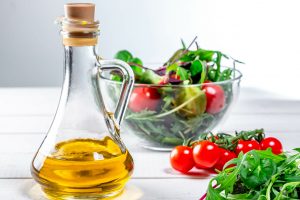
High cholesterol is one of the most common concerns raised during routine checkups, and for good reason.
Elevated LDL levels—combined with low HDL—are strongly associated with heart disease, the world’s leading cause of death.
Although cholesterol-lowering medications such as statins are widely prescribed and highly effective for many, they can sometimes cause side effects including muscle pain, fatigue, digestive upset, and mental fog.
Because of this, many people look for diet-based and lifestyle-based alternatives that support heart health naturally.
While medications are sometimes necessary, a growing body of research shows that targeted dietary changes can have a powerful effect on cholesterol levels—often enough to help people avoid medication or reduce the dose needed.
This article explores updated, evidence-based ways to naturally lower LDL (“bad”) cholesterol, boost HDL (“good”) cholesterol, and improve long-term cardiovascular health.
————————————————————-
Find the lowest prices on the
Best Metabolism Boosters – Right Here
Understanding Cholesterol: What It Is and Why It Matters
Cholesterol is a waxy substance essential for life. Your body uses it to:
-
Build and repair cell membranes
-
Produce hormones (including estrogen, testosterone, and cortisol)
-
Make bile acids that help digest fats
-
Support neurological function
Your liver produces most of the cholesterol you need—but diet, genetics, inflammation, and lifestyle also influence your cholesterol levels.
The two major categories are:
LDL (Low-Density Lipoprotein)
Often called “bad cholesterol,” LDL contributes to plaque buildup inside arteries. Over time, this can cause the arteries to narrow and stiffen—a condition known as atherosclerosis. This increases the risk of heart attack and stroke.
HDL (High-Density Lipoprotein)
Known as “good cholesterol,” HDL acts like a cleanup crew. It transports excess cholesterol back to the liver for disposal.
A healthy heart depends on low LDL, higher HDL, and low triglycerides. Unfortunately, about 1 in 4 adults worldwide has elevated LDL levels.
Modern Research: How Diet Improves Cholesterol
Studies published between 2019 and 2024 have confirmed several nutritional habits that consistently lower LDL, raise HDL, and improve overall cardiovascular markers:
-
Increased soluble fiber
-
Increased omega-3 fatty acids
-
Reduced saturated fat (especially from processed meat)
-
Elimination of trans fats
-
Higher intake of plant sterols, antioxidants, and polyphenols
-
Reduction of ultra-processed foods, refined sugars, and fried foods
The foods below are among the most effective natural tools for improving your cholesterol profile.
Foods Proven to Lower LDL Cholesterol
1. High-Fiber Foods (especially soluble fiber)
Soluble fiber binds to cholesterol in the digestive tract, helping the body flush it out before it enters the bloodstream.
Excellent sources include:
-
Oat bran and rolled oats
-
Barley
-
Wheat bran
-
Apples, pears, and citrus fruits
-
Prunes
-
Sweet potatoes
Aim for 10–15 grams of soluble fiber per day. Eating oatmeal for breakfast or adding barley to soups is a simple start.
2. Beans, Lentils, and Pulses
Beans are one of the most powerful cholesterol-lowering foods on Earth.
They are:
-
High in soluble fiber
-
Packed with plant protein
-
Naturally low in fat
Try adding kidney beans, black beans, lentils, chickpeas, or fava beans to soups, salads, and stews.
Studies show that eating one cup per day can lower LDL by up to 10%.
3. Avocados
Avocados contain heart-healthy monounsaturated fats that help lower LDL and increase HDL. New research from 2020–2024 shows that even half an avocado per day improves cholesterol markers in adults with mild hypercholesterolemia.
4. Raw Carrots and Pectin-Rich Fruits
Carrots are rich in pectin, a type of soluble fiber also found in:
-
Apples
-
Strawberries
-
Raspberries
-
Blackberries
Pectin helps block cholesterol absorption.
5. Shiitake Mushrooms
Shiitake mushrooms contain lentinan, a compound with immune-boosting and cholesterol-lowering properties. They also offer beta-glucans, similar to those found in oats.
6. Garlic
Garlic’s active compound allicin has been shown to modestly lower LDL levels (5–10%) when consumed regularly. It also supports circulation and reduces inflammation.
Try one clove per day—raw or lightly cooked.
7. Ginger
Ginger is widely used in Eastern medicine and modern studies confirm that it may reduce LDL and improve triglycerides. Add it to stir-fries, smoothies, or hot tea.
8. Nuts and Seeds
Nuts are rich in omega-3 fatty acids, plant sterols, and unsaturated fats.
The most beneficial include:
-
Walnuts
-
Almonds
-
Pecans
-
Hazelnuts
Seeds with strong benefits:
-
Sesame seeds (rich in phytosterols)
-
Chia seeds
-
Flaxseed
A handful a day lowers LDL by 5–8% on average.
9. Healthy Oils
Replace butter, lard, or shortening with heart-healthy oils such as:
-
Olive oil
-
Canola oil
-
Safflower oil
-
Soybean oil
These oils contain unsaturated fats that reduce LDL and decrease inflammation.
10. Fatty Fish (Omega-3 Powerhouses)
Fish rich in omega-3 fatty acids support heart health, lower triglycerides, and protect blood vessels.
Top choices include:
-
Salmon
-
Sardines
-
Tuna
-
Mackerel
2–3 servings per week is optimal.
11. Prunes
Prunes reduce oxidative stress and provide fiber that helps lower LDL. Studies show daily prune consumption improves cholesterol in postmenopausal women and adults over 40.
12. Alfalfa Sprouts
Alfalfa sprouts contain saponins, which help block cholesterol absorption and may prevent plaque formation.
Foods and Habits to Avoid
To keep LDL low and protect your arteries, limit or avoid:
-
Processed meats
-
Fried foods
-
Fast food
-
High-fat dairy
-
Margarine and shortening
-
Ultra-processed foods
-
Sugar-sweetened beverages
-
Foods containing trans fats
Even small amounts of trans fats significantly increase the risk of heart disease.
Lifestyle Upgrades That Boost Results
1. Exercise
Just 150 minutes per week of brisk walking or cycling:
-
Raises HDL
-
Lowers LDL
-
Improves insulin sensitivity
-
Reduces inflammation
2. Weight Management
Losing even 5–10% of body weight can significantly reduce LDL levels.
3. Quit Smoking
Smoking lowers HDL and damages blood vessels. Quitting produces immediate improvements.
4. Manage Stress
Chronic stress increases inflammation and disrupts lipid balance.
Try:
-
Deep breathing
-
Yoga
-
Meditation
-
Regular sleep habits
Final Thoughts
Cholesterol management doesn’t have to rely solely on medication. Many people successfully lower LDL and improve HDL using dietary changes, lifestyle improvements, and consistent habits. A diet rich in soluble fiber, healthy fats, omega-3s, plant sterols, and antioxidants—combined with regular exercise—can dramatically improve cholesterol levels while supporting overall wellness.
For individuals with genetic high cholesterol or very elevated levels, medications may still be necessary, but these natural strategies can enhance results and sometimes reduce the dose required.
Heart health begins in the kitchen—but every step counts.
————————————————————-
Find the lowest prices on the
Best Metabolism Boosters – Right Here
Please share this post on X or Facebook … Thanks !