Most people know fiber is “good for digestion,” but its benefits extend far beyond regularity.
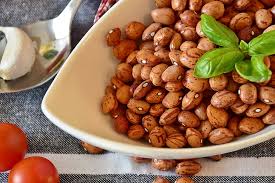 Adequate fiber intake can improve blood sugar control, support weight loss, feed beneficial gut bacteria, reduce inflammation, and lower the risk of chronic disease.
Yet most adults in Western countries consume far below the recommended daily amount. Health experts suggest aiming for 25–35 grams of fiber per day, but many people barely reach half of that.
Increasing your fiber intake is one of the simplest ways to improve overall health.
How Much Fiber Is in Everyday Foods?
Here’s an easy reference based on common foods:
Mixed grain/brown bread (1 slice) — 1.5 g
White bread (1 slice) — 0.8 g
Rolled oats, cooked (1 cup) — 3.3 g
Bran cereal (½ cup) — 7.5 g
Rice, white (½ cup cooked) — 0.8 g
Rice, brown (½ cup cooked) — 1.8 g
Whole-wheat spaghetti (½ cup cooked) — 4.2 g
Banana — 3.4 g
Apple, pear, or orange — ~2 g
Prunes, dates, dried apricots (50 g) — 6.5 g
Raisins or sultanas (50 g) — 3.5 g
Green peas (100 g) — 5.3 g
Corn kernels (100 g) — 4.7 g
Potato, peeled, cooked (100 g) — 1 g
Broccoli (100 g) — 4.1 g
Carrot (100 g) — 2.8 g
Baked beans (small can) — 9.5 g
Seeing these numbers often helps people realize they need more whole grains, legumes, fruits, and vegetables to hit their daily targets.
What Exactly Is Fiber?
Fiber is the indigestible part of plant foods. Your body doesn’t break it down into sugars or absorb it — instead, fiber moves through the digestive tract and performs essential jobs along the way.
There are two major types:
Soluble Fiber
Dissolves in water
Forms a gel-like texture
Found in oats, beans, lentils, apples, seeds
Helps control blood sugar, lower cholesterol, and keeps you feeling full
Insoluble Fiber
Adds bulk to the stool
Found in whole grains, wheat bran, carrots, leafy greens
Supports healthy bowel movements and helps prevent constipation
A balanced diet should include both types.
How Fiber Improves Health
Fiber supports your body in multiple ways:
• Speeds up transit time in the digestive tract
• Reduces exposure to harmful byproducts and toxins
• Supports gut microbiome health
• Improves satiety, helping with appetite control and weight loss
• Stabilizes blood sugar, reducing energy crashes
• Helps lower cholesterol and promotes cardiovascular health
Consistently eating more fiber can enhance digestion, boost energy, and support long-term metabolic health.
Fiber and Type 2 Diabetes
Research continues to show that fiber can help regulate glucose levels. Higher-fiber diets slow the absorption of sugars and improve insulin sensitivity. While very high intakes (such as 50 grams per day) may not be practical for everyone, increasing fiber toward the recommended range can still make a meaningful difference in blood sugar stability.
Always consult a medical professional for diet guidance if you manage diabetes or other metabolic conditions.
How to Increase Your Fiber Intake
You can raise your daily fiber intake naturally by:
• Choosing whole grains instead of refined ones
• Eating more beans, lentils, and peas
• Adding fruit to breakfast and vegetables to every meal
• Snacking on nuts, seeds, and fresh fruit
• Incorporating oats, barley, or chia seeds into meals
If access to fresh produce is limited, frozen fruits and vegetables are just as nutritious — and often more affordable. In some cases, fiber supplements can also help boost intake, but whole-food sources should always come first when possible.
A Simple Rule to Follow
If it grows on a plant — eat it.
If it’s made in a plant — limit it.
Boost Your Metabolism Naturally
Looking for the best metabolism boosters that actually work? Check out my recommended picks on Amazon:
Best Metabolism Boosters
 But in the last two decades, scientists have uncovered something even more remarkable: foods contain hundreds of naturally occurring compounds that help protect the body, reduce inflammation, and lower disease risk.
 Book deals explode, celebrity endorsements pop up, and suddenly everyone is swearing that this new formula is superior to traditional balanced eating.
 It’s woven into cultural rituals, morning routines, office habits, and social gatherings. Coffee, tea, sodas, energy drinks, and even certain pain relievers rely on caffeine to provide a mental spark.
 The word refers to the body’s ability to generate heat. When your