Your Complete Guide to Juice Detoxing & Holistic Nutrition
Welcome to your all-in-one hub for juice detoxing, holistic nutrition, and natural wellness.
Whether you’re new to juicing or looking to take your cleanse routine to the next level, this guide brings together the core resources you need to start your journey with confidence.
Here you’ll find everything from the best juicers for detoxing, to simple nutrient-packed recipes, to step-by-step guidance for completing a safe and effective 3-day juice cleanse.
Each article is designed to help you nourish your body, increase energy, and support natural detoxification—without confusion or complexity.
Start With the Right Juicer
Your detox experience begins with choosing the right equipment. Whether you prefer fast centrifugal juicers or nutrient-preserving cold-press models, this guide breaks down the top options for every lifestyle and budget:
Ready to start juicing? These refreshing, delicious recipes are perfect for boosting hydration, supporting digestion, increasing energy, and helping your body reset. From green detox blends to anti-inflammatory juices, you’ll find something for every goal:
If you’re thinking about completing a short cleanse, this step-by-step guide shows you exactly how to prepare, what to drink, how to avoid common mistakes, and how to safely transition back to solid foods afterward:
Use this hub as your starting point anytime you want to refresh your health, explore detoxing, or simply add more fresh nutrients to your diet. Explore the articles, try a few recipes, and take the first step toward a cleaner, more energized you.
Best Detox Juicer Recipes for Energy, Cleansing, and Weight Balance
Juicing is one of the easiest ways to deliver a concentrated boost of vitamins, minerals, antioxidants,
and hydration directly into your system—making it an ideal companion for short-term detox programs, juice fasting, or daily wellness routines.
If you haven’t chosen a juicer yet, check out our complete guide: 7 Best Juicers for Detox.
Selecting the right juicer will dramatically improve your juice quality, yield, and nutrient extraction.
To store your juices safely and conveniently, consider using glass juicing bottles with lids.
They help keep your juice fresh and make it easy to take detox blends on the go.
1. The Classic Green Detox Juice
Perfect for: Daily cleansing, bloating, hydration, increased energy
Ingredients:
3 stalks organic celery (or celery juice powder if fresh isn’t available)
Juice the lemon, ginger, and apple. Pour into a small shot glass or mini glass bottle,
then add a pinch of cayenne. Drink in one or two sips.
Benefits:
Improves digestion and gut motility
Kickstarts metabolism first thing in the morning
Supports immunity and respiratory health
5. Green Apple & Mint Digestive Cleanser
Perfect for: Gut health, bloating, gas, post-meal cleansing
Ingredients:
2 green apples
1 handful fresh mint
1 cucumber
1/2 lime
Directions:
Juice all ingredients, starting with the mint (so it gets flushed through by the apple and cucumber). Serve over ice in a reusable glass bottle if desired.
Benefits:
Mint soothes the digestive tract
Lime promotes enzyme production
Green apples add fiber and a clean, tart flavor
6. Immune-Boosting Carrot Orange Sunrise
Perfect for: Immune support, skin health, vitamin C boost
Juice the carrots, oranges, and ginger. Stir in the turmeric powder at the end for a vibrant golden color and extra anti-inflammatory benefits.
Benefits:
Loaded with vitamin C and beta-carotene
Helps strengthen immune response
Great for skin, eyes, and hair
7. Cucumber Lime Hydration Flush
Perfect for: Hydration, detox, reducing puffiness
Ingredients:
2 cucumbers
1/2 lime
Handful of parsley or cilantro
1 green apple (optional)
Directions:
Juice all ingredients and serve cold in an insulated bottle
to keep it chilled longer during the day.
Benefits:
Cucumbers hydrate deeply and support kidney function
Parsley or cilantro may support natural detox processes
Low-calorie, refreshing, and perfect for hot days
Tips for Getting the Best Results from Your Detox Juices
Drink juices immediately after making them for maximum freshness.
If storing, keep refrigerated in an airtight glass bottle for up to 24 hours.
Use more vegetables than fruit to avoid blood sugar spikes—ideal ratio is 70% vegetables, 30% fruit.
Stay hydrated with water or herbal teas between juices.
Pair juicing with gentle movement like stretching or walking.
For deeper guidance on selecting the right juicer for these recipes, see: 7 Best Juicers for Detox.
It breaks down the top-performing centrifugal and slow juicers for every budget and kitchen size.
Final Thoughts
Detox juicing doesn’t have to be complicated.
With the right ingredients, proper storage, and a reliable juicer, you can support your body’s natural cleansing processes, improve hydration, and boost overall energy and wellness.
Start with one or two of these recipes, experiment with new combinations, and discover which blends make you feel your best.
A 3-day juice detox can be a gentle reset for your body and mind—helping you focus on hydration, nutrient-rich plant foods, and mindful eating habits.
But like any dietary change, it’s important to do it safely and with realistic expectations.
In this guide, you’ll learn how to prepare for a 3-day juice detox, what to drink, how to structure your days, and how to return to solid foods without shocking your system.
Before we dive in, juice detoxes are not recommended for everyone. You should avoid or get medical clearance if you:
Have diabetes or blood sugar regulation issues
Are pregnant or breastfeeding
Have kidney or liver disease
Have a history of eating disorders
Are on medications that require food with dosing
When in doubt, talk with your healthcare provider before starting any detox or fasting protocol.
Step 1: Prepare 2–3 Days Before You Start
A safe 3-day juice detox actually begins a few days earlier. This makes the transition easier and reduces detox side effects
like headaches, cravings, or fatigue.
In the 2–3 days before your detox:
Gradually cut back on caffeine, alcohol, sugar, and processed foods.
Increase your intake of fruits, vegetables, and whole grains.
Use this time to experiment with 1–2 juice recipes per day so that you’re not trying completely new flavors once the detox begins.
You can get recipe inspiration from our Best Detox Juicer Recipes.
Beet and carrot-based juice for liver support (see Liver Cleanse Beet & Carrot Juice recipe)
Afternoon (2–4 PM)
Cucumber-based hydrating juice or pineapple-turmeric juice
Plenty of water and herbal tea
Dinner Juice (5–7 PM)
A satisfying, fiber-rich vegetable juice with carrots, celery, and greens
Evening (After 7 PM)
Herbal tea, such as peppermint or chamomile
Relaxation, light stretching, journaling, or reading
Aim for about 4–6 juices per day, depending on your size, activity level, and how you feel. Always listen to your body.
Step 4: Listen to Your Body During the Detox
It’s normal to experience mild symptoms on a juice detox, especially if you previously relied heavily on caffeine, sugar,
or processed foods. Common sensations include:
Mild headaches
Temporary fatigue
Changes in bowel habits
Increased urination
However, if you experience dizziness, severe weakness, rapid heartbeat, or feel unwell, stop the detox and consult a
healthcare professional. You can always transition to a gentler plan that includes light meals alongside juices.
Step 5: How to Break a 3-Day Juice Detox Safely
The way you come off your detox is just as important as the detox itself. Avoid finishing your 3 days and immediately
diving into heavy, oily meals.
On Day 4 (Post-Detox):
Start with a piece of fresh fruit or a light fruit salad.
Have a vegetable-based soup or steamed vegetables for lunch.
Add in small portions of healthy fats such as avocado or olive oil.
Continue drinking 1–2 fresh juices per day if you enjoy them. This helps maintain the benefits of your detox without the
restriction of an all-liquid diet.
Safety Tips and Realistic Expectations
View a juice detox as a short-term reset, not a long-term eating style.
Don’t use juice fasting as a punishment or quick fix for overeating.
Use this time to reconnect with your body’s hunger and fullness signals.
Make a plan for how you’ll eat in the week after your detox to keep the momentum going.
Remember: your liver, kidneys, lungs, skin, and digestive system are already detoxing every day. A 3-day juice detox
is simply a way to get out of your own way—by removing processed foods and flooding your body with hydration and plant nutrients.
With a little planning and the right tools, a 3-day juice detox can be a safe, refreshing, and motivating way to reboot your habits and recommit to a healthier lifestyle.
Please share this post on X or Facebook…. thanks !
In today’s world, our bodies are constantly exposed to stressors—ultra-processed foods, polluted air, chemicals, preservatives, and the daily pressure of modern living. While the human body is remarkably efficient at detoxifying itself through the liver, kidneys, lungs, digestive system, and skin, many people feel weighed down by fatigue, headaches, sluggish digestion, breakouts, and inflammation. When these symptoms persist, some individuals turn to juice fasting as a gentle, short-term method to rest the digestive system and support natural detoxification processes.
Juice fasting, when done correctly and safely, can help people feel lighter, more energetic, and mentally clear. It is not a cure-all—and it should never replace medical treatment—but many people report positive effects, including improved digestion, skin health, and overall vitality.
What Is Juice Fasting?
Juice fasting involves consuming only fresh fruit and vegetable juices, along with water, for a set period of time—typically 1 to 3 days for beginners. The idea is simple: by removing solid food temporarily, the digestive system gets a break, allowing the body to redirect energy toward cellular repair, detoxification, and metabolic reset.
Unlike long-term “starvation diets,” a juice fast provides vitamins, minerals, antioxidants, and hydration, all of which can help support the body’s natural cleansing processes.
How Juice Fasting Supports Detoxification
Juice fasting does not “magically remove toxins,” but it does create conditions that make natural detoxification easier:
1. Digestive Rest
Digesting solid food requires significant energy. During a juice fast, that energy can be redirected to:
Cellular repair
Removal of metabolic waste
Immune system support
People often report increased clarity and reduced bloating as a result.
2. Hydration & Improved Elimination
Fresh juices contain water, electrolytes, and plant fibers (in small amounts), which support:
Kidney filtration
Bile production
Lymphatic flow
Healthy bowel movements
Hydration is one of the most important factors in detoxification.
3. Antioxidant Surge
Fresh produce is rich in:
Vitamin C
Beta-carotene
Polyphenols
Phytochemicals
These compounds help reduce inflammation and oxidative stress—two major contributors to chronic fatigue, skin issues, and premature aging.
4. Temporary Caloric Reduction
Short-term caloric reduction may activate beneficial metabolic processes such as autophagy, the body’s internal recycling system where damaged or old cells are broken down and replaced. Although full autophagy is more strongly triggered by water fasting, a juice fast still encourages mild cellular cleanup.
What to Expect During a Juice Fast
Especially during a fast lasting more than 24–48 hours, people may experience transitional symptoms such as:
Headaches
Skin breakouts
Mild fatigue
Temporary irritability
Changes in bowel movement
Decreased appetite
These effects are usually short-lived and tend to pass by day 2 or 3. Most people report improved energy, clearer skin, and lighter digestion once the body adjusts.
However, anyone with medical conditions should consult a healthcare professional before starting a fast.
Best Fruits and Vegetables for Juice Fasting
You can juice almost any raw fruit or vegetable, but some are especially beneficial:
Great vegetables for juicing
Carrots – rich in beta-carotene and alkalizing minerals
Celery – excellent hydration and cleansing salt balance
Cucumbers – refreshing and cooling
Leafy greens (spinach, kale) – chlorophyll-rich and nutrient-dense
Tomatoes – high in antioxidants like lycopene
Beets – support liver health and circulation
Recommended fruits
Apples
Pears
Pineapple
Berries
Citrus fruits
Grapes
Delicious fruit–vegetable combinations
Apple + carrot – a classic, sweet and refreshing
Apple + celery + tomato – clean, crisp, and hydrating
Carrot + ginger + orange – immune-boosting
Beet + carrot + apple – liver support and improved circulation
When possible, choose organic produce, especially when consuming the skin. If not organic, peel or wash thoroughly with filtered water.
How to Juice Properly During a Juice Fast
1. Always Use Freshly Extracted Juice
Bottled or packaged juices—even “cold-pressed”—are pasteurized and lack the active enzymes and micronutrients found in fresh juice. Fresh juice loses nutritional potency within 15–30 minutes.
2. Dilute Fruit Juices
Pure fruit juice may be too sugary for fasting. The best practice is:
Dilute 50/50 with filtered or distilled water This prevents sharp blood sugar spikes and makes the fast easier on the body.
3. Use a High-Quality Juicer
Centrifugal juicers work, but masticating (slow) juicers extract more nutrients and less foam.
4. Drink Plenty of Water
During a juice fast, water is just as important as juice. Aim for:
2–3 liters of water per day
5. Avoid Hard Exercise
Light stretching, walking, and yoga are fine, but avoid:
Longer fasts should always be monitored by a health professional, especially for individuals with:
Diabetes
Heart conditions
Kidney problems
Eating disorders
Pregnancy or breastfeeding
Breaking the Fast Safely
Your digestive system will be sensitive afterward. Break your fast gradually with:
Fresh fruit
Steamed vegetables
Soups
Light salads
Healthy fats (avocado, olive oil)
Avoid heavy meals, fried foods, or meats for the first 24 hours.
Final Thoughts
Juice fasting can be a gentle and refreshing way to reset your system, improve hydration, increase nutrient intake, and give the digestive organs a much-needed break. While not a miracle cure, it can support overall well-being, improve digestion, enhance energy, and help people reconnect with healthier eating habits.
The key is safety, moderation, and preparation. With proper planning and the use of fresh, whole foods, juice fasting is a simple and natural method to reboot both body and mind.
If you’re planning a short detox, juice fast, or you simply want to drink more fresh fruit and vegetable juice, the juicer you choose can make or break your experience.
A good juicer will give you:
High juice yield (so you don’t waste produce)
Minimal foaming and oxidation
Easy cleanup, so you’ll actually use it every day
Good performance with leafy greens, celery, carrots, and beets
Below are seven of the best juicers suited for detox-style use. They range from slow, cold-press models for maximum nutrient retention to powerful centrifugal machines that are perfect for quick daily juicing.
For serious detoxers and juice enthusiasts, the Kuvings Whole Slow Juicer EVO820
is a premium cold-press juicer designed for maximum nutrition and minimal oxidation.
It uses a low-speed masticating screw to gently crush fruits and vegetables, preserving more enzymes, vitamins, and
antioxidants in every glass.
Best for:
People who plan to juice daily or do multi-day juice fasts several times per year
Those who want the highest possible juice quality and yield
Juicing leafy greens, celery, beets, carrots, and mixed detox recipes
Key features:
Slow cold-press extraction for high nutrient retention
Wide feed chute that reduces chopping time
Can handle leafy greens, hard vegetables, and fruits
Quieter than most centrifugal juicers
Why it’s great for detox:
The EVO820 is ideal for serious detox programs because you can run lots of produce through it without overheating the juice.
If you’re making green-heavy juices with kale, spinach, celery, parsley, and cucumber, this model squeezes out a
high yield and leaves very dry pulp.
The Omega H3000D Cold Press Slow Juicer
is a more affordable slow juicer that still delivers excellent cold-press performance. It operates at a low RPM to
reduce heat and oxidation, helping preserve nutrients and flavor.
Best for:
Beginners who still want a true cold-press juicer
People focused on green juices and detox blends
Those who prefer a quieter machine for early-morning juicing
Key features:
Slow 90–110 RPM operation for maximum nutrient retention
Designed for fruits, vegetables, leafy greens, and wheatgrass
Simple assembly and relatively easy cleanup
Compact footprint for smaller kitchens
Why it’s great for detox:
The H3000D is ideal if you’re doing a 1–3 day juice fast or want a regular “green juice habit” without the premium
price tag of some high-end models. It’s particularly good for celery juice, kale-cucumber blends, and mixed veggie juices.
The Breville Juice Fountain Compact
is one of the most popular centrifugal juicers on the market. It’s fast, relatively compact, and user-friendly, making it
an excellent choice if you’re just beginning with detox juicing or don’t want to invest in a more expensive slow juicer.
Best for:
Beginners and casual juicers
Small kitchens and limited counter space
Quick daily juices before work or after the gym
Key features:
700-watt motor for fast extraction
Wide 3-inch feed chute that fits whole fruits and large pieces of vegetables
Compact design with built-in pulp container
Easy setup and straightforward cleanup
Why it’s great for detox:
If your goal is simply to start drinking more fresh juice and do the occasional 1–2 day detox, the BJE200XL is
a smart, budget-friendly choice. It shines with carrots, apples, oranges, and basic green mixes like celery and cucumber.
The Breville Juice Fountain Elite
is the “big brother” to the Compact model, built for higher volume and more power. This juicer is perfect if you plan to
make large batches of juice for the whole day or for multiple people during a detox program.
Best for:
Families or couples juicing together
People doing multi-day juice fasts who want to prep larger quantities
Users who prefer speed and convenience over absolute maximum nutrient retention
Key features:
1000-watt motor with two speeds (for hard and soft produce)
Large feed chute to reduce chopping
High juice yield from hard vegetables and fruits
Durable design with stainless steel components
Why it’s great for detox:
During a detox, you may be making several liters of juice per day. The 800JEXL lets you blast through carrots, beets,
apples, and celery quickly, which is ideal if you prefer to juice once or twice per day and store your juice in the fridge.
The NutriBullet Juicer Pro
is a powerful centrifugal juicer designed with a few extra touches that make it detox-friendly: multiple speeds, a sealing
juice pitcher, and storage accessories for make-ahead juice.
Best for:
People who want to juice once and drink throughout the day
Those who like to prep juice the night before work
Intermediate users who want more features than a basic entry-level juicer
Key features:
1000-watt motor with three speeds
Sealing juice pitcher so you can store juice up to about 48 hours in the fridge
No-drip spout and foam separator
Includes freezer trays and to-go bottles (depending on bundle)
Why it’s great for detox:
During a detox, convenience matters. The included juice pitcher and accessories make it easy to prepare your entire day’s
juice at once, store it properly, and take it with you. This is a solid choice if you want to keep your detox routine
practical and sustainable.
The Magic Bullet Mini Juicer with Cup
is a compact juicer designed for small spaces and single-serve use. If you live in an apartment, have limited counter space,
or just want quick morning detox shots, this mini juicer gets the job done without dominating your kitchen.
Best for:
Individuals in small apartments or dorms
People doing light detoxes with one or two juices per day
Anyone who wants a simple, no-fuss machine for small batches
Key features:
Compact footprint and lightweight design
Includes a personal cup with lid for on-the-go sipping
Good for basic fruit and vegetable juices
Dishwasher-safe parts for easier cleanup
Why it’s great for detox:
Not everyone needs a huge, heavy-duty juicer. If your detox plan is simple—maybe one green juice in the morning and a
carrot-apple blend in the afternoon—the Magic Bullet Mini is a convenient and affordable way to get started.
The Hamilton Beach Big Mouth Juicer Machine
is a very popular budget-friendly centrifugal juicer with a large 3-inch feed chute and an 800-watt motor. It offers
a strong balance between performance, simplicity, and price.
Best for:
Budget-conscious buyers who still want a capable juicer
Families who want to make fresh juice without overspending
Users who prefer simple, one-speed operation
Key features:
Extra-large 3-inch feed chute fits whole fruits and many vegetables
800-watt motor for strong, fast juicing
Dishwasher-safe removable parts
Large pulp bin so you can juice more before emptying
Why it’s great for detox:
If you’re planning a short detox and don’t want to invest heavily, this is an excellent starter juicer. It handles
apples, carrots, beets, and celery easily, and the big feed chute saves you time on chopping when you’re juicing
multiple times per day.
How to Choose the Right Juicer for Your Detox Plan
Remember: a juicer is just one tool in a healthy lifestyle. For the best detox results, combine fresh juices with
plenty of water, adequate sleep, light movement, and a gradual return to whole, minimally processed foods after your fasting period.
High cholesterol is one of the most common concerns raised during routine checkups, and for good reason.
Elevated LDL levels—combined with low HDL—are strongly associated with heart disease, the world’s leading cause of death.
Although cholesterol-lowering medications such as statins are widely prescribed and highly effective for many, they can sometimes cause side effects including muscle pain, fatigue, digestive upset, and mental fog.
Because of this, many people look for diet-based and lifestyle-based alternatives that support heart health naturally.
While medications are sometimes necessary, a growing body of research shows that targeted dietary changes can have a powerful effect on cholesterol levels—often enough to help people avoid medication or reduce the dose needed.
This article explores updated, evidence-based ways to naturally lower LDL (“bad”) cholesterol, boost HDL (“good”) cholesterol, and improve long-term cardiovascular health.
Understanding Cholesterol: What It Is and Why It Matters
Cholesterol is a waxy substance essential for life. Your body uses it to:
Build and repair cell membranes
Produce hormones (including estrogen, testosterone, and cortisol)
Make bile acids that help digest fats
Support neurological function
Your liver produces most of the cholesterol you need—but diet, genetics, inflammation, and lifestyle also influence your cholesterol levels.
The two major categories are:
LDL (Low-Density Lipoprotein)
Often called “bad cholesterol,” LDL contributes to plaque buildup inside arteries. Over time, this can cause the arteries to narrow and stiffen—a condition known as atherosclerosis. This increases the risk of heart attack and stroke.
HDL (High-Density Lipoprotein)
Known as “good cholesterol,” HDL acts like a cleanup crew. It transports excess cholesterol back to the liver for disposal.
A healthy heart depends on low LDL, higher HDL, and low triglycerides. Unfortunately, about 1 in 4 adults worldwide has elevated LDL levels.
Modern Research: How Diet Improves Cholesterol
Studies published between 2019 and 2024 have confirmed several nutritional habits that consistently lower LDL, raise HDL, and improve overall cardiovascular markers:
Increased soluble fiber
Increased omega-3 fatty acids
Reduced saturated fat (especially from processed meat)
Elimination of trans fats
Higher intake of plant sterols, antioxidants, and polyphenols
Reduction of ultra-processed foods, refined sugars, and fried foods
The foods below are among the most effective natural tools for improving your cholesterol profile.
Foods Proven to Lower LDL Cholesterol
1. High-Fiber Foods (especially soluble fiber)
Soluble fiber binds to cholesterol in the digestive tract, helping the body flush it out before it enters the bloodstream.
Excellent sources include:
Oat bran and rolled oats
Barley
Wheat bran
Apples, pears, and citrus fruits
Prunes
Sweet potatoes
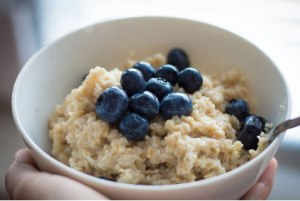
Aim for 10–15 grams of soluble fiber per day. Eating oatmeal for breakfast or adding barley to soups is a simple start.
2. Beans, Lentils, and Pulses
Beans are one of the most powerful cholesterol-lowering foods on Earth.
They are:
High in soluble fiber
Packed with plant protein
Naturally low in fat
Try adding kidney beans, black beans, lentils, chickpeas, or fava beans to soups, salads, and stews.
Studies show that eating one cup per day can lower LDL by up to 10%.
3. Avocados
Avocados contain heart-healthy monounsaturated fats that help lower LDL and increase HDL. New research from 2020–2024 shows that even half an avocado per day improves cholesterol markers in adults with mild hypercholesterolemia.
4. Raw Carrots and Pectin-Rich Fruits
Carrots are rich in pectin, a type of soluble fiber also found in:
Apples
Strawberries
Raspberries
Blackberries
Pectin helps block cholesterol absorption.
5. Shiitake Mushrooms
Shiitake mushrooms contain lentinan, a compound with immune-boosting and cholesterol-lowering properties. They also offer beta-glucans, similar to those found in oats.
6. Garlic
Garlic’s active compound allicin has been shown to modestly lower LDL levels (5–10%) when consumed regularly. It also supports circulation and reduces inflammation.
Try one clove per day—raw or lightly cooked.
7. Ginger
Ginger is widely used in Eastern medicine and modern studies confirm that it may reduce LDL and improve triglycerides. Add it to stir-fries, smoothies, or hot tea.
8. Nuts and Seeds
Nuts are rich in omega-3 fatty acids, plant sterols, and unsaturated fats.
The most beneficial include:
Walnuts
Almonds
Pecans
Hazelnuts
Seeds with strong benefits:
Sesame seeds (rich in phytosterols)
Chia seeds
Flaxseed
A handful a day lowers LDL by 5–8% on average.
9. Healthy Oils
Replace butter, lard, or shortening with heart-healthy oils such as:
Olive oil
Canola oil
Safflower oil
Soybean oil
These oils contain unsaturated fats that reduce LDL and decrease inflammation.
10. Fatty Fish (Omega-3 Powerhouses)
Fish rich in omega-3 fatty acids support heart health, lower triglycerides, and protect blood vessels.
Top choices include:
Salmon
Sardines
Tuna
Mackerel
2–3 servings per week is optimal.
11. Prunes
Prunes reduce oxidative stress and provide fiber that helps lower LDL. Studies show daily prune consumption improves cholesterol in postmenopausal women and adults over 40.
12. Alfalfa Sprouts
Alfalfa sprouts contain saponins, which help block cholesterol absorption and may prevent plaque formation.
Foods and Habits to Avoid
To keep LDL low and protect your arteries, limit or avoid:
Processed meats
Fried foods
Fast food
High-fat dairy
Margarine and shortening
Ultra-processed foods
Sugar-sweetened beverages
Foods containing trans fats
Even small amounts of trans fats significantly increase the risk of heart disease.
Lifestyle Upgrades That Boost Results
1. Exercise
Just 150 minutes per week of brisk walking or cycling:
Raises HDL
Lowers LDL
Improves insulin sensitivity
Reduces inflammation
2. Weight Management
Losing even 5–10% of body weight can significantly reduce LDL levels.
Chronic stress increases inflammation and disrupts lipid balance. Try:
Deep breathing
Yoga
Meditation
Regular sleep habits
Final Thoughts
Cholesterol management doesn’t have to rely solely on medication. Many people successfully lower LDL and improve HDL using dietary changes, lifestyle improvements, and consistent habits. A diet rich in soluble fiber, healthy fats, omega-3s, plant sterols, and antioxidants—combined with regular exercise—can dramatically improve cholesterol levels while supporting overall wellness.
For individuals with genetic high cholesterol or very elevated levels, medications may still be necessary, but these natural strategies can enhance results and sometimes reduce the dose required.
Heart health begins in the kitchen—but every step counts.
According to Webster’s New World College Dictionary, food is any substance taken into the body that nourishes, stimulates, and supports life—helping us grow, repair tissue, and maintain energy. But a question now hangs over our modern diet: Do today’s foods still nourish, restore, and strengthen us the way they once did?
There was a time when this question could be answered with a confident yes. Today, however, that answer is far from clear. In fact, the opposite may be true.
A Century of Change: Rising Disease in a Changing Food Environment
In 1880, diabetes was extremely rare—about 2.8 cases per 100,000 people. By 1949, that number had jumped to 29.7 per 100,000, an astonishing rise in less than a lifetime. Yet in that same year, statistical definitions were revised, lowering the reported rate to 16.4 cases per 100,000. This change blurred the reality of what had been a dramatic and alarming increase.
At the time, there was no distinction between Type I and Type II diabetes; it was simply called “diabetes.” Today we know that Type II diabetes, strongly influenced by diet and lifestyle, affects 10–20% of the population—an explosion from the tiny fraction recorded in the late 1800s.
What happened?
Many researchers point toward the industrial reengineering of the food supply. As shelf-life became more important than nutrition, foods were altered, refined, stripped, and chemically modified. Key nutrients disappeared. Artificial ingredients and synthetic fats appeared. Over time, the shift in our diet paralleled a shift in our national health—and not for the better.
The Artificial Food Revolution: When Science Met Profit
Food didn’t become artificial by accident—it happened because it was profitable.
The pursuit of synthetic food alternatives dates back at least to Napoleon’s era. In the mid-19th century, French chemist Hippolyte Mège-Mouriès created what we now call margarine, winning a contest set by Napoleon III to produce a cheap butter substitute. Early margarine was hardly edible, containing mixtures such as hog fat, gelatin, bleached fats, mashed potatoes, gypsum, and casein.
By 1874, margarine reached America, and by the early 20th century, more engineered fats followed. In 1899, David Wesson developed a high-heat, vacuum-deodorized cottonseed oil, leading to the birth of “Wesson Oil.” Soon after, the hydrogenation process was patented, allowing liquid oils to be chemically hardened into solid fats that resisted spoilage. This was the foundation of Crisco, launched in 1911 and embraced—even by communities with strict dietary rules—because it was marketed as “clean, pure, and Kosher.”
The introduction of these oils was revolutionary. Unlike natural animal fats or traditional cold-pressed oils, these new industrial fats did not spoil. To manufacturers, that meant longer shelf life and higher profits. But little attention was paid to the long-term consequences for human health.
The Industrial Diet Becomes the American Diet
By World War II, margarine consumption skyrocketed. Earlier legal restrictions were removed, and margarine became a staple in American households. Hydrogenated oils, refined cooking oils, and synthetic shortenings flooded the food market. Housewives embraced them because they were marketed as modern, clean, and economical.
Interestingly, even insects refused to eat some of these refined oils—a warning sign that went largely ignored.
As industrial food science advanced, marketing outpaced nutrition. Consumers were encouraged to abandon the natural fats and unprocessed oils that had sustained humans for generations. Saturated fats were demonized—not only by food companies but also by scientists financially tied to the industry.
A food revolution was underway, and the American public was its test subject.
A Case Study in Dietary Change: The American Eskimo
For generations, the traditional Eskimo diet was extremely high in natural animal fats—around 60% of total calories—with no diabetes, heart disease, or obesity. Their health remained stable and strong.
However, once oil money flowed into their communities, they adopted the typical American diet: refined flour, sugar, processed oils, packaged foods, and shelf-stable products. Within a single generation, their health deteriorated dramatically, mirroring the same chronic diseases seen across the U.S. population.
Diet changed—and disease followed.
The Trans Fat Era and Misleading Science
As the food industry grew more powerful, it funded studies that blurred the truth about the new fats being introduced into the food chain. Companies touted the benefits of “polyunsaturated” and “monounsaturated” oils without disclosing that many of these processed products were, in fact, trans fats—a harmful byproduct of hydrogenation.
A natural polyunsaturated fat (in its cis form) is essential for life. A polyunsaturated trans fat, however, is a chemical distortion of a real food molecule—and the human body struggles to metabolize it.
For decades, consumers were left in the dark.
A Nation’s Health in Decline
The past century has seen a steady march toward more refined foods, more artificial fats, more chemical additives, and more processed ingredients. This shift has coincided with rising rates of:
– Type II diabetes – Obesity – Heart disease – Chronic inflammation – Autoimmune disorders – Metabolic syndrome
Today’s food supply is a far cry from what nourished earlier generations. Without a meaningful shift back toward whole, living, minimally processed foods, the health crisis is likely to intensify.
In Conclusion
The question “Are the foods we eat safe?” can no longer be answered with a simple yes.
Much of our food has been engineered for profit, not nutrition. In stripping foods of their natural integrity, we have paid the price in our national health.
Reclaiming wellness requires returning to foods that are as close to their natural state as possible—foods that truly nourish, restore, and support life. Only then can we reverse the chronic disease trends that began over a century ago.
Happy Holidays! It’s time to get some gift ideas for the cyclists in your life or get yourself some goodies. I’m pretty sure there is a ratio of 2:1 where for every two gifts you buy, you need to get something for yourself, no?! I’m not really a fan of putting together gift guides, hence…
Just feel better. Stronger, more energy, less aches and pains.
Anything goes.
If you’re feeling stuck, try this:
“12-months from now, if you’ve made awesome progress on your health and fitness goals…what does life look and feel like? Describe your average day to me.”
That can help get the ideas flowing and gives you a North Star to aim for.
Step 2: Identify the skills behind that goal
Here’s where most people get tripped up.
They go straight from “I want to lose 20 lbs” to “I need to follow this exact workout plan five days a week.” That skips over a crucial step: skills.
Ask yourself:
“What are the types of skills someone who achieves this goal develops?”
Here are some ideas to get you going:
Want to lose weight?
Controlling portion sizes
Planning and prepping meals
Getting enough sleep
Having non-food coping mechanisms for stress
Staying active throughout the week
Want to get stronger?
Carving out time to lift regularly
Recovering well (including sleep & rest days)
Eating enough protein
Learning how to work near failure in your workouts
You don’t have to list every skill. Just jot down a few that come to mind.
Step 3: Choose your practices
Now that you’ve identified a few skills, the next step is to figure out how to practice them.
This is the cool part, because there’s no one right answer, which is actually a good thing. Take my client Amanda, for example.
She wanted to lose weight to improve her overall health. So we identified “controlling portion sizes” as a key skill. But she didn’t want to count calories every day.
So here’s what we did:
Week 1: Built the habit of packing an afternoon snack at work. This helped prevent evening overeating.
Week 3: Usedhand-portion guides to estimate meals. We started with breakfast, then moved to lunch and dinner over the course of a few weeks.
Week 10: Tried short-term calorie tracking. Which she actually enjoyed – something she never thought when we first started!
All different practices. All in service of the same skill.
We had room to adapt based on what felt realistic and useful at the time.
And if she ran into a tough day? She could pivot to a different practice while still building the underlying skill.
If you skip the skill-building step, you risk creating an inflexible plan, or chasing the wrong actions entirely.
That’s one reason so many diets fail: they don’t help you build sustainable skills. They just give you temporary rules.
–
Now I’d love to hear from you!
What’s one 12-month win you can think of?
What’s one skill that could help you get there?
What’s an easy practice you can work towards this week for that skill?
Hit reply and let me know. I’d love to cheer you on.
There’s a cycle I see people get caught in all the time – and it makes staying on track with workouts and nutrition super difficult.
Here’s how one of my clients, Josh, put it:
“Things get super challenging (work/home/etc.) > less time > don’t get self care (time alone, workouts, etc.) > lower mood > makes things even more challenging > makes self care even less likely to happen > even lower mood > and so on.”
I know I can relate!
Here’s the thing, often, people in these situations say: “I just need more motivation”, when what they need is more bandwidth.
That’s where something we call the Nourishment Menu comes in.
What’s a Nourishment Menu?
A Nourishment Menu is a list of things that help you feel restored – even just a little bit – physically, mentally or emotionally.
Think of activities like: reading, listening to music, taking a walk outside, talking to a friend, decluttering your desk, preparing a meal, stretching, etc.
The goal is to pick one action item off of the menu each day to put a little bit of energy back in your battery.
When you’re stressed out and feeling drained, proactively practicing self-care helps build a bit of momentum, consistency and mental space.
I’ve seen it make a HUGE difference for the people I coach through the different challenging periods in life: becoming new parents, job transitions, relationship stress, you name it.
We clear the calendar for a few weeks and focus ONLY on completing a self-care item each day. They look at their menu and pick the one that works for them that day.
Then, as soon as they have their feet under them, we’re able to build more specific fitness routines that they can actually stick to without feeling like they’re drowning.
Obviously, a Nourishment Menu doesn’t immediately fix everything – but it does give you a bit of breathing room.
And without that bandwidth, it’s like you’re trying to build a house (your fitness habits) when the foundation is on fire.
Four mistakes people make with self-care
While you’re building your own Nourishment Menu, make sure to watch out for these common mistakes I see people make.
1) Having too narrow of a list. I think this graphic says it perfectly:
Consistency is dependent on flexibility. Having more options at your disposal is a good thing!
2) Relying on “once-in-a-while” tactics.
For example, a massage feels wonderful, but since it’s not something you have access to regularly, it serves as an awesome bonus rather than a main menu item.
3) Confusing self-care with letting yourself off the hook
Self care is NOT about letting yourself off the hook. It’s about taking care of yourself so you can stay in the game.
Sure, sometimes the right answer is to Netflix and chill.
But more often than not, self-care LOOKS like doing the hard thing: going to bed early, squeezing in that short workout, etc.
4) Discounting self care as too “woo woo”
If you’re struggling to take the idea of self-care seriously, try thinking of it as system maintenance instead.
I choose you, Pikachu!
The new Pokemon game (Pokemon Legends: Z to A) launches today. As a huge Pokemon fan myself, it just so happens that one of my favorite variations of the nourishment menu fits right in! My client Liz came up with the idea to theme her list after her favorite Pokemon. It made it feel fun, approachable, and a little less serious (which can be helpful when things are stressful!) For example, Snorlax represents getting more sleep, Leafeon is time outdoors, Machamp is lifting weights, etc. How cool is that?
Click through to see some more examples!
–
Now I’d like to hear from you!
What are ways you can proactively practice self-care (system maintenance) this week?
What items are on your personal Nourishment Menu?
You’ve got this!
-Matt
P.S. If you’re looking for a coach who takes you as a WHOLE person into account, then look no further! Now is a great time to see ifNerd Fitness Coaching is right for you while you can still lock in our legacy rates.
 Welcome to your all-in-one hub for juice detoxing, holistic nutrition, and natural wellness.
 Juicing is one of the easiest ways to deliver a concentrated boost of vitamins, minerals, antioxidants,
 A 3-day juice detox can be a gentle reset for your body and mind—helping you focus on hydration, nutrient-rich plant foods, and mindful eating habits.
 If you’re planning a short detox, juice fast, or you simply want to drink more fresh fruit and vegetable juice, the juicer you choose can make or break your experience.