Is it me, or is time speeding up?! It’s been 4 months since my last update back in February, chatting all things Winter and since then, well, a lot has gone on ‘behind the screen’. I’ve even managed to squeeze…
The truth is that habits are more than just what we do. They’re also what we think, how we respond to certain situations, how we solve the problems that we face and how we care, or don’t care, for ourselves. In this episode, we talk all about the habits that we want to create or may want to get rid of, and all that is entailed in this process.
To help explain what habits really are, today Robin is joined by her friend and fellow entrepreneur and business owner Sandra Chuma, a habits coach who helps women know their worth, create lives that they love and really live life to the fullest, which is what we want for you here at The Balanced Life and what we do with our community, app, and the content we create for you.
There are so many great strategies, tips and mindset shifts in this conversation with Sandra, and it’s definitely an episode that you may have to listen to a few times (with pen and paper in hand to take notes!) to really grasp all the wisdom that she shares.
Show highlights: what you can look forward to in this episode!
Sandra had a big “A HA” moment that really taught her the importance of habits in our life and led to her getting certified as a habits coach.
Habits can come from repetition over a long period of time, and they can also be formed and anchored instantly.
Motivation and willpower is great for getting you started on a new habit, but it’s not dependable to do this long-term. Consistently taking small steps is where we really make progress with our habits.
When you feel successful, you’re more likely to repeat the behavior. Creating your habits is as easy as the “ABC” formula that Sandra shares, but don’t forget to always celebrate along the way.
People give meaning to tracking their habits, but tracking itself is just feedback and shouldn’t be used to feel bad about what you did or didn’t do.
A major lesson Sandra got from a mentor is that it’s ok to be a work in progress and be a work of art at the same time. Robin LOVES this statement and it sums how we support you at The Balanced Life – embrace YOU!
Our brains love predictability and will often self-sabotage us, but Sandra has an exercise she uses to help raise your awareness and overcome this.
The “3 E’s” where our beliefs come from, and 4 questions you can ask right now to get past the beliefs that aren’t serving you. Robin also shares a limiting belief that held her back in the past, and how she learned that it just wasn’t true.
Meditation isn’t for everyone. Don’t feel bad if it isn’t working for you, and there are lots of other effective tools to help you become more aware of your thoughts and habits.
“If you want to gain weight, eat more calories than you burn regularly. Want to put on the right KIND of weight? Exercise and eat the right way too.”
Now, there’s plenty of nuance to this when comparing men and women:
Due to our natural hormones, it’s generally more difficult for people with typical female anatomy to gain muscle than people with typical male anatomy.[1]
We have a lot of factors (such as hormonal birth control) that have been proven to make it even harder as well.[2]
But that doesn’t mean it’s impossible!
It just means we have to work harder for it.
Ugh, I know.
Now, one thing I want to touch on quick: if you see a woman who is absolutely jacked and at an extremely low body fat percentage, I guarantee she has been working her butt off for a very long time with the goal of building muscle.
It’s not something that happens overnight, or by mistake.
In addition, some women with larger amounts of muscle mass choose to take steroids to help assist them in gaining muscle, because we simply don’t have the hormones naturally to get to that size.
So if you’d like to build muscle, but not as much as a professional bodybuilder – don’t worry, it’s not something that happens by accident.
With that out of the way, let’s talk about body fat and body types:
As we point out in that body fat percentage guide, we women can look very different at any weight depending on our body shape and how much muscle we have. It comes down to our own personal goals!
This guide is going to primarily focus on two things:
How to eat to gain weight and build muscle.
How to strength train to build muscle.
We’ve helped thousands of women with our online coaching program, many of whom are trying to gain weight and strength train for the first time in their lives.
Everybody is on their own journey, at their own pace, and everybody will end up with different results too!
Should Women Build Muscle? (7 Reasons Women Should Grow Muscle)
If it can be harder for women to gain muscle (compared to men), why go through the trouble?
I’m glad you asked!
Here are the top 7 reasons why women should strength train:
#1) When you’re stronger – everyday life is easier. No need to call for help to get that 50lb bag of dog food off the top shelf, or carrying an air conditioner unit up a flight of stairs. LIFE is easier when you’re stronger.
#2) Less injury risk – when you build strong muscles, you’re also building stronger bones, ligaments, and tendons, making you less prone to injury doing things you love (like playing in a quidditch league).[3]
#3) Helps combat age-related muscle loss,[4] allowing us to remain independent longer as we age:
#4) Muscle is harder to maintain, which means you need to eat more just to hold on to it.[5]
#5) Reduce pain – having a strong body makes living easier on your joints, as well as allows you to hold a better posture, and reduce back / hip pain.[6]
#6) Appearance – this is a personal preference! Some women like to have a lot of muscle, and some don’t. While you can’t spot reduce fat, you can choose to build more muscle in specific areas, changing your body shape. Growing up, I was an extreme pear shape, but due to strength training, I now have more of an hourglass shape.
#7) Live longer – want to spend more time on Earth? Strength training and growing muscle will help you do just that.[7]
How to Eat to Gain Muscle as a Woman
As we said above, gaining weight comes down to thermodynamics and science.
Every day, we burn a certain number of calories just existing, which is called our BMR (basal metabolic rate). We then factor in our daily activity level, and get a number that is called our “total daily energy expenditure.” You can calculate yours below.
(Note: we have used The Mifflin-St Jeor Equation to create this calculator! [8]).
Since we want to gain weight, we want to take our TDEE and add 250 calories to it to get our daily goal. This should result in gaining about half a pound per week.
Now, although eating ANY EXTRA calories from any source will result in weight gain, our goal is to gain the RIGHT kind of weight, in a healthy way.
And thus, we’ll be focusing our efforts on a “healthy muscle building” strategy.
We could easily add more calories each day, and gain weight quicker, however, the slow method gives you the best chances at gaining mostly muscle, with minimal fat. The faster you try to gain weight, the higher the percentage that will likely be fat – so starting off at half a pound per week is a great place to start!
In addition to the number of calories we’ll be adding, we also want to pay attention to the type of foods we’re eating.
As we cover in our “Healthy Eating Guide,” we’re going to build muscle by consuming the three big macros in the correct quantities:
Protein: rebuilds muscle after you break it down.
Carbohydrates: provides your muscle with fuel and body with energy.
Fat: helps your bodily functions and can also be burned as fuel in the absence of carbs.
Let’s look at each of these individually:
PRIORITY #1: PROTEIN
Protein can come from any number of sources, including:
As we cover in our “How much Protein do I need?”, claims for the amount of protein required for muscle growth vary wildly from source to source (and athlete to athlete).
Here is our recommendation:
If you’re of healthy weight, active, and wish to build muscle, aim for 1 g per pound of body weight (2.2 g/kg).
If you’re an experienced lifter on a bulk, intakes up to 1.50 g/lb (3.3 g/kg) may help you minimize fat gain.
Let me simplify it for you:
“To build muscle, target at least 1 gram of protein per pound of body weight (2.2 grams per kg).”
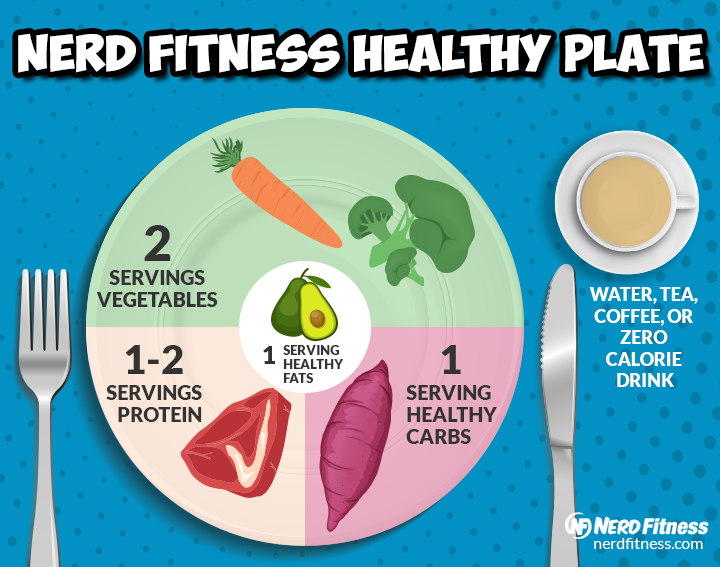
If you’re curious, from our healthy eating article, this is what a portion of protein looks like:
Here’s how much protein is in a serving of food:
4 oz (113 g) of chicken has around 30 g of protein.
Fat is a macronutrient that can help you reach your calorie goals (in the right quantity), as fat can be high in calories. Plus, you can eat lots of it without feeling full. Helpful if you’re trying to put on weight.
Healthy fat can be found in foods like:
Avocado
Almonds
Walnuts
Macadamia nuts
Olive oil
Almond butter
Peanut butter
Science has recently come around on saturated fat too.[10] Once completely vilified, but now considered okay for moderate consumption.
Saturated fats can come from things like:
Whole milk
Full fat dairy
Coconut oil
Grass-fed butter
Fatty cuts of meat
Lard
To help you gauge: a serving size of fat is roughly the size of your thumb!
For reference, this is a single serving of almonds (162 calories):
THIS is a serving of olive oil (119 calories):
As you can see, you can eat an extra 500 calories of “healthy fats” by eating lots of “heart-healthy” fats like nuts or adding more olive oil to your meals.
PRIORITY #4: VEGETABLES!
Last but not least, you need vegetables in your diet.
As you start to eat more food, your stomach, intestines, and other bodily functions will thank you for consuming more high-fiber vegetables!
A serving of veggies is about the size of your fist.
Here’s a quick, non-complete list of high-fiber veggies that can fill your plate:
Consume 1-1.5g per pound (2.2-3.3g per kg) of body weight in protein every day.
Consume the rest of your calories from foods composed of carbs and fats.
Always eat vegetables so that your body can actually PROCESS all this extra food. I like to aim for half of my plate of vegetables.
If you are not gaining weight, (and you’re hitting your protein goals), add more carbs and/or fats to your meal.
It really does come down to the following:
If you are not gaining weight fast enough, you’re not eating enough. Increase your portions of carbs and fats!
Whenever we work with coaching clients who struggle to build muscle, this is the area we target: adding more carbs and fats to each meal.
8 Strength Training Exercises For Women to Build Muscle
Years from now, you’ll look back and thank “Past You” for starting strength training today.
And don’t worry, I’m going to tell you exactly what to do so you can start strength training TODAY!
Here’s why strength training is so important: when you eat a caloric surplus (more calories than your body needs each day), the extra calories have to go somewhere.
If you don’t do any exercise, your body will choose to store the extra calories as fat for later.
However, when you strength train, your muscles are broken down. Then they’ll use the extra calories to rebuild themselves bigger and stronger over the next 48 hours!
“Staci that sounds great, but I’ve never strength trained before, and I don’t know what I’m doing…Halp!” You might be saying into your computer or phone.
Fear not! I’ll help. Strength training doesn’t need to be scary or overly complicated.
Simply put, “strength training” means two things:
#1) “Movement of any weight against “resistance” (including your body weight) – Doing ANY exercise that pushes your muscles outside of their comfort zone, forcing them to rebuild stronger to prepare for the next challenge.
#2) Progressive overload: doing slightly more than last time (lift a heavier weight or do 1 more rep) consistently. Your muscles will have to constantly adapt and rebuild themselves stronger. This is called “progressive overload.”
Coach Jim breaks down different strategies for progressive overload in this video:
This means if you drop down and do ONE push-up or knee push-up right now…
Here’s what you need to know about strength training:
Strength training is one of the BEST things you can do for yourself.
Strength training will help you put on muscle while eating in a surplus.
While you can’t spot reduce fat, you can focus on building more muscle in specific areas, which can help you attain a specific look you’re going for.
If you don’t like the gym, you don’t need to go, ever. But I hope you do. Because that’s the easiest way to start training with weights.
Regardless of your fitness level, body fat percentage, strength level, or biological sex, you have every right to be in the free weights section in the gym, training with heavy weights, with everybody else. The people in the gym who are very strong with a lot of muscle started somewhere, too!
I used to be a CrossFit instructor, and my favorite thing about CrossFit was that it destigmatized barbell training and heavy lifting for many women.
In order for us to strength train and build muscle, we’re going to approach this intelligently.
We’re not going to pick up small dumbbells and do lots of reps.
We’re not going to sit down at various machines and scroll through our phones while doing leg curls.
Instead, we’re going to:
Get very strong with compound movements that recruit LOTS of muscles to work together.
Do our workouts quickly and get out of there. The workout should take no longer than 45-60 minutes.
This is how we efficiently build muscle in the minimum amount of time. What are the exercises that we’re going to target?
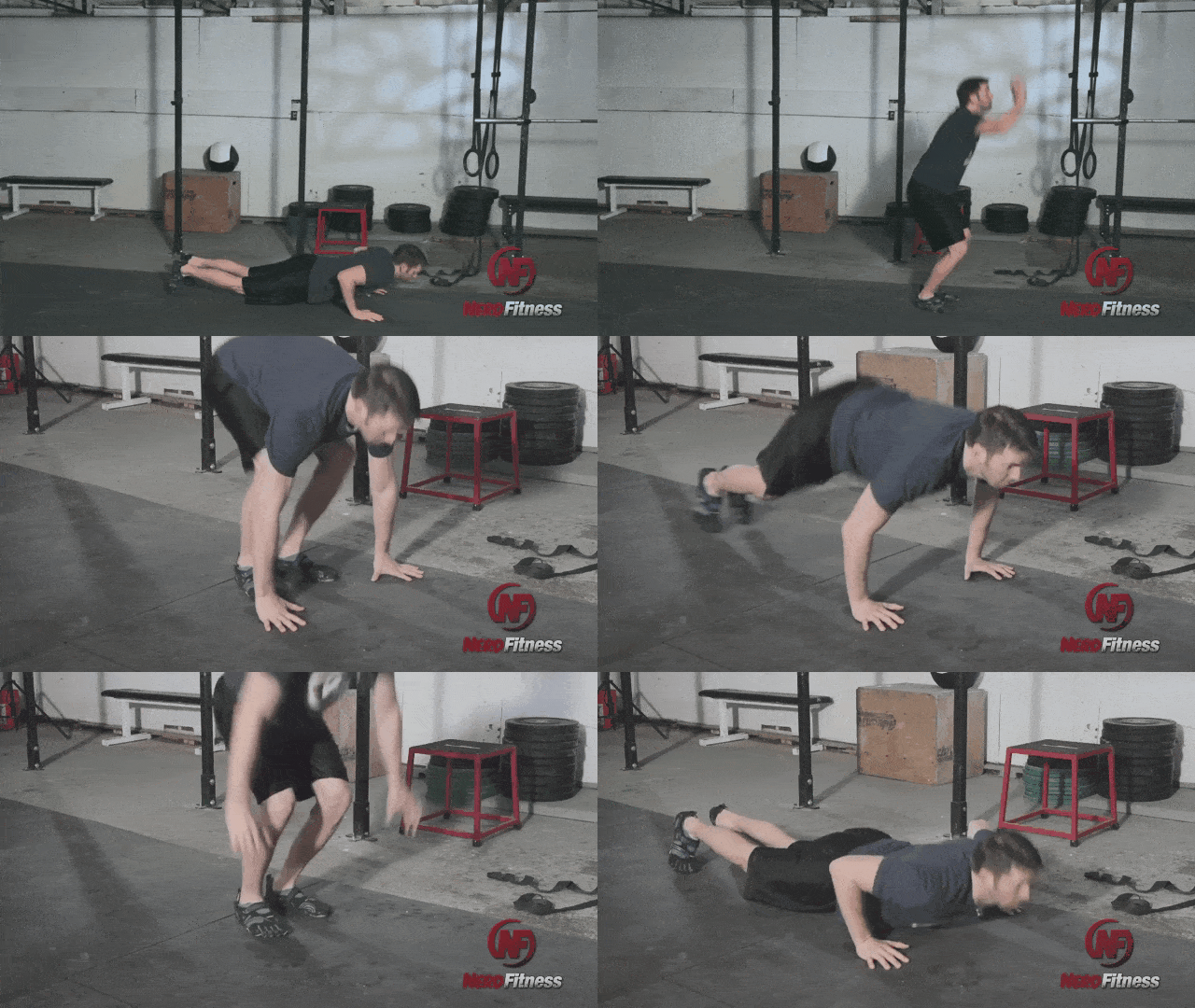
1) The Push-Up: The best exercise you could ever do for yourself when it comes to using your bodyweight for push muscles (your chest, shoulders, and triceps):
2) The Bodyweight Squat: This exercise serves a dual purpose: it is the foundation for building strength AND helps build proper mobility. If you are going to ever do barbell squats, you need to work on hitting proper depth with a bodyweight squat first!
3) The Inverted Bodyweight Row: Until you can get your first pull-up or chin-up, these exercises are GREAT to start building your pull-muscle strength (your back, biceps, and forearms).
4) The Pull-Up and Chin-Up: Once you can support your body’s weight above the bar, the world becomes your playground. No strength training routine should be without pull-up or chin-up work! (Click here if you can’t do a pull-up or chin-up yet):
And now we’re into the best weight training exercises:
5) The Barbell Squat: Probably the best exercise when it comes to building strength and muscle throughout your whole body. It also burns crazy calories and makes life better. This is a MUST:
6) The Barbell Deadlift: Maybe the best exercise of all time. Actually no, it IS the best exercise of all time. It’s certainly the most primal: “pick the weight up off the ground. Done.”
7) The Barbell Bench Press. Lie on a bench, squeeze your shoulder blades to keep your back tight, and then lower a barbell until it almost touches your chest. Pause, and then press it back up towards the sky. Repeat! And get strong.
8) Barbell Overhead Press: Stand with your feet about shoulder-width apart and lean back by pushing your hips forward. While keeping your entire body tight, press the bar overhead.
Once the bar passes your forehead, move your body back under the bar by driving your torso forward and back into a standing position. At the top of the lift shrug your shoulders slightly and lock your elbows.
These are some of the best compound exercises you can complete in order to build muscle. Want more muscle? Great! Get stronger at these movements!
One quick note: when I first started lifting, it took a while to build up the strength to be able to bench press or overhead press with the 45-lb bar. If your gym doesn’t have a lighter bar, dumbbells are a great option!
Your mission, should you choose to accept it:
Commit to trying ONE of these movements in the next week. Use 20 seconds of courage, recruit a friend who has lifted or trained before, and try your best.
I have three options for you next:
Select one of the muscle-building routines for women in the next section.
Work with me and our coaching program to follow a custom strength training routine for your goals.
5 Muscle Building Workout Routines For Women
I’m going to walk you through three different levels of strength training, and by the end of today, you’re going to know exactly how to get started.
My advice: do 2-3 strength training routines per week, with 1-2 days off in between. As the saying goes: “muscle isn’t built in the gym, it’s built in the kitchen!”
So your goal should be to do a strength training routine, and then make sure you eat a caloric surplus so that your body has enough calories to rebuild your muscles bigger and stronger!
10 Dumbbell rows (use a milk jug or other weight).
15 Second Plank.
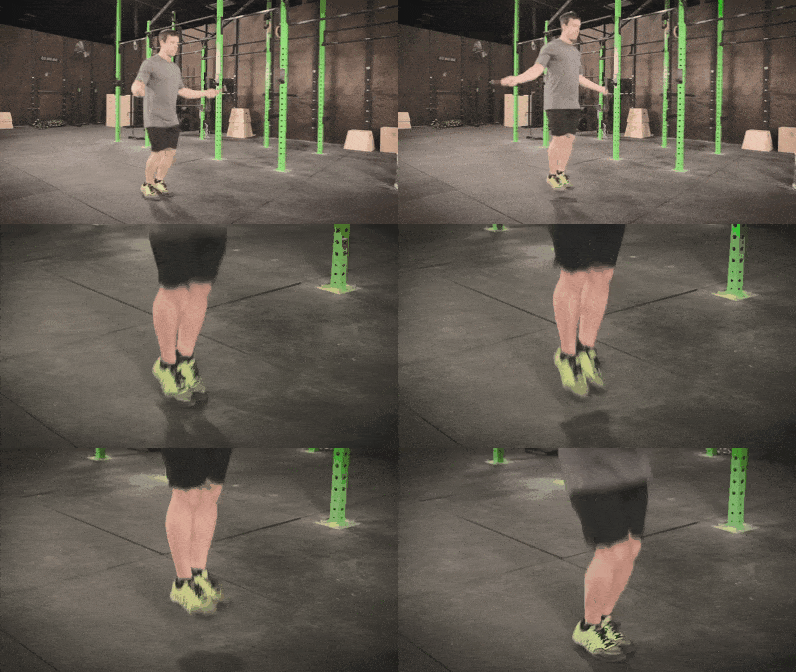
30 Jumping jacks.
We also have a downloadable worksheet of this beginner’s workout that you can print out and hang on your fridge to track your progress! Get it when you sign up below:
Grab Your Beginner Bodyweight Routine Worksheet. No Gym Required!
Complete this workout at home, no equipment required
Avoid the common mistakes everybody makes when doing bodyweight exercises
Learn how to finally get your first pull-up
LEVEL 2: DUMBBELL WORKOUT
If you have dumbbells at home or access to a gym, you can pick our Level 4 workout from our 6-Level Gym Workout Routine.
So your Dumbbell Workout is 3 circuits of the following:
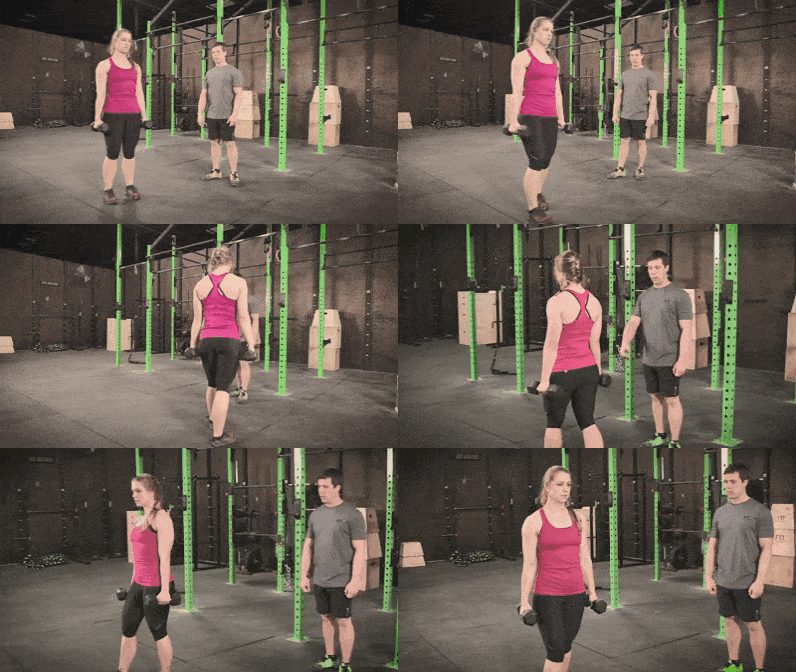
10 goblet squats (holding the dumbbell like a goblet with 2 hands):
If you like this Kettlebell workout and want to follow along on a worksheet, simply print out our Kettlebell Workout and bring it with you:
Grab Your Beginner Kettlebell Routine Worksheet!
Complete this workout at home or gym with 1 kettlebell.
Avoid the common mistakes everybody makes when doing kettlebell exercises.
Build strength, burn fat, level up your life!
LEVEL 3: BARBELL GYM WORKOUT
Here’s a Barbell workout you can follow from our Level 5 Gym Workout Routine.
BARBELL BATALLION WORKOUT A:
3 sets of 10 barbell squats
3 sets of 10 push-ups
3 sets of 10 bodyweight rows:
BARBELL BATALLION WORKOUT B:
3 sets of 5 barbell Romanian deadlifts (video pulled from our courses in Nerd Fitness Prime)
3 sets of 10 bench presses:
3 sets of 5 pull-ups, assisted pull-ups, or negative pull-ups:
PICK A WORKOUT, GET STARTED!
The whole point is to do challenging movements that really make your muscles work, and then try to do ONE more rep, or lift a SLIGHTLY heavier weight next time!
Still overwhelmed? Check out our coaching program. We get to learn your story, and then build a program and strategy around your goals that you CAN do.
10 Tips for Building Muscle as a Woman
I interviewed multiple other coaches on our team and asked for their best advice on how to build muscle as a woman.
Here’s what they said:
Susy (Coach, BS in Psychology, Certificate III & IV in Fitness, 5+ years of experience)
Tip #1: Food is your friend when you are looking to build muscle and get stronger – your body will need fuel, so you may need to eat more on the days that you work out!
Tip #2: Strength and muscle building requires structure to your workouts – you progress through getting better at specific movements, so make sure that you enjoy the style and structure of your workouts so that you can be as consistent as possible.
Tip #3: Your progress will always be fastest if you avoid injury, so correct form and listening to your body is super important. Your muscles will fatigue and feel sore, but joint pain and sharp, stabby pain means something isn’t moving quite right.
Kerry (Coach, NASM-CPT, 6+ years of experience)
Tip #4: Fall in love with the process. Getting stronger is a journey, one that is both rewarding and challenging. So no matter where you are starting from, take the time to celebrate each small step along the way towards a more badass version of yourself!
Christy (Coach, BS in Applied Health/Fitness, National Personal Training Institute Graduate, Precision Nutrition Certification, 6+ years of experience)
Tip #5: To get strong, you gotta lift weights. When lifting weights to get strong, you gotta be okay with testing your boundaries every now and then.
After exercising with your current weight, for the next training session…stop…and try a few reps with the next weight UP to test it out! It might surprise you how much more weight you can lift!
Here are some other tips to help you build muscle.
Tip #6: Boost your testosterone naturally: Consume enough saturated and monounsaturated fats, keep your sugar intake low, and make sure you’re getting enough Vitamin D and Zinc.
These are items linked with boosting your testosterone naturally.[12]
Speaking of testosterone – I know you may think of this as a “male” hormone, but it plays a huge part in women muscle building,[13] fat loss,[14] increase bone mass,[15] and many other health-related issues[16](remember: estrogen is made from testosterone).
Men make about ten to fifteen times what we make naturally,[17] but it doesn’t mean we don’t need it too.
Another way we can help our testosterone levels is to watch our cortisol levels.
Cortisol is a hormone that is promoted by stress and reduces free testosterone levels (in addition to signaling for your body to store fat).[18]
Steve drinks two smoothies a day to reach his protein goals and you can check out our Guide to Protein Shakes for his personal recipe.
On the go with no blender? I like to keep protein powder with me in a small Ziploc bag – that way I can grab a bottle of water, rip off the corner of the Ziploc bag, and use that as a funnel to get the powder into the water bottle. Then, just replace the cap and shake and you’ve got a protein-filled snack!
Tip #9: Get more sleep! When you build muscle, your body is working overtime, burning extra calories. It’s going to need some time to recover. Remember, muscle is built when you rest, not when you actually lift.
Go to bed!
Tip #10: Start today!
Gaining muscle comes down to eating right and strength training. Let’s get you lifting today!
You’ll work with our certified NF instructors who will get to know you better than you know yourself, check your form, and program your workouts and nutrition for you.
2) If you want an exact blueprint for growing strong, check out NF Journey. Our fun habit-building app helps you exercise more frequently, eat healthier, and level up your life (literally).
Try your free trial right here:
3) Join the Rebellion! We need good people like you in our community, the Nerd Fitness Rebellion.
Sign up in the box below to enlist and get our guide, Strength Training 101: Everything You Need to Know. It’ll help you begin your journey on building muscle.
Download our comprehensive guideSTRENGTH TRAINING 101!
Everything you need to know about getting strong.
Workout routines for bodyweight AND weight training.
How to find the right gym and train properly in one.
Lastly, I’d love to hear from you!
PLEASE leave your questions, eating or strength or otherwise below so we can answer them and become best friends and practice karate kicks in the garage:
How can I help you get bigger and stronger?
What part of this journey are you still struggling the most with?
What are your favorite bulking up foods!?
Share with your friends in the comments so we can all go buy it in bulk at Costco.
-Staci
PS: Make sure you check out the rest of our Strength Building Articles!
“Testosterone in women–the clinical significance” Source; PubMed
Check out this study “Exogenous androgens influence body composition and regional body fat distribution in obese postmenopausal women–a clinical research center study” Source: PubMed
“A concise review of testosterone and bone health” Source: PubMed
Check out this interesting interview with Dr. Stephanie Faubion on testosterone in women. Source: MayoClinic
You can check out this study “Circulating Testosterone as the Hormonal Basis of Sex Differences in Athletic Performance” for more: PubMed.
Check out “Effects of mindfulness meditation on serum cortisol of medical students” for a study on meditation lowering cortisol levels. Source: PubMed.
Before you fork out some cash for a personal trainer, read this guide!
It’ll help you spot the difference between a bad personal trainer and an AMAZING trainer.
And trust us, having the right trainer can make ALL the difference in the world.
There’s nothing worse than spending 6+ months in a gym (and thousands of dollars) with a trainer, only to step on the scale and realize that you haven’t made any progress.
It’s…
I’ve worked with good trainers and bad trainers over the past 16 years, have worked with the same online personal trainer since 2014, and we have a team of 15 personal trainers on Team Nerd Fitness.
Long story short, we know our stuff, and we’ll give it to you straight.
Whether or not you want to check out our 1-on-1 Online Training Program, this guide is going to help you with all the details.
In this guide we’ll cover the good, the bad, and the ugly when it comes to personal trainers – both in-person and online:
As Coach Matt explains in the video above, the first question you need to ask when hiring a personal trainer: do they match up with your goals?
And yep, that means we’re going to have to pick some goals in the first place!
So start by picking your goals and then determine if the trainer you’re paired up with is the right fit for you. Like dating, you can meet somebody who’s amazing but not right for you.
If somebody is a competitive marathon runner, they might not be a great powerlifting coach, and vice versa.
So, start with your goals for finding a personal trainer:
These goals will largely determine the type of trainer you’re looking for.
MISTAKE #1: Not making sure your trainer has expertise in the area you want to train in.
Expertise in one area does not necessarily make them a good fit in another!
After that, you’ll want to think about what you NEED from your personal trainer:
Are you looking for a powerlifting coach to show you the basics (squat, deadlift, bench) so your form is right? Just a few sessions up front and a few later down the line to confirm you’re on the right path might suffice.
Are you new to working out or looking to kick start your first 2 months of training with 2 sessions per week to keep you disciplined?
What type of person are you? Do you need more hands-on guidance throughout your workouts, or more space to take ownership and thrive on your own? Do you need somebody who will cheer you on or do you need tough love from somebody to call you on your bullshit?
Once you set proper expectations with what you want and how long you need a trainer for, then you can pick out one that hopefully will work for you.
How to find a good personal trainer
Once you find a trainer you are considering working with, the next step should always be an in-depth conversation.
MISTAKE #2: Blindly accepting what your trainer tells you without making sure you fit together!
They SHOULD be listening to you completely and hear your full story.
They SHOULD ask about any past issues with injuries or experience with exercise. If you’re injured or have any deficiencies, they should know this so they can create a great program for you.
They SHOULD ask you about your nutrition. If they don’t ask about your nutrition, you’re going to be wasting your time.
They SHOULD practice what they preach. They don’t have to be an Olympian, but should have a healthy lifestyle.
They SHOULD tell you about their expertise and how they can help you. They should be able to share past successes of clients with you or point to their credentials and history of success.
They SHOULD set proper expectations. You won’t get ripped in a month, but they can let you know it could take many months to get in shape or build the right kind of habits.
That’s what to look for. These are the things we specifically focus on with our 1-on-1 online coaching program. We love helping people in a way that fits their lifestyle, at a pace that they feel great about, while actually having fun.
What are the Signs of a bad personal trainer?
Beware the “entertainment exercise” trainers with a routine that isn’t catered to your goals.
MISTAKE #3: Thinking a workout is more effective because it’s confusing.
Many trainers just try to confuse you with needlessly complex movements, and put all their clients through roughly the same cookie-cutter plan.
Why? because they know it makes them look knowledgeable without actually needing to do something effectively:
“Now balance on this bosu ball while doing these dumbbell squat lunge curls and standing on one foot with your tongue out! Muscle confusion!
I hope you saved some energy for the row machine.”
Tough workouts are great, but remember that while it’s easy to get someone tired (“go do 100 burpees!”), it’s harder to help someone slowly improve and build momentum.
Sure, it might elevate your heart rate and tire you out, but if it’s not building towards your goals in a way that you couldn’t do at home, what are you paying for?
They might also have just obtained a basic certification and stopped their education there, relying on ‘conventional wisdom’ rather than doing the research and building the experience.
If your trainer says any of the following phrases, run for the high hills:
“Yeah you don’t want to squat too low – it’s bad for your knees.”
“Use this machine; it’s safer for you than free weights” (unless you have an injury)
“Yes, you should be using mostly your back. That’s why it’s called the back squat”
I have overheard all of these sound bites from real trainers in real gyms, and it made me weep like the Native American in the 1970s pollution ad:
Your trainer should be results-focused, not focused on scheduling you a new session and keeping you around.
I often see clients working with trainers for months and months and that client never looks any different.
The trainer is just interested in cashing another check.
Remember,your personal trainer works for YOU: Don’t let them build a program that doesn’t actually fit your needs!.
Do they adjust your workout to take care of any pre-existing injuries you may have, or do they just give you a cookie cutter workout?
Are they encouraging or helping you succeed in the way you want to be encouraged, or are they scrolling through Instagram models on their phones while you’re doing your sets?
Are they putting in the time so they can see you get results, or are they putting in the time so they can check the box and collect your money?
You’re paying money for this person’s expertise and attention – it’s not too much to ask to find somebody who takes those things seriously.
What certifications should a personal trainer have?
There are a wide variety of personal trainer certifications and other “credibility indicators.”
The more traditional path – a degree in exercise science or kinesiology may mean the trainer in question is knowledgeable about the human body.
However, that doesn’t speak to any experience they may or may not have coaching in real-world circumstances.
6 of the most popular personal trainer certifications are:
T-Nation provides a rundown of the pros and cons from a trainer’s perspective that we feel is also useful insight from a client’s perspective. Be sure to check them out if you want to learn more about what’s behind your trainer’s certification.
CrossFit certifications are completed in a single weekend. While a CrossFit certification does not make a trainer bad (there are plenty of excellent CrossFit coaches out there!), it does not guarantee excellence either.
A certification from NPTI – the National Personal Training Institute – is a credential gained from going to a full school on personal training (rather than attending a class or taking a test).
While no certification can fully promise excellence, we believe trainers with NPTI certifications are worth your consideration.
CAVEAT TO ALL OF THIS: Plenty of trainers who have NO certification are incredible, and plenty of other trainers have the most elite certifications and are terrible trainers.
MISTAKE #4: Blindly accepting a trainer’s credentials or discounting a trainer without certain credentials.
Certifications can be a starting point, but it shouldn’t be the determining factor.
One of the most important things to look for in your trainer isn’t a credential or certification at all, but real experience and an enthusiasm for helping you reach your goals.
For example:
Looking to powerlift or get into Olympic lifting? Look for someone who has successfully competed in their fields, or someone who actually coaches athletes who do compete!
Need to lose a lot of weight? Ask a trainer to share with you success stories from people who are like you.
In our view, finding a trainer with proven experience and a track record of performing or coaching (or both) in the area of your goals is the most valuable step you can take to ensure quality.
The credential is only a starting point.
Trainers aren’t cheap, but the benefits can be priceless.
Remember, you aren’t paying simply for their time with you. You’re paying for the years and years they’ve spent learning, training, and coaching.
It’s the years behind the certification that makes their time so valuable, so expect the cost of a trainer to be significantly more than the cost of a basic membership at your gym.
How much does a personal trainer cost? Are Personal Trainers Worth it?
The cost of a personal trainer can vary dramatically depending on:
Where you live (in an expensive city, small town, etc.).
The quantity and duration of your training sessions.
What kind of training you are looking for.
But you want specifics.
The average North American trainer charges $55 for an hour session.[1]
That’s an “average” so let’s break it down a little.
Here are the prices for working with a trainer in various capacities at my generic commercial gym in the NYC area (definitely on the more expensive end):
4 sessions per month: $95 per session = $380/month
8 sessions per month: $85 per session = $680/month
12 sessions per month: $79 per session = $948/month
Is this pricing more or less than you expected?
Here is how much a personal trainer costs at:
Global Gyms: Most big box gyms offer personal training:
LA Fitness: you can expect to pay about $60 per session.
24-Hour Fitness: it’ll be about $80 per session.
Anytime Fitness: as little as $35 a session.
Luxury Gyms: If you go to a more upscale gym like Equinox, expect to pay “luxury” prices of $110+ an hour.
In-Home Personal Training. If you don’t want to head to the gym, you can actually have a personal trainer come to your home. The cost on this could be all over the place, but a rough average would be about $65 for an hour session.
Different trainers will have different qualifications and expertise, leading to vastly different training experiences.
This can be really important.
MISTAKE #5: Thinking “more expensive” automatically means “better results.”
Cost is not the right metric. VALUE is the right metric!
Depending on your goals and the results you’re after:
$30 per session might be overpaying for a crap trainer who gives you a generic workout and doesn’t care about you.
$100 per session might be a STEAL if it’s an amazing trainer that gets to know your life and your personality, motivates you in the way you need to be motivated, and helps you get past a plateau when you stall.
That’s why remembering your “get in shape” goals is critical when buying a personal trainer.
If you’re looking to do 5 sessions to improve your powerlifting technique, that’s different than hiring a trainer to be with you in person 3x a week to get you to the gym.
HOW TO THINK ABOUT HIRING A TRAINER:
You’re not just paying for an hour of somebody’s time.
You’re paying for their years of experience, schooling, training, and expertise.
You’re paying to outsource ALL of your fitness questions to somebody who knows what they’re doing.
Somebody who gives you the confidence you’re training correctly.
So instead of “I am paying this trainer for 1 hour, this is too expensive,” what you’re really paying for is confidence, momentum, and (hopefully) results.
As somebody who has worked with an online trainer since 2014, I would pay any amount of money to my coach (just don’t tell him that) because I love getting results after years of struggle.
Our pricing comes in at a less-expensive price than 4 sessions per month with a trainer.
In addition to building you a workout program for the month, we also help you with your nutrition, mindset, and goals, and answer all the questions you have.
#1) Freedom to fit your schedule. With an online personal coach, you can train when and where you want to fit your schedule – your coach builds the workout program for you ahead of time, so you can fit it in at your convenience.
Compare this to a traditional coach, and you’re at the mercy of their busy schedule. If they only have time Friday morning at 8am, and you’re not a morning person, conflict ensues.
#2) Persistent worldwide accountability. I’m borrowing this phrase from a NF Coaching Client, Jeff (his success story is great). No matter where in the globe you are, your online trainer comes with you.
Which means the accountability never stops. If you travel for work, your coach can plan for that and build you a special travel routine. Getting relocated for work? No problem – your coach will still be there.
#3) Nutritional guidance. With most traditional personal trainers, you engage with them only during your scheduled visits: they help you work out and that’s about it.
With an online personal trainer, you’re connected whenever you have access to the internet. And I would imagine that MOST online coaching programs, work with you on the most important part of the equation: eating healthier!
AKA everything that happens in the 23 hours outside of the gym.
#4) More cost-effective. Most in-person personal trainers are expensive, especially if you work out with them two or three times a week.
That’s because if your trainer is working with you, they can’t work with anybody else at the same time.
When you work with an online coach, because you aren’t training with them 1-on-1 in the gym, they can provide more cost-effective guidance.
When you factor in their availability via chat and their help on habits and your nutrition, you’re looking at a life-changing experience if you find a coach that fits your personality.
When comparing online coaches versus regular coaches, I’m going to share the cons as if you have the option between a GREAT online coach and a GREAT in-person coach.
Neither of those is guaranteed.
Here are the cons of an online coach when compared against a real-life equivalent:
#1) Your coach can’t do the work for you. There’s nothing stopping you from skipping a workout and lying to your online coach that you did it. Nobody wins in this scenario, but I can totally see it happening.
So yeah, an online coach can’t pick up the weight for you, and they can’t yell at you to put down the donut. You have to do the work!
#2) No real-time feedback and instant form check. If you’re learning how to powerlift, or you’re going for a particular heavy lift, having a coach right there is HUGE.
They can tell you to move your squat slightly wider. They can guide you through the movement and consistently remind you – even when tired – to keep great form.
Although we do form-check videos, where we have coaches and clients send clips back and forth to each other, it’s not the same as having somebody critique you in real-time.
If you’re looking to nail a particularly challenging lift, or learn a dangerous gymnastics move, working with a trained professional in person is invaluable.
#3) The value of sunk cost. If you pay for a month of online coaching, there’s nothing inherently motivating you to go to the gym when it’s cold and you’re tired – your coach can’t yell at you, and you’re not letting anybody down in the moment when you don’t make it.
Compare this to working with a real coach in person.
You paid $100 for a session, and if you don’t show up, that money is *POOF* gone. So you tell yourself, “I already paid for this, and my coach is gonna be mad, I should probably go.”
And then you go. And you’re so glad that you did.
Although your online coach can notice that you haven’t signed in on your app, and they can ask what’s going on, this is after the fact compared to an in-person coach getting stood up.
I wouldn’t say one format is clearly better than or superior to another. It really depends on what you’re after and the circumstances of your situation.
MY PERSONAL EXPERIENCE: I’ve been working with an online trainer since 2014, and it’s truly been life-changing for me.
I had some goals that had evaded me despite a DECADE of effort, and it took a great coach to coax out the right strategy. It’s how I say (jokingly) that I went from Steve Rogers to Captain America.
And it was my coach’s programming that got me a 420-pound deadlift at a bodyweight of 172 pounds:
I’m not gonna set any powerlifting records, but I’m healthier, happier, and stronger each and every month, and I’m damn proud of that.
For somebody that can’t afford a top-of-the-line professional coach for each session, having an online coach to build your programming and guide your food choices is a verrrrry close second.
How to hire a personal trainer
HERE’S MY ADVICE: Give your new personal trainer 5 sessions before making a decision that things aren’t working out (sessions are often sold at a discount in a package).
The first session is often exploratory, explanatory, and introductory, and the trainer needs to test your limits and movements to build upon that.
This isn’t a “get fit quick” strategy, but rather one that could take months and months for you to find the right person to aid you on your journey.
Don’t expect miracles in a day!
A few words of wisdom if you do hire a trainer:
DO NOT USE YOUR TRAINER AS AN EXCUSE: Too many people will hire up a trainer and give no effort in the gym or the kitchen.
Then, when they fail to see results they can turn to their friends and say “man, my trainer is terrible, THAT’S why I’m not losing weight/getting stronger/etc.”
This happens so much more often than you’d think. A trainer is a guide, like Morpheus.
You have to take the pill and walk through the door yourself.
MAKE CRITICISM CONSTRUCTIVE CRITICISM: Often when the trainer asks them to do something (walk every day, throw away junk food, eat a vegetable), the client/trainee comes back with 1,001 reasons why they can’t do that.
No compromise or discussion of possible solutions. This stinks.
Instead of saying “no,” offer an alternative solution and negotiate a plan: “I don’t really like broccoli, do you have a way to make vegetables taste better?”
In other words, don’t look for problems, look for solutions.
IF YOU ENJOY WORKING WITH YOUR TRAINER: Let them know and continue working with them.
The more information you can give them on your progress, the easier it will be for them to alter your program as you go on.
IF YOU DON’T ENJOY WORKING WITH YOUR TRAINER: That’s okay too. Not all relationships end in marriages.
I think you can be honest with them and let them know that it’s not a good fit and you will not be continuing to work with them.
Good trainers at this point will ask what they could have done better.
Trainers who are simply after your money may guilt trip you or beg you to stick around. Try somebody new and keep the search going.
REMEMBER: this is a lifelong quest, and you’re on the hunt for a great guide to help you on your journey.
They won’t do the work for you, and they can’t work miracles.
Have proper expectations, do what you’re told, and this could be the best investment you’ll make in your entire life!
Trainers in the Rebellion, what did I miss?
Those who have had experience working with Trainers, any wisdom to share from your experience?
One final note: Going to a gym is intimidating, especially if you’re starting out.
If you are in a location where there aren’t any great trainers, you don’t have access to a gym, or you’re just not ready to work with somebody in person, consider checking out our Online Coaching Program!
Schedule a free call to learn more by clicking on the image below:
If you have questions about what you need to look for when it comes to training with a coach in person, or even questions about working with an online trainer, leave them in the comments below so I can chime in!
This reason is going to help you keep going when it’s raining or you’re tired or you had a crappy day at work and you just want to binge-watch the Office and eat takeout.
In addition to having a good reason, many people get inspired by reading success stories of folks like them.
Luckily for you, we have lots of those stories on Nerd Fitness with many more to come. These are real people who love video games and books and work desk jobs (click on each to hear their full story):
If you want to get in shape quickly, start making slightly better food choices!
80% of your success when it comes to getting healthy will depend on your diet – unless you are running marathons on a daily basis, you cannot outrun your fork, and you can’t out-train a bad diet.
So, if you can work on making SLIGHTLY better food choices, and filling up your plate with plenty of protein and vegetables, you’re less likely to overeat calories!
Whether you want to count calories, cut out certain foods, or attempt a new diet altogether, this is the most important step you can take.
Here are some resources to level up your nutrition:
How to Eat Healthy (Start Here) – yes, it’s a long read. But it covers the basics and teaches you what to eat and not to eat.
The 5 Rules of Weight Loss – This guide will help you lose weight without having to go on “yet another diet.”
“How to Lose Weight: Pick the Right Diet“ – Speaking of diets, here’s an explanation of all the popular diets and how to pick the one that’s right for you.”
Now, most people can’t stick with nutritional changes because they try to make TOO many changes at once, their stomach freaks out and they run back to their comfort foods.
Sure, you can do things like the Keto Diet or Paleo Diet, but restrictive diets are really tough to stick with for the long term.
And temporary changes create temporary results!
My advice? Pick one food change every few weeks, and stick with it.
Here are some examples of nutrition adjustments you can make to get in shape:
These small changes can lead to big successes in the long run.
I know how changing your diet can be overwhelming sometimes, and sticking with changes in the long term is really tough.
It’s why we built a 10-level NF Diet that tells you exactly how to transition your diet slowly so you can lose weight the right way and transform your physique permanently!
Download our free weight loss guide
THE NERD FITNESS DIET: 10 Levels to Change Your Life
Follow our 10-level nutrition system at your own pace
What you need to know about weight loss and healthy eating
3 Simple rules we follow every day to stay on target
Step 3: What to Do For Exercise (Move!)
Okay, so now you should be all fired up and inspired and thinking,
“Hey Steve, this Nerd Fitness stuff is cool. I’m ready to get in shape.”
Perf. Let’s get started.
A) Pick goals that are SMART (specific, measurable, achievable, relevant, and timely).
Be incredibly specific with your goals so that you can actively plan what steps are needed to achieve those goals:
“I’m going to lose 25 pounds this year by going to the gym 3 times per week for the next 6 months.”
That’s a good goal.
Alternatively, you could also work on a reoccurring habit that will indirectly help your goal.
EXAMPLE: “I’m going to walk to Mordor by walking a mile every day for a month. If I go for a walk, I win.”
This allows you to review your day/week with a simple question: “Did I do what I set out to do?”
Whichever method you decide, it’s important to be deliberate in your actions:
If you are setting goals – be SUPER SPECIFIC, write them down, and plan them out.
If you are building new habits – add them to your calendar, set phone alarms or alerts, and do them EVERY DAY.
Understand that Rome wasn’t built in a day, and Optimus Prime didn’t transform in one move. This is NOT a diet, or a quick fix, but a LIFESTYLE CHANGE. Don’t expect results overnight, or abs in two weeks. Slow, steady progress.
We’re genetically designed to be active, so find something you enjoy doing.
So if you “don’t like exercise,” it’s time to try new things until you find something that you DO like.
Sign up for a new class, join your company’s running club for a day, try out something in your basement or living room, just keep trying new stuff until you find something that you like.
And then do it as often as you can. As long as you’re consistently under your daily caloric energy expenditure, you will lose weight.
If you’re overwhelmed at the very idea of how to get in shape, I hear ya.
From bootcamps to “What is CrossFit” to Weight Watchers to paleo to vegan to Klingon, how are you supposed to make sense of all this information to find the right path?
The truth is that there is no ONE path that works for everybody.
So, if you want a coach to build a workout program and diet plan that’s specific to YOUR unique situation, check out our 1-on-1 Online Coaching Program.
Step 4: Who is On Your Squad? (Support)
Last but not least, you need support.
Yes, I understand it’s kind of fun to be an army of one: the lone ranger trying to succeed against insurmountable odds….but it’s not necessary.
Once you decide to get in shape, want to know the best way to guarantee success?
Here are 5 ways to find support while getting in shape:
#1) Consider making it public.
Tell your friends, start a blog, and/or inform your co-workers and ask them to keep you accountable!
Unless you like being called a quitter, you’ll probably think twice about skipping out on your workouts.
Maybe your word isn’t your bond, and you need a different kind of motivation and support to succeed.
#2) Put your money where your mouth is.
My buddy Saint said he would pay his friends $500 if he didn’t get in absolutely incredible shape for his wedding six months down the road.
Saint didn’t have $500 to lose, so he decided instead to just get in great shape…and it worked.
There are going to be days when you want to sleep in and skip your workout. There will be afternoons following a crappy day of work where all you want to do is play Halo.
Find somebody who’s at a similar level of fitness as you, and work out with them!
He/she will push you on days when you’re dragging, and vice versa.
You can inspire and support each other, feed off of each other’s success, and offer up tough love when the complaining gets too much (and yes, there will be complaining).
Now, let’s say you’re the ONE person in your group of friends that wants to get in shape.
Or you’re the only person in your office who doesn’t stuff his face every day. Maybe you don’t have anybody to turn to for support or advice…
Welp, we’ve got you covered:
The Nerd Fitness community – a persistently amazing, always inspiring, never judgmental group of people who want nothing more than to help you succeed.
I have never been more excited and proud to be part of a community.
Or if you want to take it to the next level…
#5) Join our coaching program: If you like the cut of our jib, consider hiring one of our nerdy trainers to keep you accountable and answer any questions you have.
You can expect to lose around 1-2 pounds per week safely if you start reducing your calorie intake (80% of the equation) and moving more (20% of the equation).
Join the Rebellion – start fixing your nutrition with small changes today.
If you just finished reading these 2,500 words and you’re still overwhelmed, you’re not alone!
This stuff overwhelms the best of us. If you are looking for a bit more hands-on instruction, or you really want the peace of mind knowing that you’re doing the correct program, I got ya!
We have three options that have both helped thousands upon thousands of people like you get started:
#1) Most involved: Our 1-on-1 coaching program where a NF coach will get to learn your situation, your lifestyle, and your experience, and then build a workout program and nutritional strategy that fits into your busy life.
We get to know you better than you know yourself, and we’ve got the results to prove it! Consider checking out our coaching program if you’re looking for that next level of expert guidance and accountability.
#2) Go-At-Your-Own-Pace, Do It Yourself: Nerd Fitness Journey. This is our app that allows you to get in shape while building your own superhero..
Tons of bodyweight workout plans (no gym required), a nutritional program that won’t make any scary changes, video demonstrations exercises, boss battles, daily wins, and group challenges!
Oh, and you’ll earn XP and receive loot the whole time.
Sign up for your free trial right here:
And don’t forget to…
#3) Join the Rebellion! We need good people like you in our community, the Nerd Fitness Rebellion. You’ll meet individuals who are attempting to get in shape the 1st time or the 50th time, all who want to better themselves alongside of you.
Sign up in the box below to enlist and get our Rebel Starter Kit, which includes all of our “work out at home” guides, the Nerd Fitness Diet Cheat Sheet, and much more!
Get your Nerd Fitness Starter Kit
The 15 mistakes you don’t want to make.
Full guide to the most effective diet and why it works.
Complete and track your first workout today, no gym required.
Big things come from small beginnings, so pick the tiniest change or action you can take to get started, and then repeat that every day.
As you start to build the habit, you can increase the ‘difficulty’ and try something a bit more challenging, but it all starts with habit building.
Educate yourself, find your inspiration, and create your support group.
Let’s jump in, Scuba Steve style, so you can start seeing results!
If you’re somebody that wants a Yoda in your corner to coach you through the ups and downs of your fitness journey, we’re here for you with our Online Coaching Program!
No shame or judgments – just a supportive person who works hard to help you succeed 🙂
Why the Nutrition Industry Makes Me So Angry
I took this picture walking around Manhattan last week:
There is some SERIOUS psychological warfare going on here, and it hurts my soul.
For starters, they advertise as “THE” flat belly tea.
This means there are many other companies selling similar products, which would ALSO lead me to believe this is a lucrative product to sell!
They list every fitness buzzword and term every marketer uses when it comes to selling health and fitness:
Gluten-free
Removes waste
Organic
Burn fat
Including some real head-scratchers.
“Strengthen your colon?”
How the hell do you strengthen your colon?!
This reminds me of the brilliant Saturday Night Live skit about “Colon Blow” cereal:
But I digest digress…
People are buying this stuff, even if they know it probably won’t work.
Like buying a lottery ticket even when we know the odds of winning are 0% – what we’re really buying is “hope”:
Hope that this will actually work – unlike the last 10 attempts.
Hope we can overcome 20 years of bad choices with a beverage.
Hope that this product will give us the confidence and self-love we deserve.
Don’t get me wrong.
“Hope is a good thing, and no good thing ever dies.”
I just HATE when hope gets weaponized to sell you expensive snake oil and pretty-packaged fluff.
This is what we are rebelling against here in the NF Rebellion: marketers and companies who are crappy enough to prey on our hopes and fears and sell snake-oil in a bottle.
We’re also rebelling against that voice in our head that talks down to us, calls us failures for not getting in shape yet, and berates us every time we break down and eat a cookie.
I say no more.
Let’s fight fire with fire science.
How Much Exercise Do I Need to Lose Weight?
There are a few generally accepted truths when it comes to weight loss.
All of these come with baggage attached, and your results will vary depending on your:
Setting all of that aside, I’m going to try and keep things simple just to prove my point.
Let’s go with an (understandably) oversimplified look at weight loss: a pound of fat equals around 3,500 calories.[1]
This would mean you’ll need to either eat 3,500 fewer calories, or burn an extra 3,500 calories to lose 1 pound of fat.
So…how long does it take to burn 3,500 additional calories per week?
Let me answer a question with another question:
…How many hours do you have?
Studies show you’ll burn an extra 100 calories (approximately) when walking or running a mile.[2]
So, you would need to be running/walking an additional 5 miles per day,7 days a week, to lose one pound of fat per week.
I don’t know about you, but I don’t have time to run an extra 5 miles a day.
Nor do I want to!
Not only that, but as you’ll see below – this idea of just burning an extra 500 calories per day to lose a pound a week only works early on.
You’ll quickly run into speed bumps and roadblocks – figurative ones, try to avoid the real ones on your run – that slow down your progress significantly.
Simply put, exercising your way thin has been proven time and time again not to work.
Here are three such reports:
#1) Many people develop increased appetites as a result of exercise, which leads to no weight loss.[3]Time Magazine got in trouble for pointing this out – even though they were right!
#2) A 2011 systematic review and meta-analysis came to the conclusion:[4]
“In overweight and obese populations… our results show that isolated aerobic exercise is not an effective weight loss therapy.”
#3) Another study compared people who dieted vs people who only exercised:[5]
Body weight decreased by 10% in the diet group and by 9% in the diet–exercise group, but did not decrease in the exercise group or the control group.
How Our Metabolism Responds to a Caloric Deficit (6 Facts)
When you start to lose weight, your resting metabolism slows down.[6]
You might think this is some sort of evil sorcery worthy of “He Who Must Not Be Named,” but unfortunately – it’s just 2nd-grade math.
When you start to lose weight, there is less of you that needs fuel.
In other words: your metabolism doesn’t have to work as hard to fuel all of your bodily functions, has less weight to carry, and thus it will burn significantly fewer calories compared to when you were much bigger.
Here is the estimated daily resting calorie burn (“sit on your ass all day”) of a 35-year old male nerd at 3 very different weights – as determined by our free Calorie Calculator:
300 lbs: 2,600 calories.
250 lbs: 2,300 calories.
200 lbs: 2,000 calories.
WHAT THIS MEANS: Unless you adjust your calorie intake as you lose weight, your calorie intake will become less and less effective for weight loss, until you hit equilibrium.
Put a different way: this person could eat 2,300 calories per day and over time, lose 50 pounds (from 300 pounds to 250 pounds), but that’s where he’ll hit equilibrium: calories burned equals calories consumed.
In order for him to lose the next 50 pounds, he’ll need to decrease his caloric intake even more, and then STAY at that calorie consumption to keep the weight off.
And then it gets even worse!
There is a solid body of evidence on a bodily feature called “adaptive thermogenesis.”[7]
Which has nothing to do with the band Genesis – though feel free to listen to “Invisible Touch” right now.
It might soften the blow while you learn about “adaptive thermogenesis.”
“Adaptive thermogenesis” refers to the process in which our bodies will adjust based on how many calories we burn – and do whatever it can to preserve the body fat we have.[8]
Our bodies WANT to maintain the extra body fat we have (“I don’t know when I’ll need this, better save”), and are actively working in unison to preserve it – so even after a few pounds are lost from running, it’s going to be a persistent challenge to keep the weight off.
As pointed out in the article above:
“In long-term studies of weight-reduced children and adults, 80%-90% return to their previous weight percentiles, while studies of those successful at sustained weight loss indicate that the maintenance of a reduced degree of body fatness will probably require a lifetime of meticulous attention to energy intake and expenditure.”
This is why so many people can LOSE weight, but can’t seem to keep the weight off.[9]
This doesn’t even factor in all of the other challenges surrounding weight loss: an “obesogenic” environment (you can smell Cinnabon minutes before seeing it), psychological challenges like depression and anxiety, menopause, medications, and hormones.
These factors cause us to crave high-calorie foods, increase our odds of fat gain, and make it tough to keep our calorie intake in-check, because chocolate cake.
To Recap Why Weight Loss Is Difficult:
You can’t exercise your way to weight loss.
Your metabolism slows down when you lose weight.
Your environment makes it difficult not to overeat.
Your body will try to keep its fat stores.
Even when you lose weight, your body wants to keep the fat it has.
If you lose weight, you’ll have to stay diligent or you’ll put the weight back on.
This is all terrible, horrible, no good, very bad news.
And the toughest truth of all: Due to those factors above, it might not be your fault that you’re overweight…but it IS your responsibility to navigate!
I know, I know.
However, there is HOPE!
And here at Nerd Fitness – and in the Star Wars universe – rebellions are built on hope.
We have thousands of success stories from people who thought they couldn’t lose weight…until they did.
People HAVE lost weight, and kept it off.
People who are older, bigger, have more children, less money, more illnesses, and bigger hardships than you.
It’s a constant battle, but one that’s absolutely worth fighting.
And this means that you are not broken. You don’t have metabolic damage. You are not doomed.
You might be playing life on “Legendary” difficulty, but people like you have succeeded.
It starts by using all of the tools at our disposal, because the forces working against us are doing the same.
Let’s get nerdy.
The Science of Fat Loss
YES, it would be awesome if you could drink tea or wrap yourself in plastic to magically lose fat.
YES, it would be amazing if a 30-minute bootcamp class allowed you to eat junk food all day, every day, and not gain an ounce.
YES, it would be amazing if you could take a magic pill that gave you the body you had 10 years ago.
It would also be cool if superheroes were real and I could fly.
Well, not like that.
Come on, Aquaman. People can see you.
We live in a world of science, physics, and thermodynamics.
This means we should ALWAYS look at life through the following lenses:
Occam’s Razor: The simplest explanation is PROBABLY the correct one.
Law of energy: Energy can’t be created or destroyed, only transformed.
Reality: If it sounds TOO good to be true, it probably is.
Let’s apply this to our waistlines:
If we are overweight…
It’s not because we have “toxins” in our bodies that need to be flushed out.
It’s not because we didn’t spend enough time in the “fat-burning” zone during our “muscle confusion” bootcamp.
It’s not because we need fat-burning tea.
These are all pseudoscience buzz terms to sell products, and have no truth to their claims.
Occam’s Razor dictates the simplest solution is PROBABLY the right one.
So what’s the simple explanation to why we’re overweight?
Every day, we consume food that gets transformed into energy.
This food has three options once it enters our body:
Fuel our bodily functions: fuel our organs, regulate our body temperature, etc.
Pass through as waste: pee and poop.
Get stored (usually as fat): saved for a rainy day.
If we are overweight, we are consuming more ‘energy’ than our bodies need every day. Because our body doesn’t need all of it, too much is being stored as fat.
This brings us to the main point of our nutritional focus:
If weight loss is our goal, we must consume FEWER calories than we burn on a consistent basis.
By doing so, our body has no choice but to dip into that “rainy day” fund of fat stores to still get all of its bodily tasks done each day.
Do this consistently, and that’s how we end up with a lower number on the scale and a smaller pants size.
“Steve I know I should eat less. It’s doing it consistently that’s the tough part. Have you tried CAKE?!”
Great point.
And yes, cake is awesome.
But we have to start somewhere!
And it starts here: we need to eat fewer calories, but it ALSO has to be sustainable and enjoyable, otherwise we’ll never stick with it.
And temporary changes produce temporary results. We want permanent weight loss!
Just saying “eat less” doesn’t factor the crazy biological, physiological, and/or emotional challenges we face every day:
We might eat when we’re stressed, depressed, or bored.
We might be on medication that is causing us to overeat without us realizing it.
We can’t eat just one potato chip without eating an entire bag.
We absentmindedly grab a handful of Peanut M&M’s when visiting Kevin in Accounting.
Not only that, but even when we pay attention to what we eat, studies show that we often underestimate our calorie consumption by 15+%.[10]
Crap. This just keeps getting worse! What’s a smart nerd like you supposed to do in this scenario!?
If we KNOW we overeat without realizing it, and we KNOW restricting calories is tough to stick with long term, then the only path forward is to attack the problem differently.
Not with fit tea.
Nor with body wraps.
Not with “muscle confusion.”
But with science, math, and psychology.
What to Eat For Weight Loss
If weight loss is the goal, we need to shift our food choices to foods that give us more “bang for our buck” – healthy, filling, nutritious foods that fill us up and makes us less likely to overeat calorie-bomb foods.
These foods allow us to feel full, but still keep us under our calorie goal for the day:
Protein like meat, fish, eggs, and so on.
Fruit like apples, bananas, and berries.
Vegetables like broccoli, Brussels sprouts, and kale.
Carbohydrate sources like quinoa, legumes, oats, rice, and potatoes.
These are foods that take up a lot of space in our stomach and make us feel full.
If we do this consistently, without feeling miserable, we have a really good chance of not only losing weight, but keeping the weight off.
In contrast, here are some foods that are loaded with calories which DON’T fill us up – thus making it easy for us to overeat:
High-calorie, easy to overeat foods like breads, french fries, pasta, and pizza.
Depending on what you eat, you could feel “OH SO FULL” after your meal or “Why am I already hungry again? NOM NOM NOM.”
Which means…
If you can start to make even SMALL changes, focusing on nutrient-dense, calorically-light foods like protein, fruit, and veggies, to replace some junk food – even occasionally, it’s going to shift the energy balance back in the right direction.
You’ll become more likely than not to eat fewer calories than you burn, moving you beneath your daily equilibrium.
Do that consistently, and you start to pull from those fat stores.
And we find ourselves at the holy grail:
Sustainable, non-miserable weight loss.
This is actually the secret sauce for ALL popular diets these days.
Military Diet: Nevermind. Please don’t do this diet.
ANY of the diets above will result in temporary weight loss if you strictly follow the rules, but not for the reason you’d think.
It’s not because we’re designed to eat like cave people (though we are), or that our bodies function differently on a Ketogenic Diet (it does), or even that fasting has plenty of health benefits (it does!).
Those things are like 2% of the reason why they work for weight loss. [2% is a statistic I made up to emphasize the smaller importance of any ancillary benefit compared to the bigger picture]
The other 98%: they make us more likely than not to consume fewer calories on average than we usually eat, which will lead to weight loss in the long term… if you can stick with it.
And each diet has rules and guidelines that speak to the specifics of individual people.
If you’re freaking out about how to eat and which diet to pick and you’re worried if you’ll even be able to stick with it, you’re not alone.
To help people like you change their habits around food to start seeing permanent weight loss results without being miserable!
Which Diet Should I Pick to Lose Weight?
Nearly EVERY diet will work in the short term, because they all lead to temporary calorie restriction. Every diet above will fail you too in the long term, because you need to do the diet permanently to get the results permanently!
So in my opinion, you should only follow a strict diet like those above IF you can see yourself sticking with it consistently for the next 10 years.
“Steve, that’s melodramatic. Come on.”
That’s what I was going for.
If a diet sounds too restrictive to stick with permanently, then it’s too restrictive for you to devote weeks or months of your life to!
After all, temporary changes equal temporary results.
You’re better off picking a diet that you confidently feel like you can stick with permanently. You should be thinking in terms of “days and years,” not “weeks and months!”
Here’s the end goal we’re working towards:
Sustainable weight loss, weight maintenance, and actually enjoying life.
Looking in the mirror and being happy with what you see, knowing that the weight will stay off.
And most importantly, habits that allow us to enjoy life, have great meals with friends and family, while still reaching our goals
Not temporary changes, but rather permanent small adjustments that adjust over time as we start to see results and build momentum.
Sound good?
Let’s get back to basics and start learning about the food we’re putting into our bodies.
Cool? Cool.
A Primer on Strength Training
Conservatively speaking, strength training is the greatest thing ever invented in the history of the galaxy.
Okay, so maybe it’s third after electricity and Nintendo.
But I say this to make a point.
There’s a huge difference between “exercise” and strength training when it comes to body composition.
Coach Matt explains exactly why in this video on gaining muscle while losing fat:
We also cover this in a very in-depth manner in our “Can I Lose Weight and Build Muscle?” guide – which is one giant Harry Potter allegory that you’ll love – but I’ll share the basics right here.
If your goal is consistent, permanent, healthy weight loss and weight management, 80-90% of the battle will be nutrition,
When it comes to exercise, you really only have TWO things to focus on:
What exercise do you love? Good. Do that.
Strength train as often as you have time for.
I’ll touch on the first one quickly.
When you do exercise you love, you’re giving your heart and body a good workout. You’re reminding yourself “I am living healthy” and THUS you should be more likely than not to stick with your healthy eating strategy.
Instead, go rock climbing, or hiking, or do yoga, or swing dancing, or LARPing.
Really, anything that gets you off your ass and moving. Cool? Cool.
How Strength Training Assists Weight Loss
Your body functions differently when you strength train, in all of the right ways.
We have a whole Strength Training 101 sequence that can you get you started, but I’ll whet your appetite with the nerdiest metaphor ever below.
You can find study[11]after study[12]after study[13]that shows you the benefits of strength training for weight management.
Let me explain it here quickly, borrowing from Harry Potter: (You know, the wizard.) At the Hogwarts School of Witchcraft and Wizardry, when each student arrives they put on the “Sorting Hat,” an actual hat that determines which House (group) that child will join for his time at Hogwarts.
The hat acts almost like a traffic director:
“Harry, you will go to Gryffindor! Draco, you will go to Slytherin!”
Your body operates in a VERY similar fashion: every day, it receives new calories (when you eat), and it needs to decide what to do with them!
For example:
You eat a large Hawaiian pizza and 20 ounces of Mountain Dew. Your body has to do SOMETHING with all those calories.
To keep things simple, let’s look at the 3 most common results.
It’ll sort those calories into one of three Houses:
A: Burn for Fuel. B: Rebuild Muscle. C: Store as Fat.
Your body sorts most of those calories into “Burn for Fuel.” There’s a number of calories your body burns each day just existing: to keep your liver functioning, your heart pumping, your brain operating, and so on – it burns a good chunk of calories just keeping the lights on.
A 6’, 34-year old male weighing 250 pounds burns 2,300 calories a day just by existing.
A 5’5”, 40-year old female weighing 140 pounds burns 1,350 calories a day just by existing.
Now, if you don’t do any exercise, and you consume MORE calories than the rate you burn each day, the “Sorting Hat” in your body needs to put those calories somewhere!
Where do you think it’ll sort them?
“C: Store as Fat.”
However, your body’s sorting behavior changes when you strength train. Specifically, when you train in a way that really challenges your muscles. This is completely relative to where you are at in your life right now:
HEAVY weight training might be a 500 lb deadlift or a 5 pound dumbbell curl.
INTENSE bodyweight training might be a handstand push-up or a knee push-up.
When you strength train – by picking up something heavy – your muscles are “broken down” during the exercise itself, and then they rebuild themselves stronger over the next 24-48 hours. Guess what happens during those 24-48 hours? Your body will divert as many calories as possible to “Rebuild Muscle!”
It also diverts additional calories to “Burn as Fuel” to handle this increased “muscle rebuilding” activity.[14]
This means two amazing things:
Your metabolism is revved up for this time period, burning more calories than normal.
Rebuilding muscle is a calorie taxing activity!
There are significantly fewer calories available for “Store as Fat.”
AND IT GETS BETTER. When you consume fewer calories than your body burns each day, continuing to strength train will cause your body to get even more clever. Let’s imagine a scenario where you’re eating fewer calories than you burn every day:
You strength train regularly, and your muscles break down and need to be rebuilt.
You don’t consume enough calories compared to how many calories your body needs to both rebuild muscle and fuel itself…
So does your body just shut down?
NOPE!
Your body has been preparing for this, by storing any excess calories over the years in the “Store as Fat” house.
This is the moment your body has been saving up for.
This means your body can pull from “Store as Fat” to make sure all the work still gets done, including your daily functions as a human, and rebuilding the muscle. This is the Tri-wizard cup[1] of physical transformation victory:
You get stronger and keep the muscle you have.
You burn through the fat you’re trying to get rid of.
You’re decreasing your body fat percent and keeping your muscle = look good naked.
This would be a “win-win-win” according to Michael Scott, Regional Manager, Dunder Mifflin Scranton.
Want help learning how to strength train? You can absolutely build your own workout, or you can work with one of our coaches who can create a custom program that’s specific to your goals and lifestyle.
We’ll even make sure you’re doing the movements correctly via video, because we’re nice like that 🙂
“How I Lost Weight” (Megan’s Story)
In the video above, Megan explains her incredible journey to lose over 200 pounds!
(Not a typo.)
I know, freaking AMAZING.
I bring it up, because Megan’s story demonstrates a lot of the key points brought up in today’s guide, especially the importance of strength training.
BACK TO BASICS: How To Guarantee Successful Weight Loss
If you’re still reading, then there is hope for you yet.
You can do this – but you have to be smart and diligent about it! Stop trying to exercise your way thin, and stop trying to find ‘get fit quick’ solutions.
Instead, take this one day at a time. We’re here for you!
We talk about proper nutrition in our big “Healthy Eaters” guide, and we go more in-depth into the specific foods that we recommend, but it starts here:
You have to eat fewer calories than you eat now to lose weight, and do so permanently.
The best way to do that is to substitute more protein and veggies onto your plate.
Strength training will supercharge your results, building muscle while making it easier to burn extra fat.
Understand you’re overeating, and forgive yourself for doing so – most foods have been designed for you to overeat!
YOUR MISSIONS, SHOULD YOU CHOOSE TO ACCEPT THEM:
#1) Pledge to stop buying snake oil. If you’re not sure,ask yourself “Does this sound too good to be true?” and “What would Steve do?”
In addition: stop doing exercises you hate just to lose weight. Pick exercises you enjoy, and put all of your focus on slowly adjusting your nutrition instead!
Shun the Dark Side and come back to the Light!
#2) Be deliberate in your decisions. Every calorie counts. Every decision counts. So make ONE different decision as a result of you being more aware of what you put in your body.
Drinking water instead of soda or juice.
Swapping out a salad for fries once per week. It all counts, but make your decision deliberate.
You’re a smart person. You know what foods should be daily staples, and what foods should be occasional treats.It all counts. So make ONE decision differently to prove to yourself that you can change.
#3) Educate yourself on the serving size of ONE food that you eat regularly. Google it. Find out if what you THINK is a serving and what’s actually in a serving is anywhere close to accurate.
You might be surprised to find out:
A serving of pasta is HALF the size of what you normally eat with your meal.
How much peanut butter is considered a serving (hint: it ain’t much).
There are 2.5 servings in that one bottle of Green Machine Naked Juice.
I don’t want you to change the food or the portions yet. I just want you to educate yourself on what you’re eating, and compare it to how much you thought you were eating.
NEXT STEPS IF YOU WANT TO GO FARTHER!
If you are looking for more hands-on guidance, we have three options for ya!
1) 1-on-1 Online Coaching Program! If that sounds like you, and you’re looking for nutritional guidance, custom strength training routines just for your situation, and expert accountability, we’d love to hear your story!
2) If you want a roadmap for sustainable weight loss, check out NF Journey. Our fun habit-building app helps you exercise more frequently, eat healthier, and level up your life (literally).
Try your free trial right here:
3) Join the Rebellion! Join our free email list and community – I send out two fun emails a week – and I’ll send you our free 10-level Nutrition Guide along with a bunch of other free bonuses. Get them when you sign up in the box below:
Download our free weight loss guide
THE NERD FITNESS DIET: 10 Levels to Change Your Life
Follow our 10-level nutrition system at your own pace
What you need to know about weight loss and healthy eating
3 Simple rules we follow every day to stay on target
#4) Do a strength training routine! We have so many awesome free options for you here on Nerd Fitness. Pick the ones that jump out at you!
PS: I know this HOPEFULLY goes without saying, but this is the internet: I totally get that this issue is very complicated to begin with. If you have a hormonal imbalance, PCOS, are on medication for any number of reasons, it could also be affecting your weight.
PLEASE speak with your doctor about your weight and any changes you are looking to make!
This doesn’t account for changes in body water and stored glycogen in your muscles and liver, which also occur when you lose weight. For that “3,500 calories in a pound” stat, read this.
Read, “Comparison of energy expenditure to walk or run a mile in adult normal weight and overweight men and women.” Source, PubMed.
Read, “The Effects of Exercise and Physical Activity on Weight Loss and Maintenance.” Source, PubMed.
This is a “study of studies,” or an analysis of the body of literature on a given topic. You can read it here.
Read, “Weight Loss, Exercise, or Both and Physical Function in Obese Older Adults.” Source, PubMed.
Read, “Metabolic Slowing with Massive Weight Loss despite Preservation of Fat-Free Mass.” Source, PubMed.
Read, “Adaptive thermogenesis in humans.” Source, PubMed.
Read, “Adaptive thermogenesis in humans.” Source, PubMed.
Read, “Successful weight loss maintenance.” Source, PubMed.
Read, “Successful weight loss maintenance.” Source, PubMed.
Read, “Resistance weight training during caloric restriction enhances lean body weight maintenance.” Source, PubMed.
Read, “Effects of cross-training on markers of insulin resistance/hyperinsulinemia.” Source, PubMed.
Read, “Preserving Healthy Muscle during Weight Loss.” Source, PubMed.
As well as replenishing glycogen. When we use our muscles for strength training, we deplete our muscle glycogen stores, so overeating with carbohydrates would preferentially go towards replenishing those glycogen stores first.
Quite a few of our Nerd Fitness Coaches are parents, so they know firsthand how challenging it can be to train while you have a three-year-old running around in the background.
When I asked them for advice for this guide, the most common response I received went something like:
“Training with kids running around is going to be chaos. That’s okay. Do the best you can.”
In other words, it might be challenging to hit personal records (PRs) in your deadlift while also watching over a four-year-old.
This doesn’t mean “Don’t bother working out.”
It just means you should forgive yourself ahead of time if all doesn’t go according to plan.
If you want proof of how working out with kids can be “a hot mess,” watch Coach Matt exercising with his young children.
#1) Meet kids where they are. For young kids, invite them to be a partner. Maybe they can count your reps, tell you when to start, etc.
On the other hand, older kids might be able to participate more fully, and maybe even train alongside you.
No matter what, it’s a good idea to invite kids to join when and IF they want, without requiring it.
#2 ) While every kid is different,here are some very general guidelines from Coach Matt’s experience:
2-6 Years Old. These kids are often way more interested in just playing, wrestling, etc. So doing a specific workout may be challenging. However, these kids may still want to be a part of things, so look for ways to get them involved.
7-12 Years Old. At this age, they can start handling a little more structure. They will probably really enjoy “skills” training (more on this below), as well as many play aspects.
13+ (Depending on the Kid). They may be ready to step in and join you more fully in a workout if they want to.
#3) Consider a focus on skills/practice. It can be really frustrating to have a timed exercise or workout interrupted.
Instead, consider thinking of it like “practice time” of building a skill. You can practice for a couple of minutes, take a break, come back to it, etc.
Kids might respond better to “skills” training instead of “exercises” too. Together, you can practice:
#4) There are lots of different ways to get workouts in throughout the day:
Short workouts: a lot of times Coach Matt finds himself squeezing a workout in 10 mins or less.
Accumulation: take little micro-breaks throughout the day to do a couple of reps of some bodyweight exercises. Kind of like “exercise snacks.”
Longer workouts: maybe creating that time and space for your training is still important. If possible, defend this time and let the kids move in and out of the frame as they are interested.
“I go, you go”: you may snag a workout set in, then play a game with your kids, then go back to the workout set. Breaking it up like this can make them still feel engaged and give you a little more time to train.
#5) Whatever happens is okay! Remember, do the best you can, and it’s perfectly fine if your workout gets cut short because your kid starts drawing on the walls.
The 8 Best Exercises to Do With Young Kids
If your kids are light enough, you can actually use them as makeshift weights during your workout.
Just be careful, and if anything feels unsafe, don’t do it.
But if things DO feel good, here are some exercises you can do along with kiddos (or using them as weight).
Coach Matt recommends having your kid’s legs come forward, and for you to grab them, almost like you would with a safety squat bar.
Before attempting this, make sure you can do squats with comparable weight!
#2) Lunges
Much like the bodyweight squats above, but instead do a lunge:
Since you’re engaging one leg at a time, this can be really challenging with a kid on your shoulders.
#3) Touch the Sky
As Coach Matt explains, getting young kids to do squats and push-ups might be tough.
But kids do like to jump!
For “Touch the Sky,” sit in a squat or frog position. Then stand up tall, arms reaching towards the sky.
Bonus points if you jump up!
This will train many of the same muscles as you would with squats.
#4) Jumps
Another good squat substitution to try with kids is long jumps!
You probably want to try this on some type of soft surface (or in your backyard), like the tumbling mat Coach Matt uses. As long as it’s safe, jumping can be really fun with kids.
Make a game out of it, by pointing to a line (or marking one with a soft object) and seeing who can jump over it. You’ll not only train your lower body with jumps, but you’ll also build some explosive power.
The first is to have your kid crawl on your back and use them as a weight:
Feel free to do knee push-ups here too if it’s a little too challenging.
The next option is to include your kid in the workout by giving them high-fives between reps:
Lastly, you can have your kids crawl under you between repetitions, trying to worm their way from one end to the other:
#6) Bear Crawl
A fun exercise to do with your kids is to crawl around like a bear with them latched on!
Crawling is a great functional fitness exercise that will help you stay mobile on the floor. A kid on your back will up the intensity of the workout.
Bonus points if you make growling and roaring noises.
#7) Goat Bag Hinge
This exercise will have you strengthening your hinge muscles, kind of like you would in a kettlebell swing or deadlift.
Stand tall, clenching your kid, chest to chest. Have them hold onto you too.
Push your hips back, again, like you would in a kettlebell swing. When your torso is parrell-ish to the ground, come back up, driving through your heels.
#8) Balancing
One leg balances can become a lot more challenging when your kid is trying to push you over:
Another idea is to stand on one leg, then have your kid push you, and use that force to jump onto your other leg. Attempt to only use one leg at a time to balance:
10 Workout Games to Play as a Family
Being able to lift your kid a few times for some exercises is great. But Coach Matt highlights that anything over 10 repetitions, probably isn’t happening.
The kids will get bored, whine, or revolt.
That’s why you might be better off playing some games with them.
Here are 10 fun and active games to play as a whole family:
#1) Ninja Training
This is easy: just ask your child: “Want to train like a ninja with me?”
If they’re into it, start practicing some of your jumps and crawls!
You can also hoist them up and help them hang from something (ninjas always have to climb up buildings), which would work if you have a pull-up bar:
Some house parkour might also be in the cards here.
#2) Chase (Cops and Robbers)
Here, you’re gonna build some type of fort. When playing this game, Coach Matt stands up his gymnastic mat tall and together, then places his kids in the middle.
Their job? Escape!
Run and track them down and send them back to jail (or your makeshift fort).
Feel free to teach them the phrase, “You’ll never catch me alive, coppers!”
#3) Freeze Ball
This might require a purchase, but foam dodgeballs are a great way to play with kids.
Have the different colored dodgeballs result in a different outcome:
Red: if you’re hit with the “fireball,” hop five times in a row.
Blue:if you’re hit with the “iceball,” you need to freeze for five seconds.
Green:if you’re hit with the “earthball,” it’s time to place your chest to the ground, like you would in a burpee.
#4) Animal Walks
Have someone call out an animal. Then everyone has to walk around like that!
Walking to Mordor is much tougher if you need to crawl like a snake for part of the journey.
#5) Hot Lava
With this game, you’re more or less building an obstacle course in your house, trying to jump from furniture to furniture…because the floor is now lava.
Here are some ideas on creating home obstacle courses:
Another fun way to start this game: start counting down from 5 out loud.
After “1” shout “hot lava” and if anyone is still on the normal floor, it’s time for them to start playing like Gollum when he finally got the ring:
This is a fun standing game to ensure spontaneous activity.
#6) Jump/Duck
This game is pretty easy: take an imaginary sword and swing high or low at the kids, or have them come at you with their imaginary weapon.
You need to either jump if they’re coming low or duck if they’re coming high.
This is really simple, but lots of fun, and can be done with a group of people.
#7) King of the Log (Balance Challenges)
Much like the balance exercises we showed you earlier, but as a game!
Find some territory (a mat, some comfy carpet, grass) and try to push the other off it. Let your kiddos team on you for a more even match.
#8) Wolf & Rabbit
Create a mark or identify a “safe place” within a short sprint away.
Have two people face each other, but keep enough distance that the “Rabbit” feels comfortable reaching safety.
The Rabbit stays frozen until the Wolf makes a move. Then the Rabbit attempts to sprint to safety before the Wolf can tag it.
#9) Ninja Red Light, Green Light
If you’ve ever played “Red Light, Green Light” this is similar, although it involves some sneaking around, because ninjas.
“The Mark” walks around aimlessly, taking turns liberally, while the Ninja tries to sneak up behind and tag them.
If the Mark faces the Ninja, the Ninja must freeze.
Otherwise, the Ninja is free to tag the Mark.
#9) Commando
This game is kind of like Ninja Red Light, Green Light.
You have a Counter (normally the adult).
You have Runners (kids).
The Counter picks a number from five to ten, then counts down.
Before doing so, they announce “Fast” or “Slow.”
Fast, you would count “5, dot, 4, dot, 3, dot, 2, dot, 1.”
Slow, you would count “5, dot, dot, 4, dot, dot, 3, dot, dot, 2, dot, dot, 1.”
So twice as many “dots” are said allowed.
While the Counter counts, they move about (carefully) with their eyes closed. They make sure to turn around a lot to keep the Runners on their toes.
When the Counter reaches “1,” they freeze and open their eyes.
Any Runners caught in the Counter’s eyes has to do a silly “croak.”
Working Out at Home With Kids
Coach Matt is a father of 5, yet he’s still able to train with little ones in the house.
How’s he do it?
Here are 4 tips on how to train with kids at home:
Use every minute. Yep, that means you might be breaking up your workout. This is fine.
Talk to your partner. If there’s another parent involved, share with them your goals. Maybe one of you can watch the kids while the other works out.
Involve your kids. You can always do some exercises with your kiddos. Who knows, you might even help them find a love of working out.
Play some games. You can try one of the 10 games we mentioned above, or even a more traditional sport might be fun if they can handle it.
If you’re juggling working out with your kiddos around, give the video a watch.
How to Workout as a Family (Next Steps)
The most important thing about working out with your kids: have fun!
If kids see you having fun, they might want to join you.
If you make your exercise together enjoyable by including some game elements, they might want to keep doing it.
However, if your kids are not into it, that’s okay. Just try to sneak in whatever workout you can, when you can.
Do the best you can.
The most important thing you can do now: try an exercise or game with your kids!
You’ll never know how your kids deal with your workouts, until you try it out.
So pick one of the exercises or games we highlighted and give it a whirl.
If it devolves to chaos, you can always try again with a different workout or strategy.
Again, just do the best you can.
If you want some more help, Nerd Fitness is here for you.
We have three options on how to continue with us. Pick the option that best aligns with your goals:
Option #1) If you want a daily prompt for doing home workouts, check out NF Journey. Our fun habit-building app helps you exercise more frequently, eat healthier, and level up your life (literally).
Try your free trial right here:
Option #2) If you want a professional coach in your pocket, who can do video form checks, provide feedback, and adjust your workouts based on the equipment you have available, check out our 1-on-1 Online Coaching Program!
For example, let’s say you find yourself stuck indoors and you want somebody to custom-build you a workout program based on the equipment and furniture you have. That’s where an online coach is a game-changer!
Personally, I’ve been working with the same online coach since 2015 and it’s changed my life. You can learn more by clicking on the box below:
Option #3) Become part of the Rebellion! We need good people like you in our community, the Nerd Fitness Rebellion.
Sign up in the box below to enlist and get our Rebel Starter Kit, which includes all of our “work out from home” guides.
Get your Nerd Fitness Starter Kit
The 15 mistakes you don’t want to make.
Full guide to the most effective diet and why it works.
Complete and track your first workout today, no gym required.
Alright, I want to hear from you and your experience with working out with your children!
Are you a parent who is now learning how to exercise with your kids?
Any tips or tricks for training with screaming kids in the background?
Any fun games we missed?
Let me know in the comments!
-Steve
P.S. If you have older kids, they might be more into doing a workout right alongside you. If so, have them pick a routine from The 7 Best At-Home Workouts and try it together!
As Coach Lauren mentions above, the “circuit” in circuit training comes from the fact that you do a sequence of exercises back to back to back, and then you repeat the sequence.
And then again.
You cycle through the planned sequence of exercises, or circuit, multiple times.
That’s circuit training.
Generally, you hit each major muscle group during one full circuit. You may do a lower body for one exercise. Then the upper body the next.
You’ll find all sorts of different circuit training sequences. Here are some things most will have in common:
Several different exercises. A normal circuit will have five to ten different movements per circuit. You’ll often hear these referred to as “stations.” Overhead press station, squat station, etc.
Little to no rest in between.The goal of circuit training is to keep your heart rate up. Ideally, if you’re physically able, you go from one exercise to another without stopping. Maybe you rest after the whole circuit. Maybe.
Rinse and repeat.Generally, you’ll run through your circuit a few times. Three rounds are common.
Make sense?
The point here is to work different parts of your body with different exercises, and then while those parts are recovering, you’re working on your other movements! This helps build cardiovascular health, while also improving muscular endurance and strength.
More importantly, for somebody with limited time, doing a strength training circuit is more effective at building strength and burning fat than an equivalent amount of cardio.
In other words, if you are trying to lose weight, you should be doing circuit training.
Our Beginner Bodyweight Circuitwould be a great place to begin, and you can download a worksheet to help you get started right here:
Grab Your Beginner Bodyweight Routine Worksheet. No Gym Required!
Complete this workout at home, no equipment required
Avoid the common mistakes everybody makes when doing bodyweight exercises
Learn how to finally get your first pull-up
Why Should I do circuit training?
Generally, you’ll hear exercise divided into strength training or aerobic exercise (cardio).
What’s the difference, you wonder?
Strength training. Strength training is also referred to as anaerobic exercise, which would be a short burst of energy for movement. Think of a push-up or pull-up. These exercises help build and tone muscle.
Aerobic Exercise.“Aerobic” means “needs oxygen.” Your heart rate increases to get oxygen where your body needs it, thus the word “cardio.” Running, biking, or jumping jacks would be examples of aerobic exercise.
The thing about a circuit is, you actually do both categories. Presses and lunges fall into strength training. Jumping jacks are cardio.
And since you aren’t stopping much in between stations, you’ll need more oxygen, and voila. Even more cardio.
With circuit training, you build muscle and burn fat WHILE building stamina.
As Michael Scott would say, “that’s a win, win, win.”
There’s some debate on what kind of exercise is better for weight loss: aerobic or anaerobic.
My thoughts?
If you’re limited on time and only can pick one, I would pick strength training: when you strength train, you break your muscles down, and your body needs to work extra hard over the next 24-48 hours to rebuild those muscles (with increased calories burned).
We work with our 1-on-1 Coaching Clients to create programs that combine both strength and cardio in a fun way – it really comes down to a program that you actually WANT to do.
Before and after your circuit training: Warm up and stretch
No matter which circuit you pick, I want you to start with one important thing:
Warm-up!
I cover why you should always warm up in an article found right here. It doesn’t have to be much though, give it about five minutes to get your muscles active and your heart rate up.
This will help you do exercises properly and help prevent injury. You can run in place, do air punches and kicks, or some jumping jacks.
Here is NF Senior Coach Staci (you might know her incredible story) showing you many beginner options you can use to warm up as well:
Did I just tell you to prepare for circuit training, with a circuit?!
If you’re curious, here’s my personal (advanced) warm-up:
THE NERD FITNESS ADVANCED WARM-UP:
Jump rope: 2-3 minutes
Jumping jacks: 25 reps
Bodyweight squats: 20 reps
Lunges: 5 reps each leg.
Hip extensions: 10 reps each side
Hip rotations: 5 each leg
Forward leg swings: 10 each leg
Side leg swings: 10 each leg
Push-ups: 10-20 reps
Spider-man steps: 10 reps
Our goal isn’t to tire you out. Instead, we want to warm you up.
That’s step one.
Completing your chosen circuit training routine would be step two.
Below, you’ll find 15 workouts you can follow along with! And if you like our style of workouts, you might like our new app, Nerd Fitness Journey!
Our fun habit-building app helps you exercise more frequently, eat healthier, and level up your life (literally).
Right now, you can try it for free for a full week (no credit card required). Jump in below:
Once you’ve done the above three times, go ahead and put your kettlebell away for your final step: stretches.
If you want a kettlebell worksheet for this workout, grab one by signing up in the box below:
Grab Your Beginner Kettlebell Routine Worksheet!
Complete this workout at home or gym with 1 kettlebell.
Avoid the common mistakes everybody makes when doing kettlebell exercises.
Build strength, burn fat, level up your life!
We also have a fun new adventure in our app that will allow you to train with your kettlebell right alongside Hack Morris (this will make sense more sense when start).
Jump in right now for your free trial:
Beginner Gym Circuit Training
If you have access to a gym, you have a lot of circuit options.
If it’s your first time stepping foot in a fitness facility, check out our Beginner’s Guide to the Gym. The gym can be a scary place, but we’ll give you a strategy to get comfy.
We’ll also walk you through each movement for both Days A and B below. I would recommend picking one of our 5 Beginner Gym Workouts, going through the leveled progressions, and working your way up to the circuits below:
Alternate your circuits on different days. Rest in between. “Day A” could be Monday. Rest Tuesday. Wednesday could be “Day B.”
We LOVE helping people get started in the gym, as we’re huge fans of barbell training and helping beginners build confidence with weight training! If that sounds like you…
And you can download our full Strength 101 guide too, which has this routine along with other circuits to help you start building strength today:
Download our comprehensive guideSTRENGTH TRAINING 101!
Everything you need to know about getting strong.
Workout routines for bodyweight AND weight training.
How to find the right gym and train properly in one.
The Hotel Workout Circuit: For Travelers that Train
Sometimes, you just plain find yourself stuck in a hotel room. Maybe you can find the hotel gym, but I bet it’s terrible! It probably has 2 machines, a broken treadmill, and no free weights.
Ugh.
Instead, how about a workout circuit you can do in the room itself! Utilize the furniture to its full potential.
Gimli “Shall I get you a box?” jumps: 7 box jumps – REALLY explode
Helm’s Deep-Squats: 9 bodyweight squats – get your ass to the ground
Tower of Orthanc Holds: 1 minute (Kick up against a wall and hold a handstand for as long as you can until 1 minute is complete, in as few as sets as possible. Check out our Guide to Handstands.)
“Army of Dead”lifts: 9 lightweight reps, barbell or dumbbell
Samwise Gamgee Carries: 1 minute (Demonstrated here by AKLulu carrying me at a NF meetup) A heavy sandbag over the shoulder works too. No sandbag? Just carry two dumbbells around the gym for a minute.
If you can get through a superset three times, consider yourself an honorary Ranger. Nothing found in Mordor can faze you.
Barbell Deadlift / Dumbbell RDL / Banded Good Morning / Regular Good Morning: 10 reps
Medicine Ball Slam / Quick Downwards Bodyweight Squat: 10 reps
Push-up to Renegade row (push-up, row left, push-up, row right, repeat): 5 Rows per side
Transverse Lunge and Chop: 5 reps each side
How many times do you do this circuit? AMRAP, or, As Many Rounds As Possible. I suggest setting a 12-minute timer and getting to work. Be careful though, because only Wolverine can heal automatically.
You’ll need actual rest.
Boom!
There are your nerdy circuits. Feel free to rock the soundtrack of the referenced movies during your workout. If you own a cape, now’s the time.
Complete List of Circuit Training Exercises
You can do any of the workouts in this article and get a great workout, but if you want to build your own workout, you can totally do that too!
Here is a list of exercises you can use to create your workout.
Simply pick a few, and do one after the other in as many circuits as you want!
Do 3 circuits with 10 reps of each exercise, one after the other!
Have fun and keep things interesting. And if you don’t want to build your own workout, that’s cool too! We have 15 free workouts in this article, and we can also do all the heavy lifting for you.
(Well, not literally DO the heavy lifting, but you know what I mean.)
We create custom workout solutions for busy people just like you in our 1-on-1 Coaching Program. Let us create a workout and help you make better food choices.
It’s like having a Yoda in your pocket (again, not literally).
How to Stretch After Circuit Training
Once you finish your workout, the final step (three) would be stretching and cool down. No matter what circuit you go through, stretch after a workout. It can help a lot with muscle recovery.
Scope this video for an awesome stretching sequence to follow:
You could also do some yoga poses. For stretching, find what feels good and take your time. Let your heart rate come down while you stretch.
You could even do some foam rolling too if you’re a glutton for punishment!
YOUR MISSION: Complete one of the above circuit training workouts! If you don’t know which one to pick, start with the Beginner Bodyweight Circuit. It’ll get you used to the idea of hustling from one exercise to the next.
And you can do it in your living room!
If you’re looking for more hands-on instruction and customized guidance, check out our 1-on-1 Coaching program. You’ll work with our certified NF instructors who get to know you better than you know yourself, and then build a workout program that is specific to your exact goals.
Simply put, we tell you exactly what to do every day, and how to eat. And then, we check in with you regularly to make sure you’re doing it!
If you got this far in the article, I really want you to try one of these workouts. Right NOW. I always mention the most important step in a fitness journey is starting it. Today, start circuit training.
Once completed, I’d love for you to share your story with the community in the comments:
How’d it go?
Did you get through three full circuits?
Which routine did you pick?
Find a circuit you’re comfortable with, and do it.
Swim England recently launched a campaign called ‘England Swims’ and it instantly made me nostalgic remembering learning to swim as an adult. Learning to swim as an adult in my thirties, was undoubtedly one of the hardest things I’ve ever…
This High-Intensity Interval Training (HIIT) guide is probably the best interval training guide in the galaxy.
My justification for such a bold claim?
We’re really good at this stuff, AND we have dinosaurs and Muppets.
Plus, lots of great gifs:
We build custom interval training programs just like the ones in this guide for our 1-on-1 Online Coaching Clients, including workouts for at home, the gym, or even while traveling.
In this Ultimate Guide to Interval Training, we’ll cover:
If you’re interested in starting a HIIT practice (which you are, ’cause you’re here), you may want to try our new app! It contains a fun adventure that will take you from sitting on your couch to a full HIIT workout – with plenty of benchmarks in between for you to find your groove. No guesswork needed, just jump into the app and follow it’s next steps.
You can sign-up for a free trial right here:
Alright, let’s do this thang.
What is Interval Training? What is HIIT?
In 2018, High-Intensity Interval Training (HIIT) was ranked the number one fitness trend by American College of Sports Medicine.[1]
They wrote:
HIIT typically involves short bursts of high-intensity exercise followed by a short period of rest or recovery and typically takes less than 30 minutes to perform.
Essentially, HIIT is just following a specific regimen where you vary your speeds and intensity throughout a shorter run, swim, bike, or row.
Any exercise can be a form of HIIT, but here’s a common routine:
Jogging lightly for three minutes.
Pushing yourself harder for a minute (run or sprint).
Repeating this cycle 4 more times.
Because everybody is busy and overwhelmed, fast results in the least amount of time is why most people discover HIIT.
Plus, you can do HIIT with just about anything, including a jump rope:
You may be asking, “Steve, just how short and intense are we talking about here? Also, your new haircut looks spiffy.”
Thank you, you’re very kind.
So let’s explore the pros and cons of intervals.
What are the Benefits of HIIT? Why Should You Do Interval Training?
The 1996 landmark Tabata study demonstrated the benefits of extreme HIIT.[2]
Dr. Izumi Tabata, from Japan’s National Institute of Fitness and Sports, was obsessed with interval training.
The doctor sought to see exactly what kind of gains were obtained from short, intense, periods of exercise. He conducted an experiment with Olympic athletes on stationary bikes and put them through intense bouts of exercise followed by short periods of rest.
The results were fascinating.
Tabata found:
That 6 weeks of moderate-intensity endurance training did not affect anaerobic capacity, but that 6 weeks of high-intensity intermittent training (HIIT) may improve both anaerobic capacity and VO2max simultaneously.
Let’s translate that: compared to regular cardio, HIIT had a greater impact on improving BOTH:
Aerobic increases (endurance).
Anaerobic increases (power).
Even crazier?
Tabata was able to demonstrate improvements in his athletes with just FOUR-MINUTE bursts.
So what’s happening here?
Simple: your heart is a muscle.
If you keep your heart beating at a constant rate, never expanding it outside of its comfort zone, it will never grow stronger.
By introducing chaos and pushing your muscles outside of their comfort zone, they must adapt and grow more resilient in order to survive.
Intense interval training challenges your heart by constantly forcing it outside of its comfort zone.
Coach Jim explains 7 different ways to achieve progressive overload in this video:
Since Tabata’s 1996 study, many other trials have shown the positive impact of interval training.
Here are some of the benefits of High-Intensity Interval Training:
#1) HIIT can burn lots of calories in a short amount of time.
Revving up your effort requires more out of you, including calories.
One study backed this up, finding HIIT burned about 20-30% more calories than regular cardio.[3]
The researchers stated:
These data suggest that individuals can burn more calories performing an HIIT session than spending the same amount of time performing a steady-state exercise session.
The name of the game here is “intensity.” The more intense you go, the more calories you’ll burn.
#2) HIIT for lowering blood sugar.Managing blood sugar is really important for health, not just for diabetics.
Those trying to lose fat should be aware of their blood sugar and corresponding insulin levels.
The good news for our current discussion? HIIT has been shown to help lower and manage blood sugar levels.[6]
#3) HIIT for heart health. Touching on the “antifragile” topic again, HIIT has been shown to help with overall cardiovascular health.
It does so in the same way traditional endurance training does, but at a fraction of the time (almost half).[7]
Alright, let’s chat about how to actually do some interval training.
What’s an Example of Interval Training? How to Do Interval Running
The key to HIIT is being able to go from “easy” to “difficult.” All sorts of different exercises can get you there:
Aerobic (cardio).
Bodyweight (strength training).
Resistance (weight training).
HIIT is generally associated with running (aerobic), so we’ll devote this section to just that.
The easiest way to experiment with HIIT would be to run.
Here’s how to start with a basic HIIT running workout. Go to a park in your neighborhood. Warm-up with some light jogging, high knees, and mobility – leg swings, arm swings, etc,
And then begin your workout!
Run/jog at a brisk pace for 30 seconds.
Jog/walk at a slower pace for 2 minutes.
After your rest, shoot for another 30-second run/jog.
Continue until you get tired or after about ten “push/rest” intervals.
And BAM! You just did HIIT.
Don’t get disheartened if you find yourself stopping a lot during your first week of HIIT training.
You’ll be surprised how quickly you get better at this!
Also, “running” or “jogging” is subjective. Whatever walking fast means to you is great. Do that for your periods of intensity.
It should be noted, that the entire “Couch to 5K” concept rests on interval training through running.
It’s all broken down into “walking,” “jogging” and “running.”
If you’re curious, check out our in-depth Couch to 5k review. If you want to start interval training, “Couch to 5K” could be a good way to do it.
More of an indoor person?
Consider a treadmill, where it actually sets intervals for you based on your desired difficulty.
Just be careful on it…
We’ll be talking about machines a lot more in the next section, but a treadmill is all you need to do a HIIT workout.
Experiment with the speed and incline to find a setting that you would consider “intense.” Many machines can be programmed to flip between this and an “easy” setting.
And you know what that means… boom! It’s built for HIIT.
When we designed NF Journey (our awesome new app), we used an “intense” and “easy” interval switch for most of the workouts.
If you want, you can sign-up for a free trial right here to see what I mean:
How do HIIT Workouts Work? (More HIIT cardio to choose from)
There are a lot of different aerobic exercises for HIIT cardio.
For example, you could jump on a bike, which is like HIIT running but with wheels (duh):
Every spin class is based on HIIT cycling (SoulCycle, Flywheel, or even your local gym now has spin classes).
Elliptical. If it has a dial for resistance, it can be used for interval training. For a couple of minutes, go on low resistance (0-2 level). Then crank up the resistance for one minute (up to 8-10). Repeat this process 12 times, which will give you a 20-minute workout.
Stair Climber. Much like the elliptical, alternate between periods of low intensity for two minutes, then one minute for high intensity. The difference with the climber is the dial will control the speed of the stairs. Be careful.
Rowing Machine. Start with a two-minute warm-up. On minute three, row like you’re being chased by the Kraken for a full 60 seconds. Then catch your breath. The rowing machine might be hard to do for a full 20 minutes, since it’s a lot of upper body. Shoot for ten minutes at first.
Jumping Rope.Jumping rope is a full-body exercise. Also, it’s fun. There’s no dial here, your own body controls the pace of the jump. Follow the same two-minute easy, one-minute intense as above. Jump rope can also be done with friends!
So far we’ve just been talking about aerobic exercises.
Let’s cover our other categories, of bodyweight and resistance.
What Are the Best HIIT Exercises? (Two Other Forms of Interval Training)
“Steve, this all sounds great. But I hate running!”
Burpees. Stand up, then squat down, kick your legs out, do a push-up, bring your legs back in, and explode up into a jump. Try to do 20 repetitions, then rest for two minutes. Repeat until you hate yourself:
Push-ups. For 20 seconds, do as many push-ups as possible. Rest. Then do it again. If you’re worried about proper form, check out our push-up guide and watch this:
Pull-ups. Same idea as above, do pull-ups for 20 seconds, then rest. If you can’t do a pull-up, we got you covered in our pull-up progression guide:
Kettlebell swing. For ten minutes, do 20 kettlebell swings on every minute.
This will be intense, and worthy of congratulations when you’re done. Check out our 20 Minute Beginner Kettlebell Workout for everything you’ve ever wanted to know about kettlebells.
Battle ropes.If your gym has battle ropes, they’ll be a great tool for HIIT. For intensity, the amount of slack in the rope determines the load. The more slack on the rope the tougher, and more intense, the workout. Also, don’t get stuck in just up and down movements. Some variation will help target different muscles.
Weight lifting.The critical piece will be moving from one exercise to another quickly enough. For example, hustling from the bench press to the lat bar: we call this circuit training!
To answer your next question: yes, you can also do circuit training as a form of HIIT.
Circuit training is going through a sequence of exercises, or stations, back to back.
Coach Lauren explains the ins and outs of circuit training in this video:
So in a circuit you could go from push-ups to pull-ups, back to push-ups, only resting briefly from one exercise to another.
Circuit training would be perfect to mix into a HIIT workout, since you can design your circuit to be very intense.
Plus, there’s a Batman workout hidden in there. You’re welcome.
We create custom HIIT programs for busy people like you that are ACTUALLY fun. If you’re looking for a supportive coach to guide you and tell you exactly what to do each day, we got you covered!
If you just want a beginner circuit to get started with, you can try out our Beginner Bodyweight Workout Routine. Plus you can download a free worksheet to track your progress with this circuit when you join the Rebellion below:
Grab Your Beginner Bodyweight Routine Worksheet. No Gym Required!
Complete this workout at home, no equipment required
Avoid the common mistakes everybody makes when doing bodyweight exercises
Learn how to finally get your first pull-up
Oh, what’s that? You want to have even MORE fun while getting the benefits of HIIT?
Sure. Let’s think outside the box:
Basketball, tennis, soccer, and Ultimate (frisbee) are AMAZING styles of exercise that use interval training (it’s all start and stop!).
Run here, catch this, and wait for the next round to start.
That’s what we’re looking for in a HIIT workout.
So pick a form of FUN exercise that gets your heart racing faster and slower throughout the activity (yes, I suppose even THAT activity would count).
Is HIIT Good for Losing Weight? Is Interval Training Good for Losing Weight?
My guess is that you’re reading this article because you’re trying to get the most efficient “bang for your buck” when it comes to getting in shape.
And HIIT is a great form of exercise and COULD help with weight loss.
I will, however, lower some of these outlandish claims that exist in the media.
For example, Time magazine calls HIIT “miraculous” in one article.[8]
That’s a little much, even for me, who writes for a living on why you should work out and likes using hyperbole for effect.
Seriously, I’m better at it than ANYBODY ON THE PLANET.
Ahem.
Cardio, strength training, and HIIT all have many benefits.
However, a meta-study reviewed HIIT compared to steady-state cardio, specially looking at fat loss.
Regular exercise is an integral component of long-term weight management. However, unless implemented in very large volumes, short-term exercise in isolation (including HIIT) is unlikely to produce clinically meaningful fat loss.
What’s that mean?
As long as your energy expenditure is the same (and you’re in a caloric deficit), steady-state cardio is equivalent to HIIT for fat loss.
In other words, if you want to lose body fat, how you eat will be responsible for 80% of your success or failure.
It doesn’t matter how many intervals you do – it’s not gonna help you lose weight if you don’t also fix your nutrition.
Oh, and if you want help along the way, don’t forget about our Online Coaching Program:
Mistakes to Avoid When Doing High-Intensity Interval Training
There’s a lot to consider when embarking on a HIIT practice.
No matter which routine you end up starting with, make sure you follow these words of wisdom:
Ease into it. As the saying goes, “you must walk before you can run.” The importance is building a HIIT practice. If you need to go “less intense” before progressing to “intense,” that’s fine. It’ll help build your aerobic capabilities (endurance), which will be important when working on intensity. Start with walking.
Keep proper form. Doing your movements correctly will help prevent injury. Here’s how to run properly. This is even more critical in your later intervals, where you may be exhausted and tired. If you find yourself breaking form, go ahead and slow down. Intense isn’t worth an injury.
Get rest. Our bodies actually build muscle while we are resting. So take some “off days” from your HIIT practice. Want to stay active on these days? Do some fun exercise!
Take it easy, focus on your form, and make sure to prioritize rest.
HIIT Timer Recommendations
HIIT centers on doing intervals.
One moment it’s intense, the next you’re onto a short rest break.
A good way to know when it’s time to go from one sequence to the next is a timer. A loud “beep” can tell you when it’s okay to catch your breath or when you have to kick it in gear.
Here are 5 HIIT timers you can try out:
Runtastic. Don’t let the name fool you, this free app is for more than just running. You can customize for many different interval workouts, depending on what exercise you go with. And the interface looks slick.
Seconds. It’s free and customizable to any form of HIIT. It can also integrate with your music, which is pretty sweet.
Seven. If you’re new to HIIT, Seven would be a good app for you. It’s free, plus it has illustrations for exercises. You also get to customize your own virtual personal trainer, which may be the future of fitness. The bots are coming…
Sworkit.First off, it’s a clever name (taken from “Simply Work It.”) Second, it’s free. Third, it can display your workout, goals, and calories burned. I like it.
J&J Official Seven Minute Workout. This free app from Johnson & Johnson is actually really awesome. It has premade workouts you can choose form based on your fitness level, or tweak them to make it your own.
Also, we need to talk about interval timers. Most of the apps referenced are completely customizable.
For example, you can change the intense interval from 120 seconds to 90 seconds.
This is critical because it’s up to you to decide how long you can do intense vs. rest.
Generally, folks recommend one minute of intensity and then two for rest when doing HIIT.
However, this all depends on the individual, and exercises performed.
For example, burpees are tougher to do than jumping over a rope:
So feel free to make changes like 30 seconds of intensity and three minutes of rest. Make it your own.
Whatever way you chose to do HIIT, is fine, as long as you actually do it. The benefits of HIIT kick in when going HARD for you.
In other words, you don’t have to be an Olympic athlete to get the benefits of HIIT.[10]
A light jog totally works. Just don’t do it in a mascot costume.
As we discussed, if you’re consistent, you’ll improve.
So don’t stress about where you have to start.
For now, download an app and get going. Ours will help you train with HIIT too:
I hate multiple choice. Pick a HIIT workout for me!
Let’s power walk as our form of HIIT.
This is an example of a beginner HIIT workout we might prescribe for our Coaching Clients who are starting to train for their first 5K.
Let’s do seven intervals, two minutes each:
Warm-up. For three minutes, walk at an easy pace.
Intervals.For the first 60 seconds, power walk, like you’re trying to beat someone to the front of the line at Starbucks.
For the next 60 seconds, just walk.
Repeat six more times.
Cool down.You can do some more light walking, or a little bit of stretching here would be great.
Total time: 20 minutes.
I want to stress, that you can do just about any exercise in exchange for this routine. Just minus “power walk” and add “push-ups and bodyweight squats”
It’ll still be a great HIIT workout.
“But Steve, that’s still multiple choice!”
Right, right… sorry. Stick to power walking! Done!
How to Start Interval Training now
Do our power walking routine above. It’s a great place to start.
If you’re looking for EVEN MORE stuff to do, we have a few options for ya:
1) Check out our popular 1-on-1 coaching program. You’ll work with our certified NF instructors who will get to know you better than you know yourself and program your workouts and nutrition for you.
2) Exercising at home and need a plan to follow? Check out Nerd Fitness Journey!
Our fun habit-building app helps you exercise more frequently, eat healthier, and level up your life (literally).
Try your free trial right here:
3) Enlist in the Rebellion! We need good people like you in our community, the Nerd Fitness Rebellion.
Sign up in the box below to enlist and get our guide, Strength Training 101: Everything You Need to Know. It’ll help you start incorporating interval training into your workouts.
Download our comprehensive guideSTRENGTH TRAINING 101!
Everything you need to know about getting strong.
Workout routines for bodyweight AND weight training.
How to find the right gym and train properly in one.
There are a zillion ways to do HIIT, so don’t let the options paralyze you.
Pick one. Anyone. And get to it.
Interval training, in any form, is a solid fitness choice and a great practice to have in the workout arsenal.
Any questions?
Which HIIT workout style is your favorite?
Leave it in the comments below!
-Steve
PS: Make sure you check out the rest of our content on interval training:
This study demonstrated the benefits of HIIT on ‘recreational active’ participates, showing that the Tabata principles work on regular folks too, not just Olympic athletes.


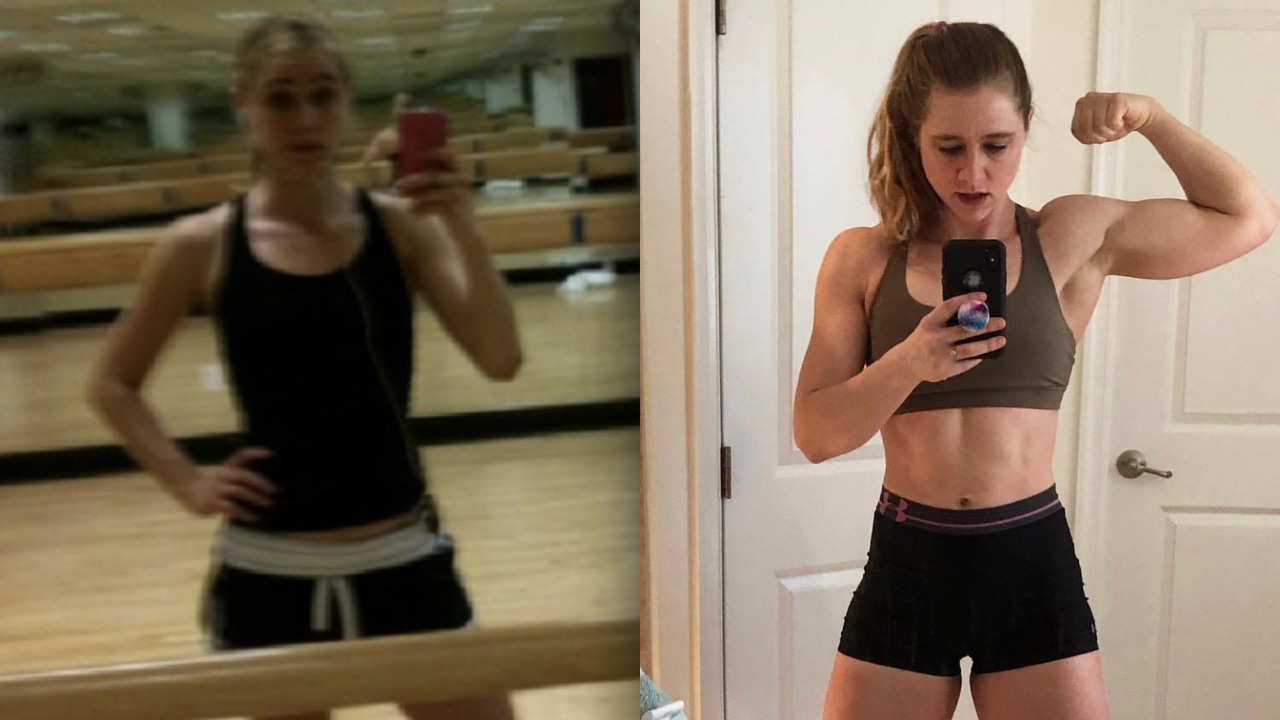
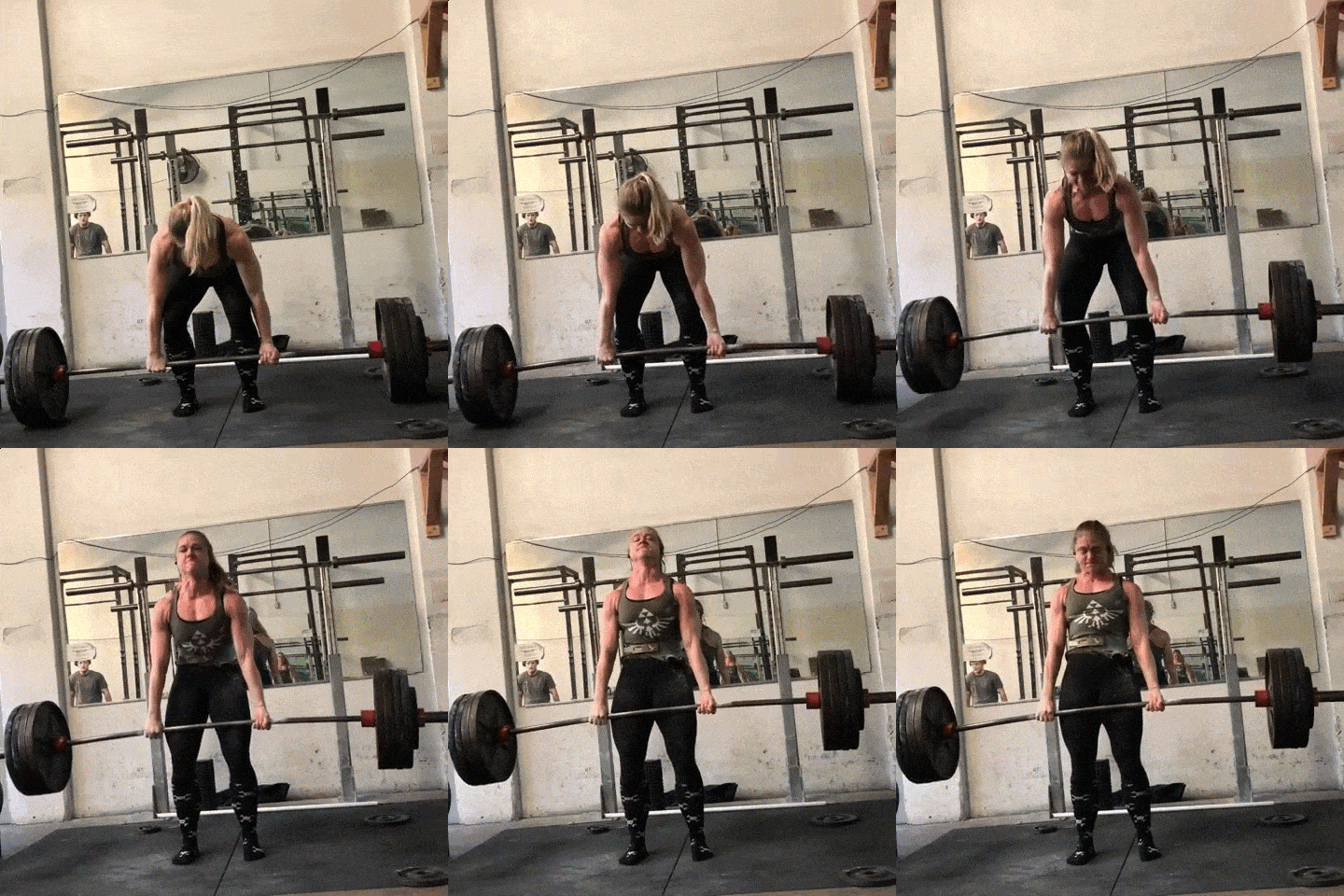


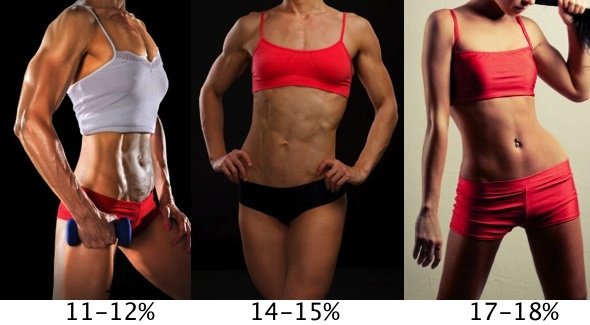
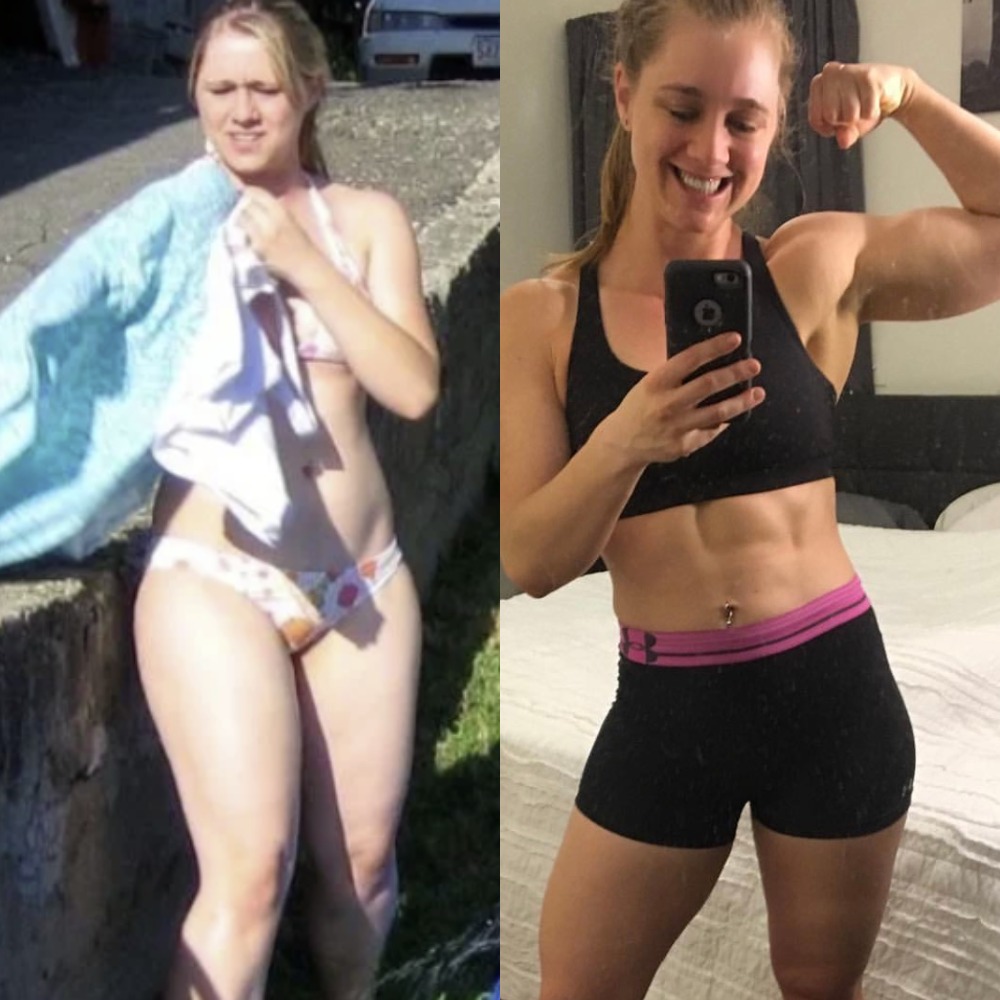


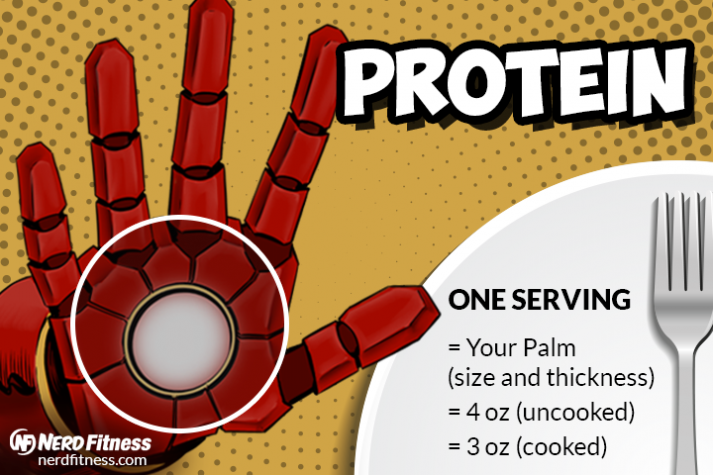
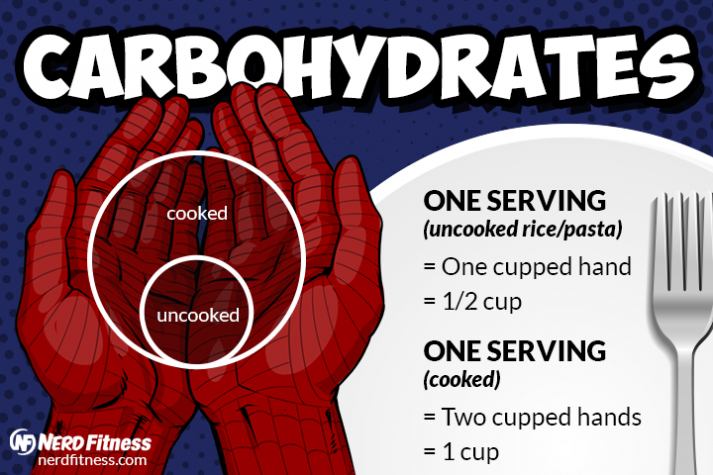
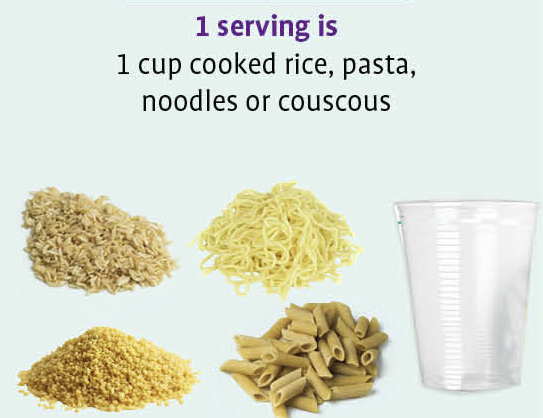
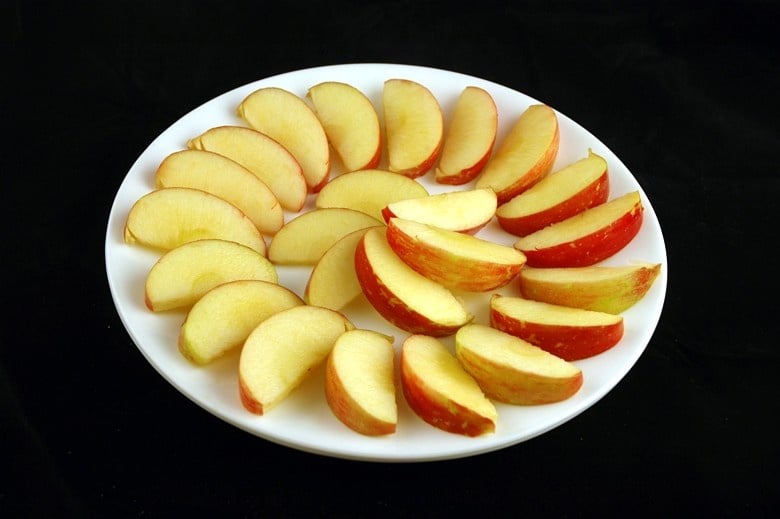
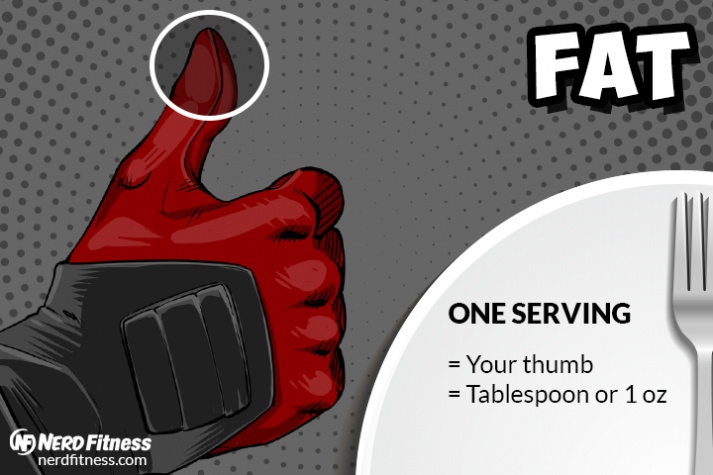

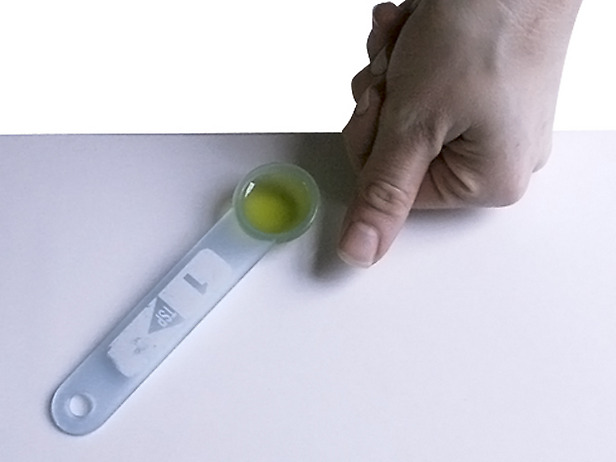
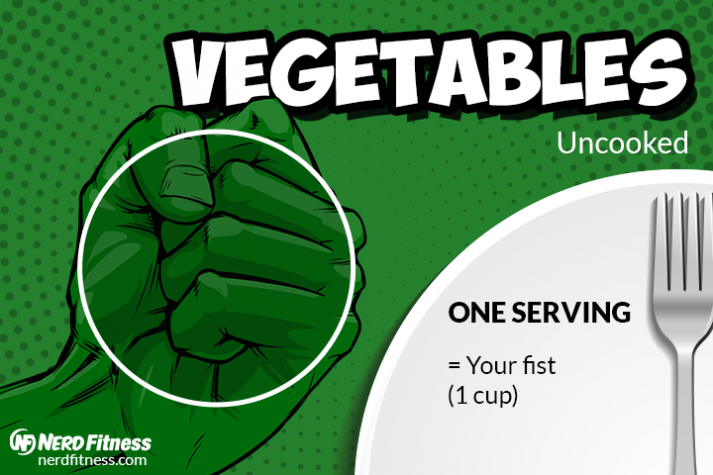
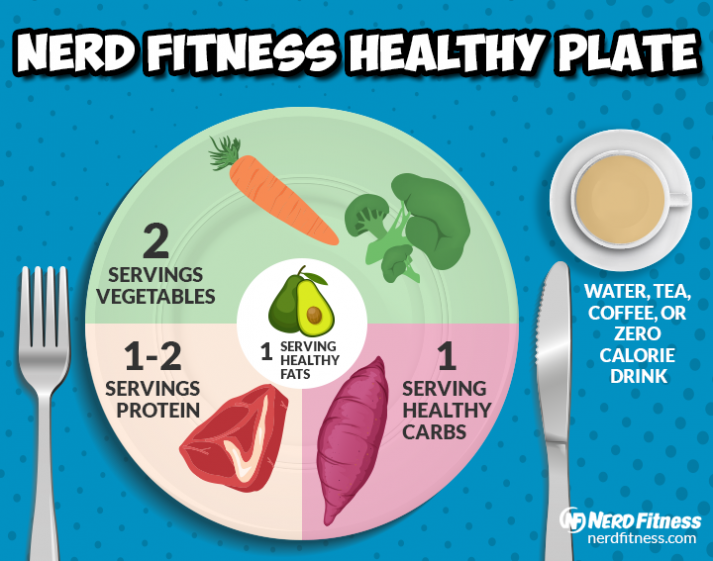


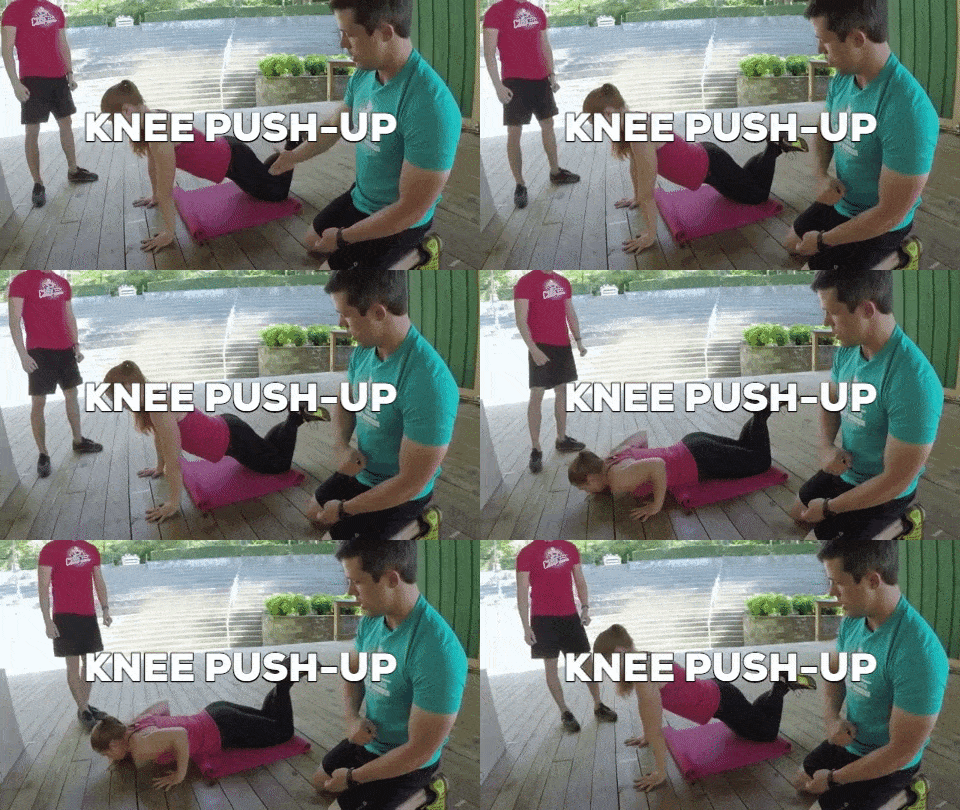
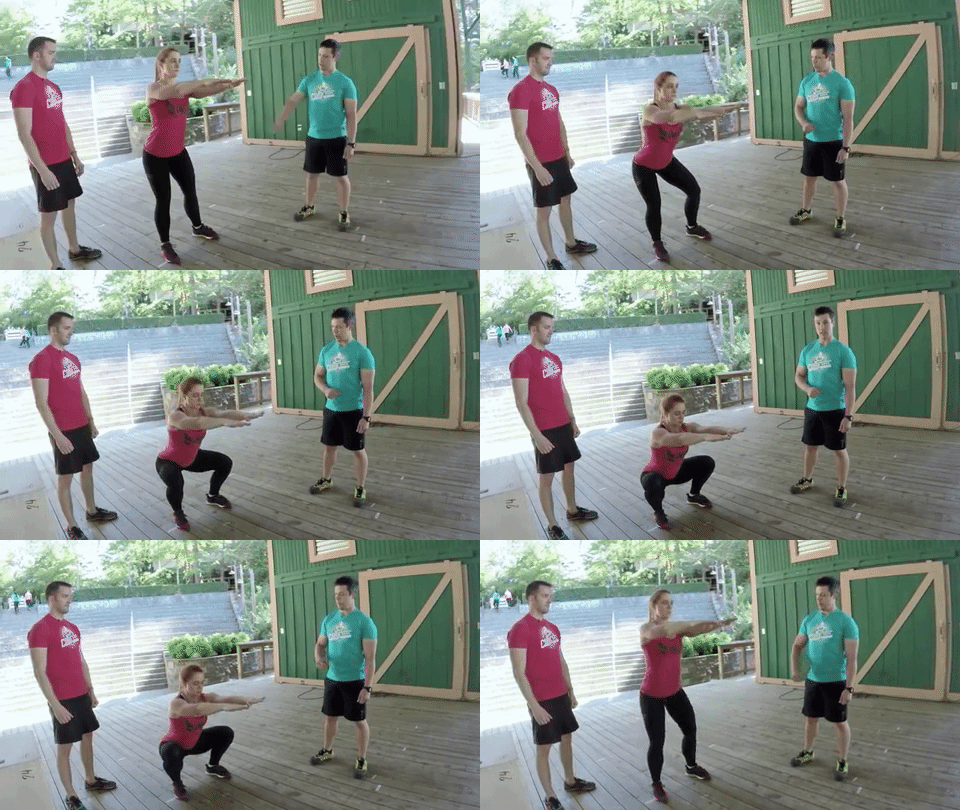





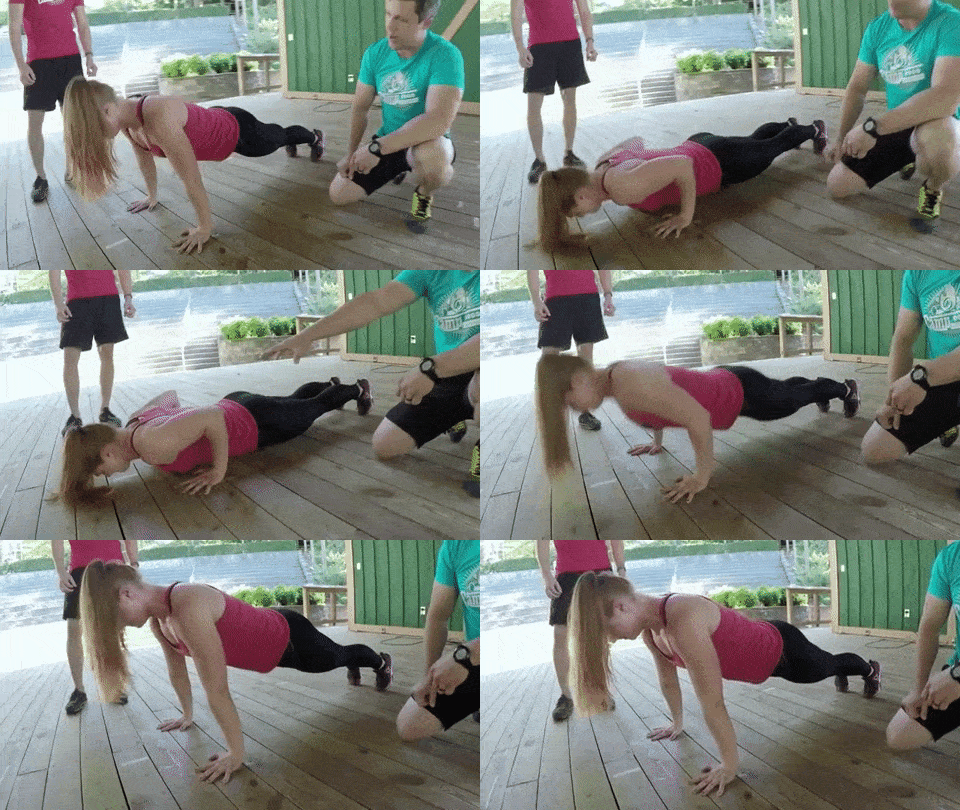
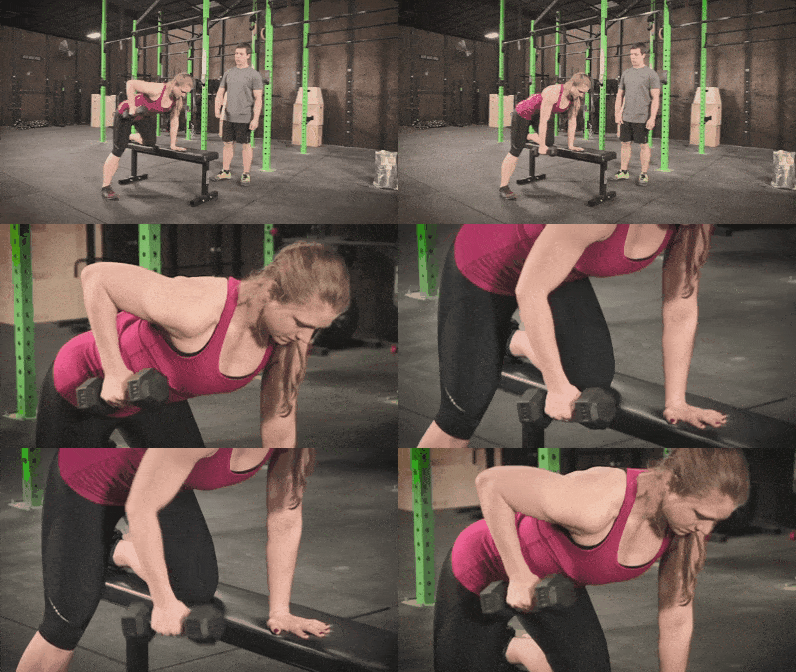
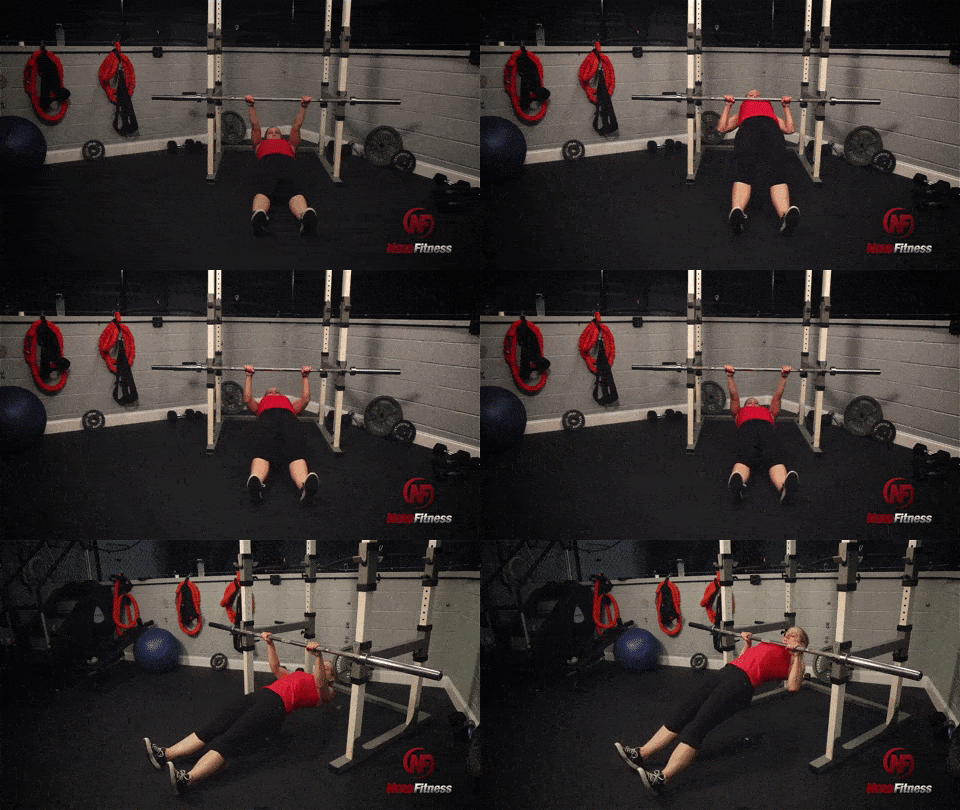
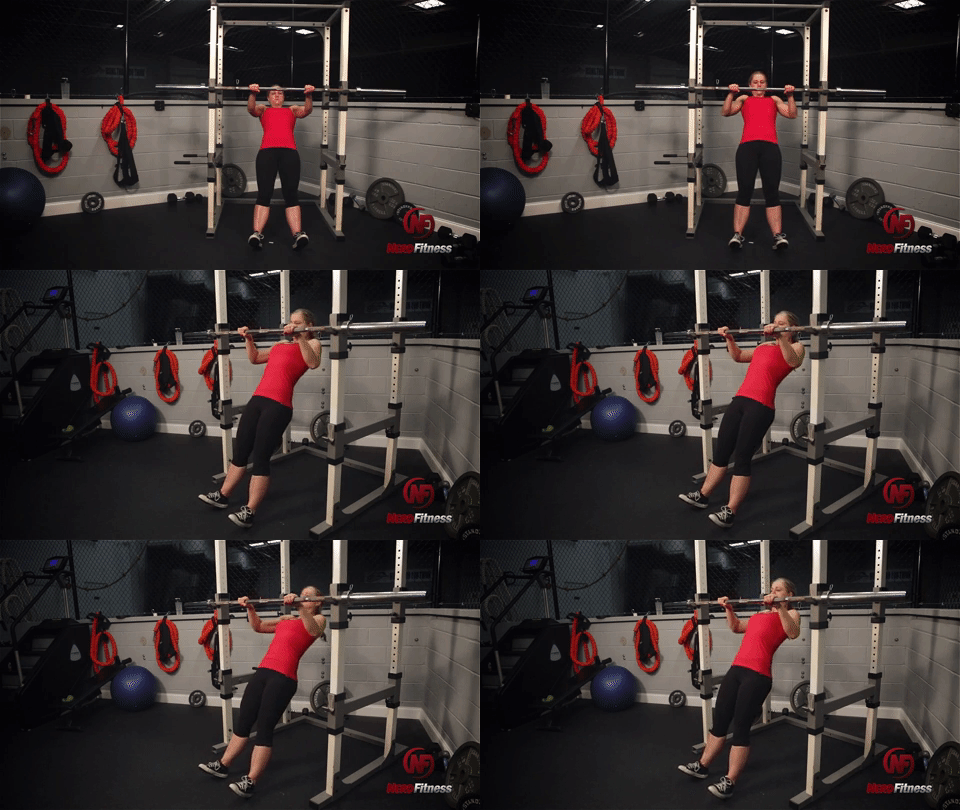
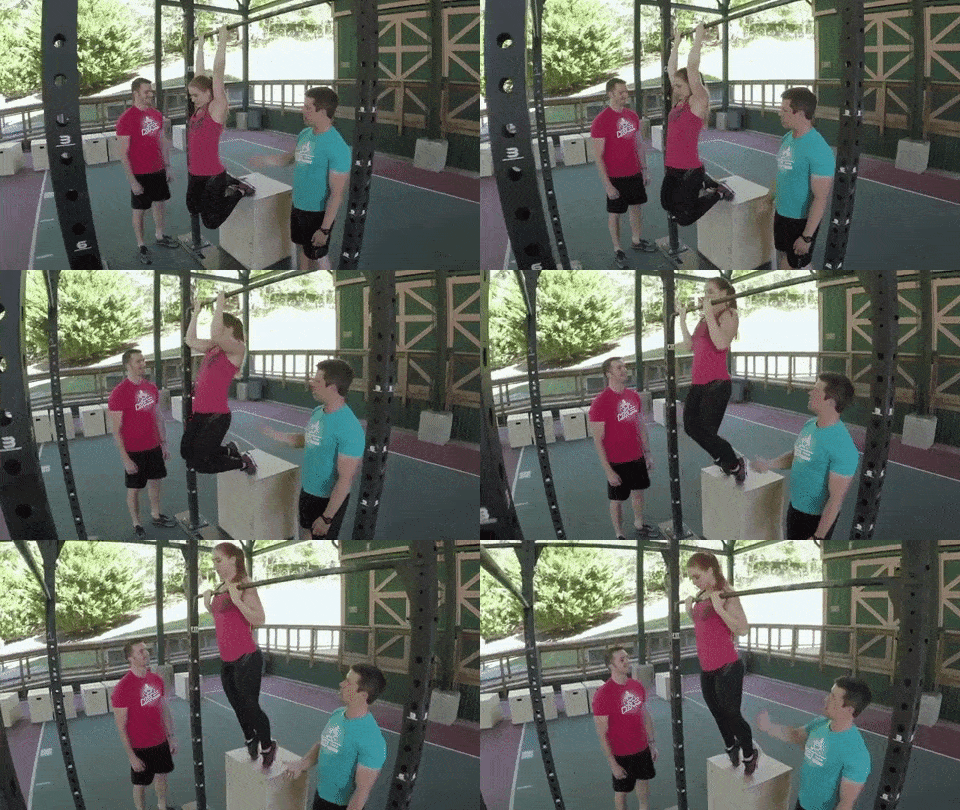
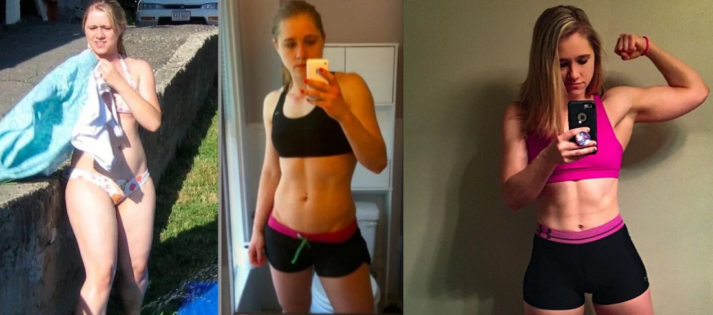












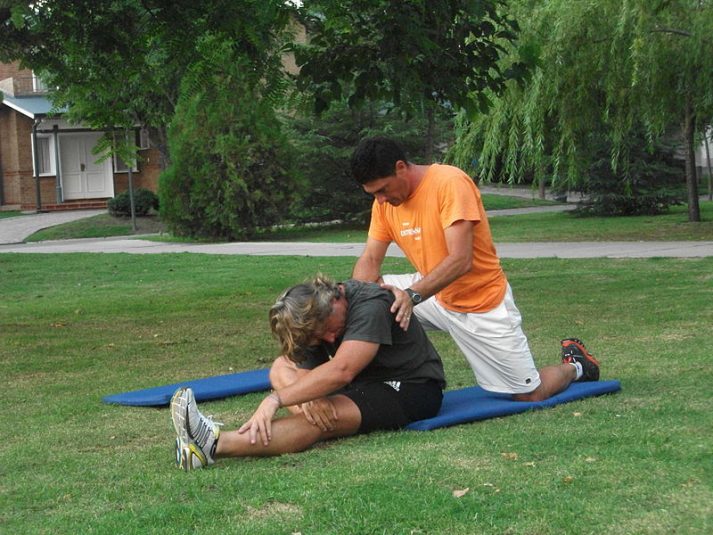

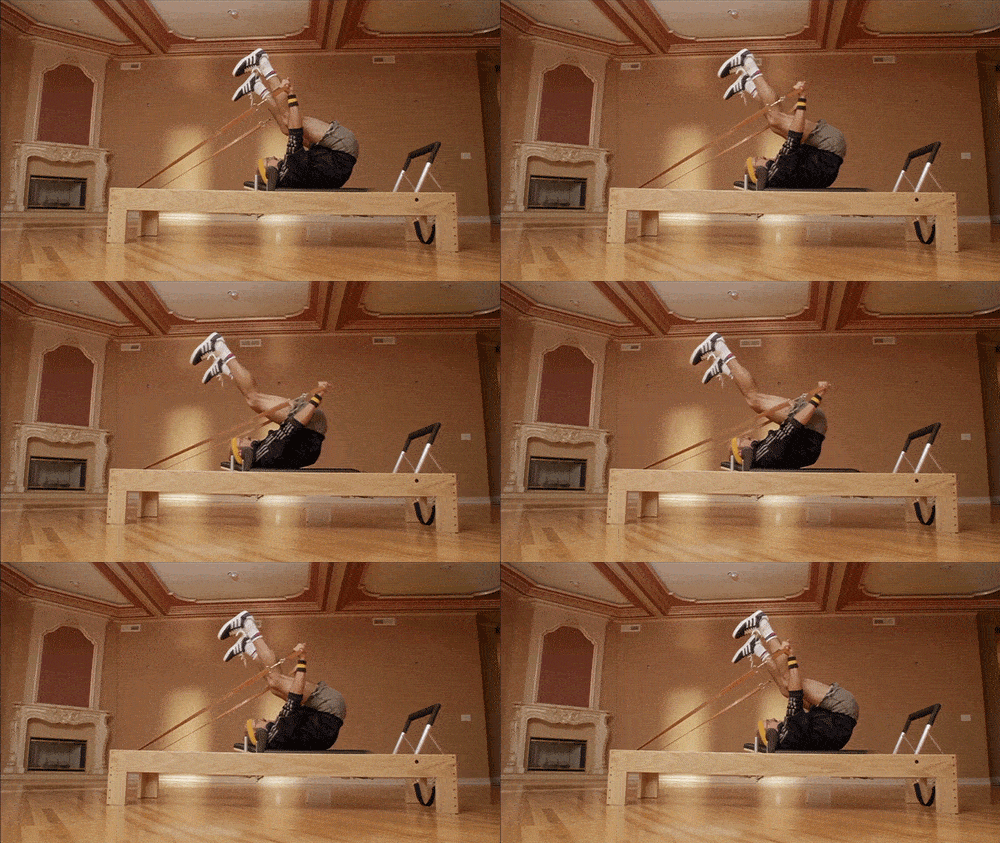

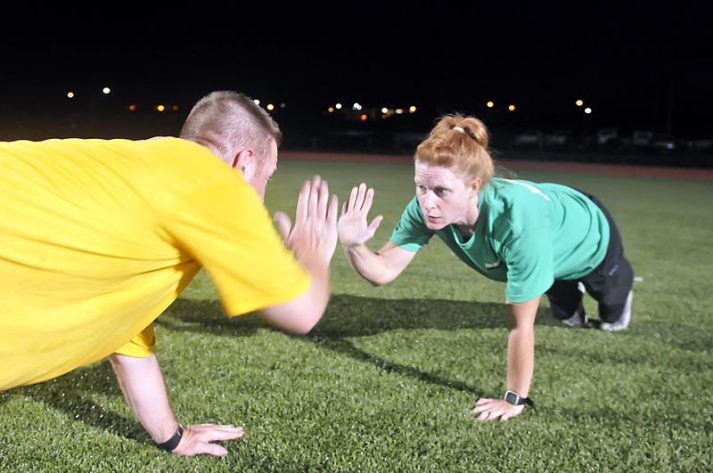

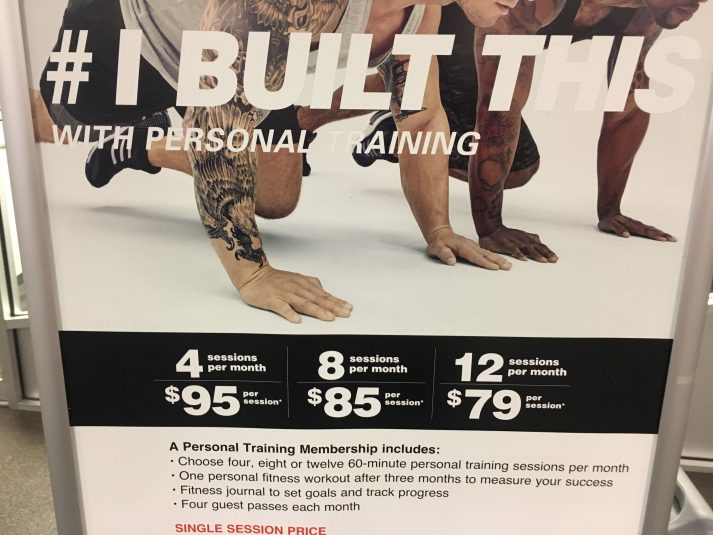


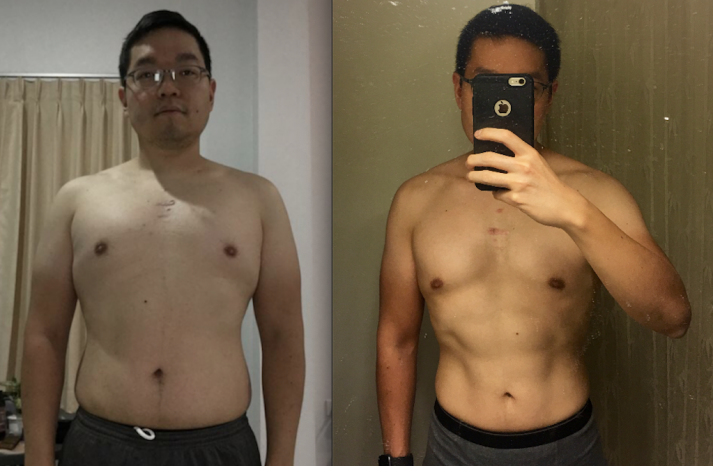

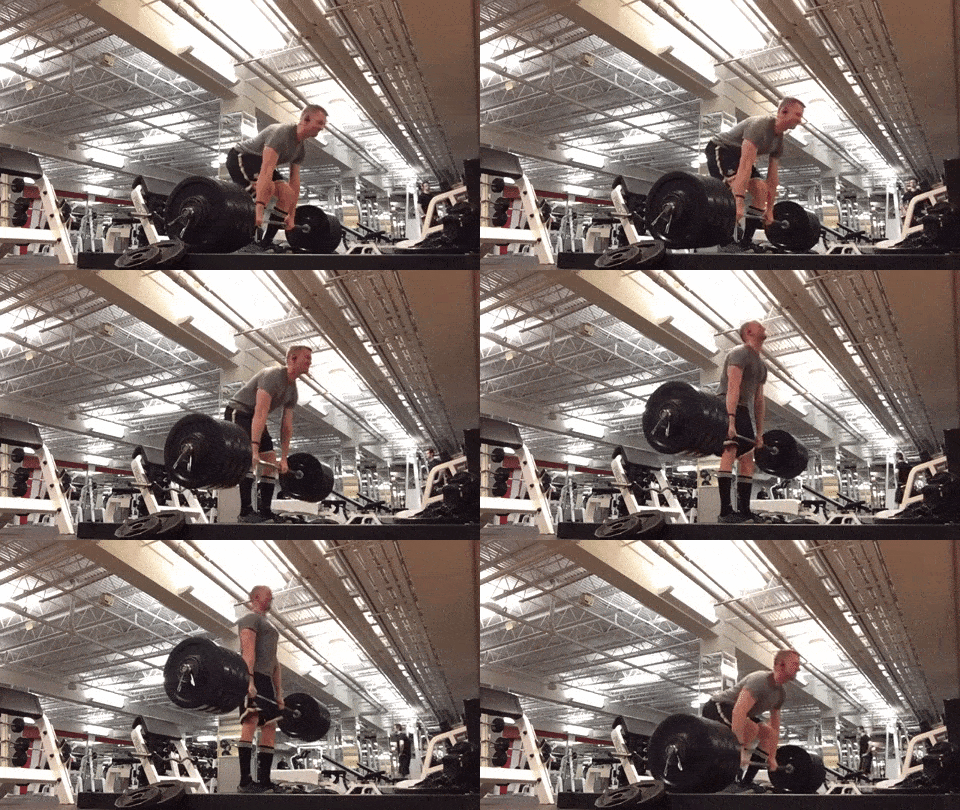





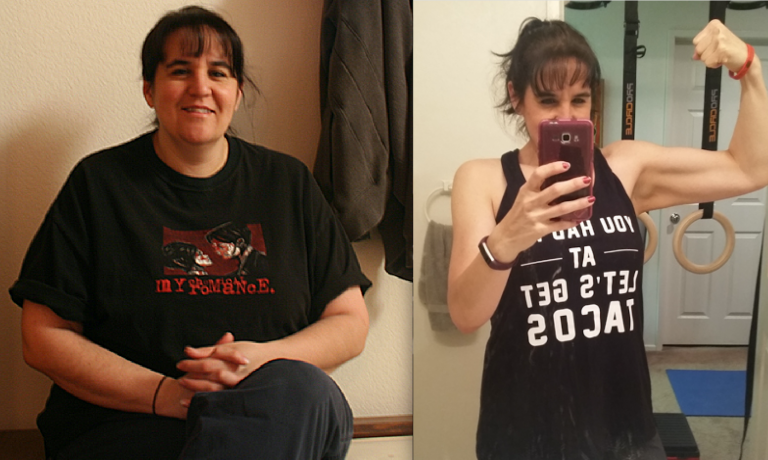
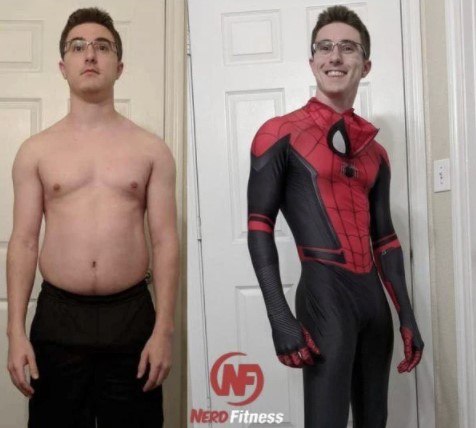


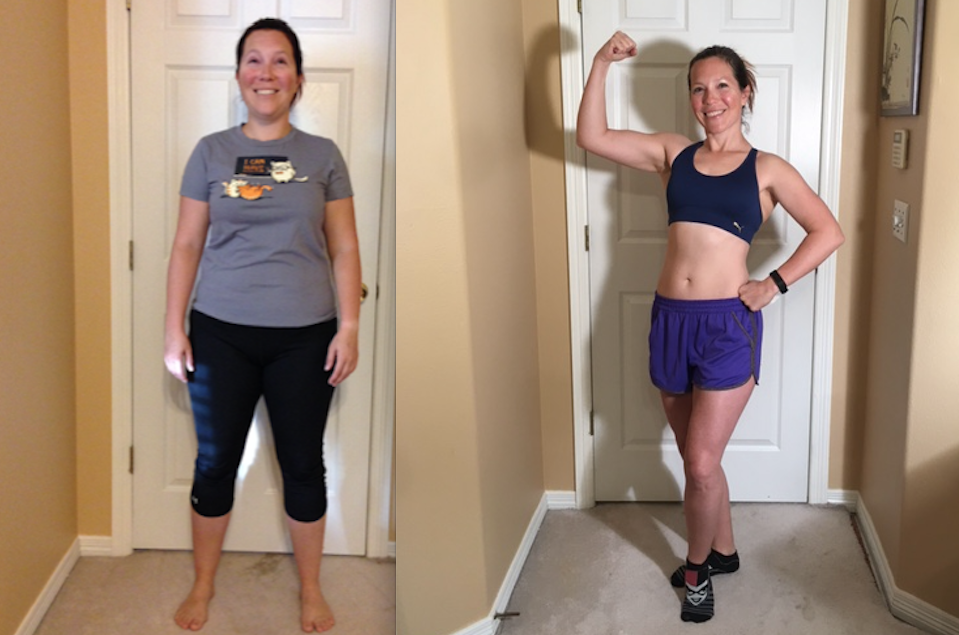

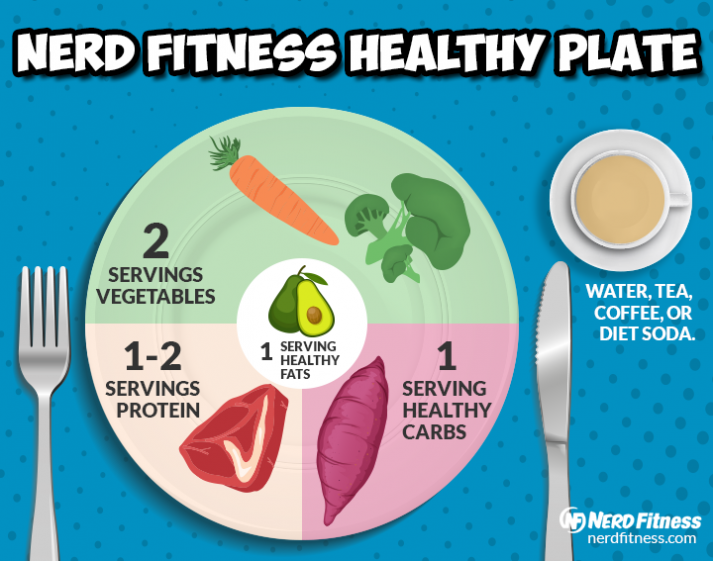







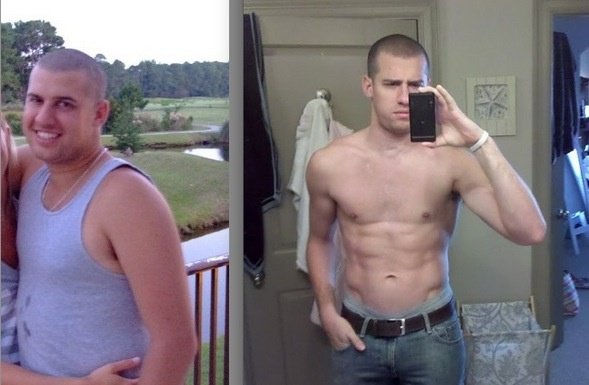




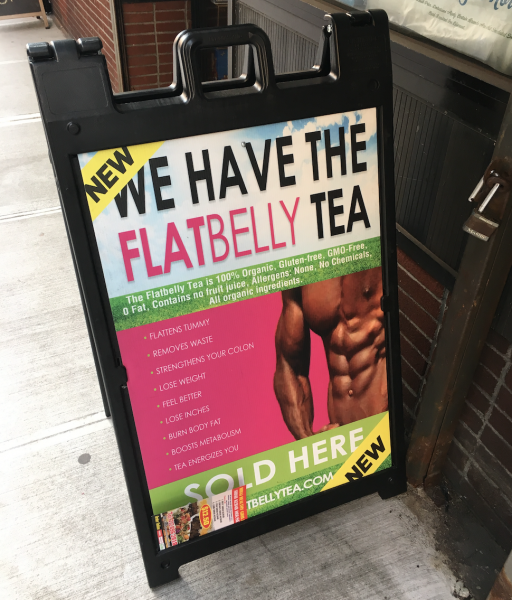





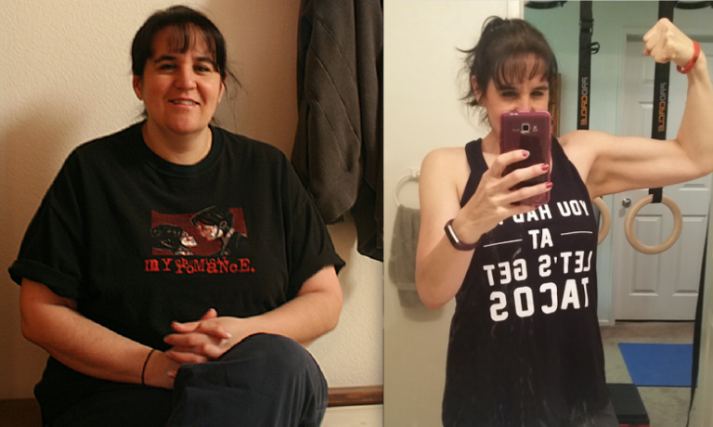
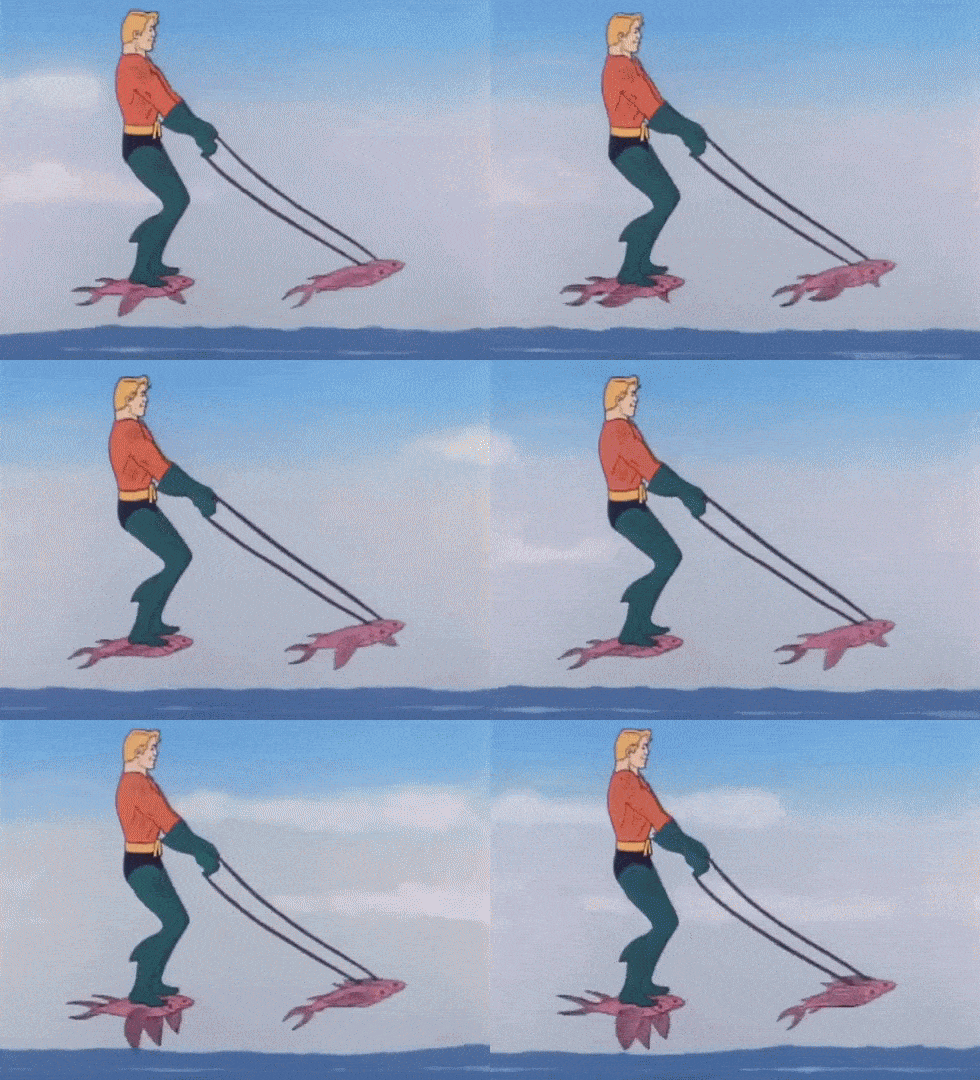




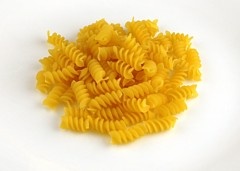


















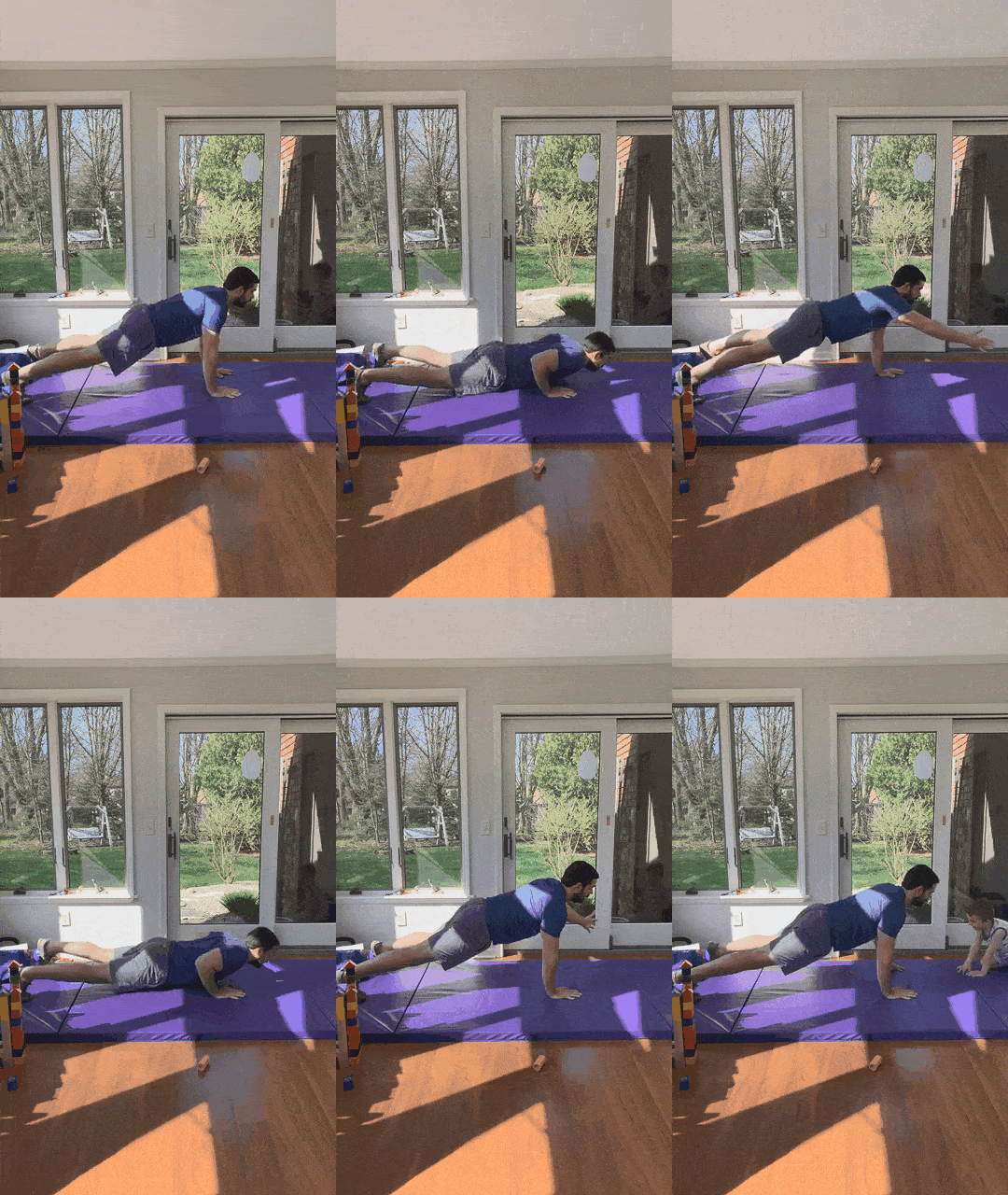
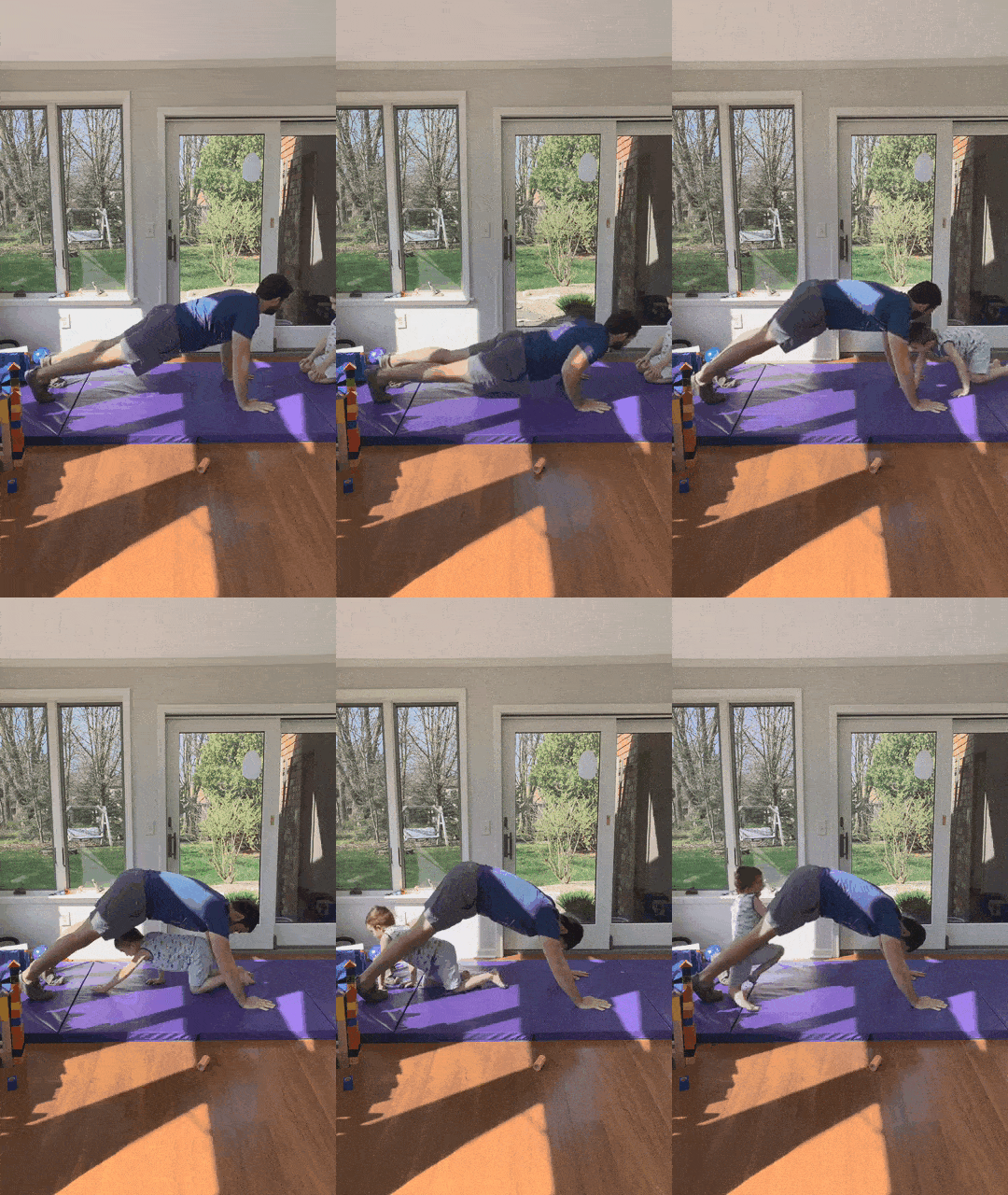
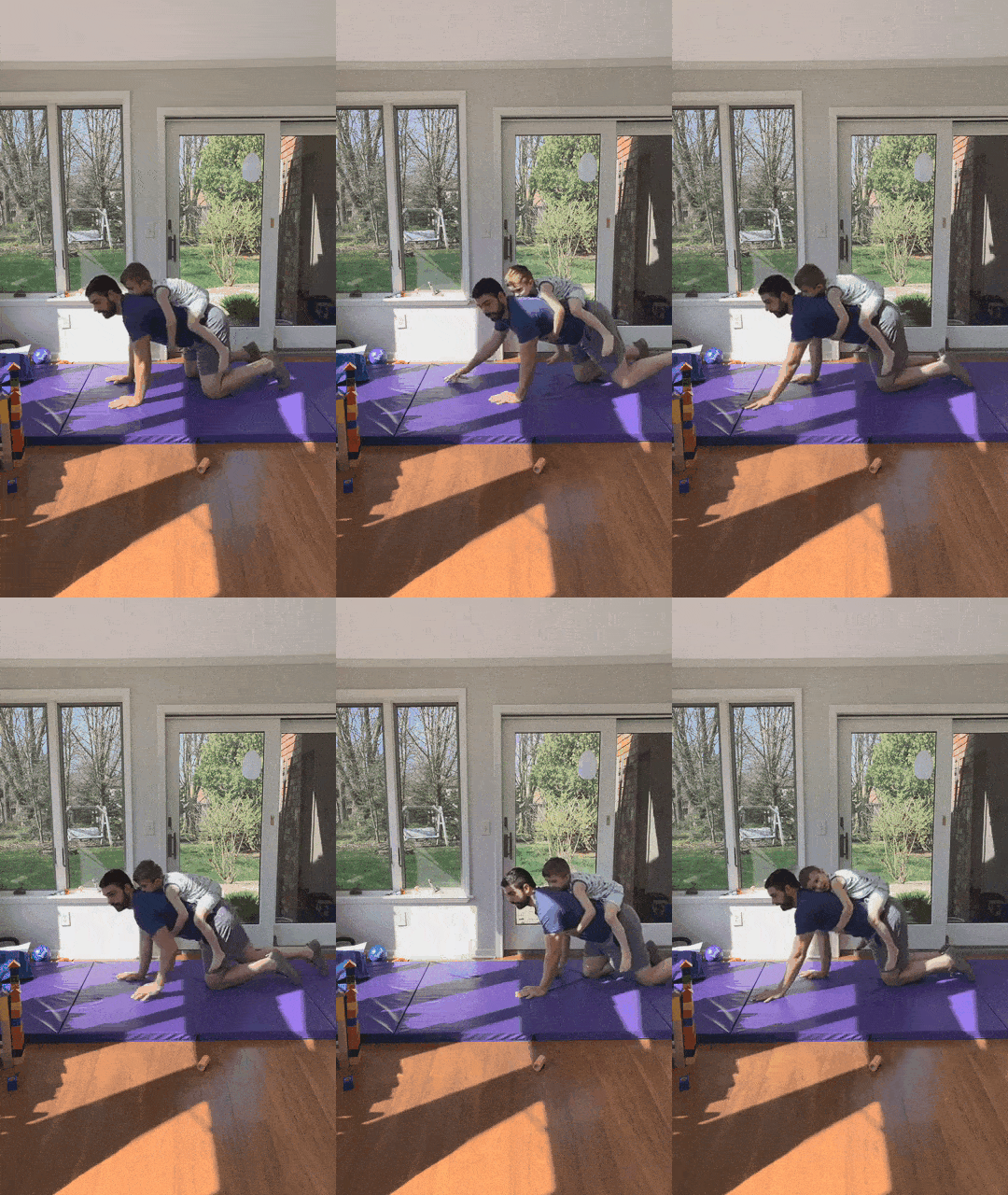




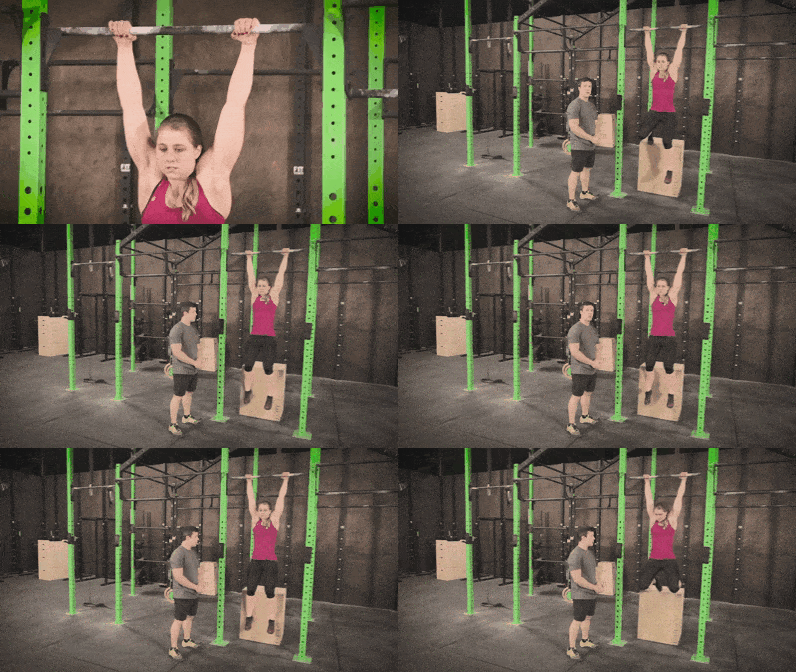










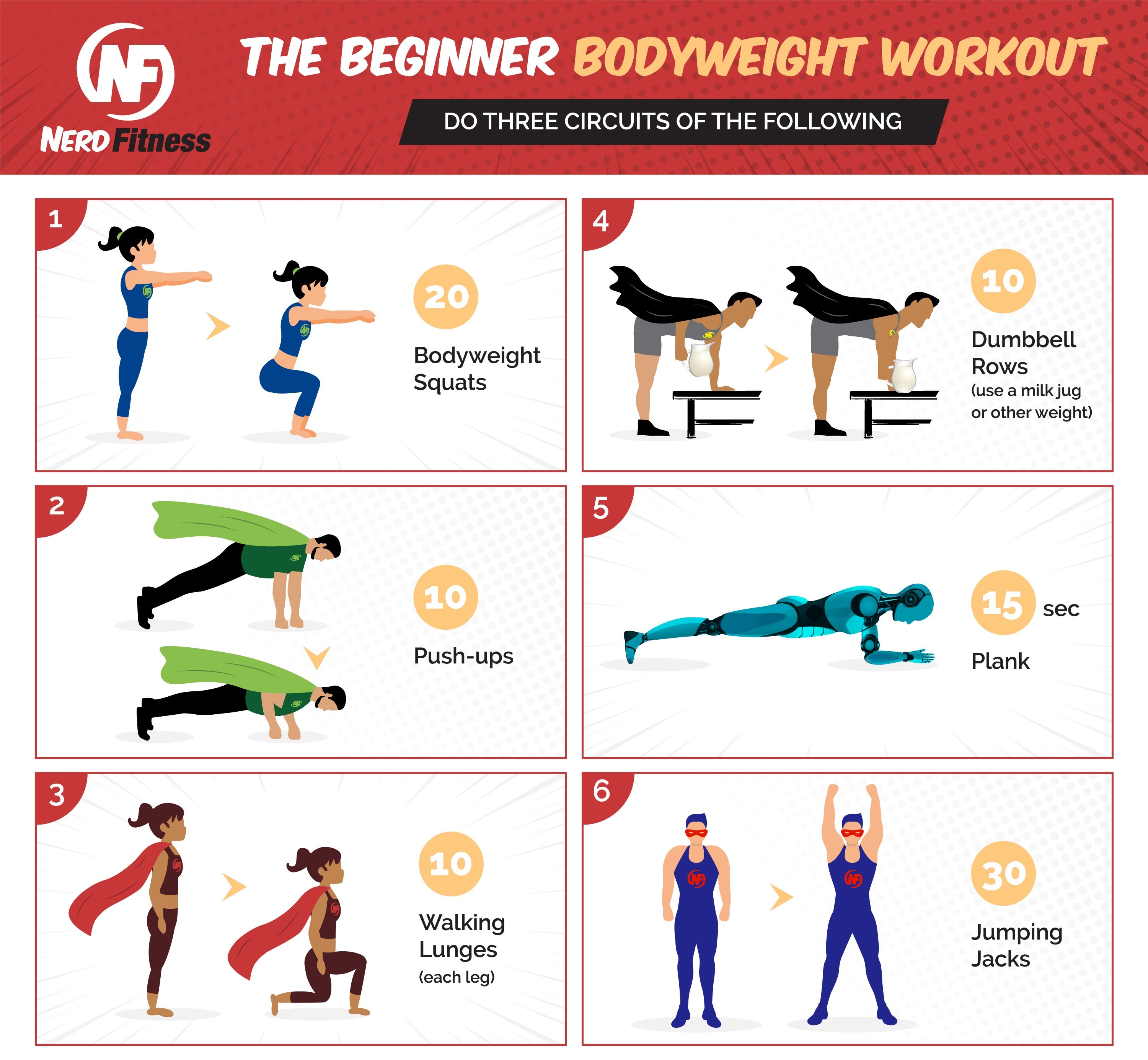
 If you have access to a gym, you have a lot of circuit options.