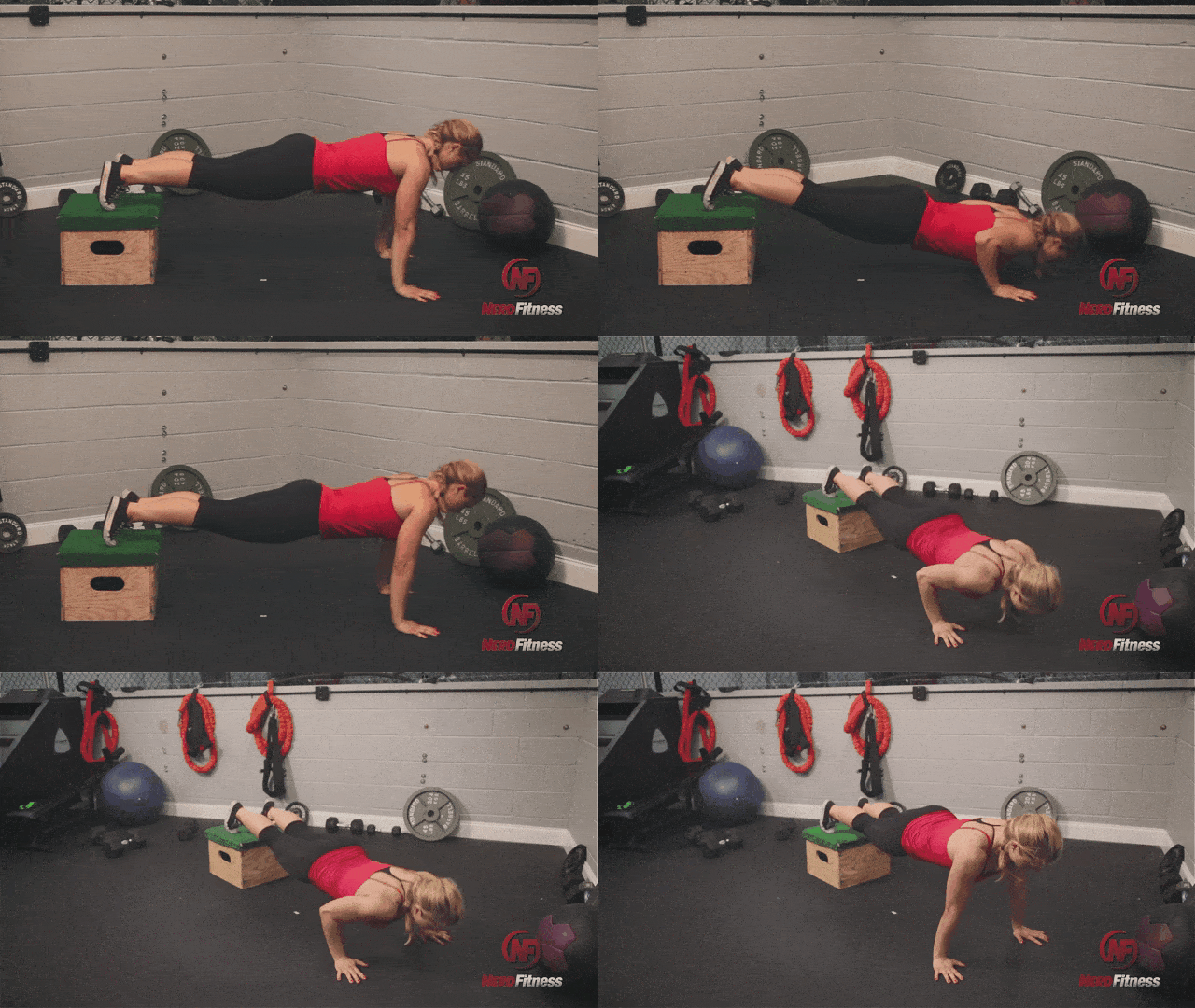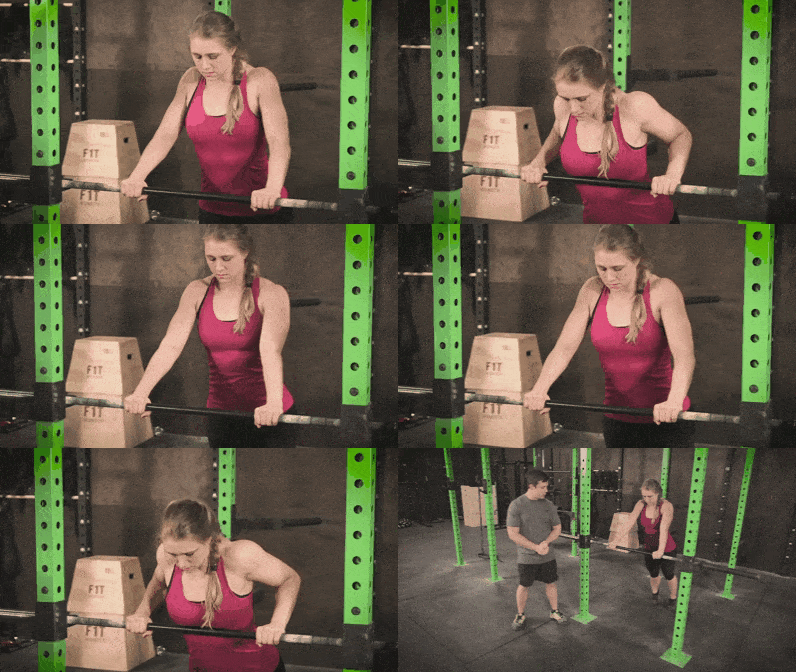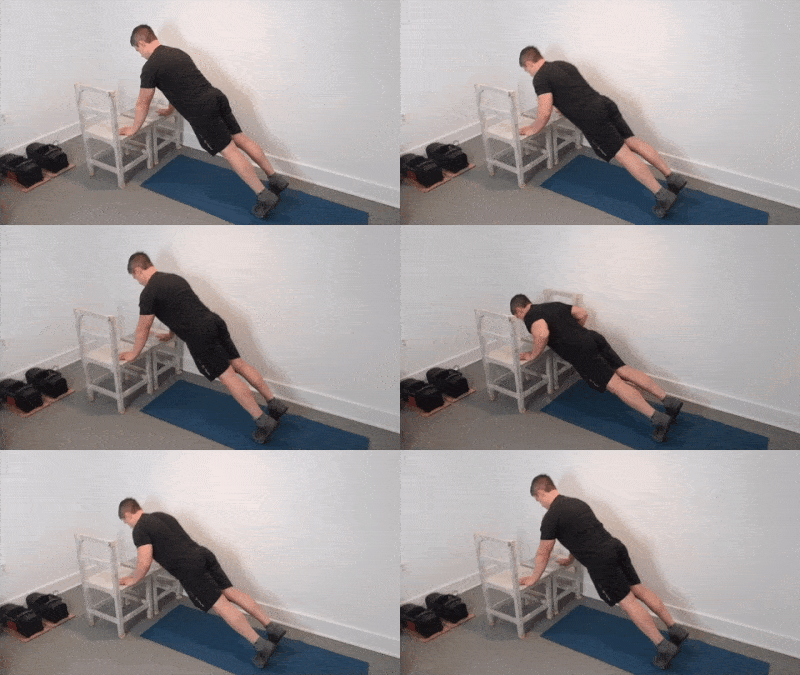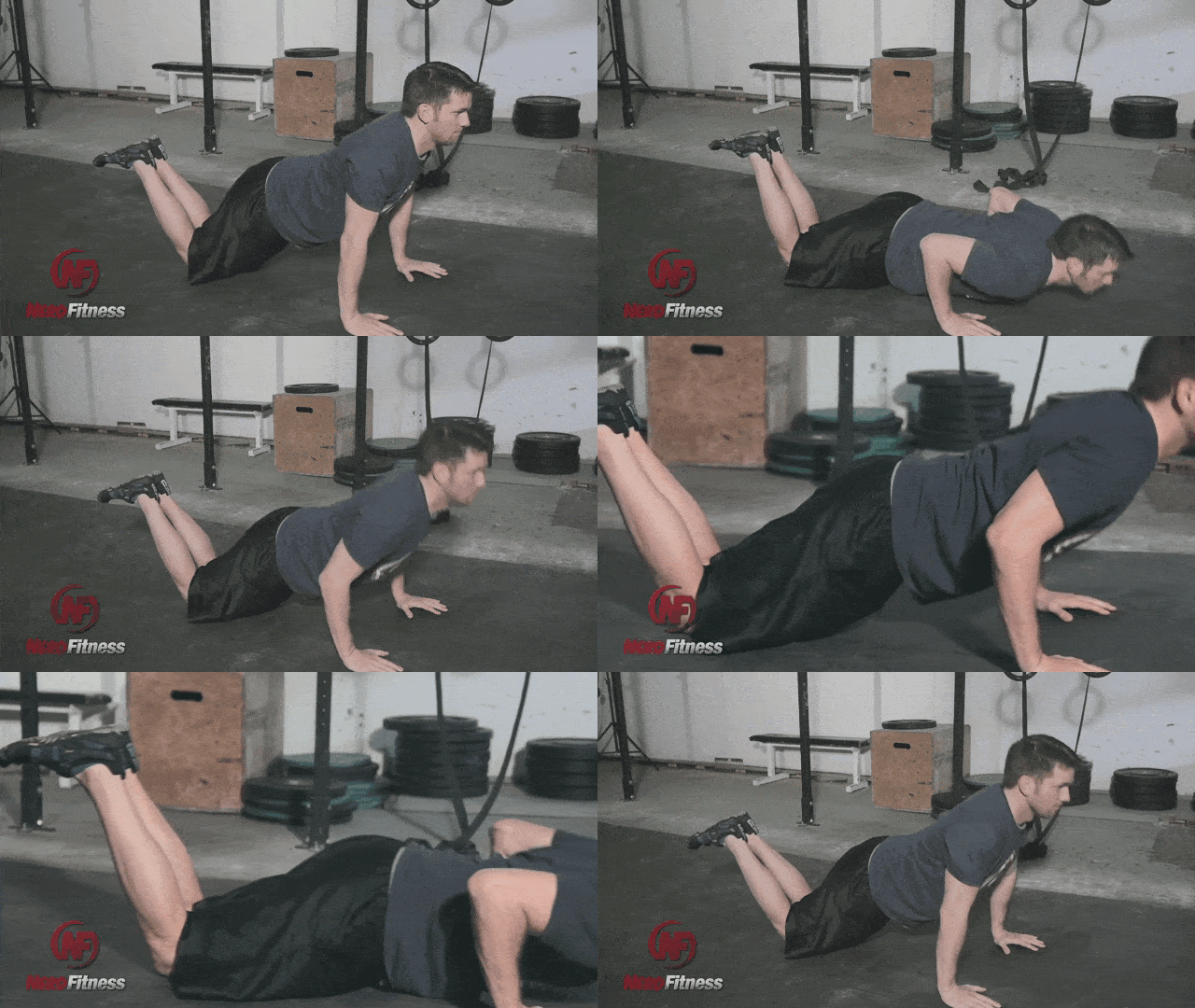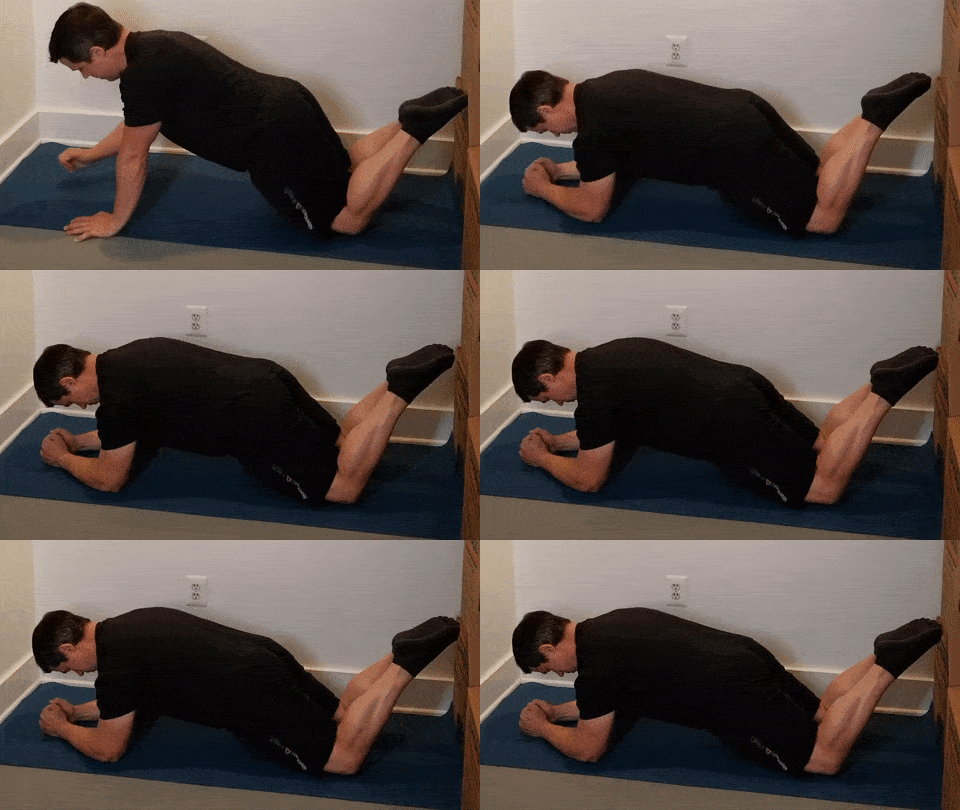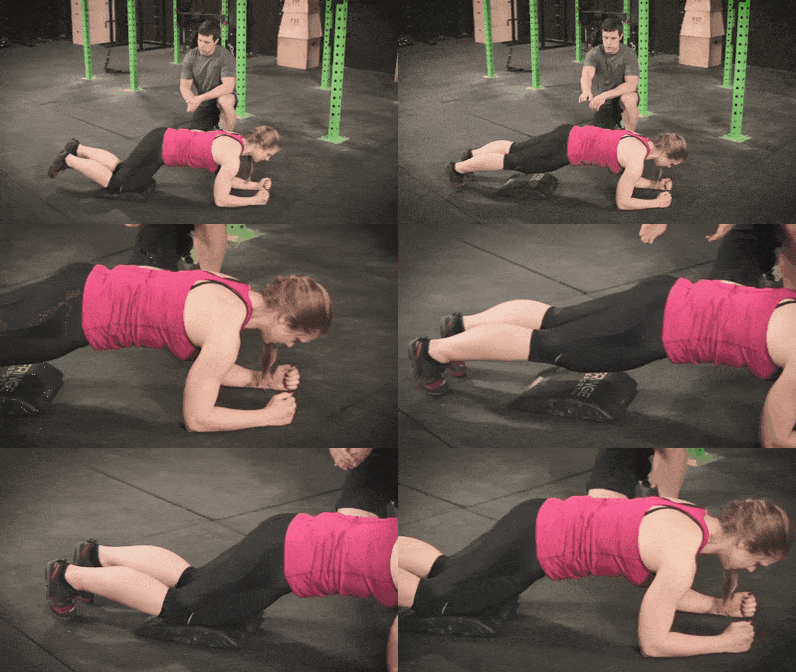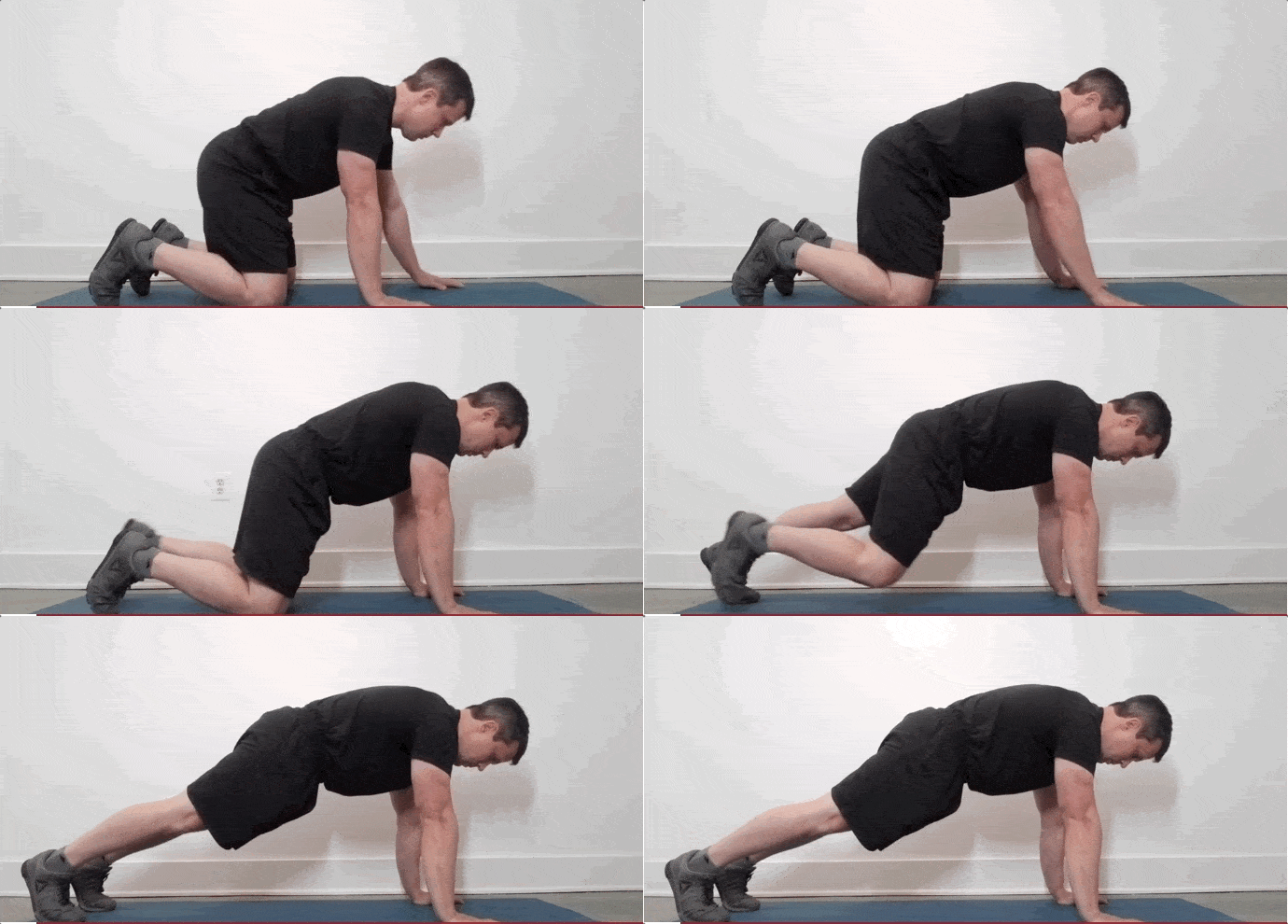
Strength training will change your life.
If you want to lose weight, gain muscle, and/or just look and feel better, strength training will do just that.[1]
In this comprehensive series, we’re going to cover EVERYTHING you need to know about getting strong.
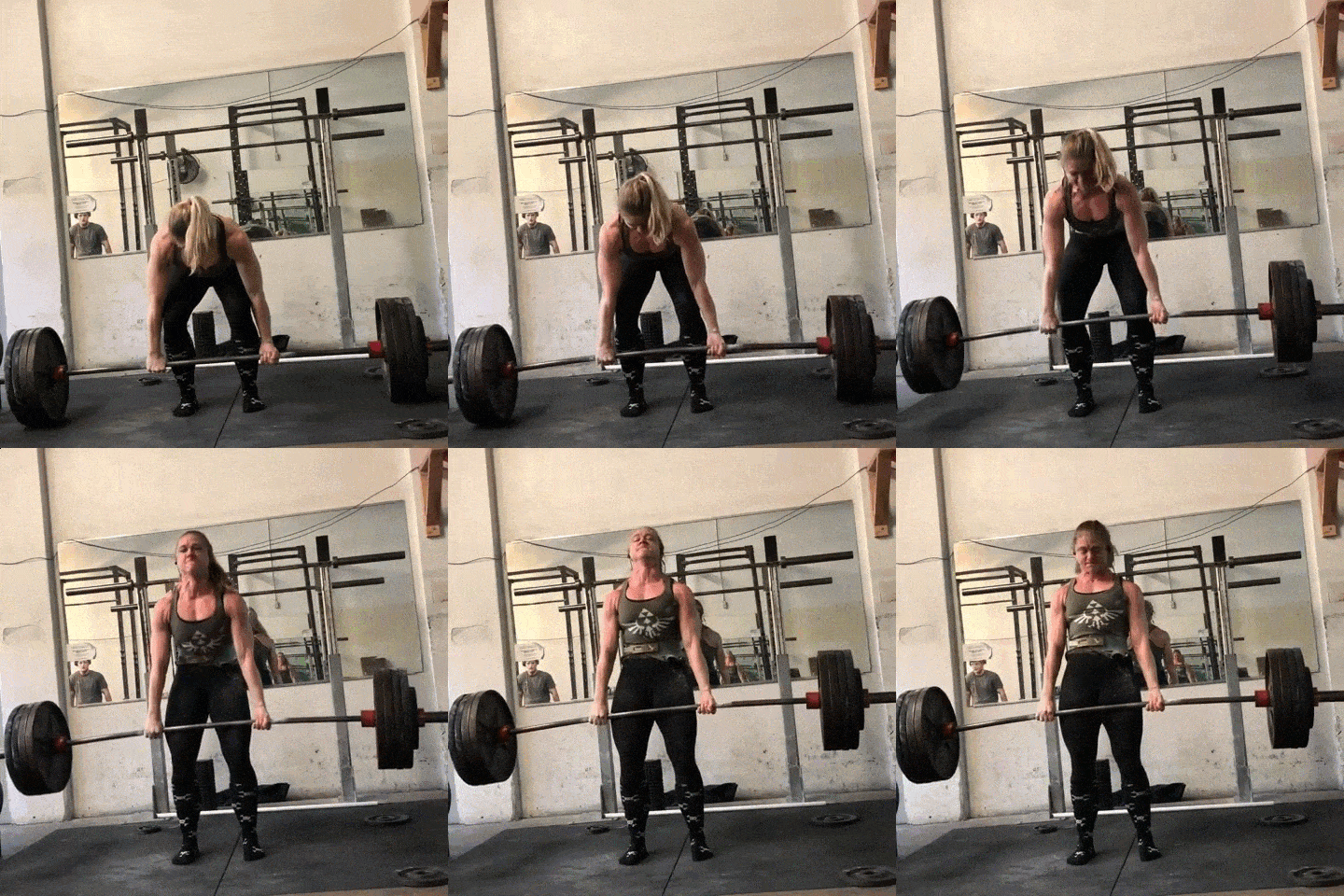
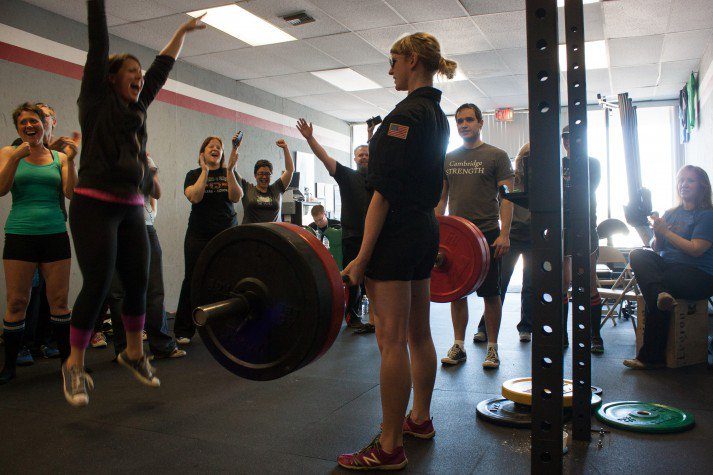
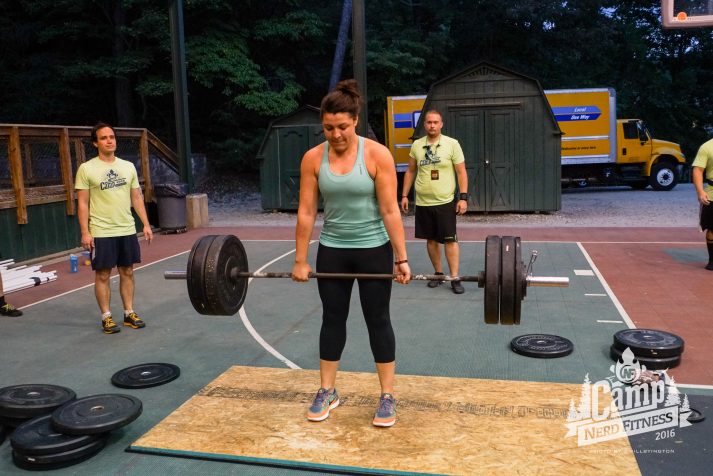
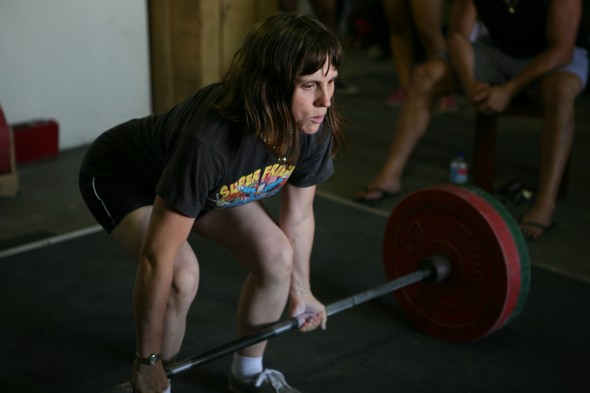
By the way, hi. I’m Staci Ardison, Senior Coach for Team NF, with a 455 pound deadlift, and strength training has changed my life.
Here’s that deadlift by the way (at a bodyweight of 150 lbs):
I help men and women get strong with our 1-on-1 Online Coaching Program, and in addition to this strength series, I’d love for our team to help you get strong too:
In this introduction to Strength and Resistance Training, we’ll cover:
- What are the benefits of strength training?
- What IS strength training?
- Can I strength train for weight loss?
- Am I too old for strength training?
- Will lifting weights make me bulky?
- I don’t like gyms, can I still strength train?
- How to start getting strong today (next steps).
- 5 Strength Training Workouts for Beginners
- 6 Gym Workouts For Beginners
This is also quite a lot to absorb, so we’ve combined this article along with the rest of our strength articles into a “Strength Training 101: Everything You Need to Know” guide.
Grab it free when you join the Rebellion by putting your email in the box below.
- Everything you need to know about getting strong.
- Workout routines for bodyweight AND weight training.
- How to find the right gym and train properly in one.
What are the Benefits of Strength Training?

Life is EASIER when you’re strong:
- Carrying groceries? One trip.
- Children to carry? No problem.
- Car stuck in the snow? Push it out with ease.
- Feel like a badass? YUP!
Plus, whether you’re 100 lbs overweight or just need to lose the last 15, strength training is one of the most effective ways to burn fat and build muscle.[2]

Let’s get the long term benefits out of the way.
How Strength Training Will Help as You Age:
#1) Halt and even reverse sarcopenia: As we age our skeletal muscle deteriorates, which is a condition known as sarcopenia. Strength training has been found to reduce the negative effects of sarcopenia allowing us to maintain an independent lifestyle (and out of a nursing home) and live longer.[3]
#2) Prevent disease and degenerative conditions:[4a] Heart disease is the leading cause of death for both men and women.
Strength training helps correct issues relating to cholesterol, high blood pressure, obesity, diabetes, and inactivity – all factors for heart disease.
Cardiologists are even starting to recommend strength training for people who have suffered a heart attack as little as three weeks after the attack.[4b]
#3) Improve the quality of life for people with: arthritis,[5] osteoporosis,[6] Parkinson’s Disease,[7] Down Syndrome,[8] lymphedema,[9] fibromyalgia,[10] who have recently had a stroke,[11] have had a spinal cord injury,[12] cancer survivors[13] and clinical depression.[14] Clinical exercise physiologists working with these special populations listed above strongly recommend incorporating strength training to slow down the progression of their disease or disorder, decrease their risk for other comorbidities, and decrease their risk for premature mortality.[15]
Now, in addition to making life easier LATER, strength training has a lot of great benefits right now.
How Strength Training Will Help You Today:
#1) Lose weight, look good naked: You can find study[16] after study[17] after study[18] that shows you the benefits of strength training for weight management when combined with “calorie restriction.”(eating fewer calories than you burn every day), such as greater fat loss and improvements in muscle mass. Additionally, the combination of these two behaviors also decreases one’s risk for the development of chronic diseases (e.g., CVD) and premature mortality.[19]
#2) Strength training can help increase your metabolism by speeding up your Resting Metabolic Rate (RMR).[20] It takes your body more calories to maintain muscle than it does to maintain fat!
#3) Strength training has a much greater level of excess post-exercise oxygen consumption than aerobic exercise.[21]
What does this mean?
When you finish a workout, your body needs to do a lot of work to replenish itself in order to bring itself back to a normal state (the way it was before you worked out). This takes a lot of energy, and some studies have shown that it can boost your metabolism for up to 38 hours after you finish your workout. If you do your resistance training quickly, minimizing rest intervals in-between sets, you can actually increase this effect.[22]
This is why it’s important to stay off of the phone in-between sets!
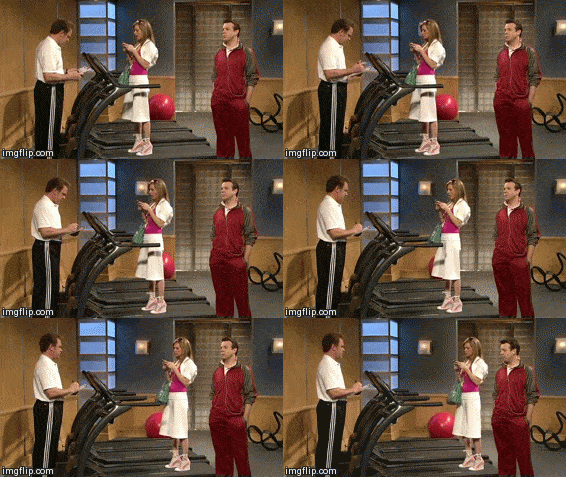
If you want to learn more about how to do this, check out our Guide to Circuit Training.
In addition to physical improvements, strength training will improve your next doctor’s visit.
How Strength Training Can Make You Healthier:
#1) Strength training increases bone density, builds a stronger heart, reduces your resting blood pressure, improves blood flow, halts muscle loss, helps control blood sugar, improves cholesterol levels, and improves your balance and coordination.[23] This is all great news because this will decrease your risk of developing conditions such as osteoporosis, hypertension, and type 2 diabetes.
#2) Strength training will make you FEEL better: Not only will you find yourself with more energy and confidence, less stress and anxiety,[24] and a better overall mood,[25] but you’ll actually begin to think better (resistance training has been proven to help increase cognitive function[26]).
You may be asking how this is possible?
Strength training allows for neurogenesis and neuroplasticity to take place, which is the process of creating new neural pathways in the brain.
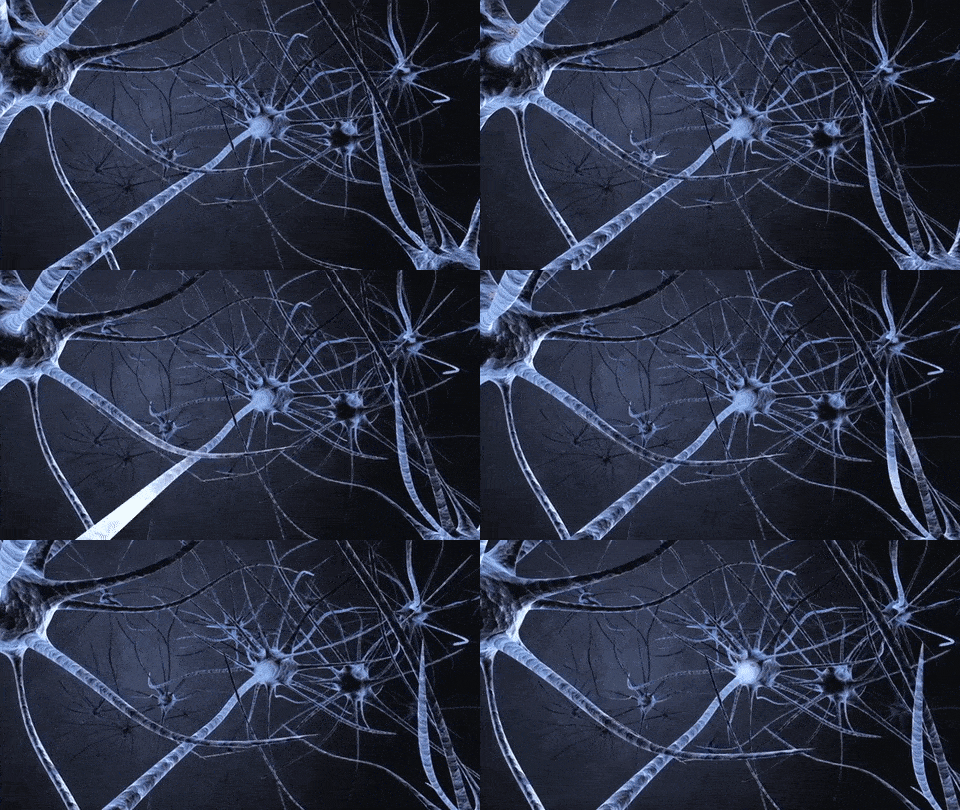
Plus, strength training also allows for certain neurotransmitters (e.g., dopamine) to be released that plays a role in brain health.[27]
And while training too close to bedtime can be a bad idea, exercising earlier in the day has been proven to help prevent sleep apnea and insomnia.[28]

But wait, there’s more!
I even improved my posture from strength training – when I started lifting, I was 5’4”. Now I’m 5’5.5”.[29]
This is also a major concern for today because of prolonged cell phone use, which finds people constantly tilting their head forward and down resulting in neck pain and faulty posture.[30]
#3) Last but not least, strength training is fun! Whether you are looking for the most effective 20-30 minute workout (to stay fit and look great naked), or are looking for a competitive sport that you can really get into, strength training can help you meet your goals.[31]
It’s easy and fun to see progress as you strength train, almost like leveling up (“You gained 100xp and +1 STR with your deadlift today”).

If you’re looking to improve in other areas (a sport, traditional cardio, or an activity like rock climbing), strength training is an easy choice! Strength training will help keep you injury free too.[32]
We have coaching clients from 18 to 80+, and we work on strength training with practically every single one of them due to just how many benefits it provides! We’d love to work with you too:
Who SHOULDN’T strength train?

Trying to be balanced, I wanted to find studies of a single group of people who should not strength train.
But it didn’t go so well…
- I found studies on how strength training can be beneficial for paraplegics.[33]
- There are also studies that show the benefits for children and adolescents.[34]
- You can also find plenty of studies that explain the benefits of strength training for pregnant women.[35]
Oh, and if you think you’re too old, I promise that you are not.
And thus I’ve decided, not knowing you, you should probably strength train.
IMPORTANT CAVEAT: if you do fall into any of these special populations (e.g., paraplegics, children, pregnant women, etc.) it is imperative that you work with a qualified professional (e.g., clinical exercise physiologist, strength and conditioning coach, etc.).
These qualified professionals will perform a risk stratification and pre-assessments so they can start you off with the perfect training program that will improve your physical and mental health, and will decrease your risk for injury and prevent your condition from progressing to a more severe state.
Oh, and if you are already injured, you should check with a doctor[36] or physical therapist before strength training.
Long story short: EVERYBODY should strength train.
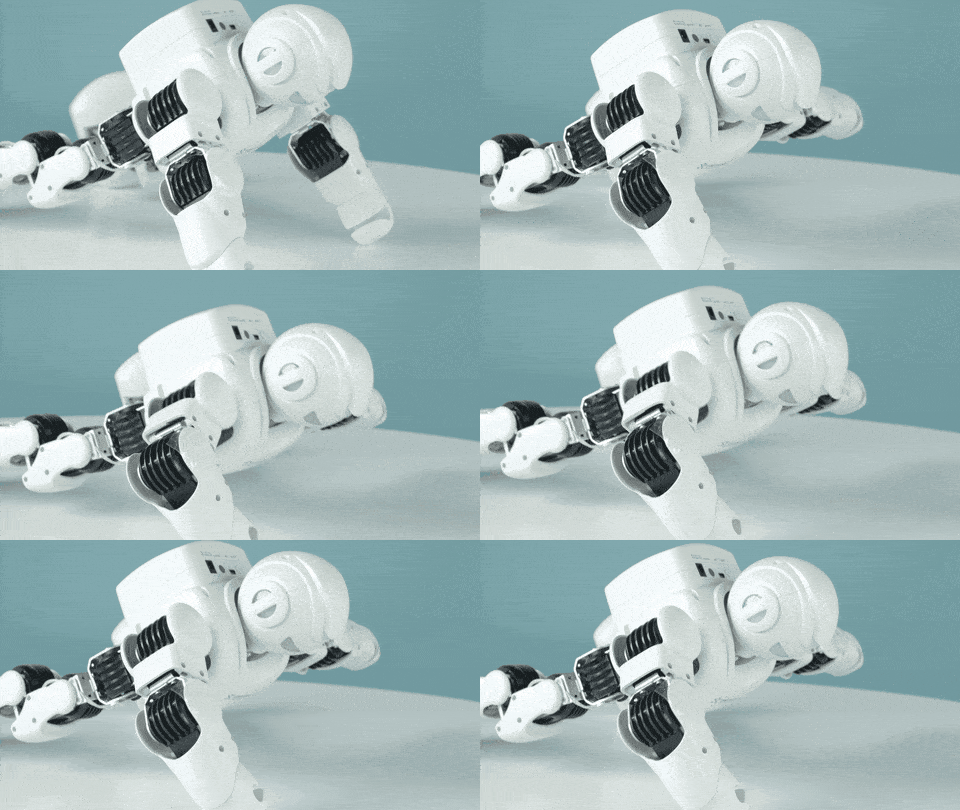
Robots too…probably.
It’s what we’re genetically designed to do: move around, push, pull, jump, and carry things.
What Is Strength Training? The Basics You Need to Know.

“Strength training” of any kind can be explained by two things:
- Movement of any weight (including your body weight) – Doing ANY exercise that pushes your muscles outside of their comfort zone, forcing them to rebuild stronger to prepare for the next challenge.
- Progressive overload: exerting slightly more effort than last time (lift heavier weight or do 1 more rep) consistently. Your muscles will constantly have to adapt and will constantly be rebuilding themselves to get stronger.[37]
That’s strength training!
If you want 7 different ways to achieve progressive overload, watch this video:
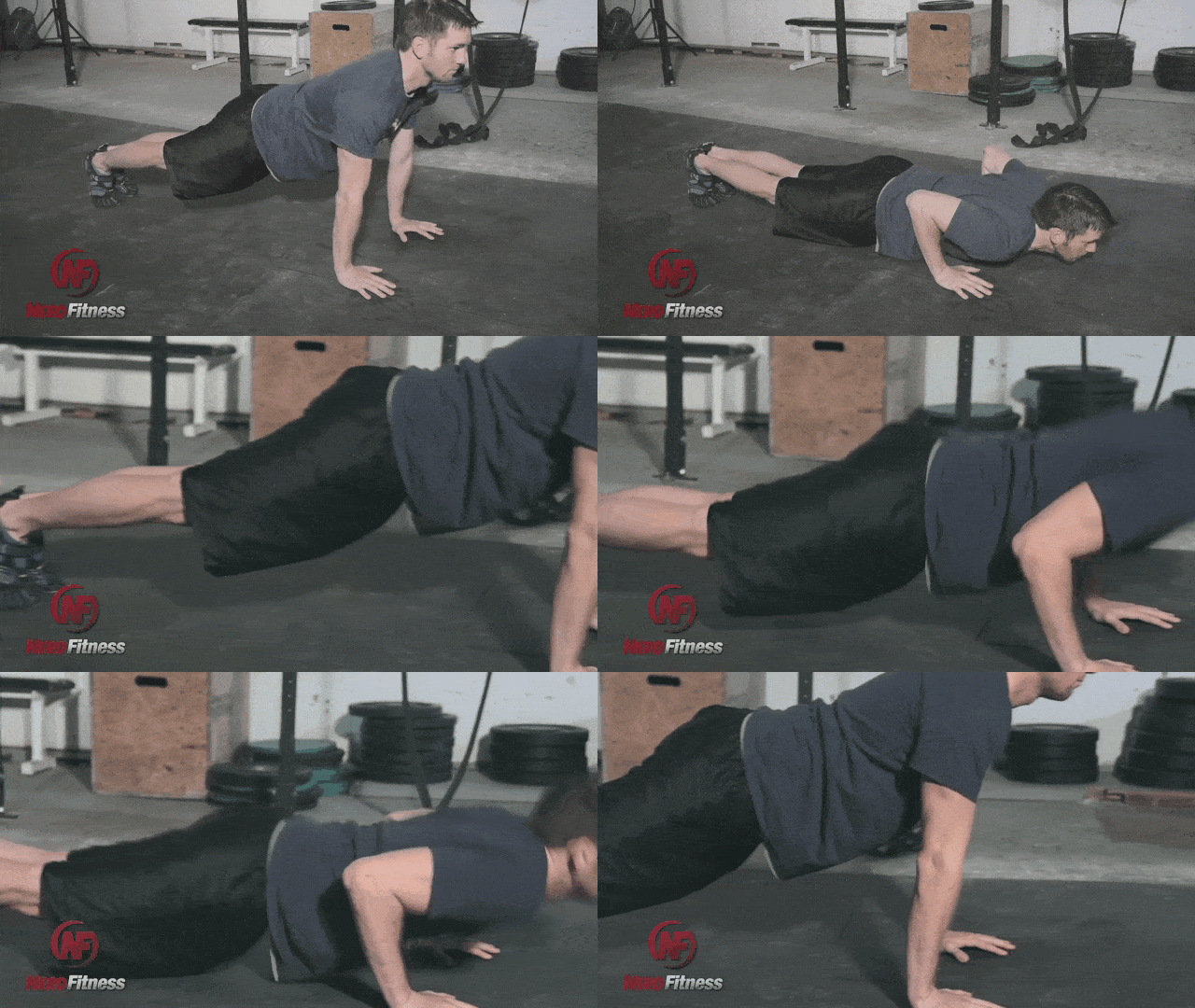
All this means if you do 10 squats and 10 knee push-ups right now, you have completed a strength training workout.
Feel free to do this right now to give yourself a quick win.
And we’re back!
So what’s actually happening to our bodies when we strength train?
Let’s get on our magic school bus and learn about the wonders of muscles!
Here’s what you need to know your muscles and strength training:
We’ve got 642 muscles in our bodies (but who’s counting), and they all work together to help our bodies move, stand, and exist.
When you bend your arm, your biceps contract and your triceps do the opposite (elongate) in order to let your elbow bend.
Every muscle in your body works alongside other muscles to let you move and do things. In this particular example, the biceps is known as the agonist muscle and the triceps is the antagonist.
Strength training starts when you move your bodyweight (doing 10 push-ups), or pick up a weight (a 100 pound deadlift) that is beyond what your body is normally used to.
In other words:
Strength training finds you pushing your muscles outside of their comfort zone.
They “break down” and tear slightly during this workout, and then over the next 24-48 hours they rebuild themselves stronger and more resilient.[38]
This is the foundation of strength training, and it’s called hypertrophy, in which the individual muscle fibers packed into your muscles are growing larger in size.[39]
There are a few types of hypertrophy,[40] which you can nerd out about here (don’t worry, this won’t be on the quiz):
- Sarcoplasmic hypertrophy focuses on increasing the amount of sarcoplasm, the non-contractile fluid found in your muscle. This type of hypertrophy helps build overall size.
- Myofibril hypertrophy focuses on strengthening the myofibril, the contractile part of the muscle. You are strengthening the actual muscle fiber so it helps you build super dense, strong muscles.
- Transient hypertrophy is the temporary increase in muscle size that happens during and immediately after weight training due to fluid accumulation in the intracellular space, that you might know as “the pump”.
“Staci, what does this mean for me?” You might be wondering.
We cover exact strategies in our “How many sets and reps?” guide, but here’s what you need to know:
Strength train based on your goals!
If you are building your own workout:
- If you want dense muscle and strength (myofibrillar hypertrophy), keep the reps low and the weight heavy (in the 1 to 5 rep range).
- If you’re looking to build muscle size, (sarcoplasmic hypertrophy), do more reps with a lighter weight (in the 8-12 range).
- If you’re looking to build cardiovascular health and muscular endurance, hang out in the 12-20 reps per set range.
Please note: each of these rep ranges are NOT exclusive – when you train in a higher rep range you’re not JUST getting size, you’re also getting strength.
And if you get really strong, it can also help you with size and endurance.

Don’t forget that no matter HOW you train, nutrition will be responsible for 90% of your results.
Three quick points (which we cover in more detail throughout the rest of this series):
#1) “How often should I work out?” For a basic strength program, working out 3-4 days a week is plenty.[41] This is one of those situations where more is not necessarily better.
#2) Recovery: The general rule is to wait 48 hours before working the same muscle group again. For example, if you trained your biceps and triceps today, then you should wait 48 hours before hitting them again. However, recovery is different for everyone depending on many different factors such as what the actual workout is, how old you are, your sleep quality, diet, and other recovery elements (such as massage, including the popular massage guns, foam rolling, and stretching).[42]
#3) Soreness after a workout: The day after an intense strength training workout – or 2 days after – you’re going to be VERY sore. This is called “Delayed Onset Muscle Soreness(DOMS)”. It’s a normal part of the process of repairing your muscles from the damage to the fibers you created while exercising. More recently, research evidence has found that the eccentric part of a lift, or the part of the lift in which the muscles are lengthening and stretching, produces the greatest degree of soreness.[43]
Expect to be more sore after doing an exercise for the first few workouts. As your muscles get used to that movement (and adapt to being put under stress), they will get less and less sore every time.
If you are sore, don’t skip the next workout!
That’s because:
The best way to alleviate soreness is to continue exercising.
This increases blood flow to the muscles and helps them heal.[44]
You can check out our Guide for Active Recovery for some tips on how to do that.
Already overwhelmed and just want to be told what to do? I hear you. It’s why we created our coaching program:
Can I strength train to lose weight?
We get questions relating to weight loss and strength training all the time, and it’s a BIG part of this entire Strength 101 series.
Let me quickly address it here:
Fat and muscle are two different things – one can’t transform into the other.
We all have plenty of muscle right now (otherwise we wouldn’t be able to move, walk, sit up, etc.), the muscle is just hiding underneath a layer of body fat.
In order for us to lose weight and look better, we want to do two things:
- Build our muscles stronger and tighter.
- Burn the fat on top of it!
And luckily, both of those things happen simultaneously through strength training!
So NO, you don’t need to lose weight first before you start strength training.
You will lose weight BY strength training (and keep the muscle you have).
You do NOT need to do hours of cardio for weight loss – weight loss is 90% a result of your nutrition. So honestly, you don’t need to ever set foot on a treadmill again (unless you WANT to).
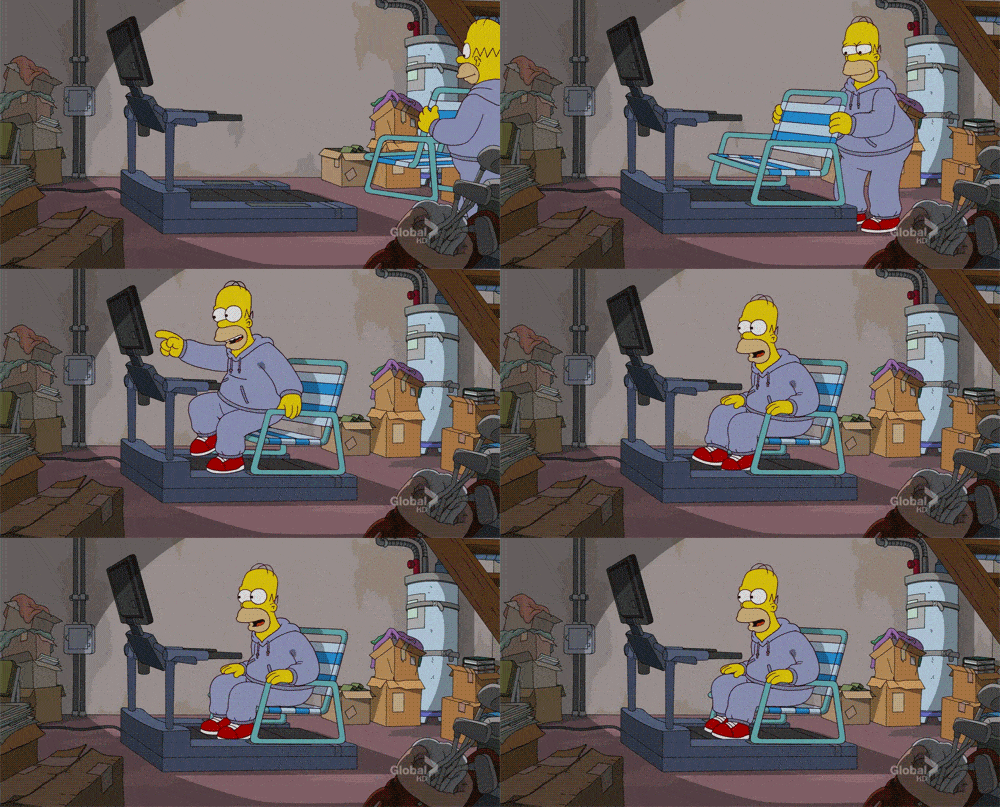
Strength training will help you lose weight and look better IF you do two key things for effective weight loss:
- Calorie restriction: eat fewer calories than you burn every day.
- Strength train with progressive overload (picking up heavier stuff).
As we cover in our “Why can’t I lose weight” article (full of fun Harry Potter references), combining a caloric deficit and strength training is magic:[45]
- You’re not consuming enough calories to carry out your body’s daily functions. Our bodies require enough calories to support normal physiological functions such as heart rate and breathing. Additionally, enough calories are needed to help maintain our blood glucose, which is the major energy source for our brains.[46]
- Your body needs to use lots of calories to rebuild the muscle that was broken down during the strength training workouts. Our bodies use calories to facilitate a process known as protein synthesis, which is the process of muscle hypertrophy.[47]
- Your body has no choice BUT to pull from fat stores to get stuff done! As mentioned earlier, higher-intensity strength training results in a greater post-exercise oxygen consumption, resulting in greater caloric expenditure post-exercise.[48]
Just by doing those two things (get strong, reduce calories), all sorts of wizardry and witchcraft takes place in your body:
- Get stronger and keep the muscle you have.
- Build tight dense muscle.
- A revved up metabolism while rebuilding muscle.
- Burning of body fat to get things done.
Yeah, you’re hearing me correctly.
Lose the body fat that sits on top of your muscles and you’ll make your muscles tighter and denser = look better without clothes on.
So how do you put this into practice?
- Pick one of the strength workouts in our “How to start strength training” section.
- Calculate your daily caloric needs.
- Learn which diet is best for you, and make a small change.
Oh, what’s that? You just want somebody to tell you exactly how to train for your body, and how to eat for your goals?
Fine!
Check out our 1-on-1 Coaching Program – it’s helped thousands of people lose weight through strength training – and proper nutrition. We work with you on habit building and lifestyle design to actually get stuff done!
Am I Too Old to Strength Train?

As we cover in our “am I too old to strength train” article, no – you are not.
I promise.
I cited dozens of studies above that show strength training is beneficial for people of all ages. And even for the frail elderly, studies have shown that drastic results are possible in just 10 weeks of weightlifting (for both men and women in their 70s through their 90s).[49]
In fact, weight training has also been shown to delay Alzheimer’s and stave off dementia.[50] As mentioned earlier, strength training allows for neurogenesis and neuroplasticity to take place, which is the process of creating new neural pathways in the brian. And, strength training also allows for the dopamine (i.e., neurotransmitter) to be released that plays a role in brain health.[51]
Research has also shown that older adults can safely engage in higher-intensity strength training resulting in improvements in strength, body composition, disease status, and independent lifestyle.[52]
So, if you think you might be “too old,” you’re probably the exact type of person that SHOULD be strength training!
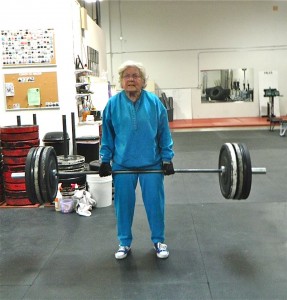
Team NF’s Steve’s gramma is 89 and she strength trains. You are not too old!
We have plenty of coaching clients who are retired and just STARTING to strength train now in their 50s or 60s+. In fact one of our coaches, Kerry, is certified as a Functioning Aging Specialist, and you better believe she has her clients strength training!
By the way, if you are 90+ and reading Nerd Fitness, please email us at contact@nerdfitness.com – I’d love to hear from you 🙂
Will Lifting Weights Make Me Bulky?

No (unless you are TRYING to get bulky).
Let me first address this from a women’s point of view, then I’ll get to the men.
“Fear of bulk” is one of the biggest myths surrounding women and strength training and it makes me a sad panda.

The images of “bulky” women that you are conjuring up are from bodybuilding magazines.
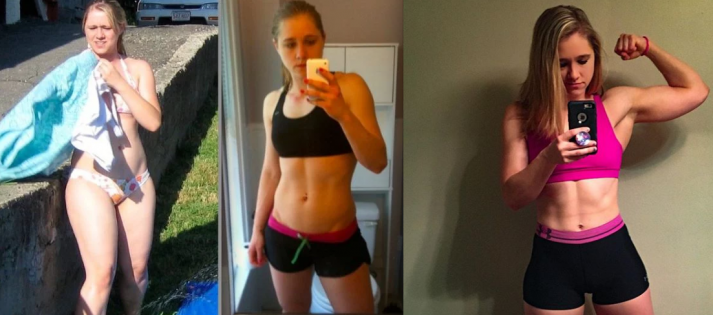
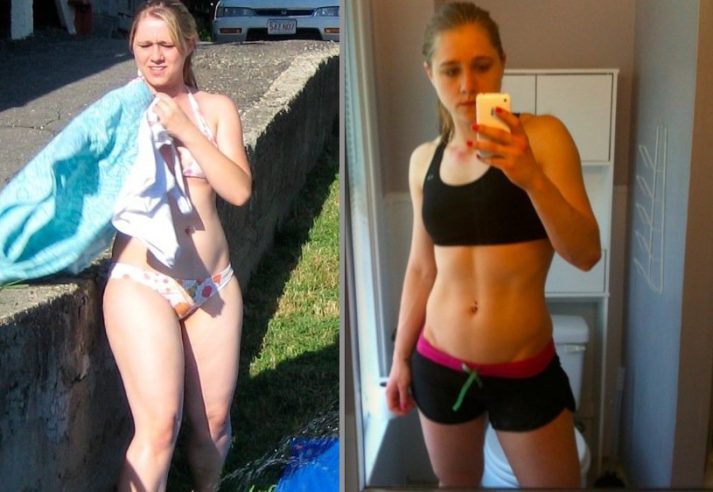
When I started strength training, I didn’t get bulky, I got lean:
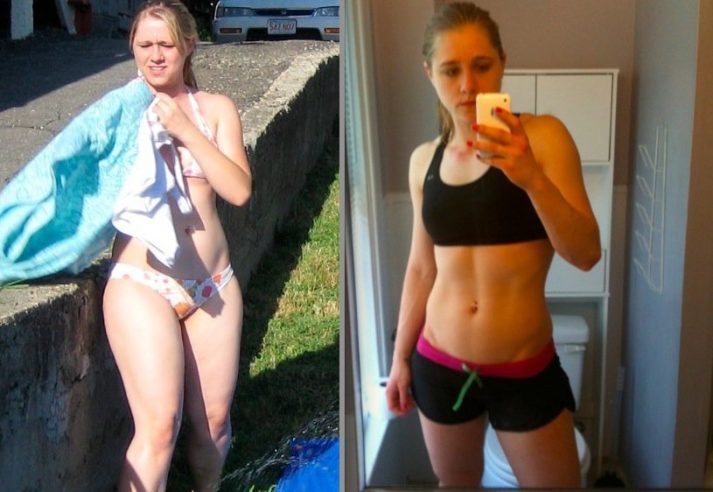
And I’m just one example.
We have hundreds of examples here at Nerd Fitness.
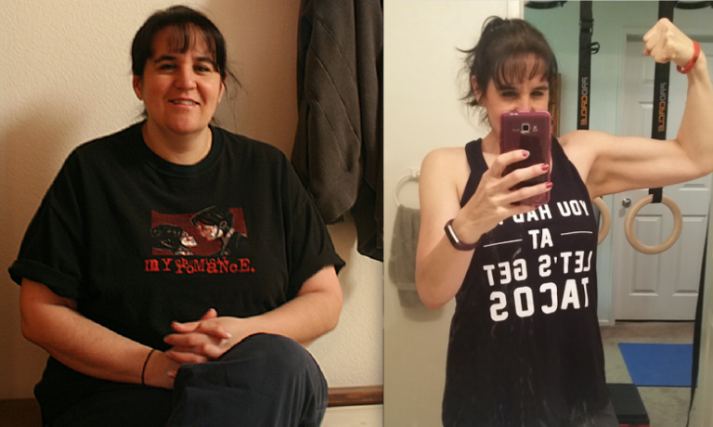
These are women who strength trained to get strong and lean, not bulky. Like Leslie, who lost 100 pounds by getting strong:
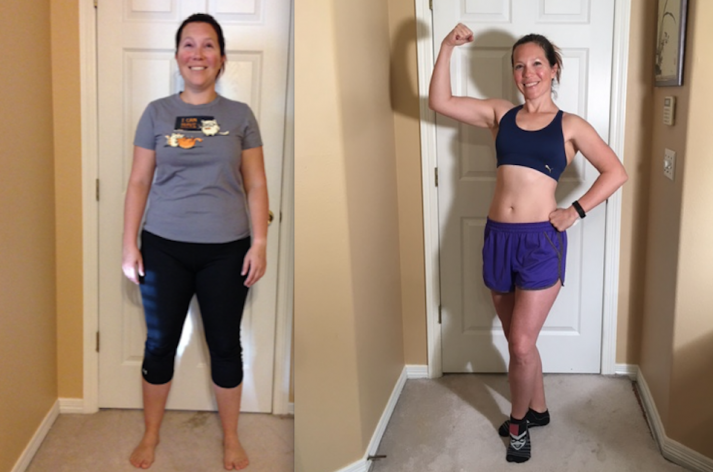
Or Christina, who got strong as hell, lost 31 total inches, and now crushes sets of pull-ups!
That “bulky” look in women does not happen by mistake or overnight – we simply do not have the hormones necessary to get there on our own.
To achieve this look, women have to eat incredible amounts of food and consume incredible amounts of drugs.
When we strength train normally, without these supplements, we end up looking like athletes.
And for the men: if your fear is getting too bulky, you can rest easy. Steve, creator of Nerd Fitness, has spent his entire life trying to get “too bulky.” It was only after fixing his diet (and hiring an online coach) that he went from Steve Rogers to Captain America.
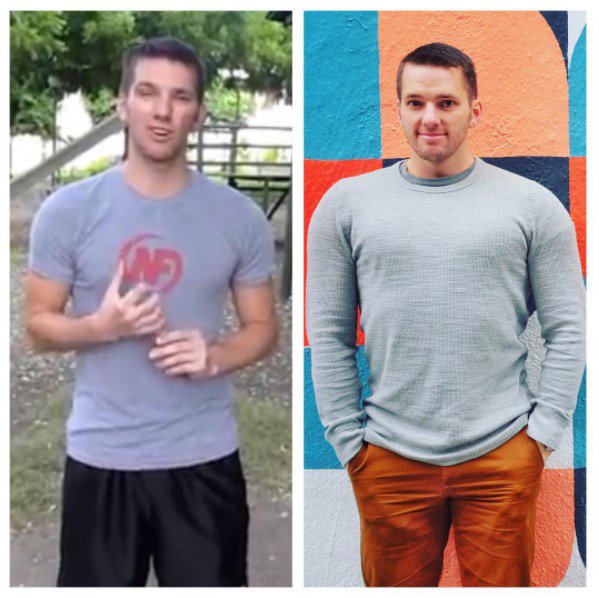
That’s right, strength training is only 10% of the “slim down or bulk up” equation. The other 90% is nutrition and total calories consumed.
- Want to lose weight? Strength train + caloric restriction. It is recommended that you seek a calorie deficit by consuming 250-500 less calories per day below your typical calorie intake. This will result in a realistic weight loss goal of 1-2 pounds per week.[53]
- Want to get bigger? Strength train + caloric surplus. It is recommended that you seek a calorie surplus by consuming 250-500 additional calories above your typical calorie intake. This will result in a realistic gain in lean muscle mass of about 0.5 pounds per week.[54]
“My focus is on running/basketball/quidditch and I need to stay slim! How do I strength train for this scenario?”
Studies have shown that strength training increases the endurance of your muscles.[55]
In fact, resistance training and weight training not only help to tune up an out of shape nervous system and increase the activation of motor units within your muscles, but also helps increase their overall endurance. More specifically, strength training can result in improvements in how much force muscles can generate and also how much fatigue they can resist leading to better exercise economy.[56]
Want to run your first 5K? Strength training will keep you injury free. One of our coaching clients, Aylette, used strength training to keep her injury free and she recently one a triathlon!
If you’re worried about getting too big, remember: there are many types of strength training (and alternate forms of strength training like acro yoga and rock climbing!), and size and strength don’t always go hand in hand.
I Don’t like Gyms. Can I Still Strength Train?
You don’t ever have to set foot in a gym if you don’t want to.
Sure, gyms are great, as long as you join the right gym.
And we can also teach you how to train in a gym so you avoid that “lost sheep” feeling.
But they aren’t for everybody!
You can get really strong as hell doing just bodyweight exercises at home.
Remember how I talked about “progressive overload” earlier? That applies to bodyweight training too.
You just have to constantly increase the challenge your muscles face. Like moving from our Beginner Bodyweight Workout to our Advanced Bodyweight Workout.
And then advancing to handstands and even gymnastic ring muscle-ups.

You just have to keep challenging your muscles and get strong as heck.
Look at any gymnast, male or female – those physiques are built through bodyweight training!

To progress in bodyweight exercises, you need to start, so you have something to advance from. You can begin by trying our beginner bodyweight routine RIGHT NOW:
Do you know how to properly build a workout routine that has bodyweight exercises that properly scale up as you get stronger?
It’s super fun building your own program, but many people just want to follow a plan that they know is aligned with their goals. If you hate gyms and still want to get strong, let us help!
How to Start Strength Training Today: Next Steps

If you’re ready to start, fantastic.
We’d recommend a simple program to get your feet wet.[57] You know, to learn the movements, build some confidence and prove to yourself that you can DO this!
If you want to take the Next Step, here’s how Team Nerd Fitness (that’s us!) can help you:
1) Work with a professional Yoda! If you want confidence that you’re following a program that is tailor-made for your busy life, situation, and goals, check out our popular 1-on-1 Coaching Program.
You’ll work with a certified NF instructor who will get to know you better than you know yourself, keep you accountable, and help you reach your goals.
2) Join our amazing free community, the Nerd Fitness Rebellion! It’s free to join, and we provide you with free goodies like our Strength Training 101 ebook when you sign up:
- Everything you need to know about getting strong.
- Workout routines for bodyweight AND weight training.
- How to find the right gym and train properly in one.
3) Read ALL of the other amazing resources on Nerd Fitness. We’ve published millions of words over 800+ articles at Nerd Fitness that you can read, but these are the guides that will be the most helpful to you on your journey:
- Read Part 2 of Strength Training 101: Pick a Beginner Strength Training Workout.
- Need to join a gym? Here’s how to find the right gym for you.
- Want to work out in a gym? Try our 5-level Weight Training Routine that will level you up from Rookie to Barbell Badass.
- Want to hire a trainer? Make sure you hire a good trainer!
- Start barbell training (my favorite): Read our guides on Squats, Deadlifts, and Bench Press. Oh, and you NEED to read Starting Strength, the strength trainer’s bible.
- Get more info about women and weight training.
I don’t care which next step you pick, as long as you PICK a plan that works for you
- It’s simple to follow
- You have all of the equipment available
- It focuses on compound, full-body movements
Congratulations: You just made it through the first class of Strength Training 101!
What big questions do you have about strength training?
Has strength training worked for you?
How else can Team Nerd Fitness help you?
Now go pick up something heavy!
-Staci
PS – Please read part two, “5 Strength Training Workouts for Beginners!
PPS: Be sure to check out the rest of Strength Training 101 series too:
- Beginner Strength Training Workouts and Exercises
- 6 Beginner Gym Workouts!
- How Much Weight Should I Be lifting?
- How Many Sets and Reps?
- How to get your first pull-up
- How to Do the Back Squat Properly
- How to Do the Front Squat Properly
- How to Do the Overhead Press
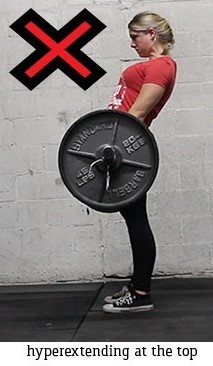
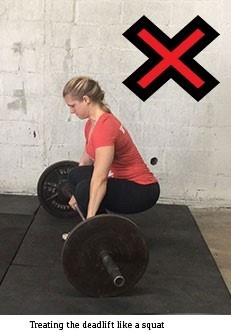
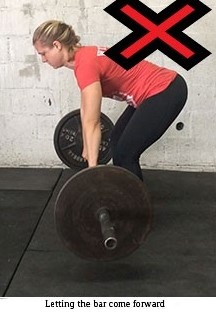
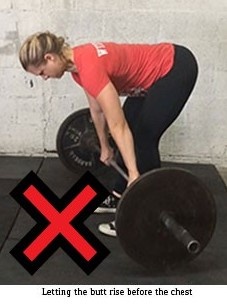
- How to Do The Deadlift With Proper Form
- How to Do Inverted Rows
###
Photo Source: Stepan Popov © 123RF.com, LEGO one arm, LYT, lego bench press, Belly, Wizard, Not Happy, Free Weights, acrobat
The post Strength Training & Weight Training 101: Why You Need to Get Strong. first appeared on Nerd Fitness.
from Nerd Fitness: Helping You Lose Weight, Get Stronger, Live Better. https://ift.tt/W6nKPJL
via IFTTT
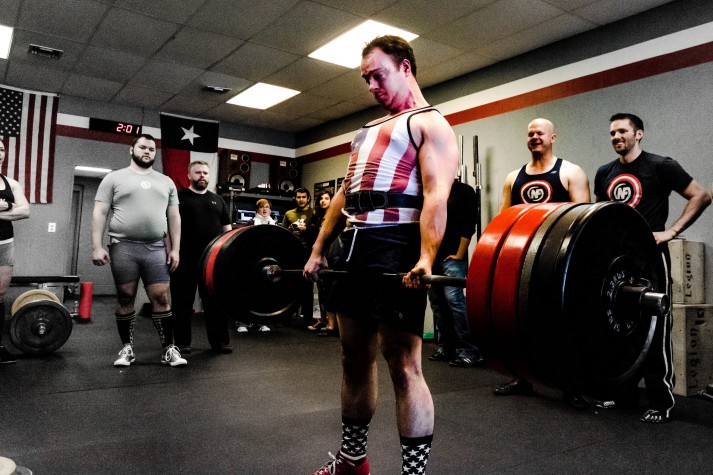
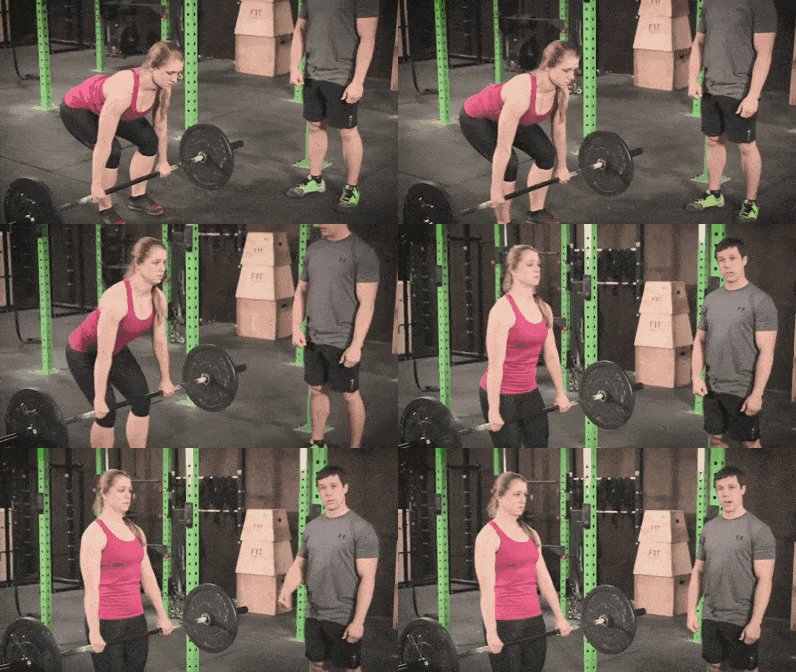
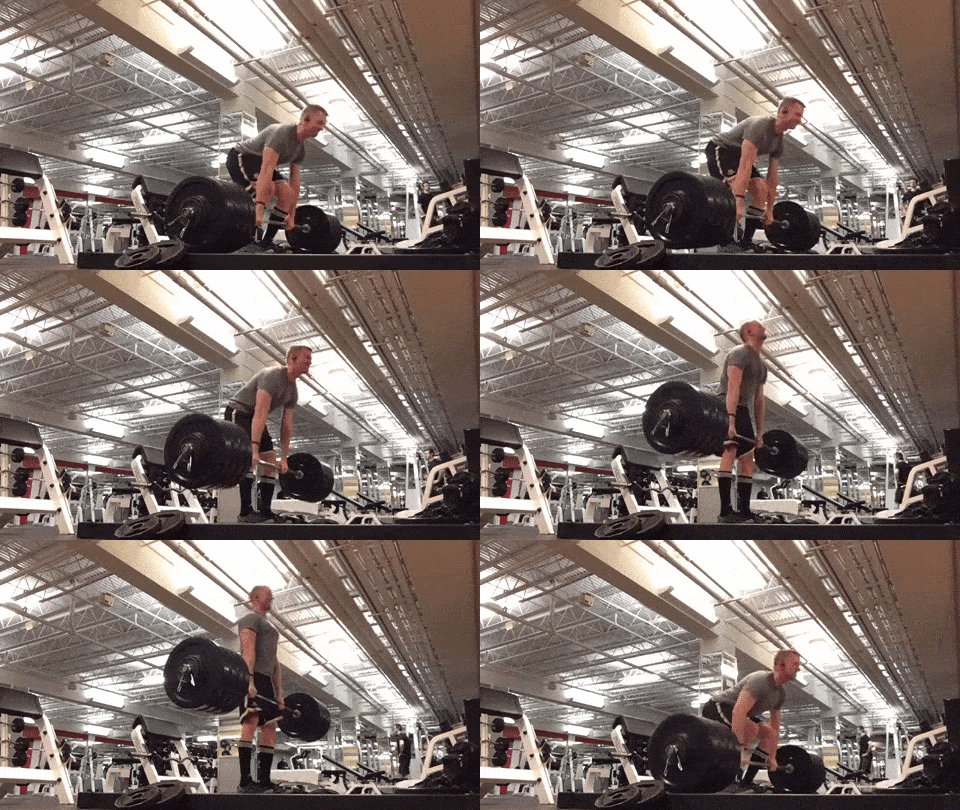
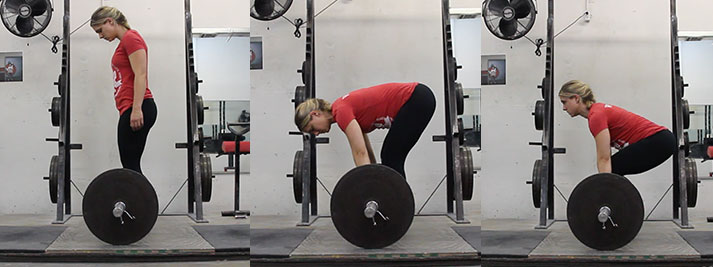
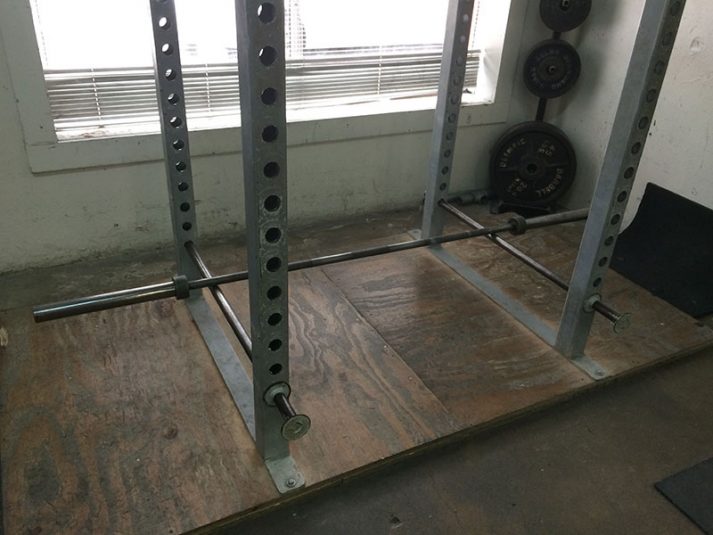
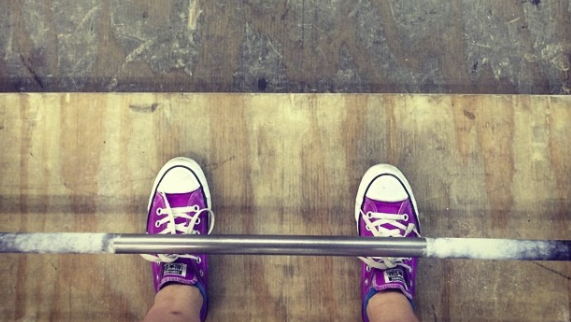
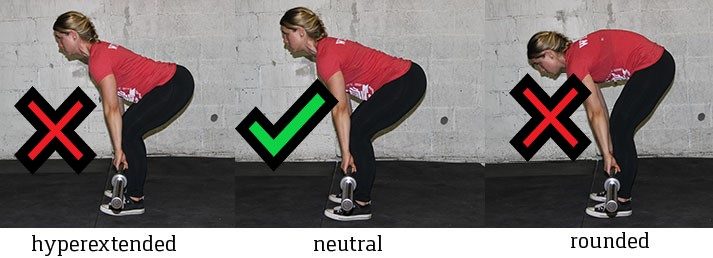
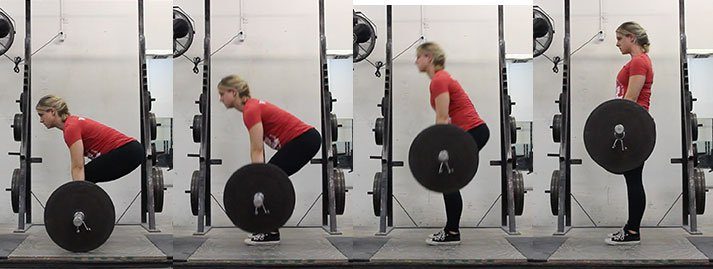

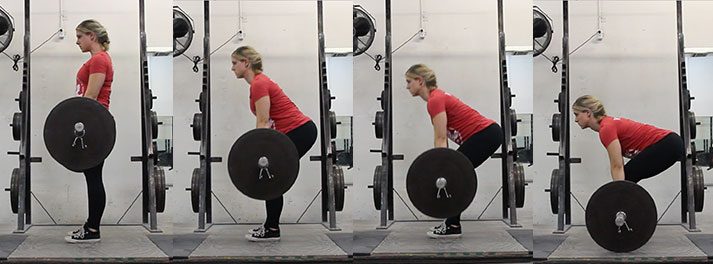
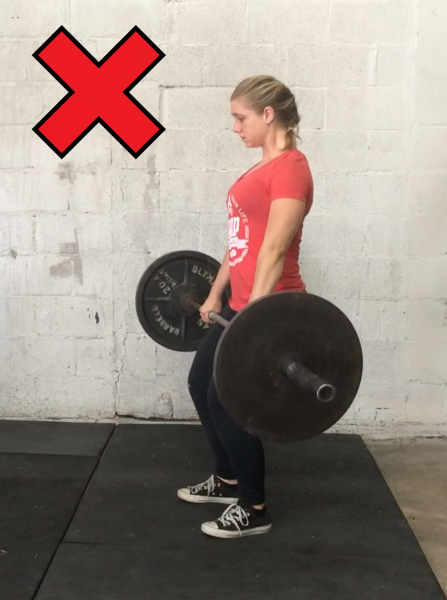
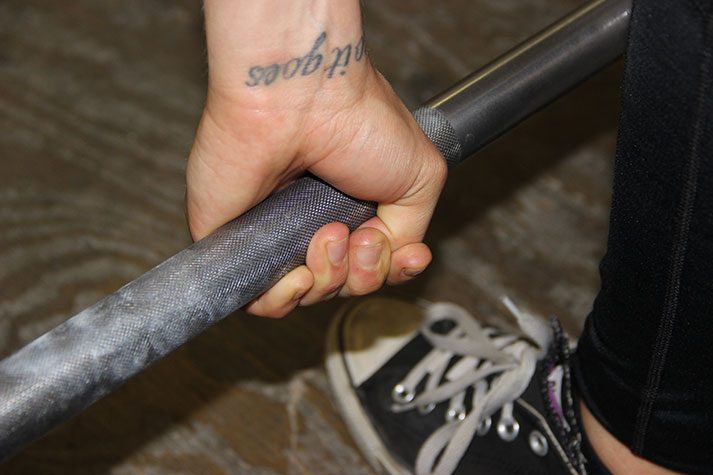
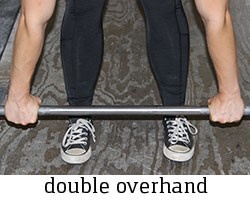
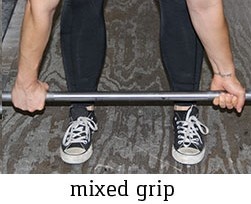

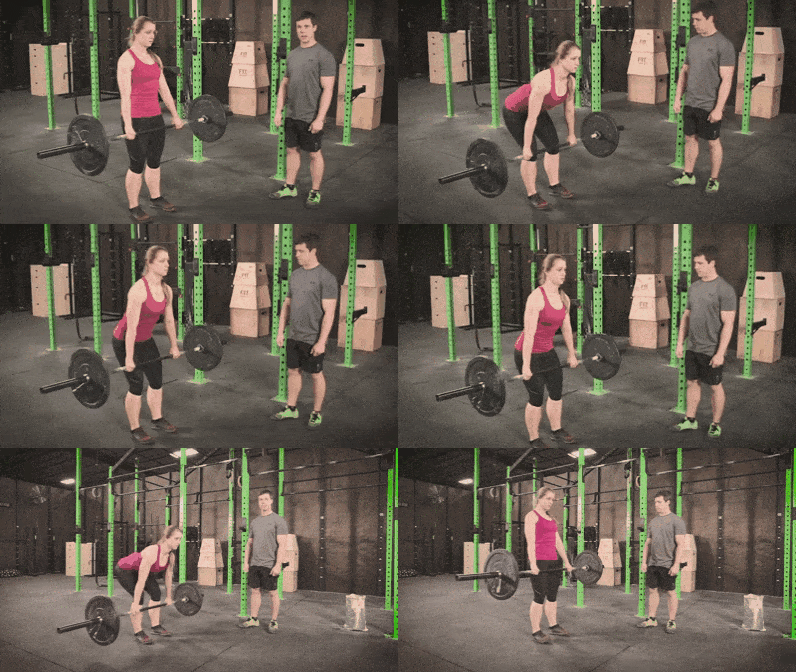
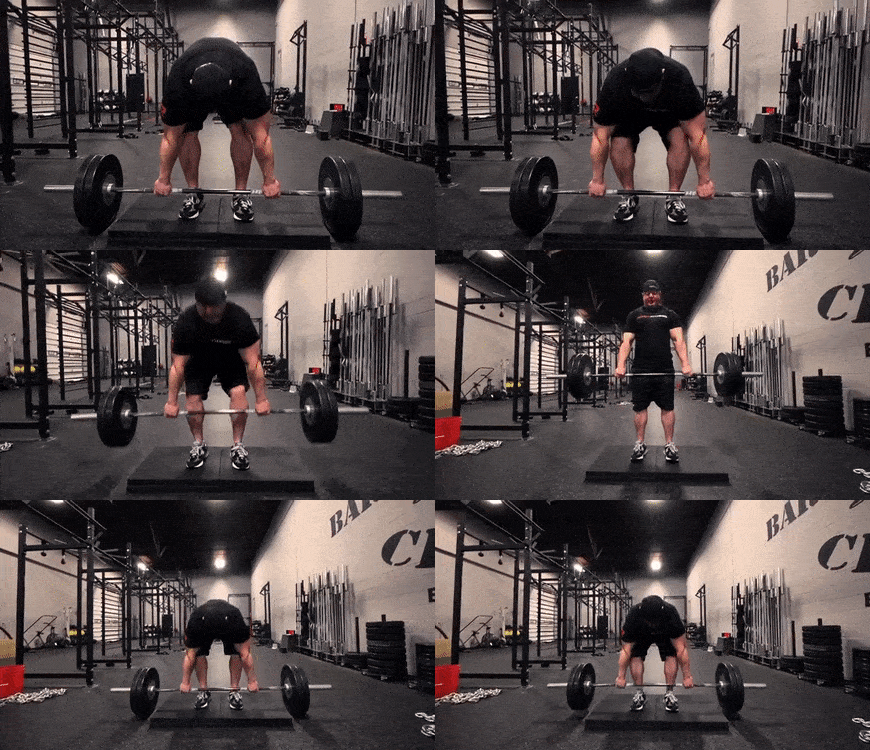
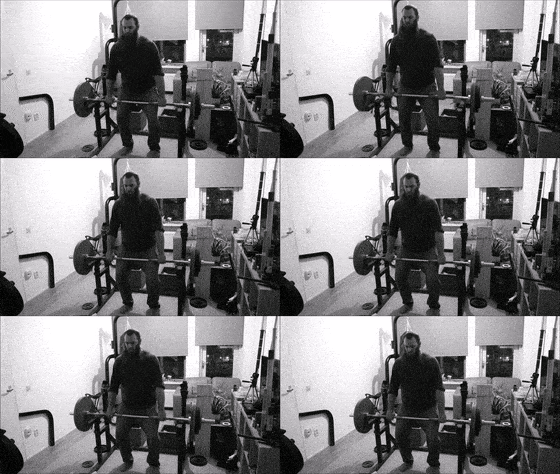
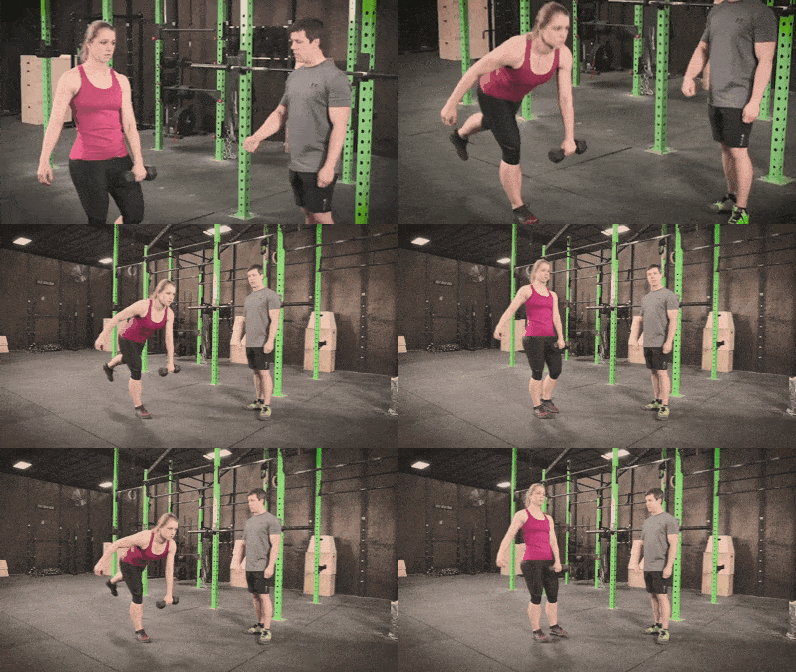
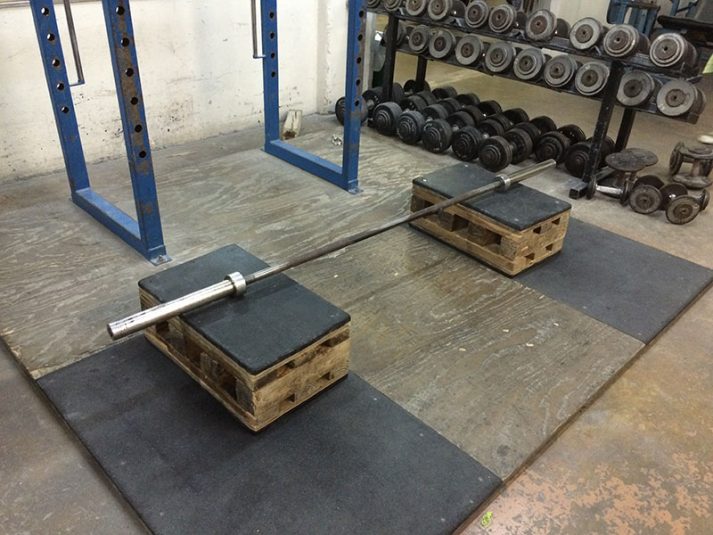
 I am so excited for you to start deadlifting, because it’s the ultimate physical AND mental exercise.