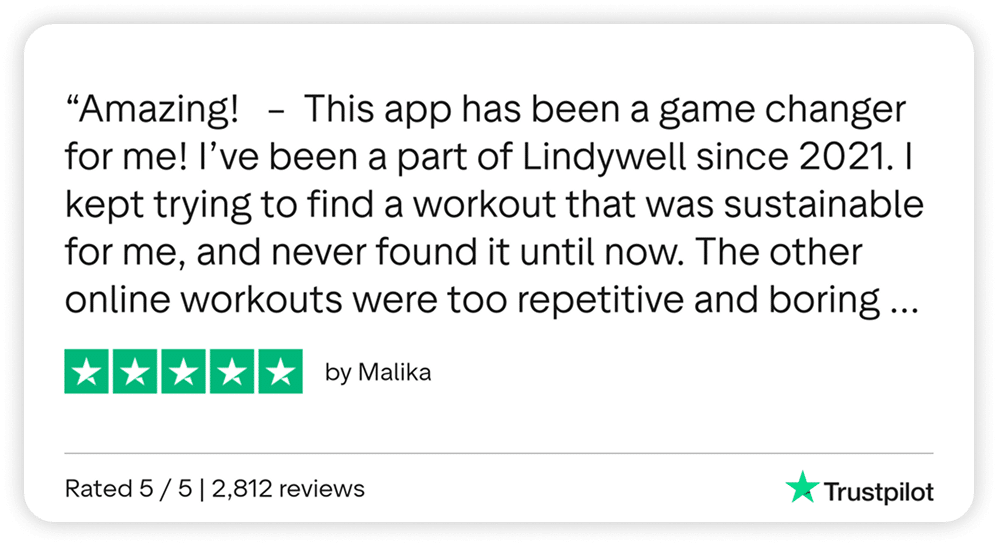
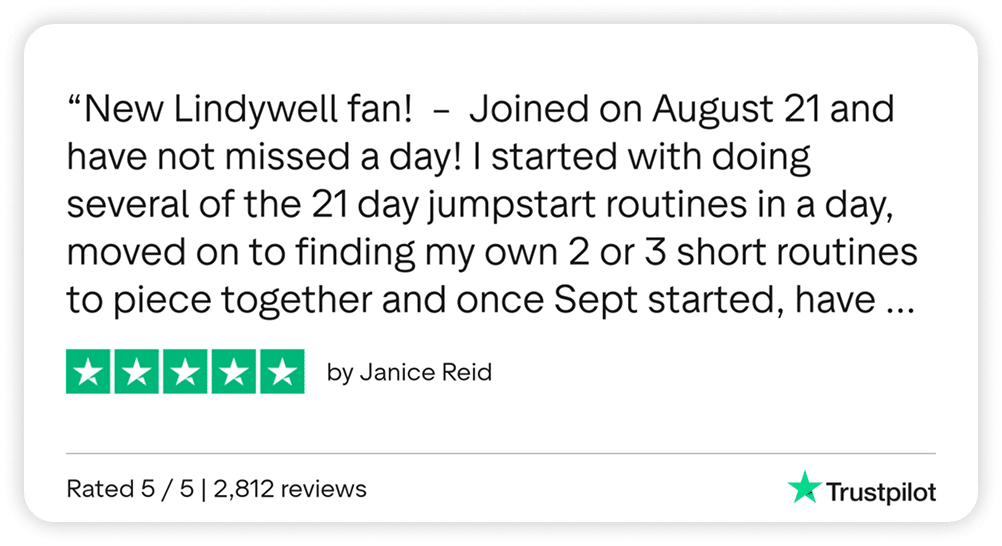
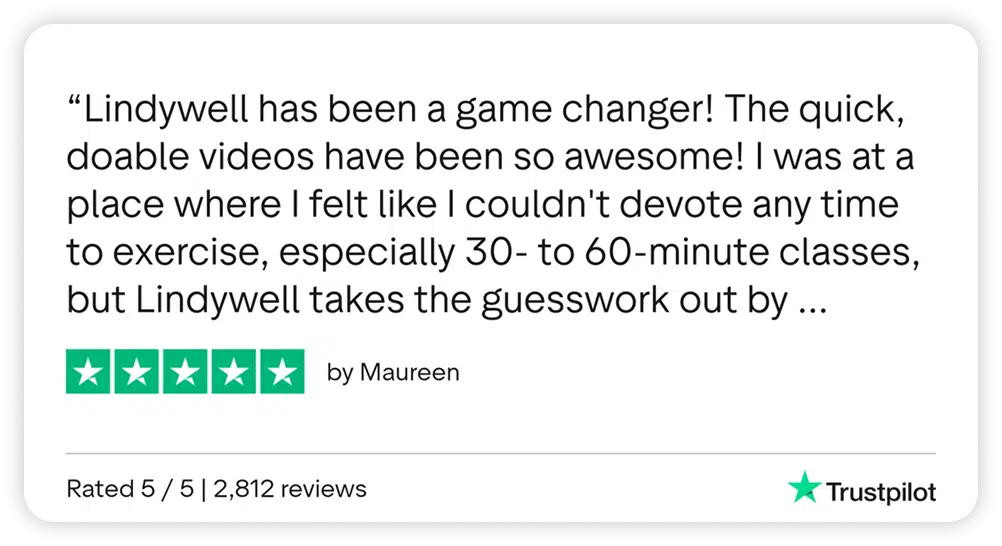
As we wrap up the year, we can’t help but feel so proud of everything our Lindywell community has accomplished together.
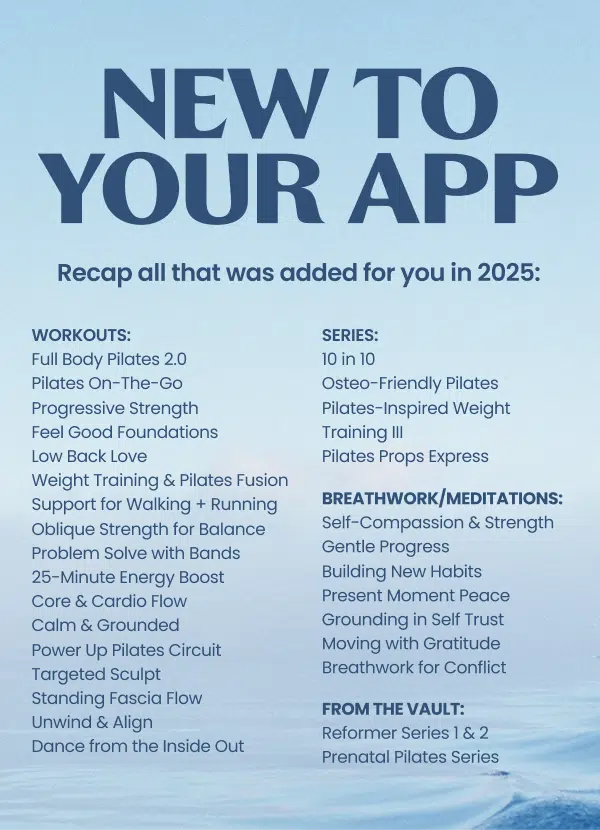
From thousands of Pilates minutes logged to new workouts, recipes, and breathwork sessions added to the Lindywell app, 2025 was a year full of growth, grace, and strength.
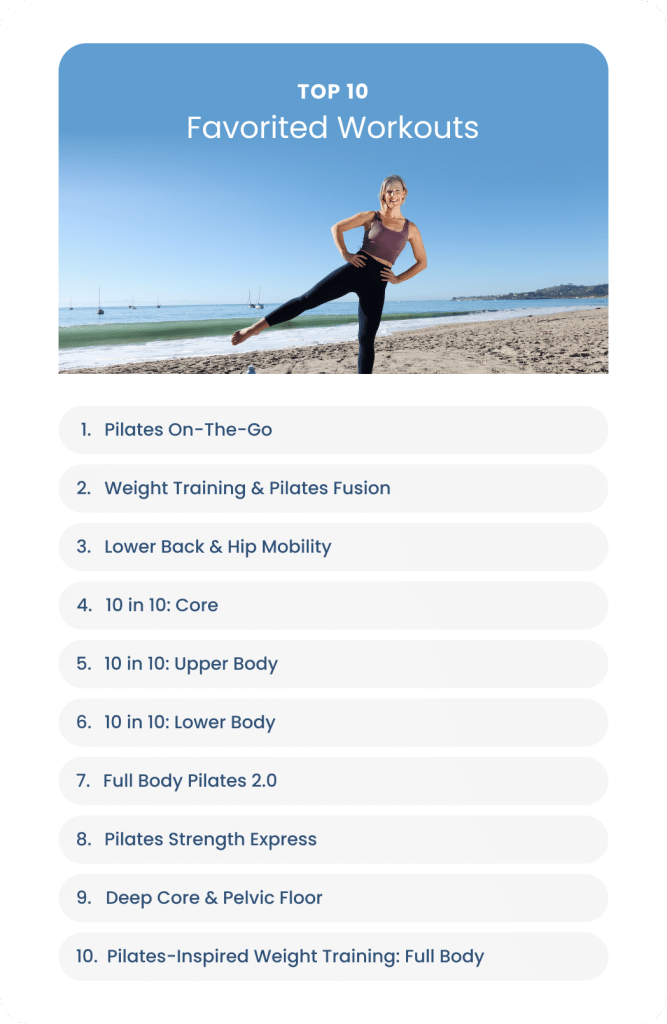
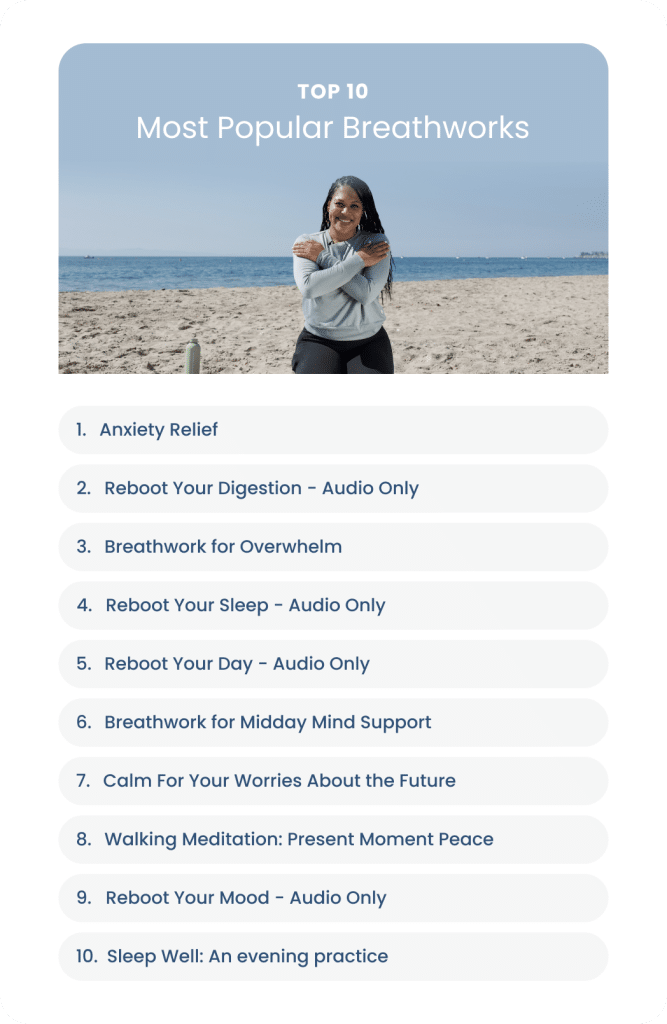
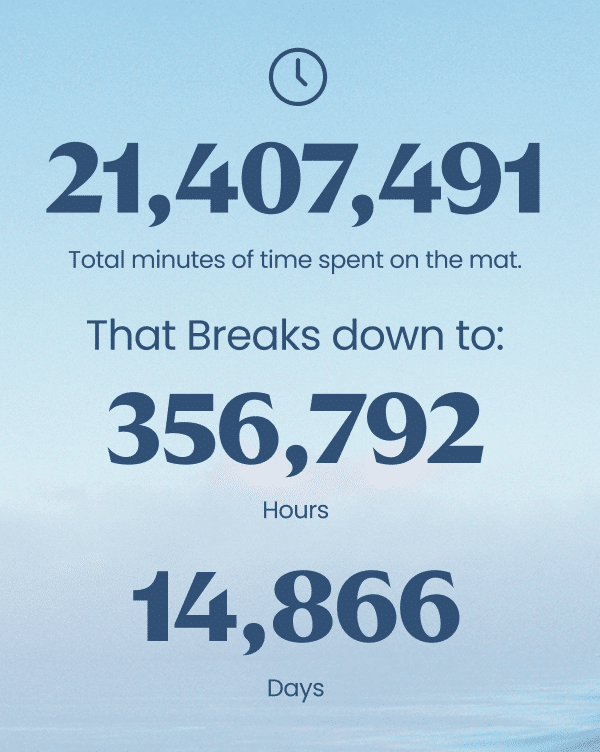
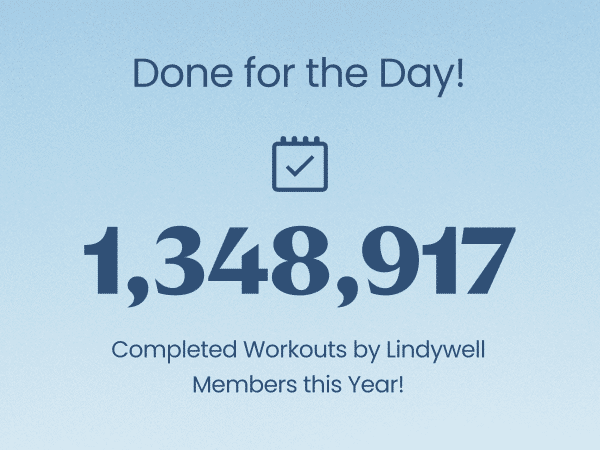
Here’s just a glimpse of what we created and achieved – together:
Sometimes people underestimate what a realistic and sustainable approach can do. But this? This is proof that it works.
Now is the perfect time to join us in the Lindywell app & community, friends.
If you’re not yet a member, you can start a free trial now and see why our members are 77% more likely to stay consistent with Lindywell than other fitness programs. It’s simple, it works, and it brings results.
If you’re new to Lindywell, CLICK HERE to get 14 Days Free NOW!
See you on your mat soon!
PS: Did you know we have 4.9/5 rating on Trust Pilot? In a world that’s often selling false promises, we’re proud to be a brand you can trust.
If caring for your health is a goal for 2026 and you want to start the year with a plan that actually fits your life -you’re going to love this.
We’ll be going through this brand new challenge together in the Lindywell app starting on January 5th.
These workouts are designed to help you build strength, stability, and confidence, without burnout or overwhelm.
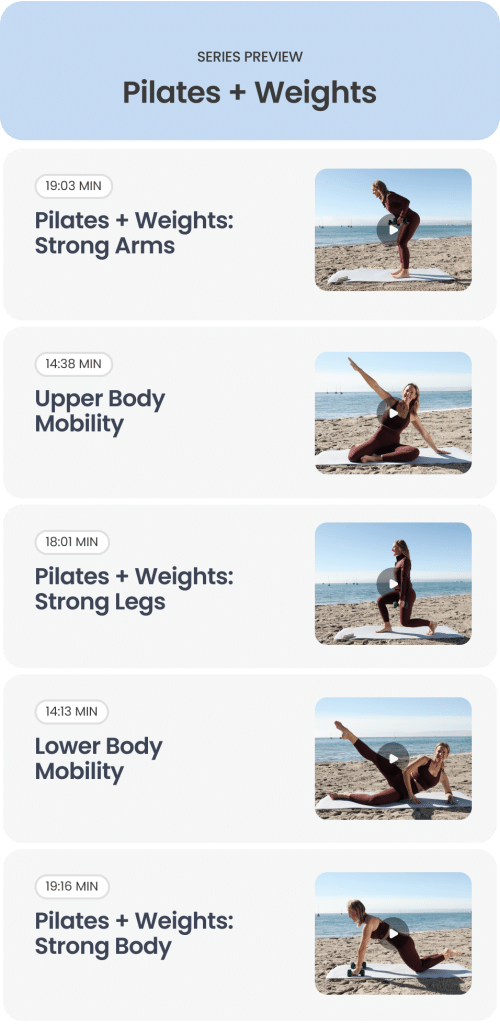
And it gets even better: our January workout calendar inside the Lindywell app will guide you day by day, combining Pilates, weights, and mobility for real results that last.
You’ll have the support of our entire Lindywell community (and the motivation that comes from doing it together!).
When it comes to home workouts that meet you where you are and help you build lasting strength, you’re in the right place and we can’t wait for you to join us.
Let me ask you something: if meal plans really worked, wouldn’t you already be where you want to be?
Think about it. Most women I talk to have tried them all – low-carb, keto, Whole30, clean eating. Many have printed the recipes, followed the shopping lists, meal-prepped on Sunday, and promised themselves this time it will stick. And yet, here they are – still feeling stuck, still wondering why it never seems to last. (I have been there too!)
Here’s the truth: it’s not because you’re lazy. It’s not because you don’t have enough willpower. It’s because meal plans only deal with one part of the picture. They tell you what to eat, but they never address the deeper piece: your identity and mindset.
And until that piece shifts, no plan will ever stick.
Why Meal Plans Alone Don’t Work
You know the cycle: you get a new plan, stock your fridge with the “right” foods, and for a while, you’re all in. But then life happens – work stress, travel, kids’ activities, pure exhaustion. The plan starts slipping. Before you know it, you’re back in the same old habits.
And then comes the self-blame: What’s wrong with me? Why can’t I just stick to it?
But nothing is wrong with you. The problem is the plan. It’s like painting over a wall that has mold underneath. It looks fine for a while, but the foundation is still damaged.
Unless you shift the foundation – your beliefs, your identity – nothing really changes.
That’s why most programs fail. They focus only on actions (eat this, avoid that), without addressing who you believe yourself to be.
The Missing Piece: Identity and Mindset
We all carry hidden beliefs and stories that shape our choices with food. Maybe you’ve heard yourself think:
“I’m just not the type of person who cooks.”
“I always fail at diets.”
“I don’t have enough willpower.”
“I’ll start again Monday.”
If any of those sound familiar, you’re not alone. And here’s the thing: those beliefs quietly drive your choices, no matter how many new meal plans you try.
Inside the Nourished Reset, the very first thing we do is reframe. Because the truth is, most women don’t need more information. You already know the basics – more veggies, less sugar, more water. What you need is a new way to see yourself.
That’s where identity comes in.
Inside the Nourished Reset I teach a framework called Be → Do → Have. Most people flip it: When I lose weight, then I’ll do the right things, and then I’ll finally be healthy. But that never works.
The shift is this: Be first.
Be the woman who makes nourishing choices.
Be the woman who sees herself as worthy of feeling good.
From there, the do – the habits, the food choices – flows naturally. And eventually, you have the results you’ve been longing for.
When you reframe how you see yourself, everything else becomes easier.
Bringing It Together: Identity + Foundational Nutrition
Now, let’s be clear: mindset alone isn’t enough. It’s essential, yes, but you also need the right nutrition foundation, especially in midlife when your body and hormones start to shift.
That’s what makes the Nourished Reset different. It combines:
The mindset and identity shifts that help you stick with changes for the long haul.
The metabolism-focused nutrition foundations that actually move the needle for women in midlife—without restriction, guilt, or overwhelm.
It’s like having both the map and the car. Without both, you’ll never get far.
When identity work and foundational nutrition come together, you stop “starting over” every Monday. You stop hopping from plan to plan. You finally have a way of eating (and a way of seeing yourself) that lasts.
Ready to Step Out of the Cycle?
If you’ve been nodding along thinking, Yes, this is what I’ve been missing, I want to invite you to my free class: From Overwhelmed to Nourished: A Simple Nutrition Framework That Finally Works.
In this class, you’ll:
Learn the importance of reframing your identity around food and health.
Gain clarity on how to navigate the “noise” when it comes to overwhelming nutrition advice.
Get a sneak peek into the Nourished Reset to see if it’s your right next step.
Take a deep breath – you don’t need to go on another diet. You need a framework that actually supports you. And that starts with how you see yourself and exactly what I’m excited to teach you.
If you’ve ever finished a meal and instead of feeling energized, you felt sluggish, foggy, or uncomfortable, you’re not alone.
Many women, especially in midlife, find themselves dealing with bloating, inconsistent digestion, or that nagging sense of being “off,” even when they’re trying to eat healthy.
Here’s the surprising truth: your gut health could be the missing link.
Your gut is home to about 70% of your immune system and is directly connected to your energy, mood, and even your hormones. In fact, researchers have found that gut bacteria help produce neurotransmitters like serotonin, which plays a key role in mood, sleep, and feelings of well-being. No wonder we can feel anxious or down when digestion is out of balance.
But here’s the good news: supporting your gut doesn’t have to be overwhelming. Small, consistent shifts can create a big difference.
I’ve navigated gut healing in my own life, as a mom (specifically supporting a few of my kids who have needed extra gut health support) and as a Nutrition Therapy Practitioner.
Before we dive in, let’s clear up a few common myths first.
Gut Health Myths That Hold You Back
Myth 1: Gut health is just about probiotics. Probiotics are important, but your gut is an ecosystem. Everything from chewing well to fiber intake to meal timing matters.
Myth 2: Acid reflux means too much stomach acid. Often, the opposite is true. Low stomach acid (common for women over 40) can cause reflux. Stomach acid actually helps you absorb nutrients like B12 and zinc and is essential for healthy digestion.
Myth 3: Digestion is only about comfort. Yes, bloating and constipation are uncomfortable, but gut health also impacts your energy, mood, hormones, and immune system. Caring for your gut health goes beyond comfort and is an essential part of your body’s health and vitality.
Myth 4: Medication is always the answer. While medications can be helpful in certain situations, they’re not the whole picture and not always the best long-term solution. Getting to the root cause or digestive comfort and nourishing your body with gut-friendly foods and improving the diversity of your microbiome through your diet is an essential part of healing.
A Stanford study found that people who ate a more diverse range of plant foods had healthier gut microbiomes, lower inflammation, and stronger immune function. Food matters.
Three Simple Shifts to Support Your Gut
Before you think you need to overhaul your diet overnight – pause and consider what small change you can make today.. The most powerful changes often start small. Pick one of these to put into practice this week:
Slow down before you eat. Take a breath. Smell your food. This signals your nervous system to shift into “rest and digest” mode, which primes your body for better digestion.
Chew more than you think you need to. Digestion begins in your mouth. Chewing thoroughly mixes food with enzymes in your saliva that kickstart nutrient absorption.
Feed your gut the good stuff. Processed foods can fuel the “bad” bacteria in your gut, creating inflammation and more cravings. Whole, colorful foods (like veggies, legumes, and healthy fats) help the “good” bacteria thrive. Think of it like tending a garden: the more diverse and nourished the soil, the stronger the harvest.
The Reframe: Less Perfection, More Nourishment
Here’s what I want you to remember: gut health isn’t about perfection. You don’t need to track every bite or follow strict rules to make progress on improving your gut health. Instead, it’s about small, sustainable shifts that help you feel more balanced, energized, and at ease in your body.
When you support your gut, you’re also supporting your hormones, immune system, mood, and energy. It’s a ripple effect – one that has benefits that impact every area of your life.
Ready to Go Deeper?
If this resonates with you, I’d love to invite you to a free class I’m teaching: From Overwhelmed to Nourished: a Simple Nutrition Framework That Finally Works.
In this class, I’ll share:
A clear, practical approach to gut health and nutrition – without the confusion, guilt, or extremes.
What most nutrition programs ignore which makes it hard to be successful
A sneak peek into my new program, the Nourished Reset, designed to help you find clarity, consistency, and confidence in nourishing your body.
I’m not exaggerating when I say walking changed my life.
Just over a year ago I was sitting with my friend on my front porch, confessing that I was in a rut. I was feeling unmotivated, flat, like I was going through the motions….for lack of a better word, I felt “blah.”
She understood the feeling and after chatting for a bit and realizing how much time I spend on the computer each day for work – followed by caretaking of the kids as soon as the work day is done – we decided I should try getting out for little walks during the day to see if that would help.
Such a simple change that led to powerful transformation.
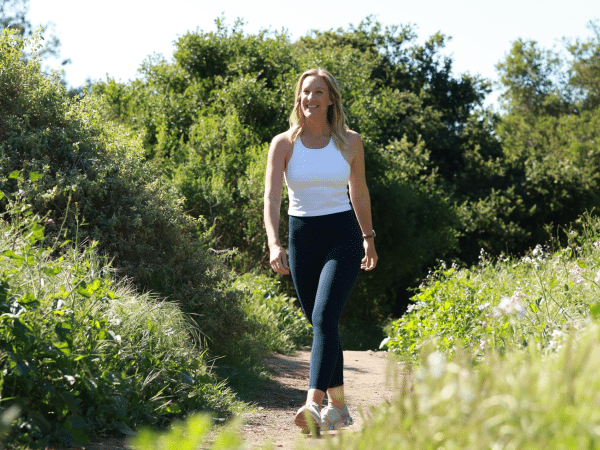
Since that day, I have become a dedicated and committed walker. I go for a walk almost every day, even if I only have 10-15 minutes to do so.
Walking has become one of my go-to practices—not just for my body, but for my mind and emotional wellbeing too.
As a result of adding intentional walks to my routine, I’m happier, less stressed, stronger, healthier and feel more clarity and confidence as I go throughout my day.
That’s why during the month of June, the Lindywell community will be taking on the 10+10 Challenge.
We’re inviting you to join us in walking intentionally. Ten walks. Ten Pilates workouts. One month of momentum, without the burnout.
Two simple habits. One powerful transformation.
If you’re ready to get moving—but want a little inspiration, some helpful tips, and maybe a few fun gear recommendations—you’re in the right place.
Why Walking Deserves More Credit
At Lindywell, we’re all about sustainable wellness—no extremes, no shame, no “go hard or go home.” Walking fits beautifully into that philosophy. It’s gentle, yet powerful. Simple, but profoundly effective.
In fact, research shows that:
Women who walk at least four hours a week reduce their risk of hip fracture by 40%
Walking just 30 minutes a day can lower heart disease risk by 35%
It also reduces depression risk by 26% and helps prevent cognitive decline later in life
And for our members in perimenopause or beyond, walking is an essential tool to maintain bone density, reduce inflammation, and support hormone health—all without stressing the nervous system.
No wonder it’s one of the most underrated (and most accessible) forms of movement out there.
How to Make Walking a Daily Ritual (Not a Chore)
So how do you actually make walking part of your routine—especially when life feels full?
Here are a few ideas that have worked for me and many of our members:
Start small. Don’t underestimate the power of 10 minutes. That’s one of the reasons we built it into this challenge—it’s doable!
Stack it onto something you’re already doing. I started taking my walks while being on calls for work. Meet a friend for a walk instead of happy hour. Tag it on right after you park the car after school drop off, or as a post-dinner ritual now that the days are getting longer.
Make it feel good. Listen to a playlist that lifts your mood, a podcast that makes you think, or simply enjoy the quiet and observe the world around you (I walk in silence on the days I feel particularly stressed or my mind feels busy).
Don’t wait for the perfect moment. A walk in work clothes or sandals still counts. So does a stroll around the block while your kids scooter ahead.
Favorite Walking Gear (Tried + Loved)
You don’t need fancy equipment to start walking—but having a few go-to items can make the experience even more enjoyable. Here’s what I (and our team) often grab before heading out the door:
Supportive shoes that feel good from the first step.
I did A LOT of research last year on fitness trackers and ended up with the Garmin Lily mostly due to the fact that it doesn’t look like a fitness tracker, it tracks my heart rate during workouts and has the ability to turn off bluetooth. I love it! -Robin
Walking Pad
While getting out for a walk is ideal, on those days you just can’t get outside a walking pad is a great solution! I have this one under my standing desk and use it almost daily. -Robin
I started bringing a plastic bag with me on my walks to pick up trash. I live near the coast and the trash was bugging me, so I figured I should do something about it! -Kasey
My husband loves these headphones because he can hear his music but still hear traffic to stay safe on busy streets. -Theresa
Remember: fancy gear is NOT necessary to get moving. All that matters is that you get out the door!
Why Walking + Pilates = The Ultimate Wellness Combo
We designed the 10+10 Challenge with intention: Pilates and walking complement each other beautifully.
Pilates builds strength, stability, and mobility from the inside out—while walking boosts circulation, supports cardiovascular health, and clears your mind.
Together? They offer the perfect balance of muscle activation and nervous system regulation—ideal for energy, stress relief, and long-term health.
In your Lindywell app this month you’ll find extra content to support your month of Pilates + walking:
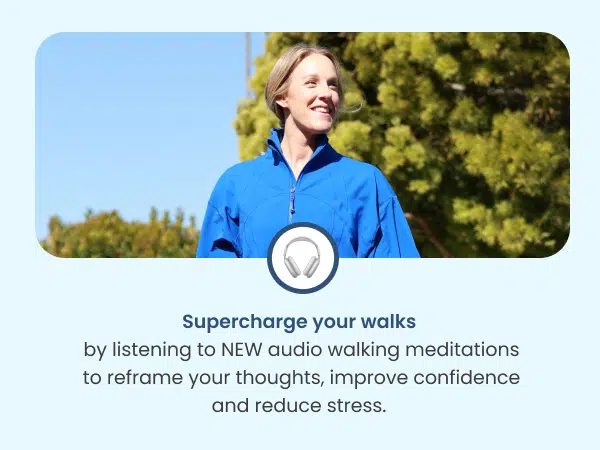
NEW audio walking meditations to help you reduce stress, connect with your body and feel your best.
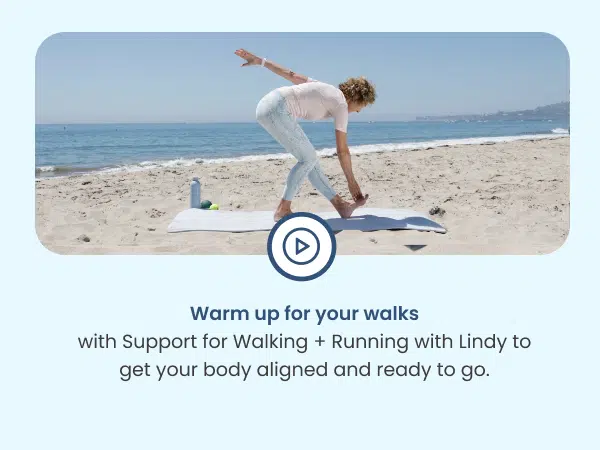
NEW walking warm-up with Lindy Royer. A great routine to press play on to warm up your body to prepare for a pain-free walk.
If you’re not a member of the Lindywell app yet, CLICK HERE to get two weeks free.
Final Thoughts: One Step is All It Takes
Whether you’re walking solo, with your kids, or even just doing laps in your hallway (yes, that counts!), I hope this challenge reminds you how capable and worthy you are—right now, as you are.
We don’t need more pressure. We need more presence. And a good walk is a beautiful place to begin.
The 10+10 Challenge kicks off on June 1st in the Lindywell app.
Life has a way of throwing unexpected challenges our way, and for many, Hurricane Helene has brought immense hardship.
If you’re feeling overwhelmed, stressed, or just struggling to find balance right now, I want you to know you’re not alone. We’ve been checking in with members that we know have been affected and have heard from many of you who want to share Lindywell resources with others to help them care for themselves in the midst of the stress.
When navigating hardship, taking small moments for yourself can have a big impact – moments to move, to breathe, and to reset. Below, I’m sharing a few free resources that I hope will help bring a bit of relief—a Standing Stress-Relief workout and a calming breathwork practice.
Whether you have a few minutes or need something simple to ground yourself, these tools are here for you. Take them at your own pace and remember that it’s okay to prioritize your well-being, even in difficult times.
Free Stress-Relieving Workout:
Release stress by focusing on movement, breathing and concentration. This all-standing routine will help you calm your mind and nervous system.
Free Breathwork Session to Soothe your Nervous System:
Release stress with this simple breathing pattern paired with intentional movement. It’s a tool you’ll want to return to again and again.
And a few more resources to save and use as needed…
Please share this post with friends and family who could use extra support.
And if you’re a member of the Lindywell app and community, this month’s workout calendar and focus is all about stress-relief, so be sure to open your app, press play and take just a few minutes out of your day to care for your body in mind.
Do you dread your wellness routine? Doing your workout. Prepping healthy meals. Getting out for a walk. I get it, it can feel like a lot. But what if I told you it could be more fun?
To get there, we have to remember that as children, playfulness was a natural, intuitive part of life. We weren’t consciously aware of all the beneficial reasons to move our bodies—we were simply having fun.
As we transitioned into adulthood, we left many (if not all!) of those playful instincts behind. We swapped out the sheer enjoyment of running around with our friends for a more structured view of health and fitness—and somewhere along the way we forgot that staying active doesn’t have to feel like so much work. In fact, it can even be enjoyable!
Plus (and this is a big one!), enjoyment is a main predictor in both creating and sticking with an exercise habit. This also rings true for other healthy behaviors—think about how our brains are wired: The more fun an experience is, the more we return to it. If you’re ready to embrace the playful side of wellness, keep reading!
Why Infuse Playfulness Into Your Wellness Routine?
When was the last time you took a breather from the hectic pace of your normal routine to do something that makes you smile? Carving out moments for playfulness will nurture a sense of curiosity, which also leads to feeling more mentally sharp, creative, and willing to learn.
Here are a few more benefits of playfulness that we can’t overlook.
Greater Adaptability
Another recent study found that those who infused playfulness into their lives during COVID-19 were more adaptable and resilient in the face of stressful circumstances. They were also less prone to anxiety and harmful coping behaviors. In other words, it’s possible to calm the nervous system with fun activities—how amazing is that?
Improved Consistency
When it comes to wellness habits (such as nutritious eating or consistent exercising), we often focus on the health benefits of making these lifestyle shifts. Of course, there are many reasons to fuel our bodies with movement and nourishment, but reframing our mindsets to look for pleasure, indulgence, enjoyment, and social connection in these habits will promote long-term adherence.
Support Long-Term Mental Health
Playfulness becomes even more restorative as we grow older. A playful outlook can help reduce loneliness, manage chronic pain or illness, alleviate mental health concerns, and enhance your perceived well-being.
Bottom line: it’s never too late—and you’re never too old—to prioritize fun.
3 Ideas to Make Your Wellness Routine Feel More Playful
Let’s explore how to turn play into a daily habit as part of your wellness routine. If it’s been a while since you carved out time for pure enjoyment, that’s okay! As with any shift in routine or habit, it takes time to train your brain. Give yourself grace as you try some of these ideas to make your wellness routine more fun and playful.
Try the activities you loved to do as a young child. Reflect on the pastimes that once captivated your imagination. What were you passionate about before career ambitions or household obligations took over? Whether that’s drawing, playing outside, building forts, or creating “make-believe” worlds, turn a few activities into adult activities. For example, if you love being outside, plan some nature adventures: explore a hiking trail in your area or even learn how to start your own garden.
Set intentions for play and work them into your schedule. After you determine which activities resonate with you, consider what you hope to gain from playfulness. Do you need to relieve stress? Do you want to make life more vibrant and spontaneous? Create some intentions for this practice, then block out time in your calendar—just as you would for a family commitment or work function. Scheduling fun will remind you to prioritize it. You can even stack playful activities on top of other self-care habits in your routine. For instance, make a healthy meal while you dance in the kitchen.
Be wholly present and immerse yourself in the experience. One in four adults think scrolling on their phones is an actual hobby—and more than 40 percent spend most of their free time watching TV or social media content. To embrace the restorative benefits of leisure, unplug from screens and immerse yourself in the moment. Designate times or spaces as device-free zones to allow for uninterrupted, mindful play. This will make the whole experience more rejuvenating and enriching.
If you’re still working on prioritizing play and bringing it into your life, check out my book, Well to the Core. I have a whole chapter dedicated to play and and another on unplugging!
Rediscover Play With Lindywell
Play is a key ingredient in making your wellness routine more fun and consistent—plus it can support mental health, mental sharpness, and adaptability. That’s the definition of a win-win!
If you’re ready for more play in your wellness routine, join our vibrant community here at Lindywell. We’re passionate about making health, fitness, and self-care something you look forward to—not a boring commitment. Start your 14-day free trial and unlock all the fun Pilates classes and breathwork sessions we have to offer!
Using positive affirmations for anxiety isn’t just about speaking positive words and hoping they take root. (At least not here at Lindywell!). For us, this is about adding another tool to your anxiety toolbox—something we should all have!
If you’re struggling with anxiety, know that you’re not alone. More than 40 million adults across the U.S. will suffer from anxiety at some point in their lives, making it the most commonly reported mental health concern nationwide.
The emotional, mental, and physical sensations that come with anxiety can feel overwhelming (I know, I’ve experienced anxiety many times myself), but it is possible to restore yourself to balance and a more peaceful state of being. Check out episode 40 of The Balanced Life to learn how I overcame my paralyzing anxiety.
If you’re ready to find another tool to support your anxiety relief, here are some positive affirmations for you to try, along with a few other beneficial practices to soothe anxiety.
Disclaimer: This article does not take the place of medical advice. We recommend visiting the PsychologyToday directory to find a mental health professional if you need support.
What Are Affirmations—and How Can They Help with Anxiety?
A positive affirmation is a value statement that reframes unhelpful thoughts to reinforce the truth about your inherent worth and life experiences. In situations when anxiety leaves you feeling powerless, affirmations will remind you that no fear is insurmountable—that you can face the moment with resilience, courage, and presence of mind.
So, how does this work exactly?
Support the brain’s stress response: Affirmations can act as a buffer against the brain’s stress response while activating neural reward pathways. This calms the area of your brain that has been primed to scan for threats, which makes it easier to regulate intense emotions.
Promote mindfulness: The repetitive nature of chanting an affirmation aloud enhances mindful attention and slows your breathing cadence, both of which relax the nervous system.
Improve self-efficacy: affirmations also lead to greater self-efficacy. Self-efficacy can bolster executive functions such as problem-solving or decision-making to help you overcome challenges.
Whereas anxiety tangles your mind in a spiral of fear-based insecurities and false narratives, affirmations can help redirect your awareness so you can come out of that spiral.
15 Positive Affirmations to Relieve Your Feelings of Anxiety
For your affirmations to be effective at calming your anxiety, they have to be unique to you. They have to feel true to your experience, needs, and beliefs so that you can not just say them, but believe them. If some or none of the following positive affirmations for anxiety feel right for you, make them your own so they can support you in the moments when you need them.
I am safe in this moment—there is nothing to fear.
I will root myself in the present and be where my feet are planted.
I inhale peace and assurance. I exhale doubts and worries.
I choose to nurture, love, and accept who I am unconditionally.
I can reframe the false narratives or beliefs that hold me back.
I will navigate my circumstances one step at a time.
I know this emotion is temporary—it does not have to control me.
I release distress from the past and uncertainty for the future.
I can overcome any setbacks or obstacles in my path.
I am capable, resilient, brave, and strong—even more than I realize.
These are normal body sensations of anxiety. I can experience them without being in danger.
I can’t control the future, but in this moment I am safe and can feel peace.
I am capable of handling anything that comes my way.
3 More Holistic Wellness Techniques to Promote Anxiety Relief
As powerful as affirmations can be, you need more than positive words to work through anxiety, especially in hard moments. Below are some of my favorite ways to relieve anxious thoughts, reset the nervous system, and return to a state of mindfulness and inner peace.
Pilates: Thisexercise combines gentle, low-impact movements with mindful awareness. That mind-body connection activates AMPK signals and releases endorphins in your brain. AMPK signals promote homeostasis and energy balance at the cellular level, while endorphins stabilize your mood. These benefits make Pilates both relaxing and restorative for mental health.
Breathwork: Hyperventilation (rapid, shallow breaths from the chest) is one of the most common anxiety reactions—but it can increase your panic even more. On the flip side, taking deep, intentional breaths from the diaphragm will calm your autonomic nervous system, which helps slow your heart rate, lower blood pressure, and minimize those overwhelming feelings of stress or alarm.
Nature: Being outside is inherently therapeutic—who doesn’t love the sensation of a breeze on your face, the earth under your feet, and fresh air in your lungs? Whether you stroll around a park or meditate on the beach, carve out time to enjoy the outdoors. Even 15 minutes of nature immersion can reduce cortisol levels to promote relaxation, boost emotional regulation, and enhance your mood state.
Relieve Anxiety and Nurture Your Mental Health with Lindywell
These positive affirmations for anxiety are meant to be another tool in your anxiety toolbox—which should also include strategies and coping skills to help you on hard days or through hard moments.
If nurturing your mental health is important to you (I have a feeling it is!), join us here at Lindywell! As a member, you can access more than 350 online Pilates classes, plus guided breathwork sessions and nourishing recipes to restore your balance and wellness from the inside out. Start your 14-day free trial and become part of our vibrant, rejuvenating community.
Joseph Pilates once said: “If your spine is inflexibly stiff at 30, you are old. If it is completely flexible at 60, you are young.” I love this quote because it underscores just how vital spinal mobility is for holistic wellness, no matter the stage of life we’re in.
But a healthy spine is not guaranteed—we must intentionally work to sustain it. According to a recent survey, almost 30 percent of U.S. adults suffer from chronic back or sciatic pain. Around 17 percent confirm this affects their physical well-being, and another 13 percent also feel it negatively impacts their mental health.
Prior to finding Pilates, back pain was a real issue for me. Between long hours sitting at my desk and Scoliosis that caused an imbalance in my body, I struggled. Pilates made a huge impact and I’m so grateful to say that back pain is no longer an issue for me (and I even made it through multiple full-term pregnancies, back pain-free)!
Fortunately, it’s never too late to improve and maintain spinal mobility. Let’s discuss why
spine health matters and how to cultivate it through Pilates.
Why Spine Health Matters for All Seasons of Life
I was shocked when I learned that chronic back pain is the number one cause of global disability rates. The same research I linked above shows a direct correlation between spinal issues and a co-occurrence of other serious health concerns such as diabetes, hypertension, or cardiovascular problems.
However, prioritizing musculoskeletal function (which includes spine health) can help you resist age-related physical deterioration and improve long-term wellness outcomes, including:
Increased muscle strength
Joint flexibility
Balance and coordination
Bone density
Range of motion
Mental sharpness
Vascular and metabolic health
Lower risk of painful, mobility-restricting conditions such as osteoarthritis
So, what’s the connection? Your spinal column (from the brain stem, down the midsection, to the lower back) forms a basis for the whole body’s musculoskeletal structure. It also contains the central nervous system, which facilitates both movement and sensation. A healthy spine ensures optimal functioning, which creates the stability to reach, bend, twist, lean, stand, walk, stretch, and perform other routine activities with ease.
As you grow older, spinal health becomes even more crucial to maintain your independence. Adults over age 40 are susceptible to conditions like sarcopenia (muscle deterioration), disc herniation, osteoporosis, or lumbar spinal stenosis, according to the Journal of Medical Sciences.
Not only can these issues lead to chronic pain—they also increase the risk of bone fractures or other fall-related injuries. Whereas robust spine health will keep you active and mobile so that you can keep doing all the things you love to do.
The Powerful Benefits of Pilates for Spine Health
Whether you’re desk-bound each day, engaged in physically demanding activities, or simply dealing with the natural aging process, spine health plays a crucial role in your overall well-being—as we’ve seen already!
Enter Pilates—one of the best ways to maintain spinal mobility and spine health through all stages of life. But how? Let’s get into that.
Core Strength
First and foremost, Pilates activates core strength—not just for aesthetic reasons, but to promote functional movement in the abdominals, pelvic floor, and back muscles. Core stabilization exercises help strengthen the spinal column to alleviate chronic pain, restore postural alignment, and lower the risk of disability.
Muscle Support
Pilates also focuses on gentle movements to stretch out and lengthen the muscles and fascia. This will enhance flexibility, while reducing the muscular tension or stiffness that can often lead to spinal discomfort, imbalance, and mobility restriction, Pilates can improve the range of motion in the trunk, while helping to correct spinal misalignments or curvature issues.
Another benefit of Pilates is the emphasis on mindful movement. Through a series of fluid but precise motions, you will learn to activate the right muscles and maintain optimal form during each exercise. This body awareness translates from the Pilates mat into other daily activities to encourage a healthier posture and movement patterns in all areas of life. Becoming mindful of how you move can help break habits that cause spinal issues and help you to enjoy your favorite activities for years to come.
Low Impact
The low-impact nature of this exercise makes Pilates accessible to just about everyone across all fitness levels, physical abilities, and life stages. You can adapt each movement to suit your own personal needs, making Pilates both a safe and effective method to increase spinal mobility and long-term health overall.
Spinal Mobility Exercises to Work into Your Routine
Time for the fun part—let’s talk about some Pilates exercises you can practice to nurture spine health daily. These movements are part of Lindywell’s FREE Pilates for Beginners series, so check out the full program for total-body wellness!
Roll Downs
Stand with your feet hip-distance apart and lengthen your spine to the sky. Gently nod your chin to your chest as you articulate your spine forward, rolling down toward your feet. Let your arms relax and draw your belly button toward your spine as you roll back up to standing, stacking one vertebra at a time.
This is one of the best stretches you can do for the entire spinal column. It alleviates pressure from your neck, stimulates blood flow, and loosens up your back and pelvis.
Note: If you have Osteoporosis and are concerned about forward flexion, simply flex at the hips and maintain a flat back as you stretch forward toward your feet.
Standing Twists
For this exercise, you’ll place both hands at the base of your head, and gently press your head back into your hands to elongate your spine. Keep your hips squared off to the front as you rotate in the rib cage. This rotation should come from the center of your spine, and remember to breathe to facilitate the movement and enjoy the stretch
C-Curve Rolls
Sit on your mat with your knees bent and your spine lengthened up to the sky. Reach your arms forward, tuck your tailbone and round back in your spine (creating a c-curve shape with your spine). Pause and inhale, and as you exhale draw your belly button toward your spine and return to a tall seated position. If you’re avoiding flexion, simply hinge back with a flat back and use your deep core strength to return to a seated position.
Pelvic Curls
Lie on your back with your knees bent and your feet flat on the floor. Inhale to prepare and as you exhale tuck your tailbone and articulate your spine up into a bridge position one vertebra at a time. Pause at the top and slowly roll back down through your spine. Keep your collarbone open and remember to breathe. If your back feels tense as you move through this movement, adjust your feet closer for more support.
Prioritize Your Spine Health With Lindywell
Want to learn even more gentle Pilates exercises for spinal mobility?
Join us here at Lindywell. As a member, you can access 350+ online Pilates sessions to increase your strength, balance, flexibility, range of motion, and holistic wellness—no matter what season of life you’re in. Sign up for our FREE Pilates for Beginners program to get these exercises plus more workouts for you to experience the full range of benefits!
Should you invest in Pilates equipment if you’re new or want to make it more challenging?
While you can leverage the benefits of Pilates at home (or even in a hotel room while traveling) without equipment—it can be fun to bring in some additional sources of resistance or difficulty. But, before you grab a set of weights and go, let’s talk about the kinds of Pilates equipment that’s safest that can also make the workout more enjoyable and perhaps more challenging.
Thick Pilates Mat
A Pilates mat is the foundation of your workout, providing both a soft cushion and firm support during floor exercises. While technically we have quite a few standing-only workouts in the Lindywell app, a mat isn’t optional if you’re doing mat pilates (as opposed to Pilates with a reformer only).
But, not all Pilates mats are created equal, as I discovered for myself a few years into teaching Pilates and doing it myself. That’s why we designed Lindywell’s 10-millimeter Powerhouse Mat. It’s thicker than most traditional yoga mats to support your spine and joints during exercises, and yet still stable enough to provide a solid base for balancing exercises and standing movements.
Most importantly, unlike most mats on the market, the Lindywell Powerhouse Pilates Mat is made without hormone-disrupting chemicals such as phthalates, BPA, PVC or lead. It’s non-toxic, eco-friendly and easy to wipe clean.
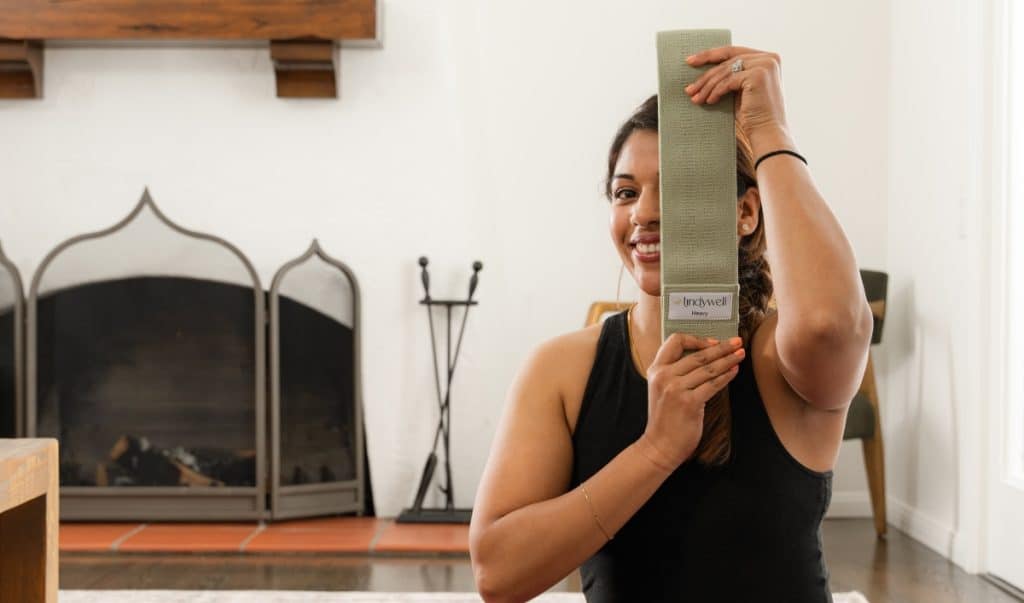
Resistance bands are one of my favorite Pilates equipment choices because they’re lightweight and portable. I take our set of three Lindywell Resistance Bands, one for each resistance level, with me on every trip I take.
Unlike most resistance bands you’ll find, however, ours are made with an elastic core and an outer fabric covering to maximize your comfort. Plus, the thick construction and inner grip traction will prevent them from sliding loose as you flow through each movement.
Thanks to three resistance levels, you can pick and choose which one you want to use for each workout or even for each exercise—your upper body may need a different resistance than your lower body. We even have a 10-minute mini-series in the Lindywell app that uses the bands for quick workouts that are perfect to sneak in on the go!
This small exercise ball you may have seen before is used to enhance core strength and balance during the workout. This Pilates prop creates an element of instability, which activates more muscle groups to restore your overall balance.
In Pilates, we use this equipment in several different ways, from between the knees to beneath the chest and behind the lower back. Here’s a fun and creative 15-minute Pilates session that will show you how to incorporate an exercise ball.
Light Hand Weights
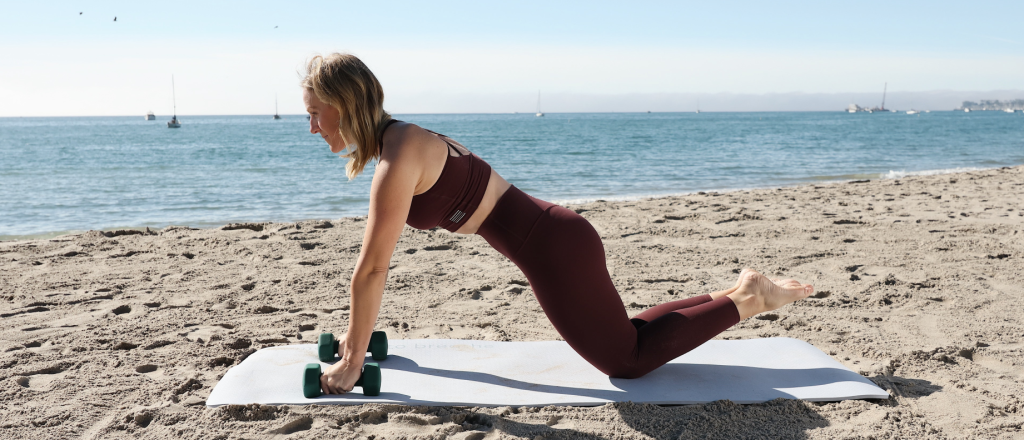
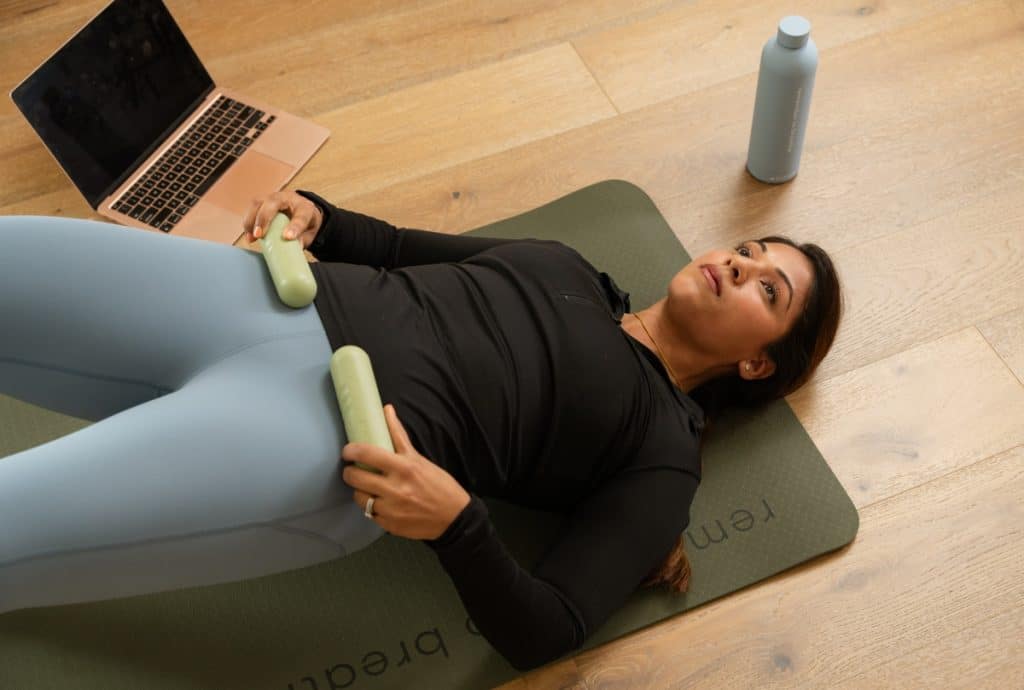
These hand weights are both small and light (usually about 1–5 pounds). What I love about light weights, and especially our Lindywell Hand Weights, is that they offer just the right amount of resistance without impacting form.
I’ve seen so many people lifting heavy weights because that’s what they see other people doing—or it’s what their workout program says to do. Unfortunately, without the muscle strength to support that movement, you risk injury. (Learn more about weight training and Pilates in my recent blog post to better understand how these two things can work together when done correctly.)
We created our hand weights with durable stainless steel and silicone outer construction. Thanks to their sleek capsule design, they’re also comfortable (and ergonomically sound!), providing you with the ability to lift and move easily.
From full-body movements to micro pulses and isometric holds, this type of weight is extremely versatile—and weight training workouts are some of our most popular in the Lindywell app!
This flexible device—known as both a Magic Circle and a Pilates Ring—is made of either pliable metal or rubber with a handle on each side. It creates gentle to moderate resistance during your practice to tone the arms, chest, thighs, pelvic floor, arms, chest, and other muscles.
A Magic Circle can also support postural alignment to ease tension or discomfort in the spine, making it a great addition to your workout if you’re dealing with chronic pain. If you’re new to this equipment, Lindywell has a 10-minute workout that will introduce you to the Magic Circle and teach you to use it in numerous full-body Pilates exercises.
Honorable Mention: Foam Roller
Often used before or after a Pilates session, foam rollers can help relieve muscle tightness to improve flexibility and functional mobility. Foam rollers are cylindrical and come in various sizes, but I recommend 36 inches—you’ll need ample length to maximize your stretches.
Choose a degree of firmness that’s supportive, but not too soft as well. The most common way to use this device is to roll it under your feet, calves, glutes, shoulders, back, quads, or hamstrings. That rhythmic motion will stimulate circulation and massage out any tension.
If you’re new to foam rolling, start your 14-day free trial of Lindywell and get access to our guided foam rolling sessions. We even have a Foam Roller Reformer-inspired workout in the app that is very popular with members.
Infuse this Equipment Into Your Pilates Routine
I love reaching for different Pilates equipment to switch up my normal workout routine. If you could use a new challenge or want to incorporate even more fun into your next Pilates session, consider these accessories. Remember: this is your practice, so be creative with it, give yourself the freedom to experiment, and listen to the needs of your own unique body.
As a Lindywell member, you can access more than 350 online Pilates sessions—and you’ll score a discount on all the equipment we offer in our store. Start your 14-day free trial now!