Categories
Uncategorized

#healthyliving #holistic #nutrition 10 Mindful Activities for Anxiety that You Can Do at Home

activities for anxiety

If you’re looking for activities for anxiety because you’re struggling more often than you’d like, you’re not alone. According to the World Health Organization, anxiety is more prevalent than any other mental illness. As women, we’re especially vulnerable to this condition—in 2023 alone, 32 percent of U.S. women reported feeling anxious versus 24 percent of men. 

I’ve shared openly before about my struggles with paralyzing anxiety in the past (link to podcast episode on the topic). I’ve also shared how one of my kids has also experienced intense bouts of anxiety. This topic is near and dear to my heart and something that I am dedicated to speaking about and bringing more awareness to. 

The rising rates of anxiety in kids, and especially girls, is very concerning to me. My hope is that by providing more support through Lindywell and pointing to other helpful resources, we can make an impact and fight against the rising statistics.

While seeking professional help is often the best and first step one should take, there are also tools you can use at home to feel better day-to-day and in the moment.
The Link Between Mindfulness and Anxiety Relief

Cultivating a mindfulness practice can teach you to reframe anxious thoughts to help restore a sense of calm. Research has shown that daily mindfulness training can decrease nervous system arousal and strengthen functional brain circuits to help relieve anxiety at a neurological level.

If you want to learn more about mindfulness and nervous system regulation, check out some of our recent blog posts: 

10 Mindful Activities for Anxiety Relief

At Lindywell, we’re firm believers that any wellness or self-care activity can be a mindfulness practice if you do it with intentional awareness. This means tuning into the mental, emotional, and physical sensations that arise as you do the activity. Staying fully present in that moment, even when that might be difficult to do.

But today I want to share 10 mindful activities that can be especially helpful for anxiety relief—that you can also easily do at home to restore balance, and ultimately, come back to a sense of true wellbeing.    

Disclaimer: Based on how frequent and severe these anxious thoughts become, you could also benefit from working with a licensed therapist or seeking out other resources. Check out this free, confidential mental health hotline that’s available 24–7 or search for a therapist in your area on Psychology Today.

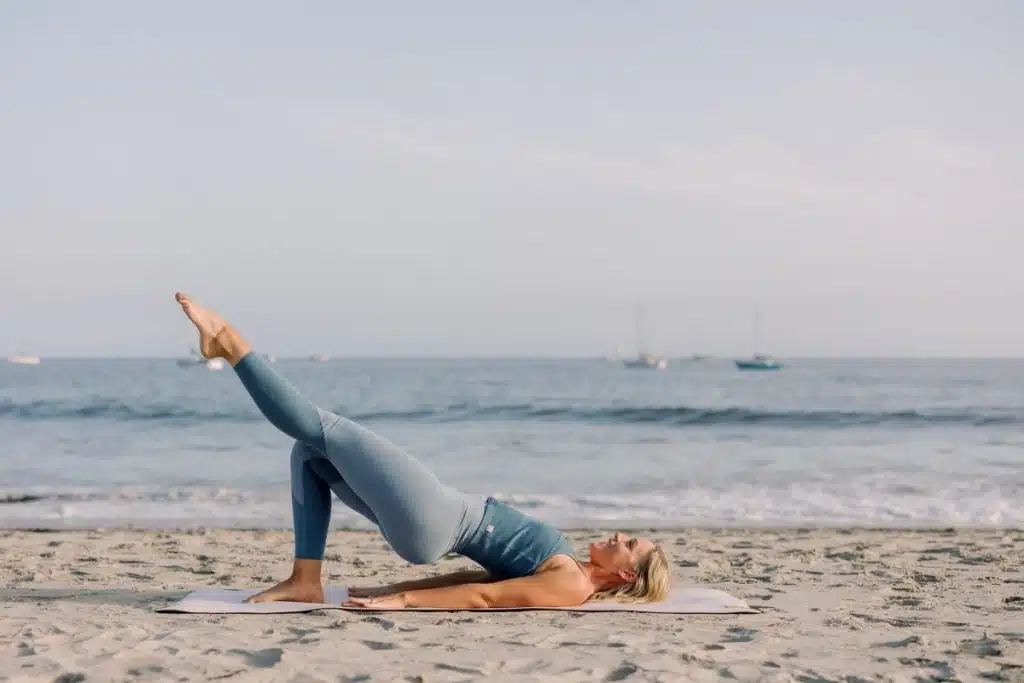
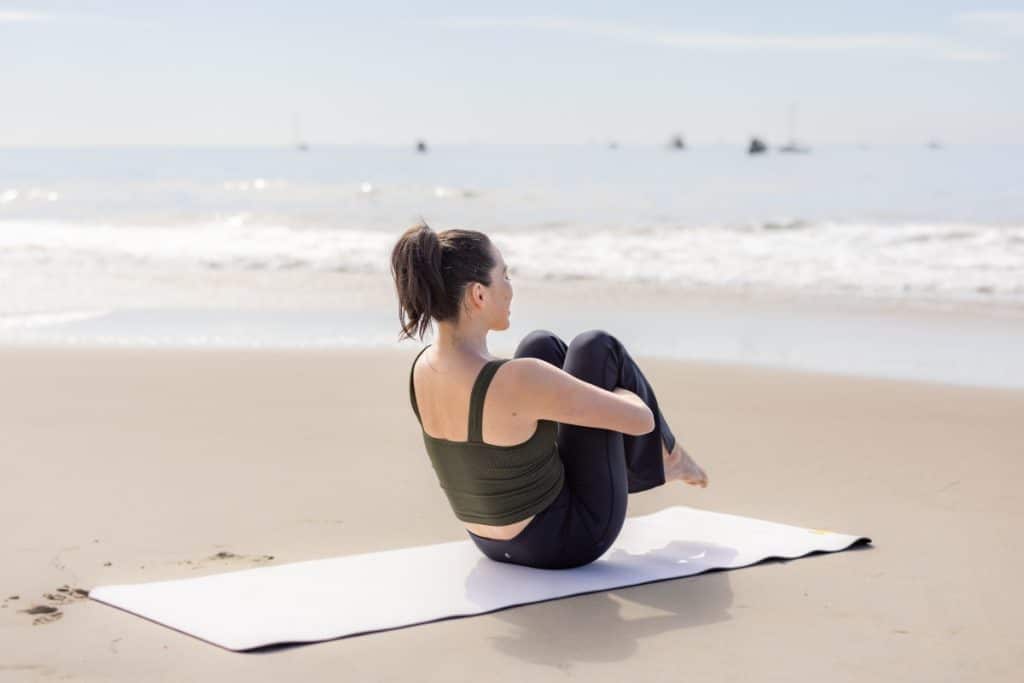
1. Pilates Workouts

Pilates is a restorative exercise that combines fluid, gentle motions with deep attentional focus. Ideally, Pilates should not be about pushing yourself to  achieve a specific result, instead to notice how your body and muscles feel with each movement and let your body guide you. 

While you can use Pilates to build strength (and our members love this aspect of the workouts!), Pilates also focuses the mind, while releasing endorphins in the body. This acts as a natural mood stabilizer and can help to alleviate symptoms of depression and anxiety.

Finally, Pilates is also easily adaptable for those with chronic pain or mobility restrictions, making it accessible to just about everyone who who is looking to move their body in a way the supports anxiety relief.

2. Gardening

There’s something innately therapeutic about a connection to nature—and cultivating your own garden can reinforce those healing benefits. That sensory experience of touching the earth and watching new life take root can nourish your mental health as well. 

In fact, those who garden are more likely to report high emotional resilience and lower rates of depression, anxiety, and chronic stress. Even if you don’t have a large backyard or access to a communal garden, you can still grow plants on a balcony, patio, or window sill

3. Creative Projects

Whether you paint a sunset, crochet a scarf, write a poem, or draw in a coloring book, it’s so beneficial to free your creative juices. Research in the Cureus Journal shows a direct link between artistic expression and a boost in self-esteem, which could alleviate chronic mental health distress. 

Creativity is not about perfection, so don’t worry about the final product—have fun with the process and let your imagination run wild. This is what will make any creative pursuit a great activity for anxiety relief!

4. Puzzles or Brain Games

Games that require deep concentration have been found to strengthen the brain’s prefrontal cortex, which improves decision-making, flexible thinking, and problem-solving. These mental skills can help you combat impulsive reactions or anxious ruminations before they become too overwhelming. 

The key here is to choose a game that’s low-pressure (timed games can increase stress cortisol levels), such as a puzzle, sudoku, brain teaser, or word search. Making room for play has an incredible restorative effect on the nervous system. 

5. Journaling

When an anxious thought, emotion, or belief threatens to immobilize you, grab a journal and translate it from an abstract feeling into concrete words. Even if all you can manage is a few sentences, this will make it easier to process what caused this bout of anxiety and whether the fear is based in reality. 

A recent study shows that journaling each day for an entire month can help manage anxiety and post-traumatic stress symptoms on a day-to-day basis.

6. Gentle Stretches

As crucial as movement is for all facets of wellness, sometimes you just cannot summon the physical stamina or mental energy for an intensive workout. And that’s okay! I’ve been there many times, and I know I’ll continue to have those days—our bodies need different things on different days. 

In moments like this, do some gentle full-body stretches to relieve tension and promote circulation. Performing stretches can increase relaxation, calmness, pleasure, stress management, and your overall mood state. Move with slow, mindful precision and focus on each sensation as the muscles contract and lengthen. 

Start a Lindywell free trial to get instant access to 350+ Pilates workouts, which includes an entire section on restorative workouts and stretching that are perfect for days like this.    

7. Body Scanning

Since physical, mental, and emotional health are connected, anxious feelings can manifest in the body as well. For instance, you could experience a headache, stomach nausea, tight shoulders, sweaty palms, or chest and throat constriction when you’re anxious. 

Doing a body scan can teach you to notice where you’re holding tension, so you can direct compassion to that area and alleviate the discomfort. This process also helps reduce cortisol levels to regulate stressful or anxious emotions.

8. Conscious Breathwork

Breathwork can be a somatic practice that encourages you to tune into the natural, rhythmic cadence of breathing and your body. Plus, slow breaths from the diaphragm can lower blood pressure and heart rate to soothe autonomic nervous system arousal and return to a state of balance. 

To make your deep breathing more somatic (to connect to calm within your body) try one of these simple exercises:

  • As you inhale, notice how your stomach and lungs fill with air. As you exhale, notice how these areas of your body empty.
  • When taking deep breaths, tune into all your senses. What do you hear? What do you smell? What do you feel?
  • Before deep breathing, choose a point in your body to direct the breath. Focus on sending your breath to that area along with peace, compassion, or whatever you feel you need at that moment. 

9. Music Appreciation

Whether it’s playing an instrument or listening to your favorite album, music can offer many profound healing benefits. There’s a reason your favorite song makes your whole body light up or that one slow song is just what you need to hear when you’re feeling low. 

As a therapeutic intervention, music exposure has been found to boost self-esteem, resilience, emotional regulation, life satisfaction, and subjective well-being. So, turn on a song that makes you smile—and in the process, you’ll turn down the volume on those anxious thoughts. A favorite song that always gets me moving: September by Earth, Wind and Fire. It never fails!

10. Somatic Shaking

This is a somatic practice I LOVE to do—and you may feel silly at first, but trust me. Shaking is a technique in which you move from head to toe in primal, free-flowing motions to literally shake off chronic, built-up tension. 

This practice can be used as a tool to process trauma and it can also lessen the impacts of anxiety, depression, or other mental health concerns. There’s no exact formula for how to do this, so don’t fixate on how you look or whether you’re doing it “right.” 

The idea is to just relax your muscles, release your inhibitions, and just shake and move your body in any way that feels good.  

Some of the Best Activities for Anxiety Relief Can Be Found Within Lindywell

If you or someone you know is experiencing anxiety, I want you to know you’re not alone. I know it can feel scary and isolating. I’ve been there. I also want you to know that you won’t feel this way forever. Continue to pursue tools that help you to manage your symptoms and keep taking slow deep breaths. You’re getting stronger by the day.

We’ve built Lindywell with a grace over guilt approach—each workout can help reduce anxiety as you tune into your breath and meet your body where it is that day. As a member, you can access more than 350 Pilates classes, along with guided breathwork sessions and nourishing (and easy!) recipes to feel good in your mind and body. 

Sign up now for a 14-day free trial and unlock the anxiety-relieving benefits of Lindywell.

The post 10 Mindful Activities for Anxiety that You Can Do at Home appeared first on Lindywell.

from Blog – Lindywell https://ift.tt/Trithe3
via IFTTT

Categories
Uncategorized

#healthyliving #holistic #nutrition What is Body Positivity? (And What Is It NOT?)

what is body positivity

What is body positivity? Well, that’s a great question—and one that many are wondering as the movement has morphed and been co-opted in different ways. To me, body positivity is about showing love and appreciation for your body. 

More importantly, it’s about choosing that love for your body over the messages from our modern culture that your body is a representation of your worth—that you need to change it to fit a cultural expectation of what defines a “good” “beautiful” or “healthy” body.

I also think, however, that the movement has led some people to think that embracing the body you have today means that you don’t need to care for it. Or that you can’t work toward fitness or health goals and also love your body now. 

Ultimately, most of us in the wellness space will answer the question of “what is body positivity” differently. Here at Lindywell, we take a grace over guilt approach while also supporting our bodies for long-term health. 

If that’s the way you approach life (or want to!), then let’s talk about what body positivity really means and how it can fit into a wholistically healthy life.

The Origins of the Body Positivity Movement

Body positivity can trace its origins to a 20th-century social movement started by intersectional Black and LGBTQIA+ activists. Their goal was to resist the discrimination and marginalization of bodies that exist outside Western society’s “thin, white, straight, cis” norm. 

The first wave of body positivity celebrated all sizes, races, abilities, genders, and sexualities. It centered on their unique experiences and encouraged everyone to cultivate healthy relationships with their bodies. 

In short, this movement is rooted in confronting unrealistic beauty ideals to embrace body acceptance and representation for everyone. And I love that!

How Modern Body Positivity Is Missing the Mark

There are many ways the modern body positivity movement is missing the mark. As it’s been picked up on social media, the sentiment has been co-opted, leading to misrepresentation, unnecessary pressure, and more. Here’s what the research tells us about how body positivity is actually hurting more than helping. 

It’s Leaving People Out

Let’s jump ahead more than half a century to the modern iteration of body positivity. In a recent analysis of #BodyPositive TikTok videos, 93 percent featured conventionally thin bodies, while only 32 percent featured larger bodies. What’s more, less than 35 percent even mentioned the theme of body image acceptance at all.

In another study, researchers looked at 500 Instagram posts with the hashtags #BodyPositivity or #BodyPositive to examine the diversity within this content. Less than one-fifth of the posts showed a non-white person, about one-sixth showed someone in a larger body, three showed a queer person, and two showed someone with a disability. Most of the content overwhelmingly focused on the pursuit of fitness and weight loss. 

Keep in mind that this began as a countercultural movement to push back against narrow, exclusive beauty norms and create space for all bodies to thrive. But social media’s interpretation of “body positivity” can erase the experiences of those for whom this term originated. 

The consequences speak for themselves. According to a survey of 11,620 adults across the U.S., those from marginalized communities are more likely to face appearance-related stigma. Folks in larger bodies are especially vulnerable to prejudice, harassment, or discrimination for their weight, which can influence eating disorder behaviors.

If Often Feels Unattainable

Another potential issue with body positivity is that it’s often an unattainable goal to strive for. As healing as radical self-acceptance and affirmation can be, we cannot always will ourselves to just manufacture these feelings. 

More than 60 percent of 35 to 54-year-olds across the globe confirm that poor body image has had an adverse effect on their well-being. Whether your dissatisfaction is a result of size, weight, shape, or some other external factor, you might not be able to reframe this internalized critique at a moment’s notice. 

Sometimes it’s hard to love how we look in the mirror—and no amount of positive thinking will transform this mindset entirely. This is where body positivity can fall short.

It Feels Pressuring

Messages such as, “Be comfortable in your own skin,” or “Love yourself no matter what,” sound beneficial on the surface. These sentiments, however well-intentioned, can actually make us feel worse. Research shows that when a body positivity mantra comes across as controlling or pressuring, it can undermine our sense of agency and harm our self-esteem.

Consider Opting for Body Neutrality Instead

Body neutrality removes the pressure of feeling like you need to love all facets of your external appearance at all times. Rather, it encourages you to recognize that your body is worthy of love, respect, and kindness no matter how it looks. 

Psychologists Dr. Mia Pellizzer and Dr. Tracy Wade have established three main components to define “body neutrality” as:

  • A mindful, realistic, and flexible view of the body as a whole
  • A willingness to respect, care for, and appreciate how the body functions
  • A realization that self-worth is not based on external appearance 

The objective of body neutrality is not to ignore complicated emotions that come to the surface when you look in a mirror, wear a certain outfit, or see a post on social media. It’s to recognize none of that defines you. 

This neutral outlook on body image lets self-compassion and curiosity replace criticism, so you’re free to accept the truth: Nobody is perfect, and that’s alright. You have more important qualities to offer than how you look.

How to Be Body Positive or Neutral—and Also Focus on Long-Term Health

I believe that we can be body-positive and still work toward long-term health goals. I don’t just believe this—I know it to be key to feeling good in every season of life. This comes down to how you approach health and fitness. It’s not about forcefulness or physical appearance but listening to your body and setting yourself up for health and happiness in every season of life. 

If you want to be body-positive (or neutral), while still taking care of your body, here are a few helpful strategies.

Let your body lead.

If you’re working out just to check a box or forcing yourself through workouts that you don’t like, it’s time to take a step back. Let your body lead. Is it craving a slow, stretching workout? Or is it feeling ready for the challenge of a HIIT or strength-training workout? This is about focusing on movement that feels good for your body.

Focus on consistency, not duration.

Creating long-term health is not about working out for 60+ minutes every time you move your body. It’s about prioritizing that movement daily, even if it’s only for 10-15 minutes. This comes back to giving your body what it needs rather than forcing some arbitrary version of what a workout “should be.” Plus, we all have 10-15 minutes each day for movement, no matter how busy we are!

Set an intention.

Workouts shouldn’t be focused on how your body looks. Instead, I want you to focus each workout on an intention that has nothing to do with what you see in the mirror. For example, your intention may be to stoke some creativity for your workday or get an energy boost mid-day. Movement fuels your mental health, gives you energy, reduces stress and so much more. Being body positive is all about shifting the focus to how you feel, rather than how you look.

Incorporate more nourishing foods.

Eating “healthy” doesn’t mean you need to have a salad every day. It means choosing foods that nourish your body (provide fuel and energy) and your mind (tastes good). I want you to think about both your mind and body when thinking about long-term health goals. If one is thriving and the other isn’t, you’ll struggle to create a balanced and fulfilling life. 

If you want support on moving your body consistently, choosing nourishing foods, and focusing on grace over guilt in your health journey, start your 14-day free trial of Lindywell. Join thousands of women across the globe who have finally found the one workout program that keeps them consistent while reducing stress and building strength!

Embrace Your Health Journey With Body Positivity

Body positivity matters—but the message has been skewed. In its purest form, this movement includes, represents, embraces, and celebrates the full spectrum of human bodies. It was never meant to erase or overlook anyone, nor was it created to shame you into a disingenuous, performative brand of self-love.

If you want to cultivate a healthier, more authentic relationship with yourself, I invite you to join Lindywell. As a member, you get immediate access to 350+ Pilates classes, conscious breathwork sessions, and nourishing recipes. You will also be part of a diverse community that champions the vibrance and uniqueness we all bring to this world.

The post What is Body Positivity? (And What Is It NOT?) appeared first on Lindywell.

from Blog – Lindywell https://ift.tt/wF2jTXA
via IFTTT

Categories
Uncategorized

#healthyliving #holistic #nutrition Pilates vs. Barre: Which Workout is Better?

Pilates vs. barre

People often ask me about Pilates vs. Barre—which is better and what are the differences. I’ve taught Pilates for more than a decade and got certified as a barre instructor nearly 9 years ago as well, so I love to discuss the differences as well as what to watch for when determining if Pilates or barre is the best fit for you.

If you’re trying to choose between the two, come along. Let’s compare and contrast these two popular low-impact workout styles so you can weigh out the unique advantages of each.

Pilates vs. Barre: On the Surface, They’re Very Similar

In 2023, about 11 million Americans took Pilates classes, and another 4 million took Barre. At first glance, these workouts have a lot in common. Both can improve your balance, strength, flexibility, and posture.

The movements are also easy to adapt for various fitness or mobility needs, which makes these forms of exercise accessible to just about everyone. There are even seated Pilates and Barre routines, tailored specifically to wheelchair users. 

Not to mention, since Barre integrates certain elements of Pilates, both reinforce the mind-body connection. This has been found to increase present awareness, reduce stress, stabilize the nervous system, regulate emotions, and boost mental health outcomes. 

In short, Pilates and Barre have much to offer—but let’s explore some of their key distinctions.

Pilates: Mindful Strength-Building

Pilates combines fluid motions to strengthen the muscles, conscious breathwork to open the lungs and calm the nervous system, and core activation to maintain a stable center of gravity. It also uses functional movements such as bending, leaning, twisting, and reaching to promote mobile joints, so you can perform daily tasks with ease (and no restrictions). 

While you can use resistance bands, free weights, or reformer machines, you can do all of the original mat Pilates exercises without equipment. (This makes up the majority of our workouts in the Lindywell app!) This makes it a convenient option for anyone who prefers to work out at home—or even in a hotel while traveling. If you have room to stretch out your arms and legs, then you can move through a quick routine.

The mindfulness component of Lindywell Pilates also helps ground your attention, tune into physical sensations, and restore inner peace. As such, here are some of the many holistic wellness benefits you can get from a Pilates workout:  

  • Muscular strength and endurance
  • Balance and motor coordination
  • Joint mobility and flexibility
  • Enhanced pelvic floor function
  • Less anxiety or depression 
  • Chronic pain relief and lower falling risk
  • Protection from bone density loss
  • Increase in mood state and sleep quality
  • More physical and mental energy
  • Postural control and alignment

Barre: Ballet Turned Into Fitness

Barre fuses the precision of ballet, the aerobic elements of a cardio workout, and the core activation of Pilates together. Unlike the flowing and lengthening movements you do in Pilates, Barre often uses controlled tucks, pulses, or isometric holds with a small range of motion to keep your muscles contracted at all times. 

It’s important to note, that just like Pilates—not all baree workouts are created equal.

Unfortunately, I’ve worked with many clients you have experienced back pain and back issues as a result of classes that focus far too heavily on moving in a “tucked” pelvis in the majority of exercises. I share more about that in this blog post about Barre workouts if you’re curious to learn more.

Barre also moves at a higher, more dynamic tempo than Pilates, which increases your heart rate and causes the slow-twitch muscle fibers to shake. The combination of aerobic exercise and isometric resistance can be a great way to add more cardio into your routine to reap the benefits of lower blood pressure, improved heart health, and improved circulation.

I completed my barre training through Balanced Body which integrates the principles of Pilates into barre movements. I love the way it focuses on a neutral pelvis (to support back health) and a strong center as you move through the exercises. 

Barre workouts that include Pilates principles and work within a neutral spine can be found in the Lindywell app and membership. A few of my favorites are (insert names of a few barre workouts in the app)

The Lindywell Difference

While we focus primarily on Pilates at Lindywell, we do it uniquely. We focus on grace over guilt, consistency over long-duration workouts, and building strength that lasts through every season of life. We’ve created more than 350 Pilates workouts that you can find in the Lindywell app and in each workout, we focus on a few key things:

Mindfulness: Each movement is controlled and intentional. Despite what modern fitness culture has taught you, speed is not always the goal of each exercise. In fact, the slower you do a movement, likely the harder you have to work.

Meeting your body where it’s at: Some days, you may want to push yourself. On other days, you may want a slow and simple movement practice. We have workouts for every mood and need within the Lindywell app so you can meet your body where it is every day—no forcing required. We want you to enjoy every single workout!

Modifying: The fullest expression of a movement isn’t always the best option for you. Especially if you’re just starting to build strength, working through an injury, or coming back from a season with less movement. That’s why myself and our other instructors always provide modifications that allow you to push your body harder or slow it down, depending on what you need that day.

The results of this approach speak for themselves! See what our thousands of members around the globe have to say about Lindywell

Bottom Line: Which Workout Is Right for You?

Ultimately, choosing Pilates vs. Barre will come down to preference. Each movement style has its unique benefits. While Pilates is at our core, we also love to incorporate barre in ways that are aligned with what is best for the body from a mechanical and functional perspective—as long it’s taught well and doesn’t cause pain or harm to your body, we like Barre too!

Start your 14-day trial of Lindywell and see for yourself! As a member, you get instant access more than 350 online Pilates classes, along with conscious breathwork sessions and nourishing (and easy to make!) recipes.

The post Pilates vs. Barre: Which Workout is Better? appeared first on Lindywell.

from Blog – Lindywell https://ift.tt/rGeU207
via IFTTT

Categories
Uncategorized

#healthyliving #holistic #nutrition 5 Practical Ways to Slow Down and Enjoy Life

slow down and enjoy life

We hear it all the time: slow down and enjoy life. As if it’s so normal and easy to do. The truth is, in our go-go-go culture, this can feel completely unnatural—and hard!

Yet, we do need to slow down. Especially women, 53 percent of whom (in the U.S.) deal with chronic stress. Even worse, only 36 percent get the hours of sleep they require—and we also know sleep is the most crucial and practical way to truly slow down.

We live in a culture where busyness has become a status symbol. Research even found that we perceive those who multitask as highly important and morally virtuous. 

This busyness feels inescapable—whether we actually want to cram our schedules or not. I know I feel like I’m often hopping from a Zoom meeting to cleaning and then right out the door to soccer practice for my kiddos. There’s always another commitment to focus on it seems. 

The problem is that a frenzied, hectic pace can ultimately lead to burnout which can lead to more damaging health issues. A real-life example of this is my own life. Living that go-go-go lifestyle led to my surprising health diagnosis.

I’ve made a lot of progress over the last few years, but to be honest, I still have a lot of room for improvement. Just recently I had a heart-to-heart with my husband about the pace of life we’re living and how we can make changes to support not only my health but also the whole family. It’s a real challenge and I don’t want to pretend that it’s easy.

Ladies, it’s time for us to slow down. This is a priority for me right now and it’s also one of the primary reasons I wrote my book, Well to the Core. So let’s dive into a few practical steps we can take to finally do this—enjoy life again!

First of All, What Does It Mean to Slow Down?

If the idea of slowing down makes you feel anxious, let’s clear up some misconceptions first. This doesn’t mean you suspend all tasks until further notice. Nor does it mean you should blow off the invitation you accepted a month ago so you can stay home and take it slow.

Slowing down is the practice of being intentional with your time. It’s not realistic or beneficial to just shove your career, personal, and family commitments aside. You can, however, create more room for more spaciousness, mindful awareness, and sheer enjoyment by picking and choosing how you spend your time. 

This slower pace will remind you to choose presence over distraction, embrace moments of calm or rest, and breathe in all the beauty life has to offer. Doesn’t that sound like such a relief? (It sounds so lovely to me!)

Interestingly, doing more—and multi-tasking to get it done—isn’t even effective. According to a researcher at the University of Washington, our brains are up to 40 percent less efficient and more prone to errors when we multitask! Add that to the list of things we believe as fact, and yet, has been simply taught to us by modern culture.

Let’s get to the practical steps to slow down and enjoy life. 

5 Practical Ways to Slow Down 

Mindful awareness creates a deeper sense of meaning and appreciation for the moment you’re living in. So, it’s not surprising that mindfulness can also promote stress management, alleviate depression or anxiety, regulate emotions, and increase life satisfaction overall. Slowing down is a form of mindfulness that you can practice at any time. The following practical (and enjoyable!) techniques will help you reclaim the value of slowness.    

1. Create simple, joyful rituals. 

Set aside a few quiet moments each day to prioritize whatever brings you bliss—even if it’s only 5 minutes. Here are a few ideas you can do no matter what else is going on in your life:

  • Savor your cup of coffee or tea on the patio each morning (while leaving your phone inside!). 
  • Bask in a luxurious skincare routine at night. 
  • Burn your favorite candle or incense while practicing a 3-5 minute meditation
  • Do something playful to unleash your inner child.   

The goal is to create this space in each day. Remember that it might change from day to day, depending on what you need and what your schedule looks like. All that matters is that you do something that brings you true joy and peace each day.

2. Be intentional with your breath. 

Conscious breathwork is a healing somatic practice to reduce stress, ease muscle tension, and calm the autonomic nervous system. As you inhale from the diaphragm, this motion signals the brain to soothe the nervous system’s arousal response, which fosters relaxation and stabilizes intense emotions. 

One practical way to prioritize intentional breathing is to set a timer on your phone to go off 2-3 times each day. Think: morning, afternoon and night. When that timer goes off, you stop what you’re doing and take 3 slow, deep breaths. If you’re in the middle of something, snooze the alarm, and come back to it.

You can also simply start and end your day with three deep breaths in bed. It takes less than a minute but gives you a chance to pause, slow, and quiet some of that noise in your head.

3. Immerse yourself in nature. 

I have been loving taking a walk every single day—sometimes for 10 minutes and others for 30 minutes or more. I’m not so much worried about how long I go, but more that I simply make the time to do it because it slows me down and makes me feel good. 

The best part is, you can do this anywhere, whether on a city sidewalk or through a nearby nature preserve. If you don’t want to walk, or don’t have time, just prioritize being outside:

  • Read a book at the local park.
  • Start a garden in the backyard.
  • Enjoy a restorative Pilates session at the beach. (Lindywell members know we love this!) 
  • Sit on your patio or front lawn and listen to the birds or watch the people going by.
  • Step outside to catch the sunset for a few moments wherever you are.

Not only does this force you to slow down, but it reduces stress. In fact, spending just 10 to 30 minutes in nature can reduce your cortisol levels, blood pressure, heart rate, and other biological stress markers. Such a win-win!

4. Moderate your screen time. 

Consider how much time you spend responding to emails, browsing the internet, or checking social media. A lot of this is needed—but it doesn’t mean you can’t cut back. The reality for many of us is that we need our devices to work, plan, and live life. Here are a few practical ways to cut back, even a little:

  • Schedule 2-3 times each day to check your email. For example, you might check once in the morning, once mid-day, and once before logging off for the night. This eliminates the back-and-forth of checking each time a notification comes in. 
  • Set clear digital boundaries for yourself, like no phone for the first hour of the day no screen time after 7pm. You might also try picking one day each week to have no devices at all, like Saturday or Sunday. 
  • Re-think your evening routine. Lately, I’ve been reading in bed each night Sunday-Thursday and then watch shows after the kids are in bed on Friday and Saturday only. This ritual has helped my sleep and become a rhythm that has helped me to reduce screentime.
  • Walk during calls and meetings when you can. I have also been taking as many calls as I can on walks as opposed to sitting in the house. This isn’t always possible, but when video isn’t required, I’m opting back for a good old-fashioned phone call in an effort to take a break from screens and get some fresh air and movement in the midst of my day.

5. Cultivate a gratitude practice. 

I did a 30 days of gratitude challenge and it changed my life. While you don’t need to do a specific challenge, though, to reap the benefits—it is important to make this a regular practice. Not only does this encourage you to slow down and enjoy those precious moments you might otherwise overlook—gratitude has many health benefits, including:

  • Reduced depression and anxiety
  • Improved heart health
  • Better sleep

Here’s the thing: you can have a gratitude practice and still be rushing around from thing to thing. Here are a few ideas I’ve truly been living out lately that haven’t been easy:

Mindful Answering: Asking myself “at what cost?” instead of immediately committing to do more and take more onto my plate, I’m making sure to pause and think through the implications of doing so. Are there drawbacks that could impact my ability to slow down and enjoy my life? 

If so, I need to consider those thoroughly before saying yes. This applies in terms of work commitments, but also volunteer commitments and even commitments that we make for our kids (such as joining another sports team or RSVP’ing for multiple birthday parties on a given weekend).

Mindful Scheduling: Taking a look at our schedule on a monthly basis and ensuring that after busy stretches, we have weekend of rest as well. We can accidentally pack our weekends and pack our weeks and realize that we didn’t reserve any time in our schedule for downtime. Looking at our schedule in advance helps us to plan for downtime to avoid burnout and future stress.

Embrace a Slower, More Intentional Life with Lindywell

Whether you want to carve out more time for rest, or are craving being more present, consider joining our community here at Lindywell. 

As a member, you can access over 350 online Pilates classes, breathwork sessions, nourishing recipes, and other resources to slow down, invest in self-care, and enjoy life. Start a free 14-day trial now and reap the benefits for yourself!     

The post 5 Practical Ways to Slow Down and Enjoy Life appeared first on Lindywell.

from Blog – Lindywell https://ift.tt/hduwyDl
via IFTTT

Categories
Uncategorized

#healthyliving #holistic #nutrition Why Setting Boundaries in Relationships is So Hard and How to Do It Anyway

boundaries in relationships

Setting boundaries in relationships isn’t easy—and there are several misconceptions about what setting boundaries actually means. You might hesitate to form boundaries in your career, romantic relationships, or friendships because you assume this will make you come across as unreliable, selfish, or inconsiderate. 

You’re afraid to push others away, turn down opportunities, and fall short of expectations, so you just continue showing up—often to your own detriment. A recent survey found that 65 percent of women have trouble saying, “No,” to a request or invitation they don’t want to be part of. 

I know I’ve done this before and I’m sure you have too. It doesn’t feel good—and yet, it feels impossible to just do what you actually want to do. So you stay stuck in that cycle.

The truth is that setting healthy boundaries in relationships is an essential form of self-care and, as a result, is critical for your overall health and wellness. Let’s unpack what setting boundaries means (hint: it might not be what you think!) and the benefits of creating them for both your physical and mental health.

Understanding What Healthy Boundaries Mean for Your Health

First and foremost, I want to be clear on what I mean when I say “setting boundaries.” For me, setting a boundary is about determining what I want or need and then making a decision about how to achieve that for myself. Boundaries give us permission to:

  • Honor our own limits
  • Restore our inner peace and balance
  • Determine where we should invest our time and energy
  • Notice what doesn’t serve us
  • Trust ourselves to know exactly what we need

In other words, boundaries aren’t always necessarily meant to keep people out or push people or experiences away. They’re more about tuning into what you need and honoring that deeply and completely.

Believing the latter is true might be why setting boundaries feels uncomfortable. You fear that you’ll sabotage your relationships or environments that matter to you. 

The truth is, the more you learn to establish, communicate, and maintain boundaries, the more full and complete all areas of your life will start to feel. You’ll also feel less resentment toward other people and situations in your life.

Here are great things that boundaries can do for you:   

  • Make it easier to clarify and align with your main priorities. 
  • Help you distinguish your own needs, thoughts, and emotions from those of others. 
  • Help you release responsibility for someone else’s expectations.
  • Reinforce confidence, resilience, and a clear sense of identity.
  • Ensure that your time and resources are being allocated intentionally.
  • Promote healthy conflict resolution to enrich your relationships.
  • Recharge your mental, emotional, and physical batteries.
  • Nurture self-respect by communicating what you will not tolerate.

Different Types of Boundaries for Your Many Relationships

Relationship boundaries strengthen your connections with both people and things in your life. These boundaries can take many forms and each one can create more space for your authentic self to flourish and intentional, mindful living to take root. 

Notice how I’m not just referencing relationships with other people. There are many ways I’ve set boundaries in my relationships, yes with people like friends or partners, but also with technology and work—and so much more. You have a relationship with both things and people in your life—and being clear with how they play a role in your life is powerful. 

Let’s break down some different types of boundaries and how you can set them in your own life.

Emotional Boundaries

Emotional boundaries allow for a healthy relationship. They ensure that you’re safe to communicate how you feel without taking on the emotions of others. These boundaries will help you set the emotional investment you’re able to put forth so you can pull back to regulate your emotions and return to a state of balance. 

Setting an emotional boundary in a situation or with a person also empowers you to combat false narratives about yourself. In turn, you can begin to release the expectations, insecurities, and negative beliefs or reactions. Here are some examples of healthy emotional boundaries:

  • I won’t tolerate being spoken to disrespectfully.
  • I’m not comfortable discussing my past traumas with someone I just met.
  • I need some space to process my feelings before discussing that topic further.
  • I won’t take responsibility for someone else’s emotions.
  • I’m going to focus on my own needs and self-care right now.

I know this can be really hard, especially if you haven’t set boundaries in the past. But, by practicing little by little, it will get easier and be worth it in the end.”

Physical Boundaries

Physical boundaries establish a comfortable, protective barrier around your own space or body, from choosing to rest when you’re tired to telling a friend when you need space. These boundaries reinforce a compassionate, self-aware, and intuitive connection with your own body, which helps you develop deeper self-trust. 

For example, a physical boundary could be to establish alone time or even a physical space within your home where you can retreat for solitude and relaxation, such as a reading nook or a home office. 

Remember, you’re allowed to ask for personal space, even if you’re in a romantic relationship, live with roommates, or have children.

Work-Life Boundaries

Work-life boundaries create a firm separation between your personal and career obligations. An intentional work-life balance prevents the time you spend on the job from blurring into the time you allocate toward self-care and family activities. 

A good example of this might be a time boundary: turning off your email notifications right at 5 PM. While a lack of boundaries in this area can lead to exhaustion and burnout, a healthy work-life balance will improve your mental health, reduce stress levels, and increase happiness. 

I know this is something you’ve heard before—but do you actually set and respect those boundaries? 

Technology Boundaries

Technology boundaries help you establish restrictions on smartphone usage, so you can unplug from virtual screens and connect with the real world. I know that if I’m not intentional about this, I’ll check my phone continually throughout the day without even thinking about it.  

This is a chance to set some guidelines for when you want to be on your phone or how much time you want to spend on social media. Putting physical space between yourself and these aspects of your life can help you better align with the self-care you want to give yourself.    

Interestingly, a two-week detox from social media was found to result in less anxiety, stress, sleep disturbances, and even sedentary habits. If those are goals for your life, a digital detox or better tech boundaries are a good thing to consider.

Putting Boundary-Setting into Practice

Now, we get to the part that might feel the hardest—drawing the line in the sand and setting those clear boundaries. Here’s an exercise you can use to take the emotion of this practice and instead, focus on what you need and how you can make it possible. 

Take a piece of paper and draw two lines down it so you have three columns. Fill them out as follows:

Column 1: Identify how you want to take better care of yourself. Coming back to self-care and what is getting in the way of that. Start with 5-10 things that your mind and body is craving. Maybe it’s more nutritious food options during the week or extra quiet time before or after work.

Column 2: Determine what’s getting in the way of those things. Write this in column two next to each thing. Maybe you’re eating out for lunch each day, rather than making yourself a nutrient-dense lunch because you’re not giving yourself the time to get to the grocery store. Write that down.

Column 3: In the last column, write what small action you can take to set a healthy boundary and give yourself the thing you’ve been needing. Be realistic here—this isn’t about magically creating more hours in the day. It’s about doing what you can with what you have. 

Finally, choose 2-3 of these things that you can start doing this week. Set those boundaries, get a little uncomfortable as you put them in place, and see what happens. With a little practice, setting boundaries will get easier—and you’ll feel good too!

Communicating Boundaries (With Yourself and Others)

Effective boundary-setting with others requires clarity, consistency, communication, and assertiveness. Clearly articulating your boundaries helps to avoid misunderstandings and conflicts. 

I want you to remember that being assertive doesn’t mean being aggressive or confrontational. It’s about expressing your needs and limits firmly but respectfully, while also being open to negotiation and compromise when appropriate. 

For example, if you repeatedly experience a boundary violation, it’s necessary to calmly but firmly reassert what you need, perhaps with additional clarification if necessary. It might even be necessary to put space between you and the person who’s violating your boundary to protect yourself and your mental health. 

Just as important as communicating to others is holding healthy boundaries for yourself. This requires you to not only recognize your own limits, needs, and desires—but also keep yourself accountable to prioritizing those things. 

In doing this, you empower yourself in other areas of your life too, which allows you to further set boundaries that are needed as your life changes and evolves.  

Strengthen Your Boundaries and Nurture Self-Care with Lindywell

Healthy boundaries in your relationships with people, technology, and work make it possible to regulate emotions, maintain inner peace, successfully navigate relationships, restore energy levels, and, ultimately, prioritize your own self-care. Boundaries are about more than just saying, “No,” to what doesn’t serve you. Boundaries also free you up to offer a resounding, ”Yes!” to what feels most important in each season of life.

To prioritize your well-being in a way that is easy and convenient, I invite you to become a part of our community at Lindywell. Join now and get 14 days free! As a member, you’ll gain instant access to more than 350 Pilates classes, guided breathwork sessions, and nourishing recipes. Shift into grace over guilt while you make time for YOU.

The post Why Setting Boundaries in Relationships is So Hard and How to Do It Anyway appeared first on Lindywell.

from Blog – Lindywell https://ift.tt/T8OdZrj
via IFTTT

Categories
Uncategorized

#healthyliving #holistic #nutrition Cleansing from the Inside Out: Top Detoxifying Foods for Renewal

detoxifying-foods

The idea of eating detoxifying foods might feel like a fad. It’s often linked to trendy teas, shakes, powders, herbs, juices, or supplements that claim to remove all the toxins from your bloodstream in a “miraculously” short amount of time. 

Although it’s been co-opted as a marketing tactic by the diet industry, as a nutrition therapist myself, I can tell you that the process of detoxification offers many health benefits. (And no, you don’t need to be an expert to know how reap those benefits.) 

I want to cut through all the buzz and hype and get right into what we all need to know about eating detoxifying foods. Plus, we’ll talk about how a few simple swaps can have a significant impact on your health and well-being (hint: you don’t need an entire “detox diet” or “expensive juice cleanse” to reap the benefits).

As a disclaimer, I want to emphasize that no foods are inherently evil—food is fuel; we need it for energy, alertness, endurance, strength, and wellness. Some foods have more nutritional density than others, but all foods are permissible and can be part of a balanced and joyful lifestyle. Listen to your body and your own specific needs, then make dietary choices that feel nourishing to you. 

Managing Toxins in Today’s World

There are thousands of toxic chemicals in the products we use, the clothes we wear, the foods we eat, and even the environment around us. Many of us are exposed to these chemicals on a daily basis, which can lead to major health concerns over time. 

According to the Environmental Protection Agency, here are a few ways that toxins impact many aspects of our health, including:

  • Compromised immune function
  • Hormonal imbalances
  • Increased cholesterol levels
  • Reproductive or fertility issues
  • Hypertension in pregnant women
  • Elevated risk of cancer

It’s crucial to be aware that pesticides, antibiotics, preservatives, and artificial ingredients that are in many of the mass-market brands and processed food in grocery store aisles. However, while these chemicals can increase the toxic load in our systems, we don’t have to give them up altogether.

The beautiful thing is that our bodies were designed with the ability to detoxify. It’s incredible. We have detoxification pathways that move toxins through our body to protect our health. The problem comes when either our detoxification pathways aren’t working as they should (they’re sluggish) or our toxic load gets so high that our body’s innate detoxification pathways can’t keep up.

This is why the goal is to balance and bring other foods into your diet to minimize the impact of these toxins and support our body’s natural detox pathways.

How Detoxing Foods Help

Detoxifying foods help your liver utilize GST enzymes, which are responsible for flushing out the harmful chemicals we take in. This lowers oxidative stress to protect us from chronic illness, bolster our various organ functions, and even sharpen our brain health. In short: nutrition cleanses us naturally from the inside out.

When you work some of the foods I share below into your diet, you can reduce your risk of: 

  • Chronic inflammation
  • Reproductive issues
  • Cardiovascular problems
  • Immune dysfunction
  • Cognitive impairment 

The Best Foods for Detoxification and Their Benefits 

The first thing to know is that products in the grocery store promoted as “detox food” or the newest fad detox supplement are not what we’re looking for. To reap the physical and mental health benefits of detoxifying foods, choose whole foods that are high in antioxidants. (I get into some great examples of these foods in a minute—don’t worry, I’ve got you covered!)

These organic compounds neutralize free radical molecules (which occur due to chemical exposure and cause damage to the cells), so you can metabolize and eliminate those toxins.

Many antioxidant-rich foods also contain probiotics, fiber, and omega-3 fatty acids, which can aid in healthy digestion and contribute to a diverse gut microbiome. Here is a wide range of detoxifying foods to add to your grocery list.

Cruciferous Vegetables

Brussels sprouts, cabbage, radishes, broccoli, cauliflower, and leafy greens will help your liver create a protein called glutathione, which it uses to excrete harmful chemicals. These cruciferous vegetables also contain many vitamins, minerals, and bioactive metabolites that can protect against cancer.

Try our Kale and Brussel Sprout Salad recipe.

Nuts and Seeds

Almonds, walnuts, flax, hemp, sesame, chia, and sunflower seeds can lower your risk of diabetes, stroke, infections, heart issues, metabolic syndrome, cancer, and all-cause mortality. These benefits are due to their protein, fiber, antimicrobial, and antioxidant profile, which helps manage the effects of inflammation.

Try our Homemade Nutty Granola recipe.

Fermented or Cultured Foods

Kimchi, yogurt, sauerkraut, miso, tofu, kefir, seaweed, or pickled vegetables contain healthy bacteria (including probiotics) that will cleanse and improve your gut microbiota. The fermentation process also releases organic molecules to promote intestinal health, lower cholesterol, and boost immunity.

Try our Veggie Packed Kimchi Rice recipe.

Allium Vegetables

Ginger, onions, chives, shallots, garlic, leeks, and turmeric have a high concentration of antioxidants to help lower inflammation, oxidative stress, blood pressure, and metabolic dysfunction. The sulfur content in many allium vegetables has also been found to treat the effects of toxic heavy metal absorption.

Try our Grain-Free Ginger Collagen muffins recipe.

Berries and Citrus Fruits

Grapefruits, lemons, oranges, limes, and all types of berries contain a wide range of antioxidants (ex. phenolic acid, luteolin, flavanone, anthocyanin, chalcone, etc.). These nutrients combat the free radicals known to cause tissue damage, viral or bacterial infections, and cancer or other chronic diseases.

Try our Orange Flax Smoothie recipe.

Foods with Natural Oils

We’re all about the healthy fat here at Lindywell because of the goodness it provides our minds and bodies. Avocados, soybeans, mackerel, sardines, tuna, salmon, and pasture-raised eggs contain omega-3 fatty acids from natural oils, which act as a line of defense against cadmium exposure. This heavy metal can harm your immune function, musculoskeletal growth, nervous system, and vital organs. However, omega-3 fatty acids will form a protective barrier around your cells to decrease absorption.

Try our Avocado Egg Bake with Salsa recipe

Nourishing and Detoxifying Recipes for Each Meal

Choosing detoxifying foods isn’t just about supporting liver health, boosting your immune system or toxin elimination—though those are all great benefits! The foods you consume can also help cultivate radical self-love, nourishment, and balance. Not only will optimal nutrition make you feel more energetic, and vibrant—but it can also promote mindful, intuitive eating habits that help to heal your relationship with food

So, what does it look like to bring this all together? Here’s a little cheat sheet to create some tasty meals each week!

Breakfasts:

  • Vanilla chia seed parfait
  • Avocado toast with eggs and scallions
  • Ginger and grapefruit smoothie
  • Almond flour blueberry muffins

Lunches:

  • Mexican quinoa, avocado, and citrus salad
  • Poached egg, leafy green, and cauliflower rice bowl
  • Maple roasted Brussels sprouts salad
  • Salmon, tofu, and buckwheat noodle soup

Dinners:

  • Broccoli, onion, and tofu green curry
  • Chicken orzo stew with lemon, garlic, and leeks
  • Slow-roasted salmon with fennel and citrus
  • Ginger, miso, and tahini squash soup with brown rice

Snacks and Desserts:

  • Spinach, egg, and shallot quinoa bites
  • Miso-glazed whole nuts and seeds
  • Ginger and turmeric cookies with vanilla icing
  • Lemon, blueberry, and yogurt bark

Beyond Nutrition: Other Holistic Detox Practices 

Eating nutrient-rich foods is just one way to stimulate the body’s natural detoxification process. Now let’s turn our attention to a couple of other holistic wellness practices that you can work into your routine—alongside nutrition—for balance, cleansing, and renewal.   

Optimal Hydration: There’s a direct correlation between high water intake and a lower risk of all-cause mortality. That’s because optimal hydration activates the liver enzymes to flush out waste products, carcinogens, and other harmful toxins while promoting healthy nutrient digestion and absorption. Most people need about half their body weight in ounces – and possibly more depending on how rich your diet is in fruits and vegetables, weather, activity level, phase of menstrual cycle, and other factors that impact water intake and needs.

Physical Activities: Regular movement helps open your detoxification pathways and in turn, decreases inflammation. This lowers oxidative stress so your cells can purge excess liver build-up more efficiently. If you struggle to make time for movement, start your 14-day free trial of Lindywell to get instant access to 350+ on-demand Pilates classes.

Nourish and Flourish with the Lindywell Community

Ready to embrace a deep sense of renewal from the inside out and support your overall health, both mind and body? Bring some detoxifying foods into your diet and join us here at Lindywell. Our online community will empower you with the tools to nourish your mental and physical wellness so you can flourish in all areas of life. 

Sign up now to get 14 days free and access more than 350 gentle Pilates sessions, breathwork practices, and nutritious meal plans to cultivate a healthy, non-toxic relationship with yourself!

The post Cleansing from the Inside Out: Top Detoxifying Foods for Renewal appeared first on Lindywell.

from Blog – Lindywell https://ift.tt/AfOgE6j
via IFTTT

Categories
Uncategorized

#healthyliving #holistic #nutrition Gardening as Therapy: Cultivating Wellness and Connection to Nature

benefits of gardening

The health benefits of gardening go far beyond the delicious food, herbs, and flowers you harvest throughout the season. (Though there are few things as rewarding as biting into the food you grew yourself!) 

That primal sensation of growing plants, touching the earth, basking in the sunshine, and nurturing seeds rejuvenates both your mental and physical well-being. Although I don’t always have time to garden, I have high hopes for starting a garden every year because I love all the benefits of it.

Those who do garden feel deeply rooted in the present in those moments, and that sense of presence is powerful for our mental health. But that’s not the only benefit. Being in nature, having your hands in the dirt, and other aspects of gardening boost feelings of enjoyment and calm and promote self-care. Plus it can actually be a great low-impact movement option and help you feel more connected to others.

If you’re ready to start your first vegetable garden—or already love gardening and just want to learn more—let’s dive into why this is a great addition to your mental health toolkit.

The Wholesome Joys of Gardening

At Lindywell, we believe in living a wholistically healthy lifestyle. That means thinking about more than just what you eat and how you move. We also want you to do things that make you happy, reduce stress, and support your sleep. All of this impacts every aspect of your life in meaningful ways. 

Gardening is a hobby that helps you reap all of those rewards, but it’s about so much more than just being in a green space, which we know reduces stress. Let’s get into the specifics of why you may need to become a garden gal this year!

Gardening for Your Physical Health

You may be surprised to know that gardening has physical benefits! Yes, gardening is a low-impact, moderate-intensity form of exercise that can easily be tailored to all mobility levels. 

Interestingly, participating in this activity for about 150 minutes (2.5 hours) a week could lower your risk of chronic medical issues such as type-2 diabetes, high blood pressure, cardiovascular disease, or even cancer, while bolstering resilience and life satisfaction. Sign me up!

The functional movements associated with this physical activity can also increase flexibility, strength, bone density, balance, and range of motion—all of which we need now and as we age joyfully. Meanwhile, getting sunshine will stimulate Vitamin D production, which regulates your metabolism, enhances sleep quality, reduces inflammation, and protects against arthritis or chronic pain. 

As if it couldn’t get any better, eating fresh produce from your garden will nurture a healthy gut microbiome thanks to the vitamin-synthesizing bacteria in the soil. This helps you digest vital nutrients like fiber, iron, selenium, antioxidants, and Vitamins C and K—all of which the body requires to perform essential organ, cellular, and brain functions. And that’s just the start of the benefits!

Gardening to Connect With Nature

Almost 90 percent of gardeners feel the main benefit of this activity is a connection to nature. Gardening is full of sensory and somatic practices like breathing in the fresh air, listening to the sounds of birds, or noticing how soil feels on your skin. 

This can help you tune out distractions and immerse yourself in natural surroundings, dissipating your stress as the peace sets in. I can feel that ease even just thinking about it. Time spent in nature has a soothing effect on the neuroendocrine system as well, reducing cortisol levels, which can boost immune function and mood.

Ultimately, the stronger your connection to nature, the deeper the sense of fulfillment you’ll have. Connecting back to nature is specifically associated with mental health, emotional balance, vitality, personal growth, stress relief, self-acceptance, joyfulness, and meaning in life. All of which can help reset the nervous system, too. (And most of us can use more nervous system support!)

Gardening for Mindfulness

Gardening as a therapeutic intervention shares many similarities with mindfulness practices such as meditation, breathwork, gratitude affirmations, or gentle movement. Those who garden often report a heightened awareness of the present, which reinforces attentional focus, cognitive function, self-efficacy, and positive mental health outcomes.

Gardening for Stress Relief and Mental Health Benefits

You may be realizing that the way you feel after spending time in the garden isn’t just in your head. That stress relief you feel isn’t either—there’s a direct correlation between gardening activities and lower rates of chronic stress, anxiety, or depression. 

This is thanks to the restorative effects of nature, which create a psychological response to stabilize blood pressure and cortisol levels, thus increasing your mood, positive affect, and emotional regulation. This is actually called horticultural therapy and it’s been documented since the 19th century!

Plus, interacting with flowers, plants, and other natural elements can calm the autonomic nervous system, which has also been shown to strengthen mental resilience and promote healthy stress management. The more resilience you cultivate, the easier it becomes to recover from stressful circumstances, adapt to challenges, and steer clear of harmful coping mechanisms or impulsive reactions. 

Gardening for Self-Esteem and Connection

As if it couldn’t get any better, gardening can also boost your self-esteem, happiness, quality of life, and mental wellbeing. If you plant in a community garden, social interaction can also cause you to experience less loneliness and feel more connection and cohesion. 

Community gardening is a great way to get to know the people around you if you’re new to your area or just haven’t had a chance to connect yet—another important aspect of your mental health.

Now I’m really ready to finally get into the garden! It’s incredible to me what a positive impact this hobby can have on our lives.

Grow, Flourish, and Thrive with Lindywell 

Here at Lindywell, we’re all about making play a daily habit and taking care of your whole self—mind and body! Gardening checks each of those boxes, not to mention, the results are so worthwhile. Soaking in the beauty of colorful flowers or taking a bite of fresh, juicy tomatoes make summer even better.

If you’re looking for more enjoyable, therapeutic ways to nurture your well-being and flourish in all areas of life, come grow with us at Lindywell. As a member of our vibrant, global community, you get access to nourishing recipes (that you’ll need with all that fresh produce!), mindful breathwork sessions, and 350+ Pilates classes to help you thrive from the inside out. Start your 14-day free trial now!

The post Gardening as Therapy: Cultivating Wellness and Connection to Nature appeared first on Lindywell.

from Blog – Lindywell https://ift.tt/1k5ufT9
via IFTTT

Categories
Uncategorized

#healthyliving #holistic #nutrition How to Overcome Morning Anxiety for a Brighter Start

morning anxiety

Not everyone is a natural “morning person.” I, however, have always been one of those annoyingly chipper morning people who wake up jumping out of bed. That’s not always the case now. From having kids to life getting hard, no matter how much of a “morning person” I am—it’s not always easy to wake up feeling excited about the possibilities of a new day. 

In good times or bad, more often than not, we’re rushing around to look presentable for a Zoom meeting or to ensure the kids get to school on time while downing a cup of coffee and barely remembering to eat breakfast. Does any of this sound familiar? I’m right there with you!

Sure, the frenzied pace of some mornings can feel hectic and stressful—I know I have to intentionally control my flurry of thoughts in the morning. My mind races with energy. But, if your mind starts to race with overwhelming, panicked, or intrusive thoughts regularly, before your feet even touch the floor, a deeper mental health issue could be lurking beneath the surface. 

This might be an indication of morning anxiety. What I want you to know, first and foremost, is that this doesn’t need to be the norm for you—you can shake that morning anxiety. Secondly, getting a deeper understanding of your unique experience will help you overcome it. 

Let’s unpack all of this so you can start to have a fresher, brighter start to the day. 

Understanding the Causes of Your Morning Anxiety

While “morning anxiety” is not an official diagnosis, it’s more common than you might realize to deal with. Maybe some of this sounds familiar to you:

  • Fear of not being able to complete all the tasks on your schedule.
  • Feeling like you’re disappointing your spouse or kids.
  • Worrying about running late and people being mad at you.
  • Struggling to navigate work and home expectations, which makes you feel like you’re always failing.  

All of this can (understandably!) make starting the day feel almost impossible—and while many of us experience similar anxieties, the cause for them is different for each of us. 

To combat this morning anxiety, you need to know why it’s impacting you in particular. This will help you figure out what you need to do to overcome it. Here are just a few common culprits to consider as potential anxiety-drivers in your life. 

Chronically High Cortisol Levels

Cortisol (or stress hormone levels) immediately start to rise each morning within the first 30–60 minutes of being awake. This is your body’s way of priming your brain circuits for alertness and optimal function. 

But if cortisol production is too high (due to chronic stress or circadian rhythm imbalance), it can elevate your morning blood pressure, heart rate, and autonomic nervous system. These sensations activate the body’s “fight-or-flight” response, which often leads to anxiety.       

Insomnia or Sleep Disturbances  

According to the Behavioral Sciences Journal, frequent bouts of insomnia, sleep disturbances, or irregular sleep habits increase the overall risk of anxiety. That’s because chronic poor sleep quality throws off your body’s natural secretion of melatonin and serotonin, which are responsible for stabilizing your mood. 

Excess Sugar or Caffeine Intake

We’ve all heard coffee can be bad for us, and in this case, it can be playing a role in your morning anxiety. A recent study in the Cureus Journal found that increasing caffeine consumption leads to higher anxiety levels. Plus, excessive sugar intake can lead to inflammation in the body, which also contributes to anxiety.

Not Enough Balance in Your Life

Being able to maintain an intentional balance between family priorities, work obligations, and personal wellness is hard (I know how challenging this can be personally)—and yet it’s vital for reducing chronic stress, anxiety, and emotional burnout. (This is why we say play is important for all of us to reduce stress!)

From finishing work projects and shuttling the kids to soccer practice to figuring out dinner and ensuring the bills are paid on time, there’s a relentless task list competing for your attention. This can cause mindFULLness to take root, which distracts you from the present and throws you off-balance, resulting in that all-too-familiar morning anxiety and sense of overwhelm.

online breathwork

Practical Strategies to Help Relieve Morning Anxiety

It may not be cut and dry on what is causing your morning anxiety; it’s likely a blend of those causes mixed in with your own unique challenges. That’s okay. For right now, go with your gut—when you read the list in the section above, which ones cause a little “ping” in your mind? (Even if you’re trying to ignore that ping!)

I want you to follow that little gut feeling as you read these strategies so you can focus on the options that are best suited to what you really need. 

Establish a peaceful morning rhythm.

All the talk about morning routines is more than just hype. People who form a daily routine are more likely to experience a sense of meaning in their lives. Here’s the thing: this routine doesn’t have to be elaborate for you to reap the mental health benefits. Keep it simple. Choose up to 3 small things you can do to create a rhythm. The goal is to soothe anxious feelings as you transition into a new day. Here’s a big list of self-care activities to incorporate into your morning routine if you want some ideas to get started!

Tune into your body

All that noise that causes the anxiety is in your head. Take time to get out of your head (and all that noise) and instead listen to your body. A few of my favorite ways to do that include meditation, breathwork, body scans, and Pilates. When you tune into the sensations and experiences of the moment you’re in, you can reduce the stress associated with worrying about the past or thinking about the future. 

Integrate movement into your routine.

Exercise is a natural mood enhancer. Block out time in your schedule for physical activities, no matter what time of day it is. But remember: this doesn’t have to mean going to the gym or lifting weights if that doesn’t feel good for you. Focus on mindful movement and choose activities that you actually enjoy doing. If you struggle to get going in the morning, try Lindywell’s 10-minute Energizing Morning Pilates Routine. Start your 14-day free trial and try it tomorrow moring! 

Seek out extra support if you need to.

There’s no shame in asking for help when the anxiety is too debilitating to overcome on your own. Seeking this support was critical to my healing process—and I wish I had asked for it sooner. Check out Psychology Today’s directory of therapists and mental health professionals to find support that’s right for you. Don’t forget that talking to your friends, family, and network can be helpful too. Sometimes just saying it out loud is the relief that you need!

Adjust expectations with compassion.

If your anxious feelings come from unrealistic expectations, rethinking those expectations can be an effective antidote. Rather than holding yourself to certain ideals or performance metrics, embrace self-compassion and shift your mindset to “grace over guilt” (a favorite mantra here at Lindywell). 

Embrace Anxiety-Free Mornings with Lindywell

Ready to swap out morning anxiety for refreshment and renewal? Join our thriving community here at Lindywell where we love mindful movement, focus on grace over guilt, and embrace each season of life. 

As a Lindywell member, you have access to more than 350 Pilates classes, calming breathwork sessions, nourishing recipes, and other resources to help you overcome those anxious feelings and reclaim your well-being. Plus, 91% of our members say that Lindywell helps them stay consistent! Start your wellness journey with a free 14-day trial now!

The post How to Overcome Morning Anxiety for a Brighter Start appeared first on Lindywell.

from Blog – Lindywell https://ift.tt/27hMKvl
via IFTTT

Categories
Uncategorized

#healthyliving #holistic #nutrition 5 Ways to Create Inner Peace in Your Daily Life

inner peace

Inner peace is so much more than just a brief escape from the chaotic events of daily life—though that’s what I thought it was many years ago too. What I learned, though, is that it’s actually this beautiful, continual state of being that you can harness in all environments, circumstances, and interactions. 

When I began to live from this intentional space, after a few very challenging years life threw my way, I found I could unlock a deeper sense of balance, rootedness, connection, and presence. Even as challenges arose, I felt deeply grounded in my sense of calm. 

Interestingly, even in our chaotic, unpredictable world, the majority of us (61 percent) hold onto inner peace during challenging times. This is uplifting news, of course—but what if you’re among the other 39 percent who do not feel a sense of inner peace? 

Here’s the thing: as desirable as inner peace sounds, it does take intentional work to make it a reality. Let’s explore what it means to find more inner peace in your daily life—and break down how these 5 simple steps can help you get there!

Understanding the Essence of Inner Peace

Inner peace is defined as an essential facet of well-being, rooted in both mindfulness and equanimity (mental and emotional composure in difficult situations). Inner peace can help you maintain resilience, calmness, acceptance, contentment, harmony, and meaning in life—no matter the stressors you might face. 

Research even shows that those who cultivate inner peace are also less likely to suffer from poor mental health outcomes such as anxiety or depression. So, how does inner peace manifest itself in action? 

Inner peace is about learning how to accept this moment you’re in, release the need for control, lean into curiosity and compassion, and embrace your most authentic self. This can result in healthier relationships, stronger mental and emotional stability, and a clearer sense of who you are—all the unique traits you have to offer and the areas where you still have room for growth. Basically, inner peace is a mindset through which you view life. But to experience it, you’ll need to ask the question: What holds me back from inner peace?

Unpacking the Obstacles to Inner Peace

The first step to tapping into that inner peace is being aware of the obstacles standing between you and it. When you know what’s in the way, you can challenge each obstacle to create more of that balance and harmony.

Here are a few common (but totally manageable!) barriers that can prevent you from finding the inner peace you desire. 

Mindfullness

You read that correctly—there’s a clear distinction between being mindfull versus mindful. Here at Lindywell, we love talking about the benefits of mindfulness, but mindfullness is the exact opposite. Operating with a full mind consumes your brain with relentless, anxious thoughts that distract you from the present and cause you to either dwell on the past or worry about the future. Mindfulness, however, will ground you in the rhythms, sensations, and experiences of this moment you’re living in.

Self-Judgment

Everyone makes poor choices, but how you respond to those mistakes will reveal whether or not you’re in a state of inner peace. You can learn, grow, and improve—or you can internalize shame and label yourself a failure. 

Self-judgment can lead you to question your intrinsic worth and fall into the “fixed mindset” trap (a belief that your attributes are unchangeable). To find that daily inner peace, you have to overcome this form of toxic guilt.

Perfectionism

Women are especially prone to feeling like we’re under a microscope (either from society or ourselves) to look and behave by unrealistic ideals. If you have felt these expectations, then chances are, you’re no stranger to the pressure and weariness of striving for perfection. 

Releasing the need to be perfect and maintain rigid control over yourself will create more opportunities to embrace the unexpected joys in life—no matter how wild, messy, and nonlinear your path might be. And in that special place between wild, messy, and happy, is where you can find a whole lot of peace.

False Narratives

The script you’ve written for yourself (whether or not it’s factual) can become the lens through which you construct meaning and perceive reality. While not all of these stories are harmful, a false narrative can hold you back from achieving your full potential, realizing your dreams, or ultimately finding inner peace. 

False narratives are limiting beliefs that shake your self-esteem or deter you from pursuing the kind of life you want. But as the narrator, you can write a new and empowering story! 

5 Strategies to Help You Achieve Inner Peace

Peace of mind ranks just below having basic needs met as a main predictor of longevity, life satisfaction, and subjective well-being, according to the Journal of Happiness Studies. Wow, that is incredible data and so hopeful! 

Peace of mind is something you can choose and these five strategies will help lay the foundation for peaceful living until it becomes your natural and habitual response to whatever situations might arise.

1. Try Somatic Breathwork

Breathwork changed my life. In particular, somatic breathwork, which we love most here at Lindywell, can be powerful in connecting you to peace and balance. This is a practice that trains you to focus on bodily sensations, like the breath you’re taking in or tingling in your arms, to create deeper awareness and connection to the present. 

The benefit of this style of breathing is that it takes you out of your head and into your body. We spend so much time in our heads but the body has so much to say. Listening to your body in this way can get you one step closer to feeling more peaceful each day.

online breathwork

2. Prioritize Movement—Outside

Most of us know that exercise releases endorphins and serotonin, which can stimulate positive feelings. But there’s also a correlation between physical activity outside and inner peace. Adults, 60 years and older in Brazil, who moved for 120 to 180 minutes a week reported being more likely to have healthy social interactions, robust mental wellness, and a thriving quality of life than their non-active peers—but these results were compounded when they did that movement outside. 

Why? Nature naturally embodies that peace you’re craving. It’s tranquil and restorative and creates a sense of calm when you immerse yourself in it. Move your body outside and tune into the peace you feel as you walk through the grass or breathe in the fresh air.

3. Get Intentional About Stress Management

Stress is an inevitable part of life, but chronic stress can lead to both physical and mental health concerns, pushing you to burnout over time. Fortunately, with a little stress management, you can slow your heart rate, lower blood pressure, and relax the nervous system. 

All of this makes it easier to navigate life without constant mental distress or hypervigilance that can make it challenging to access a greater sense of peace. Some stress management strategies I love, include:

  • Breathwork (of course!)
  • Walks outside
  • Dancing in your kitchen or taking a class (one of my personal favorites)
  • Barefoot walking (earthing)
  • Humming or singing
  • Play (I love building with Legos!)
  • Creating (painting, making clay pots—anything with your hands is good!)

4. Build Your Mental and Emotional Resilience

Resilience refers to the ability to adapt, recover, and thrive in the face of adversity, challenges, or setbacks, demonstrating flexibility, strength, and perseverance. And let’s be honest, there’s a lot of this in life! But that’s okay because it’s these moments that not only give us the chance to practice resilience but to tap into that inner reserve of peace within us. 

One way to build your resilience muscle is to sit with hard feelings and emotions. The thing many people don’t realize is that emotions have sensations and that’s part of why we build this type of resilience and awareness—it gives you information so that when you see it again you can make a connection. 

For example, every time I grind my teeth, I notice that I’m feeling an emotion. It’s all connected and the more we can make those connections, the more we can take action from a place of empowerment.

One way to start recognizing these connections is with your breath. If a difficult moment or feeling comes up, I take a few moments to let it be there instead of pushing it away. As I do, I take deep breaths and get curious: 

  • What meaning am I giving this feeling?
  • Where do I feel it in my body?
  • What sensations are coming up?
  • What would happen if I could let it just be?

The more we can be present during a hard moment or emotion, the more resilient we become.

5. Explore Hobbies and Creative Outlets

Whether you pick up a coloring book, write in your journal, crochet a scarf, dance in the living room, or just make a little more time for play—there’s a direct link between creativity and inner peace. An artistic or creative outlet can promote self-efficacy, encourage internal reflection and expression, increase positive affect, and nurture a clearer sense of meaning in life, according to the Heliyon Journal.

You don’t have to create a masterpiece either—just give yourself freedom to experiment, and have fun with the process wherever it leads. Even blocking out time in your normal routine to do something fun and playful can unleash new sparks of creativity and inspiration to refresh your soul and make you smile—a win-win!

Make Lindywell Part of Your Journey to Inner Peace

Finding inner peace isn’t something you can do overnight—but it is possible if you choose to intentionally create more peace in your life. More importantly, there’s power in doing it with others. If you want to be part of a community that believes in the power of doing this beautiful work together, I invite you to join us here at Lindywell.

Embark on a free 14-day trial and unlock all our membership benefits, including access to 350+ online Pilates classes, breathwork sessions, and nourishing recipes, all intentionally curated to restore wellness, balance, and peace of mind.

The post 5 Ways to Create Inner Peace in Your Daily Life appeared first on Lindywell.

from Blog – Lindywell https://ift.tt/AsPg2Rl
via IFTTT

Categories
Uncategorized

#healthyliving #holistic #nutrition How to Ditch Burnout and Embrace Rest Days in Your Routine

are rest days important

The importance of recovery days cannot be overlooked. In most health-focused conversations, people and experts are often quick to focus on cultivating habits around physical activity, movement, or nutrition. While both of these are important (very important!), there’s something that gets easily overlooked: rest days.

I was totally caught off guard when I got my health diagnosis a few years ago—lab results showed that my hormones were all out of whack. While the test results revealed that an auto-immune disease was not currently present, she told me that I had to make changes. Thankfully, there were steps I could take to improve my health, but it would take time, intentionality, and perhaps most important of all, rest.

For some of us, that wake-up call to rest comes as a diagnosis, like mine did. For others, it comes in letting go of the belief that rest is lazy or “unproductive.”

Perhaps you’re like me right now: operating in a state of disconnection from your body, receiving warning signs to slow down, but still powering through. The problem is, this is a clear route to burnout.

I get it. In our fast-paced, high-intensity lives, rest can become more of an afterthought than a priority. However, we need it for both physical and mental health. As a busy mom, business owner, and someone who prioritizes relationships and cup-filling activities, I know it can feel hard to slow down. Yet, it’s one of the best things we can do for minds and bodies at every age.

If you to experience, wholistic health results, you have to rest. Let’s talk about why rest days are so important, why burnout is so dangerous, and how you can rest into your routine in a way that feels fulfilling and supportive. 

Lindywell Free Trial

Without Rest, Burnout is Inevitable

Do you often feel like you’re in motion all the time? I get it, I feel that way sometimes too. The thing is, this puts you at risk for burnout. This state of physical, emotional, and mental exhaustion is a result of chronic stress or overwhelm—and women can be particularly vulnerable to the insidious impact of burnout. 

In fact, women report higher stress levels than men, according to a recent survey from the American Psychological Association. What’s more, women are also more likely to feel that no one recognizes how stressed out they are, often leaving them to carry the burden alone. I hate hearing this!

While burnout might seem like one of those realities of being an adult, over time, burnout can take a serious toll on your well-being, including:

  • Impaired memory or concentration
  • Decrease in attention span
  • Feeling unable to make decisions 
  • Low resilience or self-esteem
  • Irritability, depression, or anxiety
  • Chronic fatigue or insomnia
  • Increase in substance use
  • Gastrointestinal problems
  • Headaches or musculoskeletal pain
  • Compromised immune function
  • Detachment or low motivation
  • High blood cortisol levels
  • General dissatisfaction with life

Although burnout is “considered” normal to some, the harmful effects of burnout don’t have to be your reality.” With rest and sleep built into your wellness routine, you can feel resilient, vibrant, and strong at every age—and still give yourself the slow-down you need.

The Power of Rest to Help You Combat Burnout

We live in a culture that glorifies constant productivity while minimizing the importance of rest. What’s easy to forget is that energy is a finite resource and the human body was not designed to function like a machine. Rest days nurture both your body and mind, providing essential muscle recovery and easing soreness while also offering your brain a much-needed pause to recharge and heal.

You will be more capable of handling a busy routine when you make it a habit to pause and refresh. But you don’t have to believe me. Let’s see what the science says!

Rest Stimulates Physical Recovery

Movement is an integral part of any wellness routine, but if you exercise without prioritizing rest, it’s much harder to sustain the health benefits you’re working toward. A lack of rest can deplete energy levels, increase stress hormones, and keep the body in a catabolic state (high blood pressure, heart rate, and respiration), which affects muscle repair and elevates injury risk. 

On the other hand, resting after exercise promotes an anabolic state, which will help the body re-energize and the muscles recover from muscle soreness. The physical recovery benefits alone are a good enough reason to rest for me!

Rest Promotes Confidence

When you make time to unplug from distractions or obligations to enjoy a creative, restful form of leisure, this can do wonders for your mental health. A recent study in the British Journal of Psychiatry found that hobbies like reading for pleasure, listening to music, doing craft projects, or cultivating an at-home garden can lower depression and anxiety. 

Slowing down and unplugging are also connected to things I know all of us want to experience, like higher self-esteem, mood state, resilience, empowerment, and life satisfaction! Even in the busiest seasons, intentional leisure is so valuable.

Rest Helps You Manage Stress 

Stressful circumstances are part of life, but chronic stress can make you more susceptible to health issues like hypertension or coronary heart disease. This is why building restful practices, like finding inner peace and setting mindful intentions, into your routine is vital to creating resilience so you can manage the inevitable stress of life. 

For example, research deep breathing techniques (6 slow diaphragmatic breaths for 30 seconds) can ease the body’s stress response, calm the autonomic nervous system, stabilize heart rate, and regulate intense emotions.

Rest Boosts Your Brain 

Mental fatigue will often set in when you have to focus on a difficult task for long periods. This can also drain important mental skills, like alertness, concentration, reaction speed or accuracy, and flexible thinking. 

If you feel maxed out after a strenuous day, mental fatigue could be the culprit. Letting your brain rest periodically (even just for 20 minutes at a time) can alleviate the emotional pressures of mental fatigue and stimulate your brain to work the way you need it to. 

How to Make Rest Part of Your Routine

At Lindwell, we love the science, but we also love practical strategies! Even more, we know that it doesn’t need to be complicated to feel great, and the same goes for building rest into your routine. The whole point of rest is to create balance and ease in your life, not pile onto all the other activities competing for your attention. So, let’s focus on just two simple (and enjoyable!) ways you can make rest a priority for your mental, emotional, and physical well-being.

Schedule a Physical “Rest Day” Each Week

Typically, a physical rest day is a 12-hour period that you set aside to recover from an intense workout or other rigorous activities. The best way to do this is through active rest, which involves gentle movement to help promote blood flow, aid recovery and prevent stiffness and muscle soreness. 

As a result, this type of active recovery day can support lean muscle growth, build strength, preserve bone density, increase endurance, and boost energy levels. Yes, please! To reap the benefits on your rest days, focus on activities that encourage mindfulness and gentle physical movement, like:

Schedule Mental Rest With Self-Care Practices

You might think of a mental “rest day” as the opportunity for a Netflix marathon on the couch—but that’s not quite what I mean here (although sometimes we need those kinds of rest days too!)

What I’m talking about here is self-care, which refers to any restorative practice that nurtures a sense of inner peace, wellness, and balance. This type of sufficient rest is crucial not just as a counterbalance to your workout routine but as a foundational element of overall health. Plus, self-care also teaches you to cultivate healthy coping skills to reduce stress, which can lower the risk of both mental and physical illness. It seems like a no-brainer!

Similar to physical rest, schedule self-care into your calendar! Choose at least one day a week to take care of you, fully and completely. If you need some ideas to add to your list of daily practices, we have you covered with 25 Self-Care Sunday Ideas to Nurture Your Mind and Body.

Prioritize Rest to Feel Good, Mind and Body

If you’re looking for more effective ways to incorporate rest into your routine, join Lindywell with a 14-day free pilates trial! As a member, you’ll have access to gentle Pilates classes, restorative breathwork sessions, nourishing meal plans, and other self-care resources to help you carve out sustainable rest amid life’s hectic pace. Then if you’ve got your rest days down and are ready for more challenging movement, we have lots of strenuous workouts to choose from, including our strength-training series or Pilates advanced flow series. For additional insights and practical advice, we invite you to explore our related articles, designed to help you elevate your workout routine and overall wellness.

The post How to Ditch Burnout and Embrace Rest Days in Your Routine appeared first on Lindywell.

from Blog – Lindywell https://ift.tt/GdPrBhD
via IFTTT