Categories
Uncategorized

#healthyliving #holistic #nutrition 8 Ways that Your Wellness Journey Can Make Life More Vibrant

wellness journey

When you think of the term “wellness journey,” what comes to mind? Perhaps a Rocky-like montage of working out at the gym, pumping your fist in the air, dripping with sweat? While movement is absolutely part of a wellness journey—and sweaty, hard workouts are once what I thought of too—what comes to my mind what I think of wellness now is much different than it was a few years ago. Now I want to help you make this shift too.

After years of releasing perfection, focusing on grace over guilt, and working with my body not against it, I now hear “wellness journey” and feel a sense of vibrancy flow over me. I see and feel all the goodness in my life, my relationships, and my body. 

This is because I see wellness as a holistic experience of health, both in mind and body. While I make time to do Pilates nearly daily, I also focus on breathwork, take care of my mental health, and prioritize strength-building. 

When you broaden the lens of what your wellness journey looks like, to include daily habits, physical strength building, mental health, and much more, you’ll find that life becomes truly vibrant. Here are some ways that this shift can impact you.
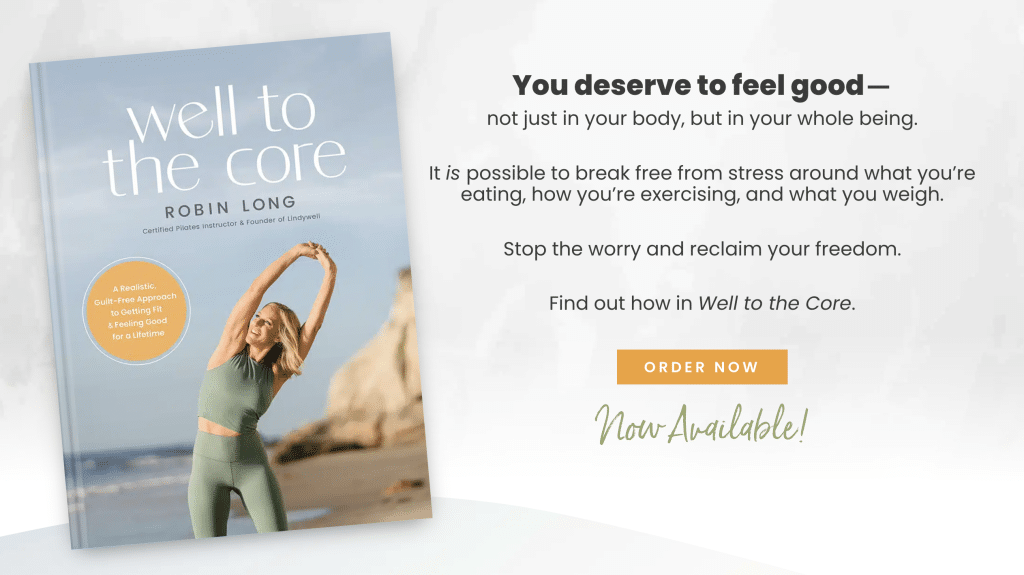
well to the core banner ad

1. Stamina for Life

Physical health is the foundational element of well-being, but not just strength-building. Life-long healthy habits such as consistent movement, nutritious eating, adequate sleep, and access to nature will sustain and nourish the body. This, in turn, fills you with the stamina to get through your days, do physically demanding activities, and explore the world. In other words, live a full life!

What’s really cool is that science tells us this physical vitality gives you more energy and enthusiasm levels while also reducing your risk of chronic diseases. We all want those things, don’t we?

2. Mental Clarity and Creativity

A strong mind is like a well-tuned instrument. An intentional, consistent mindfulness practice will enhance your ability to use it, especially when it comes to creative, flexible thinking. In fact, research shows a correlation between mindfulness and:

  • Decision-making
  • Concentration
  • Problem-solving
  • Observation skills 

This cultivated mental clarity also helps you formulate new, imaginative ways to flesh out an idea, complete a task, or achieve a goal. In other words, your mind is clear enough to think outside the box and get things done!

3. Emotional Regulation and Resilience

Learning how to process, stabilize, and regulate your emotions leads to more resilience in all areas of life. If you can recognize the emotion, it has less power over you, allowing you to validate yourself and move forward rather than staying stuck in that headspace. 

A holistic wellness journey makes this awareness possible, which in turn makes it easier for you to:

  • Adapt to changes.
  • Recover from setbacks big and small.
  • Form healthy coping mechanisms.
  • Maintain a balanced outlook in the face of adversity.

When I talk about making life more vibrant, I don’t mean minimizing the difficult circumstances that will inevitably arise. I mean learning how to persevere in the midst of them, which also happens to be a strong predictor of overall happiness.

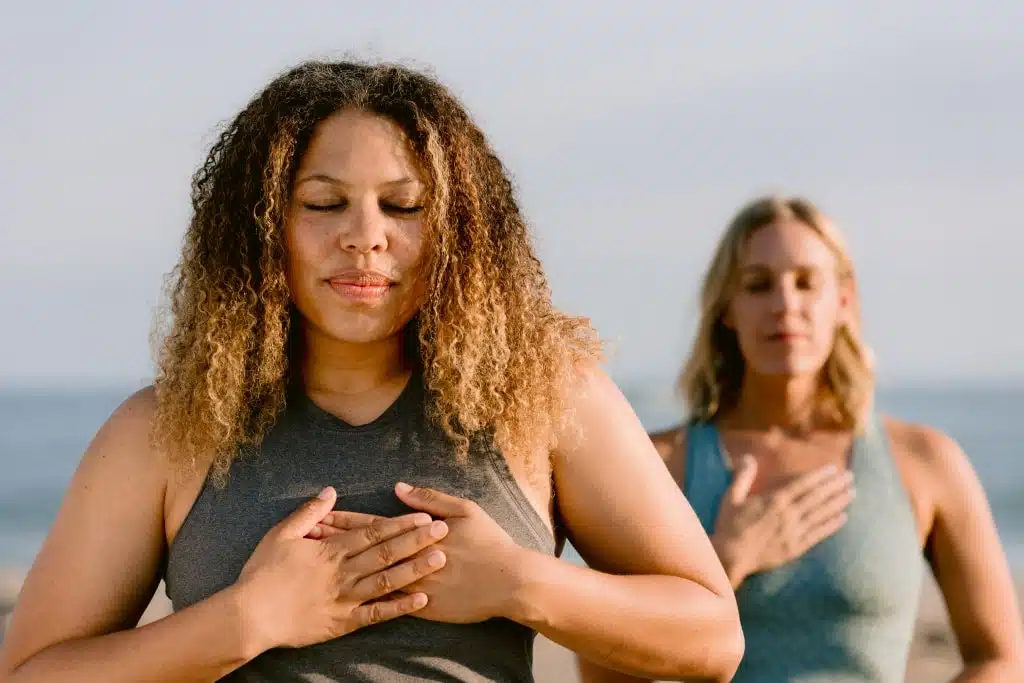
Practice breathwork by joining us for Exhale Hour, a live guided breathwork session. This is just one of the many ways to build emotional resilience and regulation. 

4. Deep Relationship Connections

When you prioritize well-being, you create more bandwidth to meaningfully connect with those around you. Think about it: if you’re feeling energized and happy, you want to spend time with friends. If you’re feeling low and burnt out, you’re more likely to crave quiet and alone time. 

While there’s nothing wrong with the latter, high-quality relationships can lower blood pressure, strengthen cardiovascular health, and boost brain function. Your friendships are as vital to your well-being as your workouts, so don’t skip this important aspect of your wellness journey. 

5. Rest and Sleep Quality

Creating healthy habits around sleep hygiene, diet, and physical activity boosts your ability to get restorative sleep, which in turn, reduces the effects of insomnia and chronic fatigue. Think about what habits you want to build to make this restorative sleep possible. I’ve found it helpful to put away my devices an hour or two before bed to reduce blue light exposure. 

You could also start doing our Pilates for Better Sleep workout or Sleep Well, an evening breathwork practice. The small changes can have a significant impact on your sleep—and let’s be honest, we all need sleep to function at our best.

6. The Freedom to Do what You Love

Part of your wellness journey is exploring your hobbies and things that you love doing that don’t involve work or ticking something off your to-do list. When you explore those leisure activities that you enjoy, you also boost your endocrine, immune, cardiometabolic, and central nervous functions.

After years of reading only non-fiction books, I recently started reading fiction again. I’ve found that reading fiction helps my mind truly rest and not force my reading time to be “productive” like most other areas of life. Reading just for the sake of reading has been a much-needed addition to my wellness routine over the past couple of months.

7. Self-Confidence 

Robust physical, mental, and emotional health can boost self-confidence—but confidence isn’t just about feeling good when you look in the mirror. This cultivated self-confidence gives you the courage to step outside your comfort zone, trust in your own capabilities, and chase after your wildest ambition. In other words, create the life you truly want to live!

High levels of self-confidence will also foster a growth mindset to learn and improve after encountering failure or rejection. This shift in your mindset can lead to feeling more confident in every area of your life.

8. Less (And More Manageable) Stress

Stressful moments are inevitable and yet chronic stress can make you feel overwhelmed or out of control. Your wellness journey can make it much easier to manage those moments when they arise and even reduce the stress in your life. For example, exercise is actually a stress reliever—and nearly any form of exercise can help decrease your stress. 

Pair this with some of the other practices mentioned, like breathwork and mindfulness, and you may find you experience stress less and less. Talk about vitality!

Reap the Vibrant Lifestyle Benefits of a Holistic Wellness Journey

Focusing on mental, emotional, and physical health isn’t about checking another health box. It’s about creating a vibrant life that leaves you feeling abundant, strong, calm, and confident. This is exactly how we help our thousands of members across the globe feel with Lindywell. 

If you want to create a vibrant life, while feeling stronger and more confident, start your free trial and get instant access to 300+ workouts, plus nutritious recipes and guided breathwork sessions.

The post 8 Ways that Your Wellness Journey Can Make Life More Vibrant appeared first on Lindywell.

from Blog – Lindywell https://ift.tt/YyLsp9d
via IFTTT
Categories
Uncategorized

#healthyliving #holistic #nutrition Meet Lindy: Physical therapist, pain expert & our newest instructor!

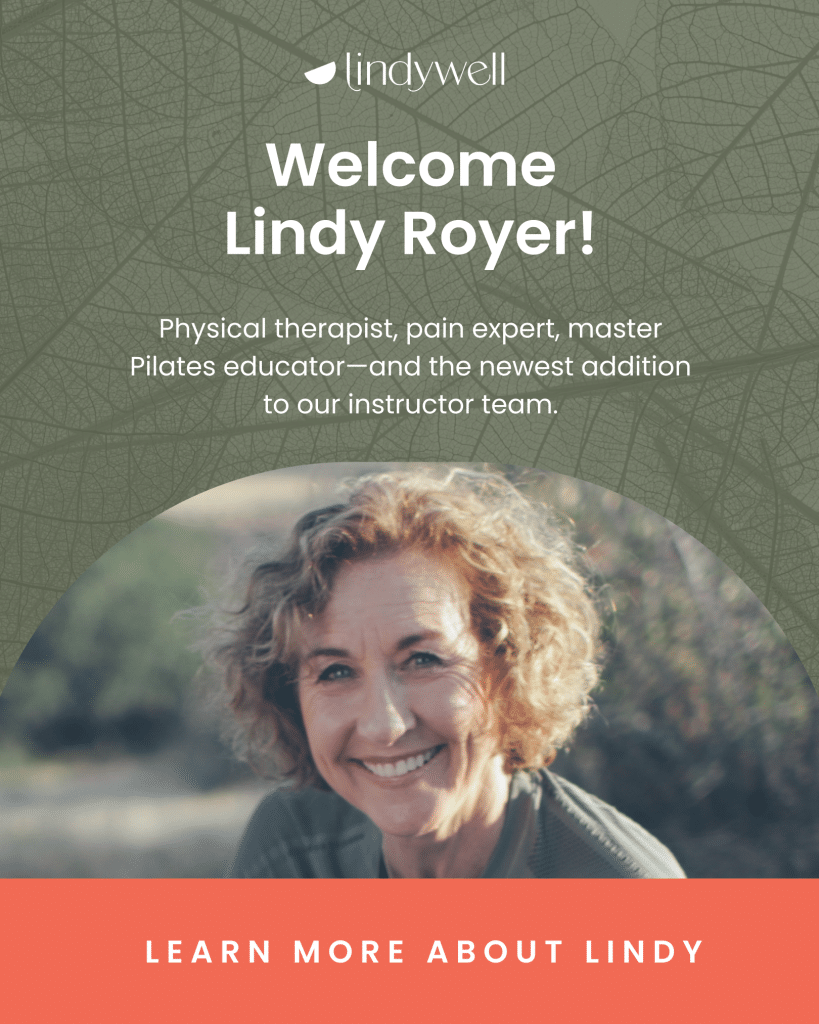
We are so excited to introduce you to our newest instructor, Lindy Royer! (Yes, her name is Lindy!😍)

With over 20 years of experience as a physical therapist and Pilates instructor, she is highly trained in movement and pain education, as well as a master Pilates educator (teaching Pilates to teachers like myself!). Lindy has been a long-time friend, teacher and mentor of mine for many years! 

But beyond her many accolades, Lindy is just flatout inspirational. Whether she’s rock climbing or planking around the world, Lindy hasn’t let her two hip replacements hold her back from living her life to the fullest—and inspiring all those around her to do the same! 

Lindy believes movement can be joyful and fun, no matter our age or past history.

She has done a handful of bonus workouts in the app, and has been a top-rated guest on the podcast.

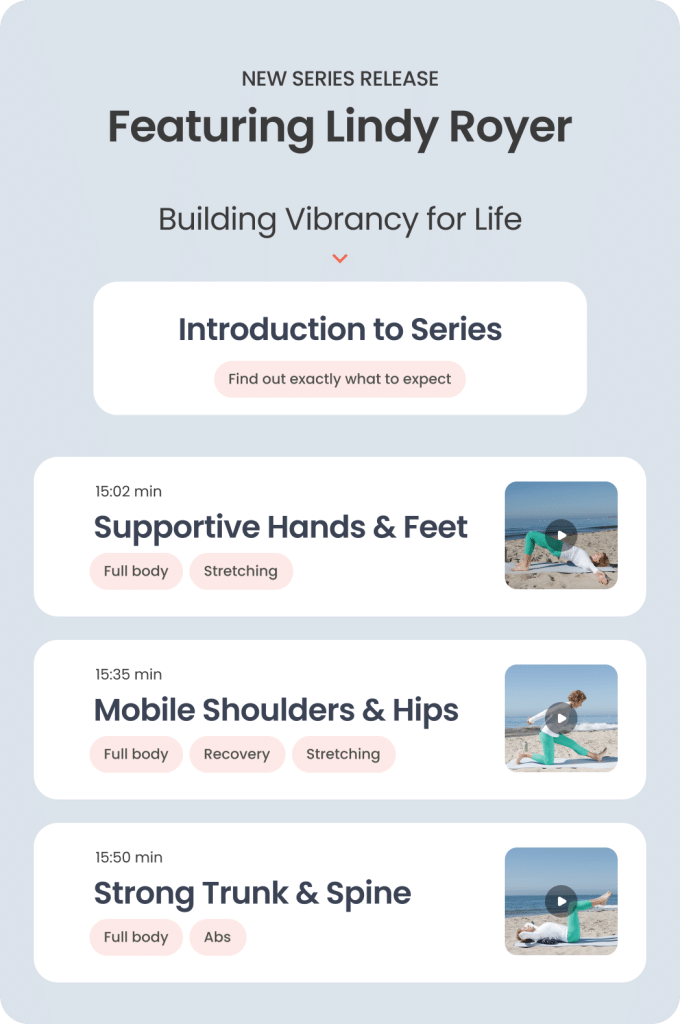
The best part? You can start working with Lindy TODAY by trying her new Build Vibrancy for Life series in the Lindywell app now! 

These highly-requested workouts focus on mobility and balance. Plus, this series is bone-friendly, making it a great option to consider for those with osteoporosis or low-bone density.

With a Lindywell membership, you can get full access to Lindy’s series, but also 300+ on-demand Pilates workouts, breathwork exercises and nourishing recipes. We’ll help you create a consistent workout routine (that you’ll actually enjoy!) in less than 20 minutes a day.

Our members rave about the lasting results of less stress, increased strength, a toned body and regulated nervous system. And you can experience these same benefits too!

Ready to feel powerful and confident in your body at every age? Get instant access to Lindy’s new series with a FREE trial today!

The post Meet Lindy: Physical therapist, pain expert & our newest instructor! appeared first on Lindywell.

from Blog – Lindywell https://ift.tt/gcIQARm
via IFTTT

Categories
Uncategorized

#healthyliving #holistic #nutrition 5 Surprising Ways 30 Days of Gratitude Changed My Life 

30 days of gratitude

What started as an experiment, 30 days of gratitude, turned into so much more. That’s because gratitude is one of the most powerful tools we can use. Scientifically (you know I love the science!), regularly practicing gratitude actually changes your brain. 

One particular study of nearly 300 adult participants found that the people who wrote a daily letter expressing gratitude to others reported significantly better mental health than those who didn’t. Even more interesting, participants experienced this shift after just four weeks of writing letters and the difference in mental health was even greater at 12 weeks. 

But you don’t have to follow this exact structure to feel the results. I posted one photo on Instagram each day for 30 days that highlighted something I was grateful for. It was so simple but so impactful.

What does “better mental health” mean though? How did this actually change my life? While this can look different for all of us, for me, there were a few specific areas of life that were especially impacted. That’s what I want to share with you today to show you just how powerful 30 days of gratitude can be in your life. 

1. It’s Easier to See the Good

How often do you get bogged down with what’s wrong? If your answer is “a lot!” know that you’re not alone. This is something I struggled with for a long time, as so many of us do. After committing to gratitude, however, this has shifted dramatically. 

Intentionally practicing gratitude has actually trained my brain to focus on all the good in my life, instead of the challenges. And let’s be honest, there are always a lot of challenges—that’s life!

This works because gratitude actually blocks negative emotions like envy, resentment, and regret. While those emotions are normal and natural, experiencing less of them makes it easier to focus on what’s great rather than what’s not. Remember, however, that the goal is not to eliminate these feelings, but to give them less power over your behavior and life.

2. I’m a Better Mom and Wife

This impact of gratitude is one of the most important to me because my relationships with my husband and children are the most important relationships in my life. In practice, being a better mom and wife means I’m less reactive, more patient, more loving, and grateful toward them, which means everyone’s lives are improved.

The incredible thing is that when romantic partners, in particular, feel more appreciated, they are more likely to report being more appreciative and responsive to their partners’ needs in return. They also report feeling more committed to the relationship. 

Pair this with the overall increased feelings of happiness and reduced feelings of stress and anxiety, and it makes sense that it would impact how you respond and behave as a mother or parent. 

The thing I love most is that I can see how this has a tangible impact on our day-to-day lives. When life feels overwhelming, pausing to notice how much I have to be grateful for with each of my four, healthy, beautiful children can put everything else in perspective. 

It’s also a great tool at the family dinner table. When the mood feels off and everyone is a bit grumpy, I often interrupt the bickering by asking everyone to share one thing they are grateful for. It’s amazing how quickly this can shift the mood and tone of the conversation.

3. I Feel More Connected to My Friends

I am lucky to have many good friends in my life and gratitude has only made these relationships better. Interestingly, studies support this, finding that gratitude strengthens social bonds. By focusing on the many ways the people around us have made our lives better, we end up feeling more cared for and loved by those people. 

Not only do I feel more connected to and loved by my friends, but it’s made me a better friend too. I’m so much more in tune with how grateful I am for them. I’m also more compelled to express my gratitude to them more regularly whether it’s a quick text, a gift delivery, or a handwritten note.

4. My Mood is More Stable

Life happens, and it’s normal to move up and down within your Window of Tolerance as you go from happy and content to stressed or anxious and then back again. By practicing 30 days of gratitude, however, I notice these “up and down” feelings are now less present. My mood is more stable from day to day, regardless of what’s going on. 

But this isn’t just me. A study with more than 400 participants analyzed found that those who wrote daily gratitude lists for just 14 days (only two weeks!) had an increase in their positive affect, subjective happiness and life satisfaction. They also had a reduced negative affect and depression symptoms.

5. I Feel Less Comparison

Gratitude actually directs our attention away from social comparison, which is so fascinating to me. This is something I didn’t expect as I shifted my focus to gratitude, but I’ve absolutely noticed that when I spend time focusing on the good that there is in my life, I’m less tempted to look at others’ lives and covet what they have. It’s incredibly freeing to go through life without the constant comparison to others. It helps me to experience more joy, more presence, and more connection in my day-to-day life.

6. Bonus: MORE Good Things Started Happening

The real question here is: did more good things actually start happening or did I just notice and celebrate more of the good things that were already there? We’ll never know, but it doesn’t matter because the end result is the same: my life got better in every single way with a very simple practice that I can do anywhere, anytime.

Are You Ready for 30 Days of Gratitude?

You don’t need a formal “challenge” to start practicing 30 days of gratitude—you can start today! One way to do that with a little support is to join Lindywell where we’ll be focusing on gratitude all month long. 
Start your 14-day trial of Lindywell (current members can just log into their account!) and get instant access to our Balance and Gratitude Workout and our Breathwork for Gratitude, Grounding and Joy.

The post 5 Surprising Ways 30 Days of Gratitude Changed My Life  appeared first on Lindywell.

from Blog – Lindywell https://ift.tt/Fg07Wre
via IFTTT

Categories
Uncategorized

#healthyliving #holistic #nutrition 3 Winter Mocktails to Make You Healthier and Happier

winter mocktails

While I love the occasional glass of wine or cocktail, I want to head into this winter with a few good winter mocktails I can enjoy by the fire on a chilly night or with friends during a holiday party! Interestingly, we’re seeing that more of our community is craving mocktail options as well—and this is happening outside of our community too. 

Recent data found that fewer than 4 in 10 Americans consider themselves regular drinkers. Plus, seasonal trends like Sober October or Dry January encourage a more balanced relationship with alcohol intake.

Just because we might want to consume less alcohol (or none at all) doesn’t mean we can’t get a taste of the season. As a bonus, we can also give our bodies good-for-you nutrients that help us feel great too! 

That’s why I asked Micah Siva, our resident recipe developer and registered dietician, to create a few winter mocktails for us. If you’re craving a zero-alcohol beverage this winter, you don’t want to miss these! 

lindywell free trial

First: What Are the Benefits of Drinking Less Alcohol?

If you do consume alcohol (I see you, date night margarita) there are many clear benefits to moderating your overall intake for both physical and mental wellness. Habitually excessive alcohol consumption (4-5+ drinks in one sitting) could shorten a person’s life by an average of 26 years. That’s because too much alcohol in your bloodstream will take a gradual, but serious, toll on the liver, heart, colon, esophagus, and other organs. 

Over time, this can increase your risk of chronic illnesses such as cancer, hypertension, stroke, fibrosis, fatty liver disease, hepatitis, cardiovascular problems, and even mental health conditions or cognitive decline. 

I personally find that my sleep is greatly impacted by alcohol (even just one drink!), so I often choose to skip the drinks altogether. Doing so helps me get a better night’s sleep and also makes it easier to wake up the next day feeling refreshed and energized.

To avoid these potential health issues, or experience the benefits of not partaking (hello better sleep!), moderation is the key—and many people are starting to choose this route lately. In fact, 34 percent of Americans resolved to cut back on their alcohol intake in 2023 and more than 50 percent are interested in trying alcohol-free beer, wine, or spirits.

Cue one of my favorite zero-proof drinks: a good mocktail. This delicious alternative allows you to sip the flavorful, refreshing drinks you love without those long-term health effects. 

What I love about the winter mocktails I’m sharing here is that they’re festive for the holiday season and also support your health and well-being. With ingredients like pomegranate, apple cider, ginger, lemon, and honey, they may be just what your body needs to get you through the holiday and cold season!

Pomm Spritz

Pom spritz mocktail-3

Pomegranate is a classic flavor this time of year. As this jewel-toned fruit reaches its peak of freshness in September through November, it becomes the perfect addition to meals— and of course, beverages. In addition to its ruby color and sweet-tart flavor, pomegranate also contains immune-boosting antioxidants to protect your cells from environmental toxins and repair DNA damage. In this recipe, the pomegranate juice melds with bitter tonic, lime, and mint, for a batch of truly satisfying winter mocktails. 

Ingredients:

2 oz. pomegranate juice
½ oz. lime juice
6 oz. tonic water
1 tbsp. pomegranate seeds
1 sprig mint leaves
Ice cubes (to taste)

Instructions:

Pour the lime juice and pomegranate juice in a glass with a small handful of ice cubes. Stir the mixture to thoroughly combine. Top with the tonic water, then garnish with a fresh sprig of mint and pomegranate seeds. Enjoy this beverage while it’s cold. 

Apple Tini

apple tini mocktail-2

Few things are more warming in the winter than a hot mug of apple cider. Turn this classic into an effervescent, martini-style mocktail, infused with warming spices. As a bonus, apples are a nutritional powerhouse. Thanks to a robust combination of fiber and antioxidants, it can lower cholesterol, stabilize blood pressure, ease inflammation, and improve digestion. 

For the freshest (and nutrient-dense) version of this drink, try to use unpasteurized apple juice. I find this at my local health food store or farmer’s market, but when it’s not convenient, I just use whatever I have available!

Ingredients:

  • ¼ cup apple cider
  • ½ oz. ginger juice
  • 2 oz. sparkling water
  • 1 pinch cinnamon
  • Ice cubes (to taste)
  • Thin apple slices (to garnish)

Instructions:

Pour the apple cider, ginger juice, and cinnamon in an empty jar or cocktail shaker with a tight lid. Fill the remaining space with ice cubes and shake vigorously for 10–15 seconds. Transfer the mixture into a coupe or martini glass, then top with sparkling water, and garnish with a few thin apple slices. Enjoy this beverage while it’s cold.  

Rooibos Totty

rooibos toddy mocktail-1

If you’re like me, nothing sounds cozier than a cool winter evening on the couch with a cup of hot tea. This rooibos totty hits all those snug, thermal notes, and it’s full of beneficial nutrients. Rooibos is a fermented African red tea varietal that, when brewed at a high temperature and steeped for several minutes, releases quercetin, aspalathin, and other bioactive antioxidants

Plus, it’s naturally caffeine-free, which makes for a soothing sober nightcap.

Ingredients:

  • 1 rooibos tea bag
  • 1 tbsp. lemon juice
  • 2 tbsp. honey
  • 1 cinnamon stick
  • 1 slice ginger
  • 1 cup boiling water

Instructions:

Bring a cup of water to a rolling boil on the stovetop. Place the rooibos tea bag in your favorite mug, then pour in the lemon juice and honey. Top with the cinnamon stick and slice of fresh ginger, then cover all these ingredients with hot water. Allow to steep for 3 to 5 minutes, and remove the tea bag. Enjoy this beverage while it’s steamy. 

Winter Mocktails for a Balanced and Healthy Season

Whether you want to limit your alcohol intake or abstain altogether, these irresistible winter mocktails are the alternatives that your body is craving. Plus, they taste good too! Whip up a batch for yourself on a cool winter evening or to impress your guests at a holiday party!

The post 3 Winter Mocktails to Make You Healthier and Happier appeared first on Lindywell.

from Blog – Lindywell https://ift.tt/Id9yWMr
via IFTTT

Categories
Uncategorized

#healthyliving #holistic #nutrition Wholistic Fit Living Guide: A Roadmap to Mind-Body Health

wholistic fit living

Wholistic fit living is a different way of thinking about health, wellness, and fitness. Ultimately, it gives us a chance to zoom out. 

When you hear the word, “health,” usually exercise or diet comes to mind, right? Of course, these things are important for us to feel our best, but long-term wellness is about so much more than that. Real, sustainable health needs a wholistic, or whole body, approach, especially as we work to embrace joyful aging and feeling great in every season of life.

This is where the 8 Dimensions of Wellness, developed by Dr. Margaret (Peggy) Swarbrick, come into the picture. While there are many ways to think about wholistic health, I love that this framework makes it easy to connect with and see how each area of our lives impacts us. 

Each of these pillars dives beneath the surface to examine:

  • How you move through the world
  • What you think and feel
  • Who you interact with
  • How you allocate your time or resources
  • Which values, habits, or beliefs you practice 

When creating your roadmap to mind-body health, so you can feel your best in every season, all of these factors play a role—so let’s look at how.

The Physical Dimension

The health industry often focuses on this dimension; the strength, resilience, and function of your body—and it’s important. However, where the fitness industry often gets it wrong is the focus on pushing your body at all costs and doing more than your body can handle. This mentality can lead to injury and a start-and-stop way of working out—which means you aren’t reaping the benefits of physical fitness because you’re not being consistent (or are continually hurting yourself).

The physical dimension best serves your health when you meet your body where it’s at and choose movement that not only feels good but uses proper form so you avoid injury and pain.

Put It Into Practice: While there are many ways to choose the right movement for your body, strength training is one of the best formats for building long-term muscle. Instead of going to the gym and figuring it out yourself, start a 14-day free trial of Lindywell and get instant access to our Weight Training Series. This will allow you to build strength with weights while being very intentional with your movements, leading to better results and less pain and injury. 

The Intellectual Dimension

This dimension refers to pursuits and behaviors that sharpen your brain and reduce the risk of cognitive decline. It’s about immersing yourself in new skills or information, maintaining a sense of curiosity, and seeking out intellectual enrichment. This may not sound important to your health, but data shows that those who identify as “lifelong learners” report more

  • Self-efficacy
  • Intrinsic motivation
  • Alertness, retention
  • Flexible thinking
  • Positive mood state 

They’re also less susceptible to chronic stress, depression, or other mental health issues. All of this is key to your mental health and wellness, which in turn, of course, affects every single area of your life.

Put It Into Practice: Challenge yourself to develop a new hobby, whether it’s learning how to speak a new language, crocheting a scarf, or planting a garden. I love learning about interior design to create a life-giving and comfortable home that impacts all areas of my life—from enjoying the learning experience itself to implementing new things in my home.

The Emotional Dimension

This dimension refers to the awareness of your emotions, modulating them in a constructive way, and respecting the emotions of others. Research shows that the ability to determine how you feel, and then use healthy coping or problem-solving skills to deal with that emotion, referred to as emotional regulation, can boost quality of life and alleviate clinical symptoms. 

Those who regulate their emotions also tend to prioritize other beneficial habits such as nutrition, fitness, sleep hygiene, and stress or anxiety management.

Put It Into Practice: One way to improve your emotional awareness is breathwork. An intentional breathwork practice will teach you to be mindful of emotions while accepting them without judgment. It can also help you tap into your self-compassion, release feelings that do not serve you, and return to a state of calm rather than staying in a stress state.

If you want to practice breathwork with some guided support, join one of live our Exhale Hour sessions.   

The Social Dimension

This is an area of wholistic fit living that is rarely ever connected to health in our modern wellness culture—but is so incredibly important. Loneliness and isolation can actually worsen health outcomes whereas, a sense of connection with community and friends will improve them. A thriving social circle (even if it only includes a few people!) can:

  • Reduce inflammation in the body
  • Increase metabolic function
  • Relieve depression or anxiety
  • Lower the risk of cardiovascular issues, pulmonary disease, or high blood pressure

You can learn more about how friendships impact your health through the work of Dr. Andrea Bonior, one of the most well-known researchers in this space. Her book The Friendship Fix shares fascinating data and stories that illuminate the importance of this dimension of health. 

You can also dig deeper into connection in my new book Well to the Core, where I share about the power of community and its impact on our health. I also share some simple but actionable strategies for creating deeper connections within your world.

Put It Into Practice: Creating social connections and cultivating the ones you already have takes intentional practice as an adult. Start by planning a date night if you have a partner—even if you can’t leave the house (hi parents, I see you!). 

To connect with current friends, invite them to do something, like take a pottery class or get coffee. If you’re looking to build your social circle, consider ways that you can meet people who align with your values, like joining a book club, taking an art class, or finding another meet-up in the community.   

The Spiritual Dimension

This dimension refers to having a deep sense of meaning in your life, with or without a religious faith tradition. For me personally, this includes spending time in prayer, reading scripture or even meditating on scripture throughout the week. For you, that might mean taking a walk in nature or connecting with the higher power you believe in. 

Regardless of what you believe, spiritual well-being makes it easier to feel gratitude, access inner peace, and maintain a hopeful outlook in hard circumstances, all of which come in handy during those difficult seasons that we all go through. 

When it comes to wholistic fit living, this is also important in ways you might not have realized. Data shows a direct correlation between spirituality and self-actualization, personal growth, resilience, psychological wellness, prosocial behaviors, satisfaction, and even immune strength.

Put It Into Practice: Having a regular gratitude practice is so important in helping me tap into my spirituality and sense of meaning in life. An easy way to do this is with a gratitude journal (even a note app on your phone). Use this time to reflect on what you’re thankful for each day. 

The things you write down can be simple (I am grateful for my warm cup of coffee each morning), or even existential (I am grateful for the opportunity to be alive right now). No matter how you approach it, gratitude is spiritually nourishing and supportive of your health, whether you’re religious or not.       

The Vocational/Occupational Dimension

This dimension refers to applying unique skills, talents, and passions toward work that enriches your life and the impact that has on your health. Regardless of how you apply those talents and passions—from building a career to taking care of your family or traveling the world—doing what you love decreases stress, boosts your mood, and expands your social circle.

Put It Into Practice: Do you enjoy what you spend your days doing? If the answer is no, consider what shifts you need to make to discover more fulfillment in your life. There is always an opportunity for change in some way, whether big or small, but you have to see it and choose it first.

The Financial Dimension

This dimension refers to the responsible management of financial resources. This, in turn, empowers you to establish realistic plans and live within your means, which leads to a greater sense of calm and comfort. While this may seem disconnected from wholistic fit living, financial security is actually one of the main determinants in both long-term mental and physical health outcomes. 

Actions like monitoring cash flow, eliminating debt, or saving for important milestones can create the financial freedom to enjoy life, instead of fretting about how you’ll afford basic necessities. We can also see this importance through Maslow’s Hierarchy of Needs. The second layer of the triangle is safety, which is impacted by stable and sufficient income, and is one of the most important. 

Put It Into Practice: This dimension of health doesn’t mean you need to have a lot of money. It means you have to understand how to manage it so that you can feel supported in having what you need to live happily and comfortably. 

One of the ways I’ve pursued growth in this area of my life is by working with my friend Natalie, who also happens to be a financial advisor. Together, she helps me understand my personal values and how to better align my finances with those values. Listen to my interview with Natalie on the Balanced Life. 

The Environmental Dimension

Where you live, who you interact with, and what you encounter influence your overall health and longevity. This is especially true when you consider the power of nature on health. Data has found that spending at least 120 minutes in nature (or urban green spaces) each week can increase your level of happiness while reducing the risk of obesity, cardiovascular issues, diabetes, mental illness, cognitive function, and asthma hospitalization.

Put It Into Practice: Set aside time each day to spend time outside, whether you take a walk or just sit on your porch or in a nearby park. My daily walks have become necessary for my mental health. At first, it was hard to prioritize the time but now I look forward to them—and even end up walking much longer than I intended because it feels so good to not only move my body but to be outside in the sunshine and fresh air. 

Wholistic Fit Living Is Your Roadmap to Wellness

Wholistic fit living has little to do with your fitness level (though physical fitness is important), and more to do with zooming out. When you broaden your lens via the 8 Dimensions of Wellness, you can see that so much of your life has an impact on how you feel physically and mentally, both in the moment and long term. At Lindywell, we value long-term, sustainable, whole-bod health above all else and encourage you to do the same. 

If you want to get started with wholistic fit living in your life, check out my book, Well to the Core, where we cover real-life examples, experiences, and ideas for bringing these dimensions into your everyday life.

The post Wholistic Fit Living Guide: A Roadmap to Mind-Body Health appeared first on Lindywell.

from Blog – Lindywell https://ift.tt/oJMunWs
via IFTTT

Categories
Uncategorized

#healthyliving #holistic #nutrition Mouth Breathing vs. Nose Breathing: Why It Matters for Your Health

mouth breathing vs nose breathing

Does mouth breathing vs. nose breathing really matter for your health and well-being? The short answer is yes and as a somatic and breathwork practitioner, I spend a lot of my time focused on breathing, in general. 

Of course, you know the sheer act of breathing is essential to life, but how you breathe is just as important. Unless you mindfully tune into the rhythmic cadence of each inhale and exhale, this function just occurs without much—or any—conscious thought.

When you do tune in, however, you can significantly impact your health in so many (sometimes surprising!) ways. Here’s what you need to know about mouth breathing vs. nose breathing.

What Is the Optimal Breathing Method?

First, let’s start with the mechanics of breathing. An estimated 30 to 50 percent of adults breathe through their mouths. While this might seem like an innocuous habit, it can actually be the root cause of many health concerns. The mouth’s primary biological function is not to take in oxygen. Its function revolves around eating, drinking, smiling, communicating, and expressing ourselves. So let’s look at the two. 

Nose Breathing 

From an evolutionary stance, we’ve been created to breathe through the nose—but why does this matter? Imagine you just poured some water into a glass. This water flow starts at the bottom, then spreads out and rises to the top, so eventually, the entire glass is filled. 

That’s how nasal breathing operates too: it activates the diaphragm muscles (located in your core), then expands the lungs to their fullest capacity. This maximizes respiratory function in order to circulate oxygen more efficiently—just as a full glass of water helps quench your thirst. 

Mouth Breathing 

Now compare that to mouth breathing, which occurs in short, rapid, shallow bursts from the chest. Unlike nasal breathing, this method only uses a small fraction of the lung capacity available, thus lowering the oxygen concentration that can reach your bloodstream. 

When you make this a consistent, conscious habit, it can optimize your well-being in all sorts of ways—from stress relief and sleep hygiene to oral health and athletic performance, to immune strength and more. Let’s dive into all the amazing scientific benefits of nasal breathing.    

Why Nasal Breathing Is Better than Mouth Breathing

I love my breathwork practice because it invites me to be mindful of how I breathe on a regular basis—even outside of doing breathwork. This is key because most breathwork sessions only last 5 to 30 minutes—it’s those other 23 ½ hours that determine how strong and efficient my normal lung capacity is, how my anxiety impacts my life, and so much more.

When it comes to mouth breathing vs. nose breathing there are many benefits to getting intentional about doing the latter. Here’s how breathing through your nose will impact so many areas of your life.

Humidification and Filtration

Does your throat ever feel dry after breathing out of your mouth for a prolonged amount of time? That’s because the respiratory tract needs moisture, which mouth breathing cannot provide. On the other hand, when you breathe through the nose, that nasal passage serves as a natural humidifier, as well as a filtration system. Here’s how this works

The nose has bony structures called turbinates that moisten the air you inhale. While that process occurs, the air also gradually warms to the level of your core body temperature, so it’s easier for the nasal cavity tissues to absorb. Simultaneously, mucus and cilia (the small hairs in your nose) will filter out any airborne dust, allergens, and other toxins or pollutants, to ensure your lungs are clear of impurities. 

It may not be something you think about often, but actually keeping your lungs clear of impurities is essential for overall health in so many ways:

  • Clear lungs make breathing easier and more efficient. 
  • Healthy lungs are better equipped to defend against respiratory infections, making you less susceptible to conditions like pneumonia, bronchitis, and respiratory viruses.
  • Clear lungs lead to better overall health and quality of life with less coughing, wheezing, and shortness of breath.
  • A healthy respiratory system can support your body’s overall immune function by preventing harmful substances from entering the body through the airways.

Stress and Anxiety 

Mouth breathing occurs in quick, shallow bursts, which activates the sympathetic nervous system. This causes a hyper-arousal state, increasing cortisol (stress hormone) levels. Whereas the slow, diaphragmatic rhythm of nasal breathing taps into the vagal nervous system to create a parasympathetic (relaxation) response.

Posture

If you’re a habitual sloucher with a forward neck or head pronation, mouth breathing could be a culprit. Fortunately, nasal breathing will correct those spinal misalignments because when you recruit the diaphragm to inhale, you’re also accessing the abdominal muscles to build core strength and stabilize posture control.

Athletic Performance

Mouth breathing vs. nose breathing is an important part of optimizing your athletic performance. elevate your athletic performance. When you breathe from the nose during exercise, you release nitric oxide. Nitric oxide is a vasodilator, meaning it tells the blood vessels when to expand, which boosts oxygenation to your heart and muscles. 

This also increases CO2 output to maintain cardiorespiratory endurance, while taking fewer breaths. Ultimately, a slower breathing rate will enable you to perform more efficiently for longer periods of time, even at a high-intensity level. This small shift can have such a big impact on you!

Immune Support

Nitric oxide, which is manufactured in the paranasal sinuses, can also strengthen immunity and lower the risk of respiratory illness. Your nasal passages are lined with immune cells and antibodies that act as a protective barrier against airborne viruses, but if pathogens do sneak into the sinus cavity, nitric oxide will be secreted to neutralize the virus before it replicates. Mouth breathing won’t offer that protection—in fact, this habit could negate the body’s antiviral response. In a world where we want to find the best ways to boost our immune system, this can’t be overlooked!

Oral Health

Mouth breathing has adverse oral health implications too. If you breathe through the mouth while asleep, this obstructs the upper airway (nose, throat, sinuses). Over time, that obstruction can result in dental issues such as snoring, periodontal infection, enlarged tonsils, jaw pain, tooth erosion, fractures, or impaction. Meanwhile, nasal breathing opens that airway and increases saliva production. This flushes out bacteria, mitigates tooth decay, improves oral hygiene, and restores sleep quality—a win-win-win!

Mouth Breathing vs. Nose Breathing: The Difference Matters!

Breathing does more than keep you alive (and that is important!), but when you take the time to intentionally pull from your diaphragm instead of your chest, your mind and body are much more supported.  But remember, it takes time to retrain your brain to use nasal breathing but as a part of your breathwork practice, start to make breath awareness a habit. 

At every stoplight, while brushing your teeth, or taking a shower pay attention to your breath and practice breathing low, slow, and through your nose (Low in the belly/diaphragm). This one hack can change your life. Awareness is the first step to change!

Breathwork is a great tool to experience mouth breathing vs. nose breathing—while also reaping the benefits of a balanced nervous system, like less stress, more calm, and more! Join me for a live session of Exhale Hour to be guided through breathwork and learn more about this powerful practice. 

The post Mouth Breathing vs. Nose Breathing: Why It Matters for Your Health appeared first on Lindywell.

from Blog – Lindywell https://ift.tt/ZKFD5Y9
via IFTTT

Categories
Uncategorized

#healthyliving #holistic #nutrition 5 Ways Pilates Can Ease Menopause Hip Pain

menopause hip pain

Menopause hip pain is among the many symptoms experienced during this time of life, next to hot flashes, hormonal changes, breast tenderness, and painful intercourse. It might not occur to you, but many female reproductive organs are located between the hip bones, in the pelvic cavity. This is why you might feel pain, soreness, or lack of mobility in this area during this time of transition for your body.

While I am not yet in this season myself, Lindywell serves all generations. It’s frustrating to know that perimenopause and menopause are some of the least discussed (and least researched) experiences—and yet it’s a significant season of a woman’s life that brings about very real symptoms. Among the variety of bodily changes experienced at this time, hip pain is something we hear about a lot. 

The good news is: Pilates can help!

Here’s what you need to know about why menopause hip pain can happen, how Pilates can help, plus, a few gentle exercises that can start to bring some relief.

lindywell free trial

The Connection Between Menopause and Hip Pain

Women who have completed menopause are susceptible to a condition known as gluteal tendinopathy. This causes the tendon tissues in your hips and glutes to deteriorate, resulting in musculoskeletal pain and inflammation. 

Since it’s common for weight and hormone levels to fluctuate during or after menopause, these changes can exert pressure on the tendons, chronically inflaming them over time. As such, one in four women over the age of 50 will experience gluteal tendinopathy, which can make it difficult or painful to perform routine lower-body functions.

5 Ways Pilates Can Reduce Menopausal Hip Pain

If you’re menopausal or post-menopausal and have been dealing with these symptoms for more than 12 weeks persistently, it’s time to consult a doctor. In addition to getting medical support if needed, it may be time for you to consider Pilates. 

This form of movement can be a supportive and gentle way to strengthen your hip area, while also restoring functional mobility and alleviating that nagging discomfort. Here’s how Pilates can help.

1. More Hip Flexibility

Pilates focuses on rhythmic, flowing movements that help enhance the range of motion. This gentle fluidity will stretch the hip joints and muscles without straining them, which promotes flexibility. The more mobile and flexible your hips are, the easier (and less painful!) it will be to bend, rotate, lean, squat, walk, or perform other basic lower body functions. 

As someone who has experienced many seasons of chronic pain, I can attest to how much of a difference this makes on your mental health as well. When you can do everyday life activities with less or no pain, each day feels more enjoyable and easier to manage.

2. Stronger, More Stable Core 

When done with intention and precision, most Pilates exercises activate the core muscles in your torso (back, pelvis, abdominals, and hips). As these muscles repetitively contract and lengthen, the core becomes stronger, which creates more stability and balance throughout the whole body. As such, Pilates is a great way to build muscle thickness in the torso region, which can ultimately reduce chronic pain.

3. Improved Spinal Alignment

Not only does Pilates stabilize the core, but it also helps correct spinal misalignments to reduce postural issues such as pelvic tilt, thoracic curvature, lumbar lordosis, and hamstring overextension. This is a major part of why my scoliosis became more manageable when I found Pilates.

When it comes to menopause hip pain, this alignment is also important because it relieves pressure on your hips and other connected areas of the lower body. That decrease in pressure means less chronic pain or restrictions and more freedom of movement. 

4. Reduced Joint Stiffness

It’s common for joints to lose their natural lubrication and begin to feel stiff or brittle as you (joyfully!) age. This can make your joints more vulnerable to pain, injuries, compression, and immobility. The ball-and-socket joint, which connects your hip and thigh bones, is no exception, but Pilates can help with this too. The low-impact motions of Pilates will take the stress off your joints to restore their mobility, alleviate compression, and lower the risk of falling.  

5. Decreased Risk of Injuries

New research from the North American Menopause Society found that one in three women over age 50 will experience fragility fractures in their joints, including hips, which is the most severe type of fracture. Of those who survive a hip fracture, 40 percent will not be able to independently walk again. 

Women who have reached menopause are often at an increased risk for this injury due to postmenopausal bone loss, but as the PLOS One Journal reveals, a consistent Pilates routine can preserve bone mineral density and strengthen bone tissues. It will also improve balance and strength so you’re less likely to fall in the first place.

Pilates Exercises to Alleviate Hip Pain from Menopause

Use the following Pilates exercises, from our Pilates for Hip Mobility workout, to open, stretch, and mobilize your hips, and the muscles surrounding them. All you need to perform this workout is a Pilates mat—no other equipment is necessary! 

Remember, this is your practice, so do what feels restorative for your hips and listen to the inner cues from within your own body. 

If you want to get this full workout, plus 300+ more that can support your menopause hip pain, while helping you build strength, start your 14-day free trial of Lindywell!

Side Kneeling Lunge 

Feel free to pad under your knee with a folded towel if you need extra support for this movement. Remember to slowly shift your weight forward to feel a stretch in the front of your left hip flexor, keeping this movement intentional when we can easily move through it quickly and without thinking.

Seated Side Stretch

An important part of this exercise is to keep your hip bones on the ground as you stretch and reach to the side. It’s okay if you can’t do this yet, but it’s what you’re working toward to make the most out of the movement.

Leg Circles

Lying on your back, extend one leg up to the sky as your opposite leg extends down the mat. Draw a circle with your leg, breathing as you do. Remember to keep your pelvis as still as possible while doing this movement. This activates the core muscles. If you feel your lower back lifting off the mat, reduce your range of motion and make your circle smaller.. 

Reverse Table Top

While hands facing your body is the traditional placement for this exercise, you can modify it by facing them out to the side or behind your body. If you have tight shoulders, this can make the movement more comfortable. Don’t forget to focus on keeping your chest open from start to finish as well.

Butterfly Forward Fold

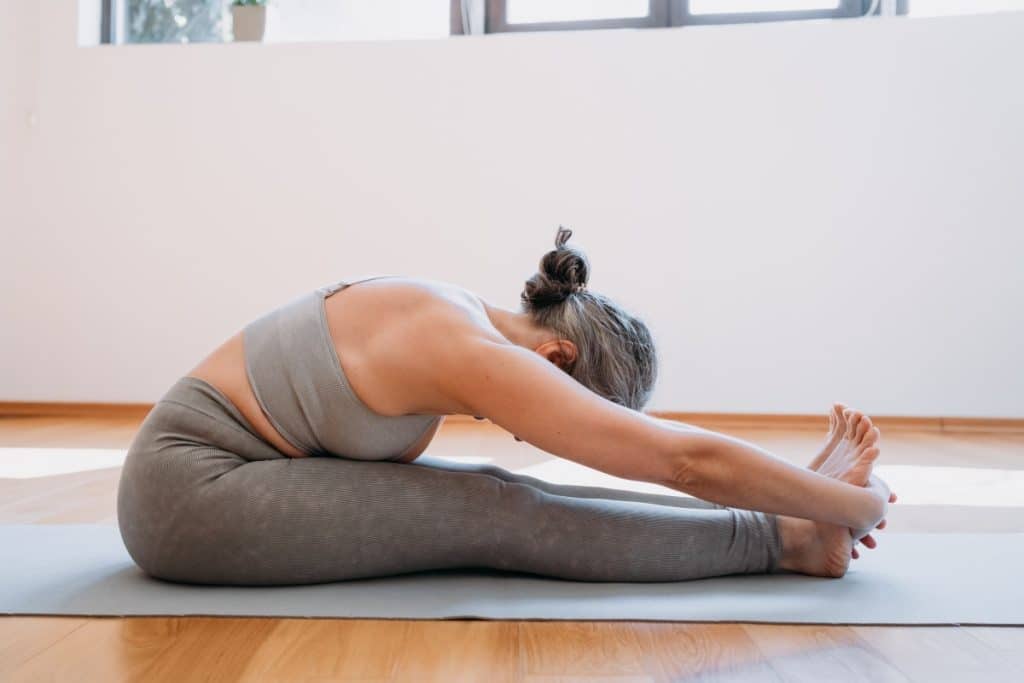
While not necessary, to get more stretch out of this exercise, feel free to push down on your knees or pull yourself down by grabbing hold of your feet. Do what feels best for your body and hips—which might be different each time you do this!

Relieve Your Menopause Hip Pain

Hip discomfort, restriction, or pain is a common side-effect of menopause, but these gentle exercises can help if you struggle with menopause hip pain. 

If you love these exercises and are ready to start living with less pain, start your free 14-day trial of Lindywell. You’ll get access to 300+ Pilates classes that increase flexibility, balance, and strength in your hips—and all other areas of the body.

The post 5 Ways Pilates Can Ease Menopause Hip Pain appeared first on Lindywell.

from Blog – Lindywell https://ift.tt/iMCW7fS
via IFTTT

Categories
Uncategorized

#healthyliving #holistic #nutrition What Your Wegovy Diet Plan is Missing (Hint: It’s Not What You Think)

wegovy diet plan is missing

Does your Wegovy diet plan include lifestyle changes to build long-term strength and reduce stress and anxiety? If not, it’s time to take a step back and look at your health from a holistic lens. While weight loss can be important, it’s far from the only aspect of life that impacts health. 

In fact, your health is made up of many factors including where you live, your education level, your relationships and so much more. Two of those factors that play an especially critical role are long-term physical strength and mental health. 

In my 20’s, I thought weight loss was what I needed—and yet, it never made me happier. It took discovering Pilates, which helped me consistently build mental and physical strength and resilience, to make me see that. Now, as a business owner, mother of four, and person who wants to thrive, this is what’s helped me manage health setbacks, feel good in my ever-changing body, and weather the many storms that have come my way.

Let’s take some time to dig into the science, understand why all of this matters, and how you can make sure they’re part of your Wegovy diet plan—or any weight-loss plan!

lindywell free trial

First: What is Wegovy?

If you’re checking this article out because you’re curious about what Wegovy is (let’s be honest, a lot of people are talking about it!), then let’s do a quick overview. Wegovy is a semaglutide; another popular version of this that you’ve probably been hearing about is Ozempic.

These drugs were initially developed for those with Type 2 Diabetes. When used as a treatment, adults with type 2 Diabetes get a once-weekly injection to improve blood sugar levels. This is also used to lower the risk of major cardiovascular events like stroke, heart attack or death, for adults with type 2 diabetes who also have heart disease. 

This drug has clear medical benefits and has provided hope for many people who really need it. Unfortunately, however, many people with the financial means have begun using it solely to lose weight—regardless of whether they have Diabetes or not. This has caused a lot of conversation around both the use of the drug and the importance of and focus on weight loss. 

How I Look at Wegovy

When I look at Wegovy or Ozempic and their rise in popularity I think about two important things:

  1. I am not here to “drug shame” anyone. I recognize the opportunity for many people who struggle with Diabetes and their weight to achieve their weight loss goals. We are not here to layer on guilt or shame in this conversation or alienate people who need help and are looking for answers.
  1. I know that health is about so much more than weight. While this can play a role in your overall health picture, to create sustainable, long-term health (that will last beyond initial weight loss and help you feel happier, calmer, and stronger), you need to make lifestyle changes that address your holistic health picture. 

Focusing on holistic health can help you bring all of these factors together so you can feel good in your mind and body. Here’s how you can start moving toward this approach.

What Your Wegovy Diet Plan is Missing 

It’s often the case that when someone thinks of health, they think only of weight. For some people, weight is an indicator of overall health and can or should be addressed. However, what’s often overlooked (and yet is so important) is a holistic health approach that includes:

  • Long-term physical strength
  • Mental health and mindset
  • Optimal nutrition and nourishment

Let’s dive in to see how these aspects of health impact your life and how you can start making changes.

Long-Term Physical Strength

Weight loss does not have the same benefits for your long-term health as building strength. This is especially true when you consider how the body changes in the aging process. What’s more, drugs like Wegovy not only drive weight loss but muscle loss as well, so it MUST be counteracted with exercise if you want to stay healthy and age well.

Strength building can vastly improve what you can do and the quality of your life long-term. One report called, “Resistance training is medicine,” (just love that title, how true!) shared how the body improves with resistance training, meaning to work out with weights, bands, or other equipment:

  • Improved movement control, functional independence, cognitive abilities, and self-esteem. 
  • Prevention and management of type 2 diabetes. 
  • Boost cardiovascular health.
  • Promote bone development.
  • Reduce low back pain and ease discomfort associated with arthritis and fibromyalgia. 
  • Reverse specific aging factors in skeletal muscle.

What’s more, bodyweight training, working out with no equipment at all, can have a similar impact. One study found bodyweight training reduced inflammation and improved overall functional fitness in postmenopausal female participants. I know I’ve definitely experienced these benefits from bodyweight-based Pilates. (Our thousands of members have too!)

All of this is critical if you want to live a long, comfortable, and functional life. And yet, no Wegovy diet plan is recommending physical movement. 

How to Build Strength

While there are many ways to build strength, we at Lindywell love one particular form of exercise the most: Pilates. Not just because it’s what we teach, but because we know it can have all of the benefits shared above and then some! 

At Lindywell we use body weight, resistance bands, and even Pilates-inspired weight training to build strength and focus on good form and healthy movement while building muscle.

Plus, at Lindywell, we remind you to focus on grace over guilt. We want you to meet your body where it’s at so you can build strength without forcing your body to do what isn’t right or doesn’t feel good. This is not only key to avoiding injury, but creating consistency that will help you keep your body strong for many years to come. 

Lindywell supports your ever-changing body and mind no matter what season of life you’re in. Start your 14-day free trial of Lindywell today. You’ll get instant access to 300+ workouts, plus guided breathwork sessions and easy recipes!

Mental Health and Mindset

Weight loss does not lead to happiness. In fact, a study of nearly 2,000 people found that while weight loss leads to changes in physical markers of health, participants who lost 5 percent or more of their initial body weight were more likely to report feeling depressed than those who stayed closer to their initial weight (within 5 percent). 

At Lindywell, we’re not saying not to lose weight or that it’s bad. We’re saying that your mental health and mindset are just as important to your overall health picture. Yet, this isn’t the focus of any Wegovy diet plan or being shared by people touting the weight loss benefits of the drug. 

If you aren’t happy, you’re always stressed or anxious or have a hard time shifting your perspective in tough situations, then you’ll likely still feel that way even after you lose the weight. The goal is to enjoy life, even if it gets hard, which will continue to happen. 

That’s why focusing on your mental health and mindset is so important. It’s not about removing the stress and anxiety of your life, but learning how to cope with it, according to the World Health Organization (WHO). 

The WHO defines mental health as: 

“… a state of mental well-being that enables people to cope with the stresses of life, realize their abilities, learn well and work well, and contribute to their community. It is an integral component of health and well-being that underpins our individual and collective abilities to make decisions, build relationships, and shape the world we live in.”

So how do you support your ability to cope in these ways? Let’s talk about it.

How to Support Mental Health

There are so many ways to support your mental health—and that’s the beautiful thing. We can all dig into a massive toolbox of options that can help us feel mentally stronger, calmer, and happier every day, no matter what life brings our way and no matter what we have access to.

Here are some of the strategies I use to support my mental health that can support yours too:

  • Time in nature: Science shows this is a huge component of mental health, helping to reduce stress and anxiety and improve mood. Simply getting outside, whether you take a walk around the block or go for a hike, can support your mental health.
  • Meditation and mindfulness: Bring meditation (even just 2-3 minutes) and mindfulness into your daily routine. It can vastly improve your mental health because these practices calm the mind and enhance overall well-being. This is also a powerful way to shift your mindset and begin seeing the world through a different lens.
  • Breathwork: Breathing deeply and with intention, even for just 5 minutes each day, can improve your mood and reduce anxiety. This can also improve physical markers of health like respiratory rate, heart rate, and heart rate variability. A win-win! If you’re not sure about breathwork: check out our blog post on how to make it more fun, Read our Q&A with Lindywell’s Head of Breathwork and Somatic Programs, or Join a live guided breathwork session!

While Lindywell can support you in many of these areas, my brand new book, Well to Core, dives into each of these aspects of mental health in a practical way. Buy your copy today!

Optimum Nutrition and Nourishment

When using drugs that reduce your appetite, your body’s need for adequate nutrients does not change. If you’re not pursuing a diet that is rich in macro and micronutrients you won’t experience long-term health improvements (or feel very good!). 

Our body needs nourishment—from vitamins and minerals to an adequate balance of protein, carbohydrates, and fat—in order to function well. Your brain health, digestion, and energy levels (among so many other functions of your body and life) rely on a nutrient-rich diet to thrive. 

How to Support Your Nutrition

Sometimes the easiest way to boost your daily nutrition is to follow nutrient-dense recipes that are simple and easy to prepare. If you’re anything like me, so this is key to making it happen! That’s why I often turn to the hundreds of recipes in the Lindywell app. All of them were created by Micah Siva, our resident recipe maker and a registered dietician. 

From breakfast, lunch, and dinner to snacks and smoothies, we have something for every day of the week. Plus you’ll find options for preferences like gluten- or dairy-free and your kids will love these recipes too! Start your 14-day free trial of Lindywell to get instant access to all of these recipes!

Focusing on Holistic Health 

It can be easy to get caught up in wanting to lose weight, especially when drugs like Wegovy are now available. While losing weight isn’t bad, and for some, is necessary, there’s so much more to be considered, including long-term strength building, mental health, and mindset. 

These aspects of health are critical for building a sustainable healthy lifestyle. This, in turn, can help you cope with both the physical and mental challenges of life. Weight loss is not a magic bullet (and the science proves it). So make sure your Wegovy diet plan—or regular weight-loss plan—includes these important aspects of living a happy, healthy life.

The post What Your Wegovy Diet Plan is Missing (Hint: It’s Not What You Think) appeared first on Lindywell.

from Blog – Lindywell https://ift.tt/RoGp2JN
via IFTTT

Categories
Uncategorized

#healthyliving #holistic #nutrition Breathwork for Trauma: How to Connect Back to Your Body

breathwork for trauma

Breathwork for trauma is being talked about more and more—and for good reason: 70 percent of adults across the globe have dealt with at least one traumatic event in their lives. These traumas can be the result of events or experiences that range from violence and abuse to serious accidents or even exposure to death or loss. 

Using deep breathing and various breathing techniques with a trauma-informed practitioner or program can be invaluable for healing. This can be a way to work through the experience, the physical manifestations, and the disconnect from your body that often happens as the result of a traumatic event. 

Breathwork was a tool that I used when I healed through the trauma of my stroke. It continued to be invaluable as I worked through the collective trauma of a pandemic and social and political unrest, which most (if not all) of us experienced.

As such, this is a very personal topic for me and something I feel passionately about sharing. Let’s look into how trauma affects the body and how breathwork can help restore balance and connection within yourself so you can heal.

exhale hour_guided breathwork 2

How Trauma Manifests in the Body

The brain’s reaction to trauma stimulates an acute stress response, causing imbalanced cortisol (stress hormone) levels. If this cortisol imbalance goes unresolved, it can cause an allostatic load (cumulative chronic stress) to manifest in the body. This leads to anxiety, depression, inflammation, and a handful of other physical bodily experiences.

Trauma can also cause dissociation from the body. Dissociation is as “an involuntary detachment from reality,” and is one of the ways your brain protects you from the experience. This survival instinct is biological. It’s meant to keep you safe from the trauma, however, it can also keep you stuck in the experience because your body doesn’t recognize that the trauma is now gone and you are safe. 

Breathwork with a trauma-informed program or practitioner can safely get you back into your body to begin the healing process. 

Breathwork as a Tool in Trauma Recovery

This work is so powerful for trauma healing because slow, controlled breathing techniques produce a meditative effect on the autonomic and central nervous system. This can help increase feelings of comfort, relaxation, alertness, and positive energy. At the same time, it also reduces stress, arousal, fear, depression, anxiety, confusion, and anger. 

Think of it as quieting the noise of the trauma in your body and coming back to a space of balance and calm where you can reconnect with your body to process and heal.

New research shows that fast-paced breathing modalities can also help build stress resilience and regulate sympathetic nervous function. This style of breathwork, categorized as “temporary voluntarily-induced stress,” builds stress resilience in a different way than slow, deep breathing. Despite being different, it’s still supportive in the healing process. 

If you want to experience the power of this fast-paced breathwork, join me for Exhale Hour where we use somatic techniques to drop into the body, be present with emotions, and move through them with energy work.

What to Keep in Mind With Trauma and Breathwork

Breathwork can play an important role in trauma healing. As a consistent practice, it can also expand your mental and emotional capacity to deal with future challenges as they arise. However, I do want to emphasize that breathwork is not a cure for trauma. This tool is most effective and beneficial when used alongside other therapeutic modalities. 

I always encourage trauma survivors to seek out licensed professionals with clinical education and expertise in trauma-informed care. When I suffered from complex trauma and PTSD after my stroke, breathwork was the initial access point. This led me to a team of trauma therapists who specialized in somatic (body-centric) treatments. This is what ultimately motivated me to become a somatic practitioner myself. 

A Simple Breathwork Practice for Trauma

Given my own experience and the scientific research surrounding it, I love to use breathwork with clients as a helpful adjunct to their trauma healing. One of my favorite breathing exercises to create calm and reconnect with the body is simple: 

  • Take a full inhale.
  • Breathe out a long, slow exhale.
  • As you breathe out consciously repeat the word, “peace.”
  • Repeat 3-5 times.

This breathing practice calms the heart rate and lowers heightened states of arousal. This allows you to come to a place of mental, emotional, and physical equilibrium. While this one practice can be helpful, breathwork for trauma is not a one-time thing. To heal, you need to be consistent with the work, and in many cases, pair it with other modalities.

Don’t Overlook Breathwork for Trauma Healing

Traumatic events can cause you to disconnect from your body, but with trauma-informed support and interventions, it’s possible to restore a sense of well-being, balance, and connection within your own body. 

Remember: healing looks different for everyone. The healing process is unique and non-linear, so I encourage you to move at whatever pace feels manageable. While breathwork for trauma healing is becoming more well-known, it’s important that you assemble a team of clinicians who specialize in trauma care to get the care you need. 

As someone who’s been through it before, I can promise you that with the right support team, you will be able to find yourself and your own sense of safety again.

The post Breathwork for Trauma: How to Connect Back to Your Body appeared first on Lindywell.

from Blog – Lindywell https://ift.tt/yR1Okta
via IFTTT

Categories
Uncategorized

#healthyliving #holistic #nutrition 5 Deep Core and Pelvic Floor Exercises (That Don’t Involve Kegals)

deep core and pelvic floor exercises

Deep core and pelvic floor exercises are some of the most important for your body, especially if you’re a woman. They’re the reason why I can still jump on a trampoline after having four children! (As long as I don’t have a full bladder and have to sneeze at the same time – ha!)

These exercises help you build strength that supports whole-body balance, a flexible range of motion, and postural alignment. A healthy core and pelvic floor also allow for hip and back mobility, greater sexual pleasure, and better digestion—all things most of us want!

If you’re doing core exercises only thinking about your “abs” though, you’re going to miss out on a lot of the benefits. At Lindywell, our goal is to help you slow down, tune in, and use that focus to be more intentional with movement to help you maximize the benefits.

This type of mindful movement is especially important with deep core and pelvic floor exercises. Let’s talk about why and then get into which exercises you should bring into your workout routine (hint: you won’t find any talk of crunches here). 

lindywell free trial

What You Need to Know About Pelvic Floor Function

The pelvic floor is so important, and yet, for many women it’s a cause of discomfort, difficulty, or pain. Research shows that 32 percent of U.S. women will experience at least one pelvic floor issue in their lifetime. Here are some of the most prevalent ways that pelvic floor dysfunction can manifest:

  • Incontinence: bladder leakage, painful urination, frequent urges, constipation, bowel strain, rectal pressure or discomfort
  • Sexual Issues: painful intercourse, decrease in arousal or libido, infrequent orgasm
  • Chronic Pain: back or pelvic muscle spasms, soreness or tightness in the lower back, hips, genitals, rectum, or pubic bone

Pelvic floor issues usually occur when something weakens this group of muscles, tears the connective tissue around it, or puts unnatural stress on the pelvic region. Whether that’s a procedure, event, or health condition, here are a few main culprits: 

  • Traumatic pelvic injuries
  • Surgeries in the pelvic area
  • Physical changes due to pregnancy
  • Abdominal separation in childbirth
  • Nerve damage in the pelvic area
  • Untreated UTIs or vaginal infections
  • Chronic pelvic inflammation
  • Pelvic strain due to obesity

While pelvic floor dysfunction is common, you don’t need to accept it as “normal.” Instead, you can strengthen and heal this area of your body with deep core and pelvic floor exercises. If you’re experiencing visible and/or chronic symptoms, seeking the support of a medical professional might be advised and check out NIH’s guide to pelvic floor disorders to learn more. 

5 Deep Core and Pelvic Floor Exercises

While chronic or severe cases of pelvic floor dysfunction might require medical intervention, many women experience restored functionality and lasting pain relief with Pilates. This happens as the result of the intentional breathing, postural realignment, and deep core strengthening aspects of this type of exercise. 

You may be surprised to learn that rhythmic breathing is one of the most important aspects of Pilates for supporting pelvic floor health. On exhalation, the transversus abdominis (innermost core muscle) and pelvic floor draw into your midline. Then on inhalation, the diaphragm contracts to release and lengthen your pelvic floor.

In addition, the gentle, low-impact style of movement builds functional mobility, strength, balance, and flexibility. This means you’ll activate the core and pelvic floor with each intentional movement, alleviating tension while building strength. 

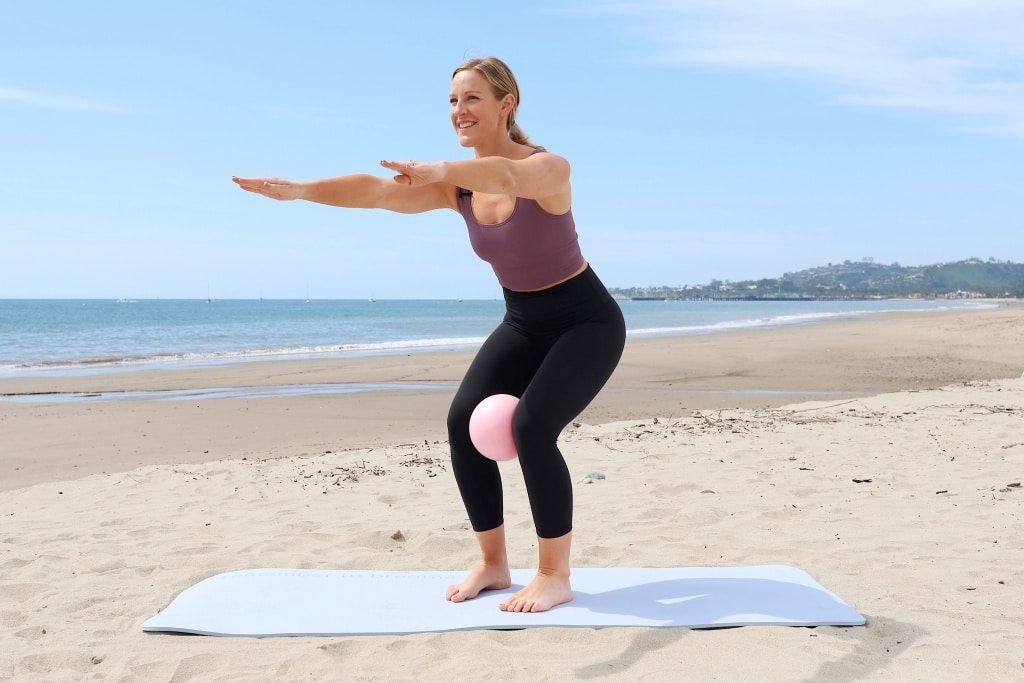
However, you won’t get these results with basic abdominal exercises like crunches. Use these five deep core and pelvic floor exercises instead. For each exercise here, you can add resistance by squeezing a ball or towel between your knees. Get the full workout on YouTube and don’t miss the tips and suggestions below so you can get the most out of each movement.

Pelvic Floor Lift

The focus of this move is to contract and lift your pelvic floor muscles on each exhale, then lower and release them on each inhale. As you do this, think about pulling a tissue out of its box—that is the same motion you want to imitate with your pelvic floor. 

Pelvic Curl

To perform this move correctly, contract the pelvic floor muscles as you use slow, controlled movement to raise your hips into a bridge, releasing as you return to the mat. For healthy pelvic floor function, it’s crucial to be able to maintain a fluid rhythm of contraction and relaxation.

Bent Knee Fall Out

When hinging your each leg out to the side, think about the motion of opening a book. Your core and hips stay stable, like the spine of a book, as your leg (the page) opens. The goal of this move is to create stability in the pelvic floor.

Seated Spinal Twist

As you twist from side to side, focus on keeping the pelvic floor muscles as stable and stationary as possible. This movement should be coming from your core, using those muscles to twist, hold, and return to center, rather than using your arms or hips.

Standing Chair Squat

As you do this movement, remember that your knees will bend, but they should not protrude in front of you. The focus of this squat variation is to release the pelvic floor widen the sit bones as you squat, and activate and lift the pelvic floor as you return to standing.

Strengthen Your Core and Pelvic Floor

Whether you feel discomfort in the pelvic floor region or you want to strengthen this area to help avoid future issues, Pilates is a solution you shouldn’t overlook. Work these exercises into your current daily or weekly movement routine and remember to go at your own pace. At Lindywell, we remind all of our members to meet their body where it’s at and build from there.

Get access to 300+ fun and effective Pilates classes to support your whole body (and mind!), with a 14-day free trial! As a member, you get all the workouts plus a library of guided breathwork sessions and nourishing recipes.

The post 5 Deep Core and Pelvic Floor Exercises (That Don’t Involve Kegals) appeared first on Lindywell.

from Blog – Lindywell https://ift.tt/yV7ehdz
via IFTTT